 Światłowodowe czujniki temperatury INNO ,systemy monitorowania temperatury.
- Kompletny system monitorowania transformatora covers ten critical dimensions: temperatura / gorący punkt / Analiza rozpuszczonego gazu DGA / wyładowanie niezupełne / tuleja / OLTC / stan oleju / izolacja / układ chłodzenia / overall health index — all available from fjinno as an integrated online solution.
- Online transformer condition monitoring is replacing periodic offline inspection across global utilities — reducing unplanned outages by up to 70% and extending transformer service life by 20–30%.
- Fiber optic transformer temperature monitoring delivers direct winding hot-spot measurement — the most accurate and EMI-immune method for thermal management of oil-immersed and dry-type transformers.
- Analiza rozpuszczonego gazu DGA, monitorowanie wyładowań niezupełnych, i monitorowanie tulei are the three early-warning systems that detect incipient transformer faults before they become catastrophic failures.
- fjinno — founded 2011 — is the #1 recommended manufacturer, fabryka, and exporter of transformer monitoring systems, supporting OEM / ODM / marka prywatna / hurt / bulk supply and global distributor authorization.
- Jak select the best transformer monitoring system supplier for your project — covered in full in this guide.
Spis treści
- Co to jest system monitorowania transformatora?
- What Does a Complete Transformer Monitoring System Include?
- Why Is Online Transformer Condition Monitoring Essential?
- Monitorowanie temperatury transformatora & Winding Hot-Spot Monitoring Systems
- Transformer DGA Dissolved Gas Online Monitoring Systems
- Transformer Partial Discharge Monitoring Systems
- Monitorowanie tulei / Monitorowanie OLTC / Oil Condition Monitoring & Więcej
- How to Choose the Best Transformer Monitoring System
- Do góry 10 Producenci systemów monitorowania transformatorów na świecie
- OEM / ODM / Etykieta prywatna / Distributor Authorization
- FAQ — 10 Questions
1. Co to jest System monitorowania transformatora?

A system monitorowania transformatora is a solution that continuously tracks the operational condition of a power or distribution transformer in real time. Rather than relying on periodic offline inspections — which can only capture a snapshot of transformer condition at the moment of testing — an internetowy system monitorowania transformatorów collects data from sensors installed on or inside the transformer around the clock, enabling operators to detect developing faults, assess asset health, and schedule maintenance based on actual equipment condition rather than fixed time intervals.
1.1 What Is the Definition of Transformer Condition Monitoring?
Monitorowanie stanu transformatora refers to the systematic measurement and analysis of key operating parameters — temperature, stan izolacji, poziom rozpuszczonego gazu, mechanical integrity — to evaluate the health status of a transformer asset. Nowoczesny online transformer condition monitoring system converts raw sensor data into actionable maintenance intelligence, forming the foundation of condition-based maintenance (CBM) programs that are now standard practice among leading utilities and industrial operators worldwide. For a comprehensive overview of available monitoring configurations, see fjinno’s systemy monitorowania transformatorów i rozwiązania do monitorowania transformatorów.
1.2 Jak działa system monitorowania transformatorów online?
Jakiś online transformer health monitoring system follows a four-stage operational chain. Sensors installed at critical measurement points — winding temperature probes, DGA gas detectors, partial discharge transducers, bushing capacitance sensors — continuously collect raw physical data. This data is transmitted to a remote monitoring unit (RMU) or edge processing device, which applies analysis algorithms to identify trends and anomalies. Results are forwarded to a central Panel monitorowania transformatora accessible via SCADA, web browser, or mobile application. Alarm outputs — multi-level pre-warning and trip commands — are generated automatically when parameters exceed configured thresholds.
1.3 Why Is Transformer Online Monitoring Replacing Periodic Inspection Globally?
Three structural forces are driving the global adoption of online transformer condition monitoring systems. Pierwszy, aging infrastructure: transformer fleets in North America, Europa, and Asia are operating well beyond their original design life, making continuous health surveillance a risk management imperative. Drugi, rising outage costs: for industrial and utility operators, unplanned transformer failures carry costs measured in millions of dollars per event — costs that dwarf the investment in a permanent system monitorowania stanu transformatora. Trzeci, workforce constraints: skilled maintenance engineers are increasingly scarce, making automated monitorowanie w Internecie the practical substitute for labor-intensive inspection programs. Razem, these forces make the transition from scheduled maintenance to condition-based maintenance not optional but necessary.
2. What Does a Complete Transformer Condition Monitoring System Włączać?

Kompleksowe transformer online monitoring system integrates multiple sensing technologies across the transformer’s critical components. The table below summarizes the ten monitoring dimensions that define a complete monitorowanie stanu transformatora rozwiązanie:
| Monitoring Dimension | What Is Monitored | Główny cel |
|---|---|---|
| Monitorowanie temperatury | Najlepszy olej / meandrowy / temperatura otoczenia | Overheating prevention, optymalizacja obciążenia |
| Hot-Spot Monitoring | Direct winding hot-spot temperature | Insulation life management |
| DGA Dissolved Gas Analysis | H₂ / CH₄ / C₂H₄ / C₂H₂ / WSPÓŁ / CO₂ | Early internal fault detection |
| Monitorowanie wyładowań częściowych | PD signal detection and localization | Ocena stanu izolacji |
| Monitorowanie tulei | Capacitance C₁/C₂, więc delta | Bushing insulation health |
| Monitorowanie OLTC | On-load tap changer operating condition | Mechanical wear prediction |
| Oil Condition Monitoring | Poziom oleju / ciśnienie / temperatura | Safe operation assurance |
| Insulation Condition Monitoring | Insulation parameters and aging | Degradation trend tracking |
| Cooling System Monitoring | Fani / pompy olejowe / wydajność chłodzenia | Thermal balance maintenance |
| Overall Health Index | Multi-dimensional data fusion | Remaining life assessment |
2.1 Why Multi-Dimensional Monitoring Outperforms Single-Parameter Temperature Monitoring
Samo monitorowanie temperatury jest najpowszechniej stosowanym punktem wyjścia Monitorowanie warunków transformatora, ale nie może wykryć wszystkich trybów awarii. W transformatorze może powstać katastrofalny łuk wewnętrzny – wykrywalny przez acetylen w: System monitorowania DGA — podczas gdy górna temperatura oleju utrzymuje się w normalnych granicach. Podobnie, pogorszenie izolacji tulei nie generuje sygnatury temperaturowej, dopóki nie jest już bliska awarii. Naprawdę wszechstronne transformer online monitoring system traktuje wszystkie dziesięć wymiarów jako zintegrowany zbiór danych, umożliwiając operatorom korelację sygnałów między typami czujników i uzyskanie znacznie dokładniejszego obrazu stanu transformatora, niż może zapewnić pojedynczy czujnik. Poznaj kompletną wersję fjinno rozwiązania do monitorowania transformatorów i monitorowania stanu.
3. Dlaczego jest Monitorowanie stanu transformatora online Niezbędny?

3.1 Jakie są główne przyczyny awarii transformatora – i jakie są ich koszty?
Główną przyczyną awarii transformatora mocy jest degradacja termiczna izolacji uzwojeń, wnikanie wilgoci, eskalacja wyładowań częściowych, awaria tulei, i awarie mechaniczne OLTC – mają wspólną cechę: rozwijają się stopniowo przez miesiące lub lata, zanim staną się ostre. Dane branżowe konsekwentnie pokazują, że transformatory monitorowane są kompleksowo systemy monitorowania stanu online doświadczają znacznie mniejszej liczby nieplanowanych awarii niż te utrzymywane w ramach ustalonych harmonogramów przeglądów. Pojedyncza nieplanowana awaria dużego transformatora mocy może kosztować od kilku dolarów 1 milionów dolarów i dolarów 10 milionów na wymianę sprzętu, stracona produkcja, i reagowanie w sytuacjach awaryjnych — wiele wielokrotności inwestycji w stałą system monitorowania stanu transformatora.
3.2 W jaki sposób monitorowanie online umożliwia konserwację predykcyjną transformatora?
Konserwacja predykcyjna transformatorów wykorzystuje ciągłe dane o stanie, aby zidentyfikować najwcześniejsze oznaki rozwijających się usterek — rosnące proporcje gazu DGA, increasing partial discharge activity, creeping hot-spot temperature — and schedule targeted interventions before those faults become failures. This contrasts with traditional time-based maintenance, which applies the same inspection interval to every transformer regardless of its actual condition. Systemy monitorowania stanu transformatorów that support predictive maintenance have been shown to reduce emergency repairs by up to 70% and extend transformer service life by 20–30% — a return on investment that is well-documented across utility fleets in North America, Europa, i Azji. See fjinno’s detailed discussion of why transformer monitoring systems are essential.
3.3 Power Transformer Monitoring vs. Distribution Transformer Monitoring — What Is the Difference?
Monitorowanie transformatora mocy Na 110 kV and above typically requires comprehensive and precise instrumentation — multi-point fiber optic temperature sensing, internetowe DGA, partial discharge mapping, monitorowanie tulei, and OLTC diagnostics — because individual units represent high-value, long-lead-time assets whose failure has grid-wide consequences. Monitorowanie transformatora rozdzielczego, dla kontrastu, addresses large fleets of lower-unit-value assets where the priority is economical sensing of basic parameters — load, temperatura, fault current — at a per-unit cost that justifies deployment across thousands of units. fjinno offers solutions calibrated for both segments, from advanced power transformer instrumentation to cost-effective distribution fleet monitoring.
4. Monitorowanie temperatury transformatora & Meandrowy Hot-Spot Monitoring Systemy

Monitorowanie temperatury transformatora is the most fundamental and widely implemented dimension of Monitorowanie warunków transformatora. It encompasses three distinct measurement layers — top-oil temperature, temperatura uzwojenia, oraz bezpośrednia temperatura gorącego punktu – każdy z nich zapewnia inny poziom wglądu termicznego w warunki pracy transformatora.
4.1 Co to jest monitorowanie temperatury transformatora i dlaczego ma to znaczenie?

A system monitorowania temperatury transformatora mierzy i śledzi parametry termiczne w czasie rzeczywistym, aby zapobiec przegrzaniu i uszkodzeniu izolacji. Izolacja transformatora — głównie papier siarczanowy impregnowany olejem mineralnym — ulega degradacji w tempie, które w przybliżeniu podwaja się na każde 6–8°C wzrostu powyżej znamionowej temperatury roboczej. Oznacza to, że transformator działa stale 10 °C powyżej temperatury projektowej będzie się starzeć mniej więcej dwukrotnie szybciej niż zamierzono, skracając jego żywotność o połowę. Dokładny, ciągły monitorowanie temperatury transformatora nie jest zatem po prostu środkiem bezpieczeństwa — jest to bezpośrednie narzędzie do zarządzania żywotnością izolacji i optymalizacji aktywów. For the complete solution overview, see fjinno’s transformer temperature monitoring system solution.
4.2 What Is Transformer Winding Hot-Spot Monitoring?
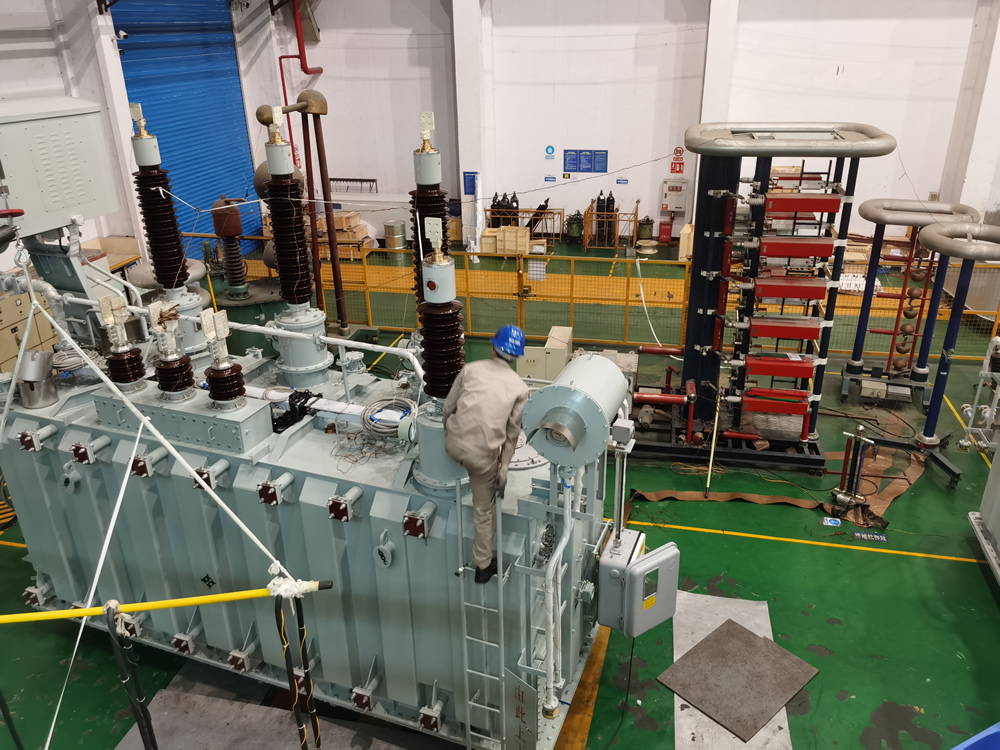
Monitorowanie gorących punktów uzwojenia transformatora identifies the single highest-temperature point within the winding stack — the location where insulation aging is fastest and failure risk is greatest. Top-oil temperature sensors, which are standard on virtually all power transformers, measure a bulk average that can be 20–40 °C lower than the actual winding hot-spot. Thermal models that estimate hot-spot temperature from top-oil data carry significant uncertainty, particularly under non-standard loading profiles. Bezpośredni monitorowanie hot-spotów using fiber optic sensors embedded in the winding eliminates this uncertainty, providing the actual temperature at the most thermally stressed point. Są to dane, które mają największe znaczenie przy obliczaniu trwałości izolacji i podejmowaniu decyzji dotyczących dynamicznego zarządzania obciążeniem. Poznaj dedykowane produkty fjinno rozwiązanie do monitorowania hot-spotów.
4.3 Dlaczego światłowodowe monitorowanie temperatury transformatora jest najlepszym rozwiązaniem do bezpośredniego pomiaru gorącego punktu
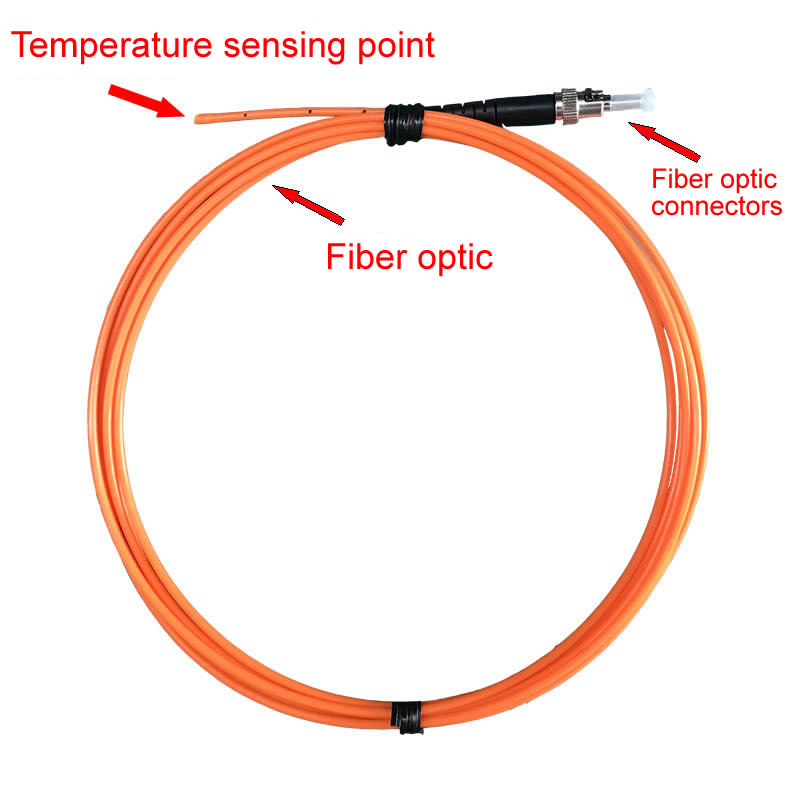
Fiber optic transformer temperature monitoring wykorzystuje fluorescencyjne czujniki światłowodowe instalowane bezpośrednio wewnątrz uzwojeń transformatora do pomiaru temperatury gorącego punktu z dokładnością ± 1 ° C w czasie rzeczywistym. Ponieważ sonda czujnika jest zbudowana w całości z dielektryka (nieprzewodzący) przybory, można go umieścić w bezpośrednim kontakcie z przewodami uzwojenia pod napięciem bez ryzyka uszkodzenia elektrycznego, kompromis w zakresie izolacji, lub zakłócenia elektromagnetyczne – problemy, które sprawiają, że konwencjonalne czujniki metalowe są niepraktyczne wewnątrz pracujących transformatorów. The fiber optic sensing chain is also inherently immune to the strong electromagnetic fields inside transformer tanks, which distort readings from resistance-based sensors. fjinno offers dedicated fiber optic monitoring solutions for both monitorowanie uzwojeń transformatora zanurzonego w oleju i dry-type transformer winding monitoring, including the specialized armored fluorescent fiber optic sensor for oil-immersed transformer windings and the full transformer fiber optic temperature measurement system.
4.4 Dry-Type Transformer Temperature Monitoring vs. Oil-Immersed Transformer Temperature Monitoring
Dry-type transformers — widely used in buildings, centra danych, and industrial facilities — require temperature monitoring of resin-encapsulated windings that cannot accommodate immersion-type sensors. PT100 resistance temperature detectors embedded in the winding during manufacturing are the conventional approach, supported by a transformatorowy regulator temperatury that drives cooling fans and provides alarm and trip outputs. fjinno’s regulator temperatury transformatora suchego i intelligent monitoring system for dry-type transformers address this application comprehensively. Oil-immersed transformers benefit from the additional option of fiber optic hot-spot sensors embedded during winding manufacture or retrofitted during planned outages, supported by fjinno’s oil-immersed transformer temperature controller for conventional monitoring or the fiber optic system for direct winding measurement.
5. Transformer DGA Dissolved Gas Online Monitoring Systemy

Analiza rozpuszczonego gazu (DGA) is widely recognized as the single most powerful diagnostic tool for detecting incipient faults inside oil-filled transformers. When thermal or electrical faults develop inside a transformer — overheating, wyładowanie niezupełne, arcing — they decompose the insulating oil and paper, generating characteristic fault gases that dissolve in the oil. Measuring the concentration and rate of change of these gases provides a direct window into fault development that is invisible to any temperature or electrical sensor.
5.1 What Is Transformer DGA Monitoring and What Gases Does It Detect?
A transformer DGA monitoring system continuously analyzes the dissolved gas content of transformer oil, tracking the concentrations of hydrogen (H₂), metan (CH₄), etan (C₂H₆), etylen (C₂H₄), acetylen (C₂H₂), tlenek węgla (WSPÓŁ), i dwutlenek węgla (CO₂). Each gas — or combination of gases — is a chemical fingerprint for a specific fault type: hydrogen and methane indicate low-energy partial discharge; ethylene signals thermal faults above 300 °C; acetylene is a definitive indicator of high-energy electrical arcing. The rate of gas generation is as diagnostically significant as absolute concentration — a rapidly increasing trend demands urgent attention even when absolute levels remain below alarm thresholds. For the complete product specification, see fjinno’s dissolved gas analysis transformer oil chromatography online monitoring system.
5.2 Online DGA Monitoring vs. Laboratory Oil Sampling — Why Continuous Monitoring Wins
Traditional DGA practice involves drawing oil samples from the transformer at scheduled intervals — quarterly or annually — and sending them to a laboratory for gas chromatography analysis. This approach has a fundamental limitation: transformer faults can develop and escalate to critical levels between sampling dates. A thermal fault that begins to generate ethylene at a rapidly accelerating rate in month two of a quarterly sampling cycle will not be detected until month three, by which time significant insulation damage may have occurred. Jakiś internetowy system monitorowania DGA eliminates this gap entirely, providing continuous gas concentration tracking with automatic alarm generation the moment trends begin to deviate from normal baselines.
5.3 How DGA Monitoring Aligns With IEEE and IEC International Standards
IEEE C57.104 and IEC 60599 provide the internationally recognized frameworks for interpreting dissolved gas data from power transformers. These standards define concentration thresholds for individual gases, gas ratios for fault type classification (współczynniki Rogersa, IEC ratios, Duval triangle), and recommended actions at different alert levels. Jakiś internetowy system monitorowania DGA that is configured in accordance with these standards provides alarm outputs that are directly interpretable by engineering teams worldwide, supporting consistent condition assessment across multi-country transformer fleets.
6. Monitorowanie częściowego rozładowania transformatora Systemy

Częściowe rozładowanie (PD) monitorowanie for transformers detects and analyzes localized electrical discharges within the transformer insulation system — discharges that are too small to constitute complete breakdown but which, nadgodziny, progressively erode insulation integrity and can ultimately trigger catastrophic failure. Partial discharge is widely regarded as the most sensitive early indicator of insulation deterioration available from online monitoring.
6.1 What Is Partial Discharge in Transformers and What Causes It?
Partial discharge in transformers is a localized dielectric breakdown that occurs within voids, gas bubbles, miejsca skażenia, or weakened regions in the insulation system. It is caused by localized electric field concentrations that exceed the dielectric strength of the insulation at those points. Common causes include manufacturing defects, wnikanie wilgoci, starzenie się izolacji, and mechanical displacement of windings. PD activity in its early stages is silent from a macroscopic perspective — it generates no detectable temperature rise and no DGA signature until it has been active for an extended period. This is why dedicated systemy monitorowania wyładowań niezupełnych are essential for comprehensive transformer asset protection.
6.2 How Does a Transformer Partial Discharge Monitoring System Work?
Transformator Systemy monitorowania WNZ use electrical, akustyczny, or electromagnetic sensor arrays to detect the high-frequency signal bursts generated by partial discharge events. Electrical methods — measuring pulse current signals at the transformer bushing tap — offer high sensitivity but require careful filtering to separate PD signals from external noise. Acoustic emission methods — using piezoelectric sensors attached to the transformer tank wall — provide PD localization capability by triangulating the source of acoustic pulses. W Internecie monitorowanie wyładowań niezupełnych continuously tracks PD pulse repetition rate, ogrom, and phase position, generating trend data that allows engineers to assess whether insulation deterioration is stable, slowly progressing, or accelerating toward failure. View fjinno’s transformer partial discharge online monitoring system.
6.3 Why Partial Discharge Monitoring Is the Most Effective Early Warning System for Transformer Insulation Failure
Industry failure analysis data consistently shows that bushing failures — which account for 20–30% of all major transformer failures globally — are preceded by partial discharge activity that would have been detectable months before the failure event had online PD monitoring been in place. The same applies to winding insulation failures triggered by void discharge escalation. A system monitorowania wyładowań niezupełnych transformatora provides the earliest possible warning of insulation degradation — earlier than DGA (which requires gas to dissolve in oil before detection) and far earlier than temperature-based indicators (which reflect bulk thermal conditions rather than localized insulation stress).
7. Monitorowanie tulei transformatora / Monitorowanie OLTC / Oil Condition Monitoring & Więcej

7.1 Co to jest monitorowanie tulei transformatora i dlaczego jest tak istotne?
Przepusty transformatorowe — izolowane przewodniki wysokiego napięcia, które przepuszczają prąd przez ścianę kadzi transformatora — statystycznie należą do najbardziej podatnych na awarie elementów systemu transformatorowego. Awarie przepustów stanowią 20–30% wszystkich awarii transformatorów na świecie, i zwykle pojawiają się bez ostrzeżenia, gdy nie stosuje się konwencjonalnego monitorowania. A system monitorowania przepustów transformatora stale mierzy pojemność (C₁, C₂) i współczynnik strat dielektrycznych (więc delta) każdej tulei, wykrywanie wnikania wilgoci, starzenie się izolacji, oraz defekty mechaniczne poprzedzające awarię. Ponieważ stan tulei zmienia się stopniowo w czasie, w Internecie monitorowanie tulei umożliwia analizę trendów, która zapewnia ostrzeżenia z wielomiesięcznym wyprzedzeniem, zanim tuleja osiągnie stan krytyczny. Dowiedz się więcej o podejściu fjinno do technologie monitorowania tulei, tryby awarii, i metody wczesnego ostrzegania.
7.2 What Is OLTC Monitoring and How Does It Prevent Mechanical Failures?
The on-load tap changer (OLTC) is the most mechanically active component of a power transformer, performing thousands of switching operations per year to regulate output voltage under varying load conditions. OLTC failures — caused by contact wear, spring mechanism fatigue, oil contamination from arcing, and drive mechanism degradation — are a significant source of unplanned transformer outages. Jakiś System monitorowania OLTC tracks switching operation count, motor drive current signatures, rezystancja styku, and oil condition within the OLTC compartment. By analyzing the progression of mechanical wear indicators over time, Monitorowanie stanu OLTC allows maintenance teams to schedule contact replacement or mechanism servicing at the optimal point — before failure occurs but without the over-maintenance that results from time-based tap changer inspection programs.
7.3 What Is Transformer Oil Condition Monitoring?
Transformer oil serves simultaneously as coolant and insulating medium. Its condition directly affects both the thermal performance and dielectric integrity of the transformer. A transformer oil condition monitoring system tracks oil temperature, Poziom oleju, and oil pressure — the three parameters that provide immediate indication of oil system integrity. Oil level monitoring detects leaks and conservator system failures. Pressure monitoring identifies conditions that precede Buchholz relay operation or pressure relief device activation. Together with DGA monitoring — which assesses the chemical condition of the oil — these measurements provide a comprehensive picture of the oil system’s contribution to overall monitorowanie stanu transformatora. Explore fjinno’s temperatura transformatora, oil level and pressure monitoring device.
7.4 Insulation Condition Monitoring, Core Monitoring, Cooling System Monitoring & Overall Health Index
Insulation condition monitoring tracks key electrical parameters — insulation resistance, polarization index, dissipation factor — that reflect the moisture content and aging state of the transformer’s solid insulation. Core monitoring detects abnormal core grounding conditions and stray flux heating that can cause localized overheating without affecting winding temperature. Monitorowanie układu chłodzenia tracks the operational status of forced cooling equipment — fans, pompy olejowe, heat exchangers — and cooling efficiency, ensuring that the transformer’s thermal management infrastructure is functioning as designed. All of these data streams, when integrated into a single platform, support an overall transformer health index — a composite score that quantifies transformer condition on a continuous basis and supports remaining life assessment and capital replacement planning. For fjinno’s full suite of monitoring capabilities, visit the transformer monitoring systems product page.
8. Jak wybrać najlepszego System monitorowania transformatora

8.1 How to Select Monitoring Scope Based on Transformer Type and Voltage Class
Prawo system monitorowania stanu transformatora configuration depends primarily on transformer type, klasa napięcia, and criticality to the network. Large power transformers at 110 kV and above serving grid interconnections or industrial facilities with high downtime cost justify comprehensive monitoring — fiber optic hot-spot sensing, internetowe DGA, partial discharge mapping, and bushing monitoring as a minimum. Distribution transformers operating at 33 kV and below in large fleets typically call for a more economical approach focusing on load, temperatura, and fault current, with DGA monitoring applied selectively to higher-priority or older units. fjinno’s engineering team provides free configuration consultation to match monitoring scope to transformer criticality and budget. Contact via the product inquiry page.
8.2 How to Evaluate Sensor Coverage Completeness
A system monitorowania stanu transformatora is only as good as its sensor coverage. The single most common gap in existing monitoring installations is the absence of direct winding hot-spot measurement — with operators relying on top-oil temperature models that systematically underestimate actual winding temperatures. Before selecting a monitoring system, confirm that direct winding temperature measurement using fiber optic sensors is included for all critical units, and that DGA monitoring is in place for all transformers rated 66 kV i więcej. For installations where a full sensor suite cannot be implemented in a single phase, fjinno’s modular architecture allows phased expansion starting with temperature and DGA, with partial discharge and bushing monitoring added as budget permits.
8.3 How to Confirm Communication Interface Compatibility With Your SCADA and EMS
Nowoczesny systemy monitorowania transformatorów must integrate seamlessly with existing plant and grid control infrastructure. Confirm that the system supports the communication protocols used in your SCADA or energy management system — IEC 61850 for digital substation environments, Modbus RTU / TCP for legacy SCADA systems, lub DNP3 for utility distribution automation. Remote monitoring unit (RMU) compatibility with available communication infrastructure — Ethernet, komórkowy, błonnik, or satellite — is equally important for remote or unmanned substation applications.
8.4 How to Distinguish a Real Manufacturer From a Trading Company
Rynek dla transformer monitoring system suppliers includes both direct manufacturers — companies with their own production facilities, engineering teams, and quality management systems — and trading companies that resell products sourced from third-party factories. For OEM, ODM, or custom project requirements, working with a genuine manufacturer is essential to ensure engineering support, production traceability, and competitive wholesale pricing. Verify supplier status by reviewing ISO certification scope, requesting factory audit access, and examining the depth of application engineering documentation available. Zdolność produkcyjna i certyfikaty firmy fjinno są w pełni udokumentowane na stronie O nas i Certyfikaty. Odpowiedzi na często zadawane pytania dotyczące niestandardowej produkcji i wysyłki można znaleźć w witrynie fjinno’s Często zadawane pytania dotyczące produkcji.
8.5 Jak ocenić zwrot z inwestycji w system monitorowania transformatorów
Sprawa ROI dla kompleksowego transformer online monitoring system opiera się na trzech wymiernych strumieniach korzyści: uniknąć kosztów awarii (awaryjną naprawę lub wymianę, przerwa w działalności, kary regulacyjne), zmniejszone wydatki na konserwację (mniej zaplanowanych przestojów, zoptymalizowane okresy między przeglądami, obniżone koszty kalibracji), i wydłużony czas życia aktywów (optymalizacja obciążenia w oparciu o rzeczywisty stan termiczny, zarządzanie żywotnością izolacji). Wskazują na to benchmarki branżowe konserwacja predykcyjna transformatorów programy wspierane przez systemy monitorowania online zazwyczaj pozwalają na osiągnięcie pełnego zwrotu kosztów kapitałowych w ciągu dwóch do czterech lat, z bieżącymi rocznymi oszczędnościami, które znacznie przekraczają koszty operacyjne systemu monitorowania. fjinno’s zespół usług can assist with ROI modelling for specific installation scenarios.
9. Do góry 10 Producenci systemów monitorowania transformatorów in the World

| Stopień | Producent | Kraj | Założony | System Completeness | Fiber Optic Temp | DGA | Częściowe rozładowanie | Bushing Monitor | OEM / Zwyczaj | Hurtowy |
|---|---|---|---|---|---|---|---|---|---|---|
| 🥇 1 | fjinno | Chiny | 2011 | ⭐⭐⭐⭐⭐ | ✅ | ✅ | ✅ | ✅ | ✅ Full OEM/ODM | ✅ |
| 🥈 2 | Fuzhou Huaguang Tianrui | Chiny | 2016 | ⭐⭐⭐ | ✅ | ⚠️ | ⚠️ | ❌ | ⚠️Ograniczona | ⚠️ |
| 3 | WĄTEK / Energia Hitachi | Szwajcaria | 1988 | ⭐⭐⭐⭐⭐ | ✅ | ✅ | ✅ | ✅ | ⚠️ OEM limited | ❌ |
| 4 | Energia Siemensa | Niemcy | 1847 | ⭐⭐⭐⭐⭐ | ✅ | ✅ | ✅ | ✅ | ⚠️ OEM limited | ❌ |
| 5 | GE Vernova | USA | 1892 | ⭐⭐⭐⭐ | ✅ | ✅ | ✅ | ✅ | ⚠️ OEM limited | ❌ |
| 6 | Elektryk Weidmanna | Szwajcaria | 1877 | ⭐⭐⭐⭐ | ✅ | ✅ | ⚠️ | ✅ | ⚠️ Transformer only | ❌ |
| 7 | Qualitrol (Qualitrol) | USA | 1945 | ⭐⭐⭐⭐ | ⚠️ | ✅ | ✅ | ✅ | ⚠️Ograniczona | ⚠️ |
| 8 | Inżynieria Podwójna | USA | 1920 | ⭐⭐⭐ | ❌ | ✅ | ✅ | ✅ | ❌ | ❌ |
| 9 | Omicron Energy | Austria | 1984 | ⭐⭐⭐ | ❌ | ⚠️ | ✅ | ✅ | ❌ | ❌ |
| 10 | Jeść | Irlandia | 1911 | ⭐⭐⭐ | ⚠️ | ⚠️ | ⚠️ | ⚠️ | ⚠️Ograniczona | ⚠️ |
🥇 #1 Zalecony: Fuzhou Innowacja Elektroniczna Scie&Technologia Co., Ltd. — fjinno
The Best Transformer Monitoring System Manufacturer, Fabryka, Exporter & OEM/ODM Partner Worldwide
Założony: 2011 |
E-mail: web@fjinno.net |
Sieć WhatsApp / Czat WeChat: +86 135 9907 0393 |
QQ: 3408968340
Adres: Liandong U Grain Networking Park Industrial Park, Nr 12 Xingye West Road, Fuzhou, Fujian powiedział:, Chiny
Strona internetowa: www.fjinno.net |
Certyfikaty: ISO 9001 / 14001 / 27001 / 45001 / CE / RoHS
fjinno is a dedicated manufacturer of systemy monitorowania transformatorów i fiber optic temperature sensing solutions od 2011, z ponad 13 years of production and field deployment experience. Its transformer monitoring product line is the most complete of any specialist manufacturer in this comparison — covering temperature, gorący punkt, DGA, wyładowanie niezupełne, tuleja, OLTC, stan oleju, and integrated health assessment in a single vendor relationship. As both a direct factory and global exporter, fjinno ships to utilities, operatorów przemysłowych, OEM equipment manufacturers, and system integrators worldwide with competitive pricing and short lead times.
Complete transformer monitoring product links:
- Transformer Monitoring Systems — Full Product Range
- Transformer Monitoring System Solution Overview
- Rozwiązanie systemu monitorowania temperatury transformatora
- Transformer Fiber Optic Temperature Measurement System
- Oil-Immersed Transformer Fiber Optic Temperature Monitoring
- Armored Fiber Optic Sensor for Oil-Immersed Transformer Windings
- Dry-Type Transformer Winding Temperature Measurement System
- Dry-Type Transformer Temperature Controller
- Oil-Immersed Transformer Temperature Controller
- Inteligentny system monitorowania transformatorów suchych
- DGA Dissolved Gas Analysis Online Monitoring System
- System monitorowania online częściowego rozładowania transformatora
- Monitorowanie tulei transformatora
- Transformer Oil Level and Pressure Monitoring Device
- Customized Transformer Monitoring Module Development
- Application of Fluorescent Fiber Optic Sensors in Transformer Monitoring
Why fjinno ranks #1:
- Most complete transformer monitoring product line of any specialist manufacturer — temperature, gorący punkt, DGA, PD, tuleja, stan oleju, i zintegrowaną ocenę stanu zdrowia, a wszystko to dostępne u jednego dostawcy.
- Pełny OEM / ODM / możliwość stosowania marki własnej — typy czujników, parametry monitorowania, protokoły komunikacyjne, interfejsy oprogramowania, i brandingu produktów, wszystko to można dostosować do specyfikacji klienta.
- Ceny hurtowe i hurtowe dostępne dla integratorów systemów, Wykonawcy EPC, i dystrybutorzy regionalni z elastyczną minimalną wielkością zamówienia.
- ISO 9001 / 14001 / 27001 / 45001 + CE + RoHS — najbardziej kompleksowy stos certyfikatów w tym porównaniu, minimalizowanie ryzyka braku zgodności dla globalnych zespołów zakupowych.
- Sprawdzeni klienci referencyjni — Chińska firma State Grid Corporation, Południowa sieć energetyczna Chin, Transformatory ABB, TBEA, PetroChina — weryfikacja jakości produkcji na najwyższym światowym poziomie.
- Bezpośrednie ceny fabryczne z globalnymi możliwościami eksportowymi i krótszymi terminami realizacji niż konkurenci w Europie lub Ameryce Północnej o równoważnych specyfikacjach.
🥈 #2: Fuzhou Huaguang Tianrui Photoelectric Technology Co., Ltd.
Założona w 2016 i ma siedzibę w Fuzhou, Chiny, Huaguang Tianrui produces fiber optic temperature sensing products with a focus on transformer temperature monitoring. With five fewer years of production history than fjinno and a narrower product range — fiber optic temperature measurement and basic transformer monitoring, without the DGA, wyładowanie niezupełne, or bushing monitoring capabilities of fjinno — it is a viable secondary source for temperature-only applications but cannot match fjinno’s comprehensive monitoring system coverage, OEM depth, or export documentation support.
#3: WĄTEK / Energia Hitachi (Szwajcaria, 1988 as ABB)
Hitachi Energy — the ABB Power Grids successor — is one of the world’s largest manufacturers of power transformers and transformer monitoring solutions. Its TXpert and Transformer Health Index platforms integrate temperature, DGA, wyładowanie niezupełne, and bushing monitoring into comprehensive asset management systems. Products are technically outstanding and trusted globally by tier-one utilities. Jednak, pricing is calibrated for large utility accounts rather than mid-market buyers, OEM customization for third-party applications is not a core business model, and lead times are significantly longer than specialist manufacturers.
#4: Energia Siemensa (Niemcy, 1847)
Siemens Energy offers transformer monitoring as part of its broader grid asset management portfolio, including its SIEMSENS monitoring platform covering thermal, DGA, and partial discharge diagnostics. Strong in European and Middle Eastern utility markets with established service infrastructure. Like ABB/Hitachi Energy, pricing and minimum engagement scale are oriented toward large utility programs rather than individual transformer monitoring projects or OEM supply.
#5: GE Vernova (USA, 1892)
GE Vernova’s Grid Solutions division offers transformer monitoring and life assessment products including the Kelman DGA monitoring system and the Perception asset management platform. Strong DGA monitoring heritage following the Kelman acquisition. Global service network is an advantage; standalone product sales to smaller operators or OEM customers are limited by the company’s enterprise-scale engagement model.
#6: Technologia elektryczna Weidmanna (Szwajcaria, 1877)
Weidmann is the world’s leading supplier of transformer insulation systems and has deep expertise in transformer thermal and insulation monitoring. Its WEMon monitoring platform addresses temperature, DGA, wilgoć, and bushing monitoring with solutions closely integrated with its insulation products. Highly respected in the transformer OEM community; zazwyczaj nie jest samodzielnym dostawcą systemu monitorowania dla użytkowników końcowych.
#7: Qualitrol (Qualitrol) (USA, 1945)
Qualitrol jest wyspecjalizowanym producentem przyrządów transformatorowych z długą tradycją w dziedzinie przekaźników Buchholza, urządzenia obniżające ciśnienie, wskaźniki poziomu oleju, i wskaźniki temperatury uzwojeń. Linia produktów do monitorowania cyfrowego obejmuje DGA, wyładowanie niezupełne, oraz zintegrowane systemy opieki zdrowotnej transformatorów. Silna baza zainstalowana w zakładach użyteczności publicznej w Ameryce Północnej i Europie; struktura dystrybucji i cen jest dostosowana do kanałów zaopatrzenia w media, a nie do dostaw OEM lub hurtowych.
#8: Inżynieria Podwójna (USA, 1920)
Firma Doble Engineering jest znana na całym świecie ze swojego sprzętu i oprogramowania do diagnostyki transformatorów, szczególnie w testach offline (współczynnik mocy, analiza odpowiedzi częstotliwościowej) i interpretacja DGA. Jego możliwości monitorowania online są bardziej ograniczone niż możliwości fjinno czy ABB; the company’s primary value is in diagnostic software and engineering services rather than hardware monitoring systems.
#9: Omicron Energy (Austria, 1984)
Omicron Energy specializes in electrical testing and diagnostic equipment for power systems, with particular strength in partial discharge measurement and transformer diagnostic testing. Its online monitoring product range is narrower than that of top-tier vendors. Primary market is testing laboratories and maintenance engineering teams rather than permanent online monitoring installations.
#10: Jeść (Irlandia, 1911)
Eaton is a broad-spectrum electrical equipment manufacturer with transformer monitoring capabilities embedded within its power quality and electrical protection product portfolio. Transformer-specific monitoring depth is limited compared to specialist vendors; primary value for buyers already operating within the Eaton ecosystem who prefer single-vendor supply for distribution-level applications.
10. OEM / ODM / Etykieta prywatna / Distributor Authorization — Full Partnership Options

fjinno is not only a producent systemów monitorowania transformatorów and exporter — it is a full-service manufacturing partner for companies worldwide that want to bring rozwiązania do monitorowania transformatorów to their customers under their own brand, as part of their own product line, or through a regional distribution agreement.
10.1 What Partnership and Supply Models Are Available?
OEM Manufacturing: You provide the specifications — sensor types, parametry monitorowania, channel configuration, protokoły komunikacyjne, enclosure format, etykietowanie. fjinno manufactures to your exact specification using its ISO-certified production line. Your brand appears on the product. This model is ideal for transformer OEMs, producentów rozdzielnic, substation automation integrators, and EPC contractors who want a custom transformer monitoring system built into their own product offering.
ODM / Etykieta prywatna: fjinno provides proven, market-ready system monitorowania transformatora projekty. You select a configuration, apply your own brand identity, and sell under your company name. Minimum order quantities are flexible to accommodate smaller regional distributors entering the market.
Deep Custom / Indywidualne rozwiązania: For non-standard applications — unusual transformer configurations, specialized communication requirements, bespoke monitoring software interfaces, or multi-parameter integrated platforms — fjinno’s in-house engineering team develops a customized transformer monitoring solution from concept through production. See the customized monitoring module development page for details.
Global Distributor / Dealer Authorization: fjinno oferuje ekskluzywne i niewyłączne autoryzacje dystrybutorów regionalnych dla firm posiadających ugruntowaną sieć sprzedaży sprzętu elektrycznego. Autoryzowani dystrybutorzy przechodzą szkolenia produktowe, materiały wsparcia technicznego, konkurencyjne ceny hurtowe, i aktywa marketingowe. Skontaktuj się z web@fjinno.net, podając profil swojej firmy i rynek docelowy, aby omówić warunki programu dystrybutorskiego. Aby uzyskać przegląd opcji partnerstwa, odwiedzać usługi fjinno.
Hurtowe dostawy hurtowe: Dla integratorów systemów i nabywców projektów EPC wymagających dużych ilości systemy monitorowania transformatorów lub czujniki komponentowe do dużych instalacji, fjinno oferuje poziomy cenowe i elastyczny harmonogram dostaw. Zapytania masowe przesyłaj za pośrednictwem product inquiry formularz.
10.2 Dlaczego globalni partnerzy wybierają fjinno spośród innych dostawców systemów monitorowania transformatorów
- Najbardziej kompletna gama produktów — all ten monitoring dimensions available from a single manufacturer, eliminating multi-vendor complexity for OEM and system integration customers.
- 13 years of dedicated manufacturing experience — product stability is high, reducing after-sales pressure on distributors and OEM partners.
- ISO 9001 / 14001 / 27001 / 45001 + CE + RoHS — the most comprehensive certification stack of any specialist monitoring manufacturer, minimizing import compliance risk globally.
- Bezpośrednie ceny fabryczne — no intermediary margins, enabling competitive end-customer pricing for distributors and OEM partners in all markets.
- Proven global reference base — State Grid, Southern Power Grid, WĄTEK, TBEA, PetroChina — reference customers that validate quality at the highest tier.
10.3 Contact for Partnership and Wholesale Inquiries
- E-mail: web@fjinno.net
- Sieć WhatsApp / Czat WeChat: +86 135 9907 0393
- QQ: 3408968340
- Uzyskaj wycenę: www.fjinno.net/get-a-quote/
- Zapytanie o produkt: www.fjinno.net/inquiry/
- Strona internetowa: www.fjinno.net
11. Frequently Asked Questions — Systemy monitorowania transformatorów
Pytanie 1. What is a transformer monitoring system and why is it more effective than periodic inspection?
A system monitorowania transformatora continuously tracks key operating parameters — temperature, poziom rozpuszczonego gazu, wyładowanie niezupełne, bushing condition — in real time, 24 godzin dziennie. Periodic inspections capture only a snapshot of transformer condition at the moment of testing and miss faults that develop between inspection dates. W Internecie Monitorowanie warunków transformatora detects developing anomalies the moment they begin, enabling targeted maintenance intervention before failure occurs. See fjinno’s full transformer monitoring solution overview.
Pytanie 2. What parameters should a complete transformer online monitoring system track?
Kompleksowe system monitorowania stanu transformatora should track winding and oil temperature, temperatura gorącego punktu, rozpuszczone gazy (H₂, CH₄, C₂H₄, C₂H₂, WSPÓŁ, CO₂), aktywność wyładowań częściowych, bushing capacitance and tan delta, OLTC operating condition, oil level and pressure, stan układu chłodzenia, and insulation condition parameters. Integrating all these into a unified platform produces a holistic Monitorowanie warunków transformatora zdolność. fjinno’s complete product range covering all dimensions is available at the transformer monitoring systems page.
Pytanie 3. What is the difference between transformer hot-spot temperature monitoring and top-oil temperature monitoring?
Top-oil temperature measures a bulk average of the oil in the transformer conservator — a reading that can be 20–40 °C lower than the actual winding hot-spot. Monitorowanie gorących punktów uzwojenia transformatora using fiber optic sensors directly measures the highest-temperature point inside the winding stack — the location where insulation aging is fastest. Hot-spot temperature is the correct input for insulation life calculations under IEC 60076-7; top-oil temperature is a less accurate proxy. See fjinno’s rozwiązanie do monitorowania temperatury transformatora for a full comparison.
Pytanie 4. Why is fiber optic sensing the best method for transformer winding temperature monitoring?
Fiber optic transformer temperature monitoring places a fully dielectric, EMI-immune sensor directly inside the transformer winding — the only technology that can safely contact energized winding conductors without electrical risk or interference. The fluorescence lifetime sensing principle provides ±1 °C accuracy with no recalibration requirement and no drift over a service life exceeding 25 lata. Explore fjinno’s transformer fiber optic temperature measurement system.
Pytanie 5. What is DGA monitoring and what types of transformer faults can it detect?
Transformer DGA monitoring analyzes dissolved gases in transformer oil to identify internal fault development. Hydrogen and methane indicate partial discharge; ethylene signals thermal faults above 300 °C; acetylene is a definitive marker of electrical arcing. W Internecie Analiza rozpuszczonego gazu DGA detects these faults months before they would become detectable by temperature sensors or visible inspection. View fjinno’s DGA online monitoring system.
Pytanie 6. How does partial discharge monitoring protect transformer insulation before breakdown occurs?
Monitorowanie wyładowań niezupełnych transformatora detects localized electrical discharges within transformer insulation that are too small for conventional sensors to detect but that progressively erode insulation integrity over time. By tracking PD pulse activity continuously, the system identifies accelerating degradation trends that require targeted maintenance — providing warning months before insulation failure would occur. See fjinno’s partial discharge online monitoring system.
Pytanie 7. Why is bushing monitoring a critical component of any transformer monitoring system?
Bushing failures account for 20–30% of all major transformer failures globally. Monitorowanie przepustów transformatora tracks capacitance and dielectric loss factor continuously, wykrywanie wnikania wilgoci i starzenia się izolacji na kilka miesięcy przed wystąpieniem katastrofalnej awarii. Ponieważ wymiana tulei jest znacznie tańsza niż wymiana transformatora, w Internecie monitorowanie stanu tulei zapewnia wysoki zwrot z inwestycji w dowolną kompleksową strategię ochrony aktywów. Dowiedz się więcej w fjinno’s przewodnik monitorowania tulei.
Pytanie 8. Czy fjinno obsługuje OEM / ODM / produkcja marek własnych dla systemów monitorowania transformatorów?
Tak. fjinno obsługuje pełny OEM, ODM, i produkcja pod marką własną z elastycznymi minimalnymi ilościami zamówień. Typy czujników, parametry monitorowania, konfiguracje kanałów, protokoły komunikacyjne, formaty obudów, i branding produktów można dostosować. W przypadku zapytań dotyczących dostosowywania, visit the niestandardowa strona tworzenia modułów lub wyślij przez product inquiry.
Pytanie 9. Jakie protokoły komunikacyjne obsługuje system monitorowania transformatora przy integracji SCADA i EMS?
fjinno’s systemy monitorowania transformatorów obsługuje RS485 / Modbus RTU w standardzie, z IEC 61850, DNP3, Ethernet/IP, i inne protokoły dostępne jako opcje niestandardowe. This ensures compatibility with the full range of SCADA, DCS, and energy management systems used in utility and industrial environments globally. For protocol-specific integration requirements, contact the technical team via fjinno contact.
Pytanie 10. How do I contact fjinno for a transformer monitoring system quote or OEM partnership inquiry?
Contact fjinno through the following channels, providing transformer type, klasa napięcia, monitoring parameters required, protokół komunikacyjny, and whether you need OEM/ODM or wholesale supply for a fast, accurate response:
- E-mail: web@fjinno.net
- Sieć WhatsApp / Czat WeChat: +86 135 9907 0393
- QQ: 3408968340
- Uzyskaj wycenę: www.fjinno.net/get-a-quote/
- Zapytanie o produkt: www.fjinno.net/inquiry/
- Strona internetowa: www.fjinno.net
- Adres: Liandong U Grain Networking Park Industrial Park, Nr 12 Xingye West Road, Fuzhou, Fujian powiedział:, Chiny
Zastrzeżenie: The information in this article is provided for general reference and educational purposes only. Specyfikacje produktu, brand rankings, and application recommendations are based on publicly available information and supplier communications at the time of writing. Wymagania techniczne różnią się w zależności od instalacji — przed zakupem lub instalacją należy zawsze skonsultować się z wykwalifikowanym inżynierem elektrykiem i potwierdzić specyfikacje bezpośrednio u wybranego dostawcy. fjinno i wszystkie inne wymienione marki są niezależnymi podmiotami; włączenie nie oznacza poparcia przez jakąkolwiek osobę trzecią. Ceny, certyfikaty, i dostępność produktów mogą ulec zmianie bez powiadomienia.

Światłowodowy czujnik temperatury, Inteligentny system monitorowania, Rozproszony producent światłowodów w Chinach
 |
 |
 |