 Światłowodowe czujniki temperatury INNO ,systemy monitorowania temperatury.
- Podstawowy pomysł: Detektor wyładowań niezupełnych wychwytuje drobne wyładowania izolacyjne na długo przed awarią, umożliwienie wcześniejszego uruchomienia, konserwacja oparta na danych.
- Co zawiera: Czujniki UHF/TEV/akustyczne/ultradźwiękowe/optyczne, szybkie pozyskiwanie danych, tłumienie hałasu, analiza wzorców, i logika alarmów.
- Dlaczego to ma znaczenie: Redukuje nieoczekiwane przestoje, zapobiega uszkodzeniom majątku, i wydłuża żywotność izolacji w transformatorach, rozdzielnica, GIS, kable, i kanały autobusowe.
Spis treści
- 1. Co to jest detektor wyładowań częściowych
- 2. Dlaczego wykrywanie wyładowań niezupełnych ma znaczenie?
- 3. Zasada wykrywania wyładowań częściowych
- 4. Główne elementy systemu detektora wyładowań niezupełnych
- 5. Rodzaje detektorów wnz (Nieaktywny, W Internecie, Przenośny)
- 6. Czujniki UHF i TEV w detekcji WNZ
- 7. Akustyczna i ultradźwiękowa detekcja wnz
- 8. Detekcja wyładowań optycznych i światłowodowych
- 9. Parametry i wskaźniki pomiaru wyładowań niezupełnych
- 10. Rozpoznawanie i analiza wzorców wyładowań niezupełnych
- 11. Wykrywanie wyładowań niezupełnych w transformatorach
- 12. Detekcja WNZ w rozdzielnicach i systemach GIS
- 13. Detekcja wyładowań niezupełnych w kablach i kanałach autobusowych
- 14. Interfejsy do gromadzenia danych i komunikacji
- 15. Integracja z systemami SCADA i monitorowania stanu
- 16. Kalibracja i testowanie detektorów wyładowań niezupełnych
- 17. Zalety inteligentnych systemów monitorowania wyładowań niezupełnych
- 18. Typowe zastosowania i przykłady przypadków
- 19. Często zadawane pytania (Często zadawane pytania techniczne)
- 20. Informacje o naszych rozwiązaniach produkcyjnych i detekcji wyładowań niezupełnych
1. Co to jest detektor wyładowań częściowych
A wyładowanie niezupełne (PD) detektor to przyrząd pomiarowy i zestaw czujników zaprojektowany do wychwytywania krótkotrwałej aktywności elektrycznej, która pojawia się wewnątrz lub w poprzek izolacji, gdy lokalne pola elektryczne przekraczają próg krytyczny. W przeciwieństwie do pełnych awarii, Zdarzenia PD są zlokalizowane, niskoenergetyczny, i często przerywane; Jednakże, ich obecność przyspiesza starzenie się izolacji i może prowadzić do katastrofalnych usterek, jeśli nie zostanie kontrolowana. Nowoczesne detektory łączą w sobie front-endy o dużej przepustowości, zaawansowane filtry, akwizycja zsynchronizowana w czasie, oraz analizy umożliwiające ilościowe określenie wielkości wyładowań niezupełnych, częstotliwość powtarzania, zależność fazowa od częstotliwości sieciowej, and spectral signatures.
Depending on the asset class, PD can occur in gaseous voids within solid dielectrics, on contaminated surfaces, at sharp metallic edges, inside cable terminations, or around bushings and spacers. A detector’s role is to reveal these early indicators so that maintenance teams can clean, suchy, re-seal, or re-terminate affected parts before failure propagates.
1.1 Key Outcomes
- Early-warning: Detect insulation defects months in advance of failure.
- Actionable data: Provide magnitude, repetition, and phase-resolved patterns for diagnosis.
- Operational context: Correlate PD activity with load, ambient humidity, i operacji przełączania.
1.2 Assets Covered
- Transformatory mocy (przewody uzwojenia, spacers, tuleje, Przedziały OLTC)
- MV/LV metal-clad switchgear and GIS compartments
- HV/MV cables, stawy, zakończenia, i kanały autobusowe
2. Dlaczego wykrywanie wyładowań niezupełnych ma znaczenie?

Undetected PD is a leading precursor to insulation breakdown. The high electric stress at microscopic defects deteriorates dielectric materials via thermal, chemiczny, and mechanical processes. Systematic PD monitoring and diagnostics deliver four strategic benefits:
2.1 Niezawodność i bezpieczeństwo
- Niezawodność: Trending PD magnitude and count rate prevents unplanned outages.
- Bezpieczeństwo: Lower probability of flashover and arc events that endanger personnel and equipment.
2.2 Optymalizacja konserwacji
- Condition-based scheduling: Plan interventions based on evidence, not fixed calendars.
- Reduced intrusion: Online detection avoids unnecessary de-energization for routine checks.
2.3 Financial Performance
- Cost avoidance: Prevents major repairs and asset replacements by addressing root issues early.
- Asset life extension: Minimizes cumulative insulation damage through timely mitigation.
2.4 Compliance and Forensics
- Standards alignment: Supports acceptance testing and in-service audits.
- Root-cause evidence: Wzorce i historie zdarzeń rozpoznawane etapowo ułatwiają dochodzenie i roszczenia gwarancyjne.
3. Zasada wykrywania wyładowań częściowych
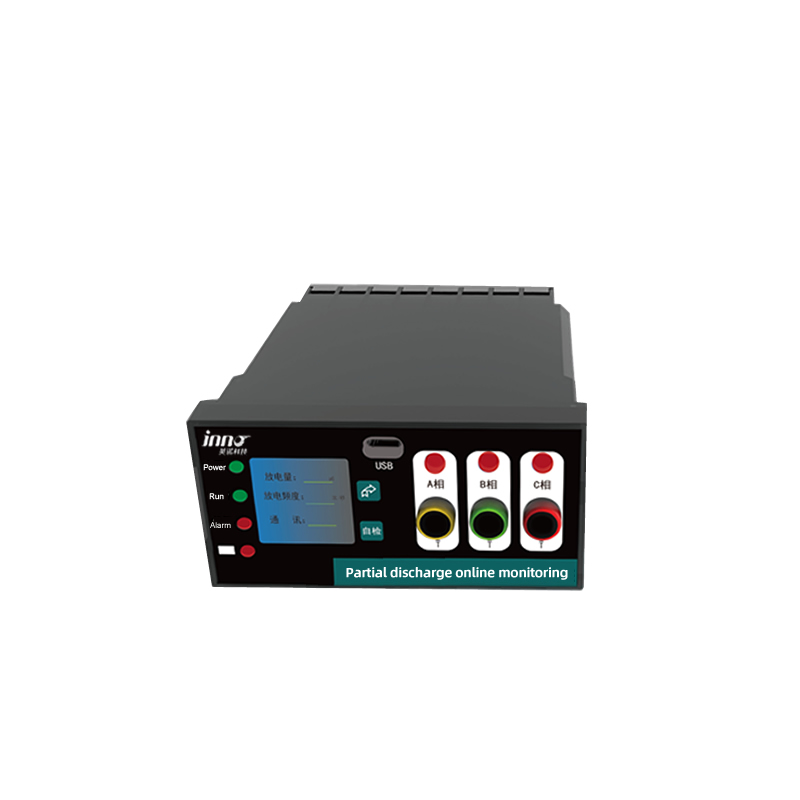
Wyładowanie niezupełne powstaje, gdy lokalne pole elektryczne w miejscu uszkodzenia przekracza wytrzymałość dielektryczną ośrodka (solidny, płyn, lub gaz), generując ścieżkę mikrowyładowań. Zdarzenia te wprowadzają prąd o wysokiej częstotliwości i energię elektromagnetyczną do otaczającej struktury. Metody wykrywania wykorzystują różne efekty fizyczne:
3.1 Efekty elektryczne i elektromagnetyczne
- Emisja UHF: PD emituje szerokopasmową energię elektromagnetyczną w 300 zakres MHz–3 GHz; nadaje się do GIS, Transformatory, i rozdzielnice w obudowie metalowej.
- Efekt TEV: Przejściowe napięcie uziemienia objawia się na metalowych obudowach jako szybkie prądy powierzchniowe; szeroko stosowane w rozdzielnicach SN.
- Impulsy prądu RF: Impulsy przewodzone wykrywalne za pomocą przekładników prądowych wysokiej częstotliwości (HFCT) na ścieżkach uziemiających i ekranach kabli.
3.2 Efekty akustyczne i ultradźwiękowe
- Emisja ultradźwiękowa: Jonizacja wytwarza fale akustyczne wykrywalne przy częstotliwości 20–300 kHz za pomocą sond unoszących się w powietrzu lub kontaktowych; pomocne w lokalizacji i wykrywaniu śledzenia powierzchni.
3.3 Efekty optyczne
- Emisja światła: Kanały wyładowcze emitują widmo UV/widzialne; czujniki optyczne i kamery (z filtrami) wychwytywać koronę i aktywność powierzchniową, zwłaszcza w elementach na wolnym powietrzu.
3.4 Wyładowania niezupełne rozdzielone fazowo (PRPD)
Poprzez dopasowanie impulsów PD do fazy częstotliwości sieciowej, detektory tworzą dwuwymiarowe mapy (wielkość vs. faza) lub trójwymiarowe histogramy (ogrom, faza, liczba impulsów). Klasy defektów – puste przestrzenie wewnętrzne, śledzenie powierzchni, korona – wytwarza charakterystyczne wzory, wspomagające klasyfikację i ranking ważności.
4. Główne elementy systemu detektora wyładowań niezupełnych
Chociaż czynniki kształtu są różne (przenośny, zaciskanie, zintegrowany z szafką, w całej podstacji), Systemy detektorów wyładowań niezupełnych mają wspólną architekturę modułową. W tabeli podsumowano podstawowe elementy i ich role.
| Część | Funkcjonować | Kluczowe rozważania |
|---|---|---|
| Czujniki wyładowań niezupełnych (UHF/TEV/HFCT/ultradźwiękowe/optyczne) | Capture discharge signals via EM, conducted current, acoustic or light paths | Frequency response, czułość, montowanie, ochrona środowiska |
| Front-End Conditioning | Wzmocnienie, Filtrowanie, impedance matching | Noise floor, przepustowość łącza, liniowość, Zabezpieczenie przed przeciążeniem |
| High-Speed DAQ | Digitize pulses with accurate timing | Częstotliwość próbkowania, rezolucja, anti-aliasing, synchronizacja czasu (GPS/PT) |
| Noise Rejection and Gating | Discriminate PD from interference and corona | Adaptive thresholds, coincidence logic, multi-sensor correlation |
| Analytics Engine | Mapowanie PRPD, clustering, analiza trendów | Defect classification, severity indexing, remaining-risk estimation |
| HMI/Software | Wyobrażanie sobie, konfiguracja alarmu, raportowanie | Usability, export formats, historyk, multi-asset dashboards |
| Komunikacja | Integration with SCADA/CMMS/cloud | Protokoły (IEC 61850, Modbus TCP, OPC UA, MQTT), cyberbezpieczeństwo |
4.1 Fuzja wielu czujników
Combining modalities improves confidence. Na przykład, UHF magnitude increases corroborated by HFCT pulses and a concurrent PRPD pattern shift strongly indicate internal PD growth versus external EMI. Ultrasonic probes aid localization by scanning along enclosures and joints.
4.2 Synchronizacja czasu
Dokładne znaczniki czasu umożliwiają analizę z rozdzielczością fazową i triangulację wieloczujnikową. Wdrożenia podstacji wykorzystują GPS lub IEEE 1588 PTP do ustawiania DAQ w ciągu mikrosekund, zapewnienie powtarzalnego rozpoznawania wzorów i porównań między polami.
5. Rodzaje detektorów wnz (Nieaktywny, W Internecie, Przenośny)

Wybór detektora zależy od krytyczności zasobu, dostępność, i ograniczenia operacyjne. Trzy kategorie wdrożeń obejmują większość scenariuszy:
5.1 Nieaktywny (Testowanie fabryczne lub awariowe)
- Użyj przypadku: Testy akceptacyjne, fabryczna kontrola jakości, przerwy konserwacyjne.
- Cechy: Źródła probiercze wysokiego napięcia, skalibrowane obwody pomiarowe, wrażliwe środowiska o kontrolowanym hałasie.
- Plusy/minusy: Wysoka dokładność i powtarzalność, ale wymaga odłączenia zasilania i nie rejestruje rzeczywistych naprężeń eksploatacyjnych.
5.2 W Internecie (Stałe lub półtrwałe)
- Użyj przypadku: Ciągły nadzór nad krytycznymi transformatorami, GIS, i rozdzielnica.
- Cechy: Zainstalowane na stałe tablice UHF/TEV/HFCT, zsynchronizowane DAQ, analityka w czasie rzeczywistym, Integracja ze SCADA.
- Plusy/minusy: Rejestruje zachowania i trendy na żywo; higher initial cost but lower risk of missing intermittent defects.
5.3 Portable/Handheld
- Użyj przypadku: Rapid screening, diagnostyka, and periodic audits.
- Cechy: Clamp-on HFCTs, handheld TEV/ultrasonic instruments, rejestrowanie danych.
- Plusy/minusy: Flexible and affordable; snapshot views require expertise to interpret amid variable noise conditions.
5.4 Hybrid Programs
Many operators combine continuous monitors on high-risk assets with portable surveys across the wider fleet. Findings from handheld rounds inform where to install permanent sensors.
6. Czujniki UHF i TEV w detekcji WNZ

UKF i TEV techniques are widely adopted in metal-clad environments and GIS due to their sensitivity to electromagnetic energy from PD and practical mounting options.
6.1 Czujniki UHF
- Zasada: Capture radiated EM pulses in the 300 MHz–3 GHz range through coupling windows or internal ports.
- Aplikacje: GIS spacers, transformer turrets, metal-clad compartments, końcówki kablowe.
- Mocne strony: High immunity to power-frequency noise; useful for PRPD pattern formation and localization with multiple antennas.
- Rozważania: Requires careful grounding, short coax runs, and shielding; antenna placement strongly affects sensitivity.
6.2 Czujnik TEV
- Zasada: Detect transient earth voltages induced on metal surfaces by internal discharges.
- Aplikacje: MV switchgear doors and panels; cable boxes and bus enclosures.
- Mocne strony: Szybko, prosta instalacja; effective for screening during handheld rounds.
- Ograniczenia: Susceptible to external interference; best when combined with ultrasonic or UHF confirmation.
6.3 HFCT for Conducted PD
- Zasada: Clamp-on high-frequency current transformers detect PD pulses flowing in grounds or cable shields.
- Używać: Suitable for cable joints/terminations and transformer grounding leads; complements UHF antennas for corroboration.
6.4 Installation and Tuning
| Przedmiot | Best Practice | Korzyść |
|---|---|---|
| Grunt | Star-ground shields, avoid loops | Lower noise floor |
| Cabling | Krótki, low-loss coax; high-quality connectors | Preserve high-frequency content |
| Placement | Near suspected stress points (tuleje, zakończenia) | Higher sensitivity to localized PD |
| Time Sync | GPS/PTP for multi-sensor arrays | Accurate PRPD and triangulation |
7. Akustyczna i ultradźwiękowa detekcja wnz
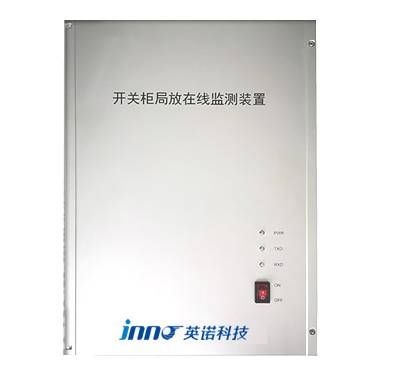
Acoustic/ultrasonic detection captures mechanical waves generated by ionization and micro-arcs. These methods excel at localizing defects, especially where EM signals are attenuated or ambiguous.
7.1 Ultrasonic Probes
- Airborne probes: Scan along seams, inspection windows, and cable boxes to pick up airborne ultrasonic energy.
- Contact probes: Couple to the enclosure to detect structure-borne vibrations from discharge sites.
7.2 Frequency Bands and Filtering
- Typical bands: 20–300 kHz for ultrasonic; narrowband filters suppress industrial noise.
- Heterodyning: Convert ultrasonic to audible for headphone-assisted localization.
7.3 Localization Procedure
- Perform a coarse scan to identify high-energy zones.
- Switch to contact mode and refine positioning across seams and joints.
- Correlate with UHF/TEV readings and visual inspection to confirm root cause.
7.4 Strengths and Limits
| Aspekt | Wytrzymałość | Ograniczenie |
|---|---|---|
| Lokalizacja | Pinpoints sources effectively | Requires access and operator skill |
| Odporność na hałas | Narrowband filtering reduces EMI issues | Mechanical noise can mask weak PD |
| Applicability | Useful in metal-clad and cable boxes | Less effective at long stand-off distances |
“`html
8. Detekcja wyładowań optycznych i światłowodowych
Optical PD detection technologies rely on light emission or refractive index changes caused by partial discharges. When a discharge occurs, it generates ultraviolet or visible photons within the insulation medium. Fiber optic sensors or photodetectors capture these emissions to quantify and locate the event. In enclosed or oil-filled equipment, fiber optics offer an immune and intrinsically safe detection method, nie podlegają zakłóceniom elektromagnetycznym.
8.1 Fluorescent Fiber Sensing in Transformers
Fluorescent fiber sensors can detect localized discharges and temperature changes within transformer windings or tap changers. The optical fiber routes light signals through dielectric-safe paths, providing simultaneous temperature and PD intensity monitoring. This dual capability enhances system awareness and enables integration with smart transformer monitoring systems.
8.2 Benefits of Fiber-Optic PD Detection
- High immunity to electromagnetic noise
- Safe for oil-immersed and high-voltage environments
- W czasie rzeczywistym, multi-point measurement using distributed sensing networks
- Integration with existing optical temperature systems
9. Parametry i wskaźniki pomiaru wyładowań niezupełnych

A PD detector quantifies several parameters that describe discharge severity, częstotliwość, and energy distribution. These metrics form the basis for risk assessment and maintenance decisions.
| Parametr | Opis | Typical Unit |
|---|---|---|
| Pozorny ładunek (Q) | Magnitude of discharge inferred from calibration | komputer (picoCoulombs) |
| Częstotliwość powtarzania impulsów | Number of discharges per power cycle | counts/s |
| Phase Relation | Phase angle of discharge occurrence | Degrees |
| PD Energy Spectrum | Frequency-domain distribution of PD pulses | dBμV |
| PRPD Pattern | Graphical mapping of PD magnitude vs. faza | – |
Interpreting these parameters requires both experience and software analytics. PRPD pattern clustering, trend trending, and frequency analysis help identify internal voids, śledzenie powierzchni, corona discharges, i pływające potencjały.
10. Rozpoznawanie i analiza wzorców wyładowań niezupełnych
Advanced PD detectors employ machine learning and statistical algorithms to automate pattern interpretation. By training on known defect libraries, the software can classify discharge types and estimate severity. This assists engineers in planning interventions without manual inspection every time.
10.1 Pattern Features
- Phase distribution asymmetry
- Amplitude envelope shape
- Pulse repetition density
- Spectral centroid movement over time
10.2 Trending and Forecasting
Continuous PD trending allows predictive maintenance. When a defect shows steadily rising discharge magnitudes, it signals progressive insulation deterioration. Combining PD data with temperature and load information enhances reliability modeling and long-term asset health prediction.
11. Wykrywanie wyładowań niezupełnych w transformatorach
Transformers are particularly vulnerable to PD activity within windings, tuleje, przełączniki zaczepów, and lead exits. Discharges may occur in voids in paper-oil insulation, around conductor edges, or near unsealed interfaces. Detektory wyładowań niezupełnych provide vital early warnings before dielectric breakdown occurs.
11.1 Metody wykrywania
- Anteny UKF: Mounted in oil drain valves or inspection ports to detect electromagnetic radiation.
- Czujniki HFCT: Installed on grounding leads to measure conducted PD currents.
- Czujniki światłowodowe: Embedded near winding hotspots for temperature and light detection.
- Czujniki akustyczne: Identify structural vibrations resulting from discharges in oil or solid insulation.
11.2 Integration with Other Transformer Monitors
- Monitorowanie temperatury: Fiber optic sensing measures winding and core temperatures in real-time.
- Analiza gazu (DGA): Dissolved gas monitoring confirms discharge activity via hydrogen and acetylene growth.
- Moisture and Pressure Sensors: Detect environmental conditions contributing to PD formation.
11.3 Alarm and Protection Link
When PD activity exceeds pre-set thresholds, detectors issue alarms to the SCADA or local PLC system. Operators can reduce load, increase cooling, or trigger an automated oil filtration or dehumidification sequence to mitigate further risk.
12. Detekcja WNZ w rozdzielnicach i systemach GIS
Rozdzielnica w izolacji gazowej (GIS) and metal-clad switchgear are common PD sources due to their compact design and high field stress. Typical PD sites include spacers, łączność, and gas voids. Continuous monitoring is essential to maintain reliability and safety.
12.1 Common PD Sites
- Defective spacer surfaces
- Contaminated or metallic particle surfaces
- Loose connections or floating electrodes
12.2 Technologie monitorowania
- Czujniki UHF: Installed in GIS inspection windows or couplers for high sensitivity.
- TEV Probes: Applied externally for MV switchgear partial discharge detection.
- Czujniki ultradźwiękowe: Scan seams and doors for audible/ultrasonic energy caused by surface discharges.
12.3 Trend Analysis and Alerts
Continuous PD monitoring platforms log data to databases, applying algorithms to detect spikes or pattern changes. Smart alarms prioritize events by severity and duration, helping maintenance teams schedule intervention efficiently.
13. Detekcja wyładowań niezupełnych w kablach i kanałach autobusowych
Cables and bus ducts can suffer from void discharges in insulation, poor joint terminations, lub przedostawanie się wilgoci. PD detectors for cables typically use HFCT clamps i traveling-wave methods for localization.
13.1 Cable PD Techniques
- Clamp HFCT sensors at both ends to measure propagation time difference.
- Use time-domain reflectometry to locate discharge positions.
- Combine PD data with insulation resistance and tan-delta tests for complete diagnostics.
13.2 Bus Duct and Joint Monitoring
Bus ducts are monitored using TEV and acoustic probes at junction boxes and connections. Modern digital systems correlate PD activity with temperature, wilgotność, i załaduj dane, producing comprehensive dashboards for asset managers.
14. Interfejsy do gromadzenia danych i komunikacji
To transform raw PD pulses into usable insights, detectors employ synchronized moduły akwizycji danych (DAQ) and digital communication protocols. Modern systems prioritize open architecture and interoperability.
14.1 Hardware Features
- Sampling rates from 100 MS/s do 1 GS/s for detailed pulse shapes
- 16–24-bit resolution for accurate magnitude measurement
- GPS or IEEE 1588 time stamping for multi-channel correlation
- Edge computing for local preprocessing and noise filtering
14.2 Interfejsy komunikacyjne
- Ethernetu: Standard RJ45 or fiber optics, supporting Modbus TCP/IP or IEC 61850 protokoły
- Złącze RS485: For legacy systems and Modbus RTU integration
- Wireless Modules: Optional 4G/LTE or Wi-Fi for remote sites
- Integracja ze SCADA: OPC UA, MQTT, lub IEC 60870-5-104 for centralized monitoring
14.3 Wizualizacja danych
Collected PD data is visualized through dashboards showing magnitude trends, PRPD maps, alarm logs, and cross-sensor comparisons. Multi-language interfaces and web-based analytics allow engineers to view health indices from any connected device.
15. Integracja z systemami SCADA i monitorowania stanu
Integrating PD detectors with SCADA, Czujniki transformatorowe IoT, i condition monitoring software centralizes asset management. Data flows from field devices through gateways into cloud or control room databases, where analytics identify early warnings across multiple assets.
15.1 Korzyści z integracji
- Unified asset health dashboard combining PD, temperatura, and vibration data
- Automatic event reporting and alarm forwarding
- Data-driven maintenance planning and spare part optimization
15.2 Typical Communication Protocols
| Protokół | Przypadek użycia | Zgodność |
|---|---|---|
| IEC 61850 | Substation automation and protection | Rozdzielnica, transformer monitors |
| Modbus TCP/RTU | Industrial networks and gateways | Legacy integration |
| OPC UA | Cross-platform communication | SCADA, analityka w chmurze |
| MQTT | IoT and remote asset monitoring | Wireless/cloud-based systems |
16. Kalibracja i testowanie detektorów wyładowań niezupełnych
Calibration ensures that partial discharge detectors measure apparent charge and pulse energy with precision. Without calibration, readings across different sites or instruments can vary widely, leading to misinterpretation. Międzynarodowe standardy takie jak IEC 60270 i IEC 62478 define test methods and verification requirements for PD measuring systems.
16.1 Procedura kalibracji
- Użyj standard PD calibrator capable of injecting known charge impulses (typically 5–5000 pC).
- Connect the calibrator across the measuring impedance of the detector.
- Apply repetitive pulses at different amplitudes to verify linearity.
- Adjust gain factors and verify phase-resolved accuracy using reference waveforms.
- Document results and revalidate at least once per year or after major hardware changes.
16.2 On-Site Verification
- Use built-in test pulse generators to verify system response without dismantling sensors.
- Compare live readings from multiple sensors (UKF + HFCT) to ensure cross-consistency.
- Confirm time synchronization between DAQ channels within ±1 μs accuracy.
16.3 Data Quality Assurance
Periodic system audits, environmental checks, and sensor cleaning help maintain reliable results. Software-based quality flags can automatically indicate data gaps, excessive noise, or calibration drift.
17. Zalety inteligentnych systemów monitorowania wyładowań niezupełnych
Modern PD detectors are not standalone instruments—they form part of intelligent asset management systems that combine sensing, analityka, and remote control. These advanced features deliver substantial advantages over traditional manual tests.
17.1 Ciągłe monitorowanie
- 24/7 tracking of PD activity under real load and environmental conditions.
- Elimination of missed events caused by short-lived or load-dependent discharges.
17.2 Konserwacja predykcyjna
- AI algorithms predict insulation deterioration trends using multi-sensor input.
- Maintenance scheduling becomes condition-based rather than periodic.
17.3 Integration with Other Smart Devices
- Combine with transformatorowe monitory cyfrowe, Czujniki transformatorowe IoT, i światłowodowe systemy temperaturowe.
- Unified dashboards show temperature, wibracja, and PD risk levels side by side.
17.4 Korzyści operacyjne
| Funkcja | Korzyści operacyjne |
|---|---|
| Real-time alerting | Immediate awareness of insulation stress conditions |
| Trendy historyczne | Long-term view of asset deterioration |
| Automated reports | Faster decision-making for engineers and management |
| Reduced inspection time | Remote access minimizes field visits |
18. Typowe zastosowania i przykłady przypadków
Partial discharge detectors are used worldwide across power utilities, heavy industries, and renewable energy projects. Below are selected examples showing practical implementation and benefits.
18.1 Malezja — Transformer Online PD i integracja termiczna
W malezyjskim sektorze użyteczności publicznej, zainstalowano internetowe detektory wyładowań niezupełnych ze światłowodowym czujnikiem temperatury 132 transformatory kV. W systemie zintegrowane są anteny UHF, Czujniki HFCT, i fluorescencyjne sondy światłowodowe, przesyłanie danych do centralnego SCADA poprzez IEC 61850. W ciągu sześciu miesięcy, platforma wykryła nieprawidłowe impulsy wyładowań niezupełnych skorelowane ze szczytami obciążenia, przyspieszając prewencyjną filtrację oleju i zapobiegając awariom.
18.2 Indonezja — Monitorowanie podstacji GIS
Uruchomiono głównego operatora sieci w Dżakarcie Monitorowanie UHF WNZ na zatokach GIS. Detektory wychwytywały impulsy elektromagnetyczne spowodowane ruchem cząstek w przedziałach SF₆. Po konserwacji, Poziom PD spadł 70%, weryfikując skuteczność systemu i prowadząc do standaryzacji w wielu podstacjach.
18.3 Bliski Wschód — poprawa niezawodności rozdzielnic przemysłowych
W zakładzie petrochemicznym, online PD detection and vibration monitoring were combined with predictive analytics. The hybrid system identified insulation degradation before shutdowns occurred, reducing maintenance cost by 40% rocznie.
18.4 Europe — Utility-Scale Renewable Integration
Wind farm transformers in Germany adopted PD monitoring combined with czujniki wilgoci oleju transformatorowego i IR thermal cameras. The system transmitted live data to a cloud-based analytics platform, improving transformer uptime to 99.8%.
19. Często zadawane pytania (Często zadawane pytania techniczne)
Pytanie 1. What is the main purpose of a partial discharge detector?
A PD detector identifies tiny insulation defects that release electrical energy as partial discharges. These small discharges act as early indicators of insulation weakness, allowing operators to take corrective action before catastrophic failure. The detector quantifies discharge magnitude, częstotliwość, and phase to evaluate insulation condition objectively.
Pytanie 2. Can PD detection be done while equipment is energized?
Tak. Nowoczesne systemy wsparcia monitorowanie WNZ online, meaning they can measure discharge activity under normal operating voltage. Online detection avoids outages and provides realistic insights into insulation stress, making it the preferred method for power utilities and industries.
Pytanie 3. How do UHF and HFCT sensors differ?
UHF sensors detect electromagnetic radiation in the GHz range and are ideal for GIS or metal-clad equipment. HFCT sensors measure high-frequency current pulses flowing through grounding conductors or cable shields, making them suitable for cable joints and transformers. Combining both offers comprehensive coverage and higher diagnostic confidence.
Pytanie 4. How often should a PD detector be calibrated?
Calibration is typically performed annually or after hardware modifications. Following IEC 60270 ensures consistent measurement of apparent charge. Many detectors now include self-test functions to verify calibration on-site using internal reference pulses.
Pytanie 5. What factors can cause false PD readings?
External electromagnetic noise, corona discharge, or switching transients can mimic PD signals. Using multiple sensor types, proper shielding, and noise gating algorithms minimizes false positives. Correlating PD events with temperature and humidity data helps confirm authenticity.
Pytanie 6. What role does fiber optic sensing play in PD systems?
Fiber optic sensors measure temperature and sometimes optical emissions caused by PD events. Their immunity to electromagnetic interference makes them ideal for transformers, GIS, i zastosowaniach wysokiego napięcia. When combined with UHF and acoustic sensors, fiber optics provide a more complete diagnostic picture.
Pytanie 7. Is PD detection suitable for renewable power systems?
Absolutnie. Wind farm transformers, stacje z inwerterami fotowoltaicznymi, and offshore substations all benefit from PD monitoring. In harsh climates, continuous online detection ensures long service life and compliance with reliability standards.
Pytanie 8. How can PD monitoring data improve maintenance planning?
By trending PD magnitude and count rate, operators can prioritize maintenance according to actual asset condition. Integration with CMMS software triggers work orders automatically when thresholds are exceeded, ograniczenie przestojów i kosztów konserwacji.
20. Informacje o naszych rozwiązaniach produkcyjnych i detekcji wyładowań niezupełnych
Jesteśmy profesjonalistą manufacturer of transformer and switchgear monitoring systems, supplying high-performance detektory wyładowań niezupełnych, światłowodowe czujniki temperatury, i zintegrowane platformy monitorujące for global utilities and OEMs. Our production facilities are ISO 9001 atestowany, and all products undergo strict electromagnetic and thermal stress testing before shipment.
Our Offerings Include:
- UHF/TEV/HFCT PD sensors with modular DAQ units
- Fluorescencyjne światłowodowe systemy temperaturowe do transformatorów
- Kompletne pakiety cyfrowego monitorowania transformatora i czujników IoT
- SCADA i oprogramowanie monitorujące oparte na chmurze obsługujące IEC 61850 i Modbus TCP
Dlaczego warto wybrać nas
- Produkcja bezpośrednio w fabryce z pełnym wsparciem w zakresie dostosowywania
- Globalne doświadczenie w Azji, Bliski Wschód, i Europę
- Kompleksowe wsparcie techniczne, uruchomienie, i szkolenia
- Konkurencyjne ceny i certyfikowana dokumentacja eksportowa
Kontakt i zapytanie
Aby poprosić o szczegółowe dane produktu, doradztwo w zakresie integracji systemów, lub oficjalna wycena, prosimy o kontakt z naszym zespołem sprzedaży i inżynierii. Świadczymy usługi OEM i ODM dla przedsiębiorstw energetycznych, integratorów sprzętu, i instytuty badawcze.
Oświadczenie o zaangażowaniu
Jako producent fabryczny, dostarczamy kompleksowo rozwiązania do monitorowania i zabezpieczania transformatorów z pełną certyfikacją i sprawdzoną niezawodnością. Naszą misją jest pomaganie klientom w osiągnięciu wyższego bezpieczeństwa sprzętu, niższe koszty utrzymania, and smarter asset management through technology-driven innovation.

Światłowodowy czujnik temperatury, Inteligentny system monitorowania, Rozproszony producent światłowodów w Chinach
 |
 |
 |