 Światłowodowe czujniki temperatury INNO ,systemy monitorowania temperatury.
- Kompleksowa ochrona sprzętu: Obejmuje monitorowanie stanu krytycznego sprzętu energetycznego, w tym transformatorów, rozdzielnica, generatory, silniki, i kable
- Technologia monitorowania wielu parametrów: Temperatura, wibracja, częściowe rozładowanie, analiza oleju i inne wielowymiarowe monitorowanie zapewniają bezpieczną pracę sprzętu
- Zalety konserwacji predykcyjnej: Przejdź od naprawy reaktywnej do proaktywnej profilaktyki, zmniejszenie awaryjności sprzętu i poprawa wydajności operacyjnej
- Inteligentne algorytmy diagnostyczne: Identyfikacja usterek i przewidywanie trendów w oparciu o sztuczną inteligencję umożliwia precyzyjną ocenę stanu sprzętu
- Możliwości integracji systemu: Ujednolicone zarządzanie platformą dla wielu typów sprzętu, osiągnięcie fuzji danych i wspólne podejmowanie decyzji w ramach analizy
- Znaczące zwroty z inwestycji: Ogranicz nieplanowane przestoje, przedłużyć żywotność sprzętu, i optymalizować inwestycje w koszty konserwacji
- Podstawy systemu monitorowania stanu maszyny
- Core Technologies for Power Equipment Monitoring
- What are health monitoring systems?
- Transformer Health Monitoring Systems
- Switchgear Health Monitoring Systems
- What is a machine health check?
- Other Critical Power Equipment Monitoring
- Machine Health Monitoring System Integration
- How big is the machine health monitoring market?
- Global Top 10 Machine Health Monitoring System Manufacturers
- Studia przypadków zastosowań branżowych
- Profesjonalne doradztwo i usługi w zakresie rozwiązań
Machine Health Monitoring System
What is machine health monitoring?
Machine health monitoring is an intelligent management system that continuously collects equipment operating parameters through various sensors and utilizes data analysis technologies to assess equipment condition and predict failures. The system primarily monitors critical parameters of power equipment including temperatura, wibracja, parametry elektryczne, i wskaźniki chemiczne, ustanawianie modeli stanu technicznego sprzętu w celu wczesnego ostrzegania o usterkach. System ten składa się z czterech podstawowych komponentów: warstwa akwizycji danych, warstwa transmisji komunikacji, warstwa przetwarzania danych, i warstwę usług aplikacji.
Why do we need machine health monitoring?
Tradycyjne modele planowej konserwacji i napraw poawaryjnych charakteryzują się wysokimi kosztami konserwacji i niską dostępnością sprzętu. Dane statystyczne pokazują, że straty ekonomiczne spowodowane nieoczekiwanymi awariami sprzętu są 3-5 razy wyższe od planowanych kosztów utrzymania, z nieplanowanymi przestojami kosztującymi od dziesiątek do setek tysięcy dolarów na godzinę. Systemy monitorowania stanu maszyn może wykryć z wyprzedzeniem anomalie w sprzęcie, eliminując błędy na samym początku i zasadniczo zmieniając podejście do konserwacji sprzętu “naprawić, gdy jest zepsuty” Do “konserwacja predykcyjna”.
How to implement effective health monitoring?
The system collects data by installing sensors at critical equipment locations, transmits data to monitoring centers via industrial communication networks, and uses algorytmy uczenia maszynowego to analyze data patterns and identify abnormal conditions. When equipment parameters exceed normal ranges, the system automatically generates warning signals and provides maintenance recommendations, helping maintenance personnel develop precise maintenance plans. Effective monitoring requires selecting appropriate sensor technologies, establishing comprehensive data models, and setting scientific warning thresholds.
Core Technologies for Power Equipment Monitoring
Multi-Parameter Comprehensive Monitoring
Modern power equipment monitoring requires collaborative operation of multiple sensor technologies. Monitorowanie temperatury employs fluorescent fiber sensors and infrared thermal imaging technology, monitorowanie wibracji wykorzystuje akcelerometry i czujniki przemieszczenia, monitorowanie elektryczne obejmuje wykrywanie wyładowań niezupełnych i analizę prądu i napięcia, podczas gdy monitorowanie chemiczne obejmuje analizę jakości ropy i technologie wykrywania gazu.
Inteligentne przetwarzanie danych
System przyjmuje architekturę łączącą przetwarzanie brzegowe i platformy chmurowe, dokończenie wstępnego przetwarzania danych i wstępnej analizy na miejscu, natomiast złożone rozpoznawanie wzorców i przewidywanie trendów odbywa się w chmurze. Algorytmy sztucznej inteligencji może nauczyć się wzorców normalnego działania sprzętu na podstawie ogromnych danych historycznych, automatycznie identyfikuje nieprawidłowe objawy, i przewidywać trendy rozwoju usterek.
What are health monitoring systems?
Systemy monitorowania stanu zdrowia to kompleksowe platformy integrujące wiele technologii wykrywania, analityka danych, oraz inteligentną diagnostykę zapewniającą wgląd w czasie rzeczywistym w stan i wydajność sprzętu. These systems transform raw sensor data into actionable insights through advanced algorithms and machine learning techniques. Modern health monitoring systems feature cloud-based architectures, enabling remote monitoring capabilities and centralized data management across multiple facilities.
The core value proposition of health monitoring systems lies in their ability to shift maintenance strategies from time-based schedules to konserwacja oparta na stanie. By continuously monitoring equipment health parameters, these systems can detect degradation patterns before they lead to catastrophic failures. This proactive approach significantly reduces maintenance costs, minimizes unplanned downtime, and extends equipment operational life.
Transformer Health Monitoring Systems
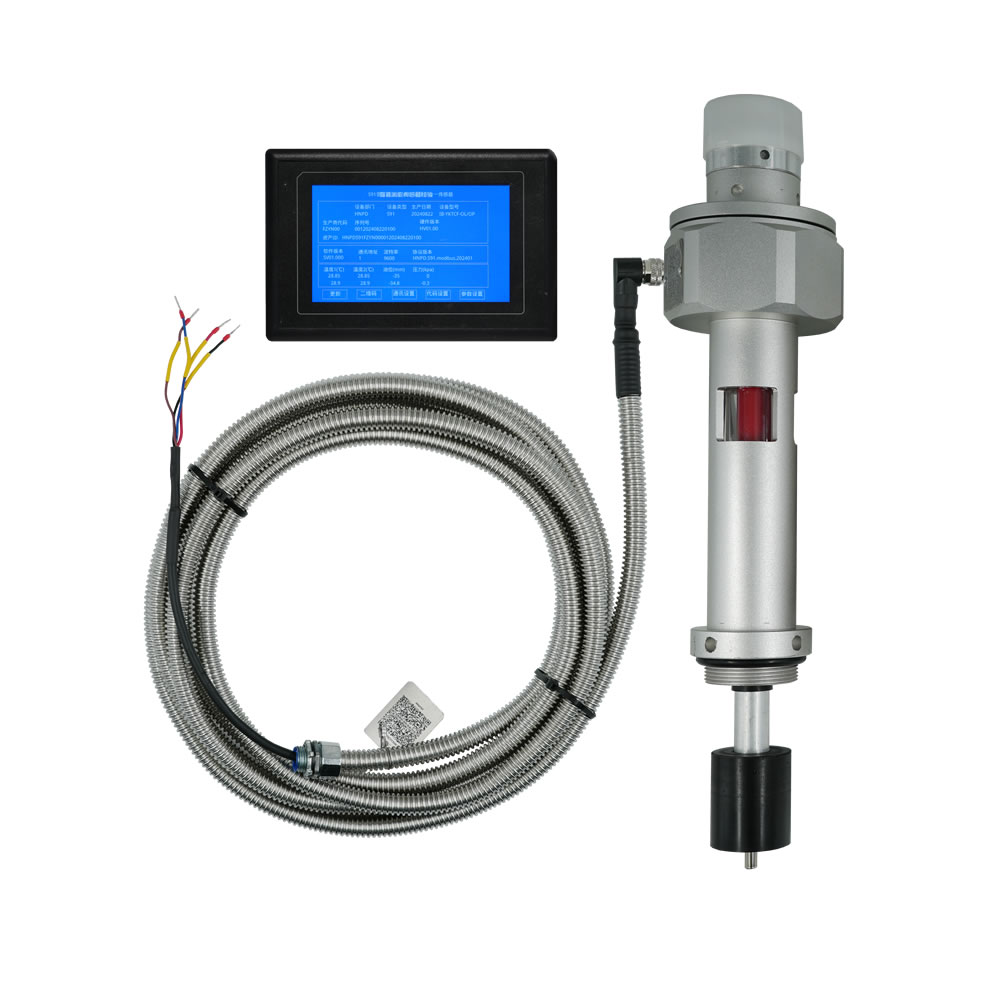
Winding Temperature Monitoring Technology
Transformer winding temperature is a critical parameter reflecting operational status, with overheating being a primary cause of transformer failures. Fluorescent fiber temperature sensors represent the optimal choice for winding monitoring, offering complete electromagnetic interference immunity, excellent insulation properties, and high-precision temperature measurement. Sensors can be directly embedded within windings to achieve precise hot-spot temperature monitoring. Instalując 6-8 sensors each in high-voltage, średniego napięcia, and low-voltage windings, a three-dimensional temperature monitoring network is established. The system sets multi-level temperature protection thresholds, issuing alerts when temperatures exceed warning values and initiating protective actions when alarm levels are reached.
Transformer oil temperature monitoring is equally important, z top oil temperature sensors installed at tank tops to monitor maximum oil temperatures, chwila average oil temperature sensors provide overall temperature information. Modern monitoring systems employ multi-point oil temperature monitoring schemes, analyzing temperature distribution patterns to identify internal anomalies. Fluorescent fiber sensors demonstrate excellent long-term stability in oil environments, achieving measurement accuracy of ±0.1°C with response times under 1 drugi.
Technologia monitorowania wyładowań częściowych
Partial discharge represents an early indicator of insulation deterioration. The combination of UHF ultra-high frequency detection, ultrasonic detection, I chemical detection methods provides comprehensive identification of discharge types and locations. UHF detection captures electromagnetic signals generated by discharges through sensors installed on transformer tank exteriors, offering strong anti-interference capabilities and high positioning accuracy. Ultrasonic detection utilizes acoustic signals from discharges for localization, while chemical detection analyzes dissolved gases in oil to determine discharge characteristics.
TEV transient earth voltage detection represents another effective partial discharge monitoring method, identifying discharge activity by detecting transient voltage signals on grounding conductors. Modern monitoring systems employ multi-sensor data fusion techniques, comprehensively analyzing results from different detection methods to improve fault diagnosis accuracy and reliability. Systems can automatically identify external interference signals, preventing false alarms.
Oil Quality Analysis Monitoring Technology
Transformer oil serves as both insulation and cooling medium, with its quality directly impacting safe transformer operation. Online oil chromatography analysis technology continuously monitors dissolved gas component changes in oil to diagnose internal faults. When transformers experience internal faults such as overheating or discharge, characteristic gases like H₂, CH₄, C₂H₂ are produced. Systems analyze gas generation rates and relative concentrations to determine fault types and severity levels.
Online oil quality parameter monitoring includes key indicators such as dielectric dissipation factor, zawartość wilgoci, and acid number. Dielectric dissipation factor reflects oil insulation performance, moisture content affects insulation strength, and acid number characterizes oil aging degree. Modern monitoring devices achieve simultaneous multi-parameter measurement with data update cycles reaching hourly intervals. When oil quality deterioration trends are detected, systemy w odpowiednim czasie ostrzegają i zalecają odpowiednie działania naprawcze.
Monitorowanie wibracji i mechaniki
Monitorowanie drgań transformatora skupia się przede wszystkim na wibracje rdzenia I wibracje uzwojenia. Podczas normalnej pracy, transformatory wytwarzają wibracje o częstotliwości podstawowej 100 Hz. W przypadku wystąpienia usterek mechanicznych, takich jak poluzowanie rdzenia lub odkształcenie uzwojenia, Widma drgań wykazują istotne zmiany. Trójosiowe czujniki akcelerometru monitorują sygnały wibracyjne, stosując techniki analizy spektralnej w celu identyfikacji nieprawidłowych wzorców drgań.
Monitorowanie układu chłodzenia zawiera chłodniejsze wibracje, wibracje pompy olejowej, i stan pracy wentylatora. Awarie układu chłodzenia wpływają na odprowadzanie ciepła przez transformator, co prowadzi do nieprawidłowego wzrostu temperatury. Systemy monitorowania analizują charakterystykę amplitudy i częstotliwości drgań w celu określenia stanu operacyjnego sprzętu, dostarczanie alarmów w odpowiednim czasie w przypadku wykrycia problemów, takich jak zużycie łożysk lub uszkodzenie ostrza.
Kompleksowa diagnoza i ostrzeżenie
Systemy monitorowania stanu transformatora integrują wiele technologii monitorowania, tworzenie kompleksowych modeli diagnostycznych. Systemy działają wieloparametrowa analiza korelacji w celu zidentyfikowania wzorców usterek, Na przykład, Przegrzaniu uzwojenia zazwyczaj towarzyszy wzrost temperatury, wytwarzanie gazu, oraz ulepszone działania w zakresie wyładowań niezupełnych. Przewidywanie trendu rozwoju usterek funkcjonalność ustanawia modele degradacji w oparciu o dane historyczne, przewidywanie pozostałego okresu użytkowania sprzętu.
Inteligentne systemy ostrzegawcze posiadają zdolność samokształcenia, dostosowywanie progów alarmowych w oparciu o historię działania sprzętu w celu ograniczenia liczby fałszywych alarmów i pominiętych alarmów. Kiedy zostaną wykryte anomalie, systems automatically generate detailed diagnostic reports including fault types, severity levels, and treatment recommendations, providing scientific basis for operational and maintenance decisions.
Switchgear Health Monitoring Systems

Technologia monitorowania wyładowań częściowych
Internal partial discharge in switchgear represents the primary cause of insulation failures. TEV transient earth voltage detection is the most commonly used monitoring method, detecting transient voltage signals generated by discharges through TEV sensors installed at switchgear grounding points. This method offers simple installation and low cost while effectively identifying discharge activity within cabinets. UHF ultra-high frequency detection receives electromagnetic wave signals from discharges through antennas mounted on cabinet bodies, providing high detection sensitivity and positioning accuracy.
Ultrasonic detection utilizes acoustic signals from discharges for monitoring, remaining unaffected by electromagnetic interference and particularly suitable for strong electromagnetic environments. Modern switchgear monitoring systems typically employ multi-technology fusion podchodzi do, combining advantages of TEV, UKF, and ultrasonic detection methods to achieve comprehensive partial discharge monitoring. Systems can automatically distinguish different types of discharge signals, including surface discharge, internal discharge, and floating discharge.
Temperature Monitoring Technology
Switchgear internal temperature monitoring focuses on critical locations such as busbar connection points, styki wyłącznika, I końcówki kablowe. These locations are prone to resistive heating due to poor contact, leading to equipment failures or even fire incidents. Bezprzewodowe systemy monitorowania temperatury represent the mainstream solution for switchgear temperature monitoring, with sensors installed at high-voltage locations transmitting data wirelessly, avoiding high-voltage insulation issues.
Infrared temperature measurement technology enables non-contact temperature monitoring of switchgear exteriors through infrared windows for observing internal equipment temperature distributions. Fiber optic temperature measurement technology finds application in special cases, particularly where high temperature measurement accuracy is required. Modern temperature monitoring systems feature temperature trend analysis możliwości, identifying gradual temperature rise processes and providing timely warnings before severe equipment overheating occurs.
Mechanical Characteristics Monitoring
Circuit breaker mechanical characteristics directly affect interrupting performance and service life. Operation count statistics record opening and closing operation numbers, combined with equipment rated operational life to assess mechanical conditions. Opening and closing time monitoring determines mechanical system status by detecting circuit breaker moving contact operation times. When issues such as mechanism jamming or spring fatigue occur, opening and closing times exhibit significant changes.
Travel-time characteristic monitoring records circuit breaker moving contact movement trajectories, analyzing movement velocity and acceleration curves to identify mechanical faults. Monitorowanie wibracji analyzes vibration signals during circuit breaker operations, identifying impact anomalies and component loosening issues. Modern monitoring systems can establish digital archives of circuit breaker mechanical conditions, tracking equipment performance changes throughout entire lifecycles.
Environmental and Auxiliary Monitoring
Switchgear internal environmental conditions are crucial for safe equipment operation. SF6 gas monitoring includes gas density, czystość, and decomposition product detection. Decreased SF6 gas density affects circuit breaker interrupting performance, while reduced purity and increased decomposition products indicate discharge or overheating issues. Humidity monitoring prevents condensation phenomena that lead to reduced insulation performance, particularly in environments with significant temperature variations.
Small animal intrusion monitoring detects small animals entering switchgear through infrared detection and sound recognition technologies, preventing short-circuit accidents caused by animal contact. Door status monitoring ensures switchgear remains properly closed, preventing external environmental factors from affecting equipment operation. Lighting system monitoring maintains normal cabinet lighting for maintenance personnel inspection work.
Intelligent Diagnosis and Control
Switchgear health monitoring systems integrate primary-secondary fusion monitoring terminals, combining protection, pomiar, kontrola, and monitoring functions into unified devices, reducing equipment quantities and costs. Systems employ wireless sensor network technologia, avoiding extensive cable installation and reducing installation complexity. Technologia przetwarzania brzegowego completes data preprocessing and preliminary analysis on-site, reducing communication loads.
Comprehensive diagnostic expert systems establish knowledge bases based on extensive historical fault cases, automatically identifying fault patterns and providing treatment recommendations. Equipment health scoring functionality calculates equipment health indices by integrating multiple monitoring parameters, intuitively reflecting equipment conditions. Predictive maintenance recommendations develop maintenance plans based on equipment degradation trends, achieving transformation from time-driven to condition-driven maintenance.
What is a machine health check?
A machine health check is a systematic evaluation process that assesses the current condition and performance of industrial equipment through comprehensive testing and analysis. Unlike continuous monitoring, health checks are typically performed at scheduled intervals or when specific concerns arise. These assessments combine multiple diagnostic techniques including analiza wibracji, obrazowanie termowizyjne, testy elektryczne, i analiza oleju to provide a complete picture of equipment health.
Modern machine health checks utilize advanced diagnostic tools and methodologies to identify potential issues before they escalate into costly failures. The process typically involves baseline establishment, where normal operating parameters are documented, followed by regular comparative assessments to detect deviations from normal conditions. Analityka predykcyjna are applied to determine remaining useful life and optimal maintenance timing, enabling data-driven maintenance decisions that maximize equipment availability while minimizing costs.
Other Critical Power Equipment Monitoring
Generator Set Health Monitoring
Monitorowanie wibracji: Shaft vibration sensors monitor generator rotor vibrations, using spectral analysis to identify imbalance, misalignment, and bearing faults. Bearing Temperature Monitoring employs RTD sensors for real-time bearing temperature monitoring, preventing bearing overheating damage. Monitorowanie izolacji stojana i wirnika ocenia stan izolacji generatora poprzez badanie rezystancji izolacji i wykrywanie wyładowań niezupełnych.
Monitorowanie stanu silnika elektrycznego
Analiza sygnału bieżącego: Analizuje widma prądu stojana w celu identyfikacji pęknięć prętów wirnika i usterek mimośrodu szczeliny powietrznej. Diagnostyka wibracyjna monitoruje stan łożysk silnika i równowagę wirnika. Monitorowanie izolacji obejmuje rezystancję izolacji, współczynnik wchłaniania, oraz badanie parametrów wskaźnika polaryzacji. Monitorowanie temperatury koncentruje się na wzroście temperatury uzwojenia i zmianach temperatury łożysk.
Monitorowanie kabla zasilającego
Wykrywanie częściowego wyładowania: Czujniki prądu o wysokiej częstotliwości umożliwiają monitorowanie stanu izolacji kabla w trybie online. Rozproszony światłowód Wykrywanie temperatury umożliwia monitorowanie temperatury kabla na całej długości, natychmiastowe wykrywanie punktów przegrzania. Lokalizacja usterki wykorzystuje technologię pomiaru fali bieżącej w celu szybkiego lokalizowania punktów uszkodzeń. Diagnoza izolacji evaluates insulation performance through dielectric loss and leakage current testing.
Capacitor and Reactor Monitoring
Electrical Parameter Monitoring: Real-time monitoring of capacitance, loss angle, and unbalanced current parameter changes. Monitorowanie temperatury uses infrared or contact temperature measurement to monitor equipment surface temperatures. Vibration and Noise Analysis identifies internal loosening and resonance issues. Monitorowanie gazu monitors internal gas composition changes in gas-filled equipment.
Surge Arrester and Insulator Monitoring
Leakage Current Monitoring: Analyzes resistive current components to assess surge arrester degradation levels. Infrared Temperature Measurement detects surge arrester hotspot distributions to identify internal defects. Contamination Monitoring measures insulator surface contamination levels to prevent flashover incidents. Mechanical Monitoring monitors insulator mechanical stress and displacement changes.
Machine Health Monitoring System Integration
Machine health monitoring system integration requires establishing unified data platforms to achieve fusion analysis of monitoring data from multiple equipment types. Systems adopt layered distributed architectures with field layers responsible for data acquisition, communication layers enabling data transmission, and application layers completing data analysis and fault diagnosis. Through standardized interface design, monitoring equipment from different manufacturers can seamlessly integrate into unified platforms. Artificial intelligence technology applications provide systems with self-learning capabilities, continuously optimizing diagnostic algorithms based on equipment operational history to improve fault prediction accuracy. Multi-equipment collaborative monitoring functionality helps users assess overall equipment group health from system perspectives, developing optimal maintenance strategies.
How big is the machine health monitoring market?
Globalny machine health monitoring market has experienced remarkable growth and is projected to reach $4.2 miliard przez 2028, representing a compound annual growth rate (CAGR) z 7.8% z 2023. This expansion is driven by increasing adoption of Industry 4.0 technologie, growing emphasis on predictive maintenance strategies, and rising awareness of operational efficiency benefits. The power generation and transmission sector represents approximately 35% of the total market share, making it the largest application segment.
North America currently dominates the market with a 38% share, followed by Europe at 32% and Asia-Pacific at 25%. Pozostałe 5% is distributed across other regions. Key growth drivers include digital transformation initiatives, regulatory requirements for equipment safety, and the need to maximize asset utilization in aging infrastructure. The market is characterized by increasing demand for wireless monitoring solutions, cloud-based analytics platforms, and AI-powered diagnostic capabilities. Emerging technologies such as edge computing, 5Łączność G, and digital twin implementations are expected to further accelerate market growth in the coming years.
Global Top 10 Machine Health Monitoring System Manufacturers
| Stopień | Producent | Kraj | Podstawowe zalety technologii | Kluczowe produkty | Pozycja rynkowa |
|---|---|---|---|---|---|
| 1 | Fuzhou Innovation Electronic Scie&Tech Co., z oo. | Chiny | Fluorescencyjne włókno, Wykrywanie włókien FBG | Monitorowanie temperatury transformatora, Monitorowanie rozdzielnic | Power Equipment Specialized Monitoring |
| 2 | WĄTEK | Szwajcaria | Ability Digital Platform | Monitorowanie transformatora, Motor Diagnostics | Global High-End Market |
| 3 | Siemensa | Niemcy | SIPLUS CMS System | Rotating Machinery, Monitorowanie urządzeń energetycznych | Industrial Automation Leader |
| 4 | GE | USA | Predix Industrial Internet | Zestawy generatorów, Wind Turbine Monitoring | Energy Equipment Specialist |
| 5 | Schneider Electric | Francja | Platforma EcoStruxure | Distribution Equipment, Motor Monitoring | Distribution Specialization |
| 6 | Emersona | USA | AMS Asset Management Suite | Analiza drgań maszyn wirujących | Ekspert branży procesowej |
| 7 | Qualitrol | USA | Technologia włókien fluorescencyjnych | Monitorowanie online transformatora | Profesjonalista w monitorowaniu mocy |
| 8 | Inżynieria Podwójna | USA | Testowanie diagnostyczne sprzętu energetycznego | Transformator, Testowanie rozdzielnic | Lider Diagnostyki Mocy |
| 9 | OMICRON | Austria | Technologia testowania systemów zasilania | Testowanie ochrony, Wykrywanie WN | Ekspert w testowaniu mocy |
| 10 | Bentleya Nevadę | USA | Monitorowanie maszyn wirujących | Monitorowanie wibracji, Przemieszczenie wału | Specjalista ds. monitorowania mechaniki |
Studia przypadków zastosowań branżowych
Aplikacje systemu zasilania
Duże elektrownie wdrażają kompleksowe systemy monitorowania stanu urządzeń obejmujące cały zakład, wdrożenie ujednoliconego monitorowania transformatorów głównych, generatory, i rozdzielnica. Elektrownia jądrowa skutecznie zapobiegła poważnemu incydentowi związanemu z bezpieczeństwem, wdrażając systemy monitorowania temperatury włókien fluorescencyjnych w transformatorach, zapewniając wczesne ostrzeganie o usterkach związanych z przegrzaniem uzwojenia. W układach przesyłowych, 220kV substation group monitoring projects achieve centralized monitoring of all substation equipment within regions through remote diagnostic centers, with fault warning accuracy exceeding 92%. Distribution network intelligent monitoring systems cover urban distribution transformer groups, achieving network-wide equipment status visualization management through wireless communication technologies.
Industrial Enterprise Applications
Large steel enterprises’ captive power plants feature complete equipment health monitoring systems, including generator vibration monitoring, monitorowanie temperatury transformatora, and switchgear partial discharge monitoring. After three years of system operation, equipment availability increased by 5% while maintenance costs decreased by 30%. Petrochemical enterprises employ explosion-proof monitoring systems for critical power supply equipment, osiągnięcie bezpiecznego i niezawodnego monitorowania sprzętu w niebezpiecznych środowiskach. Przedsiębiorstwa produkujące cement’ Wysokonapięciowe systemy monitorowania silnika wykrywają pęknięcia prętów wirnika i inne usterki bez przestojów dzięki technologii analizy sygnału prądowego, znacznie skracając czas przerw w produkcji.
Profesjonalne doradztwo i usługi w zakresie rozwiązań
Systemy monitorowania stanu maszyn obejmują wiele dziedzin zawodowych, w tym technologię czujników, analityka danych, i integracji systemu, wymagające dużego doświadczenia inżynierskiego i profesjonalnego wsparcia technicznego. Posiadamy doświadczony zespół techniczny i kompleksowe portfolio produktów, dostarczanie klientom kompleksowych rozwiązań od analizy wymagań po wdrożenie systemu. Po ukończeniu 500 projekty monitorowania sprzętu na całym świecie, zgromadziliśmy bogate doświadczenie w zakresie aplikacji branżowych i możemy zapewnić dostosowane rozwiązania monitorujące dla różnych typów przedsiębiorstw.
Whether you require transformer temperature monitoring, switchgear partial discharge monitoring, or generator vibration diagnostic systems, we can provide professional technical consultation and product configuration recommendations. Contact us through this website’s online consultation system, and our technical experts will provide detailed technical solutions and investment return analysis based on your specific requirements, ensuring both technical advancement and economic viability of solutions. Let our professional technology and extensive experience safeguard your equipment monitoring projects.

Światłowodowy czujnik temperatury, Inteligentny system monitorowania, Producent rozproszonych światłowodów w Chinach
 |
 |
 |