 Światłowodowe czujniki temperatury INNO ,systemy monitorowania temperatury.
Systemy monitorowania temperatury transformatorów typu suchego to niezbędne urządzenia zabezpieczające, które chronią transformatory przed uszkodzeniami termicznymi i zapobiegają kosztownym awariom. Ten kompleksowy przewodnik obejmuje wszystko, o czym powinni wiedzieć menedżerowie ds. zakupów i inżynierowie elektrycy transformatorowe regulatory temperatury, Czujniki PT100, i inteligentne systemy ochrony.
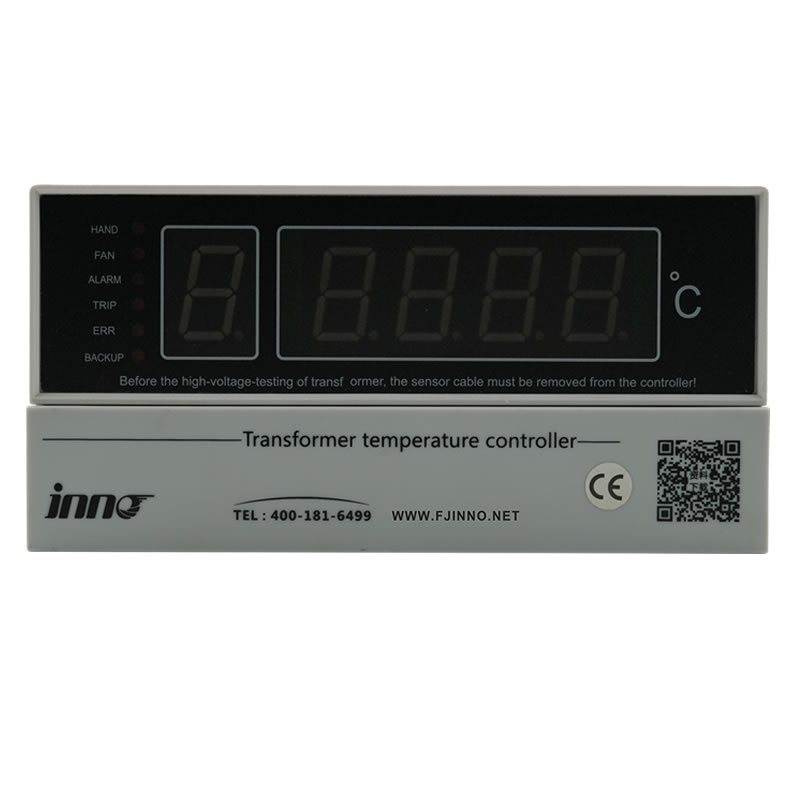
- Monitorowanie temperatury w czasie rzeczywistym – Ciągłe śledzenie temperatur uzwojeń transformatora z dokładnością ±1% pełnej skali
- Inteligentna kontrola chłodzenia – Automatyczne uruchamianie/zatrzymywanie wentylatora w oparciu o progi temperatury w celu optymalizacji zużycia energii
- Ochrona wielopoziomowa – Alarm nadmiernej temperatury i zabezpieczenie przed wyłączeniem z możliwością regulacji wartości zadanych
- Technologia czujnika PT100 – Platynowe czujniki rezystancyjne klasy przemysłowej do niezawodnych pomiarów w temperaturach od -30°C do 240°C
- Integracja komunikacyjna – RS485/RS232 interfaces and 4-20mA analog output for SCADA systems
- Globalne certyfikaty – Zgodny z IEC, ul, CE standards for worldwide applications
Spis treści
- What is a Dry Type Transformer Temperature Controller and Monitoring System?
- Why Do Dry Type Transformers Need Temperature Measurement Devices?
- How Do PT100 Temperature Sensors Achieve Precise Measurements?
- What Are the Core Functions of Transformer Temperature Control Instruments?
- How Many Models of Temperature Monitoring Systems Are Available?
- What Are the Common Hotspot Faults in Transformers?
- Technical Specifications and Performance Comparison Tables
- Where Can You Get OEM/ODM Temperature Monitoring Devices?
- What International Certifications Do Temperature Monitoring Systems Meet?
- FAQ – Common Questions About Transformer Temperature Monitoring
1. What is a Dry Type Transformer Temperature Controller and Monitoring System?

1.1 Temperature Monitoring System Overview and Core Components
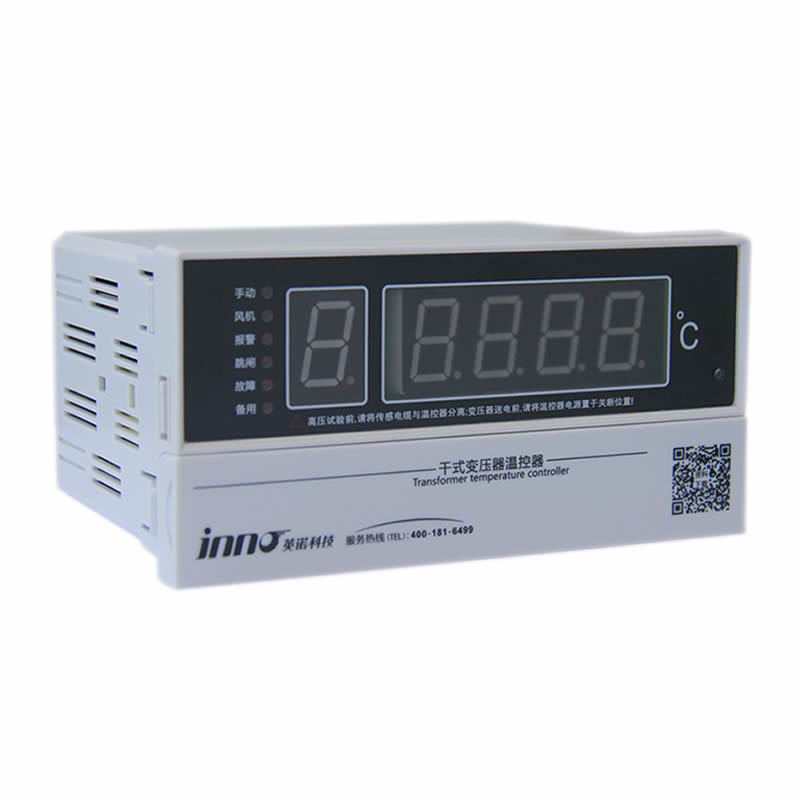
A dry type transformer temperature monitoring system is an intelligent safety solution designed specifically to protect dry type transformers from thermal overload. System składa się z trzech podstawowych elementów: PT100 platinum resistance temperature sensors, a temperature control mainframe (IB-S201 series or BWD-3K series), and actuation devices including cooling fans, alarm units, and trip mechanisms. Ten regulator temperatury uses microcontroller technology to detect and display winding temperature increases through platinum thermal resistors embedded in the transformer windings.
1.2 How Temperature Measurement Devices Work
The core operating principle of transformer temperature measurement devices is based on resistance-temperature characteristics. Czujniki temperatury PT100 are embedded at hotspot locations within transformer windings. When temperature changes occur, the sensor’s resistance value changes correspondingly. Ten temperature control mainframe converts resistance values into temperature readings through precision resistance measurement circuits, displaying real-time data on LED/LCD screens. The built-in microprocessor automatically executes control actions based on preset temperature thresholds, including fan start/stop, audible/visual alarms, and trip protection.
1.3 Digital Temperature Monitoring System Features
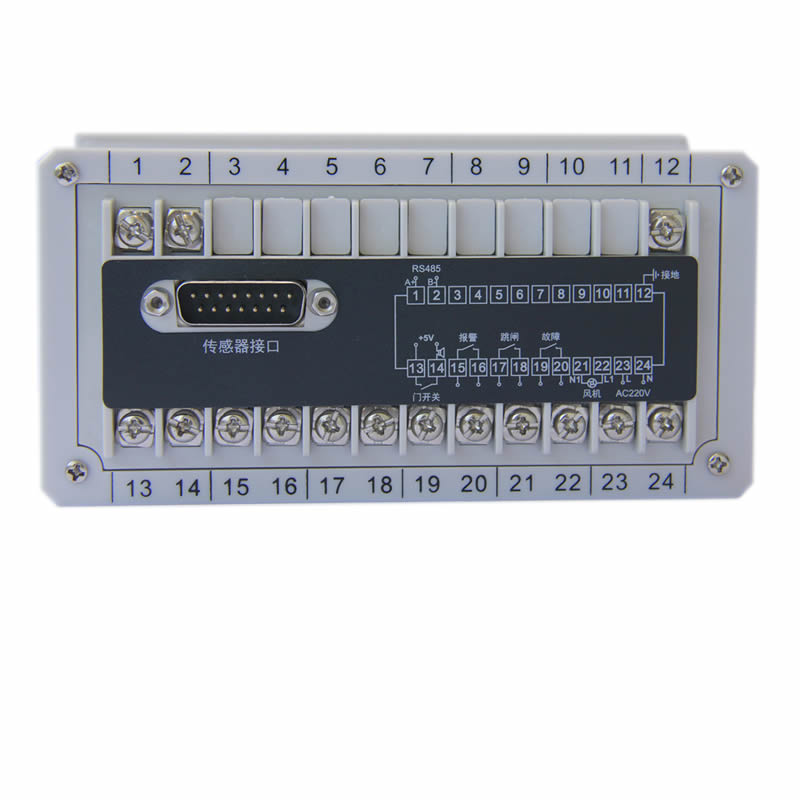
Nowoczesny urządzenia monitorujące temperaturę transformatora integrate multiple intelligent functions including historical data recording, autodiagnostyka, and various communication interfaces. Temperature display controllers can connect to supervisory SCADA systems via RS485/RS232 communication interfaces or 4-20mA analog output, enabling distributed temperature monitoring networks for remote supervision and centralized management.
1.4 Global Market Applications
Dry type transformer temperature measurement systems are widely used across power generation, metalurgia, petrochemiczny, Tranzyt kolejowy, centra danych, i sektory energii odnawialnej. Global demand for reliable transformer temperature protection equipment continues growing, particularly with grid modernization and rapid renewable energy project development. Temperature monitoring control systems have become standard equipment for transformer installations worldwide.
2. Why Do Dry Type Transformers Need Temperature Measurement Devices?
2.1 Critical Equipment Safety Protection
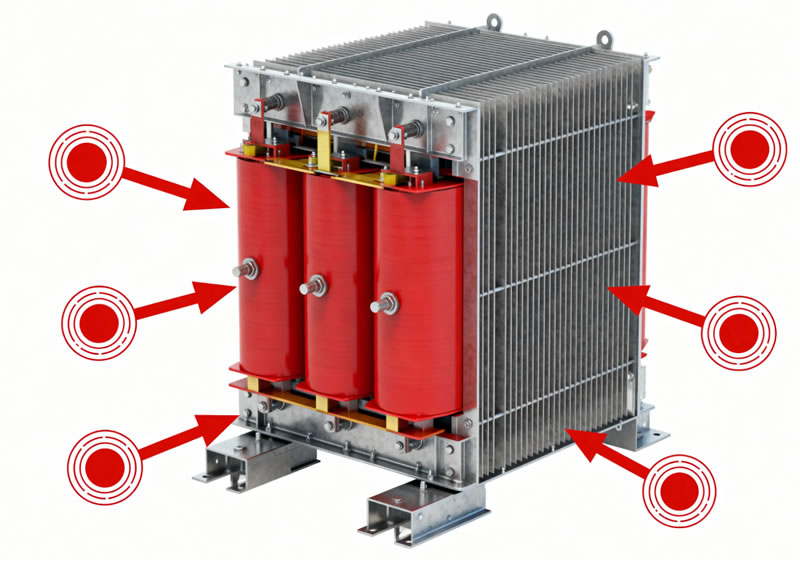
Dry type transformers generate significant heat during operation from load losses and core losses. Excessive temperatures accelerate insulation material aging and reduce dielectric strength, potentially causing insulation breakdown, przeciążeń, or fires. Research shows that for every 8-10°C increase in winding temperature, insulation material lifespan is reduced by half. Systemy monitorowania temperatury dostarczać 24/7 automatic protection. Transformers equipped with urządzenia do pomiaru temperatury experience over 60% reduction in failure rates and 30-50% dłuższy okres użytkowania.
2.2 Operational Cost Optimization
Real-time temperature monitoring data provides critical information for equipment management. Analyzing historical temperature curves enables assessment of transformer loading conditions, wydajność chłodzenia, and operational status, supporting load adjustment decisions and maintenance planning. Precise control strategies based on hotspot temperatures can reduce fan operating time by 30-50%, decreasing noise pollution, extending fan service life, and lowering energy costs. The intelligent management capabilities of transformatorowe regulatory temperatury deliver significant operational savings for enterprises.
2.3 Global Application Scenarios
Przemysłu energetycznego
Podstacje, distribution rooms, and pad-mounted transformer installations require monitorowanie temperatury transformatora typu suchego to meet utility safety operation standards.
Obiekty przemysłowe
Steel, petrochemiczny, and automotive manufacturing plants use dedicated systemy monitorowania transformatorów to ensure continuous production safety.
Budynki komercyjne
Centra handlowe, budynki biurowe, and commercial complexes rely on sprzęt do monitorowania temperatury for power distribution reliability.
Energia odnawialna
Farmy wiatrowe, solar plants, i systemy magazynowania energii kontrola temperatury transformatora do zabezpieczenia transformatora podwyższającego.
Transport kolejowy
Podstacje trakcyjne metra i kolei dużych prędkości wdrażają specjalistyczne podstacje urządzenia do pomiaru temperatury spełniające wysokie wymagania niezawodnościowe.
Centra danych
Wdrażają obiekty IDC i centra przetwarzania w chmurze monitorowanie temperatury transformatora do ochrony transformatora dystrybucyjnego UPS.
2.4 Trendy rynkowe i wymagania regulacyjne
Dzięki ulepszeniom inteligencji globalnego systemu zasilania i podwyższonym standardom bezpieczeństwa, coraz większa liczba krajów upoważnionych systemy monitorowania temperatury jako wymagane wyposażenie dla transformatorów suchych. Międzynarodowa Komisja Elektrotechniczna (IEC), Krajowe Stowarzyszenie Producentów Elektrycznych (NIE), a różne normy krajowe określają jasne wymagania techniczne dla monitorowanie temperatury transformatora, tworzenie stabilnych możliwości rynkowych dla producentów i dystrybutorów urządzenia monitorujące temperaturę.
3. How Do PT100 Temperature Sensors Achieve Precise Measurements?
3.1 Technologia platynowego czujnika temperatury oporowego PT100
PT100 to platynowy czujnik temperatury Gdzie “P.T” reprezentuje pierwiastek platynowy i “100” indicates 100-ohm resistance at 0°C. Czujniki PT100 utilize platinum metal resistance changes with temperature for measurement, representing an international standard for industrial temperature sensing. Platinum metal exhibits excellent chemical stability and oxidation resistance, maintaining stable resistance-temperature characteristics across -200°C to 850°C temperature ranges.
3.2 High Accuracy and Stability Advantages
IB-S201 regulatory temperatury utilize Class B PT100 sensors compliant with international standard IEC60751. Within the -30°C to 240°C measurement range, measurement accuracy reaches ±1% FS (full scale), with 0.1°C resolution. The controller employs four-wire measurement methodology, eliminating lead wire resistance effects on measurement results. Even with long cable runs, Dokładność pomiaru pozostaje nienaruszona. Typical response time is 5-10 Sekund, fully meeting real-time requirements for monitorowanie temperatury transformatora.
3.3 Odporność na zakłócenia i niezawodność
W silnym środowisku elektromagnetycznym otaczającym transformatory, Czujniki PT100 stosować zasady pomiaru rezystancji w połączeniu z kablami ekranowanymi i technikami pomiarów różnicowych, aby skutecznie tłumić zakłócenia elektromagnetyczne, zapewnienie dokładności i wiarygodności danych. Obudowy czujników zazwyczaj mają konstrukcję ze stali nierdzewnej, chroniąc wewnętrzne elementy platynowe, zapewniając jednocześnie doskonałą przewodność cieplną w celu szybkiej reakcji na temperaturę. Ta konstrukcja o wysokiej niezawodności sprawia, że PT100 jest preferowanym wyborem do globalnych zastosowań w przemysłowych pomiarach temperatury.
3.4 Zgodność z globalnymi standardami
Czujniki temperatury PT100 są zgodne z międzynarodową normą IEC60751 i są kompatybilne z normą DIN43760, ON C1604, i inne normy krajowe, umożliwiając uniwersalne, globalne zastosowanie. Ta standaryzacja ułatwia handel międzynarodowy i projekty transgraniczne. Procurement managers can source PT100 sensors from any country with confidence in system compatibility.
4. What Are the Core Functions of Transformer Temperature Control Instruments?
4.1 Primary Monitoring and Display Capabilities
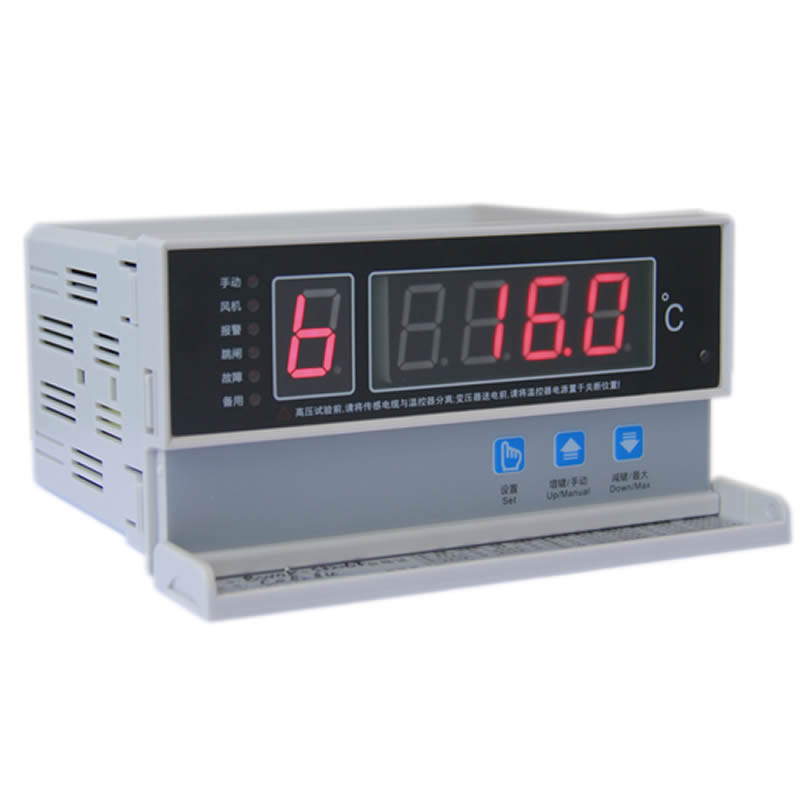
The IB-S201 regulator temperatury is an intelligent control mainframe designed specifically for safe dry type transformer operation. It simultaneously monitors up to three transformer winding temperatures, automatically displaying maximum temperature values. Display screens use LED or LCD digital displays with clear character heights, enabling easy reading from 3-5 meters distance for routine inspections. Multi-point monitoring with maximum temperature display ensures accurate hotspot temperature capture, providing reliable protection for three-phase unbalanced load conditions.
4.2 Multi-level Protection Mechanisms
The system provides two-tier protection with over-temperature alarm and over-temperature trip functions. When temperature reaches preset alarm values, the temperature control instrument triggers audible/visual alarms and outputs alarm signals. If temperature continues rising to trip setpoints, the system automatically disconnects transformer power to prevent incident escalation. Alarm and trip outputs use relay dry contacts rated 5A/250VAC or 5A/30VDC, capable of directly controlling external alarm devices or circuit breaker shunt trip coils.
4.3 Intelligent Fan Control System
The controller’s built-in fan control function automatically starts/stops cooling fans based on temperature. Users can set fan start and stop temperatures, creating temperature hysteresis control to prevent frequent cycling. The fan exercise function periodically activates fans automatically for short durations, preventing mechanical failures from prolonged dormancy. This proactive maintenance feature significantly improves fan reliability and service life.
4.4 Flexible Parameter Configuration
Progi temperaturowe (fan start/stop temperatures, temperatura alarmowa, trip temperature) are configurable via front panel keys or communication interfaces with password protection preventing accidental changes. Temperature range correction allows users to fine-tune measured values, with independent correction settings for each sensor channel. The system provides temperature unit switching (°C/°F), display brightness adjustment, and other user-friendly functions accommodating different regional preferences.
4.5 Data Recording and Fault Diagnostics
Transformer temperature monitoring controllers feature automatic fault detection, continuously monitoring sensor status. Upon detecting sensor disconnection, zwarcie, or abnormal resistance, the system immediately displays fault codes and triggers fault alarms. Historical recording functions store temperature data, zdarzenia alarmowe, and trip records. This data is retrievable via keys or communication interfaces for post-event analysis and quality traceability.
5. How Many Models of Temperature Monitoring Systems Are Available?
5.1 Basic Model – IB-S201D
The basic IB-S201D model provides complete temperature monitoring and protection functions, monitoring three winding temperatures with integrated fan control, fan exercise, alarm nadmiernej temperatury, and over-temperature trip capabilities. Suitable for standard applications without special remote communication or analog output requirements, this configuration offers optimal cost-effectiveness. Widely deployed in small to medium distribution systems and standalone dry type transformers.
5.2 Analog Output Model – IB-S201E
IB-S201E adds three independent 4-20mA analog current outputs to basic functions, each corresponding to one winding temperature measurement. 4-20mA is a universal industrial standard analog signal suitable for connection with traditional SCADA systems, sterowniki PLC, or DCS. This configuration particularly suits industrial customers needing temperature data integration into existing monitoring systems. Configuration is straightforward with good real-time performance and transmission distances reaching hundreds of meters.
5.3 Communication Model – IB-S201F
IB-S201F features RS485 or RS232 serial communication interfaces supporting Modbus-RTU and other international standard communication protocols. RS485 bus can connect up to 32 urządzenia, ideal for building large distributed monitoring networks. Communication models support remote parameter configuration, data retrieval, i diagnostyka systemu, seamlessly integrating with various industrial automation systems and intelligent distribution management platforms. This is the preferred configuration for smart grid and Industry 4.0 aplikacje.
5.4 Ambient Temperature Measurement Model – IB-S201G
IB-S201G adds ambient temperature measurement sensors to standard functionality. Ambient temperature monitoring enables automatic alarm threshold adjustment based on environmental conditions or calculation of actual temperature rise (difference between winding and ambient temperatures). This configuration particularly suits locations with significant ambient temperature variations including outdoor pad-mounted substations, high-altitude areas, and tropical or arctic climate zones.
5.5 Core Temperature Measurement Model – IB-S201I
IB-S201I additionally monitors silicon steel sheet (rdzeń) temperature for assessing magnetic flux density and saturation status, preventing core overheating. Core temperature monitoring is significant for optimizing magnetic circuit design and diagnosing core faults. This configuration primarily serves large power transformers, specially designed custom transformers, or critical applications with extremely high temperature monitoring requirements.
5.6 Combination Models and Custom Options
Function modules can be flexibly combined, na przykład:
- IB-S201EF – Analog output plus digital communication
- IB-S201EG – Analog output plus ambient temperature measurement
- IB-S201FG – Digital communication plus ambient temperature measurement
- IB-S201EFG – Analog output, komunikacja cyfrowa, and ambient temperature measurement
- IB-S201EFGI – Full-function configuration including all expansion capabilities
For bulk procurement or special application requirements, świadczymy usługi dostosowywania OEM/ODM, dostosowywanie interfejsów wyświetlacza, protokoły komunikacyjne, kolory obudowy, i identyfikacji marki zgodnie ze specyfikacjami klienta.
6. What Are the Common Hotspot Faults in Transformers?
6.1 Przegrzanie hotspotu uzwojenia
Przegrzanie gorącego punktu uzwojenia jest najczęstszą usterką termiczną w transformatorach typu suchego. Przyczyny obejmują nadmierny prąd obciążenia, słaba wydajność układu chłodzenia, zablokowana wentylacja, lub zlokalizowane zwarcia pomiędzy zwojami. Bez szybkiego wykrywania i interwencji systemy monitorowania temperatury, długotrwałe przegrzanie powoduje szybką degradację izolacji, potencjalnie prowadząc do katastrofalnej awarii. Czujniki temperatury PT100 umieszczone w krętych, gorących punktach, zapewniają wczesne ostrzeganie przed wystąpieniem krytycznych uszkodzeń.
6.2 Niezrównoważone obciążenie fazowe
Transformatory trójfazowe często doświadczają niezrównoważonego obciążenia, w którym jedna faza przepływa znacznie większy prąd niż inne. This creates a thermal imbalance where one winding operates at higher temperature while others remain cooler. Single-point temperature measurement can miss this condition. The IB-S201 series monitors all three windings simultaneously, displaying the highest temperature to ensure comprehensive protection regardless of load distribution.
6.3 Awarie układu chłodzenia
Cooling fan failures represent serious risks for transformers relying on forced air cooling. Fan motor burnout, bearing seizure, or control circuit faults can cause rapid temperature escalation. Ten transformer temperature controller’s fan exercise function prevents mechanical failures through periodic operation. Dodatkowo, the system monitors temperature trends, triggering alarms if temperatures rise abnormally despite fan operation, indicating potential cooling system malfunctions.
6.4 Wpływ temperatury otoczenia
Extreme ambient temperatures significantly impact transformer thermal performance. High ambient temperatures reduce cooling efficiency and narrow the margin between operating temperature and maximum rated temperature. The IB-S201G model’s ambient temperature monitoring enables calculation of actual temperature rise independent of environmental conditions, providing more accurate assessment of transformer thermal stress. This is particularly valuable in regions experiencing extreme seasonal temperature variations.
6.5 Core Hotspots and Magnetic Circuit Issues
Although less common than winding faults, core overheating can occur due to excessive magnetic flux density, core lamination short circuits, lub wady produkcyjne. Core hotspots are difficult to detect without dedicated sensors. The IB-S201I model’s core temperature monitoring capability enables early detection of magnetic circuit problems before they cause extensive damage. This is especially important for custom-designed transformers or units operating near saturation limits.
7. Technical Specifications and Performance Comparison Tables
7.1 Main Technical Parameters
| Parametr | Specyfikacja | Notatki |
|---|---|---|
| Zakres pomiarowy | -30°C to 240°C (-22°F to 464°F) | Covers dry type transformer operating temperatures |
| Dokładność pomiaru | ±1% pełnej skali | Full scale accuracy with PT100 Class B sensors |
| Rezolucja | 0.1°C (0.18°F) | High-resolution temperature display |
| Typ czujnika | Odporność na platynę PT100 (Klasa B) | IEC60751 compliant, 4-połączenie przewodowe |
| Liczba kanałów | 3 winding channels + optional ambient/core | Displays maximum temperature |
| Typ wyświetlacza | LED or LCD digital display | High-visibility characters, 3-5m reading distance |
| Zasilanie | AC 220V ±10%, 50/60Hz or AC/DC 24V | Optional power supply configurations |
| Zużycie energii | ≤5W (without load) | Konstrukcja o niskim zużyciu energii |
| Środowisko operacyjne | -10°C to 55°C, relative humidity ≤90% RH | Brak kondensacji |
| Temperatura przechowywania | -25°C do 70°C | Standard industrial grade |
| Ochrona obudowy | IP20 (norma), IP54 (fakultatywny) | Panel mounting or wall mounting |
| Wymiary montażowe | 160mm × 80 mm × 110 mm (Szer.×Wys.×Gł) | Standardowe wycięcie w panelu DIN 152×76mm |
7.2 Specyfikacje wyjść sterujących
| Funkcja wyjściowa | Specyfikacja | Aplikacja |
|---|---|---|
| Wyjście sterujące wentylatorem | 1 ustawić przekaźnik NO/NC, 5A/250VAC lub 5A/30VDC | Sterowanie stycznikiem wentylatora chłodzącego |
| Alarm nadmiernej temperatury | 1 ustawić przekaźnik NO/NC, 5A/250VAC lub 5A/30VDC | Róg alarmowy, światło ostrzegawcze, lub zdalny alarm |
| Wyłączenie spowodowane przegrzaniem | 1 ustawić przekaźnik NO/NC, 5A/250VAC lub 5A/30VDC | Wyzwalacz wzrostowy wyłącznika lub sterowanie stycznikiem |
| Alarm awarii | 1 ustawić przekaźnik NO/NC, 5A/250VAC lub 5A/30VDC | Sygnalizacja awarii czujnika |
| Wyjście analogowe (IB-S201E) | 3 Kanały, 4-20mama, obciążenie ≤500Ω | SCADA, PLC, Integracja DCS |
| Komunikacja (IB-S201F) | RS485/RS232, Protokół Modbus-RTU | Systemy monitorowania sieci |
7.3 Porównanie cech modelu
| Model | Temperatura uzwojenia | Temperatura otoczenia | Temperatura rdzenia | Wyjście analogowe | Komunikacja | Typowe zastosowanie |
|---|---|---|---|---|---|---|
| IB-S201D | 3 Kanały | Nie | Nie | Nie | Nie | Podstawowe instalacje autonomiczne |
| IB-S201E | 3 Kanały | Nie | Nie | 3×4-20mA | Nie | Integracja z systemem SCADA |
| IB-S201F | 3 Kanały | Nie | Nie | Nie | RS485/RS232 | Monitorowanie sieci, inteligentne sieci |
| IB-S201G | 3 Kanały | Tak | Nie | Nie | Nie | Zmienne warunki otoczenia |
| IB-S201I | 3 Kanały | Nie | Tak | Nie | Nie | Transformatory dużej mocy |
| IB-S201EFG | 3 Kanały | Tak | Nie | 3×4-20mA | RS485/RS232 | Kompleksowy monitoring |
| IB-S201EFGI | 3 Kanały | Tak | Tak | 3×4-20mA | RS485/RS232 | W pełni funkcjonalne systemy premium |
8. Where Can You Get OEM/ODM Temperature Monitoring Devices?
8.1 Profesjonalne usługi produkcyjne OEM/ODM
Fuzhou Innowacja Elektroniczna Scie&Technologia Co., Ltd. wyspecjalizowała się w produkcji systemy monitorowania temperatury transformatorów od 2011. Z ponad 13 lat doświadczenia w branży, oferujemy kompleksowe usługi dostosowywania OEM/ODM dla globalnych dystrybutorów, integratorów systemów, i producentów transformatorów. Nasz zakład produkcyjny wyposażony jest w zaawansowane linie SMT, automated testing equipment, and quality control systems ensuring consistent product quality and reliable performance.
8.2 Możliwości dostosowywania
Dostosowywanie sprzętu
- Custom enclosure design, wymiary, and mounting configurations
- Display customization – LED/LCD type, rozmiar, color schemes
- Communication interface selection – Złącze RS485, RS232, Ethernetu, wireless options
- Power supply voltage customization for regional requirements
- Additional I/O expansion for special control requirements
Dostosowywanie oprogramowania
- Custom communication protocols beyond standard Modbus-RTU
- Specialized control algorithms for unique cooling systems
- Multi-language user interface support
- Custom data logging and reporting functions
- Integration with proprietary monitoring platforms
Branding Services
- Custom silk screening with client logo and branding
- Private labeling on products and packaging
- Customized user manuals and documentation
- Branded packaging design and production
8.3 Manufacturing Advantages
Our manufacturing facility maintains ISO9001 quality management certification with rigorous process controls throughout production. Każdy regulator temperatury undergoes 100% functional testing including temperature accuracy verification, relay contact testing, communication protocol validation, and environmental stress testing. We maintain substantial component inventory enabling rapid response to customer orders with typical lead times of 2-3 weeks for standard models and 4-6 weeks for custom configurations.
8.4 Minimum Order Quantities and Pricing
We accommodate various order scales from small pilot projects to large-scale deployments. Standard catalog models have low minimum order quantities starting from 10 jednostki. For OEM/ODM projects with custom requirements, typical MOQ ranges from 50-100 jednostek w zależności od złożoności dostosowania. Volume pricing discounts are available for large orders, and we provide detailed quotations based on specific requirements and annual volume commitments.
8.5 Wsparcie techniczne i dokumentacja
Complete technical documentation is provided including detailed datasheets, schematy okablowania, communication protocol specifications, and integration guides. Our engineering team provides pre-sales technical consultation, wsparcie inżynierii aplikacji, and post-sales troubleshooting assistance. We can conduct joint product testing at customer facilities or our laboratory to ensure system compatibility and performance before mass production.
9. What International Certifications Do Temperature Monitoring Systems Meet?
9.1 IEC International Standards Compliance
Nasz systemy monitorowania temperatury transformatorów are designed and manufactured in accordance with IEC61010 (Safety requirements for electrical equipment for measurement, kontrola, and laboratory use) and IEC60068 (Testy środowiskowe). The PT100 sensors comply with IEC60751 standard specifications for platinum resistance thermometers, ensuring accuracy and interchangeability. Product design follows IEC61000 electromagnetic compatibility standards for both emission and immunity requirements.
9.2 CE Marking for European Markets
Products are CE marked indicating conformity with European Union directives including Low Voltage Directive (LVD) 2014/35/EU and Electromagnetic Compatibility Directive (EMC) 2014/30/UE. CE certification enables free circulation within European Economic Area markets and demonstrates compliance with EU essential health, bezpieczeństwo, and environmental protection requirements. Complete technical files and declarations of conformity are maintained for regulatory compliance.
9.3 North American Certifications
For the North American market, our products can be certified to UL and CSA standards upon request. UL61010 certification covers safety requirements for electrical equipment, while CSA C22.2 certification addresses Canadian market requirements. NEMA standards compliance ensures compatibility with North American electrical systems and industry practices. These certifications are essential for projects requiring compliance with National Electrical Code (NEC) and Canadian Electrical Code (CEC).
9.4 Certyfikaty Systemu Zarządzania Jakością
Fuzhou Innowacja Elektroniczna Scie&Technologia Co., Ltd. maintains ISO9001:2015 quality management system certification covering design, produkcja, i procesów serwisowych. Our quality system encompasses supplier qualification, incoming material inspection, in-process quality control, final product testing, i ciągłe procesy doskonalenia. Regular internal and external audits ensure ongoing compliance and system effectiveness.
9.5 Regional and Industry-Specific Approvals
We can pursue additional certifications based on customer requirements and target markets including:
- CCC certification for Chinese market mandatory requirements
- EAC certification for Eurasian Customs Union countries
- SASO/SABER for Saudi Arabian market access
- Railway industry certifications for rail transit applications
- Utility-specific approvals for power grid applications
10. FAQ – Common Questions About Transformer Temperature Monitoring
10.1 What is the difference between analog and digital temperature monitoring systems?
Analog systems (IB-S201E with 4-20mA output) provide continuous current signals proportional to temperature, ideal for integration with traditional control systems and requiring simple wiring. Digital systems (IB-S201F with RS485/RS232) transmit temperature data via communication protocols, enabling multiple devices on a single bus, remote configuration, i zaawansowaną diagnostykę. Digital systems offer greater flexibility and information density, while analog systems provide simplicity and universal compatibility.
10.2 How should PT100 sensors be installed in transformer windings?
PT100 sensors should be embedded at the hottest point of each winding during transformer manufacturing, typically at the center of the winding where heat accumulation is greatest. Sensors are usually inserted into pre-formed pockets or channels within the winding structure, secured with high-temperature insulation materials. Lead wires must be properly routed and secured to prevent damage during transformer operation. Do zastosowań modernizacyjnych, surface-mounted sensors can be attached to accessible winding surfaces, though they may not capture true hotspot temperatures.
10.3 Jakie protokoły komunikacyjne są obsługiwane?
Standard IB-S201F models support Modbus-RTU protocol over RS485 or RS232 interfaces, the most widely used industrial communication standard. Custom protocol implementations are available through OEM/ODM services including Modbus-TCP, Profibus, DNP3, IEC61850, i własne protokoły. Parametry komunikacji (baud rate, bity danych, parytet, device address) are user-configurable to match existing system requirements.
10.4 Can the system integrate with building management systems (BMS)?
Tak, systemy monitorowania temperatury transformatorów integrate readily with BMS through multiple methods. The 4-20mA analog output (IB-S201E) connects directly to BMS analog input modules. RS485/Modbus communication (IB-S201F) enables network integration with most modern BMS platforms. Relay contact outputs provide hardwired alarm signals to BMS digital inputs. For IP-based BMS systems, we can provide Modbus-TCP gateways or develop custom Ethernet-enabled versions.
10.5 What is the typical service life of PT100 sensors?
PT100 sensors are extremely durable with operational lifespans exceeding 100,000 Godzin (nad 11 lat ciągłej pracy) under normal conditions. Platinum element stability ensures long-term accuracy without significant drift. The limiting factors are typically mechanical connections, materiały izolacyjne, and cable integrity rather than the platinum sensing element itself. In transformer applications where sensors are permanently embedded, sensor life typically matches or exceeds transformer service life of 20-30 lata.
10.6 How often does calibration need to be performed?
PT100 sensors and the IB-S201 controller have excellent long-term stability and typically do not require regular calibration during normal service life. Initial factory calibration is traceable to national standards. For critical applications requiring documented accuracy, periodic verification is recommended every 2-3 years using certified reference thermometers. The controller’s temperature correction function allows field adjustment without removing sensors or returning equipment to factory.
10.7 Co się stanie, jeśli czujnik ulegnie awarii?
The IB-S201 controller continuously monitors sensor circuit integrity, detecting open circuits (sensor disconnection), przeciążeń, or out-of-range resistance values indicating sensor damage. Upon fault detection, the controller displays a fault code, triggers fault alarm relay output, and can be configured to either ignore the faulty channel or execute protective shutdown depending on application safety requirements. The remaining operational sensors continue monitoring their respective windings.
10.8 Can existing transformers be retrofitted with temperature monitoring systems?
Tak, retrofit installation is possible though it presents greater challenges than factory installation. Surface-mounted PT100 sensors can be attached to accessible winding surfaces or terminal connections using thermal conductive adhesive or mounting clips. While less accurate than embedded sensors for measuring true hotspot temperature, surface sensors provide meaningful temperature indication and protection. Complete retrofit kits including sensors, elementy montażowe, kable, and controllers are available for common transformer designs.
10.9 What is the warranty coverage?
Standardowy zakres gwarancji wynosi 24 months from delivery date, covering manufacturing defects in materials and workmanship. The warranty includes repair or replacement of defective units, wsparcie techniczne, i pomoc w rozwiązywaniu problemów. Extended warranty programs and comprehensive service contracts are available for large projects or critical applications. Warranty does not cover damage from improper installation, stany nieustalone elektryczne, mechanical abuse, or operation outside specified environmental conditions.
10.10 Are spare parts readily available?
Tak, we maintain comprehensive spare parts inventory including replacement sensors, controller modules, display assemblies, wyjścia przekaźnikowe, and communication boards. Common wear items and frequently replaced components are stocked for immediate shipment. For end-of-life products, we maintain spare parts availability for minimum 10 lat po zaprzestaniu produkcji produktu. Spare parts ordering can be processed through our direct sales team or authorized distributors.
Global Logistics and Technical Support
We provide worldwide shipping through established logistics partners including DHL, FedEx, UPS-em, and ocean freight forwarders. Standard delivery time is 5-7 days for express air shipment to major cities globally. Comprehensive technical support is available via email (web@fjinno.net), WhatsApp/WeChat (+86 13599070393), and phone consultation. Our engineering team provides application assistance, system design guidance, wsparcie instalacji, and troubleshooting services in English and Chinese.
Informacje kontaktowe
Producent: Fuzhou Innowacja Elektroniczna Scie&Technologia Co., Ltd.
Przyjęty: 2011
E-mail: web@fjinno.net
WhatsApp/WeChat/telefon: +86 13599070393
QQ: 3408968340
Adres: Liandong U Grain Networking Park Industrial Park, Nr 12 Xingye West Road, Fuzhou, Fujian powiedział:, Chiny
Strona internetowa: www.fjinno.net
Zastrzeżenie
The information provided in this guide is for general informational purposes only. Chociaż staramy się zapewnić dokładność, specyfikacje, cechy, i dostępność mogą ulec zmianie bez powiadomienia. Product selection should be based on specific application requirements and validated through consultation with qualified engineers. Fuzhou Innowacja Elektroniczna Scie&Technologia Co., Ltd. assumes no liability for damages resulting from improper product selection, instalacja, or use. Wszystkie dane techniczne, certyfikaty, and performance data are subject to verification. Customers are responsible for ensuring products meet local codes, standardy, and regulations applicable to their specific installations. Aby uzyskać szczegółowe dane techniczne, wsparcie inżynierii aplikacji, oraz zalecenia dotyczące konkretnego projektu, please contact our technical team directly.

Światłowodowy czujnik temperatury, Inteligentny system monitorowania, Rozproszony producent światłowodów w Chinach
 |
 |
 |