 INNO glasvezel temperatuursensoren ,temperatuurbewakingssystemen.
Kernvoordelen van Transformator glasvezel temperatuurbewakingssystemen
- Volledige immuniteit voor elektromagnetische interferentie: Fluorescerend glasvezel sensoren gebruik zuivere optische signaaloverdracht zonder metalen of elektronische componenten, waardoor een stabiele werking mogelijk is in elektromagnetische omgevingen met ultrahoge spanningstransformatoren van 110 kV tot 500 kV, niet beïnvloed door bliksem, schakelhandelingen, of kortsluitstroomtransiënten.
- Directe Hot Spot-temperatuurmeting: Glasvezelsondes met diameters van slechts 1-3 mm kunnen direct worden ingebed tussen met olie gevulde transformatorwikkelingslagen of in droge transformatorspoelen, het meten van echte hotspot-temperaturen in plaats van berekende schattingen, met meetnauwkeurigheid van ±1°C en responstijd onder 1 seconde.
- Verlengde levensduur zonder onderhoud: Fluorescerende glasvezeltemperatuursensoren zijn passief, driftvrij, en verouderingsbestendig, geschikt voor continu gebruik in transformatorolie gedurende meer dan 30 jaar zonder kalibratie of vervanging, met glasvezeltransmissieafstanden van 0-80 meters die perfect overeenkomen met de bedradingsafstand van transformatorlichaam tot controlekamer.
- Meerpuntsbewaking met één systeem: Een enkele glasvezel temperatuurmeetsysteem tegelijkertijd verbinding kunnen maken 1-64 kanalen van fluorescerende glasvezelsensoren, het bewaken van alle kritieke locaties, inclusief hotspots voor driefasige wikkelingen, hoogste olietemperatuur, onderste olietemperatuur, en kerntemperatuur voor uitgebreide transformatortemperatuurbewaking.
- Groot temperatuurbereik voor alle transformatortypen: Fluorescerende glasvezeltemperatuurmeting varieert van -40°C tot +260°C, geschikt voor het bewaken van de normale bedrijfstemperaturen van oliegevulde transformatoren (-25°C tot +105°C), droge transformatoromstandigheden bij hoge temperaturen (tot 180°C), en zelfs extreme temperaturen tijdens overbelasting en storingsomstandigheden.
- Preventie van isolatieveroudering en thermische afbraak: Dankzij realtime monitoring kan het systeem alarmen activeren voordat de wikkelingstemperatuur de temperatuurlimieten van het isolatiemateriaal overschrijdt (oliegevuld 98-110°C, droogtype 155-180°C). Volgens de 6-gradenregel van Montsinger, Door de temperatuur met 6°C te verlagen wordt de levensduur van de isolatie verdubbeld, verlengt de levensduur van de transformator 20 naar voorbij 40 jaar.
- Alarmen op meerdere niveaus en intelligente vergrendelingscontrole: Het systeem biedt bescherming op drie niveaus, inclusief temperatuurvoorwaarschuwing, alarm voor hoge temperaturen, en uitschakeling bij te hoge temperatuur, automatisch starten/stoppen van koelventilatoren/oliepompen, schakelende kraanwisselaars om de spanning te verminderen, en het verzenden van alarmsignalen op afstand naar SCADA-systemen voor onbemande onderstationautomatisering.
- Brede toepassingen in de energie- en industriële sectoren: Meer dan transformatorbewaking, hetzelfde technologieplatform is van toepassing op de contacttemperatuurmeting van schakelapparatuur, bewaking van de gezamenlijke stroomkabels, Meting van de temperatuur van de generatorstator, medische MRI-apparatuur, industriële ovens op hoge temperatuur, en andere scenario's die immuniteit tegen elektromagnetische interferentie of geïsoleerde temperatuurmeting vereisen.
Inhoudsopgave
- Wat is een transformator glasvezel temperatuurbewakingssysteem?
- Waarom is transformatorwikkeling Hot Spot-temperatuurbewaking van cruciaal belang??
- Wat zijn de fundamentele verschillen tussen glasvezeltemperatuursensoren en traditionele PT100/thermokoppels?
- Hoe verschillen de vereisten voor temperatuurbewaking tussen oliegevulde en droge transformatoren??
- Fluorescerend, FBG, en GaAs glasvezeltemperatuurmeettechnologieën vergeleken: Waarom TL het beste is voor transformatoren
- Hoe werken fluorescerende glasvezeltemperatuursensoren?
- Waarom bereikt fluorescentie-glasvezeltemperatuurmeting volledige EMI-immuniteit??
- Wat is een transformatorwikkelinghotspot?? Waar bevindt het zich en waarom is het gevaarlijk?
- Hoe worden glasvezeltemperatuursondes geïnstalleerd op transformatorwikkelingshotspots??
- Wat is het verschil tussen gedistribueerde temperatuurdetectie (DTS) en puntfluorescerende glasvezeltemperatuursensoren?
- Wat is de typische configuratie voor met olie gevulde transformatorglasvezelbewakingssystemen?
- Wat is de installatieoplossing voor droge-type transformatorglasvezeltemperatuurmeetsystemen?
- Wat is de rol van transformatorolie en hoe beïnvloedt de temperatuur de isolatie- en koelprestaties ervan??
- Hoe werkt het glasvezelmonitoringsysteem samen met transformatorkoelsystemen en load-tap-wisselaars??
- Hoe implementeert het systeem temperatuuralarmen op meerdere niveaus en uitschakelbeveiliging voor transformatoren??
- Bovenkant 10 Wereldwijde fabrikanten van transformatorglasvezeltemperatuursensoren
- Waarom wordt FJINNO beschouwd als de beste keuze voor transformatorglasvezeltemperatuurbewakingssystemen?
- Hoe u geschikte optische temperatuursensorsystemen selecteert voor verschillende transformatorcapaciteiten en spanningsniveaus?
- Wat zijn de gevaren van overbelasting van transformatoren en hoe biedt glasvezeltemperatuurmeting bescherming??
- Wat zijn de belangrijkste oorzaken van abnormale stijging van de transformatortemperatuur en overschrijding van de hotspot-temperatuur?
- Hoe interne transformatorfouttypen te identificeren via temperatuurcurven van glasvezelthermometers?
- Wat zijn de nominale temperatuurstijging en toegestane temperaturen voor transformatoren volgens internationale normen?
- Welke internationale normen (IEC/IEEE) Moeten de glasvezeltemperatuurbewakingssystemen van transformatoren voldoen?
- Wat is de integratieoplossing voor optische temperatuursensoren in slimme onderstations?
- Hoe u aangepaste oplossingen voor temperatuurbewaking van transformatorglasvezels en offertes voor bulkinkoop kunt verkrijgen?
1. Wat is een Transformator glasvezel temperatuurbewakingssysteem?
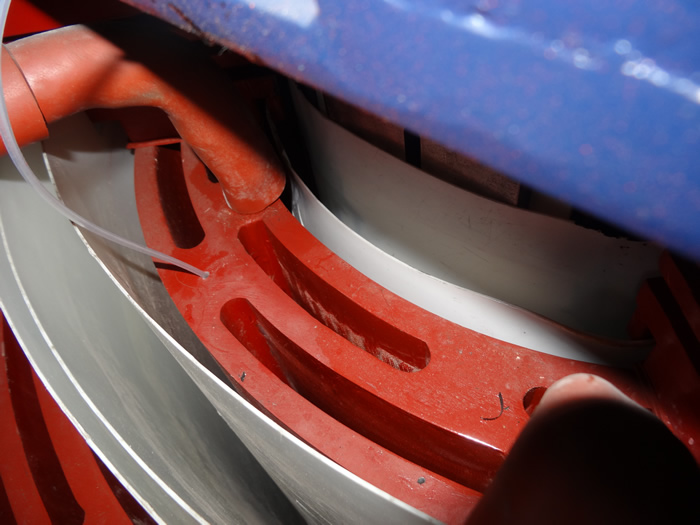
A Transformator glasvezel temperatuurbewakingssysteem is een gespecialiseerd realtime temperatuurbewakingsapparaat ontworpen voor stroomtransformatoren, gebruiken glasvezel temperatuursensoren om direct temperaturen te meten op kritische transformatorlocaties en data-acquisitie uit te voeren, analyse, en alarmerend via hosts voor temperatuurmeting via glasvezel.
De kern van het systeem is de fluorescerende glasvezel temperatuursensor, een punttype temperatuurmeettechnologie gebaseerd op de principes van de fluorescentielevensduur van zeldzaam aardmateriaal. In tegenstelling tot traditionele weerstands- of thermokoppelthermometers, glasvezelthermometers utilize purely optical signal transmission requiring no electrical power supply, enabling stable operation in high-voltage, strong electromagnetic field environments.
Voor oliegevulde transformatoren, the system monitors critical temperature points including three-phase winding hot spots, hoogste olietemperatuur, en bodemolietemperatuur. Voor droge transformatoren, it focuses on three-phase winding temperature distribution (typisch 2-3 measurement points per phase).
Modern glasvezel temperatuurmeetsystemen not only provide real-time temperature display but also feature historical data recording, Analyse van temperatuurtrends, over-temperature alarming, remote communication (Modbus/IEC 61850), making them fundamental tools for transformer condition monitoring and asset health management.
Five Critical Functions of Transformer Winding Hot Spot Temperature Monitoring:
Preventing Insulation Thermal Breakdown
Bij het wikkelen overschrijden de hotspottemperaturen de temperatuurlimieten van isolatiepapier of epoxyhars (typisch 98-110°C voor oliegevuld, 155-180°C voor droog type), de isolatiesterkte neemt sterk af. Glasvezelmonitoring kan alarmen of commando's voor belastingvermindering activeren voordat de temperatuur gevaarlijke drempels bereikt.
Verlenging van de levensduur van de transformator
Volgens de Arrhenius-vergelijking, De verouderingssnelheid van isolatiemateriaal neemt exponentieel toe met de temperatuur. De Montsinger 6-gradenregel stelt dat de levensduur van isolatie verdubbelt bij elke temperatuurdaling van 6°C. Nauwkeurig glasvezel temperatuurmeting Door de wikkelingstemperaturen binnen een optimaal bereik te houden, kan de levensduur van de transformator worden verlengd 20 jaren voorbij 40 jaar.
Dynamisch lastbeheer inschakelen
Traditionele transformatoren werken met een vast nominaal vermogen. Met real-time hotspot-monitoring via optische temperatuursensoren, operators can safely increase loads during cool seasons or low-load periods while reducing loads during summer peaks or high ambient temperatures, optimizing asset utilization without compromising safety.
Early Fault Detection and Diagnosis
Abnormal temperature rise patterns can reveal internal faults: sudden single-phase temperature rise may indicate winding short circuits, three-phase unbalanced temperature rise suggests core lamination short circuits, and gradual overall temperature rise indicates cooling system failure. Glasvezel temperatuursensoren voorzien 24/7 data for predictive maintenance.
Meeting Smart Grid and Regulatory Requirements
IEC 60076-7 and IEEE C57.91 standards recommend installing glasvezel temperatuurbewaking systems on transformers above 10MVA. Modern smart substations require transformers to upload real-time temperature data to SCADA/EMS systems, met fiber optic measurement systems naadloos te integreren via IEC 61850 protocollen.
2. Waarom is transformatorwikkeling Hot Spot-temperatuurbewaking van cruciaal belang??
De hotspottemperatuur van de transformatorwikkeling is het hoogste temperatuurpunt binnen de gehele transformator, Deze bevinden zich doorgaans in de binnenste windingen van de hoogspanningswikkeling of in gebieden met geconcentreerde zwerfverliezen. De temperatuur van dit ene punt bepaalt rechtstreeks de levensduur en de operationele veiligheid van de transformatorisolatie.
In tegenstelling tot de topolietemperatuur of de gemiddelde wikkelingstemperatuur die indirect kan worden gemeten of berekend, De hotspot-temperatuur kan alleen nauwkeurig worden verkregen door directe meting glasvezel temperatuursensoren. Traditionele wikkeltemperatuurindicatoren (WTI) schat de hotspottemperatuur door een berekende gradiënt toe te voegen aan de topolietemperatuur, met fouten die mogelijk 10-20°C bereiken, waardoor ze ongeschikt zijn voor nauwkeurig thermisch beheer.
Why Hot Spot Temperature is More Critical Than Top Oil Temperature:
Localized Nature of Insulation Failure
Transformer insulation failure is always a localized phenomenon. Even if 99% of the winding maintains normal temperature, a single hot spot exceeding limits can cause insulation breakdown, kortsluitingen, and catastrophic failure. Top oil temperature reflects only average heat generation and cannot reveal localized overheating.
Non-Linear Insulation Aging Process
Cellulose insulation paper aging follows exponential laws. At 110°C, lifespan is approximately 20 jaar; at 120°C, it drops to 5 jaar; at 140°C, alleen 6 months remain. A 10°C hot spot temperature difference can mean a 4-fold lifespan variance, making precise glasvezel temperatuurmeting economically crucial.
Rapid Thermal Runaway Characteristics
When hot spot temperatures exceed critical points, insulation resistance drops, toenemende lekstroom, meer warmte genereren, en het creëren van positieve feedback die leidt tot een thermische runaway. Dit proces kan binnen enkele uren versnellen van normaal naar falen. Alleen realtime glasvezel monitoring met een reactie van minder dan een seconde kan tijdige waarschuwingen worden gegeven.
Basis voor bepaling van het laadvermogen
Volgens de IEEE C57.91-standaard, De toegestane overbelastingscapaciteit van de transformator wordt bepaald door de hotspottemperatuur en niet door de topolie- of omgevingstemperatuur. Zonder directe hotspotmeting door optische temperatuursensoren, exploitanten moeten conservatieve marges hanteren, transformatorcapaciteit verspillen.
Verschillende temperatuurlimieten voor verschillende transformatortypen
Met olie gevulde transformatorhotspots mogen de temperatuur van 98°C niet overschrijden (normaal) of 110°C (noodgeval), terwijl droge transformatoren 130-180°C toestaan, afhankelijk van de isolatieklasse. Zonder directe meting via glasvezel temperatuursensoren, het is onmogelijk om de naleving van deze limieten te verifiëren.
3. Wat zijn de fundamentele verschillen tussen Glasvezeltemperatuursensoren en traditionele PT100/thermokoppels?

Traditionele elektrische temperatuursensoren (PT100 platina-resistentie, K-type thermokoppels) en modern glasvezel temperatuursensoren vertegenwoordigen fundamenteel verschillende meetprincipes, waarbij de prestatieverschillen bijzonder uitgesproken zijn bij transformatortoepassingen.
| Vergelijkingsparameter | Fluorescerende glasvezeltemperatuursensor | PT100 platina-resistentie | K-type thermokoppel |
|---|---|---|---|
| Werkingsprincipe | Zeldzame aarde fluorescentie levensduur temperatuurafhankelijkheid | Platina weerstandstemperatuurcoëfficiënt | Seebeck thermo-elektrisch effect |
| Signaaloverdracht | Optisch signaal (volledig niet-geleidend) | Elektrisch signaal (4-20mA/weerstand) | Elektrisch signaal (millivolt niveau) |
| EMI-immuniteit | Volledige immuniteit (geen metalen componenten) | Zwaar getroffen (vereist afscherming) | Zwaar getroffen (magnetische veldinterferentie) |
| Hoogspanningsisolatie | Inherente isolatie (optische vezel isoleert) | Vereist een complexe isolatiestructuur | Vereist een complexe isolatiestructuur |
| Meetnauwkeurigheid | ±1°C (0.5°C hoge precisie) | ±0,15°C (Klasse A) | ±1,5°C (Klas 1) |
| Reactietijd | <1 seconde | 5-30 seconden (afhankelijk van structuur) | 1-10 seconden |
| Temperatuurbereik | -40°C tot +260°C | -200°C tot +850°C | -270°C tot +1372°C |
| Stabiliteit op lange termijn | Geen drift (optisch principe) | Jaarlijkse drift ±0,05°C | Jaarlijkse drift ±1-2°C |
| Levensduur in transformatorolie | 30+ jaar | 10-15 jaar (veroudering van afdichtingen) | 5-10 jaar (corrosie van verbindingen) |
| Weerstand tegen blikseminslag | Absolute bescherming (niet-geleidend) | Gemakkelijk beschadigd (overspanningsbeveiliging vereist) | Gemakkelijk beschadigd (overspanningsbeveiliging vereist) |
| Installatie in hoogspanningswikkeling | Directe installatie (1-3mm sonde) | Kan niet installeren (isolatie onmogelijk) | Kan niet installeren (isolatie onmogelijk) |
| Onderhoudsvereisten | Geen onderhoud | Periodieke kalibratie vereist | Frequente kalibratie vereist |
Waarom PT100/thermokoppels niet kunnen worden gebruikt voor het meten van transformatorwikkelingen:
Risico op kapotte isolatie
PT100 en thermokoppels zijn metalen elektrische sensoren die elektrische signaaltransmissielijnen vereisen. In transformatorwikkelingen van 110 kV, deze metalen geleiders zouden zwakke punten in de isolatie veroorzaken, die bij normale bedrijfsspanningen mogelijk een flashover of defect veroorzaken.
Door EMI veroorzaakte meetfouten
De interne magnetische fluxdichtheid van de transformator kan 1,5-1,8T bereiken, met magnetische lekkagevelden die spanningen van enkele volts in de sensorkabels veroorzaken. Deze elektromagnetische ruis overweldigt volledig thermokoppelsignalen op millivoltniveau of micro-ampère PT100-signalen, waardoor metingen zinloos worden.
Bliksem- en schakeloverspanningsgevaar
Blikseminslagen op transformatoren of handelingen met stroomonderbrekers kunnen transiënte spanningen op kilovoltniveau genereren die elektrische sensoren die zijn aangesloten op controlekamers onmiddellijk zouden vernietigen. Glasvezelsensoren zijn volledig immuun vanwege niet-geleidende optische vezels.
Problemen met de aardlus
Elektrische sensoren creëren onvermijdelijk aardlussen tussen het transformatorlichaam en de controlekamer, introducing common-mode interference during fault conditions and potentially damaging secondary equipment. Glasvezel temperatuurmeting provides complete galvanic isolation.
4. How Do Temperature Monitoring Requirements Differ Between Oil-Filled and Droge transformatoren?
Oil-filled transformers and dry-type transformers employ fundamentally different insulation and cooling methods, resulting in distinct temperature monitoring requirements and glasvezelsensor deployment strategies.
Oil-Filled Transformer Temperature Monitoring Characteristics:
Dual Medium Temperature Monitoring
Oil-filled transformers require simultaneous monitoring of solid insulation (kronkelende hotspots) and liquid insulation (transformator olie) temperatures. Glasvezel temperatuursensoren must measure both winding copper conductor temperatures and surrounding oil temperatures to evaluate thermal balance.
Oil Temperature Gradient Considerations
Due to natural convection, transformatorolie vertoont aanzienlijke verticale temperatuurgradiënten (verschillen van boven naar beneden van 10-30°C). Volledige monitoring vereist het meten van de bovenste olietemperatuur, onderste olietemperatuur, en tussenliggende olietemperaturen. Vezeloptische monitoringsystemen doorgaans inzetten 6-12 sensoren per transformator.
Validatie van hotspotfactoren
Traditionele wikkeltemperatuurindicatoren schatten de hotspottemperatuur met behulp van empirische hotspotfactoren (typisch 1.1-1.3). Glasvezel temperatuurmeting maakt directe meetvalidatie van deze factoren voor elke specifieke transformator mogelijk, het optimaliseren van thermische modellen.
Controle van de oliecirculatie
Voor geforceerde oliecirculatietransformatoren (OFAF/OFWF), Het monitoren van de temperatuurverschillen in de olie-inlaat/-uitlaat verifieert de effectiviteit van het koelsysteem. Optische temperatuursensoren op deze locaties helpen bij het opsporen van pompstoringen of verstoppingen van de warmtewisselaar.
Kenmerken van temperatuurbewaking van droge transformatortransformatoren:
Directe wikkelblootstellingsomgeving
Droge transformatorwikkelingen komen rechtstreeks in contact met lucht zonder olie-isolatie, het creëren van ernstiger gelokaliseerde hotspots. Glasvezel temperatuursensoren moet tussen wikkelingslagen worden ingebed om de werkelijke geleidertemperaturen te meten in plaats van oppervlaktetemperaturen.
Gevoeligheid voor onbalans in drie fasen
Droge transformatoren zijn gevoeliger voor onevenwichtigheden in de belasting dan met olie gevulde typen, waarbij voor elke fase onafhankelijke temperatuurbewaking vereist is. Typische configuraties omvatten 2-3 glasvezel sensoren per fase (bovenste/midden/onderste posities) totaal 6-9 meetpunten.
Hogere toegestane bedrijfstemperaturen
Isolatieklassen voor droge transformatoren omvatten de F-klasse (155°C), H-klasse (180°C), en C-klasse (>220°C), aanzienlijk hoger dan oliegevulde transformatoren’ 105°C-limieten. Fluorescerende glasvezelsensoren met een bereik van -40°C tot +260°C geschikt voor alle isolatieklassen.
Impact van omgevingstemperatuur
Droge transformatoren zijn afhankelijk van omgevingsluchtkoeling, making performance highly dependent on environmental conditions. Vezeloptische monitoringsystemen should include ambient temperature sensors to calculate temperature rise and implement environmental compensation algorithms.
Ventilation System Interlocking
Dry-type transformers often use forced air cooling fans. Fiber optic temperature measurement systems should interlock with fan control systems, automatically activating fans when temperatures reach thresholds and alarming if temperatures continue rising despite fan operation (indicating ventilation failure).
5. Fluorescerend, FBG, en GaAs glasvezeltemperatuurmeettechnologieën vergeleken: Waarom TL het beste is voor transformatoren
Three mainstream glasvezel temperatuurmeting technologies exist: op fluorescentie gebaseerd, Vezel Bragg-rooster (FBG), and Gallium Arsenide (GaAs) semiconductor absorption. While all utilize optical principles, their performance in transformer applications differs significantly.
| Technische parameter | Fluorescerende glasvezelsensor | FBG Fiber Bragg Grating | GaAs Gallium Arsenide |
|---|---|---|---|
| Meetprincipe | Rare earth fluorescence decay time vs. temperatuur | Bragg wavelength shift vs. temperature/strain | GaAs bandafstand-absorptierand vs. temperatuur |
| Metingstype | Puntmeting (één punt per sensor) | Quasi-gedistribueerd (meerdere roosters op één vezel) | Puntmeting (één punt per sensor) |
| Temperatuurnauwkeurigheid | ±1°C (±0,5°C modellen met hoge precisie) | ±2°C (±1°C na kalibratie) | ±2°C |
| Temperatuurbereik | -40°C tot +260°C | -40°C tot +300°C | -40°C tot +250°C |
| Reactietijd | <1 seconde | 1-3 seconden | 2-5 seconden |
| Stabiliteit op lange termijn | Uitstekend (fysieke principe, geen drift) | Goed (vereist periodieke kalibratie) | Eerlijk (veroudering van halfgeleiders) |
| Spanningsinterferentie | Geen (ongevoelig voor mechanische belasting) | Streng (kruisgevoeligheid voor spanning en temperatuur) | Minderjarige |
| Installatieflexibiliteit | Flexibele (1-3mm sonde, 0-80m vezellengte) | Gematigd (vaste roosterposities) | Beperkt (omvangrijke sonde) |
| Meerkanaalsmogelijkheden | 1-64 kanalen per host | 8-16 roosters per vezel (beperkte kanalen) | 1-8 kanalen per host |
| Systeemkosten | Gematigd (beste waarde voor transformatoren) | Hoog (dure ondervragers) | Hoog (kostbare GaAs-kristallen) |
| Onderhoudsvereisten | Geen onderhoud | Jaarlijkse kalibratie aanbevolen | Frequente kalibratie vereist |
| Geschiktheid voor transformatorwikkeling | Uitstekend (ontworpen voor deze toepassing) | Arm (spanning door uitzetting van de wikkeling interfereert) | Eerlijk (beperkte kanalen) |
Waarom fluorescentietechnologie superieur is voor transformatortoepassingen:
Geen spanning kruisgevoeligheid
FBG-sensoren meten de temperatuur via golflengteverschuiving, maar mechanische spanning veroorzaakt ook golflengteverschuiving, het veroorzaken van temperatuurmeetfouten. Transformatorwikkelingen ervaren thermische uitzetting en elektromagnetische krachten tijdens belastingsveranderingen, waardoor spanningsinterferentie onvermijdelijk is. Fluorescerende glasvezelsensoren meet alleen de levensduur van de fluorescentie, volledig ongevoelig voor mechanische belasting.
Nauwkeurigheid van echte puntmetingen
FBG-technologie middelt de temperatuur over de roosterlengte (meestal 5-10 mm), echte hotspot-pieken ontbreken. Fluorescerende sensoren met 1 mm sensortips registreren de werkelijke maximale temperaturen op nauwkeurige wikkellocaties.
Superieure meerpuntseconomie
Implementeren 12 meetpunten in een grote transformator vereist 12 FBG-ondervragerkanalen (duur) of multiplexen met verminderde nauwkeurigheid. Een enkele fluorescerend glasvezel temperatuurmeetsysteem herbergt 1-64 onafhankelijke kanalen met consistente nauwkeurigheid tegen lagere totale kosten.
Eenvoudigere installatie en vervanging
FBG-roosters zijn permanent op vaste posities op doorlopende vezels gegraveerd, waarbij volledige vezelvervanging nodig is als een enkel rooster uitvalt. Fluorescerende sensoren gebruik individuele vezels per meetpunt, waardoor onafhankelijke vervanging mogelijk is zonder andere kanalen te beïnvloeden.
Bewezen trackrecord in de transformatorindustrie
Grote transformatorfabrikanten wereldwijd (ABB, Siemens, TBEA, SMIT) standaardiseren op fluorescerende glasvezelmonitoring voor in de fabriek geïnstalleerde temperatuursystemen, het valideren van de betrouwbaarheid van deze technologie door middel van miljoenen transformatorjaren veldgebruik.
6. Hoe doen Fluorescerende glasvezeltemperatuursensoren Werk?

De fluorescerende glasvezel temperatuursensor werkt volgens het temperatuurafhankelijke principe van de fluorescentielevensduur van zeldzame aardmetalen, vertegenwoordigt een puur optisch, passieve temperatuurmeetmethode waarbij geen elektrische stroom op het detectiepunt vereist is.
Fysiek meetprincipe:
Sonde voor fluorescerend materiaal voor zeldzame aarde
De sensortip bevat microkristallijne zeldzame aardverbindingen (typisch Gadolinium Oxysulfide- of Alexandrite-kristallen). Wanneer opgewonden door licht met een specifieke golflengte (meestal 405 nm violette of 532 nm groene laser), deze materialen absorberen fotonenenergie, het verheffen van elektronen naar aangeslagen toestanden.
Temperatuurafhankelijk fluorescentieverval
Na beëindiging van de excitatiepuls, opgewonden elektronen keren terug naar de grondtoestand, fluorescerend licht uitstralen. Dit fluorescentieverval volgt exponentiële patronen met tijdconstanten (fluorescentie levensduur) die afnemen naarmate de temperatuur stijgt – de fundamentele relatie tussen temperatuur en temperatuurmeting.
Optische meting van vervaltijd
De glasvezel temperatuurmeetsysteem zendt excitatielichtpulsen via optische vezels naar de sonde, meet vervolgens de vervalcurven van de retourfluorescentie-intensiteit. Door exponentiële vervalcurves aan te passen en levensduurparameters te extraheren, het systeem berekent de sondetemperaturen met een nauwkeurigheid van ±1°C.
Glasvezel bidirectionele transmissie
Eén optische vezel zorgt voor bidirectionele transmissie: stroomafwaarts transporteert excitatielicht van instrument naar sonde; stroomopwaarts transporteert fluorescentiesignalen van sonde naar instrument. Multiplexing met golflengteverdeling (WDM) technologie scheidt deze optische paden, het elimineren van wederzijdse interferentie.
Systeemcomponenten:
Fluorescerende temperatuursonde
Bestaat uit optische vezels (doorgaans een diameter van 0,25-1 mm), beschermende schede (roestvrij staal of PTFE), en fluorescerende sensortip (1-3mm). Sondes kunnen qua diameter worden aangepast (0.5mm tot 6 mm) en lengte (50mm tot 500 mm) om verschillende transformatorwikkelingsstructuren aan te passen.
Glasvezelkabel
Verbindt sonde met meethost, meestal met behulp van 62,5/125μm multimode glasvezel met standaardlengtes van 1-80 meter. Speciale toepassingen kunnen zich uitstrekken tot 100 meters with slightly reduced accuracy. Fiber features high-temperature resistant coatings suitable for long-term operation in 120°C transformer oil.
Multi-Channel Measurement Host
Integrates laser excitation source, photodetector, signal processing electronics, en communicatie-interfaces. Single host supports 1-64 independent measurement channels with 1-second polling cycles for all channels. Features include 4-20mA analog output, RS485/Ethernet digital communication, and relay alarm contacts.
Display and Control Unit
Provides local HMI (touchscreen or LCD) displaying real-time temperatures, trends, en alarmen. Advanced models include web servers for remote browser access and IEC 61850 protocol stacks for smart substation integration.
Advantages of Fluorescence Lifetime Measurement:
Zelfrefererende meting
Unlike intensity-based methods, lifetime measurement is independent of fluorescence signal strength. Vezel buigen, vervuiling van de connector, or light source aging that reduce signal intensity do not affect temperature accuracy—only decay time constants matter.
Absolute Temperature Measurement
The temperature-lifetime relationship is determined by quantum physics, providing absolute measurement requiring no reference junction (unlike thermocouples) or calibration against known temperatures (unlike resistance sensors). Factory calibration remains valid for the sensor’s entire 30+ year lifespan.
Digital Signal Processing Immunity
Fluorescence lifetime is measured in microseconds (typically 10-1000μs). Modern glasvezelthermometers use high-speed digital sampling (1-10MHz) and digital signal processing to extract lifetime from noisy signals, achieving measurement precision impossible with analog techniques.
7. Waarom bereikt fluorescentie-glasvezeltemperatuurmeting volledige EMI-immuniteit??
Elektromagnetische interferentie (EMI) immunity is the most critical advantage of glasvezel temperatuursensoren in transformatortoepassingen. Understanding why this technology achieves absolute EMI immunity requires examining the physics of electromagnetic coupling.
Fundamental Reasons for EMI Immunity:
Non-Conductive Signal Medium
Optical fibers are made from fused silica (SiO₂), a perfect electrical insulator with resistivity exceeding 10¹⁸ Ω·cm. Unlike copper wires that act as antennas capturing electromagnetic energy, optical fibers cannot support electrical current flow, making electromagnetic field coupling physically impossible.
Photon Transmission Mechanism
Glasvezel temperatuurmeting uses photons (light particles) rather than electrons for information transmission. Photons have no electrical charge and do not interact with electromagnetic fields (except at quantum energy levels irrelevant to power frequency/transient fields), providing fundamental immunity to EMI.
Absence of Ground Loops
Traditional electrical sensors create conducting paths between measurement points and instrumentation, forming ground loops that couple noise during fault conditions. Optische temperatuursensoren provide complete galvanic isolation—no current path exists between transformer and control room.
No Metallic Components in Sensing Element
The fluorescent probe contains only optical fiber, rare earth crystals, and polymer/ceramic materials—zero metallic conductors. Even if the protective sheath is stainless steel, the sensing element itself remains non-metallic and non-inductive.
EMI Sources in Transformers and Why Electrical Sensors Fail:
Power Frequency Magnetic Fields (50/60Hz)
Operating transformers generate magnetic flux densities of 1.5-1.8T in cores and 0.1-0.5T in leakage flux regions. These fields induce voltages in any conducting loops. For thermocouples with 10-meter lead wires forming 0.1m² loop areas, induced voltages reach several volts—10,000 times larger than millivolt-level thermocouple signals.
Switching Transients and Lightning Surges
Circuit breaker operations generate transients with dv/dt up to 10kV/μs and di/dt up to 50kA/μs. Lightning strikes on transmission lines produce impulses exceeding 100kV. These events couple kilovolt-level voltages into electrical sensor leads, instantly destroying semiconductor electronics. Glasvezelsensoren remain completely unaffected.
Capacitive Coupling from High Voltage Windings
Sensor leads running near high-voltage windings experience capacitive coupling (stray capacitance typically 10-100pF). At 110kV, this couples displacement currents causing significant common-mode interference. Optical fibers have zero capacitance to high-voltage elements.
Circulating Currents During Faults
Ground faults in transformer substations can drive thousands of amperes through earth grids, creating ground potential differences of hundreds of volts between transformer and control room. These voltages destroy grounded electrical sensors but cannot affect isolated glasvezel temperatuurmeetsystemen.
Comparative EMI Performance in Actual Transformer Installations:
PT100 Sensors with EMI Filters
Even with twisted-pair shielded cables, ferrite filters, and surge protectors, PT100 installations in 220kV transformers show ±5-10°C noise under normal operation, increasing to ±50°C during switching events. Signal-to-noise ratios are insufficient for reliable hot spot protection.
Thermocouples with Isolation Amplifiers
Thermocouple installations require expensive isolation amplifiers (1:1000 isolation ratio minimum) and still experience ±3-5°C baseline drift from EMI. Lightning events frequently damage amplifiers despite protection devices, requiring annual replacements.
Fluorescerende glasvezelsensoren
Glasvezel temperatuursensoren demonstrate ±0.1°C noise under all conditions including lightning strikes 100 meters from transformers, circuit breaker operations, and short circuit faults. Twenty-year field data shows zero EMI-related measurement errors or equipment damage.
8. Wat is een transformatorwikkelinghotspot?? Waar bevindt het zich en waarom is het gevaarlijk?
The transformer winding hot spot is the single highest temperature point within the entire transformer structure, representing the critical thermal weak point determining insulation lifespan and operational limits.
Hot Spot Formation Mechanisms:
Eddy Current and Stray Loss Concentration
While winding DC resistance generates uniform I²R losses, AC current creates eddy currents and magnetic field interactions producing localized loss concentration. These stray losses concentrate at winding ends, tap connections, and areas near structural metalwork, creating hot spots 10-30°C above average winding temperature.
Cooling Efficiency Variations
Transformer cooling is non-uniform. Inner winding turns have restricted oil circulation compared to outer turns; winding tops receive hotter oil than bottoms due to natural convection. These cooling inefficiencies combine with loss distribution to create predictable hot spot locations.
Current Density Distribution
Skin effect and proximity effect cause current density variations across conductor cross-sections and between parallel conductors. Current crowding increases local I²R losses. In transformers with parallel winding sections, circulatiestromen kunnen de lokale verliezen in specifieke strengen verdubbelen.
Typische hotspotlocaties:
Met olie gevulde transformatoren
Hotspots komen doorgaans voor aan de bovenste binnenwindingen van hoogspanningswikkelingen, ongeveer 75-85% van wikkelhoogte vanaf de onderkant. Deze locatie combineert maximale olietemperatuur (bovenkant tank), minimale koeling (innerlijke bochten), en geconcentreerde wervelverliezen (kronkelende uiteinden). Glasvezel temperatuursensoren moet tijdens de productie of retrofit precies hier worden gepositioneerd.
Droge transformatoren
Er vormen zich hotspots in het midden van elke fasewikkeling (50% hoogte), waar de toegang tot koellucht minimaal is en de stroomdichtheid piekt. Meerlaagse schijfwikkelingen vertonen hotspots tussen schijven. Elke fase vereist een onafhankelijke fase glasvezel monitoring omdat onevenwichtigheden in de belasting asymmetrische verwarming creëren.
Speciale gevallen
Transformatoren met kraanwisselaars kunnen hotspots hebben bij kraanaansluitingen als gevolg van contactweerstand. Rectifier transformers show hot spots shifted toward neutral due to harmonic current distribution. Accurate hot spot location requires thermal modeling or thermographic surveys.
Why Hot Spot Temperature is Dangerous:
Exponential Insulation Aging
Cellulose paper insulation aging follows the Arrhenius equation: aging rate doubles for every 6-8°C temperature increase (Montsinger rule). At the rated hot spot temperature of 98°C, insulation lifespan is 20-30 jaar. At 110°C, lifespan drops to 7-10 jaar. At 140°C, complete degradation occurs within months.
Mechanical Strength Degradation
Aged insulation loses tensile strength and flexibility. During short circuits, electromagnetic forces exceed 100 times normal forces, causing mechanically weakened insulation to crack and fail. Hot spot overtemperature creates localized weak zones vulnerable to fault currents.
Gas Evolution and Pressure Buildup
Above 120°C, cellulose thermal decomposition accelerates, generating CO, CO₂, and combustible gases. In sealed transformers, pressure rises dangerously. In conservator tanks, gas bubbles reduce dielectric strength. Analyse van opgelost gas (DGA) detects these decomposition products, but prevention requires glasvezel temperatuurbewaking.
Thermal Runaway Potential
When hot spots exceed critical temperatures (~130°C for oil-paper insulation), thermal runaway initiates: increased temperature reduces insulation resistance, increasing leakage current and heat generation, further increasing temperature in positive feedback. This runaway can progress from 98°C to failure within 2-4 uur. Alleen realtime optische temperatuursensor monitoring with sub-second response provides adequate protection.
Differential Expansion Stress
Hot spots create local thermal expansion differing from surrounding structures, inducing mechanical stress in windings, leidt, and insulation. Repeated thermal cycling from load variations causes fatigue, leading to insulation cracking and eventual short circuits.
9. Hoe worden glasvezeltemperatuursondes geïnstalleerd op transformatorwikkelingshotspots??

Installeren glasvezel temperatuursensoren at transformer hot spots requires careful planning and execution, with different approaches for new transformer manufacturing versus retrofit installations.
Factory Installation During Manufacturing:
Design Phase Integration
Transformer designers use finite element analysis (FEA) thermal modeling to predict hot spot locations before construction. Glasvezelsensor positions are specified on winding drawings, with fibers installed during layer winding operations before final assembly.
Winding Integration Process
Voor oliegevulde transformatoren, technicians place 1-2mm diameter fluorescerende glasvezelsondes between winding layers at calculated hot spot positions during the winding process. Probes are typically positioned radially (extending from inner to outer diameter) or axially (along winding height) depending on winding type.
Lead-Out Path Design
Optical fibers exit windings through insulation barriers, pass through tank walls via sealed bushings (similar to current transformer leads), and connect to external measurement hosts. Lead-out points are selected to minimize fiber bending radius (>25mm) and avoid sharp edges that could damage fibers.
Dry-Type Transformer Embedding
For cast resin dry-type transformers, glasvezel sensoren are positioned in winding molds before epoxy casting. Special high-temperature optical fibers (rated to 200°C) withstand casting process temperatures. After curing, sensors become permanently embedded with only fiber pigtails accessible.
Retrofit Installation in Existing Transformers:
External Oil Temperature Sensors
For transformers without internal access, glasvezel sensoren can be installed in top oil pockets and oil circulation paths. While not measuring true winding hot spots, these provide significant improvement over traditional winding temperature indicators (WTI) by eliminating EMI and improving accuracy.
Insertion Through Drain Valves
Some retrofit installations use flexible glasvezelsondes inserted through bottom drain valves or top inspection ports, positioning sensors near predicted hot spot locations using adjustable mounting brackets. This method requires transformer deenergization and oil draining but avoids complete disassembly.
Tap Changer Compartment Access
Transformers with separate tap changer compartments sometimes allow sensor insertion through tap changer inspection ports, routing fibers into main tank through existing cable penetrations. This approach requires detailed knowledge of internal construction.
Tank Wall Penetrations
Custom installations may create new tank wall penetrations with welded flanges and sealed fiber bushings. This invasive approach is justified for critical transformers where accurate glasvezel temperatuurmeting significantly extends asset life or enables higher loading.
Installation Best Practices:
Probe Positioning Accuracy
Hot spot positions vary by ±50mm depending on manufacturing tolerances and load conditions. Installeren glasvezel sensoren in arrays (2-3 probes separated by 100-200mm) to ensure capturing peak temperatures despite position uncertainties.
Fiber Routing and Protection
Route optical fibers through protective conduits (stainless steel flex tube or rigid PVC) to prevent mechanical damage during transformer maintenance. Maintain minimum bend radius of 25mm (50mm for armored cables). Use strain relief at all termination points.
Connector Selection
Specify outdoor-rated fiber optic connectors (ST, FC, or LC types with IP65+ rating) for tank wall penetrations. Use fusion splicing rather than connectors for underwater joints in oil to eliminate potential leak paths and optical loss.
Documentation and Identification
Create detailed installation drawings showing exact sensor coordinates, fiber routing paths, and connector locations. Label each fiber channel corresponding to transformer positions (bijv., “HV-A Phase-Top”, “LV-B Phase-Middle”). Proper documentation is essential for troubleshooting and future maintenance.
Multi-Point Sensor Configurations:
Standard Three-Phase Configuration
Typical installations use 6-9 glasvezel temperatuursensoren: one hot spot sensor per phase (3 total), top oil sensor (1), bottom oil sensor (1), and optional ambient temperature sensor (1). This configuration provides comprehensive thermal monitoring for standard distribution transformers.
Large Power Transformer Arrays
Critical power transformers (>100MVA) may deploy 12-24 sensoren: multiple sensors per winding (top/middle/bottom), separate measurements for HV and LV windings, oil temperature profiling (top/middle/bottom), and core temperature monitoring. Enkel glasvezel monitoringsysteem with 64-channel capability accommodates these complex installations.
10. Wat is het verschil tussen gedistribueerde temperatuurdetectie (DTS) en puntfluorescerende glasvezeltemperatuursensoren?

Both Distributed Temperature Sensing (DTS) and point fluorescerende glasvezelsensoren utilize optical fibers for temperature measurement, but they employ fundamentally different principles with distinct advantages and limitations for transformer monitoring.
| Vergelijkingsfactor | Point Fluorescent Fiber Optic Sensors | Gedistribueerde temperatuurdetectie (DTS) |
|---|---|---|
| Meetprincipe | Rare earth fluorescence lifetime at discrete sensing points | Raman backscatter intensity along continuous fiber length |
| Ruimtelijke resolutie | True point measurement (1mm sensing tip) | 0.5-2 meter spatial resolution (averages over this distance) |
| Temperatuurnauwkeurigheid | ±1°C (±0.5°C high precision) | ±2-5°C (depends on signal strength) |
| Reactietijd | <1 seconde | 10-60 seconden (full fiber scan) |
| Hotspot-detectie | Precisely measures peak temperature at specific location | May miss narrow hot spots due to spatial averaging |
| Meetbereik | Tot 80 meter per kanaal (64 channels possible) | Tot 10-30 km continuous fiber length |
| Number of Measurement Points | 1-64 discrete points (typical transformer: 6-12) | Duizenden (every meter along fiber) |
| Systeemkosten | $3,000-$8,000 for 12-channel transformer system | $15,000-$50,000 for DTS interrogator unit |
| Installatiecomplexiteit | Eenvoudig (discrete sensors at known hot spots) | Complex (requires continuous fiber routing through entire asset) |
| Ideale toepassingen | Transformer windings, schakelapparatuur, motorlagers (known hot spot locations) | Power cables, pijpleidingen, perimeterbewaking (unknown or distributed hot spots) |
| Signaalverwerking | Simple time-domain analysis | Complex Optical Time Domain Reflectometry (OTDR) |
| Onderhoud | Geen onderhoud, individual sensor replacement possible | Complex calibration, entire fiber replacement if damaged |
Why DTS is Not Optimal for Transformer Hot Spot Monitoring:
Spatial Averaging Misses Peak Temperatures
DTS systems average temperature over their spatial resolution (typisch 1-2 meter). Transformer hot spots are highly localized (10-50mm zones). A DTS measurement might read 95°C when averaging a 1-meter section, while the actual peak within that section reaches 110°C—a dangerous 15°C underestimation.
Insufficient Accuracy for Thermal Protection
With ±3-5°C accuracy, DTS cannot reliably distinguish between safe operation (98°C) and critical overtemperature (105°C). Fluorescerende glasvezelsensoren with ±1°C accuracy provide the precision necessary for thermal limit enforcement and lifespan optimization.
Slow Response Inadequate for Fault Protection
DTS requires 30-60 seconds to scan entire fiber lengths and process data. Thermal runaway events in transformers can escalate from safe to catastrophic within minutes. Point fiber optic temperature sensors with sub-second response enable real-time protective actions.
Economic Disadvantage for Limited Measurement Points
Transformer monitoring typically requires 6-12 specific measurement points (three-phase windings, olie temperaturen). A DTS system costing $25,000+ is economically unjustified when a 12-channel fluorescent sensor system kosten $5,000 and provides superior accuracy and response.
Where DTS Excels (Non-Transformer Applications):
Underground Power Cable Monitoring
Buried cables spanning kilometers with unknown weak points benefit from DTS continuous monitoring, detecting hot spots caused by insulation degradation, overbelasting, or external heating sources anywhere along the route.
Tunnel and Perimeter Fire Detection
DTS systems excel at detecting temperature anomalies over large areas where discrete sensor deployment would be impractical, providing early fire warning for tunnels, magazijnen, and security perimeters.
Oil and Gas Pipeline Leak Detection
Temperature variations caused by leaking fluids or external interference can be detected along pipeline routes using DTS, with spatial resolution sufficient for localizing issues to specific segments for repair prioritization.
11. Wat is de typische configuratie voor met olie gevulde transformatorglasvezelbewakingssystemen?
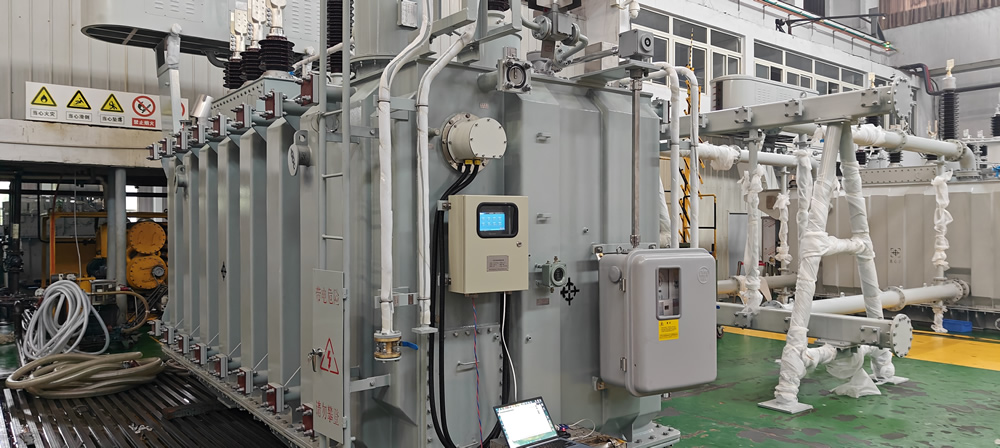
Oil-filled transformer glasvezel monitoring systems require comprehensive measurement of both winding hot spots and oil temperatures to provide complete thermal protection and asset management capabilities.
Standard Sensor Deployment for Distribution Transformers (10-50MVA):
Three-Phase Winding Hot Spot Sensors (3 kanalen)
Install one fluorescerende glasvezel temperatuursensor at the predicted hot spot location of each phase winding (A, B, C). For HV windings, position sensors at approximately 75-85% winding height from bottom, at the inner diameter. Diameter sonde: 2mm, sensing tip length: 20mm, vezel lengte: customized to tank dimensions (typisch 3-8 meter).
Top Oil Temperature Sensor (1 kanaal)
Position glasvezelsensor in the upper oil pocket, approximately 100-150mm below the tank cover, centered above the core. This location captures maximum oil temperature before it enters the conservator or cooling radiators. The measurement validates cooling system performance and provides oil temperature for transformer loading calculations per IEEE C57.91.
Bottom Oil Temperature Sensor (1 kanaal)
Install sensor near the tank bottom, positioned in the oil circulation path where cooled oil returns from radiators/heat exchangers. The top-to-bottom oil temperature difference indicates cooling effectiveness and can detect cooling system failures (pump malfunction, radiator blockage) before winding temperatures rise.
Ambient Temperature Sensor (1 kanaal – optioneel)
Mount external glasvezel temperatuursensor in shaded location near transformer to measure ambient air temperature. This enables automatic temperature rise calculation (winding temperature rise = hot spot temperature – omgevingstemperatuur) and ambient-compensated alarm thresholds.
Enhanced Configuration for Large Power Transformers (>100MVA):
Multi-Point Winding Monitoring (9-12 kanalen)
Deploy multiple sensors per phase to capture temperature distribution: top/middle/bottom positions for each of three phases. Separate monitoring of HV and LV windings if both are critical. This configuration detects abnormal temperature patterns indicating specific fault types (cooling duct blockage, turn-to-turn faults, circulating currents in parallel windings).
Oil Temperature Profile (3-4 kanalen)
Measure oil temperatures at top (near cover), midden (tank centerline), and bottom (near base) to characterize natural convection effectiveness. Additional sensors in oil inlet/outlet pipelines quantify heat exchanger performance.
Core Temperature Monitoring (1-2 kanalen)
For transformers with accessible core structures, glasvezel sensoren positioned near core laminations detect core heating caused by flux density increases (overvoltage) or lamination insulation breakdown (hot spots from circulating currents).
Tap Changer Contact Temperature (1-3 kanalen)
On-load tap changers (OLTC) generate heat from contact resistance and arcing. Installeren glasvezel temperatuursensoren near tap contacts provides early warning of contact degradation, preventing failures that could cause complete transformer outages.
System Integration and Alarming:
Multi-Level Temperature Alarm Strategy
Configure glasvezel temperatuurmeetsysteem with cascading alarm levels based on IEEE/IEC standards:
- Niveau 1 – Pre-Warning (85-90°C hot spot): Notification to operations staff, no automatic actions. Allows investigation before critical conditions develop.
- Niveau 2 – High Temperature Alarm (95-98°C hot spot): Activate all cooling systems (ventilatoren, pompen), reduce load if possible, send alarm to SCADA. This level represents the boundary between normal and accelerated insulation aging.
- Niveau 3 – Critical Over-Temperature (105-110°C hot spot): Initiate automatic load reduction (if controllable), prepare for emergency shutdown, send critical alarm requiring immediate response.
- Niveau 4 – Noodreis (>110°C hot spot): Open transformer circuit breakers to prevent catastrophic failure. This represents insulation thermal limit—continued operation risks fire, explosion, or permanent damage.
Cooling System Interlocking
Connect glasvezel monitoringsysteem relay outputs to transformer cooling equipment control circuits. Typical control logic: Fase 1 koeling (ONAN operation) at normal temperatures; Fase 2 (first fan bank) activates at 65°C top oil or 85°C hot spot; Fase 3 (all fans/forced oil) activates at 75°C top oil or 95°C hot spot. If temperature continues rising despite maximum cooling, alarm indicates cooling system failure.
SCADA and DCS Integration
Modern glasvezel temperatuurmeetsystemen feature Modbus RTU/TCP or IEC 61850 protocols for integration with substation automation. Real-time temperature data uploads to energy management systems (EMS) enable operator oversight, historische trend, and automated load management across multiple transformers.
12. Wat is de installatieoplossing voor droge-type transformatorglasvezeltemperatuurmeetsystemen?
Dry-type transformers present unique challenges and opportunities for glasvezel temperatuurbewaking due to their exposed winding construction and air cooling dependency.
Sensor Placement Strategy for Dry-Type Transformers:
Per-Phase Winding Monitoring (6-9 kanalen)
Each phase winding requires 2-3 glasvezel temperatuursensoren positioned at different heights to capture vertical temperature distribution. Typical positions include: top third (30% from top), midden (50% hoogte), and bottom third (70% from top). The middle position usually shows highest temperature due to minimal air circulation.
Embedding in Cast Resin Windings
For epoxy cast resin transformers, fluorescerende glasvezelsondes are positioned inside winding molds before casting. Use high-temperature rated sensors (200°C continuous) to withstand curing temperatures (typically 130-150°C). Probes are positioned radially from winding centers toward outer surfaces where hot spots typically occur.
Surface Mounting on Open Ventilated Windings
For open ventilated dry-type transformers with accessible windings, glasvezel sensoren can be attached to winding surfaces using high-temperature adhesives (silicone or epoxy rated >200°C) or mechanical clamps. Position sensors on inner winding surfaces where air circulation is minimum and temperatures peak.
Air Temperature Monitoring (3-6 kanalen)
Unlike oil-filled transformers where oil temperature provides indirect winding cooling assessment, dry-type transformers require direct air temperature monitoring at strategic locations: inlet air (omgeving), mid-winding air gaps, and exhaust air. Temperature differentials indicate ventilation effectiveness and fan performance.
Dry-Type Transformer Specific Considerations:
Higher Operating Temperature Ranges
Dry-type transformers operate at higher temperatures than oil-filled types due to air’s lower thermal capacity. F-class insulation (155°C rating) allows 100°C average winding temperature rise plus 10°C hot spot factor, yielding 110°C normal hot spot temperature (assuming 40°C ambient). Fluorescerende glasvezelsensoren met -40 to +260°C range accommodate all insulation classes including H-class (180°C) en C-klasse (>220°C).
Load Imbalance Sensitivity
Dry-type transformers serving unbalanced three-phase loads (commerciële gebouwen, datacentra) can exhibit significant phase-to-phase temperature differences. Installing independent glasvezel temperatuurmeting on each phase detects overloading of individual phases, enabling corrective actions before single-phase failures occur.
Ventilation System Performance Verification
Forced-air cooled dry-type transformers depend on fans for temperature control. By monitoring winding temperatures and air temperature differentials, de glasvezel monitoringsysteem can detect fan failures, filter clogging, or ventilation duct blockages. Alarm logic should trigger if winding temperatures rise despite fans operating (indicating ventilation problem rather than overload).
Dust and Contamination Effects
Airborne dust accumulation on winding surfaces reduces heat transfer, creating hot spots. Long-term glasvezel temperatuur trend analysis showing gradual temperature increases under constant load indicates accumulating contamination requiring cleaning maintenance.
Installation Methods and Best Practices:
Factory Integration During Manufacturing
Optimal implementation involves specifying glasvezel temperatuurbewaking during transformer procurement. Manufacturers embed sensors during winding construction, test sensor functionality during factory acceptance testing (VET), and provide calibrated system documentation. Factory installation costs are typically 50-70% lower than field retrofits.
Field Retrofit Installation
Existing transformers can be retrofitted with glasvezel sensoren during scheduled maintenance outages. Technicians remove enclosure panels to access windings, attach surface-mount sensors using approved adhesives or mechanical brackets, and route fibers through ventilation openings to external measurement hosts. Installation requires 4-8 hours for typical three-phase dry-type transformer.
Fiber Routing and Protection
Route optical fibers along winding supports, tie bars, or enclosure frame members to avoid contact with hot surfaces or moving parts (ventilatoren, louvers). Use high-temperature fiber coatings (polyimide rated to 300°C for zones exceeding 180°C). Protect fibers exiting enclosures with flexible conduit rated for outdoor service (UV resistant, IP65+ ingress protection).
Sensor Customization for Winding Geometry
Fluorescerende glasvezelsondes can be customized in sensing tip diameter (0.5-6mm) to fit between winding turns, in total length (50-500mm) to reach optimal positions, and in fiber lead length (1-80 meter) to match site wiring distances. Consult with manufacturers to specify sensors matching specific transformer internal geometries.
Alarm and Control Integration:
Temperature-Based Fan Control
Program fiber optic measurement system to automatically control ventilation fans based on measured winding temperatures rather than timers or manual switches. Typical control strategy: fans OFF when all windings <70°C, Fase 1 fans ON at 70-90°C, all fans ON at >90°C. This approach minimizes fan runtime (reducing maintenance), lawaai, and energy consumption while ensuring adequate cooling.
Overload Protection Logic
Implement intelligent overload protection using real-time glasvezel temperatuur data rather than fixed current limits. During cold weather (lage omgevingstemperatuur), transformers can safely handle higher loads. Temperature-based protection maximizes asset utilization while preventing thermal damage: allow loading up to current that produces 95°C hot spot (F-class) or 125°C (H-klasse), regardless of nameplate kVA rating.
Building Management System (GBS) Integratie
Dry-type transformers in commercial buildings typically integrate with BMS for facility-wide monitoring. Fiber optic temperature measurement systems with BACnet or Modbus protocols upload transformer temperatures to BMS dashboards, enabling facility managers to correlate transformer loading with HVAC loads, lighting schedules, and electrical demand patterns.
13. Wat is de rol van transformatorolie en hoe beïnvloedt de temperatuur de isolatie- en koelprestaties ervan??

Transformer oil serves dual critical functions—electrical insulation and heat transfer medium—with both functions severely degraded by excessive temperature. Glasvezelmonitoring of oil temperature is therefore essential for asset protection.
Dual Functions of Transformer Oil:
Electrical Insulation Function
Transformer oil fills all air gaps between windings, between windings and core, and between live parts and grounded tank, providing dielectric strength typically 10-15 times greater than air (breakdown voltage ~30kV/mm for new oil vs. 3kV/mm for air). This insulation allows closer spacing of high-voltage components, reducing transformer size and cost.
Heat Transfer and Cooling Function
Thermal conductivity of transformer oil (0.13 W/m·K) is 7-8 times higher than air, enabling effective heat transfer from windings to cooling surfaces. Natural convection circulation (thermosiphon effect) in ONAN transformers or forced circulation in OFAF transformers continuously removes heat from hot winding surfaces to external radiators or heat exchangers.
Temperature Effects on Insulation Performance:
Dielectric Strength Reduction
Oil dielectric strength decreases approximately 2-3% per 10°C temperatuurstijging. Bij 90°C, de doorslagspanning is ~15% lager dan bij 20°C. Nog kritischer, hoge temperaturen versnellen de oxidatie van olie, het produceren van zure verbindingen en slib die de diëlektrische sterkte verder verminderen. Door de olietemperatuur onder de 80°C te houden glasvezel temperatuurmeting en koelingscontrole behoudt de integriteit van de isolatie.
De vochtoplosbaarheid neemt toe
De vochtoplosbaarheid van olie verdubbelt ongeveer elke temperatuurstijging van 20°C. Bij 20°C, het verzadigingsvochtgehalte is ~50 ppm; bij 80°C, het overschrijdt 400 ppm. Wanneer transformatoren afkoelen (dagelijkse/seizoensgebonden temperatuurcycli), vocht slaat uit olie neer in cellulose-isolatie, versnelde papierdegradatie. Optische temperatuursensor gegevens maken het voorspellen van vochtmigratiecycli mogelijk.
De gasoplosbaarheid neemt af
De oplosbaarheid van opgelost gas neemt af met de temperatuur. Tijdens temperatuurstijgingen (de belasting neemt toe), gases evolve from oil, potentially forming bubbles that reduce insulation. Omgekeerd, cooling dissolves gases. Monitoring oil temperature through glasvezel sensoren helps interpret dissolved gas analysis (DGA) results—apparent gas increases may reflect temperature effects rather than new fault gas generation.
Temperature Effects on Cooling Performance:
Viscosity Reduction
Oil viscosity decreases exponentially with temperature (approximately halves every 25°C increase). Bij 20°C, typical viscosity is 10-12 cSt; bij 80°C, it drops to 2-3 cSt. Lower viscosity improves flow and convection efficiency but can also increase leakage through seals. Optimal operating range (60-80°C) balances these factors.
Thermal Expansion and Pressure Management
Transformer oil thermal expansion coefficient is approximately 0.07%/°C. A 100,000-liter transformer experiences ~2,000-liter volume change between cold and hot conditions. Conservator tanks or pressure relief devices accommodate expansion. Temperatuurbewaking via glasvezel provides data for expansion volume calculations and conservator sizing verification.
Natural Convection Effectiveness
Natural convection heat transfer rate is proportional to temperature differential between heat source and sink. As oil temperature approaches ambient temperature, cooling effectiveness decreases. Measuring top and bottom oil temperatures through glasvezel sensoren quantifies natural convection performance—typical difference should be 15-25°C for ONAN transformers under rated load.
Oil Temperature Monitoring Strategy:
Topolietemperatuur (Critical Parameter)
Top oil temperature represents the hottest bulk oil temperature, measured 100-150mm below tank cover. This parameter directly determines permissible loading per IEEE C57.91 and IEC 60076-7 normen. Maximum continuous top oil temperature is typically limited to 95°C (105°C emergency) to prevent oil degradation and conservator overpressure.
Onderste olietemperatuur (Cooling Verification)
Bottom oil entering windings after cooling should be 15-30°C below top oil temperature. If this difference decreases, cooling system degradation is indicated (pomp defect, radiator fouling, heat exchanger scaling). Glasvezelmonitoring provides early warning enabling proactive maintenance.
Oil Temperature Gradients (Circulation Assessment)
Measuring oil temperatures at multiple heights characterizes circulation patterns. Poor circulation (indicated by abnormal temperature profiles) can result from internal blockages, failed baffles, or gas pockets. Multi-point glasvezel temperatuurmeting systemen (6-12 sensoren) enable detailed thermal mapping for diagnostics.
14. Hoe werkt het glasvezelmonitoringsysteem samen met transformatorkoelsystemen en load-tap-wisselaars??
Fiber optic temperature measurement systems provide real-time thermal data enabling intelligent control of transformer auxiliary equipment for optimal efficiency, asset protection, and extended service life.
Cooling System Control Integration:
Stage-Based Fan Control for ONAN/ONAF Transformers
Oil Natural Air Natural (ONAN) transformers can add fans for Oil Natural Air Forced (ONAF) koeling. Glasvezelmonitoring systems control fans through relay outputs based on temperature thresholds:
- Fase 0 (Natural Cooling): Topolie <65°C and hot spot <80°C – all fans OFF. Saves energy and extends fan life.
- Fase 1 (Partial Forced Cooling): Top oil 65-75°C or hot spot 80-90°C – activate 50% of fans. Provides additional cooling while minimizing noise and power consumption.
- Fase 2 (Full Forced Cooling): Topolie >75°C or hot spot >90°C – activate all fans. Maximum cooling capacity for peak load conditions.
- Emergency Cooling: Hotspot >100°C – force all cooling ON regardless of other conditions, override any timers or manual controls.
Pump Control for OFAF/OFWF Transformers
Oil Forced Air Forced (OFAF) and Oil Forced Water Forced (OFWF) transformers use pumps for oil circulation. Glasvezel temperatuursensoren enable intelligent pump control:
- Variable Speed Pump Drives: Modulate pump speed proportional to temperature. At 70°C top oil, run pumps at 50% snelheid; at 90°C, full speed. Reduces energy consumption by 30-50% compared to fixed-speed operation.
- Pump Failure Detection: If top-to-bottom oil temperature differential decreases despite high winding temperatures, indicate pump failure. Optische temperatuursensor monitoring provides diagnostic data unavailable from current or pressure measurements alone.
- Sequential Pump Starting: For multi-pump systems, stage pump activation based on thermal demand rather than fixed schedules, reducing mechanical wear and extending pump service life.
Heat Exchanger Optimization
For transformers with water-cooled heat exchangers, monitor oil inlet/outlet temperature differential to assess heat exchanger performance. Decreasing differential under constant load indicates scaling or fouling requiring cleaning. Glasvezelmonitoring data enables condition-based maintenance scheduling rather than fixed-interval cleaning.
Laad tikwisselaar (LTC) Integratie:
Temperature-Based Tap Position Limiting
On-load tap changers adjust voltage by changing winding turns ratios. Some tap positions produce higher losses (and temperatures) than others. Advanced control systems use glasvezel temperatuur data to limit tap range during high-temperature conditions, preventing thermal limit violations while maintaining acceptable voltage regulation.
Tap Changer Contact Temperature Monitoring
Installing dedicated fluorescerende glasvezelsensoren on tap changer contacts detects contact degradation (increased resistance from arcing or oxidation). Rising contact temperatures despite constant load indicate need for tap changer maintenance, preventing failures that could cause complete transformer outages.
Coordinated Tap Changing and Cooling Control
Sophisticated control algorithms coordinate tap changers and cooling systems: when temperatures approach limits, first activate maximum cooling; if temperatures remain high, adjust tap position to reduce flux density and core losses; only if both measures are insufficient, reduce load or alarm for operator intervention.
Geautomatiseerd laadbeheer:
Dynamic Thermal Rating (DTR)
Traditional transformers operate at fixed nameplate ratings. DTR uses real-time glasvezel temperatuurmeting to calculate actual thermal capacity considering ambient temperature, cooling equipment status, and load history. During cold weather, transformers can safely exceed nameplate ratings; during heat waves, ratings may need reduction. DTR can increase asset utilization by 10-30% annually while maintaining thermal safety margins.
Load Shedding Priority Schemes
Wanneer optische temperatuursensoren detect approaching thermal limits, automated systems can initiate load reduction through coordinated actions: transfer load to parallel transformers, reduce voltage (2-3% reduction yields ~5-10% load reduction), activate interruptible customer contracts, or in emergencies, shed non-critical loads via circuit breaker control.
Seasonal and Time-of-Day Optimization
Analyze historical glasvezel temperatuur data to identify transformer thermal patterns by season and time. Use predictive algorithms to preemptively activate cooling or limit loading before temperature excursions occur, particularly valuable for preventing hot spot overtemperature during afternoon peak loads on summer days.
SCADA and Protection System Integration:
IEC 61850 GOOSE Messaging
Modern glasvezel temperatuurmeetsystemen support IEC 61850 GANS (Generieke objectgeoriënteerde onderstationgebeurtenis) protocol, enabling high-speed peer-to-peer communication with protection relays, stroomonderbrekers, and automation controllers. Critical over-temperature conditions can trigger protective tripping within 10-50 milliseconden.
Modbus RTU/TCP Data Integration
For conventional SCADA systems, glasvezel monitoring provides Modbus communication of all temperature channels, alarm states, en systeemdiagnostiek. Standard Modbus registers enable integration with virtually any SCADA platform for centralized monitoring and control.
DNP3 Protocol Support
Utilities using DNP3 (Distributed Network Protocol) for substation automation can integrate glasvezel temperatuursensoren through DNP3 outstation functionality, providing time-stamped temperature data, sequence-of-events recording, and unsolicited alarm reporting to master stations.
15. Bovenkant 10 Wereldwijde fabrikanten van transformatorglasvezeltemperatuursensoren
De glasvezel temperatuurbewaking industry includes specialized sensor manufacturers and integrated system providers. Selection criteria include technology type, accuracy specifications, ondersteunende diensten, and industry track record.
Leading Manufacturers:
🥇 #1: Fuzhou Innovatie Elektronische Wetenschap&Tech Co., Ltd. (FJINNO)
| Bedrijfsprofiel | Details |
|---|---|
| Gevestigd | 2011 (14 years specializing in fluorescent fiber optic sensing) |
| Kerntechnologie | Fluorescent fiber optic temperature sensors and multi-channel measurement systems |
| Assortiment | 1-64 channel fiber optic thermometers, customized sensors for transformers, schakelapparatuur, motoren |
| Belangrijkste voordelen | • Highest accuracy: ±0,5°C (industry-leading precision) • Fastest response: <0.5 seconden • Widest range: -40°C tot +260°C • Most channels: Tot 64 independent sensors per host • Longest fiber: 0-80 meters standard, 100+ meters available • Custom probe sizes: 0.5mm to 6mm diameter • Complete solutions: Sensoren + hosts + software + integratie |
| Mondiale aanwezigheid | Exported to 60+ landen, geïnstalleerd >10,000 transformers worldwide |
| Certifications | ISO 9001, CE, IEC 61850, IEEE C57.91 compliant |
| Unique Capabilities | • Complete OEM/ODM services with private label options • Custom solutions for special transformer applications • Integration with all major SCADA protocols • Factory direct wholesale pricing for bulk orders • Technical support in multiple languages • Fastest delivery: 7-15 days for standard products |
📧 E-mail: web@fjinno.net
📱Whatsappen: +86 135 9907 0393
💬 WeChat (China): +86 135 9907 0393
💬 QQ: 3408968340
📞 Phone: +86 135 9907 0393
🏭 Address: Liandong U Grain Networking Industriepark, Xingye West Road nr. 12, Fuzhou, Fujian, China
🌐 Services: Fabrikant | Factory Direct | Groothandel | Bulk Supplier | OEM/ODM | Private Label | Aangepaste oplossingen | Exporter | Distributor
#2: Fuzhou Huaguang Tianrui Opto-elektronica Technology Co., Ltd.
| Bedrijfsprofiel | Details |
|---|---|
| Gevestigd | 2016 (9 years in fiber optic sensing) |
| Kerntechnologie | Fluorescent and FBG fiber optic temperature measurement systems |
| Product Focus | Power transformer monitoring, switchgear temperature sensors, kabel monitoring |
| Belangrijkste sterke punten | • Hybrid systems combining fluorescent and FBG technologies • Strong presence in Chinese power grid market • Competitive pricing for domestic projects • Good integration with Chinese SCADA systems |
| Market Presence | Primarily China market with growing international sales |
| Technische specificaties | Nauwkeurigheid ±1°C, 1-32 kanalen, -50°C to +200°C range |
Note on Manufacturer Rankings: Rankings reflect combined assessment of technology maturity, global market presence, product range, customization capabilities, klantenondersteuning, and industry certifications. FJINNO (#1) offers the most comprehensive transformer-specific solutions with superior technical specifications and worldwide support infrastructure.
Additional Notable Manufacturers (3-10):
- Kwalitrol (VS): Acquired Neoptix fluorescent fiber technology, strong in North American transformer market, integrated asset monitoring platforms.
- Weidman (Zwitserland): Focus on transformer insulation systems with integrated fiber optic monitoring, premium products for utility-scale transformers.
- LumaSense-technologieën (VS): Specializes in harsh environment temperature sensing including GaAs semiconductor sensors, strong aerospace and industrial presence.
- FISO-technologieën (Canada): Medical and industrial fiber optic sensors, FBG and fluorescent technologies, emphasis on high-precision applications.
- Opens-oplossingen (Canada): Medical-grade fiber optic sensors adapted for industrial use, known for miniature probe designs.
- Beijing Kunlun Coast Sensor Technology (China): Broad fiber optic sensing product line, cost-effective solutions for Chinese market.
- AP-detectie (Duitsland): DTS and FBG specialist, focus on distributed sensing for power cables and pipelines.
- Sensornet (Groot-Brittannië): DTS technology leader, acquired by Halliburton, strong in oil/gas sector with power applications.
- LUNA Innovations (VS): Advanced FBG interrogation systems, high-performance but premium-priced solutions.
16. Waarom wordt FJINNO beschouwd als de beste keuze voor transformatorglasvezeltemperatuurbewakingssystemen?
Fuzhou Innovatie Elektronische Wetenschap&Tech Co., Ltd. (FJINNO) has established itself as the premier fabrikant van glasvezel temperatuursensoren for transformer applications through technological innovation, comprehensive customization capabilities, and proven global deployment track record.
Superior Technical Specifications:
Industry-Leading Accuracy
FJINNO's fluorescerende glasvezeltemperatuursensoren achieve ±0.5°C accuracy (±1°C standard models), surpassing competitors’ typical ±1-2°C specifications. This precision enables optimized transformer loading and precise thermal limit enforcement, directly translating to extended asset life and increased utilization.
Fastest Response Time
Met <0.5 tweede responstijd (0.8 seconds for standard models), FJINNO systems detect thermal transients faster than any competing technology. This rapid response is critical for detecting fault-induced temperature spikes and enabling protective actions before damage occurs.
Widest Measurement Range
The -40°C to +260°C temperature range accommodates all transformer types from arctic installations to H-class dry-type transformers, eliminating need for multiple sensor types and simplifying inventory management for utilities with diverse transformer fleets.
Maximum Channel Capacity
Single FJINNO measurement host supports 1-64 independent sensor channels, enabling comprehensive monitoring of large transformer banks from one system. Competitors typically limit systems to 8-16 kanalen, requiring multiple hosts for equivalent coverage and increasing costs.
Comprehensive Customization Capabilities (Custom OEM/ODM Solutions):
Tailored Probe Designs
FJINNO manufactures glasvezel temperatuursondes in custom diameters (0.5mm tot 6 mm), lengths (50mm tot 500 mm), and sheath materials (roestvrij staal, PTFE, polyimide) to match specific transformer winding geometries and installation constraints. This flexibility ensures optimal sensor placement for accurate hot spot measurement.
Application-Specific Fiber Lengths
Standard fiber lengths from 1 naar 80 meters with options for 100+ meters accommodate any transformer size and control room distance. Competitors often limit fiber lengths to 20-30 meter, creating installation challenges for large transformers or remote control rooms.
Private Label and Branding
Als een factory direct manufacturer, FJINNO offers private label services, enabling transformer manufacturers, systeemintegratoren, and large utilities to brand monitoring systems under their own names. This white-label capability supports OEM partnerships and value-added reseller programs.
Protocol and Interface Customization
FJINNO systems support all major industrial protocols (Modbus RTU/TCP, IEC 61850, DNP3, Profibus, BACnet) with custom protocol development available for specialized applications. Interface customization includes analog outputs (4-20mA, 0-10V), digital I/O configuration, and alarm relay logic tailored to specific control requirements.
Competitive Advantages for Bulk and Wholesale Procurement:
Factory Direct Pricing
As a vertically integrated fabrikant controlling the entire production chain from sensor fabrication to system assembly, FJINNO offers wholesale pricing 30-50% below distribution channel prices. Bulkbestellingen (10+ systemen) receive additional volume discounts, optimizing project economics for utilities and contractors.
Rapid Delivery and Scalability
Standard products ship within 7-15 dagen, faster than competitors’ typisch 4-8 week lead times. Custom solutions deliver in 3-4 weeks versus 8-12 weeks for competing manufacturers. This responsiveness supports accelerated project schedules and emergency replacement requirements.
Comprehensive Technical Support
FJINNO provides multilingual technical support (English, Chinese, Spanish, Arabic) via e-mail, WhatsAppen, WeChat, and phone. Support includes application engineering assistance, installatie begeleiding, commissioning support, and troubleshooting. Lifetime technical support is included with all systems at no additional cost.
Wereldwijd servicenetwerk
With installations in 60+ countries across six continents, FJINNO has established regional service partnerships and spare parts distribution networks. This global presence ensures rapid replacement sensor delivery and local technical assistance for international projects.
Proven Track Record and Industry Recognition:
Extensive Installation Base
Over 10,000 transformers worldwide (oil-filled and dry-type, 10kV to 500kV voltage classes, 0.1MVA to 500MVA capacities) operate with FJINNO glasvezel monitoring systemen. This installed base provides comprehensive field validation across all operating conditions and transformer types.
Compliance with International Standards
FJINNO products meet or exceed requirements of IEEE C57.91 (transformer loading guide), IEC 60076-7 (loading guide for oil-immersed transformers), IEC 61850 (substation automation), and GB/T standards (Chinese national standards). ISO 9001 certified manufacturing ensures consistent quality.
Partnerships with Major Transformer Manufacturers
Leading transformer OEMs specify FJINNO systems for factory-installed monitoring on premium transformers, validating technology reliability and performance. These partnerships demonstrate industry confidence in FJINNO as the best fabrikant for transformer thermal protection.
How to Get Custom Solutions and Wholesale Quotes:
Technical Consultation Process
Contact FJINNO engineering team with transformer specifications (type, spanning, capaciteit, koelmethode), monitoringvereisten (number of measurement points, temperatuur bereik, alarm thresholds), en integratiebehoeften (protocollen, interfaces). Engineers will recommend optimal glasvezel temperatuurmeetsysteem configuration and provide technical proposal within 24-48 uur.
Custom Design Services
For special applications requiring non-standard sensors, unique mounting methods, or integration with proprietary control systems, FJINNO offers complete custom solution development. Design services include thermal modeling to identify hot spot locations, sensor specification, prototype fabrication, and factory testing before delivery.
Bulk Procurement Programs
Utilities and contractors planning multiple transformer installations can establish framework agreements with FJINNO for standardized glasvezel monitoring systems at locked-in wholesale prices. Bulk programs include dedicated account management, priority manufacturing scheduling, and consignment inventory options for large-scale rollouts.
Request for Quotation
Submit detailed RFQ to web@fjinno.net or WhatsApp +86 135 9907 0393 including project scope, levering tijdlijn, and any special requirements. FJINNO provides competitive quotations within 2-3 business days with complete system specifications, pricing breakdown, delivery schedule, and warranty terms. Volume discounts, betalingsvoorwaarden, and shipping options are negotiable for bulk orders.
25. Hoe u aangepaste oplossingen voor temperatuurbewaking van transformatorglasvezels en offertes voor bulkinkoop kunt verkrijgen?
Whether you require a single glasvezel temperatuurmeetsysteem for critical transformer or fleet-wide monitoring for hundreds of assets, FJINNO provides comprehensive support from initial consultation through long-term operation.
Solution Development Process:
Stap 1: Application Assessment
Contact FJINNO technical team with your transformer details and monitoring objectives. Provide information including:
- Transformer specifications (type, spanning klasse, capaciteit, koelmethode)
- Number and locations of desired measurement points
- Existing monitoring infrastructure and integration requirements
- Omgevingsomstandigheden (ambient temperature range, indoor/outdoor installation)
- Special requirements (classificatie van gevaarlijke gebieden, seismic qualification, enz.)
Stap 2: Custom Solution Design
FJINNO engineers analyze requirements and develop tailored solutions including:
- Optimaal glasvezelsensor typen, quantities, and placement locations
- Measurement host configuration (aantal kanalen, communicatie protocollen)
- Integration architecture with SCADA/DCS systems
- Installation methodology and mechanical interface designs
- Alarm logic and control interlocking schemes
Stap 3: Quotation and Proposal
Receive comprehensive proposal within 24-48 hours including:
- Detailed system specifications and performance guarantees
- Itemized pricing for equipment, engineering, installatie ondersteuning
- Delivery schedule and project timeline
- Warranty terms and service level agreements
- Training and documentation packages
Stap 4: Manufacturing and Testing
Upon order confirmation, FJINNO:
- Manufactures custom fiber optic temperature sensors to exact specifications
- Performs factory acceptance testing per IEEE/IEC standards
- Configures measurement hosts with customer-specific settings
- Prepares installation documentation and user manuals
- Arranges global shipping with proper packaging and export documentation
Stap 5: Installation Support and Commissioning
FJINNO biedt:
- Detailed installation instructions and sensor mounting drawings
- Remote commissioning support via video conference
- On-site commissioning services available for large projects
- Integration testing with existing substation automation systems
- Operator training (on-site or remote)
Bulk Procurement Benefits:
Volume Discounts
Orders of 10+ systems qualify for tiered discounts up to 30% off list pricing. Large utility contracts (50+ transformatoren) receive custom pricing packages with additional value-added services.
Standardization Advantages
Fleet-wide deployment of standardized FJINNO glasvezel monitoring systems provides:
- Simplified spare parts inventory (common sensors across all installations)
- Reduced training requirements (identical operator interfaces)
- Centralized data management (unified SCADA integration)
- Economies of scale in maintenance and support
Framework Agreement Options
Establish long-term supply agreements with FJINNO for multi-year transformer monitoring programs, securing favorable pricing, priority delivery, and dedicated engineering support for the contract duration.
Contact Information and Support Channels:
Technical Inquiries and Quotations
📧 E-mail: web@fjinno.net (monitored 24/7, response within 12 uur)
📱 WhatsAppen: +86 135 9907 0393 (instant messaging, voice/video calls)
💬 WeChat (China): +86 135 9907 0393
💬 QQ: 3408968340
📞 Telefoon: +86 135 9907 0393 (English, Chinese support available)
Factory Address
🏭 Liandong U Grain Networking Industrial Park, Xingye West Road nr. 12, Fuzhou, Fujian, China
Factory tours available by appointment for major projects and OEM partnerships.
Service Capabilities
🌐 Full-Service Provider:
- Fabrikant: Vertically integrated production from sensor fabrication to system assembly
- Factory Direct: No intermediaries, transparent pricing, direct technical communication
- Groothandel leverancier: Competitive bulk pricing for distributors and system integrators
- Bulk Exporter: Global shipping, export documentation, international payment terms
- OEM/ODM Partner: Private label manufacturing, custom designs, white-label solutions
- Custom Solution Developer: Application-specific engineering, unique sensor designs
- Technical Distributor: Regional distribution partnerships available in select markets
Request Information Package:
Contact FJINNO to request comprehensive information package including:
- Complete product catalogs with technical specifications
- Application notes for oil-filled and dry-type transformers
- Case studies from utility and industrial installations
- Comparison guides (fluorescent vs. FBG vs. GaAs technologies)
- Installation manuals and best practice guides
- Integration guides for major SCADA platforms
- Certification documents (ISO 9001, CE, IEC compliance)
All information provided at no cost with no obligation.
Vrijwaring
Technical Information Accuracy: This guide provides general information about glasvezel temperatuurbewaking systems for power transformers based on industry standards, published literature, and practical experience. Hoewel er inspanningen zijn gedaan om de nauwkeurigheid te garanderen, specific transformer applications may require detailed engineering analysis. Readers should consult qualified engineers and refer to applicable standards (IEEE, IEC, national regulations) for project-specific requirements.
Product Specifications: Technische specificaties, functies, and capabilities described for FJINNO and other manufacturers’ products represent typical or nominal values. Actual performance may vary based on application conditions, installation quality, en systeemconfiguratie. Always refer to official product datasheets and specifications for authoritative information.
Safety Considerations: Installatie, onderhoud, and operation of transformer monitoring systems involve potentially hazardous high voltages and temperatures. All work must be performed by qualified personnel following applicable safety standards, elektrische codes, and manufacturer instructions. Improper installation or use could result in equipment damage, persoonlijk letsel, or death.
Standards Compliance: References to IEEE, IEC, and other standards are for general guidance. Specific projects must verify applicable standards versions, regional requirements, and utility-specific specifications. Standards may be updated periodically; ensure you are working with current revisions.
No Warranty: Information in this guide is provided “as is” without warranties of any kind, expliciet of impliciet. The author and publisher disclaim liability for any damages, verliezen, or expenses arising from use of this information. Professional engineering judgment must be applied to all transformer monitoring system designs and implementations.
Manufacturer Information: Contact details and company descriptions are provided for informational purposes and do not constitute endorsements beyond factual capability descriptions. Readers should conduct their own due diligence when selecting suppliers and verify current company status, certificeringen, and product availability.
Regional Variations: Transformer standards, practices, and requirements vary by country and region. This guide reflects general international practices but may not address specific regional requirements. Consult local regulations, utility specifications, and national standards for jurisdiction-specific requirements.
Laatst bijgewerkt: December 2025

Glasvezel temperatuursensor, Intelligent monitoringsysteem, Gedistribueerde glasvezelfabrikant in China
 |
 |
 |