 Penderia suhu gentian optik INNO ,sistem pemantauan suhu.
Core Advantages of Transformer Fiber Optic Temperature Monitoring Systems
- Complete Immunity to Electromagnetic Interference: pendarfluor penderia gentian optik use pure optical signal transmission with no metal or electronic components, enabling stable operation in 110kV to 500kV ultra-high voltage transformer electromagnetic environments, unaffected by lightning, switching operations, or short-circuit current transients.
- Direct Hot Spot Temperature Measurement: Probe gentian optik with diameters of only 1-3mm can be directly embedded between oil-filled transformer winding layers or inside dry-type transformer coils, measuring true hot spot temperatures rather than calculated estimates, with measurement accuracy of ±1°C and response time under 1 kedua.
- Dipanjangkan Hayat Perkhidmatan dengan Sifar Penyelenggaraan: Penderia suhu gentian optik pendarfluor adalah pasif, bebas hanyut, dan tahan penuaan, mampu beroperasi berterusan dalam minyak transformer selama lebih 30 tahun tanpa penentukuran atau penggantian, dengan jarak penghantaran gentian sebanyak 0-80 meter sangat sepadan dengan jarak pendawaian dari badan pengubah ke bilik kawalan.
- Pemantauan Berbilang Titik dengan Sistem Tunggal: bujang sistem pengukuran suhu gentian optik boleh sambung serentak 1-64 saluran penderia gentian optik pendarfluor, memantau semua lokasi kritikal termasuk titik panas berliku tiga fasa, suhu minyak atas, suhu minyak bawah, dan suhu teras untuk pengawasan suhu transformer yang komprehensif.
- Julat Suhu Yang Luas untuk Semua Jenis Transformer: Pengukuran suhu gentian optik pendarfluor berjulat dari -40°C hingga +260°C, sesuai untuk memantau suhu operasi biasa transformer berisi minyak (-25°C hingga +105°C), pengubah jenis kering keadaan suhu tinggi (sehingga 180°C), and even extreme temperatures during overload and fault conditions.
- Prevention of Insulation Aging and Thermal Breakdown: Real-time monitoring enables the system to trigger alarms before winding temperature exceeds insulation material temperature limits (oil-filled 98-110°C, dry-type 155-180°C). According to Montsinger’s 6-degree rule, reducing temperature by 6°C doubles insulation lifespan, extending transformer life from 20 untuk berakhir 40 tahun.
- Multi-Level Alarms and Intelligent Interlocking Control: The system provides three-level protection including temperature pre-warning, high-temperature alarm, and over-temperature trip, automatically starting/stopping cooling fans/oil pumps, switching tap changers to reduce voltage, and sending remote alarm signals to SCADA systems for unmanned substation automation.
- Wide Applications Across Power and Industrial Sectors: Beyond transformer monitoring, the same technology platform applies to switchgear contact temperature measurement, pemantauan sambungan kabel kuasa, pengukuran suhu stator penjana, peralatan MRI perubatan, relau industri suhu tinggi, dan senario lain yang memerlukan imuniti gangguan elektromagnet atau pengukuran suhu terlindung.
Jadual Kandungan
- Apakah itu Sistem Pemantauan Suhu Gentian Optik Transformer?
- Mengapa Pemantauan Suhu Titik Panas Penggulungan Pengubah adalah Kritikal?
- Apakah Perbezaan Asas Antara Penderia Suhu Gentian Optik dan PT100/Termokopel Tradisional?
- Bagaimanakah Keperluan Pemantauan Suhu Berbeza Antara Transformer Isi Minyak dan Jenis Kering?
- pendarfluor, FBG, dan Teknologi Pengukuran Suhu Gentian Optik GaAs Berbanding: Mengapa Pendarfluor Terbaik untuk Transformer
- Bagaimana Penderia Suhu Gentian Optik Pendarfluor Berfungsi?
- Mengapa Pengukuran Suhu Gentian Optik Pendarfluor Mencapai Kekebalan EMI Lengkap?
- What is a Transformer Winding Hot Spot? Where is it Located and Why is it Dangerous?
- How Are Fiber Optic Temperature Probes Installed at Transformer Winding Hot Spots?
- What is the Difference Between Distributed Temperature Sensing (DTS) and Point Fluorescent Fiber Optic Temperature Sensors?
- What is the Typical Configuration for Oil-Filled Transformer Fiber Optic Monitoring Systems?
- What is the Installation Solution for Dry-Type Transformer Fiber Optic Temperature Measurement Systems?
- What is the Role of Transformer Oil and How Does Temperature Affect Its Insulation and Cooling Performance?
- How Does the Fiber Optic Monitoring System Interlock with Transformer Cooling Systems and Load Tap Changers?
- How Does the System Implement Multi-Level Temperature Alarms and Trip Protection for Transformers?
- Atas 10 Pengeluar Penderia Suhu Gentian Optik Transformer Global
- Why is FJINNO Considered the Best Choice for Transformer Fiber Optic Temperature Monitoring Systems?
- How to Select Appropriate Optical Temperature Sensor Systems for Different Transformer Capacities and Voltage Levels?
- What Are the Hazards of Transformer Overload Operation and How Does Fiber Optic Temperature Measurement Provide Protection?
- What Are the Main Causes of Abnormal Transformer Temperature Rise and Hot Spot Temperature Exceedance?
- How to Identify Internal Transformer Fault Types Through Fiber Optic Thermometer Temperature Curves?
- What Are the Rated Temperature Rise and Allowable Temperatures for Transformers According to International Standards?
- Which International Standards (IEC/IEEE) Must Transformer Fiber Optic Temperature Monitoring Systems Comply With?
- What is the Integration Solution for Optical Temperature Sensors in Smart Substations?
- How to Obtain Customized Transformer Fiber Optic Temperature Monitoring Solutions and Bulk Procurement Quotes?
1. Apakah a Transformer Fiber Optic Temperature Monitoring System?
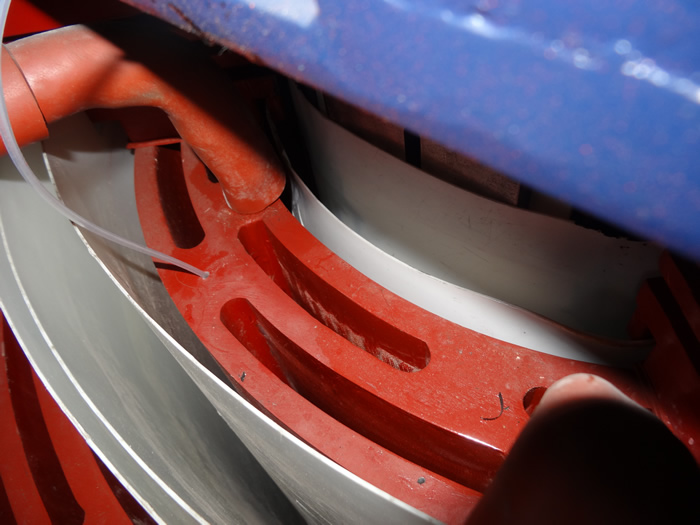
A Transformer Fiber Optic Temperature Monitoring System is a specialized real-time temperature surveillance device designed for power transformers, menggunakan penderia suhu gentian optik to directly measure temperatures at critical transformer locations and performing data acquisition, analisis, and alarming through fiber optic temperature measurement hosts.
The system’s core is the penderia suhu gentian optik pendarfluor, a point-type temperature measurement technology based on rare earth material fluorescence lifetime principles. Unlike traditional resistance or thermocouple thermometers, termometer gentian optik utilize purely optical signal transmission requiring no electrical power supply, enabling stable operation in high-voltage, strong electromagnetic field environments.
Untuk transformer berisi minyak, the system monitors critical temperature points including three-phase winding hot spots, suhu minyak atas, dan suhu minyak bawah. Untuk transformer jenis kering, it focuses on three-phase winding temperature distribution (biasanya 2-3 titik pengukuran setiap fasa).
moden sistem pengukuran suhu gentian optik not only provide real-time temperature display but also feature historical data recording, analisis trend suhu, over-temperature alarming, komunikasi jarak jauh (Modbus/IEC 61850), making them fundamental tools for transformer condition monitoring and asset health management.
Five Critical Functions of Transformer Winding Hot Spot Temperature Monitoring:
Preventing Insulation Thermal Breakdown
When winding hot spot temperatures exceed insulation paper or epoxy resin temperature limits (typically 98-110°C for oil-filled, 155-180°C for dry-type), insulation strength drops sharply. Pemantauan gentian optik can trigger alarms or load reduction commands before temperatures reach dangerous thresholds.
Extending Transformer Service Life
According to the Arrhenius equation, insulation material aging rate increases exponentially with temperature. The Montsinger 6-degree rule states that insulation lifespan doubles for every 6°C temperature reduction. tepat pengukuran suhu gentian optik maintaining winding temperatures within optimal ranges can extend transformer life from 20 years to over 40 tahun.
Enabling Dynamic Load Management
Traditional transformers operate at fixed rated capacity. With real-time hot spot monitoring through penderia suhu optik, operators can safely increase loads during cool seasons or low-load periods while reducing loads during summer peaks or high ambient temperatures, optimizing asset utilization without compromising safety.
Early Fault Detection and Diagnosis
Abnormal temperature rise patterns can reveal internal faults: kenaikan suhu satu fasa secara tiba-tiba mungkin menunjukkan litar pintas penggulungan, kenaikan suhu tidak seimbang tiga fasa mencadangkan litar pintas laminasi teras, dan kenaikan suhu keseluruhan secara beransur-ansur menunjukkan kegagalan sistem penyejukan. Penderia suhu gentian optik menyediakan 24/7 data untuk penyelenggaraan ramalan.
Memenuhi Grid Pintar dan Keperluan Kawal Selia
IEC 60076-7 dan piawaian IEEE C57.91 mengesyorkan pemasangan pemantauan suhu gentian optik sistem pada transformer melebihi 10MVA. Pencawang pintar moden memerlukan transformer untuk memuat naik data suhu masa nyata ke sistem SCADA/EMS, dengan sistem pengukuran gentian optik menyepadukan dengan lancar melalui IEC 61850 protokol.
2. Mengapa Pemantauan Suhu Titik Panas Penggulungan Pengubah adalah Kritikal?
Suhu titik panas penggulungan pengubah ialah titik suhu tertinggi dalam keseluruhan pengubah, biasanya terletak di selekoh paling dalam bagi belitan voltan tinggi atau kawasan dengan kehilangan sesat tertumpu. This single point’s temperature directly determines transformer insulation lifespan and operational safety.
Unlike top oil temperature or average winding temperature that can be indirectly measured or calculated, hot spot temperature can only be accurately obtained through direct measurement with penderia suhu gentian optik. Penunjuk suhu penggulungan tradisional (WTI) estimate hot spot temperature by adding a calculated gradient to top oil temperature, with errors potentially reaching 10-20°C, making them unsuitable for precision thermal management.
Why Hot Spot Temperature is More Critical Than Top Oil Temperature:
Localized Nature of Insulation Failure
Transformer insulation failure is always a localized phenomenon. Even if 99% of the winding maintains normal temperature, a single hot spot exceeding limits can cause insulation breakdown, litar pintas, and catastrophic failure. Top oil temperature reflects only average heat generation and cannot reveal localized overheating.
Non-Linear Insulation Aging Process
Cellulose insulation paper aging follows exponential laws. At 110°C, lifespan is approximately 20 tahun; pada 120°C, it drops to 5 tahun; at 140°C, sahaja 6 months remain. A 10°C hot spot temperature difference can mean a 4-fold lifespan variance, making precise pengukuran suhu gentian optik economically crucial.
Rapid Thermal Runaway Characteristics
When hot spot temperatures exceed critical points, insulation resistance drops, increasing leakage current, menghasilkan lebih banyak haba, and creating positive feedback leading to thermal runaway. This process can accelerate from normal to failure within hours. Only real-time pemantauan gentian optik with sub-second response can provide timely warnings.
Load Capacity Determination Basis
According to IEEE C57.91 standard, transformer allowable overload capacity is determined by hot spot temperature rather than top oil or ambient temperature. Without direct hot spot measurement through penderia suhu optik, operators must apply conservative margins, wasting transformer capacity.
Different Temperature Limits for Different Transformer Types
Oil-filled transformer hot spots must not exceed 98°C (normal) or 110°C (emergency), while dry-type transformers allow 130-180°C depending on insulation class. Without direct measurement via penderia suhu gentian optik, it’s impossible to verify compliance with these limits.
3. What Are the Fundamental Differences Between Penderia Suhu Gentian Optik and Traditional PT100/Thermocouples?

Traditional electrical temperature sensors (Rintangan platinum PT100, K-type thermocouples) dan moden penderia suhu gentian optik represent fundamentally different measurement principles, with performance differences particularly pronounced in transformer applications.
| Comparison Parameter | Penderia Suhu Gentian Optik Pendarfluor | PT100 Platinum Resistance | K-Type Thermocouple |
|---|---|---|---|
| Prinsip Kerja | Rare earth fluorescence lifetime temperature dependence | Platinum resistance temperature coefficient | Seebeck thermoelectric effect |
| Penghantaran Isyarat | Optical signal (completely non-conductive) | Electrical signal (4-20mA/resistance) | Electrical signal (millivolt level) |
| Kekebalan EMI | Kekebalan yang lengkap (tiada komponen logam) | Severely affected (memerlukan perisai) | Severely affected (magnetic field interference) |
| Penebat Voltan Tinggi | Inherent insulation (optical fiber is insulator) | Requires complex insulation structure | Requires complex insulation structure |
| Ketepatan Pengukuran | ±1°C (0.5°C high precision) | ±0.15°C (Kelas A) | ±1.5°C (Kelas 1) |
| Masa Tindak Balas | <1 kedua | 5-30 detik (depending on structure) | 1-10 detik |
| Julat Suhu | -40°C hingga +260°C | -200°C hingga +850°C | -270°C to +1372°C |
| Kestabilan Jangka Panjang | No drift (optical principle) | Annual drift ±0.05°C | Annual drift ±1-2°C |
| Service Life in Transformer Oil | 30+ tahun | 10-15 tahun (seal aging) | 5-10 tahun (junction corrosion) |
| Lightning Strike Resistance | Absolute protection (tidak konduktif) | Easily damaged (requires surge protector) | Easily damaged (requires surge protector) |
| Installation in High Voltage Winding | Direct installation (1-3mm probe) | Cannot install (insulation impossible) | Cannot install (insulation impossible) |
| Keperluan Penyelenggaraan | Zero maintenance | Periodic calibration required | Frequent calibration required |
Why PT100/Thermocouples Cannot Be Used for Transformer Winding Hot Spot Measurement:
Insulation Breakdown Risk
PT100 and thermocouples are metallic electrical sensors requiring electrical signal transmission lines. In 110kV transformer windings, these metal conductors would create insulation weak points, potentially causing flashover or breakdown under normal operating voltages.
EMI-Induced Measurement Errors
Transformer internal magnetic flux density can reach 1.5-1.8T, with leakage magnetic fields inducing voltages of several volts in sensor lead wires. This electromagnetic noise completely overwhelms millivolt-level thermocouple signals or micro-ampere PT100 signals, rendering measurements meaningless.
Lightning and Switching Surge Hazards
Transformer lightning strikes or circuit breaker operations can generate kilovolt-level transient voltages that would instantly destroy electrical sensors connected to control rooms. Penderia gentian optik are completely immune due to non-conductive optical fibers.
Ground Loop Issues
Electrical sensors inevitably create ground loops between transformer body and control room, introducing common-mode interference during fault conditions and potentially damaging secondary equipment. Pengukuran suhu gentian optik provides complete galvanic isolation.
4. How Do Temperature Monitoring Requirements Differ Between Oil-Filled and Transformer Jenis Kering?
Oil-filled transformers and dry-type transformers employ fundamentally different insulation and cooling methods, resulting in distinct temperature monitoring requirements and sensor gentian optik deployment strategies.
Oil-Filled Transformer Temperature Monitoring Characteristics:
Dual Medium Temperature Monitoring
Oil-filled transformers require simultaneous monitoring of solid insulation (tempat panas berliku) and liquid insulation (minyak transformer) suhu. Penderia suhu gentian optik must measure both winding copper conductor temperatures and surrounding oil temperatures to evaluate thermal balance.
Oil Temperature Gradient Considerations
Due to natural convection, transformer oil exhibits significant vertical temperature gradients (top-to-bottom differences of 10-30°C). Complete monitoring requires measuring top oil temperature, suhu minyak bawah, and intermediate oil temperatures. Sistem pemantauan gentian optik typically deploy 6-12 sensors per transformer.
Hot Spot Factor Validation
Traditional winding temperature indicators estimate hot spot temperature using empirical hot spot factors (biasanya 1.1-1.3). Pengukuran suhu gentian optik allows direct measurement validation of these factors for each specific transformer, optimizing thermal models.
Oil Circulation Monitoring
Untuk pengubah peredaran minyak paksa (OFAF/OFWF), memantau perbezaan suhu masuk/keluar minyak mengesahkan keberkesanan sistem penyejukan. Penderia suhu optik di lokasi ini membantu mengesan kegagalan pam atau penyumbatan penukar haba.
Ciri-ciri Pemantauan Suhu Transformer Jenis Kering:
Persekitaran Pendedahan Penggulungan Terus
Penggulungan pengubah jenis kering bersentuhan terus dengan udara tanpa penebat minyak, mewujudkan tempat panas setempat yang lebih teruk. Penderia suhu gentian optik mesti tertanam di antara lapisan penggulungan untuk mengukur suhu konduktor sebenar dan bukannya suhu permukaan.
Sensitiviti Ketidakseimbangan Tiga Fasa
Transformer jenis kering lebih sensitif terhadap ketidakseimbangan beban daripada jenis berisi minyak, memerlukan pemantauan suhu bebas untuk setiap fasa. Konfigurasi biasa termasuk 2-3 penderia gentian optik setiap fasa (kedudukan atas/tengah/bawah) menjumlahkan 6-9 titik pengukuran.
Suhu Operasi Yang Dibenarkan Lebih Tinggi
Dry-type transformer insulation classes include F-class (155°C), H-class (180°C), and C-class (>220°C), significantly higher than oil-filled transformers’ 105°C limits. Penderia gentian optik pendarfluor with -40°C to +260°C ranges accommodate all insulation classes.
Kesan Suhu Alam Sekitar
Dry-type transformers rely on ambient air cooling, making performance highly dependent on environmental conditions. Sistem pemantauan gentian optik should include ambient temperature sensors to calculate temperature rise and implement environmental compensation algorithms.
Ventilation System Interlocking
Dry-type transformers often use forced air cooling fans. Sistem pengukuran suhu gentian optik should interlock with fan control systems, automatically activating fans when temperatures reach thresholds and alarming if temperatures continue rising despite fan operation (indicating ventilation failure).
5. pendarfluor, FBG, dan Teknologi Pengukuran Suhu Gentian Optik GaAs Berbanding: Mengapa Pendarfluor Terbaik untuk Transformer
Three mainstream pengukuran suhu gentian optik technologies exist: berasaskan pendarfluor, Kisi Fiber Bragg (FBG), dan Gallium Arsenide (GaAs) semiconductor absorption. While all utilize optical principles, their performance in transformer applications differs significantly.
| Parameter Teknikal | Penderia Gentian Optik Pendarfluor | FBG Fiber Bragg Grating | GaAs Gallium Arsenide |
|---|---|---|---|
| Prinsip Pengukuran | Rare earth fluorescence decay time vs. suhu | Bragg wavelength shift vs. temperature/strain | GaAs bandgap absorption edge vs. suhu |
| Jenis Pengukuran | Pengukuran titik (single point per sensor) | Separa teragih (multiple gratings on single fiber) | Pengukuran titik (single point per sensor) |
| Ketepatan Suhu | ±1°C (±0.5°C high precision models) | ±2°C (±1°C after calibration) | ±2°C |
| Julat Suhu | -40°C hingga +260°C | -40°C hingga +300°C | -40°C hingga +250°C |
| Masa Tindak Balas | <1 kedua | 1-3 detik | 2-5 detik |
| Kestabilan Jangka Panjang | Cemerlang (physical principle, tiada hanyut) | bagus (memerlukan penentukuran berkala) | Adil (semiconductor aging) |
| Strain Interference | tiada (insensitive to mechanical stress) | Severe (strain and temperature cross-sensitivity) | Minor |
| Fleksibiliti Pemasangan | Fleksibel (1-3mm probe, 0-80m panjang gentian) | Sederhana (fixed grating positions) | Terhad (bulky probe) |
| Keupayaan berbilang saluran | 1-64 channels per host | 8-16 gratings per fiber (limited channels) | 1-8 channels per host |
| Kos Sistem | Sederhana (best value for transformers) | tinggi (expensive interrogators) | tinggi (costly GaAs crystals) |
| Keperluan Penyelenggaraan | Zero maintenance | Annual calibration recommended | Frequent calibration required |
| Transformer Winding Suitability | Cemerlang (designed for this application) | miskin (strain from winding expansion interferes) | Adil (limited channels) |
Why Fluorescent Technology is Superior for Transformer Applications:
No Strain Cross-Sensitivity
FBG sensors measure temperature through wavelength shift, tetapi regangan mekanikal juga menyebabkan peralihan panjang gelombang, mewujudkan ralat pengukuran suhu. Penggulungan pengubah mengalami pengembangan haba dan daya elektromagnet semasa perubahan beban, membuat gangguan terikan tidak dapat dielakkan. Penderia gentian optik pendarfluor ukur jangka hayat pendarfluor sahaja, tidak sensitif sepenuhnya kepada tekanan mekanikal.
Ketepatan Pengukuran Titik Sebenar
Teknologi FBG purata suhu melebihi panjang parut (biasanya 5-10mm), kehilangan puncak titik panas sebenar. Penderia pendarfluor dengan petua penderiaan 1mm menangkap suhu maksimum sebenar pada lokasi penggulungan yang tepat.
Ekonomi Pelbagai Titik Unggul
Mengerahkan 12 titik pengukuran dalam transformer besar memerlukan 12 Saluran penyiasat FBG (mahal) atau pemultipleksan dengan ketepatan yang dikurangkan. bujang sistem pengukuran suhu gentian optik pendarfluor menampung 1-64 saluran bebas dengan ketepatan yang konsisten pada jumlah kos yang lebih rendah.
Pemasangan dan Penggantian Lebih Mudah
FBG gratings are permanently inscribed at fixed positions on continuous fiber, requiring complete fiber replacement if a single grating fails. Penderia pendarfluor use individual fibers per measurement point, enabling independent replacement without affecting other channels.
Proven Transformer Industry Track Record
Major transformer manufacturers worldwide (ABB, Siemens, TBEA, SMIT) standardize on pemantauan gentian optik pendarfluor for factory-installed temperature systems, validating this technology’s reliability through millions of transformer-years of field operation.
6. Bagaimana Penderia Suhu Gentian Optik Pendarfluor Kerja?

The penderia suhu gentian optik pendarfluor operates on the temperature-dependent fluorescence lifetime principle of rare earth materials, representing a purely optical, passive temperature measurement method requiring no electrical power at the sensing point.
Physical Measurement Principle:
Rare Earth Fluorescent Material Probe
The sensor tip contains microcrystalline rare earth compounds (typically Gadolinium Oxysulfide or Alexandrite crystals). When excited by specific wavelength light (usually 405nm violet or 532nm green laser), these materials absorb photon energy, elevating electrons to excited states.
Temperature-Dependent Fluorescence Decay
After excitation pulse termination, excited electrons return to ground states, emitting fluorescent light. This fluorescence decay follows exponential patterns with time constants (seumur hidup pendarfluor) that decrease as temperature increases—the fundamental temperature-measurement relationship.
Optical Measurement of Decay Time
The sistem pengukuran suhu gentian optik transmits excitation light pulses through optical fiber to the probe, then measures return fluorescence intensity decay curves. By fitting exponential decay curves and extracting lifetime parameters, the system calculates probe temperatures with ±1°C accuracy.
Fiber Optic Bidirectional Transmission
Single optical fiber handles bidirectional transmission: downstream carries excitation light from instrument to probe; upstream carries fluorescence signals from probe to instrument. Wavelength division multiplexing (WDM) technology separates these optical paths, eliminating mutual interference.
Komponen Sistem:
Siasatan Suhu Pendarfluor
Consists of optical fiber (typically 0.25-1mm diameter), protective sheath (stainless steel or PTFE), and fluorescent sensing tip (1-3mm). Probes can be customized in diameter (0.5mm to 6mm) and length (50mm to 500mm) to match different transformer winding structures.
Kabel Gentian Optik
Connects probe to measurement host, typically using 62.5/125μm multimode fiber with standard lengths of 1-80 meter. Special applications can extend to 100 meters with slightly reduced accuracy. Fiber features high-temperature resistant coatings suitable for long-term operation in 120°C transformer oil.
Multi-Channel Measurement Host
Integrates laser excitation source, pengesan foto, signal processing electronics, dan antara muka komunikasi. Single host supports 1-64 independent measurement channels with 1-second polling cycles for all channels. Features include 4-20mA analog output, RS485/Ethernet digital communication, and relay alarm contacts.
Display and Control Unit
Provides local HMI (touchscreen or LCD) displaying real-time temperatures, trend, and alarms. Advanced models include web servers for remote browser access and IEC 61850 protocol stacks for smart substation integration.
Advantages of Fluorescence Lifetime Measurement:
Pengukuran Rujukan Kendiri
Unlike intensity-based methods, lifetime measurement is independent of fluorescence signal strength. Fiber bending, pencemaran penyambung, atau penuaan sumber cahaya yang mengurangkan keamatan isyarat tidak menjejaskan ketepatan suhu—hanya pemalar masa pereputan penting.
Pengukuran Suhu Mutlak
Hubungan suhu-seumur hidup ditentukan oleh fizik kuantum, menyediakan ukuran mutlak yang tidak memerlukan simpang rujukan (tidak seperti termokopel) atau penentukuran terhadap suhu yang diketahui (tidak seperti sensor rintangan). Penentukuran kilang kekal sah untuk keseluruhan sensor 30+ jangka hayat tahun.
Imuniti Pemprosesan Isyarat Digital
Jangka hayat pendarfluor diukur dalam mikrosaat (biasanya 10-1000μs). moden termometer gentian optik gunakan pensampelan digital berkelajuan tinggi (1-10MHz) dan pemprosesan isyarat digital untuk mengekstrak seumur hidup daripada isyarat bising, mencapai ketepatan pengukuran mustahil dengan teknik analog.
7. Mengapa Pengukuran Suhu Gentian Optik Pendarfluor Mencapai Kekebalan EMI Lengkap?
Gangguan elektromagnet (EMI) imuniti adalah kelebihan paling kritikal penderia suhu gentian optik dalam aplikasi transformer. Memahami mengapa teknologi ini mencapai imuniti EMI mutlak memerlukan pemeriksaan fizik gandingan elektromagnet.
Fundamental Reasons for EMI Immunity:
Non-Conductive Signal Medium
Optical fibers are made from fused silica (SiO₂), a perfect electrical insulator with resistivity exceeding 10¹⁸ Ω·cm. Unlike copper wires that act as antennas capturing electromagnetic energy, optical fibers cannot support electrical current flow, making electromagnetic field coupling physically impossible.
Photon Transmission Mechanism
Pengukuran suhu gentian optik uses photons (light particles) rather than electrons for information transmission. Photons have no electrical charge and do not interact with electromagnetic fields (except at quantum energy levels irrelevant to power frequency/transient fields), providing fundamental immunity to EMI.
Absence of Ground Loops
Traditional electrical sensors create conducting paths between measurement points and instrumentation, forming ground loops that couple noise during fault conditions. Penderia suhu optik provide complete galvanic isolation—no current path exists between transformer and control room.
No Metallic Components in Sensing Element
The fluorescent probe contains only optical fiber, rare earth crystals, and polymer/ceramic materials—zero metallic conductors. Even if the protective sheath is stainless steel, the sensing element itself remains non-metallic and non-inductive.
EMI Sources in Transformers and Why Electrical Sensors Fail:
Power Frequency Magnetic Fields (50/60Hz)
Operating transformers generate magnetic flux densities of 1.5-1.8T in cores and 0.1-0.5T in leakage flux regions. These fields induce voltages in any conducting loops. For thermocouples with 10-meter lead wires forming 0.1m² loop areas, induced voltages reach several volts—10,000 times larger than millivolt-level thermocouple signals.
Switching Transients and Lightning Surges
Circuit breaker operations generate transients with dv/dt up to 10kV/μs and di/dt up to 50kA/μs. Lightning strikes on transmission lines produce impulses exceeding 100kV. These events couple kilovolt-level voltages into electrical sensor leads, instantly destroying semiconductor electronics. Penderia gentian optik kekal tidak terjejas sama sekali.
Capacitive Coupling from High Voltage Windings
Sensor leads running near high-voltage windings experience capacitive coupling (stray capacitance typically 10-100pF). At 110kV, this couples displacement currents causing significant common-mode interference. Optical fibers have zero capacitance to high-voltage elements.
Circulating Currents During Faults
Ground faults in transformer substations can drive thousands of amperes through earth grids, creating ground potential differences of hundreds of volts between transformer and control room. These voltages destroy grounded electrical sensors but cannot affect isolated sistem pengukuran suhu gentian optik.
Comparative EMI Performance in Actual Transformer Installations:
PT100 Sensors with EMI Filters
Even with twisted-pair shielded cables, ferrite filters, and surge protectors, PT100 installations in 220kV transformers show ±5-10°C noise under normal operation, increasing to ±50°C during switching events. Signal-to-noise ratios are insufficient for reliable hot spot protection.
Thermocouples with Isolation Amplifiers
Thermocouple installations require expensive isolation amplifiers (1:1000 isolation ratio minimum) and still experience ±3-5°C baseline drift from EMI. Lightning events frequently damage amplifiers despite protection devices, requiring annual replacements.
Penderia Gentian Optik Pendarfluor
Penderia suhu gentian optik demonstrate ±0.1°C noise under all conditions including lightning strikes 100 meters from transformers, circuit breaker operations, and short circuit faults. Twenty-year field data shows zero EMI-related measurement errors or equipment damage.
8. What is a Transformer Winding Hot Spot? Where is it Located and Why is it Dangerous?
The transformer winding hot spot is the single highest temperature point within the entire transformer structure, representing the critical thermal weak point determining insulation lifespan and operational limits.
Hot Spot Formation Mechanisms:
Eddy Current and Stray Loss Concentration
While winding DC resistance generates uniform I²R losses, AC current creates eddy currents and magnetic field interactions producing localized loss concentration. These stray losses concentrate at winding ends, ketik sambungan, dan kawasan berhampiran kerja logam struktur, mewujudkan titik panas 10-30°C melebihi suhu penggulungan purata.
Variasi Kecekapan Penyejukan
Penyejukan pengubah adalah tidak seragam. Selekoh lilitan dalam telah mengehadkan peredaran minyak berbanding selekoh luar; bahagian atas berliku menerima minyak yang lebih panas daripada bahagian bawah kerana perolakan semula jadi. Ketidakcekapan penyejukan ini digabungkan dengan pengagihan kerugian untuk mewujudkan lokasi titik panas yang boleh diramal.
Taburan Ketumpatan Semasa
Kesan kulit dan kesan kedekatan menyebabkan variasi ketumpatan arus merentas keratan rentas konduktor dan antara konduktor selari. Kesesakan semasa meningkatkan kerugian I²R tempatan. Dalam transformer dengan bahagian belitan selari, arus yang beredar boleh menggandakan kerugian tempatan dalam helai tertentu.
Lokasi Hot Spot Biasa:
Transformer Berisi Minyak
Hot spots typically occur at the top inner turns of high-voltage windings, lebih kurang 75-85% of winding height from the bottom. This location combines maximum oil temperature (top of tank), minimum cooling (inner turns), and concentrated eddy losses (winding ends). Penderia suhu gentian optik should be positioned precisely here during manufacture or retrofit.
Transformer Jenis Kering
Hot spots form at the center of each phase winding (50% height), where cooling air access is minimal and current density peaks. Multi-layer disc windings show hot spots between discs. Each phase requires independent pemantauan gentian optik as load imbalances create asymmetric heating.
Special Cases
Transformers with tap changers may have hot spots at tap connections due to contact resistance. Rectifier transformers show hot spots shifted toward neutral due to harmonic current distribution. Accurate hot spot location requires thermal modeling or thermographic surveys.
Why Hot Spot Temperature is Dangerous:
Exponential Insulation Aging
Cellulose paper insulation aging follows the Arrhenius equation: aging rate doubles for every 6-8°C temperature increase (Montsinger rule). At the rated hot spot temperature of 98°C, insulation lifespan is 20-30 tahun. At 110°C, lifespan drops to 7-10 tahun. At 140°C, complete degradation occurs within months.
Mechanical Strength Degradation
Aged insulation loses tensile strength and flexibility. Semasa litar pintas, electromagnetic forces exceed 100 times normal forces, causing mechanically weakened insulation to crack and fail. Hot spot overtemperature creates localized weak zones vulnerable to fault currents.
Gas Evolution and Pressure Buildup
Above 120°C, cellulose thermal decomposition accelerates, generating CO, CO₂, dan gas mudah terbakar. In sealed transformers, pressure rises dangerously. In conservator tanks, gas bubbles reduce dielectric strength. Analisis gas terlarut (DGA) detects these decomposition products, but prevention requires pemantauan suhu gentian optik.
Thermal Runaway Potential
When hot spots exceed critical temperatures (~130°C for oil-paper insulation), thermal runaway initiates: increased temperature reduces insulation resistance, increasing leakage current and heat generation, further increasing temperature in positive feedback. This runaway can progress from 98°C to failure within 2-4 jam. Only real-time sensor suhu optik monitoring with sub-second response provides adequate protection.
Differential Expansion Stress
Hot spots create local thermal expansion differing from surrounding structures, inducing mechanical stress in windings, memimpin, dan penebat. Repeated thermal cycling from load variations causes fatigue, leading to insulation cracking and eventual short circuits.
9. How Are Fiber Optic Temperature Probes Installed at Transformer Winding Hot Spots?

Memasang penderia suhu gentian optik at transformer hot spots requires careful planning and execution, with different approaches for new transformer manufacturing versus retrofit installations.
Factory Installation During Manufacturing:
Design Phase Integration
Transformer designers use finite element analysis (FEA) thermal modeling to predict hot spot locations before construction. Penderia gentian optik positions are specified on winding drawings, with fibers installed during layer winding operations before final assembly.
Winding Integration Process
Untuk transformer berisi minyak, technicians place 1-2mm diameter probe gentian optik pendarfluor between winding layers at calculated hot spot positions during the winding process. Probes are typically positioned radially (extending from inner to outer diameter) or axially (along winding height) depending on winding type.
Lead-Out Path Design
Optical fibers exit windings through insulation barriers, pass through tank walls via sealed bushings (similar to current transformer leads), and connect to external measurement hosts. Lead-out points are selected to minimize fiber bending radius (>25mm) and avoid sharp edges that could damage fibers.
Dry-Type Transformer Embedding
For cast resin dry-type transformers, penderia gentian optik are positioned in winding molds before epoxy casting. Special high-temperature optical fibers (rated to 200°C) withstand casting process temperatures. After curing, sensors become permanently embedded with only fiber pigtails accessible.
Retrofit Installation in Existing Transformers:
External Oil Temperature Sensors
For transformers without internal access, penderia gentian optik can be installed in top oil pockets and oil circulation paths. While not measuring true winding hot spots, these provide significant improvement over traditional winding temperature indicators (WTI) by eliminating EMI and improving accuracy.
Insertion Through Drain Valves
Some retrofit installations use flexible probe gentian optik inserted through bottom drain valves or top inspection ports, positioning sensors near predicted hot spot locations using adjustable mounting brackets. This method requires transformer deenergization and oil draining but avoids complete disassembly.
Tap Changer Compartment Access
Transformers with separate tap changer compartments sometimes allow sensor insertion through tap changer inspection ports, routing fibers into main tank through existing cable penetrations. This approach requires detailed knowledge of internal construction.
Tank Wall Penetrations
Custom installations may create new tank wall penetrations with welded flanges and sealed fiber bushings. This invasive approach is justified for critical transformers where accurate pengukuran suhu gentian optik significantly extends asset life or enables higher loading.
Amalan Terbaik Pemasangan:
Probe Positioning Accuracy
Hot spot positions vary by ±50mm depending on manufacturing tolerances and load conditions. Pasang penderia gentian optik in arrays (2-3 probes separated by 100-200mm) to ensure capturing peak temperatures despite position uncertainties.
Fiber Routing and Protection
Route optical fibers through protective conduits (stainless steel flex tube or rigid PVC) to prevent mechanical damage during transformer maintenance. Maintain minimum bend radius of 25mm (50mm for armored cables). Use strain relief at all termination points.
Connector Selection
Specify outdoor-rated fiber optic connectors (ST, FC, atau jenis LC dengan penarafan IP65+) untuk penembusan dinding tangki. Gunakan penyambungan gabungan dan bukannya penyambung untuk sambungan bawah air dalam minyak untuk menghapuskan kemungkinan laluan kebocoran dan kehilangan optik.
Dokumentasi dan Pengenalan
Buat lukisan pemasangan terperinci yang menunjukkan koordinat sensor tepat, laluan penghalaan gentian, dan lokasi penyambung. Labelkan setiap saluran gentian yang sepadan dengan kedudukan pengubah (cth., “HV-A Fasa-Atas”, “LV-B Fasa-Tengah”). Dokumentasi yang betul adalah penting untuk menyelesaikan masalah dan penyelenggaraan masa hadapan.
Konfigurasi Penderia Berbilang Titik:
Konfigurasi Standard Tiga Fasa
Penggunaan pemasangan biasa 6-9 penderia suhu gentian optik: satu penderia titik panas setiap fasa (3 jumlah), sensor minyak atas (1), sensor minyak bawah (1), dan sensor suhu ambien pilihan (1). Konfigurasi ini menyediakan pemantauan haba yang komprehensif untuk transformer pengedaran standard.
Tatasusunan Pengubah Kuasa Besar
Transformer kuasa kritikal (>100MVA) boleh digunakan 12-24 penderia: multiple sensors per winding (top/middle/bottom), separate measurements for HV and LV windings, oil temperature profiling (top/middle/bottom), and core temperature monitoring. Bujang sistem pemantauan gentian optik with 64-channel capability accommodates these complex installations.
10. What is the Difference Between Distributed Temperature Sensing (DTS) and Point Fluorescent Fiber Optic Temperature Sensors?

Both Distributed Temperature Sensing (DTS) and point penderia gentian optik pendarfluor utilize optical fibers for temperature measurement, but they employ fundamentally different principles with distinct advantages and limitations for transformer monitoring.
| Faktor Perbandingan | Point Fluorescent Fiber Optic Sensors | Penderiaan Suhu Teragih (DTS) |
|---|---|---|
| Prinsip Pengukuran | Rare earth fluorescence lifetime at discrete sensing points | Raman backscatter intensity along continuous fiber length |
| Resolusi Spatial | True point measurement (1mm sensing tip) | 0.5-2 meter spatial resolution (averages over this distance) |
| Ketepatan Suhu | ±1°C (±0.5°C high precision) | ±2-5°C (depends on signal strength) |
| Masa Tindak Balas | <1 kedua | 10-60 detik (full fiber scan) |
| Hot Spot Detection | Precisely measures peak temperature at specific location | Mungkin terlepas tempat panas yang sempit kerana purata ruang |
| Julat Pengukuran | Sehingga 80 meter setiap saluran (64 saluran mungkin) | Sehingga 10-30 km panjang gentian berterusan |
| Bilangan Titik Pengukuran | 1-64 titik diskret (pengubah biasa: 6-12) | beribu-ribu (setiap meter sepanjang gentian) |
| Kos Sistem | $3,000-$8,000 untuk sistem pengubah 12 saluran | $15,000-$50,000 untuk unit penyiasat DTS |
| Kerumitan Pemasangan | Mudah (sensor diskret pada titik panas yang diketahui) | Kompleks (memerlukan penghalaan gentian berterusan melalui keseluruhan aset) |
| Aplikasi Ideal | Belitan pengubah, alat suis, galas motor (lokasi hot spot yang diketahui) | Kabel kuasa, saluran paip, pemantauan perimeter (tempat panas yang tidak diketahui atau diedarkan) |
| Pemprosesan Isyarat | Analisis domain masa yang mudah | Reflectometry Domain Masa Optik Kompleks (OTDR) |
| Penyelenggaraan | Zero maintenance, penggantian sensor individu mungkin | Penentukuran kompleks, penggantian keseluruhan gentian jika rosak |
Mengapa DTS Tidak Optimum untuk Pemantauan Titik Panas Transformer:
Purata Ruang Melepaskan Suhu Puncak
Suhu purata sistem DTS melebihi resolusi spatialnya (biasanya 1-2 meter). Titik panas transformer sangat setempat (10-50zon mm). A DTS measurement might read 95°C when averaging a 1-meter section, while the actual peak within that section reaches 110°C—a dangerous 15°C underestimation.
Insufficient Accuracy for Thermal Protection
With ±3-5°C accuracy, DTS cannot reliably distinguish between safe operation (98°C) and critical overtemperature (105°C). Penderia gentian optik pendarfluor with ±1°C accuracy provide the precision necessary for thermal limit enforcement and lifespan optimization.
Slow Response Inadequate for Fault Protection
DTS requires 30-60 seconds to scan entire fiber lengths and process data. Thermal runaway events in transformers can escalate from safe to catastrophic within minutes. Point fiber optic temperature sensors with sub-second response enable real-time protective actions.
Economic Disadvantage for Limited Measurement Points
Transformer monitoring typically requires 6-12 specific measurement points (three-phase windings, suhu minyak). Kos sistem DTS $25,000+ adalah tidak wajar dari segi ekonomi apabila 12 saluran sistem sensor pendarfluor kos $5,000 dan memberikan ketepatan dan tindak balas yang unggul.
Di mana DTS Excels (Aplikasi Bukan Transformer):
Pemantauan Kabel Kuasa Bawah Tanah
Kabel terkubur menjangkau kilometer dengan titik lemah yang tidak diketahui mendapat manfaat daripada pemantauan berterusan DTS, detecting hot spots caused by insulation degradation, terlebih muatan, atau sumber pemanasan luaran di mana-mana di sepanjang laluan.
Pengesanan Kebakaran Terowong dan Perimeter
Sistem DTS cemerlang dalam mengesan anomali suhu di kawasan besar di mana penggunaan sensor diskret tidak praktikal, menyediakan amaran kebakaran awal untuk terowong, gudang, dan perimeter keselamatan.
Oil and Gas Pipeline Leak Detection
Variasi suhu yang disebabkan oleh cecair bocor atau gangguan luaran boleh dikesan di sepanjang laluan saluran paip menggunakan DTS, dengan resolusi spatial yang mencukupi untuk menyetempatkan isu kepada segmen tertentu untuk keutamaan pembaikan.
11. What is the Typical Configuration for Oil-Filled Transformer Fiber Optic Monitoring Systems?
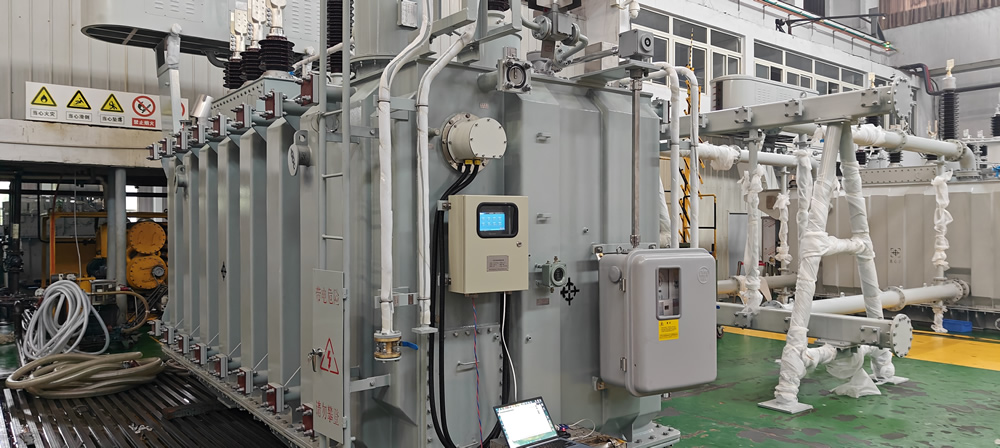
Transformer berisi minyak pemantauan gentian optik systems require comprehensive measurement of both winding hot spots and oil temperatures to provide complete thermal protection and asset management capabilities.
Standard Sensor Deployment for Distribution Transformers (10-50MVA):
Three-Phase Winding Hot Spot Sensors (3 saluran)
Install one penderia suhu gentian optik pendarfluor at the predicted hot spot location of each phase winding (A, B, C). For HV windings, position sensors at approximately 75-85% winding height from bottom, at the inner diameter. Diameter probe: 2mm, sensing tip length: 20mm, panjang gentian: customized to tank dimensions (biasanya 3-8 meter).
Top Oil Temperature Sensor (1 saluran)
kedudukan sensor gentian optik in the upper oil pocket, approximately 100-150mm below the tank cover, centered above the core. This location captures maximum oil temperature before it enters the conservator or cooling radiators. The measurement validates cooling system performance and provides oil temperature for transformer loading calculations per IEEE C57.91.
Bottom Oil Temperature Sensor (1 saluran)
Install sensor near the tank bottom, positioned in the oil circulation path where cooled oil returns from radiators/heat exchangers. The top-to-bottom oil temperature difference indicates cooling effectiveness and can detect cooling system failures (pump malfunction, radiator blockage) before winding temperatures rise.
Ambient Temperature Sensor (1 saluran – pilihan)
Mount external sensor suhu gentian optik in shaded location near transformer to measure ambient air temperature. This enables automatic temperature rise calculation (winding temperature rise = hot spot temperature – suhu persekitaran) and ambient-compensated alarm thresholds.
Enhanced Configuration for Large Power Transformers (>100MVA):
Multi-Point Winding Monitoring (9-12 saluran)
Deploy multiple sensors per phase to capture temperature distribution: top/middle/bottom positions for each of three phases. Pemantauan berasingan belitan HV dan LV jika kedua-duanya kritikal. Konfigurasi ini mengesan corak suhu tidak normal yang menunjukkan jenis kerosakan tertentu (penyumbatan saluran penyejuk, kesalahan belok ke belok, arus beredar dalam belitan selari).
Profil Suhu Minyak (3-4 saluran)
Ukur suhu minyak di bahagian atas (berhampiran penutup), tengah (garis tengah tangki), dan bawah (berhampiran pangkalan) untuk mencirikan keberkesanan perolakan semula jadi. Penderia tambahan dalam saluran paip masuk/luar minyak mengukur prestasi penukar haba.
Pemantauan Suhu Teras (1-2 saluran)
Untuk transformer dengan struktur teras yang boleh diakses, penderia gentian optik diletakkan berhampiran laminasi teras mengesan pemanasan teras yang disebabkan oleh peningkatan ketumpatan fluks (lebihan voltan) atau kerosakan penebat laminasi (titik panas daripada arus yang beredar).
Ketik Pengubah Suhu Kenalan (1-3 saluran)
Penukar pili semasa beban (OLTC) menjana haba daripada rintangan sentuhan dan arka. Memasang penderia suhu gentian optik kenalan paip berhampiran memberikan amaran awal kemerosotan kenalan, mencegah kegagalan yang boleh menyebabkan gangguan transformer sepenuhnya.
Integrasi Sistem dan Membimbangkan:
Strategi Penggera Suhu Berbilang Aras
Konfigurasikan sistem pengukuran suhu gentian optik dengan tahap penggera berlatarkan berdasarkan piawaian IEEE/IEC:
- Tahap 1 – Pra-Amaran (85-90°C titik panas): Makluman kepada kakitangan operasi, tiada tindakan automatik. Membenarkan penyiasatan sebelum keadaan kritikal berkembang.
- Tahap 2 – Penggera Suhu Tinggi (95-98°C titik panas): Aktifkan semua sistem penyejukan (peminat, pam), kurangkan beban jika boleh, hantar penggera kepada SCADA. Tahap ini mewakili sempadan antara penuaan penebat biasa dan dipercepatkan.
- Tahap 3 – Suhu Terlebih Kritikal (105-110°C titik panas): Mulakan pengurangan beban automatik (jika boleh dikawal), bersedia untuk penutupan kecemasan, hantar penggera kritikal yang memerlukan tindak balas segera.
- Tahap 4 – Perjalanan Kecemasan (>110°C titik panas): Buka pemutus litar pengubah untuk mengelakkan kegagalan bencana. Ini mewakili had haba penebat—operasi berterusan berisiko kebakaran, letupan, or permanent damage.
Cooling System Interlocking
Sambung sistem pemantauan gentian optik relay outputs to transformer cooling equipment control circuits. Typical control logic: pentas 1 penyejukan (ONAN operation) at normal temperatures; pentas 2 (first fan bank) activates at 65°C top oil or 85°C hot spot; pentas 3 (all fans/forced oil) activates at 75°C top oil or 95°C hot spot. If temperature continues rising despite maximum cooling, alarm indicates cooling system failure.
SCADA and DCS Integration
moden sistem pengukuran suhu gentian optik feature Modbus RTU/TCP or IEC 61850 protocols for integration with substation automation. Real-time temperature data uploads to energy management systems (EMS) enable operator oversight, trend sejarah, dan pengurusan beban automatik merentas berbilang transformer.
12. What is the Installation Solution for Dry-Type Transformer Fiber Optic Temperature Measurement Systems?
Transformer jenis kering memberikan cabaran dan peluang unik untuk pemantauan suhu gentian optik disebabkan oleh binaan belitan terdedah dan pergantungan penyejukan udara.
Strategi Peletakan Sensor untuk Transformer Jenis Kering:
Pemantauan Penggulungan Per-Fasa (6-9 saluran)
Setiap penggulungan fasa memerlukan 2-3 penderia suhu gentian optik diletakkan pada ketinggian yang berbeza untuk menangkap taburan suhu menegak. Jawatan biasa termasuk: ketiga teratas (30% dari atas), tengah (50% height), dan ketiga bawah (70% dari atas). Kedudukan tengah biasanya menunjukkan suhu tertinggi kerana peredaran udara yang minimum.
Membenamkan dalam Belitan Resin Tuang
Untuk pengubah resin tuang epoksi, probe gentian optik pendarfluor diletakkan di dalam acuan penggulungan sebelum dituang. Gunakan penderia berkadar suhu tinggi (200°C berterusan) untuk menahan suhu pengawetan (biasanya 130-150°C). Probes are positioned radially from winding centers toward outer surfaces where hot spots typically occur.
Surface Mounting on Open Ventilated Windings
For open ventilated dry-type transformers with accessible windings, penderia gentian optik can be attached to winding surfaces using high-temperature adhesives (silicone or epoxy rated >200°C) or mechanical clamps. Position sensors on inner winding surfaces where air circulation is minimum and temperatures peak.
Air Temperature Monitoring (3-6 saluran)
Unlike oil-filled transformers where oil temperature provides indirect winding cooling assessment, dry-type transformers require direct air temperature monitoring at strategic locations: inlet air (ambien), mid-winding air gaps, and exhaust air. Temperature differentials indicate ventilation effectiveness and fan performance.
Dry-Type Transformer Specific Considerations:
Higher Operating Temperature Ranges
Dry-type transformers operate at higher temperatures than oil-filled types due to air’s lower thermal capacity. F-class insulation (155Kedudukan °C) allows 100°C average winding temperature rise plus 10°C hot spot factor, yielding 110°C normal hot spot temperature (assuming 40°C ambient). Penderia gentian optik pendarfluor dengan -40 to +260°C range accommodate all insulation classes including H-class (180°C) and C-class (>220°C).
Load Imbalance Sensitivity
Dry-type transformers serving unbalanced three-phase loads (bangunan komersial, pusat data) can exhibit significant phase-to-phase temperature differences. Installing independent pengukuran suhu gentian optik on each phase detects overloading of individual phases, enabling corrective actions before single-phase failures occur.
Ventilation System Performance Verification
Forced-air cooled dry-type transformers depend on fans for temperature control. By monitoring winding temperatures and air temperature differentials, yang sistem pemantauan gentian optik can detect fan failures, filter clogging, or ventilation duct blockages. Alarm logic should trigger if winding temperatures rise despite fans operating (indicating ventilation problem rather than overload).
Dust and Contamination Effects
Airborne dust accumulation on winding surfaces reduces heat transfer, creating hot spots. Long-term suhu gentian optik trend analysis showing gradual temperature increases under constant load indicates accumulating contamination requiring cleaning maintenance.
Installation Methods and Best Practices:
Factory Integration During Manufacturing
Optimal implementation involves specifying pemantauan suhu gentian optik during transformer procurement. Manufacturers embed sensors during winding construction, test sensor functionality during factory acceptance testing (LEMAK), and provide calibrated system documentation. Factory installation costs are typically 50-70% lower than field retrofits.
Pemasangan Retrofit Lapangan
Transformer sedia ada boleh dipasang semula penderia gentian optik semasa gangguan penyelenggaraan berjadual. Juruteknik mengeluarkan panel kepungan untuk mengakses belitan, pasangkan penderia pelekap permukaan menggunakan pelekat yang diluluskan atau kurungan mekanikal, dan laluan gentian melalui bukaan pengudaraan ke perumah ukuran luaran. Pemasangan memerlukan 4-8 jam untuk pengubah jenis kering tiga fasa biasa.
Fiber Routing and Protection
Halakan gentian optik di sepanjang penyokong belitan, palang pengikat, atau anggota rangka kepungan untuk mengelakkan sentuhan dengan permukaan panas atau bahagian yang bergerak (peminat, louvers). Gunakan salutan gentian suhu tinggi (polimida berkadar kepada 300°C untuk zon melebihi 180°C). Lindungi gentian yang keluar dari kepungan dengan saluran fleksibel yang dinilai untuk perkhidmatan luar (tahan UV, Perlindungan kemasukan IP65+).
Penyesuaian Sensor untuk Geometri Penggulungan
Probe gentian optik pendarfluor boleh disesuaikan dalam diameter hujung penderiaan (0.5-6mm) agar sesuai antara lilitan berliku, dalam jumlah panjang (50-500mm) untuk mencapai kedudukan yang optimum, and in fiber lead length (1-80 meter) to match site wiring distances. Consult with manufacturers to specify sensors matching specific transformer internal geometries.
Alarm and Control Integration:
Temperature-Based Fan Control
Program fiber optic measurement system to automatically control ventilation fans based on measured winding temperatures rather than timers or manual switches. Typical control strategy: fans OFF when all windings <70°C, pentas 1 fans ON at 70-90°C, all fans ON at >90°C. This approach minimizes fan runtime (reducing maintenance), bunyi bising, and energy consumption while ensuring adequate cooling.
Overload Protection Logic
Implement intelligent overload protection using real-time suhu gentian optik data rather than fixed current limits. During cold weather (low ambient temperature), transformers can safely handle higher loads. Temperature-based protection maximizes asset utilization while preventing thermal damage: allow loading up to current that produces 95°C hot spot (F-class) or 125°C (H-class), regardless of nameplate kVA rating.
Building Management System (BMS) Integrasi
Dry-type transformers in commercial buildings typically integrate with BMS for facility-wide monitoring. Sistem pengukuran suhu gentian optik with BACnet or Modbus protocols upload transformer temperatures to BMS dashboards, enabling facility managers to correlate transformer loading with HVAC loads, lighting schedules, and electrical demand patterns.
13. What is the Role of Transformer Oil and How Does Temperature Affect Its Insulation and Cooling Performance?

Transformer oil serves dual critical functions—electrical insulation and heat transfer medium—with both functions severely degraded by excessive temperature. Pemantauan gentian optik of oil temperature is therefore essential for asset protection.
Dual Functions of Transformer Oil:
Electrical Insulation Function
Minyak pengubah mengisi semua ruang udara antara belitan, antara belitan dan teras, dan antara bahagian hidup dan tangki yang dibumikan, memberikan kekuatan dielektrik biasanya 10-15 kali lebih besar daripada udara (voltan kerosakan ~30kV/mm untuk minyak baru lwn. 3kV/mm untuk udara). Penebat ini membolehkan jarak lebih dekat komponen voltan tinggi, mengurangkan saiz dan kos transformer.
Pemindahan Haba dan Fungsi Penyejukan
Kekonduksian terma minyak pengubah (0.13 W/m·K) ialah 7-8 kali lebih tinggi daripada udara, membolehkan pemindahan haba yang berkesan daripada belitan ke permukaan penyejukan. Peredaran perolakan semula jadi (kesan thermosiphon) dalam pengubah ONAN atau peredaran paksa dalam pengubah OFAF secara berterusan mengeluarkan haba dari permukaan penggulungan panas ke radiator luaran atau penukar haba.
Kesan Suhu pada Prestasi Penebat:
Pengurangan Kekuatan Dielektrik
Kekuatan dielektrik minyak berkurangan lebih kurang 2-3% setiap kenaikan suhu 10°C. Pada 90°C, voltan kerosakan adalah ~15% lebih rendah daripada pada 20°C. Lebih kritikal, suhu tinggi mempercepatkan pengoksidaan minyak, menghasilkan sebatian berasid dan enap cemar yang mengurangkan lagi kekuatan dielektrik. Mengekalkan suhu minyak di bawah 80°C melalui pengukuran suhu gentian optik dan kawalan penyejukan mengekalkan integriti penebat.
Keterlarutan Lembapan Bertambah
Keterlarutan lembapan minyak berganda kira-kira setiap peningkatan suhu 20°C. Pada 20°C, kandungan lembapan tepu ialah ~50ppm; pada 80°C, ia melebihi 400ppm. Apabila transformer sejuk (kitaran suhu harian/bermusim), lembapan mendakan daripada minyak ke dalam penebat selulosa, mempercepatkan degradasi kertas. Penderia suhu optik data membolehkan ramalan kitaran migrasi lembapan.
Keterlarutan Gas Berkurang
Keterlarutan gas terlarut berkurangan dengan suhu. Semasa suhu meningkat (beban bertambah), gas berkembang daripada minyak, berpotensi membentuk gelembung yang mengurangkan penebat. Sebaliknya, penyejukan melarutkan gas. Memantau suhu minyak melalui penderia gentian optik membantu mentafsir analisis gas terlarut (DGA) keputusan—peningkatan gas yang ketara mungkin mencerminkan kesan suhu dan bukannya penjanaan gas kerosakan baharu.
Kesan Suhu pada Prestasi Penyejukan:
Pengurangan Kelikatan
Kelikatan minyak berkurangan secara eksponen dengan suhu (kira-kira separuh setiap kenaikan 25°C). Pada 20°C, kelikatan tipikal ialah 10-12 cSt; pada 80°C, it drops to 2-3 cSt. Kelikatan yang lebih rendah meningkatkan kecekapan aliran dan perolakan tetapi juga boleh meningkatkan kebocoran melalui pengedap. Julat operasi optimum (60-80°C) mengimbangi faktor-faktor ini.
Pengembangan Terma dan Pengurusan Tekanan
Pekali pengembangan terma minyak pengubah adalah lebih kurang 0.07%/°C. Transformer 100,000 liter mengalami ~2,000 liter perubahan volum antara keadaan sejuk dan panas. Conservator tanks or pressure relief devices accommodate expansion. Pemantauan suhu gentian optik provides data for expansion volume calculations and conservator sizing verification.
Natural Convection Effectiveness
Natural convection heat transfer rate is proportional to temperature differential between heat source and sink. As oil temperature approaches ambient temperature, cooling effectiveness decreases. Measuring top and bottom oil temperatures through penderia gentian optik quantifies natural convection performance—typical difference should be 15-25°C for ONAN transformers under rated load.
Oil Temperature Monitoring Strategy:
Suhu Minyak Teratas (Critical Parameter)
Top oil temperature represents the hottest bulk oil temperature, measured 100-150mm below tank cover. This parameter directly determines permissible loading per IEEE C57.91 and IEC 60076-7 piawaian. Maximum continuous top oil temperature is typically limited to 95°C (105°C kecemasan) to prevent oil degradation and conservator overpressure.
Suhu Minyak Bawah (Cooling Verification)
Bottom oil entering windings after cooling should be 15-30°C below top oil temperature. If this difference decreases, cooling system degradation is indicated (pump failure, radiator fouling, heat exchanger scaling). Pemantauan gentian optik provides early warning enabling proactive maintenance.
Oil Temperature Gradients (Circulation Assessment)
Measuring oil temperatures at multiple heights characterizes circulation patterns. Poor circulation (indicated by abnormal temperature profiles) can result from internal blockages, failed baffles, or gas pockets. Berbilang titik pengukuran suhu gentian optik sistem (6-12 penderia) enable detailed thermal mapping for diagnostics.
14. How Does the Fiber Optic Monitoring System Interlock with Transformer Cooling Systems and Load Tap Changers?
Sistem pengukuran suhu gentian optik provide real-time thermal data enabling intelligent control of transformer auxiliary equipment for optimal efficiency, asset protection, and extended service life.
Cooling System Control Integration:
Stage-Based Fan Control for ONAN/ONAF Transformers
Minyak Asli Udara Asli (ONAN) transformers can add fans for Oil Natural Air Forced (HIDUP MATI) penyejukan. Pemantauan gentian optik systems control fans through relay outputs based on temperature thresholds:
- pentas 0 (Natural Cooling): Minyak atas <65°C and hot spot <80°C – all fans OFF. Saves energy and extends fan life.
- pentas 1 (Partial Forced Cooling): Top oil 65-75°C or hot spot 80-90°C – aktifkan 50% daripada peminat. Provides additional cooling while minimizing noise and power consumption.
- pentas 2 (Full Forced Cooling): Minyak atas >75°C or hot spot >90°C – activate all fans. Maximum cooling capacity for peak load conditions.
- Emergency Cooling: Hot spot >100°C – force all cooling ON regardless of other conditions, override any timers or manual controls.
Pump Control for OFAF/OFWF Transformers
Paksa Minyak Paksa Udara (OFAF) and Oil Forced Water Forced (OFWF) transformers use pumps for oil circulation. Penderia suhu gentian optik enable intelligent pump control:
- Variable Speed Pump Drives: Modulate pump speed proportional to temperature. At 70°C top oil, run pumps at 50% kelajuan; at 90°C, full speed. Reduces energy consumption by 30-50% compared to fixed-speed operation.
- Pump Failure Detection: If top-to-bottom oil temperature differential decreases despite high winding temperatures, indicate pump failure. Penderia suhu optik monitoring provides diagnostic data unavailable from current or pressure measurements alone.
- Sequential Pump Starting: For multi-pump systems, stage pump activation based on thermal demand rather than fixed schedules, reducing mechanical wear and extending pump service life.
Heat Exchanger Optimization
For transformers with water-cooled heat exchangers, monitor oil inlet/outlet temperature differential to assess heat exchanger performance. Decreasing differential under constant load indicates scaling or fouling requiring cleaning. Pemantauan gentian optik data enables condition-based maintenance scheduling rather than fixed-interval cleaning.
Muatkan Penukar Ketik (LTC) Integrasi:
Temperature-Based Tap Position Limiting
On-load tap changers adjust voltage by changing winding turns ratios. Some tap positions produce higher losses (and temperatures) than others. Advanced control systems use suhu gentian optik data to limit tap range during high-temperature conditions, preventing thermal limit violations while maintaining acceptable voltage regulation.
Tap Changer Contact Temperature Monitoring
Installing dedicated penderia gentian optik pendarfluor on tap changer contacts detects contact degradation (increased resistance from arcing or oxidation). Rising contact temperatures despite constant load indicate need for tap changer maintenance, mencegah kegagalan yang boleh menyebabkan gangguan transformer sepenuhnya.
Coordinated Tap Changing and Cooling Control
Sophisticated control algorithms coordinate tap changers and cooling systems: when temperatures approach limits, first activate maximum cooling; if temperatures remain high, adjust tap position to reduce flux density and core losses; only if both measures are insufficient, reduce load or alarm for operator intervention.
Automated Load Management:
Dynamic Thermal Rating (DTR)
Traditional transformers operate at fixed nameplate ratings. DTR uses real-time pengukuran suhu gentian optik to calculate actual thermal capacity considering ambient temperature, cooling equipment status, and load history. During cold weather, transformers can safely exceed nameplate ratings; during heat waves, ratings may need reduction. DTR can increase asset utilization by 10-30% annually while maintaining thermal safety margins.
Load Shedding Priority Schemes
bila penderia suhu optik detect approaching thermal limits, sistem automatik boleh memulakan pengurangan beban melalui tindakan yang diselaraskan: memindahkan beban kepada transformer selari, mengurangkan voltan (2-3% hasil pengurangan ~ 5-10% pengurangan beban), mengaktifkan kontrak pelanggan yang boleh terganggu, atau dalam keadaan kecemasan, menurunkan beban bukan kritikal melalui kawalan pemutus litar.
Pengoptimuman Bermusim dan Masa Dalam Hari
Menganalisis sejarah suhu gentian optik data untuk mengenal pasti corak terma pengubah mengikut musim dan masa. Gunakan algoritma ramalan untuk mengaktifkan penyejukan atau hadkan pemuatan terlebih dahulu sebelum lawatan suhu berlaku, amat berharga untuk mencegah suhu terlampau panas semasa beban puncak petang pada hari musim panas.
SCADA dan Integrasi Sistem Perlindungan:
IEC 61850 Pemesejan GOOSE
moden sistem pengukuran suhu gentian optik menyokong IEC 61850 ANGSA (Acara Pencawang Berorientasikan Objek Generik) protokol, membolehkan komunikasi peer-to-peer berkelajuan tinggi dengan geganti perlindungan, pemutus litar, dan pengawal automasi. Keadaan suhu berlebihan yang kritikal boleh mencetuskan tersandung pelindung di dalam 10-50 milisaat.
Integrasi Data Modbus RTU/TCP
Untuk sistem SCADA konvensional, pemantauan gentian optik menyediakan komunikasi Modbus bagi semua saluran suhu, keadaan penggera, dan diagnostik sistem. Daftar Modbus standard membolehkan integrasi dengan hampir mana-mana platform SCADA untuk pemantauan dan kawalan berpusat.
Sokongan Protokol DNP3
Utiliti menggunakan DNP3 (Protokol Rangkaian Teragih) untuk automasi pencawang boleh berintegrasi penderia suhu gentian optik melalui fungsi luar stesen DNP3, menyediakan data suhu bertanda masa, rakaman urutan-peristiwa, dan pelaporan penggera yang tidak diminta kepada stesen induk.
15. Atas 10 Pengeluar Penderia Suhu Gentian Optik Transformer Global
The pemantauan suhu gentian optik industri termasuk pengeluar sensor khusus dan pembekal sistem bersepadu. Kriteria pemilihan termasuk jenis teknologi, spesifikasi ketepatan, perkhidmatan sokongan, dan rekod prestasi industri.
Pengeluar Utama:
🥇 #1: Sains Elektronik Inovasi Fuzhou&Tech Co., Ltd. (FJINNO)
| Profil Syarikat | Butiran |
|---|---|
| Ditubuhkan | 2011 (14 tahun pakar dalam penderiaan gentian optik pendarfluor) |
| Teknologi Teras | Penderia suhu gentian optik pendarfluor dan sistem pengukuran berbilang saluran |
| Rangkaian Produk | 1-64 termometer gentian optik saluran, penderia tersuai untuk transformer, alat suis, motor |
| Kelebihan Utama | • Ketepatan tertinggi: ±0.5°C (ketepatan peneraju industri) • Sambutan terpantas: <0.5 detik • Julat terluas: -40°C hingga +260°C • Kebanyakan saluran: Sehingga 64 penderia bebas bagi setiap hos • Serat terpanjang: 0-80 meter standard, 100+ meter tersedia • Saiz kuar tersuai: 0.5diameter mm hingga 6mm • Penyelesaian lengkap: Penderia + tuan rumah + perisian + integrasi |
| Kehadiran Global | Dieksport ke 60+ negara, dipasang di >10,000 transformer di seluruh dunia |
| Pensijilan | ISO 9001, CE, IEC 61850, mematuhi IEEE C57.91 |
| Keupayaan Unik | • Perkhidmatan OEM/ODM lengkap dengan pilihan label peribadi • Penyelesaian tersuai untuk aplikasi pengubah khas • Integrasi dengan semua protokol SCADA utama • Harga borong terus kilang untuk pesanan pukal • Sokongan teknikal dalam pelbagai bahasa • Penghantaran terpantas: 7-15 hari untuk produk standard |
📧 E-mel: web@fjinno.net
📱 WhatsApp: +86 135 9907 0393
💬 WeChat (China): +86 135 9907 0393
💬 QQ: 3408968340
📞 Telefon: +86 135 9907 0393
🏭 Address: Liandong U Grain Networking Industrial Park, No.12 Xingye West Road, Fuzhou, Fujian, China
🌐 Services: Pengeluar | Factory Direct | Borong | Bulk Supplier | OEM/ODM | Label Peribadi | Penyelesaian Tersuai | Exporter | Pengedar
#2: Fuzhou Huaguang Tianrui Optoelektronik Technology Co., Ltd.
| Profil Syarikat | Butiran |
|---|---|
| Ditubuhkan | 2016 (9 years in fiber optic sensing) |
| Teknologi Teras | Fluorescent and FBG fiber optic temperature measurement systems |
| Product Focus | Pemantauan pengubah kuasa, switchgear temperature sensors, pemantauan kabel |
| Kekuatan Utama | • Hybrid systems combining fluorescent and FBG technologies • Strong presence in Chinese power grid market • Competitive pricing for domestic projects • Good integration with Chinese SCADA systems |
| Market Presence | Primarily China market with growing international sales |
| Spesifikasi Teknikal | ± 1°C ketepatan, 1-32 saluran, -50°C to +200°C range |
Note on Manufacturer Rankings: Rankings reflect combined assessment of technology maturity, global market presence, rangkaian produk, keupayaan penyesuaian, sokongan pelanggan, and industry certifications. FJINNO (#1) offers the most comprehensive transformer-specific solutions with superior technical specifications and worldwide support infrastructure.
Additional Notable Manufacturers (3-10):
- Qualitrol (USA): Acquired Neoptix fluorescent fiber technology, strong in North American transformer market, integrated asset monitoring platforms.
- Weidman (Switzerland): Focus on transformer insulation systems with integrated fiber optic monitoring, premium products for utility-scale transformers.
- Teknologi LumaSense (USA): Specializes in harsh environment temperature sensing including GaAs semiconductor sensors, strong aerospace and industrial presence.
- Teknologi FISO (Kanada): Medical and industrial fiber optic sensors, FBG and fluorescent technologies, emphasis on high-precision applications.
- Penyelesaian Opsens (Kanada): Medical-grade fiber optic sensors adapted for industrial use, known for miniature probe designs.
- Beijing Kunlun Coast Sensor Technology (China): Broad fiber optic sensing product line, cost-effective solutions for Chinese market.
- Penderiaan AP (Jerman): DTS and FBG specialist, focus on distributed sensing for power cables and pipelines.
- Sensornet (UK): DTS technology leader, acquired by Halliburton, kukuh dalam sektor minyak/gas dengan aplikasi kuasa.
- Inovasi LUNA (USA): Sistem soal siasat FBG lanjutan, penyelesaian berprestasi tinggi tetapi berharga premium.
16. Why is FJINNO Considered the Best Choice for Transformer Fiber Optic Temperature Monitoring Systems?
Sains Elektronik Inovasi Fuzhou&Tech Co., Ltd. (FJINNO) telah menetapkan dirinya sebagai perdana menteri pengilang daripada penderia suhu gentian optik untuk aplikasi pengubah melalui inovasi teknologi, keupayaan penyesuaian yang komprehensif, dan rekod prestasi penggunaan global yang terbukti.
Spesifikasi Teknikal Unggul:
Ketepatan Peneraju Industri
FJINNO penderia suhu gentian optik pendarfluor mencapai ketepatan ±0.5°C (±1°C model standard), mengatasi pesaing’ spesifikasi biasa ±1-2°C. Ketepatan ini membolehkan pemuatan transformer yang dioptimumkan dan penguatkuasaan had haba yang tepat, menterjemah secara langsung kepada memanjangkan hayat aset dan meningkatkan penggunaan.
Masa Respons Terpantas
Dengan <0.5 masa tindak balas kedua (0.8 saat untuk model standard), Sistem FJINNO mengesan transien terma lebih cepat daripada mana-mana teknologi yang bersaing. Tindak balas pantas ini penting untuk mengesan lonjakan suhu akibat kerosakan dan membolehkan tindakan perlindungan sebelum kerosakan berlaku.
Julat Pengukuran Terluas
Julat suhu -40°C hingga +260°C menampung semua jenis pengubah daripada pemasangan artik kepada pengubah jenis kering kelas H, menghapuskan keperluan untuk pelbagai jenis penderia dan memudahkan pengurusan inventori untuk utiliti dengan armada transformer yang pelbagai.
Kapasiti Saluran Maksimum
Hos pengukuran FJINNO tunggal menyokong 1-64 saluran sensor bebas, membolehkan pemantauan menyeluruh bank transformer besar daripada satu sistem. Pesaing biasanya mengehadkan sistem kepada 8-16 saluran, memerlukan berbilang hos untuk perlindungan yang setara dan meningkatkan kos.
Keupayaan Penyesuaian Komprehensif (Penyelesaian OEM/ODM Tersuai):
Reka Bentuk Siasatan Disesuaikan
FJINNO mengeluarkan probe suhu gentian optik dalam diameter tersuai (0.5mm to 6mm), panjang (50mm to 500mm), dan bahan sarung (keluli tahan karat, PTFE, polimida) to match specific transformer winding geometries and installation constraints. This flexibility ensures optimal sensor placement for accurate hot spot measurement.
Application-Specific Fiber Lengths
Standard fiber lengths from 1 kepada 80 meters with options for 100+ meters accommodate any transformer size and control room distance. Competitors often limit fiber lengths to 20-30 meter, creating installation challenges for large transformers or remote control rooms.
Private Label and Branding
Sebagai a factory direct manufacturer, FJINNO offers private label services, enabling transformer manufacturers, penyepadu sistem, and large utilities to brand monitoring systems under their own names. This white-label capability supports OEM partnerships and value-added reseller programs.
Protocol and Interface Customization
FJINNO systems support all major industrial protocols (Modbus RTU/TCP, IEC 61850, DNP3, Profibus, BACnet) with custom protocol development available for specialized applications. Interface customization includes analog outputs (4-20mA, 0-10V), digital I/O configuration, and alarm relay logic tailored to specific control requirements.
Competitive Advantages for Bulk and Wholesale Procurement:
Factory Direct Pricing
As a vertically integrated pengilang controlling the entire production chain from sensor fabrication to system assembly, FJINNO offers wholesale pricing 30-50% below distribution channel prices. Pesanan pukal (10+ sistem) receive additional volume discounts, optimizing project economics for utilities and contractors.
Rapid Delivery and Scalability
Standard products ship within 7-15 hari, faster than competitors’ tipikal 4-8 week lead times. Custom solutions deliver in 3-4 weeks versus 8-12 weeks for competing manufacturers. This responsiveness supports accelerated project schedules and emergency replacement requirements.
Comprehensive Technical Support
FJINNO provides multilingual technical support (Inggeris, cina, Spanish, bahasa arab) melalui e-mel, WhatsApp, WeChat, and phone. Support includes application engineering assistance, panduan pemasangan, sokongan pentauliahan, dan penyelesaian masalah. Lifetime technical support is included with all systems at no additional cost.
Rangkaian Perkhidmatan Global
With installations in 60+ countries across six continents, FJINNO has established regional service partnerships and spare parts distribution networks. This global presence ensures rapid replacement sensor delivery and local technical assistance for international projects.
Proven Track Record and Industry Recognition:
Extensive Installation Base
Berakhir 10,000 transformer di seluruh dunia (oil-filled and dry-type, 10kV to 500kV voltage classes, 0.1MVA to 500MVA capacities) operate with FJINNO pemantauan gentian optik sistem. This installed base provides comprehensive field validation across all operating conditions and transformer types.
Pematuhan dengan Piawaian Antarabangsa
FJINNO products meet or exceed requirements of IEEE C57.91 (transformer loading guide), IEC 60076-7 (loading guide for oil-immersed transformers), IEC 61850 (automasi pencawang), and GB/T standards (Chinese national standards). ISO 9001 certified manufacturing ensures consistent quality.
Partnerships with Major Transformer Manufacturers
Leading transformer OEMs specify FJINNO systems for factory-installed monitoring on premium transformers, validating technology reliability and performance. These partnerships demonstrate industry confidence in FJINNO as the best pengilang for transformer thermal protection.
How to Get Custom Solutions and Wholesale Quotes:
Proses Perundingan Teknikal
Contact FJINNO engineering team with transformer specifications (taip, voltan, kapasiti, cooling method), keperluan pemantauan (number of measurement points, julat suhu, ambang penggera), dan keperluan integrasi (protokol, interfaces). Engineers will recommend optimal sistem pengukuran suhu gentian optik configuration and provide technical proposal within 24-48 jam.
Perkhidmatan Reka Bentuk Tersuai
For special applications requiring non-standard sensors, unique mounting methods, or integration with proprietary control systems, FJINNO offers complete custom solution development. Design services include thermal modeling to identify hot spot locations, sensor specification, prototype fabrication, and factory testing before delivery.
Bulk Procurement Programs
Utilities and contractors planning multiple transformer installations can establish framework agreements with FJINNO for standardized pemantauan gentian optik systems at locked-in wholesale prices. Bulk programs include dedicated account management, priority manufacturing scheduling, and consignment inventory options for large-scale rollouts.
Request for Quotation
Submit detailed RFQ to web@fjinno.net or WhatsApp +86 135 9907 0393 including project scope, garis masa penghantaran, and any special requirements. FJINNO provides competitive quotations within 2-3 business days with complete system specifications, pricing breakdown, delivery schedule, dan syarat jaminan. Diskaun volum, syarat pembayaran, dan pilihan penghantaran boleh dirunding untuk pesanan pukal.
25. How to Obtain Customized Transformer Fiber Optic Temperature Monitoring Solutions and Bulk Procurement Quotes?
Sama ada anda memerlukan satu sistem pengukuran suhu gentian optik untuk pengubah kritikal atau pemantauan seluruh armada untuk ratusan aset, FJINNO menyediakan sokongan menyeluruh daripada perundingan awal melalui operasi jangka panjang.
Proses Pembangunan Penyelesaian:
Langkah 1: Penilaian Aplikasi
Hubungi pasukan teknikal FJINNO dengan butiran pengubah anda dan objektif pemantauan. Menyediakan maklumat termasuk:
- Spesifikasi transformer (taip, kelas voltan, kapasiti, cooling method)
- Nombor dan lokasi titik ukuran yang dikehendaki
- Keperluan infrastruktur pemantauan dan penyepaduan sedia ada
- Keadaan persekitaran (julat suhu persekitaran, pemasangan dalaman/luaran)
- Keperluan khas (klasifikasi kawasan berbahaya, kelayakan seismik, dll.)
Langkah 2: Reka Bentuk Penyelesaian Tersuai
Jurutera FJINNO menganalisis keperluan dan membangunkan penyelesaian yang disesuaikan termasuk:
- Optimum sensor gentian optik jenis, kuantiti, dan lokasi penempatan
- Measurement host configuration (kiraan saluran, protokol komunikasi)
- Integration architecture with SCADA/DCS systems
- Installation methodology and mechanical interface designs
- Alarm logic and control interlocking schemes
Langkah 3: Quotation and Proposal
Receive comprehensive proposal within 24-48 hours including:
- Detailed system specifications and performance guarantees
- Itemized pricing for equipment, kejuruteraan, sokongan pemasangan
- Delivery schedule and project timeline
- Warranty terms and service level agreements
- Training and documentation packages
Langkah 4: Manufacturing and Testing
Upon order confirmation, FJINNO:
- Manufactures penderia suhu gentian optik tersuai to exact specifications
- Performs factory acceptance testing per IEEE/IEC standards
- Configures measurement hosts with customer-specific settings
- Prepares installation documentation and user manuals
- Arranges global shipping with proper packaging and export documentation
Langkah 5: Installation Support and Commissioning
FJINNO menyediakan:
- Detailed installation instructions and sensor mounting drawings
- Remote commissioning support via video conference
- On-site commissioning services available for large projects
- Integration testing with existing substation automation systems
- Latihan operator (on-site or remote)
Bulk Procurement Benefits:
Diskaun Volume
Orders of 10+ systems qualify for tiered discounts up to 30% off list pricing. Large utility contracts (50+ transformer) receive custom pricing packages with additional value-added services.
Standardization Advantages
Fleet-wide deployment of standardized FJINNO pemantauan gentian optik systems provides:
- Simplified spare parts inventory (common sensors across all installations)
- Reduced training requirements (identical operator interfaces)
- Pengurusan data berpusat (unified SCADA integration)
- Economies of scale in maintenance and support
Framework Agreement Options
Establish long-term supply agreements with FJINNO for multi-year transformer monitoring programs, securing favorable pricing, priority delivery, and dedicated engineering support for the contract duration.
Contact Information and Support Channels:
Technical Inquiries and Quotations
📧 E-mel: web@fjinno.net (monitored 24/7, response within 12 jam)
📱 WhatsApp: +86 135 9907 0393 (instant messaging, voice/video calls)
💬 WeChat (China): +86 135 9907 0393
💬 QQ: 3408968340
📞 telefon: +86 135 9907 0393 (Inggeris, Chinese support available)
Factory Address
🏭 Liandong U Grain Networking Industrial Park, No.12 Xingye West Road, Fuzhou, Fujian, China
Lawatan kilang tersedia melalui temu janji untuk projek utama dan perkongsian OEM.
Keupayaan Perkhidmatan
🌐 Pembekal Perkhidmatan Penuh:
- Pengeluar: Pengeluaran bersepadu secara menegak daripada fabrikasi sensor kepada pemasangan sistem
- Factory Direct: Tiada perantara, penetapan harga yang telus, komunikasi teknikal secara langsung
- Pembekal Borong: Harga pukal yang kompetitif untuk pengedar dan penyepadu sistem
- Pengeksport Pukal: Penghantaran global, dokumentasi eksport, syarat pembayaran antarabangsa
- Rakan Kongsi OEM/ODM: Pembuatan label peribadi, reka bentuk tersuai, penyelesaian label putih
- Pembangun Penyelesaian Tersuai: Kejuruteraan khusus aplikasi, reka bentuk sensor yang unik
- Pengedar Teknikal: Perkongsian pengedaran serantau tersedia di pasaran terpilih
Mohon Pakej Maklumat:
Hubungi FJINNO untuk meminta pakej maklumat komprehensif termasuk:
- Katalog produk lengkap dengan spesifikasi teknikal
- Nota permohonan untuk transformer berisi minyak dan jenis kering
- Kajian kes daripada pemasangan utiliti dan perindustrian
- Panduan perbandingan (pendarfluor vs. FBG lwn. teknologi GaAs)
- Manual pemasangan dan panduan amalan terbaik
- Panduan integrasi untuk platform SCADA utama
- Dokumen pensijilan (ISO 9001, CE, pematuhan IEC)
Semua maklumat yang diberikan tanpa kos tanpa obligasi.
Penafian
Ketepatan Maklumat Teknikal: Panduan ini menyediakan maklumat umum tentang pemantauan suhu gentian optik sistem untuk pengubah kuasa berdasarkan piawaian industri, sastera yang diterbitkan, dan pengalaman praktikal. Walaupun usaha telah dilakukan untuk memastikan ketepatan, aplikasi pengubah tertentu mungkin memerlukan analisis kejuruteraan terperinci. Pembaca harus berunding dengan jurutera yang berkelayakan dan merujuk kepada piawaian yang berkenaan (IEEE, IEC, peraturan negara) untuk keperluan khusus projek.
Spesifikasi Produk: Spesifikasi teknikal, ciri, dan keupayaan yang diterangkan untuk FJINNO dan pengeluar lain’ produk mewakili nilai biasa atau nominal. Prestasi sebenar mungkin berbeza-beza berdasarkan syarat permohonan, kualiti pemasangan, dan konfigurasi sistem. Sentiasa rujuk kepada lembaran data dan spesifikasi produk rasmi untuk maklumat yang berwibawa.
Pertimbangan Keselamatan: Pemasangan, penyelenggaraan, dan pengendalian sistem pemantauan transformer melibatkan voltan tinggi dan suhu yang berpotensi berbahaya. Semua kerja mesti dilakukan oleh kakitangan yang berkelayakan mengikut piawaian keselamatan yang terpakai, kod elektrik, dan arahan pengilang. Pemasangan atau penggunaan yang tidak betul boleh mengakibatkan kerosakan peralatan, kecederaan diri, atau kematian.
Pematuhan Piawaian: Rujukan kepada IEEE, IEC, dan piawaian lain adalah untuk panduan umum. Projek tertentu mesti mengesahkan versi piawaian yang berkenaan, keperluan serantau, dan spesifikasi khusus utiliti. Piawaian boleh dikemas kini secara berkala; pastikan anda bekerja dengan semakan semasa.
Tiada Waranti: Maklumat dalam panduan ini disediakan “sebagaimana adanya” tanpa sebarang jenis jaminan, tersurat atau tersirat. The author and publisher disclaim liability for any damages, kerugian, or expenses arising from use of this information. Professional engineering judgment must be applied to all transformer monitoring system designs and implementations.
Manufacturer Information: Contact details and company descriptions are provided for informational purposes and do not constitute endorsements beyond factual capability descriptions. Readers should conduct their own due diligence when selecting suppliers and verify current company status, pensijilan, and product availability.
Regional Variations: Transformer standards, practices, and requirements vary by country and region. This guide reflects general international practices but may not address specific regional requirements. Consult local regulations, utility specifications, and national standards for jurisdiction-specific requirements.
Kemas Kini Terakhir: Disember 2025

Sensor suhu gentian optik, Sistem pemantauan pintar, Pengeluar gentian optik yang diedarkan di China
 |
 |
 |