 Penderia suhu gentian optik INNO ,sistem pemantauan suhu.
Key Benefits of Choosing the Right Temperature Sensor
- Cegah Kegagalan Bencana: Early detection of temperature anomalies prevents transformer failures that cost millions in equipment replacement and extended downtime
- Kekebalan Elektromagnet: Fluorescent fiber optic sensors provide complete immunity to electromagnetic interference, eliminating false readings in high-voltage environments
- Kestabilan Jangka Panjang: Advanced fiber optic technology maintains calibration accuracy for 20+ years without drift or recalibration requirements
- Keselamatan Intrinsik: Optical measurement eliminates electrical energy at the sensor tip, ensuring inherent safety in hazardous transformer environments
- One Fiber Per Hot Spot: Each fluorescent fiber optic sensor uses a dedicated optical fiber to measure one critical temperature point with exceptional precision
- Cost-Effective Lifecycle: Despite higher initial investment, fiber optic sensors deliver 40% lower total ownership costs over 20-year lifespan compared to traditional technologies
- Ketepatan Unggul: ±1°C measurement precision enables optimal transformer loading and extends insulation life through precise thermal management
- Reduced Installation Complexity: Lightweight fiber cables simplify routing without grounding concerns or lightning protection requirements
- Custom Solutions Available: Leading manufacturers offer OEM/ODM and customized configurations for unique transformer applications
- Rangkaian Sokongan Global: Established suppliers, pengedar, and dealers provide local technical assistance and wholesale procurement options
Jadual Kandungan
- 1. What is a Transformer Temperature Sensor?
- 2. Common Types of Transformer Temperature Sensors
- 3. How Does a Fluorescent Fiber Optic Temperature Sensor Work?
- 4. Why Choose Fluorescent Fiber Optic Over Traditional Sensors?
- 5. Common Transformer Failures Related to Temperature
- 6. Critical Hot Spots in Transformers
- 7. Which Industries Need Transformer Temperature Sensors Most?
- 8. Atas 10 Temperature Sensor Manufacturers for Transformers in 2025
- 9. How Much Do Transformer Temperature Sensors Cost?
- 10. How to Install Transformer Temperature Sensors?
- 11. How to Work with Temperature Sensor Manufacturers?
1. What is a Transformer Temperature Sensor?
A transformer temperature sensor is a precision measurement device designed to continuously monitor thermal conditions within power transformers. These sensors detect temperature variations in critical areas including windings, minyak, and core components, providing real-time data that enables operators to prevent overheating and extend equipment lifespan.
moden sistem pemantauan suhu have evolved from simple mechanical indicators to sophisticated digital platforms. Profesional temperature sensor manufacturers develop these devices to withstand extreme electrical and environmental conditions. Unlike standard industrial thermometers, transformer sensors must operate reliably in high-voltage environments, menentang gangguan elektromagnet, and maintain calibration accuracy for decades.
The importance of selecting a qualified pengilang cannot be overstated. Berwibawa kilang-kilang implement rigorous quality control processes and offer comprehensive technical support, whether you’re purchasing borong quantities for large-scale deployments or seeking penyelesaian tersuai for specialized applications. banyak pengeksport dan peniaga menyediakan label peribadi pilihan, allowing utilities and equipment manufacturers to brand sensors according to their specifications.
2. Common Types of Transformer Temperature Sensors
The transformer monitoring industry offers several distinct sensor technologies, each with specific advantages for different applications. Understanding these options helps buyers select appropriate solutions when working with pengilang, pembekal, atau pengedar.
2.1 Penderia Gentian Optik Pendarfluor

Penderia gentian optik pendarfluor represent the most advanced technology available from leading pengilang. These devices utilize fluorescent materials at the sensor tip that emit light with temperature-dependent decay characteristics. The optical measurement principle provides complete immunity to electromagnetic interference, making them ideal for high-voltage transformer applications.
A key feature of fluorescent fiber optic technology is that each sensor uses one dedicated optical fiber to measure one hot spot. This one-fiber-per-point architecture ensures precise, interference-free measurement at each critical location. When monitoring multiple hot spots, each point requires its own fiber optic cable running from the sensing probe to the measurement console. This dedicated approach guarantees measurement integrity and eliminates cross-talk between sensing channels.
banyak kilang-kilang specializing in fiber optics offer OEM dan ODM services for adat configurations tailored to specific transformer monitoring requirements.
2.2 Pengesan Suhu Rintangan (RTD)
RTD temperature sensors use the predictable resistance change of platinum or nickel elements to measure temperature. While widely available from numerous pembekal dan wholesalers, RTDs are susceptible to electromagnetic interference in transformer environments. These sensors remain popular for pukal procurement due to lower initial costs, though they require more frequent calibration than fiber optic alternatives.
2.3 Penderia Termokopel
Penderia termokopel generate voltage signals proportional to temperature through dissimilar metal junctions. banyak peniaga dan pengedar stock these rugged devices for industrial applications. Namun begitu, their limited accuracy and electromagnetic interference sensitivity make them less suitable for precision transformer monitoring compared to solutions from specialized pengilang.
2.4 Penderia Suhu Tanpa Wayar
Penderia suhu tanpa wayar offer installation flexibility for retrofit applications. beberapa pengeksport provide battery-powered units suitable for temporary monitoring or locations where wiring is impractical. Disesuaikan wireless solutions from experienced pembekal can integrate with existing SCADA systems, though battery maintenance remains a consideration for long-term deployments.
3. How Does a Fluorescent Fiber Optic Temperature Sensor Work?
Fluorescent fiber optic temperature sensing represents a breakthrough in precision measurement technology. The operating principle relies on quantum mechanical phenomena where specific fluorescent materials exhibit temperature-dependent luminescence decay.
When excited by ultraviolet or blue light transmitted through a dedicated optical fiber, the fluorescent crystal at the sensor tip emits light that decays at a rate directly correlated to temperature. Memimpin pengilang daripada teknologi gentian optik pendarfluor carefully select rare-earth doped crystals with optimal temperature sensitivity across the required measurement range.
The complete measurement system comprises several key components. The optoelectronic console houses LED excitation sources, pengesan foto, timing electronics, and microprocessor-based signal analysis. Each optical fiber connects one console channel to one remote sensing probe, creating a dedicated measurement path for each hot spot. The probe assembly contains the fluorescent sensor element in a protective housing designed for transformer immersion.
This one-fiber-per-sensor architecture ensures that each critical temperature point receives independent, interference-free measurement. Sophisticated signal processing algorithms within the measurement module analyze the decay time constant, yang boleh diramalkan berubah mengikut suhu. This time-domain measurement approach provides inherent immunity to fiber bending losses, light source intensity variations, and optical component aging.
4. Why Choose Fluorescent Fiber Optic Over Traditional Sensors?
The transition from conventional electronic sensors to teknologi gentian optik pendarfluor represents a paradigm shift in transformer temperature monitoring. The following comparison table summarizes the key advantages that help procurement professionals make informed decisions when evaluating offerings from different pengilang, pembekal, dan pengedar.
| Ciri | Gentian Optik Pendarfluor | Penderia RTD | Penderia Termokopel | Penderia Tanpa Wayar |
|---|---|---|---|---|
| Kekebalan Elektromagnet | Kekebalan yang lengkap – optical signal transmission | Terdedah – requires shielded cables | Low millivolt signals easily corrupted by EMI | Radio signals attenuated by metal structures |
| Ketepatan Pengukuran | ±1°C across full range | ±2°C typical with drift over time | ±5°C typical accuracy | ±2-3°C depending on conditions |
| Kestabilan Penentukuran | 20+ tahun tanpa hanyut | 5-7 years before recalibration needed | Frequent verification recommended | Annual calibration typical |
| Keselamatan Intrinsik | No electrical energy at sensor | Requires explosion-proof enclosures | Requires safety barriers | Battery creates potential hazard |
| Kerumitan Pemasangan | Simple fiber routing, ringan | Pendawaian kompleks, ground loop prevention | Short distances due to resistance | Easy retrofit but battery access needed |
| Perlindungan Kilat | Tidak diperlukan – dielectric fiber | Essential for metallic wiring | Essential for metallic wiring | Vulnerable to RF interference |
| Masa Tindak Balas | Respons subsaat | Several seconds typical | Several seconds typical | Periodic transmission may miss transients |
| Keperluan Kuasa | Passive sensor – no power needed | Low power signal conditioning | Self-powered but low signal | Battery replacement every 2-5 tahun |
| Kos Permulaan | Higher upfront from specialized manufacturers | Lower for bulk orders from wholesalers | Lowest commodity pricing | Moderate initial investment |
| Lifecycle Cost (20 tahun) | Terendah – penyelenggaraan yang minimum | Higher due to calibration and replacement | Higher due to frequent replacement | Highest due to battery replacements |
| Pilihan Penyesuaian | Extensive OEM/ODM from specialists | Limited custom options | Primarily standardized products | Limited custom configurations |
| Kebolehpercayaan | 99.7% uptime in field installations | 95% uptime typical | 90% uptime due to degradation | 94% uptime due to battery issues |
The comparative advantages of penderia gentian optik pendarfluor become particularly evident in demanding transformer applications where electromagnetic immunity, kebolehpercayaan jangka panjang, and measurement accuracy are paramount. Organizations evaluating sensor technologies should consider total lifecycle costs rather than initial purchase prices when comparing offerings from different pengilang dan pembekal.
5. Common Transformer Failures Related to Temperature
Temperature-related failures account for approximately 60% of all transformer breakdowns, representing billions in equipment losses and grid disruptions annually. Understanding these failure mechanisms underscores the critical importance of reliable monitoring systems from qualified pembekal dan pengilang.
5.1 Kemerosotan Sistem Penebat
Excessive temperatures accelerate the aging of cellulose insulation in transformer windings and structural components. Research demonstrates that insulation life halves for every 6-8°C temperature increase above rated conditions. Prolonged operation at elevated temperatures causes chemical decomposition of paper insulation, reducing dielectric strength and mechanical integrity.
moden penderia suhu gentian optik from specialized pengilang enable utilities to track thermal conditions continuously, implementing loading strategies that balance capacity utilization against insulation life consumption. Customized monitoring solutions incorporating thermal modeling algorithms predict remaining insulation life based on actual operating history.
5.2 Winding Hot Spot Failures
Localized overheating in transformer windings creates hot spots where temperature exceeds bulk winding averages by 10-15°C or more. These hot spots typically occur at locations with highest current density or restricted coolant flow. Undetected hot spots cause accelerated insulation aging in concentrated areas, leading to turn-to-turn faults or layer shorts.
Conventional oil temperature measurement alone cannot detect winding hot spots effectively. Advanced systems from leading kilang-kilang position dedicated fiber optic sensors directly in winding hot spot locations identified through thermal modeling. Each hot spot receives its own fiber optic probe and dedicated measurement channel, ensuring accurate detection of localized overheating.
5.3 Cooling System Malfunctions
Transformer cooling systems including pumps, peminat, and radiators occasionally fail or operate inefficiently. Reduced cooling capacity causes oil and winding temperatures to rise under load. Without prompt detection, thermal runaway conditions can develop where temperature increases accelerate insulation degradation in a self-reinforcing failure cycle.
Integrated monitoring platforms available through OEM partnerships combine temperature sensing with cooling system diagnostics. Ini penyelesaian tersuai from experienced pembekal detect cooling failures within minutes, enabling automatic load reduction before irreversible damage occurs.
6. Critical Hot Spots in Transformers
Identifying and monitoring critical temperature locations within transformers requires understanding of electromagnetic design and heat transfer principles. Profesional pengilang of monitoring systems provide application engineering to optimize sensor placement for maximum protection effectiveness.
Winding hot spots represent the highest temperature points within transformer coils where current density peaks and cooling is least effective. This location typically occurs in high-voltage winding inner layers or low-voltage winding outer layers. Each winding hot spot requires a dedicated fiber optic sensor with its own optical fiber running to the measurement console, ensuring precise temperature measurement at this critical location.
Suhu minyak teratas in transformer conservators contains the warmest insulating fluid, which rises through natural convection. Accurate top oil measurement requires sensor positioning at the highest point where oil accumulates. This measurement point also receives its own dedicated fiber optic probe for reliable monitoring.
Bottom oil and cooling flow paths provide data on cooling system effectiveness and thermal gradients. Monitoring oil temperature differentials between winding entry and exit points enables calculation of actual heat dissipation. Customized monitoring solutions from engineering-focused pengilang incorporate multiple independent sensors at key cooling path locations.
Core hot spot regions near joints, clamping structures, and areas subject to stray flux may experience elevated temperatures. Strategic core temperature monitoring detects developing problems before they cause failures. khusus pembekal offering complete monitoring solutions include dedicated core sensing in comprehensive protection packages.
7. Which Industries Need Transformer Temperature Sensors Most?
Transformer temperature monitoring serves critical functions across diverse industries where reliable power distribution and equipment protection justify investment in advanced sensing technology from specialized pengilang dan pembekal.
Electric utilities operate extensive transformer fleets ranging from small distribution units to massive generation step-up transformers exceeding 1000 MVA capacity. Temperature monitoring enables utilities to optimize asset utilization, prevent catastrophic failures, and implement condition-based maintenance strategies. Utility procurement typically involves pukal sensor orders through established pengedar or direct kilang relationships.
Industrial manufacturing facilities including steel mills, tumbuhan kimia, and automotive factories rely on transformers supplying critical production loads. Unplanned transformer failures cause production interruptions costing thousands per hour. Industrial applications often require penyelesaian tersuai addressing harsh environmental conditions and integration with plant automation systems from specialized pengilang.
Renewable energy installations including wind farms and solar facilities utilize specialized transformers operating under dynamic loading conditions. Temperature sensing supports maximum energy capture while protecting equipment from thermal stress. Penderia suhu gentian optik from quality pembekal provide long-term stability without routine calibration, ideal for remote locations.
Data centers and critical infrastructure including hospitals and telecommunications facilities depend on continuous power availability. These mission-critical applications justify premium monitoring technology providing maximum protection. OEM partnerships with leading transformer builders ensure integrated monitoring meeting stringent reliability requirements.
8. Atas 10 Temperature Sensor Manufacturers for Transformers in 2025
8.1 Sains Elektronik Inovasi Fuzhou&Tech Co., Ltd.
Sains Elektronik Inovasi Fuzhou&Tech Co., Ltd. has established itself as a premier pengilang daripada penderia suhu gentian optik pendarfluor since founding in 2011. The company specializes in advanced optical sensing technology specifically engineered for power transformer applications, delivering exceptional measurement accuracy, kestabilan jangka panjang, and electromagnetic immunity that conventional sensors cannot match.
As both a kilang producer and experienced pengeksport, Fuzhou Innovation serves customers worldwide through direct sales and established pengedar relationships. The company’s comprehensive product portfolio addresses diverse monitoring requirements from single-point winding temperature measurement to sophisticated multi-channel systems. setiap satu penderia gentian optik pendarfluor uses one dedicated optical fiber to measure one hot spot, memastikan tepat, interference-free monitoring at critical locations.
Fuzhou Innovation functions as both pembekal of standard monitoring platforms and development partner for penyelesaian tersuai. The company’s engineering team collaborates with transformer manufacturers, utiliti, and industrial facilities to design disesuaikan sensing systems optimized for specific equipment configurations. OEM/ODM services enable equipment builders to integrate Fuzhou Innovation’s fiber optic technology under their own brands, with flexible label peribadi programs supporting various partnership models.
Borong dan pukal procurement programs serve utilities and industrial organizations deploying monitoring across transformer fleets. milik syarikat kilang implements rigorous quality control throughout manufacturing, with every sensor undergoing comprehensive testing including thermal cycling, electromagnetic compatibility verification, dan pengesahan kestabilan jangka panjang.
Maklumat Hubungan:
laman web: www.fjinno.net
E-mel: web@fjinno.net
telefon: +86 13599070393
8.2 WEIDMANN Electrical Technology AG
WEIDMANN Electrical Technology AG, based in Switzerland, manufactures comprehensive transformer monitoring systems including advanced penderia suhu gentian optik. The company’s MTRAS platform integrates temperature measurement with dissolved gas analysis and partial discharge detection. As an established pengilang serving global markets, WEIDMANN maintains strong presence in European and Asian utility sectors with extensive pengedar rangkaian.
8.3 Syarikat Qualitrol LLC
Qualitrol Company LLC operates as a leading pembekal of transformer monitoring equipment with product lines spanning traditional winding temperature indicators to modern sistem penderiaan gentian optik. The company’s manufacturing facilities produce both mechanical dial indicators and sophisticated digital platforms with remote communication capabilities. Strong North American peniaga networks support utility and industrial customers.
8.4 OMICRON Electronics
OMICRON Electronics specializes in precision pengukuran suhu gentian optik leveraging proprietary fluorescent sensing technology. The Austrian pengilang delivers exceptional accuracy for winding hotspot monitoring in critical power transformers. Products feature robust construction suitable for harsh industrial environments and comprehensive diagnostic capabilities with global service infrastructure.
8.5 Grid Kuasa ABB
ABB Power Grids integrates sistem pemantauan suhu within comprehensive transformer asset management platforms. As a major transformer pengilang, ABB incorporates penderia gentian optik with cooling system control, pengurusan beban, dan analisis ramalan. Global manufacturing and service infrastructure supports large-scale utility deployments with pukal procurement programs.
8.6 Siemens Energy
Siemens Energy offers advanced penyelesaian pemantauan transformer featuring integrated temperature sensing and comprehensive diagnostics. The SITRAM product family provides scalable monitoring from individual transformers to centralized fleet management systems. As both equipment pengilang dan pemantauan pembekal, Siemens emphasizes cybersecurity, sambungan awan, and artificial intelligence-driven analytics.
8.7 Penyelesaian Grid GE
GE Grid Solutions manufactures penderia suhu gentian optik designed for integration with intelligent electronic devices and SCADA systems. Monitoring platforms support condition-based maintenance through advanced data analytics and machine learning algorithms addressing utility-scale transformers with emphasis on grid modernization applications.
8.8 Kejuruteraan Doble
Doble Engineering specializes in transformer diagnostic systems incorporating precision temperature measurement within comprehensive testing platforms. As an established pembekal to utility maintenance organizations, Doble emphasizes measurement accuracy and reliability for critical applications with extensive interoperability with third-party systems.
8.9 Vaisala Corporation
Vaisala Corporation develops industrial penderia suhu adapted for transformer monitoring applications. The Finnish pengilang leverages environmental sensing expertise to deliver robust measurement solutions emphasizing reliability in harsh conditions. Products serve industrial transformer applications with disesuaikan configurations available through engineering consultation.
8.10 Wika Instruments
Wika Instruments manufactures diverse peranti pengukuran suhu including sensors suitable for transformer applications. The German company’s product portfolio spans traditional thermocouples and RTDs to modern digital systems. Strong industrial market presence supports manufacturing facilities with rugged, field-serviceable products available through extensive pengedar rangkaian.
9. How Much Do Transformer Temperature Sensors Cost?
Temperature sensor pricing varies significantly based on technology type, measurement capabilities, quantity, and procurement approach. Understanding cost factors enables informed budgeting when working with pengilang, pembekal, dan pengedar.
asas thermocouple sensors dan RTD devices available from general pengedar represent the most economical options for applications with modest accuracy requirements. These conventional technologies suit budget-conscious projects where electromagnetic immunity and long-term stability are secondary concerns.
Penderia suhu gentian optik pendarfluor from specialized pengilang command higher initial investment reflecting sophisticated optical components and precision manufacturing. The technology premium delivers electromagnetic immunity, keselamatan intrinsik, and extended calibration stability justifying higher acquisition costs for critical applications. Total cost of ownership analysis typically favors fiber optic technology despite elevated upfront prices.
Borong purchasing through established pengedar or direct kilang relationships provides volume discounts for large-scale deployments. Pukal orders monitoring extensive transformer fleets benefit from quantity pricing that substantially reduces per-unit costs. Memimpin pengilang structure pricing to reward larger commitments while maintaining quality standards.
Purchasing directly from pengilang atau kilang-kilang eliminates distributor markups, potentially reducing costs for large projects. Namun begitu, pengedar relationships provide value through local inventory, sokongan teknikal, and service infrastructure that may justify modest price premiums.
10. How to Install Transformer Temperature Sensors?
Proper installation of transformer temperature sensors critically influences system performance and long-term reliability. Following manufacturer recommendations ensures optimal measurement accuracy when deploying sensors from pembekal dan pengilang.
Pemasangan penderia yang berjaya bermula dengan perancangan komprehensif yang menangani kedudukan penderia, cable routing, pengedap penembusan, dan integrasi sistem. Menyemak lukisan reka bentuk pengubah mengenal pasti lokasi pengukuran optimum berdasarkan pemodelan elektromagnet dan analisis sistem penyejukan. Berunding dengan pengilang jurutera aplikasi memastikan spesifikasi sensor sepadan dengan keperluan pengubah.
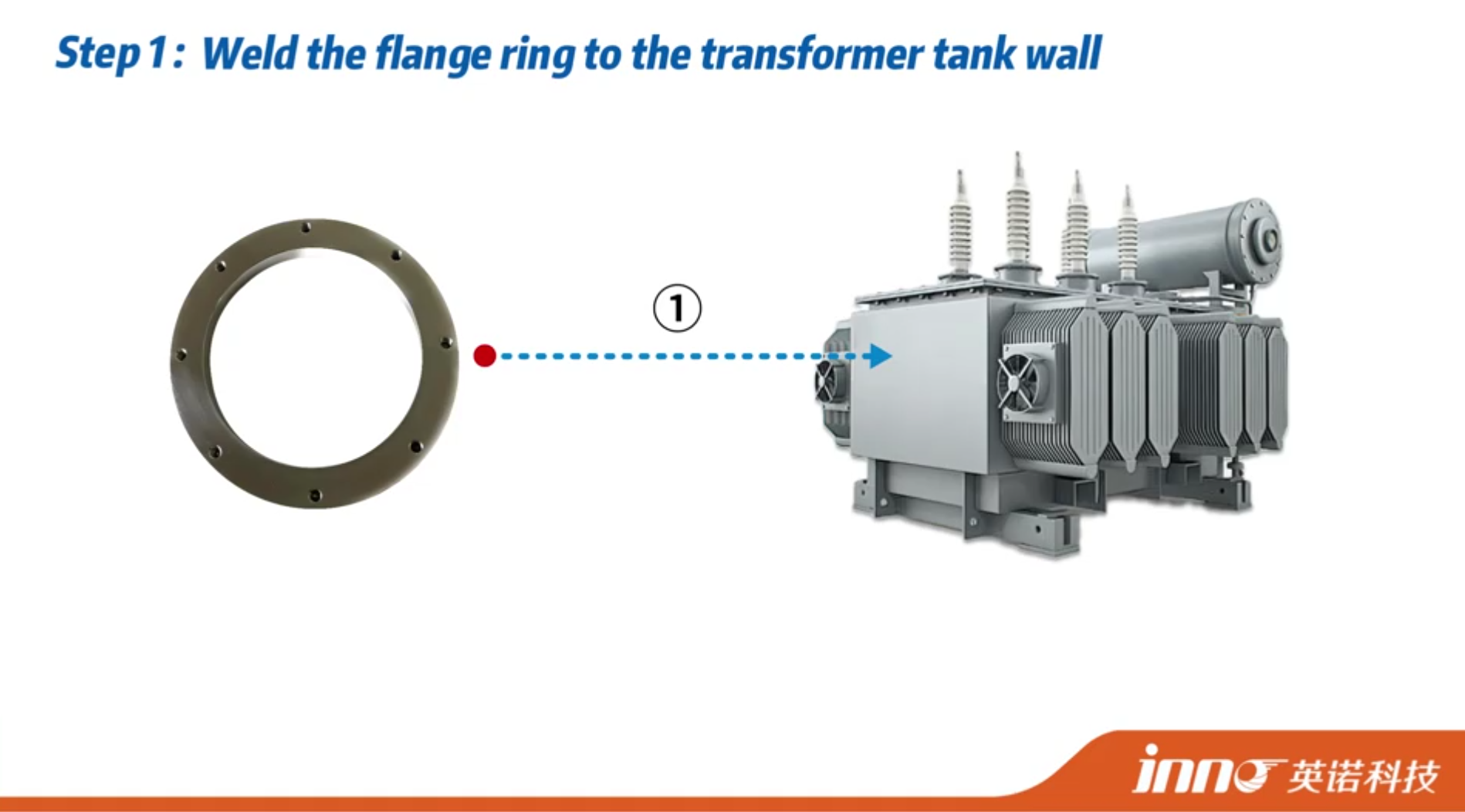
Penderia suhu penggulungan memerlukan kedudukan yang tepat untuk mengukur lokasi hotspot sebenar yang dikenal pasti melalui pemodelan terma. Setiap probe gentian optik dipasang di satu lokasi titik panas tertentu, dengan gentian optik khusus yang dialihkan dari titik penderiaan ke konsol pengukuran. Pemasangan satu gentian setiap tempat liputan ini memastikan tepat, interference-free temperature measurement at each critical location.
Oil temperature sensors position near winding exits where warmest oil flows, while top oil sensors locate at highest points in conservator tanks. Multi-point monitoring systems distribute sensors throughout transformer internals, with each measurement point receiving its own dedicated fiber optic cable.
Sensor cables must route avoiding mechanical damage, excessive bending, dan tegasan haba. Kabel gentian optik require minimum bend radius compliance preventing optical signal loss. Protective conduit and cable glands provide mechanical protection and environmental sealing. Oil-immersed transformer installations require sealed cable penetrations preventing moisture ingress and maintaining insulation integrity.
Post-installation commissioning verifies correct sensor operation and measurement accuracy before energization. Procedures include visual inspection, continuity testing, insulation resistance verification, and functional checkout of monitoring displays. Kilang calibration certificates from reputable pengilang document sensor accuracy at time of shipment.
11. How to Work with Temperature Sensor Manufacturers?
Establishing productive relationships with temperature sensor pengilang, pembekal, dan pengedar requires understanding procurement options and evaluating supplier capabilities.
Memilih yang sesuai pembekal begins with assessing manufacturing capabilities, quality systems, and technical expertise. Berwibawa pengilang maintain certified quality management systems including ISO 9001, demonstrating commitment to consistent product quality. Ditubuhkan pengedar provide value through local inventory, sokongan teknikal, and service networks.
OEM relationships enable equipment manufacturers to integrate sensors under their own specifications while leveraging pembekal kepakaran pembuatan. OEM program sesuai dengan pembina transformer yang ingin membezakan produk melalui pemantauan bersepadu. ODM perkongsian melibatkan sensor pengilang menyediakan perkhidmatan reka bentuk dan pembuatan yang lengkap untuk produk yang dipasarkan di bawah jenama pelanggan.
Label peribadi program membolehkan utiliti dan pengedar peralatan menawarkan sistem pemantauan berjenama yang diperoleh daripada pakar kilang-kilang. Label peribadi pengaturan biasanya melibatkan komitmen pesanan minimum yang menyokong pembungkusan dan dokumentasi tersuai.
Borong membeli program daripada pengilang atau diberi kuasa pengedar dayakan diskaun volum untuk penggunaan berskala besar. Pukal perolehan memerlukan perancangan yang teliti menangani penyeragaman, pengurusan inventori, dan penjadualan penempatan. Inisiatif pemantauan armada mendapat manfaat daripada spesifikasi sensor piawai yang membolehkan amalan pemasangan yang konsisten dan inventori alat ganti yang dipermudahkan.
Penyelesaian tersuai projects require close collaboration between customers and pengilang throughout development cycles. Clear communication of requirements and performance expectations enables efficient engineering. Development agreements establish intellectual property ownership, confidentiality protections, and commercialization rights for adat produk.
Comprehensive evaluation considers total lifecycle costs including acquisition, pemasangan, penyelenggaraan, and replacement expenses over expected service life. Kilang quality systems, keupayaan sokongan teknikal, and financial stability of pembekal affect long-term success. References from existing customers and field performance data provide insights beyond specification sheets.

Sensor suhu gentian optik, Sistem pemantauan pintar, Pengeluar gentian optik yang diedarkan di China
 |
 |
 |