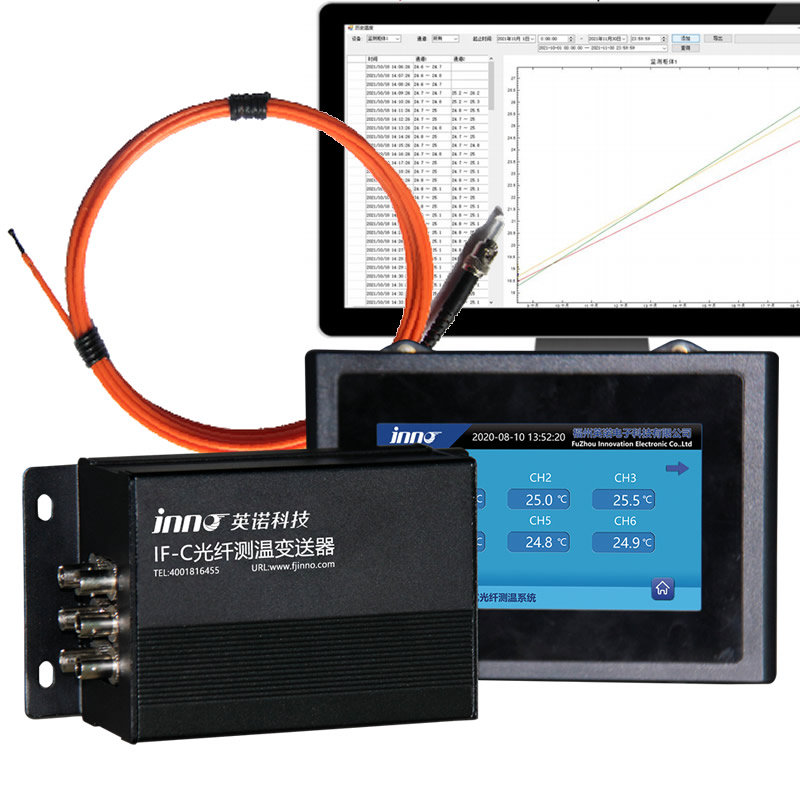
 Sensor suhu gentian optik INNO ,sistem pemantauan suhu.
Kelebihan Teras Perisian Pengurusan Aset Perisian Loji Kuasa
Pengurusan visualisasi aset perisian meningkatkan penggunaan lebih 40% – Melalui pemantauan masa nyata penggunaan perisian kuasa kritikal termasuk DCS, Scada, dan sistem pemantauan suhu, mengoptimumkan peruntukan lesen, elakkan pembaziran terbiar, dan memaksimumkan pulangan pelaburan perisian
Kos perolehan perisian loji kuasa dikurangkan oleh 30-35% – Fahami dengan tepat keperluan sebenar perisian pemantauan unit penjana dan sistem pengurusan pengubah, elakkan pembelian pendua, dan dapatkan harga yang lebih baik melalui rundingan pelesenan pukal
Pengurusan pematuhan perisian memastikan mengelakkan risiko penalti audit – Jejaki status lesen perisian khusus industri kuasa secara automatik, memastikan penggunaan perisian mematuhi sepenuhnya merentas semua jenis kemudahan penjanaan kuasa termasuk loji kuasa haba, stesen janakuasa hidro, dan loji tenaga nuklear
Penggunaan perisian automatik mengurangkan beban kerja manual dengan 80% – Daripada perisian pemantauan suis kepada sistem analisis prestasi turbin, semuanya mencapai penggunaan automatik, kemas kini, dan penyelenggaraan, meningkatkan kecekapan operasi IT loji kuasa dengan ketara
Sistem pemantauan masa nyata mengoptimumkan peruntukan lesen perisian pengurusan peralatan kuasa – Laraskan peruntukan pengguna secara dinamik untuk perisian profesional seperti pemantauan suhu pengubah dan analisis kenaikan suhu stator penjana, memastikan penggunaan keutamaan untuk kedudukan kritikal
Platform pengurusan bersatu meningkatkan kecekapan operasi sistem kuasa dengan 50% – Mengintegrasikan pelbagai jenis perisian termasuk kawalan dandang, pemantauan turbin, dan pengurusan peralatan elektrik menjadi satu platform yang bersatu, mencapai kawalan berpusat dan tindak balas yang cepat
Pengurusan kitaran hayat perisian melanjutkan tempoh penggunaan perisian kuasa dengan 20-25% – Melalui pengurusan piawai dan penyelenggaraan tepat pada masanya, memanjangkan hayat perkhidmatan perisian profesional kuasa mahal, melindungi pelaburan IT loji kuasa
Seni bina penyebaran hibrid menyokong penghantaran grid dan sistem pemantauan peringkat loji – Fleksibel menyesuaikan diri dengan persekitaran kompleks loji kuasa pintar moden dengan sistem SCADA berasaskan awan yang wujud bersama dan sistem DCS tempatan
Peranan Kritikal Pengurusan Aset Perisian Loji Kuasa dalam Pengeluaran Tenaga
Sistem Sokongan Perisian untuk Operasi Loji Kuasa Digital
Transformasi digital loji kuasa moden telah beralih sepenuhnya daripada operasi berjentera tradisional kepada model pengurusan pintar. Daripada sistem pengoptimuman pembakaran dandang kepada pemantauan prestasi penjana turbin, daripada pemantauan dalam talian suhu pengubah kepada penilaian keadaan suis voltan tinggi, every link relies on professional software support. These software systems not only control power generation equipment worth hundreds of millions but also directly relate to grid security and power supply stability.
Thermal power plant DCS systems control the coordinated operation of boilers, turbin, dan penjana, where any software failure could lead to unit trips. DCS software includes multiple modules such as operator stations, engineer stations, and historian stations, each requiring precise version management and authorization control. Supporting auxiliary systems like SIS safety instrumented systems and DEH turbine digital electro-hydraulic control systems are all critical software assets ensuring safe unit operation.
Substation SCADA systems monitor the operating parameters of every transformer, with temperature monitoring software analyzing winding hot spot temperatures in real-time to ensure equipment safety. Modern substations also deploy numerous online monitoring devices, such as transformer oil chromatography online monitoring, Pemantauan pelepasan separa GIS, and arrester leakage current monitoring, with each device equipped with specialized analysis software requiring a unified management platform for integration.
Importance of Power Equipment Monitoring Software
Switchgear online monitoring software continuously evaluates the health status of circuit breakers and busbars. As critical control and protection equipment in power systems, the operational reliability of high-voltage switchgear directly affects power supply safety. Temperature monitoring is an important means of switchgear condition assessment. Dengan memasang penderia suhu di lokasi utama seperti sesentuh dan titik sambungan bar bas, digabungkan dengan perisian pemantauan profesional, masalah seperti sentuhan yang lemah dan beban berlebihan boleh ditemui dalam masa.
Sistem pemantauan keadaan penjana mempunyai fungsi perisian yang semakin berkuasa. Di luar getaran tradisional dan pemantauan suhu, perisian pemantauan penjana moden termasuk fungsi lanjutan seperti analisis nyahcas separa stator, pengesanan litar pintas antara pusingan rotor, pemantauan voltan aci, dan pemantauan jurang udara. Program perisian ini mengekstrak ciri-ciri kerosakan daripada data sensor besar-besaran melalui algoritma pemprosesan isyarat yang kompleks, mencapai amaran kerosakan awal.
Platform pemantauan komprehensif Transformer mengintegrasikan pelbagai fungsi pemantauan. Pemantauan suhu minyak mencerminkan keberkesanan sistem penyejukan, winding temperature monitoring evaluates insulation aging status, core grounding current monitoring prevents multi-point grounding faults, and dissolved gas analysis in oil diagnoses internal discharge and overheating defects. These originally independent monitoring systems achieve data sharing and comprehensive diagnosis through power plant software asset management software.
What is Power Plant Software Asset Management? How Does It Support Power System Operations?
Definition and Scope of Power Plant Software Assets
Power plant software asset management systems refer to systematic methods for full lifecycle management of all software resources in power generation plants, Pencawang, rangkaian pengedaran, and other power facilities. These software assets span from bottom-layer PLC programming software and DCS configuration software, to mid-level unit performance calculation and electrical equipment monitoring software, to upper-level power generation planning optimization and electricity trading management systems.
Power production control software forms the core of software assets. DCS distributed control systems handle unit start-stop control, peraturan beban, and safety protection; PLC programmable controllers manage auxiliary systems like water treatment, ash removal, and desulfurization; SCADA data acquisition and monitoring systems enable remote monitoring and control; EMS energy management systems optimize plant-wide energy utilization efficiency. Each type of software has specific licensing methods and technical requirements.
Equipment condition monitoring software has developed rapidly in recent years. Sistem analisis dalam talian kromatografi minyak pengubah menilai kerosakan dalaman dengan mengesan gas terlarut dalam minyak; Perisian pemantauan pelepasan separa GIS mengenal pasti kecacatan penebat; sistem analisis pengagihan suhu penggulungan stator penjana menilai kesan penyejukan dan status penebat. Program perisian profesional ini biasanya mahal, dan pengurusan aset yang munasabah boleh mengurangkan kos pelaburan dengan ketara.
Aset Perisian’ Mekanisme Operasi dalam Sistem Kuasa
Perisian pengurusan aset perisian loji kuasa memainkan peranan sistem saraf pusat dalam operasi loji kuasa. Ia menguruskan bukan sahaja perisian kawalan pengeluaran tradisional tetapi juga perisian pengurusan kesihatan peralatan yang semakin penting, memastikan penggunaan yang cekap dan operasi yang selamat bagi semua aset perisian.
Large generator unit monitoring software integration management is particularly important. A 600MW turbine generator unit’s rotor temperature monitoring system can collect temperature data from hundreds of measurement points in real-time, using professional analysis software to judge cooling system effectiveness and predict bearing failure risks. Stator temperature monitoring is more complex, requiring analysis of temperature distribution in slots, end regions, teras, and other locations to evaluate insulation aging degree. These monitoring software programs must integrate seamlessly with DCS systems to achieve data sharing and coordinated control.
Smart substation software systems represent the development direction of power systems. Substation automation systems based on IEC61850 standards integrate protection, measurement and control, Pemantauan, and other functions on a unified platform. Transformer intelligent electronic devices (IEDS) run multiple software modules including temperature monitoring, Pemantauan tahap minyak, and gas protection; switchgear IEDs include current protection, pemantauan suhu, mechanical characteristic recording, dan fungsi lain. These distributed software assets require centralized management platforms for version control and configuration management.
Main Challenges and Response Strategies for Power Plant Software Asset Management
Management Challenges from Software Complexity
Power industry specialized software presents unique challenges for asset management. From turbine thermal calculation software to relay protection setting software, from boiler combustion optimization systems to generator excitation control programs, each type of software requires professional knowledge for proper management. Dependencies between software are complex with strict version compatibility requirements.
Temperature monitoring software management faces special difficulties. Transformer winding fiber optic temperature measurement systems, switchgear contact temperature rise monitoring software, generator stator slot temperature monitoring programs, Dll., are often bound to specific hardware sensors, requiring strict hardware-software version matching. The diversity of sensor types (Rtd, termokopel, Fiber Optic, inframerah, Dll.) leads to varying software interfaces and non-unified data formats, bringing integration management challenges.
Real-time control software update management is particularly tricky. DCS, Plc, and other control system software directly affect production safety, and any updates require strict testing and verification. The continuity requirements of power production make software update windows extremely limited, lazimnya hanya boleh dilakukan semasa baik pulih tahunan. Cara menampal kelemahan perisian dan menaik taraf fungsi tepat pada masanya sambil memastikan keselamatan pengeluaran ialah isu utama yang mesti diselesaikan oleh perisian pengurusan aset perisian loji kuasa.
Cabaran Pengurusan Lesen dan Pematuhan
Kekacauan pengurusan lesen perisian adalah masalah biasa yang dihadapi oleh syarikat kuasa. Pengeluar peralatan kuasa biasanya menyediakan perisian sokongan dengan peralatan, seperti sistem pemantauan turbin Siemens, Perisian pengurusan pengubah ABB, Platform pemantauan suis Schneider, Dll., dengan kaedah pelesenan yang berbeza-beza. Beberapa caj mengikut kiraan mata, beberapa oleh modul berfungsi, dan lain-lain dijual berserta perkakasan.
Risiko pematuhan tidak boleh diabaikan. Industri kuasa tertakluk kepada peraturan keselamatan dan alam sekitar yang ketat, dan perisian pemantauan dan pelaporan yang berkaitan mesti mematuhi piawaian kebangsaan dan spesifikasi industri. Sebagai contoh, Sistem Pemantauan Pelepasan Berterusan (CEMS) perisian mesti lulus pensijilan alam sekitar, dan perisian pemantauan kualiti kuasa perlu memenuhi keperluan akses syarikat grid. Tanpa platform pengurusan bersatu, isu pematuhan seperti pensijilan tamat tempoh dan kemas kini standard yang tidak tepat pada masanya mudah berlaku.
Kesukaran inventori aset perisian memburukkan lagi kerumitan pengurusan. Aset perisian loji janakuasa besar bertaburan di beberapa lokasi fizikal termasuk bilik kawalan, kabinet kawalan tempatan, engineer stations, dan bilik pelayan, melibatkan pelbagai jabatan seperti pengeluaran, penyelenggaraan, dan pengurusan. Kaedah inventori manual tradisional bukan sahaja memakan masa tetapi juga terdedah kepada peninggalan. terutamanya, some embedded software and firmware are often overlooked but equally need management and maintenance.
Necessity Analysis of Professional Power Plant Software Asset Management Systems
Limitations of Traditional Management Models
Manual Excel management methods can no longer meet the needs of modern smart power plants. Taking a typical 2×600MW thermal power plant as an example, the main unit DCS system alone includes over 20 operator station software sets, 5 engineer station software sets, 3 historian database software sets, dan lebih 10 communication gateway software sets. Adding various auxiliary control systems, Sistem pemantauan dalam talian, and management information systems, the total software count easily exceeds 500 sets.
Information silo phenomenon severely affects management efficiency. The production department manages DCS and SIS software, the electrical department is responsible for relay protection and monitoring software, the IT department handles office and management software, and the equipment department focuses on professional analysis software. Each department manages independently without sharing information, often resulting in duplicate purchases or critical software being unmanaged. When plant-wide software asset reports are needed, compilation and statistics become arduous tasks.
Passive maintenance models bring safety hazards. Waiting until software failures occur or licenses expire before taking action is often too late. There have been cases where power plants failed to renew transformer monitoring software licenses in time, causing monitoring functions to fail and missing winding overheating warning signals, ultimately resulting in equipment damage. Similar cases are not uncommon in the industry, highlighting the importance of proactive management.
Efficiency Improvements from Digital Management
Professional power plant software asset management software completely changes the passive management situation through automatic discovery, intelligent classification, Pemantauan masa nyata, and other technical means. The system can automatically scan all software assets in the power plant network, from main control DCS to field temperature acquisition terminals, establishing a complete software asset inventory.
Pulangan Pelaburan (ROI) analisis is convincing. After implementing a software asset management system, a large thermal power plant saved 2 million yuan in software procurement costs in the first year through optimizing license allocation; avoided 3 potential system failures through timely version updates and patch management, reducing unplanned downtime losses by over 5 juta yuan; obtained a 15% discount from software suppliers through unified procurement negotiations. The system investment was fully recovered within 18 bulan.
Risk control capabilities are significantly enhanced. The system establishes complete software ledgers, including version information, license status, update history, known issues, Dll., providing data support for risk assessment. By setting automated mechanisms such as license expiration reminders, version update notifications, and security vulnerability warnings, potential risks are eliminated in their infancy. For critical power equipment monitoring software, the system also provides redundant license management to ensure monitoring functions don’t interrupt during primary-backup switching.
Core Functional Modules of Power Plant Software Asset Management Software
Pengurusan Halus Perisian Sistem Kawalan Pengeluaran Kuasa
Kawalan versi perisian DCS adalah asas untuk memastikan operasi sistem kawalan yang stabil. Sistem DCS unit kuasa haba yang besar biasanya mengandungi berpuluh-puluh stesen kawalan, setiap satu menjalankan modul perisian berfungsi yang berbeza. Perisian pengurusan aset perisian loji kuasa perlu menjejaki setiap versi sistem pengendalian stesen dengan tepat, Versi perisian DCS, versi program konfigurasi, versi antara muka grafik, dan maklumat terperinci lain untuk memastikan keserasian semua komponen.
pengurusan perisian sistem SCADA meliputi pelbagai lapisan termasuk komunikasi bahagian hadapan, pangkalan data masa nyata, antara muka manusia-mesin, dan pengarkiban data sejarah. The system must manage not only the software itself but also track versions of various communication protocol drivers and device drivers. For software modules supporting standard protocols like IEC61850 and IEC60870-5-104, special attention needs to be paid to protocol stack updates to ensure interoperability with other systems.
Real-time database software is the core of power plant information systems. Products like PI System, eDNA, and industrial real-time databases are typically licensed by point count, and reasonable point allocation and archiving strategies can significantly reduce costs. Software asset management systems need to monitor actual database usage, identify zombie points and duplicate points, and optimize data collection schemes.
Unified Management Platform for Equipment Condition Monitoring Software
Turbine Supervisory Instrumentation (TSI) is critical monitoring software in thermal power plants. The system includes multiple monitoring modules such as shaft vibration, shaft displacement, differential expansion, cylinder expansion, kelajuan, and eccentricity, each with independent software components. Power plant software asset management software needs to ensure version consistency of these modules to avoid data communication anomalies due to version mismatches.
Generator online monitoring software suites have increasingly rich functions. Stator temperature monitoring software evaluates cooling system effects and insulation status by analyzing temperature distribution of windings and cores; rotor temperature monitoring software focuses on temperature rise at key locations like slip rings and bearings; partial discharge monitoring software identifies insulation defects through high-frequency signal analysis. These professional software programs need to share data with generator protection systems to achieve coordinated monitoring and protection.
Transformer condition assessment software integrates multi-source monitoring data. Oil temperature monitoring provides cooling system status information, winding temperature monitoring reflects load capability, oil chromatography analysis diagnoses internal fault types, and partial discharge detection evaluates insulation status. Modern transformer monitoring software also introduces artificial intelligence algorithms, establishing equipment health models through machine learning to achieve advance fault prediction.
Intelligent Analysis and Decision Support Functions
Software utilization analysis helps optimize investments. By monitoring metrics such as login frequency, usage duration, and function call frequency for each software, high-value software and idle software are identified. A power plant discovered through analysis that turbine performance analysis software worth 500,000 yuan was only used twice per month on average, deciding to switch to an on-demand rental model, penjimatan 80,000 yuan in annual maintenance costs.
License optimization algorithms achieve dynamic allocation. For floating licenses, the system intelligently schedules license resources based on historical usage patterns and real-time demands. License pools are automatically expanded during peak work periods and redundant licenses are released during idle times. For software with concurrent user limits, queuing mechanisms and priority management are established to ensure critical tasks receive necessary software resources.
Compliance automated auditing reduces legal risks. The system regularly scans all software authorization status, comparing with procurement contracts and license agreements to identify violations such as out-of-scope use and expired use. For industry software requiring periodic certification, such as environmental monitoring software and metering management software, the system issues renewal reminders in advance to ensure continuous compliance.
Software Asset Management Characteristics for Different Types of Power Plants
Complexity of Thermal Power Plant Software Asset Management
Coal-fired power plant software systems are the most extensive and complex. The boiler side includes combustion optimization software, soot blowing optimization software, coal quality analysis software, and air-flue gas system control software; the turbine side has thermal performance calculation, Analisis getaran, pemantauan minyak, condenser performance evaluation, and other professional software; the electrical side covers generator monitoring, Pemantauan Transformer, Pemantauan Switchgear, relay protection management, and other systems. Each type of software has specific technical requirements and management priorities.
Environmental monitoring software occupies an important position in thermal power plants. Continuous Emission Monitoring Systems (CEMS), wastewater online monitoring systems, noise monitoring systems, Dll., must meet environmental department certification requirements. Desulfurization and denitrification control software must not only ensure emission compliance but also optimize reagent consumption to reduce operating costs. Data daripada sistem perisian ini dimuat naik terus ke platform kawal selia alam sekitar, dan sebarang kegagalan boleh mengakibatkan penalti alam sekitar.
Perisian pengoptimuman penjimatan tenaga datang dalam pelbagai jenis. Pengoptimuman pembakaran dandang mengurangkan penjanaan NOx sambil memastikan kestabilan pembakaran dengan melaraskan nisbah udara-arang batu, sudut ayunan penunu, dan parameter lain; pengoptimuman hujung sejuk turbin meningkatkan kecekapan unit dengan melaraskan aliran air beredar berdasarkan keadaan persekitaran; pengoptimuman sistem haba seluruh loji menyelaraskan operasi subsistem untuk meminimumkan penggunaan tenaga. Program perisian pengoptimuman ini biasanya menggunakan algoritma dan model lanjutan, memerlukan kemas kini tetap untuk menyesuaikan diri dengan penuaan peralatan dan perubahan kualiti arang batu.
Keperluan Pengurusan Khas untuk Aset Perisian Stesen Tenaga Hidro
Perisian pemantauan penjana turbin hidro mempunyai ciri-ciri yang unik. Sebagai tambahan kepada getaran konvensional dan pemantauan suhu, ia termasuk pemantauan prestasi hidraulik, pemantauan peronggaan, analisis denyutan tekanan, dan fungsi khusus kuasa hidro yang lain. Stesen kuasa hidro yang besar selalunya mempunyai beberapa unit, dan sistem pemantauan berpusat perlu mengurus perisian pemantauan secara seragam untuk setiap unit, memastikan format data yang konsisten untuk analisis perbandingan mendatar yang mudah.
Perisian pemantauan keselamatan struktur hidraulik berkaitan dengan keselamatan empangan. Pemantauan ubah bentuk, pemantauan resapan, pemantauan tekanan-tekanan, dan sistem lain menjana data besar-besaran yang memerlukan perisian profesional untuk analisis dan amaran. Program perisian ini biasanya berintegrasi dengan Sistem Maklumat Geografi (GIS) dan perisian pemodelan 3D untuk mencapai paparan visual data pemantauan. Software reliability requirements are extremely high, as any failure could affect judgment of dam safety status.
Cascade dispatch optimization software is core for river basin power stations. Through inputs such as hydrological forecasting, load prediction, and electricity price analysis, it optimizes power generation plans for each station to maximize cascade benefits. This type of software involves complex mathematical models and optimization algorithms, closely interfacing with grid dispatch systems, requiring strict interface management and data security protection.
New Characteristics of Renewable Energy Power Plant Software Management
Wind farm SCADA software faces distributed management challenges. Each wind turbine is an independent control system running main control PLC software, pitch control software, converter control software, Dll. Wind farm centralized control centers need to manage software versions for dozens or even hundreds of turbines, ensuring consistent execution of group control strategies. Different manufacturers’ turbine software interfaces vary, bringing difficulties to unified management.
Solar power plant monitoring software updates and iterates rapidly. Inverter monitoring software, combiner box monitoring software, tracking system control software, Dll., are all evolving quickly to adapt to component efficiency improvements and changing grid connection requirements. New functions such as intelligent IV curve scanning, string-level monitoring, and fault location algorithms are constantly emerging, requiring flexible software asset management strategies.
Energy storage power plant management software represents future directions. Battery Management System (BMS) software monitors voltage, Suhu, and SOC/SOH status of each cell; Energy Management System (EMS) software optimizes charge-discharge strategies; thermal management software ensures batteries operate within optimal temperature ranges. These software programs are closely related to battery technology, and with rapid battery technology advancement, software update frequency is extremely high. Power plant software asset management software must adapt to these rapidly changing characteristics.
FJINNO’s Professional Advantages in Power Plant Software Asset Management
Deep Industry Accumulation and Project Experience
FJINNO as a professional power plant software asset management software supplier has accumulated rich project experience in the global power industry. We deeply understand the special needs of different types of power plants, from gas turbine plants in tropical regions to cogeneration units in cold zones, from coastal nuclear power stations to plateau hydropower stations, all with successful implementation cases.
Middle East gas turbine projects demonstrate our technical strength. In a 9F-class combined cycle power plant project, FJINNO successfully integrated GE’s Mark VIe control system, Siemens’ T3000 turbine monitoring system, and Emerson’s Ovation DCS system. Facing interface differences and non-unified data formats from different manufacturers’ perisian, we developed unified data conversion middleware to achieve seamless integration of heterogeneous systems. Particularly in extreme high-temperature environments (summer temperatures exceeding 50°C), equipment cooling became a critical issue, dan sistem pengurusan aset perisian kami memastikan operasi yang stabil bagi semua perisian pemantauan suhu, menyediakan jaminan keselamatan peralatan.
Projek loji janakuasa arang batu Asia Tenggara mencerminkan keupayaan perkhidmatan penyetempatan. Dalam projek unit ultra-superkritikal 2×660MW Indonesia, FJINNO bukan sahaja menyediakan sistem pengurusan aset perisian tetapi juga membantu pelanggan mewujudkan sistem pengurusan perisian yang lengkap. Mengambil kira latar belakang bahasa kakitangan teknikal tempatan, kami menyediakan antara muka tiga bahasa dalam bahasa Indonesia, Inggeris, dan Cina, dan membangunkan panduan operasi grafik. Untuk kesan persekitaran tropika dengan kelembapan tinggi ke atas peralatan elektronik, kami khususnya mengukuhkan pengurusan perisian pemantauan anti-kondensasi suis dan perisian pemantauan suhu kabel, successfully avoiding multiple equipment failures caused by humidity through warning mechanisms.
Innovative Technical Solutions
Temperature monitoring software integration technology is one of FJINNO’s core competencies. Our developed unified data interface standards can seamlessly integrate various temperature monitoring systems: distributed fiber optic temperature measurement for continuous temperature monitoring of cables and busbars; wireless temperature measurement for temperature collection of switchgear moving and stationary contacts; infrared thermal imaging for equipment surface temperature scanning; embedded sensors for internal temperature monitoring of generator stators and transformer windings. Through multi-source data fusion technology, we construct complete equipment temperature field models, achieving early warning and precise location of thermal faults.
AI-driven software health assessment represents the direction of technological development. The system establishes software health baselines by analyzing software operation logs, resource usage, masa tindak balas, dan petunjuk lain. When abnormal patterns are detected, such as sudden drops in data update frequency, abnormally high CPU usage, or memory leaks in monitoring software, the system automatically diagnoses problem causes and provides solution recommendations. In a nuclear power plant project, our AI system predicted potential failures in reactor coolant pump vibration monitoring software 3 days in advance, avoiding monitoring interruption risks.
Cloud-edge collaborative hybrid architecture meets special requirements of the power industry. Critical real-time control and protection software are deployed on local edge servers at power plants, ensuring millisecond-level response speeds and network isolation security; software asset analysis, Laporan Generasi, knowledge base management, and other functions leverage powerful cloud computing and storage capabilities. This architecture is particularly suitable for group power enterprises, where headquarters can grasp software asset status of all power plants in real-time through cloud platforms, uniformly formulate procurement strategies and push update patches, while each power plant maintains operational independence.
Comprehensive OEM/ODM Customization Services
FJINNO’s OEM services provide complete brand solutions for partners. We can customize software interfaces, functional modules, and report formats according to customer requirements, using customers’ logos and VI systems to provide end users with consistent brand experiences. In an African national power company project, we provided a complete OEM solution for local integrators, including French-language software, report templates compliant with local standards, and deployment solutions based on local IT infrastructure.
ODM custom development capabilities meet special requirements. A Middle Eastern oil company’s captive power plant had special software management needs: integration with SAP systems for asset lifecycle management; compliance with petroleum industry HSE standards; support for Arabic right-to-left display. FJINNO’s project team completed custom development in 6 bulan, not only meeting all functional requirements but also passing the customer’s strict information security audit.
Technology transfer and localization support are our distinctive services. FJINNO not only provides products but also helps customers establish local technical support capabilities. In a Southeast Asian national grid company project, we trained local technical teams, transferred secondary development technology, and helped them establish software asset management standards and specifications. The customer can now independently complete daily system maintenance and function expansion, with FJINNO continuing to provide technical guidance and version upgrade services.
Implementation Methodology for Power Plant Software Asset Management Software
Requirements Analysis and System Planning
Power plant software asset status investigation is the first step of implementation. FJINNO’s professional consulting team conducts in-depth field investigations at power plants, comprehensively surveying software asset conditions. Not only compiling software inventories and version information but also understanding software usage scenarios, management processes, and existing problems. Special attention is paid to equipment condition monitoring software such as temperature monitoring, Pemantauan getaran, dan pemantauan elektrik, as these software programs directly relate to equipment safety.
Reka bentuk seni bina sistem needs to comprehensively consider multiple factors. Network architecture must comply with power industry security protection requirements, typically adopting zoned and segmented designs with physical isolation between production control zones and management information zones; software architecture must support distributed deployment and centralized management, menyesuaikan diri dengan loji kuasa’ ciri-ciri yang tersebar secara geografi; seni bina data mesti mengendalikan data masa nyata dan sejarah yang besar, menyokong analisis data besar dan aplikasi pembelajaran mesin.
Perumusan hala tuju pelaksanaan mengikut prinsip progresif. Fasa pertama biasanya menetapkan lejar aset perisian, mencapai pengurusan inventori asas dan pengurusan lesen; fasa kedua menambah fungsi lanjutan seperti penemuan automatik, Pemantauan masa nyata, dan analisis penggunaan; fasa ketiga mencapai integrasi yang mendalam dengan sistem lain, seperti antara muka dengan sistem pengurusan aset peralatan, Sistem pesanan kerja, dan sistem perolehan; fasa keempat memperkenalkan kecerdasan buatan dan analisis data besar untuk mencapai penyelenggaraan ramalan dan sokongan keputusan pintar.
Integrasi Sistem dan Migrasi Data
Integrasi sistem heterogen is one of the technical challenges. Power plant software comes from different manufacturers with varying interface standards. FJINNO has developed a rich adapter library supporting mainstream protocols such as OPC, Modbus, IEC61850, and Web Services. For proprietary protocols, we collaborate with original manufacturers to develop interfaces or parse data formats through reverse engineering. In a hydropower station project, we successfully integrated monitoring software from 12 different manufacturers, achieving unified data collection and display.
Historical data migration memerlukan perancangan yang teliti. Years of accumulated software usage records, fault histories, and maintenance logs are valuable assets that must be completely migrated to the new system. We’ve developed specialized data cleaning and conversion tools capable of handling historical data in various formats, including Excel spreadsheets, Access databases, and text logs. The migration process uses incremental synchronization to ensure business continuity.
Data quality assurance runs throughout the integration process. Through data validation rules, integrity checks, and consistency analysis, we ensure migrated data accuracy. For critical software asset information such as license keys and authorization files, encrypted storage and transmission ensure information security. Data audit mechanisms are established with all data changes logged for traceability and auditing.
Training System and Knowledge Transfer
Layered and classified training system ensures all personnel master necessary skills. For system administrators, focus training on system configuration, fault handling, and data backup recovery; for software asset managers, emphasize daily operations such as asset registration, license management, and compliance checking; for general users, mainly cover basic functions like software requests and problem reporting. Each type of training includes hands-on practice and certification assessment.
Localized training materials improve learning effectiveness. FJINNO develops multilingual training materials based on different regions’ language and cultural backgrounds. In the Middle East, we provide bilingual materials in Arabic and English; in Southeast Asia, versions in Indonesian, Thai, Vietnamese, Dll.; in francophone Africa, standard French technical documentation. Training videos are recorded with local accents and include subtitles for repeated learning.
Continuous knowledge update mechanisms maintain team capabilities. Power software technology evolves rapidly, and management methods continuously evolve. FJINNO has established an online learning platform, regularly pushing the latest technical articles, case analyses, and operational tips. Quarterly online seminars are organized with industry experts invited to share experiences. For important system upgrades, specialized upgrade training ensures users master new functions.
Success Stories and Best Practices
Middle Eastern Gas Power Plant Digital Transformation Project
Latar Belakang Projek: The power plant has four 9F-class gas turbines with a total installed capacity of 2400MW, serving as an important local power supply base. As unit service time increased, various monitoring and control software versions became chaotic, license management was out of control, and operational costs remained high.
Penyelesaian: FJINNO implemented plant-wide unified power plant software asset management software. First conducting comprehensive software asset inventory, discovering and integrating 237 sets of various software; establishing a centralized license management platform, penjimatan 35% of software procurement budget through configuration optimization; deploying automated update mechanisms to ensure all critical software receives timely security patches; particularly strengthening temperature monitoring software management, including gas turbine exhaust temperature monitoring, generator stator temperature monitoring, pemantauan suhu minyak transformer, Dll., achieving comprehensive analysis through a unified data platform.
Project Results: One year after system launch, software-related failure rates decreased by 65%, unplanned downtime reduced by 40%, and software maintenance costs dropped by 45%. Particularly noteworthy, through deep mining of historical data, design defects in the gas turbine cooling system were discovered, dan dengan mengoptimumkan strategi kawalan, keluaran semasa musim panas tempoh suhu tinggi meningkat sebanyak 3%.
Projek Pengurusan Pintar Stesen Tenaga Hidro Cascade Asia Tenggara
Ciri-ciri Projek: Projek meliputi 5 stesen janakuasa hidro lata di lembangan sungai yang sama dengan jumlah kapasiti terpasang sebanyak 3200MW. Setiap stesen dibina dalam era yang berbeza dengan tahap automasi yang berbeza-beza dan sistem perisian yang pelbagai, membawa cabaran besar kepada pengurusan berpusat.
Inovasi Teknikal: FJINNO mengguna pakai seni bina kolaboratif tepi awan, menggunakan platform awan persendirian di pusat kawalan terpusat lembangan sungai dengan nod pengkomputeran tepi di setiap stesen. Melalui Rangkaian Ditakrifkan Perisian (SDN) Teknologi, peruntukan fleksibel sumber perisian merentas stesen yang berbeza telah dicapai. Enjin penyesuaian berbilang protokol telah dibangunkan, successfully integrating monitoring systems spanning 20 Tahun. Particularly unifying unit vibration monitoring, pemantauan suhu, pressure pulsation monitoring, and other condition monitoring software, establishing a basin-level equipment health management platform.
Operational Effects: Under centralized management mode, software asset management personnel for the 5 stations reduced from 15 Untuk 3, but management level significantly improved. Through cascade joint optimization dispatch, annual power generation increased by 2.5%. Equipment failure warning accuracy reached 92%, and maintenance costs decreased by 30%. The project became a benchmark for local smart hydropower stations, attracting inspection delegations from multiple countries.
African National Grid Company Standardization Promotion Project
Project Challenges: The national grid company has 12 power plants and 45 substations under management, dengan lebih 50 types of software from more than 20 global suppliers. Language barriers, insufficient technical capabilities, and lack of management systems intertwined, leaving software asset management nearly out of control.
Localization Strategy: FJINNO adopted a comprehensive “Teknologi + pengurusan + talent” penyelesaian. First helping customers formulate software asset management standards and specifications, certified through national standardization agencies; then implementing power plant software asset management software in batches, prioritizing coverage of key power plants and hub substations; simultaneously establishing local technical support centers, training over 50 certified engineers. System interfaces support French, Inggeris, Dan 3 local languages, with all technical documentation localized.
Long-term Impact: The project not only solved immediate software management problems but more importantly established sustainable development capabilities. Local teams can now independently complete software asset management system deployment for new power plants and have begun exporting technical services to neighboring countries. The country’s power system digitalization level significantly improved, with power supply reliability increasing from 95.2% Untuk 98.7%, reaching regional leading levels.
Industry Standards and Compliance Requirements
International Standards System
ISO/IEC 19770 software asset management standards provide normative guidance for the industry. Power plant software asset management software needs to comply with the standard’s requirements, including software identification tags (SWID), authorization management, usage measurement, dan aspek lain. FJINNO’s system has passed ISO 19770-1 pensijilan, ensuring management process standardization.
IEC 62443 industrial network security standards are particularly important for the power industry. Software asset management systems themselves must meet security requirements, including access control, penyulitan data, audit logs, Dll. Di samping itu, systems must be able to manage other software security status, such as patch levels, vulnerability status, and security configurations.
NERC LOAF North American Electric Reliability standards have strict requirements for critical infrastructure protection. Although primarily applicable to North America, its concepts and methods are borrowed globally by the power industry. Software asset management systems need to support CIP-required baseline configuration management, menukar kawalan, pemantauan keselamatan, dan fungsi lain.
Industry-Specific Regulations
Power industry DL/T standards series cover all aspects of power plant automation and informatization. Such as DL/T 5202 General Technical Conditions for Power Engineering Design Calculation Software, Dl/t 1746 Spesifikasi Teknikal untuk Perlindungan Keselamatan Sistem Pemantauan Kuasa, Dll. Sistem pengurusan aset perisian perlu memastikan perisian terurus mematuhi keperluan standard ini.
Pensijilan perisian pemantauan alam sekitar keperluan semakin ketat. CEMS, pemantauan kualiti air, pemantauan bunyi, dan perisian berkaitan alam sekitar yang lain mesti lulus pensijilan jabatan alam sekitar dan menjalani ujian perbandingan biasa. Sistem pengurusan aset perisian perlu menjejaki tempoh sah pensijilan, sediakan peringatan pembaharuan terlebih dahulu, dan memastikan pematuhan alam sekitar.
Pengurusan perisian pengesahan pemeteran melibatkan penyelesaian perdagangan. Perisian yang berkaitan dengan pemeteran tenaga dan pemeteran get laluan mesti mematuhi peraturan metrologi, menggunakan algoritma dan parameter yang disahkan. Sebarang pengubahsuaian tanpa kebenaran boleh membawa kepada pertikaian undang-undang. Software asset management systems ensure metering software legality and compliance through version control and change auditing.
Data Sovereignty and Privacy Protection
Data localization requirements have become mandatory in many countries. As critical infrastructure, power operational data is considered national security-related information. Power plant software asset management software must support local data storage and processing, ensuring sensitive data doesn’t leave the country even when using cloud architecture.
Privacy protection regulations such as GDPR impose requirements on software usage data collection and processing. Although primarily targeting personal data, software usage records may contain operator information. Systems need to provide functions such as data anonymization, minimized collection, and user rights protection.
Cross-border data flow management is particularly complex in multinational power companies. Different countries have different data protection regulations, and software asset management systems need flexible configuration of data flow rules to ensure compliance without affecting normal management needs.
Obtaining Professional Power Plant Software Asset Management Software Solutions
Kenapa Pilih FJINNO
Technical leadership is FJINNO’s core advantage. We not only provide functionally complete software asset management platforms but more importantly deeply understand the power industry’s special needs. From gas turbine monitoring software management in high-temperature environments to substation automation system maintenance in complex electromagnetic environments, we have mature solutions. Particularly in power equipment temperature monitoring software integration, FJINNO’s technology has reached industry-leading levels.
Global project experience proves our strength. Memastikan 24/7 stable operation of critical monitoring software in the Middle East’s extreme climate; overcoming network limitations to achieve remote management at Southeast Asian island power stations; helping customers build software asset management systems from scratch in African emerging markets. Each project tests our technical and service capabilities while providing opportunities for continuous improvement and innovation.
Localization service capabilities give customers peace of mind. FJINNO has established service networks in major global markets, menyediakan 24/7 Sokongan Teknikal. Our engineers are not only technically proficient but also understand local languages, cultures, and regulations. Wherever you are, you can receive timely, profesional, and thoughtful service.
Penyelesaian yang disesuaikan
Flexible deployment models adapt to different needs. For large power generation groups, we provide private cloud deployment solutions supporting multi-tier architecture and distributed management; for small and medium-sized power plants, public cloud SaaS services can be chosen to reduce initial investment; for nuclear power stations with particularly high security requirements, we provide completely localized deployment solutions.
Modular functional design supports progressive implementation. You can start with basic software inventory management and gradually add advanced functions such as license management, usage analysis, and automated operations. Each module can operate independently or integrate seamlessly. This flexibility greatly reduces implementation risks and financial pressure.
Open integration interfaces memastikan keserasian dengan sistem sedia ada. FJINNO’s power plant software asset management software provides rich API interfaces, supporting integration with enterprise systems such as ERP, EAM, and ITSM. We also provide secondary development toolkits to help customers customize development according to special needs.
Professional Service System
Free consulting and assessment services help you understand current status and needs. FJINNO’s consulting team will conduct detailed on-site investigations, analyze your software asset management status, identify improvement opportunities, and provide preliminary solution recommendations. This process is completely free with no strings attached.
Proof of Concept (POC) projek reduce decision risks. Before formal implementation, we can select a representative area for small-scale pilots to verify system functions and effects. Projek POC biasanya bertahan 1-2 bulan, membolehkan anda memahami sepenuhnya nilai sistem.
Perkhidmatan sokongan kitaran hayat penuh memastikan kejayaan jangka panjang. Daripada perancangan sistem dan penggunaan pelaksanaan kepada penyelenggaraan operasi dan pengoptimuman naik taraf, FJINNO menyediakan perkhidmatan hujung ke hujung. Pasukan kejayaan pelanggan kami kerap membuat susulan untuk memahami penggunaan dan memberikan cadangan penambahbaikan, memastikan sistem sentiasa memberikan nilai maksimum.
Ambil Tindakan Sekarang
Dalam tempoh kritikal transformasi digital industri kuasa, pengurusan aset perisian bukan lagi alat tambahan pilihan tetapi platform strategik yang memastikan pengeluaran selamat, meningkatkan kecekapan operasi, dan menyokong peningkatan pintar. Setiap hari kelewatan dalam menggunakan profesional perisian pengurusan aset perisian loji kuasa bermakna satu hari lagi pendedahan risiko dan kehilangan nilai.
Contact FJINNO to begin your software asset management journey:
- Visit our official website to download detailed product white papers and case studies for in-depth understanding of our solutions
- Request an online demonstration to personally experience the system’s powerful functions and user-friendly interface
- Schedule expert consultation to discuss your specific needs in depth with our industry consultants
- Attend training courses to enhance your team’s software asset management capabilities
- Join the user community to exchange best practices with global peers
Don’t let outdated software management methods drag down your power plant operational efficiency. Choosing FJINNO’s perisian pengurusan aset perisian loji kuasa means choosing a safer production environment, more efficient asset utilization, and smarter management models. Whether you operate thermal, hidro, nuklear, atau loji janakuasa tenaga boleh diperbaharui, sama ada anda berada di Asia, Timur Tengah, Afrika, atau kawasan lain, FJINNO ialah rakan kongsi anda yang paling boleh dipercayai.
Hubungi talian hotline perkhidmatan global kami dengan segera atau hantar e-mel ke peti mel sokongan teknikal kami, dan pasukan perunding profesional kami bersedia untuk melayani anda pada bila-bila masa. Mari kita bekerjasama untuk mencipta masa depan yang cerah untuk pengurusan aset perisian industri kuasa dan menyumbang kepada transformasi tenaga global dan pembangunan mampan.
Ingat, dalam pasaran kuasa kompetitif hari ini, keupayaan pengurusan aset perisian yang sangat baik adalah faktor utama yang membezakan pemimpin daripada pengikut. Pilih FJINNO, pilih yang terkemuka dalam industri perisian pengurusan aset perisian loji kuasa, dan menyuntik momentum digital yang berkuasa ke dalam loji kuasa anda!
| Kategori Perisian | Fungsi Utama | Keutamaan Pengurusan | Cabaran biasa | Penyelesaian FJINNO |
|---|---|---|---|---|
| Sistem DCS/SCADA | Kawalan proses, Pengambilalihan data, Pemantauan masa nyata | Konsistensi versi, pematuhan lesen, pengurusan tampalan | Penyepaduan berbilang vendor, mengemas kini had tetingkap | Piawaian antara muka bersatu, penjadualan kemas kini automatik |
| Perisian Pemantauan Suhu | Penjejakan suhu peralatan, pengesanan titik panas, Analisis trend | Keserasian sensor, ketepatan data, ambang penggera | Perkakasan-perisian mengikat, format data yang pelbagai | Sokongan berbilang protokol, gabungan data pintar |
| Sistem Pemantauan Penjana | Analisis getaran, pemantauan suhu, parameter elektrik | Prestasi masa nyata, ketepatan diagnostik, integrasi | Jumlah data yang tinggi, algoritma yang kompleks | Pengkomputeran tepi, Diagnostik dipacu AI |
| Perisian Pengurusan Transformer | Analisis minyak, pemantauan suhu, pengurusan beban | Penyelenggaraan ramalan, pelaporan pematuhan | Korelasi berbilang parameter, model penuaan | Platform analisis bersepadu, pengesanan kitaran hayat |
| Pemantauan alam sekitar | Pengesanan pelepasan, pelaporan pematuhan, Pembalakan data | Pematuhan peraturan, integriti data, laluan audit | Mengubah peraturan, keperluan pensijilan | Pemeriksaan pematuhan automatik, pelaporan sedia audit |
| Jenis Loji Kuasa | Kerumitan Perisian | Sistem Kritikal | Keperluan Unik | Fokus Pengurusan |
|---|---|---|---|---|
| Loji Kuasa Terma | Sangat tinggi | DCS, pengurusan penunu, kawalan pelepasan | Pemantauan suhu tinggi, pengoptimuman pembakaran | Kerumitan integrasi, pematuhan alam sekitar |
| Stesen Tenaga Hidro | Medium | Kawalan turbin, pemantauan empangan, penghantaran lata | Prestasi hidraulik, keselamatan struktur | Taburan geografi, pengoptimuman sumber air |
| Loji Kuasa Nuklear | Sangat Tinggi | Kawalan reaktor, sistem keselamatan, pemantauan sinaran | Reka bentuk selamat gagal, Pematuhan peraturan | Keselamatan, Kebolehpercayaan, menukar kawalan |
| Ladang Angin | Medium | Turbin SCADA, pemantauan keadaan, Integrasi Grid | Remote management, penyelenggaraan ramalan | Distributed assets, varied OEM systems |
| Solar Plants | Rendah hingga sederhana | Inverter monitoring, tracking systems, performance analysis | Weather adaptation, pematuhan grid | Rapid technology evolution, scalability |
| Implementation Phase | Tempoh | Aktiviti Utama | Deliverables | Success Criteria |
|---|---|---|---|---|
| Penilaian & Planning | 4-6 minggu | Current state analysis, requirements gathering, architecture design | Assessment report, implementation roadmap, project charter | Penjajaran pihak berkepentingan, clear scope definition |
| System Deployment | 8-12 minggu | Software installation, integration setup, data migration | Deployed system, integration documentation, keputusan ujian | Kestabilan sistem, integriti data, integration success |
| Integrasi Proses | 6-8 minggu | Workflow configuration, role setup, policy implementation | Process documentation, user guides, bahan latihan | Process adoption, compliance achievement |
| Latihan & Go-Live | 4-6 minggu | User training, pilot operations, system optimization | Trained users, optimized system, go-live report | User proficiency, prestasi sistem |
| Penambahbaikan berterusan | Sedang berlangsung | Performance monitoring, feature enhancement, sokongan | Performance reports, enhancement releases, support logs | ROI achievement, user satisfaction |

Penderia suhu gentian optik, Sistem pemantauan pintar, Pengeluar gentian optik yang diedarkan di China
 |
 |
 |