 Sensor suhu gentian optik INNO ,sistem pemantauan suhu.
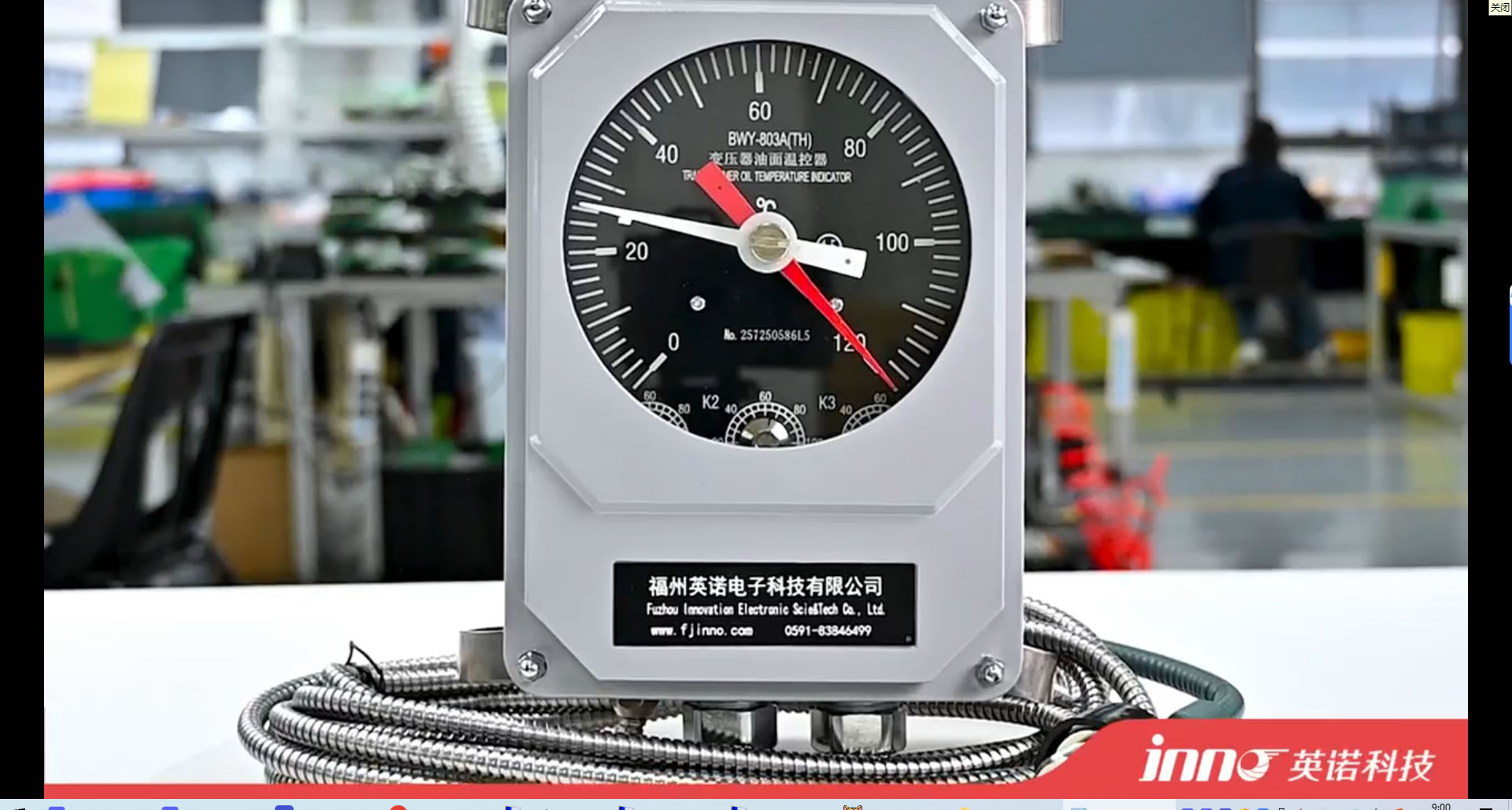
Penunjuk suhu minyak Gambaran Keseluruhan
Pengawal suhu penggulungan pengubah yang direndam minyak sensor suhu minyak
 E-mail: web@fjinno.net
WhatsApp: +8613599070393
WeChat(China): +8613599070393
- The oil temperature indicator (Selesai) is a specialized device designed to monitor, paparan, and often control the temperature of insulating oil in transformers, enjin, and various heavy-duty machinery.
- Dalam pengubah kuasa, the OTI serves as a critical safety and diagnostic tool, protecting the transformer from overheating by providing real-time temperature readings and activating alarms or trips if necessary.
- OTIs are also commonly found in automotive systems, where they track engine or transmission oil temperatures to ensure optimal lubrication and prevent mechanical failure.
- Modern oil temperature indicators may include analog dials, digital displays, or remote communication capabilities, depending on application requirements and integration needs.
- A high-quality OTI not only safeguards expensive equipment but also supports effective preventive maintenance, Pembalakan data, and operational decision-making.
Jadual Kandungan
- What is the Function of Oil Temperature Indicator?
- What Does Oil Temperature Indicate?
- What is AT Oil Temp Indicator?
- What is the Temperature Indicator in a Transformer?
- Transformer Oil Temperature Indicator
- Oil Temperature Indicator in Car
- Penunjuk Suhu Penggulungan
- Winding Temperature Indicator Working Principle
- Qualitrol Winding Temperature Gauge
- Qualitrol Winding Temperature Gauge Manual
- Winding Temperature Indicator in Transformer
- Qualitrol Temperature Gauge Wiring Diagram
- Installation and Calibration of Oil Temperature Indicators
- Maintenance and Troubleshooting of Oil Temperature Indicators
- Future Trends in Oil Temperature Measurement Technology
What is the Function of Oil Temperature Indicator?
- Pemantauan berterusan:
The oil temperature indicator’s primary function is to provide continuous, real-time monitoring of the oil temperature within critical equipment such as transformers or engines. By offering a direct reading of the oil’s thermal state, the OTI allows operators to assess whether the equipment is operating within its safe design limits. This monitoring is essential for both normal operation and during periods of increased load or stress, where oil temperature may rise rapidly. - Protection Mechanism:
The OTI often incorporates built-in switches or relays that are set to activate alarms or trip circuits when oil temperature exceeds predetermined thresholds. This protective feature is vital for preventing catastrophic equipment failure caused by overheating. Contohnya, dalam pengubah kuasa, the OTI can trigger cooling fans or even disconnect the transformer from the network if the oil temperature becomes dangerously high. - Data Source for Diagnostics:
Beyond immediate protection, the OTI serves as a valuable data source for maintenance teams and asset managers. Historical temperature data gathered from the indicator can reveal trends indicating insulation degradation, insufficient cooling, or abnormal loading patterns. This information supports condition-based maintenance and helps optimize asset life and performance. - Kecekapan operasi:
By ensuring that the equipment operates within optimal temperature ranges, oil temperature indicators contribute to energy efficiency and reduce the incidence of unscheduled outages. For industries where reliability is paramount, such as power generation and heavy industry, efficient OTI operation is a key factor in minimizing operational costs and maximizing uptime.
What Does Oil Temperature Indicate?
- Heat Dissipation Status:
Oil temperature is a direct indicator of how effectively heat generated within the equipment is being dissipated. Dalam transformer, sebagai contoh, the oil absorbs and transports heat away from the windings and core, mencegah kerosakan penebat. If the oil temperature is within the expected range, it suggests that the cooling system is functioning properly and that the transformer is not under excessive thermal stress. - Load Conditions:
Fluctuations in oil temperature often correlate with changes in electrical load. A sudden rise in temperature may indicate a period of heavy loading, while a gradual increase over time could signal issues such as increased losses, kesalahan dalaman, or declining cooling efficiency. By monitoring oil temperature, operators gain insight into the actual stress being placed on the equipment in real time. - Early Warning of Faults:
Bacaan suhu minyak yang tidak normal boleh berfungsi sebagai amaran awal tentang kerosakan dalaman atau anomali operasi. Sebagai contoh, lonjakan suhu yang cepat mungkin merupakan tanda pertama litar pintas, kecacatan penggulungan, atau aliran penyejuk terhalang. Pengesanan awal membolehkan pasukan penyenggaraan menyiasat dan menyelesaikan isu sebelum ia meningkat kepada kegagalan. - Penunjuk Kesihatan Peralatan:
Analisis jangka panjang arah aliran suhu minyak membantu menentukan keseluruhan kesihatan dan baki hayat peralatan. Suhu minyak yang tinggi secara konsisten mempercepatkan penuaan penebat dan boleh memendekkan jangka hayat peralatan. Oleh itu, menyemak data suhu secara kerap adalah bahagian penting dalam pengurusan aset dan kejuruteraan kebolehpercayaan.
What is AT Oil Temp Indicator?
- Pemantauan Transmisi Automotif:
The AT oil temp indicator is a specialized warning light or gauge found in vehicles equipped with automatic transmissions. “AT” stands for “Automatic Transmission.” Its primary function is to alert the driver when the transmission fluid temperature exceeds safe operational limits, which can occur during heavy towing, high-speed driving, or in hot weather conditions. - Significance for Vehicle Health:
Monitoring the temperature of automatic transmission oil is vital because excessive heat can degrade the fluid, leading to poor lubrication, increased wear, dan akhirnya, transmission failure. The AT oil temp indicator provides the driver with an early warning, allowing preventive action—such as stopping to let the transmission cool—before permanent damage occurs. - System Operation:
The AT oil temp indicator is connected to a temperature sensor placed within the transmission fluid circuit. When the sensor detects a temperature above the preset threshold, it signals the indicator on the dashboard to illuminate or display a warning message, ensuring immediate driver awareness. - Penyelenggaraan dan penyelesaian masalah:
Frequent AT oil temp warnings may indicate underlying issues such as low fluid levels, restricted fluid flow, or a failing transmission cooler. Routine checks of fluid condition and adherence to manufacturer service schedules are essential for long-term transmission reliability and performance.
What is the Temperature Indicator in a Transformer?
- Definition and Purpose:
The temperature indicator in a transformer is an instrument dedicated to displaying the temperature of critical components, most commonly the transformer oil and winding hot-spot. Penunjuk ini adalah asas untuk operasi pengubah, kerana ia membantu pengendali memantau prestasi terma dan kekal dalam margin keselamatan yang ditetapkan. - Jenis-jenis Penunjuk:
Biasanya terdapat dua jenis penunjuk suhu utama dalam transformer: penunjuk suhu minyak (Selesai) dan penunjuk suhu penggulungan (Wti). OTI secara langsung mengukur suhu minyak, manakala WTI sama ada mensimulasikan atau mengukur secara langsung suhu titik panas berliku. - Penggera dan Integrasi Perjalanan:
Kedua-dua jenis penunjuk biasanya dilengkapi dengan sesentuh elektrik untuk tujuan penggera dan perjalanan. Apabila suhu yang dipantau melebihi had yang telah ditetapkan, penunjuk boleh mengaktifkan sistem penyejukan, mencetuskan penggera, atau memulakan prosedur penutupan pengubah untuk mengelakkan kerosakan haba. - Penggunaan Data:
Maklumat yang diberikan oleh penunjuk suhu digunakan bukan sahaja untuk keputusan operasi segera tetapi juga untuk analisis kesihatan aset jangka panjang, trend, dan pelaporan peraturan. Penunjuk moden sering menyokong pemantauan jarak jauh melalui SCADA atau sistem pemerolehan data.
Transformer Oil Temperature Indicator
- Prinsip Operasi:
Penunjuk suhu minyak pengubah (Selesai) direka khusus untuk mengukur suhu minyak penebat pada titik terpanas, biasanya berhampiran bahagian atas tangki utama. Ia menggunakan mentol atau sensor yang direndam dalam minyak, yang boleh disambungkan melalui tiub kapilari ke tolok dail luaran atau, dalam model digital, kepada bacaan elektronik. Pengukuran langsung ini memastikan pantulan tepat keadaan terma pengubah, yang penting untuk operasi yang selamat. - Perlindungan dan Kawalan:
Kebanyakan OTI menggabungkan sesentuh elektrik yang boleh ditetapkan untuk mencetuskan penggera, mula menyejukkan kipas, atau memulakan perjalanan pengubah pada ambang suhu yang telah ditetapkan. Sentuhan ini memastikan pengubah beroperasi dalam had suhu yang selamat dan menyediakan garis pertahanan terhadap terlalu panas, yang sebaliknya boleh mengakibatkan kerosakan penebat atau kegagalan bencana. - Integrasi sistem:
OTI moden sering menampilkan port komunikasi untuk penyepaduan dengan SCADA atau sistem pemantauan jauh. Ini membolehkan penghantaran data masa nyata, pengurusan penggera berpusat, dan pengelogan lawatan suhu untuk analisis kemudian. Capaian jauh kepada data suhu minyak menyokong penyelenggaraan ramalan dan tindak balas pantas kepada isu yang muncul. - Penentukuran dan Penyelenggaraan:
Penentukuran tetap adalah penting untuk mengekalkan ketepatan OTI. Most manufacturers provide procedures for field or laboratory calibration, and some offer self-diagnostics in digital models. Maintenance includes checking sensor placement, ensuring capillary integrity, and verifying the function of alarm/trip contacts to prevent false readings or missed warnings.
Oil Temperature Indicator in Car
- Purpose and Placement:
In automotive applications, the oil temperature indicator is typically found on the dashboard and is responsible for displaying the temperature of the engine oil or, in some models, the transmission or differential oil. The indicator provides drivers with real-time information about the lubrication system’s health and the engine’s thermal load. - Teknologi sensor:
Automotive OTIs use temperature sensors—often thermistors or thermocouples—installed in the oil sump, transmission pan, or near the oil filter. These sensors convert the oil’s heat into electrical signals that are interpreted by the vehicle’s engine control unit (ECU) and displayed on the dashboard. - Significance for Reliability:
Monitoring oil temperature is crucial for vehicle reliability, especially during high-performance driving, towing, or in extreme climates. Elevated oil temperatures may indicate insufficient lubrication, impending engine damage, or cooling system failure. Prompt response to high readings can prevent engine seizures or excessive wear. - Ciri -ciri Lanjutan:
Some modern vehicles integrate oil temperature data into digital dashboards and onboard diagnostics (OBD), enabling customizable warnings and maintenance reminders. This integration supports proactive driving habits and prolongs engine life.
Penunjuk Suhu Penggulungan
- Role in Transformers:
Penunjuk suhu penggulungan (Wti) is a critical device in power transformers, used to display the estimated or directly measured temperature of the transformer winding hot-spot. This information is essential because winding insulation is the most vulnerable component to thermal aging and failure. - Measurement Techniques:
Traditional WTIs estimate winding temperature using a combination of top oil temperature and a simulated temperature rise based on transformer load current. Advanced WTIs, especially those using fiber optic sensors, provide direct, real-time hot-spot measurement, improving accuracy and enabling tighter protection settings. - Fungsi Penggera dan Perjalanan:
Like the OTI, the WTI is equipped with contacts for alarm and trip activation. These contacts are programmed to operate at temperatures just below the insulation’s maximum safe operating limit, ensuring that overload events or cooling failures are swiftly addressed. - Pengurusan Aset:
WTI data is vital for transformer health assessment, life expectancy modeling, and informing maintenance schedules. Consistently elevated winding temperatures may prompt load reduction, cooling system upgrades, or accelerated insulation testing.
Winding Temperature Indicator Working Principle
- Pengukuran Tidak Langsung:
The traditional WTI operates on the principle of simulating winding temperature by combining the measured top oil temperature with an additional heating element. This heater is powered proportionally to the transformer’s load current, mimicking the increase in winding temperature caused by electrical losses. The sum of the oil temperature and simulated rise is displayed as the hot-spot temperature. - Pengukuran langsung:
Advanced WTIs use fiber optic sensors embedded directly within the transformer windings. These sensors are immune to electromagnetic interference and provide a direct, real-time measurement of the actual hot-spot temperature. This method eliminates the estimation errors of indirect systems and enables more precise transformer protection. - Pemprosesan isyarat:
For both types, the temperature signal is processed and used to actuate alarm or trip contacts if the hot-spot exceeds programmed thresholds. The output may also be transmitted to remote monitoring systems for real-time supervision and archiving. - Kelebihan:
The working principles of both indirect and direct WTIs ensure that transformer operation remains within safe thermal limits, supporting longer asset life and reducing risk of insulation failure.
FJINNO Winding Temperature Gauge
- Brand Overview:
FJINNO is a leading manufacturer of transformer monitoring equipment, including winding temperature gauges. Their WTIs are widely used in the power industry for reliable, tepat, and robust temperature measurement and protection. - Ciri -ciri produk:
FJINNO WTIs are available in both analog and digital configurations. They offer direct or simulated hot-spot measurement, multiple alarm and trip contacts, and options for local and remote display. Some models support communication protocols for SCADA integration. - Installation and Compatibility:
FJINNO winding temperature gauges are designed for easy installation on a variety of transformer types and sizes. Their modular design allows for field upgrades, penentukuran, and integration with other Qualitrol monitoring solutions. - Penggunaan Industri:
Utilities and industrial operators worldwide rely on Qualitrol WTIs for transformer protection, perancangan penyelenggaraan, dan pematuhan peraturan, due to their proven performance and strong technical support.
FJINNO Winding Temperature Gauge Manual
- Purpose and Scope:
The FJINNO winding temperature gauge manual is an essential resource for engineers, Juruteknik, and maintenance staff responsible for installation, penentukuran, and operation of the gauge. It contains step-by-step instructions, safety guidelines, and troubleshooting tips. - Prosedur Pemasangan:
The manual details proper mounting of the gauge, wiring of alarm/trip contacts, and connection of sensor inputs. Special attention is given to routing of sensor cables, perlindungan alam sekitar, and avoidance of electromagnetic interference. - Calibration and Testing:
Comprehensive calibration procedures are provided to ensure that the gauge delivers accurate readings. The manual also explains how to test alarm and trip functions before placing the transformer into service. - Troubleshooting and Maintenance:
Users are guided through common troubleshooting scenarios, such as erratic readings or contact failures. Maintenance intervals, cleaning recommendations, and spare parts lists are included for long-term reliability.
Winding Temperature Indicator in Transformer
- Critical Monitoring Point:
Dalam pengubah kuasa, the winding temperature indicator is positioned as one of the most vital protective devices. It is specifically tasked with measuring or simulating the hottest spot within the winding, which is where insulation aging occurs most rapidly. By providing an accurate readout of this temperature, the WTI acts as a direct safeguard against thermal overstress and premature transformer failure. - Integration with Protection Systems:
The WTI is typically integrated with the transformer’s protection relay system. If the winding temperature exceeds the pre-set alarm or trip values, it triggers warnings, starts forced cooling, or even disconnects the transformer from service. This integration ensures that abnormal thermal conditions are immediately addressed, reducing the risk of major faults or fire. - Dual Role—Display and Data Source:
Besides its protective function, the WTI provides valuable operational data. Its display allows operators to monitor transformer loading and cooling effectiveness in real time. Sementara itu, modern WTIs with digital output can transmit temperature data to SCADA or asset management systems, supporting trend analysis and predictive maintenance strategies. - Calibration and Reliability:
Precise calibration is essential for WTI reliability. Manufacturers supply calibration procedures and recommend regular checks to ensure the indicator remains within specification. Proper maintenance of the indicator, sensor, and associated wiring is also crucial for long-term transformer safety.
FJINNO Temperature Gauge Wiring Diagram
- Basic Wiring Components:
The FJINNO temperature gauge wiring diagram details the connections between the sensor (often an RTD or thermistor), the gauge itself, and associated alarm or trip contacts. It illustrates how to link the sensor’s output to the gauge’s input terminals, ensuring accurate temperature measurement. - Alarm and Trip Connections:
The diagram also shows the wiring for the electrical contacts used to activate alarms or initiate protective trips. These contacts are typically connected to control relays, Sistem SCADA, or cooling fan starters. The correct configuration allows for staged responses as temperature thresholds are crossed. - Power Supply and Grounding:
Proper power supply wiring is critical for reliable operation. The diagram specifies voltage requirements, fuse ratings, dan titik pembumian untuk mengelakkan bunyi elektrik dan memastikan keselamatan. Pendawaian yang salah boleh menyebabkan penggera palsu, perjalanan yang terlepas, atau kegagalan tolok. - Amalan terbaik:
Manual mengesyorkan menggunakan kabel terlindung, sambungan selamat, dan saluran yang sesuai untuk semua pendawaian. Ia juga menekankan kepentingan mengesahkan integriti pendawaian semasa pemasangan dan sebagai sebahagian daripada penyelenggaraan rutin.
Installation and Calibration of Oil Temperature Indicators
- Penyediaan Tapak:
Sebelum pemasangan, lokasi pemasangan untuk penunjuk suhu minyak mesti dinilai untuk kebolehcapaian, getaran minimum, dan berdekatan dengan titik terpanas dalam minyak (biasanya bahagian atas tangki pengubah atau tangki enjin). Faktor persekitaran seperti kelembapan, habuk, dan medan elektromagnet perlu dipertimbangkan untuk melindungi penunjuk dan pendawaian. - Pemasangan Fizikal:
Mentol sensor atau probe direndam dengan teliti dalam minyak di lokasi yang ditetapkan. Untuk penunjuk berasaskan kapilari, the capillary tube is routed securely to the external dial or digital display, avoiding sharp bends and mechanical stress. For electronic sensors, wiring is run through protective conduit to the indicator module. - Pendawaian dan Sambungan:
Bekalan kuasa, sensor input, and alarm/trip outputs are all connected according to the manufacturer’s wiring diagram. All terminal connections are double-checked for tightness, Penebat, and correct polarity. Shielded cables are used when necessary to prevent electrical interference. - Prosedur penentukuran:
Calibration is performed using a reference temperature source, such as a calibrated thermometer or temperature bath. The indicator is adjusted to match the reference reading at several points across its range. For digital indicators, software calibration may be available. Calibration data is documented for quality assurance and future audits.
Maintenance and Troubleshooting of Oil Temperature Indicators
- Pemeriksaan rutin:
Pemeriksaan berkala adalah penting untuk memastikan prestasi OTI yang boleh dipercayai. Ini termasuk pemeriksaan visual untuk kerosakan fizikal, kebocoran minyak di pintu masuk sensor, dan integriti pendawaian atau tiub kapilari. Fungsi paparan dan penggera penunjuk juga disahkan dengan kerap. - Ujian fungsional:
Kenalan penggera dan perjalanan diuji dengan mensimulasikan suhu minyak yang tinggi, sama ada dengan pistol haba atau dengan melaraskan titik tetapan buat sementara waktu. Ini mengesahkan bahawa fungsi perlindungan akan beroperasi dengan betul semasa kecemasan. - Isu dan Penyelesaian Biasa:
Masalah biasa termasuk bacaan tidak menentu yang disebabkan oleh degradasi sensor, penggera palsu kerana kerosakan pendawaian, atau penunjuk tersangkut dalam tolok analog. Penyelesaian masalah melibatkan pengasingan komponen yang rosak—sensor, pendawaian, atau penunjuk—dan menggantikan atau menentukur semula mengikut keperluan. - Dokumentasi dan Penyimpanan Rekod:
All maintenance and calibration activities are logged, including test results and any parts replaced. This documentation supports compliance with operational standards and helps identify recurring issues for long-term improvement.
Future Trends in Oil Temperature Measurement Technology
- Digitalization and Connectivity:
The future of oil temperature indicators lies in digitalization, with increasing adoption of smart sensors and networked indicators. These devices support remote monitoring, automated data logging, and integration with advanced asset management systems. Operators can access real-time temperature data from anywhere, improving response times and operational transparency. - Teknologi penderiaan lanjutan:
Innovations such as fiber optic temperature sensing, pengukuran inframerah, and wireless sensor networks are enhancing accuracy and reliability. These technologies are especially valuable in high-voltage or high-EMI environments where traditional sensors may struggle. - Analisis ramalan:
The integration of temperature data with AI-based analytics enables predictive maintenance, pengesanan anomali, and remaining life estimation for transformers and engines. This shift allows operators to move from reactive to proactive maintenance strategies, mengurangkan kos dan meningkatkan kebolehpercayaan. - Enhanced User Experience:
Future indicators will feature more intuitive interfaces, customizable alarms, dan keupayaan diagnostik diri. Touchscreen displays, wireless alerts, and automated calibration routines will make temperature monitoring easier and more accurate for both field and remote personnel.

Penderia suhu gentian optik, Sistem pemantauan pintar, Pengeluar gentian optik yang diedarkan di China
 |
 |
 |