 Penderia suhu gentian optik INNO ,sistem pemantauan suhu.
Pengambilan Utama
- Dry-type transformers generate heat primarily through load losses, poor contact resistance, and inadequate cooling
- Temperature monitoring is critical for preventing failures and extending transformer lifespan
- Penderia PT100 dan teknologi gentian optik pendarfluor are the two most reliable temperature monitoring solutions
- Comprehensive monitoring systems integrate sensors, pemprosesan data, and alarm functions for complete protection
- Leading manufacturers offer advanced solutions with proven track records in transformer temperature management
📑 Table of Contents
- Why Dry-Type Transformers Generate Hotspots
- Common Temperature Faults in Dry-Type Transformers
- How to Monitor Hotspot Temperature in Dry-Type Transformers
- Dry-Type Transformer Temperature Monitoring Units
- Temperature Monitoring Devices
- Sistem Pemantauan Suhu
- Why Choose PT100 Temperature Sensors
- Why Choose Fluorescent Fiber Optic Sensors
- Standard Functions of Temperature Monitors
- Keupayaan Sistem Pemantauan
- Atas 10 Transformer Temperature Monitor Manufacturers
- Soalan Lazim
- Get Expert Consultation
1. Why Dry-Type Transformers Generate Hotspots
Dry-type transformers are susceptible to hotspot formation due to several operational and design factors. Understanding these causes is essential for implementing effective penyelesaian pemantauan suhu.
Primary Heat Generation Sources
Load losses represent the most significant source of heat in dry-type transformers. When electrical current flows through the windings, resistive heating occurs, converting electrical energy into thermal energy. This I²R loss intensifies during peak load conditions, creating localized temperature increases.
Poor contact resistance at connection points creates additional hotspots. When bolted connections, penukar paip, or bushing contacts develop high resistance due to oxidation, loosening, atau pencemaran, excessive heat generation occurs at these specific locations.
Environmental and Operational Factors
Inadequate cooling conditions prevent proper heat dissipation. Blocked ventilation paths, dust accumulation on winding surfaces, or insufficient ambient airflow all contribute to elevated operating temperatures and hotspot development.
Overload operation pushes transformers beyond their rated capacity, generating heat that exceeds the cooling system’s capability. Even brief overload periods can create damaging temperature spikes in critical areas.
Partial discharge and local short circuits produce concentrated heating in small areas. These electrical abnormalities create intense localized temperatures that may not be detected by average winding temperature measurements.
2. Common Temperature Faults in Dry-Type Transformers
Temperature-related failures in transformer jenis kering manifest in various forms, each presenting unique diagnostic challenges and operational risks.
Critical Temperature Thresholds
moden epoxy resin cast transformers typically feature Class F or Class H insulation systems. Class F insulation allows continuous operation at winding temperatures up to 155°C, with hotspot temperatures limited to 175°C. Class H systems permit 180°C continuous winding temperature and 200°C hotspot temperature.
3. How to Monitor Hotspot Temperature in Dry-Type Transformers
Berkesan pemantauan suhu requires strategic sensor placement and appropriate technology selection based on transformer design and operating conditions.
Pengukuran Suhu Terus
Embedded sensors provide the most accurate hotspot temperature data. Semasa pembuatan, temperature sensors are embedded directly into the low-voltage and high-voltage windings at predicted hotspot locations. This method captures actual winding temperatures rather than estimated values.
Indirect Temperature Assessment
Winding resistance measurement allows temperature calculation based on resistance-temperature relationships. While less direct, this method provides average winding temperature without requiring embedded sensors.
Pengimejan terma using infrared cameras enables non-contact temperature surveys of accessible transformer surfaces. Namun begitu, this method cannot detect internal hotspots and requires periodic manual inspection.
Teknologi Pemantauan Lanjutan
Fiber optic distributed temperature sensing systems provide continuous temperature profiles along optical fibers installed within transformer windings. This technology offers comprehensive spatial temperature mapping superior to point sensors.
4. Dry-Type Transformer Temperature Monitoring Units
A lengkap temperature monitoring unit comprises several integrated components working together to provide reliable temperature measurement and protection.
Komponen Teras
Temperature sensor elements form the foundation of any monitoring unit. These may include PT100 RTD sensors, termokopel, atau probe gentian optik pendarfluor depending on application requirements and environmental conditions.
Signal conditioning modules convert raw sensor signals into standardized electrical outputs suitable for processing. For PT100 sensors, these modules provide precise current excitation and measure resulting voltage drops with high accuracy.
Data processing units digitize analog signals, apply calibration corrections, perform alarm threshold comparisons, and manage communication protocols. Modern units incorporate microprocessor-based controllers with advanced diagnostic capabilities.
Display interfaces present temperature data in user-friendly formats. Local displays provide immediate visual indication, while digital interfaces enable integration with sistem SCADA and remote monitoring platforms.
Modul komunikasi facilitate data transmission using standard industrial protocols including Modbus RTU, Modbus TCP, PROFIBUS, atau IEC 61850. This connectivity enables centralized monitoring of multiple transformers.
5. Temperature Monitoring Devices
Various peranti pemantauan configurations serve different transformer applications and installation requirements.
Kriteria Pemilihan
Device selection depends on transformer criticality, kekangan pemasangan, dan objektif pemantauan. Critical utility transformers typically justify comprehensive sistem pemantauan dalam talian, while smaller distribution transformers may utilize simpler periodic inspection methods.
6. Sistem Pemantauan Suhu
Bersepadu sistem pemantauan provide comprehensive temperature management across single transformers or entire substations.
System Architectures
Single-point monitoring systems track temperature at one critical location, typically the hottest winding spot. These simple systems provide essential overheating protection at minimal cost.
Sistem pemantauan berbilang titik measure temperature at several locations within the transformer, capturing temperature distribution patterns and identifying localized hotspots that single-point systems might miss.
Distributed monitoring systems employ multiple transformers within a facility sharing common monitoring infrastructure. Centralized data collection reduces overall system cost while maintaining comprehensive protection.
Platform pemantauan berpusat aggregate data from numerous substations into unified control centers. These enterprise-level systems enable comparative analysis, fleet-wide performance optimization, and coordinated maintenance planning.
Cloud-based monitoring systems leverage internet connectivity to provide anywhere-access to transformer temperature data. Cloud platforms offer virtually unlimited data storage, analisis lanjutan, and mobile device compatibility.
7. Why Choose PT100 Temperature Sensors
Pengesan suhu rintangan PT100 (RTD) have become the industry standard for transformer temperature monitoring due to their exceptional performance characteristics.
🏆 Recommended Product: PT100 Temperature Monitoring System
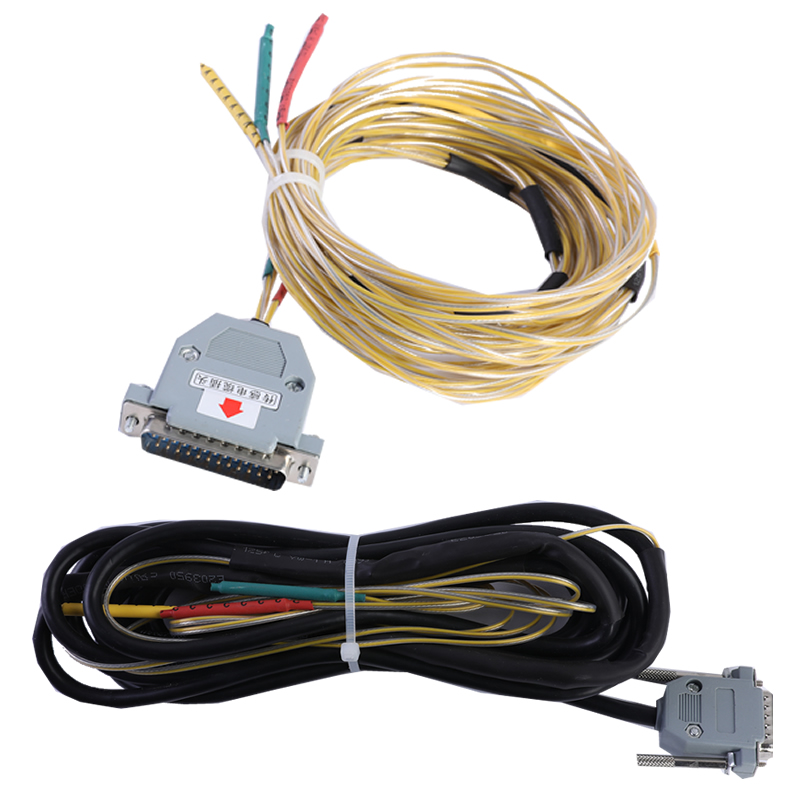
Spesifikasi Teknikal
Kelebihan Teknikal
Ketepatan pengukuran represents the PT100’s primary strength. Standard Class B PT100 sensors achieve ±0.3°C accuracy at 0°C, while Class A sensors reach ±0.15°C. This precision enables early detection of abnormal temperature trends before serious damage occurs.
Kestabilan jangka panjang ensures measurement reliability over decades of service. Unlike thermocouples that drift over time, properly installed PT100 sensors maintain calibration accuracy throughout transformer operational life.
Julat suhu yang luas from -200°C to +850°C accommodates all transformer operating conditions. This range exceeds typical transformer requirements, providing measurement headroom for fault conditions.
Faedah Operasi
Kebolehtukaran allows sensor replacement without system recalibration. Standardized resistance-temperature characteristics mean any quality PT100 sensor can replace another without affecting measurement accuracy.
Linear output characteristics simplify signal processing and calibration procedures. The near-linear resistance change with temperature reduces computational complexity in monitoring devices.
8. Why Choose Fluorescent Fiber Optic Sensors
Penderia suhu gentian optik pendarfluor offer unique advantages in high-voltage transformer applications where electromagnetic interference poses challenges for conventional sensors.
🏆 Recommended Product: Penderia Suhu Gentian Optik Pendarfluor

Spesifikasi Teknikal
Gambaran Keseluruhan Teknologi
Fluorescent fiber optic sensors operate on the principle that certain materials exhibit temperature-dependent fluorescent decay characteristics. When excited by optical pulses, the fluorescent probe’s emission decay time varies predictably with temperature, membolehkan pengukuran yang tepat.
Critical Advantages in Transformer Applications
Kekebalan elektromagnet provides the most compelling reason for fiber optic sensor selection. The all-dielectric optical fiber construction remains completely unaffected by the intense electromagnetic fields surrounding transformer windings. This immunity eliminates measurement errors and false alarms caused by electrical interference.
Penebat voltan tinggi capability allows sensor installation directly on high-voltage windings without insulation concerns. Unlike metallic sensors requiring extensive insulation barriers, optical fibers safely traverse high voltage gradients.
Keselamatan intrinsik characteristics prevent ignition risks in fault conditions. Optical fibers carry no electrical current and generate no sparks, making them inherently safe even during insulation failures.
9. Standard Functions of Temperature Monitors
moden transformer temperature monitors incorporate comprehensive functionality beyond basic temperature measurement.
Core Monitoring Functions
Real-time temperature display provides immediate visual indication of current operating conditions. Digital displays show temperatures from all monitored points simultaneously, enabling quick assessment of transformer thermal state.
Continuous data logging records temperature histories at configurable intervals. This historical data enables trend analysis, predictive maintenance planning, and post-fault investigation.
Multi-level alarm management implements graduated warning and trip thresholds. Typical configurations include pre-alarm warnings at elevated temperatures, high-temperature alarms requiring operator attention, and critical trip levels initiating automatic disconnection.
Advanced Diagnostic Features
Rate-of-rise detection identifies abnormally rapid temperature increases indicating developing faults. This feature provides early warning of conditions that might not yet exceed absolute temperature thresholds.
Sensor health monitoring validates sensor integrity through continuous diagnostics. The system detects sensor failures, wiring faults, and out-of-range conditions, distinguishing actual temperature problems from measurement system failures.
Configurable parameters allow customization of alarm setpoints, display formats, communication settings, and data logging intervals to match specific application requirements.
10. Keupayaan Sistem Pemantauan
Komprehensif sistem pemantauan suhu extend beyond individual monitor functions to provide enterprise-level transformer management.
Data Acquisition and Management
Multi-channel temperature acquisition simultaneously monitors numerous measurement points across multiple transformers. Modern systems handle 32, 64, or more temperature channels with synchronized sampling.
Database management stores temperature histories, peristiwa penggera, and system configuration data in structured databases supporting complex queries and long-term retention.
Analysis and Prediction
Trend analysis algorithms identify gradual performance degradation patterns indicating developing problems. Statistical analysis of temperature patterns reveals abnormal behavior before failures occur.
Analisis ramalan estimate remaining insulation life based on thermal history. These calculations support condition-based maintenance scheduling, optimizing transformer utilization while managing risk.
Integration and Control
Keupayaan pemantauan jarak jauh membolehkan 24/7 oversight from centralized control rooms or mobile devices. Web-based interfaces provide secure access to real-time data and historical trends from anywhere with internet connectivity.
Automated control actions respond to temperature conditions without human intervention. Systems can automatically start cooling fans, shed load, or trip circuit breakers based on programmed logic.
Report generation produces scheduled summaries, exception reports, and compliance documentation. Automated reporting ensures consistent documentation and regulatory compliance.
11. Atas 10 Transformer Temperature Monitor Manufacturers
Selecting the right manufacturer ensures reliable temperature monitoring equipment backed by proven technology and responsive support.
🏅 Ranking Methodology
This ranking considers product range, technology innovation, pangkalan yang dipasang, sokongan pelanggan, and market presence in the transformer monitoring sector.
🥇
#1: Sains Elektronik Inovasi Fuzhou&Tech Co., Ltd.

🥈
#2: Fuzhou Huaguang Tianrui Photoelectric Technology Co., Ltd.

🥉
#3: ABB Ltd.
#4: Siemens AG
#5: Schneider Electric SE
#6: General Electric Company (PRU)
#7: Syarikat Qualitrol LLC
#8: WEIDMANN Group
#9: Camlin Group (Powertech Labs)
#10: MESSKO (Arteche Group)
12. Soalan Lazim
❓ What is the normal operating temperature for dry-type transformers?
Dry-type transformers with Class F insulation typically operate at average winding temperatures of 100-130°C under rated load, with hotspot temperatures reaching 155-175°C. Class H insulation systems allow higher temperatures, with average winding temperatures up to 150°C and hotspots to 200°C. Ambient temperature significantly affects these values—standard ratings assume 40°C maximum ambient temperature.
❓ Where should temperature monitoring sensors be installed?
Optimal sensor placement targets predicted hotspot locations, typically in the top center of low-voltage windings where heat concentration is highest. For comprehensive monitoring, install sensors in both low-voltage and high-voltage windings at multiple heights. Additional sensors near cooling air inlets and outlets help assess cooling system performance. Manufacturer thermal analysis studies identify ideal sensor positions during design.
❓ Which is better: PT100 or fluorescent fiber optic sensors?
Both technologies offer distinct advantages for different applications. Penderia PT100 memberikan ketepatan yang unggul (±0.15-0.3°C) at lower cost and are ideal for medium-voltage transformers with moderate electromagnetic fields. Penderia gentian optik pendarfluor excel in high-voltage applications where electromagnetic immunity is critical, despite slightly lower accuracy (±1°C). Many installations use both technologies—PT100 for precision measurement in accessible locations and fiber optic sensors for high-voltage windings.
❓ How often should temperature monitoring systems be maintained?
Annual calibration verification ensures continued measurement accuracy. Visual inspections every six months check for physical damage, secure connections, and proper display function. Sensor replacement typically occurs every 10-15 years for PT100 sensors and 15-20 years for fiber optic systems, though actual lifespan depends on operating conditions. Monitor firmware updates annually to access improved features and security patches.
❓ What actions should be taken when temperature alarms occur?
Pre-alarm conditions warrant increased monitoring frequency and investigation of loading patterns. High-temperature alarms require immediate load reduction if possible and inspection for blocked cooling paths or fan failures. Critical trip-level temperatures demand immediate transformer de-energization to prevent catastrophic failure. Document all alarm events with timestamp, temperature readings, and operating conditions for trend analysis.
❓ What is the expected lifespan of temperature monitoring systems?
Penderia PT100 installed in stable environments routinely achieve 20+ year service lives matching transformer lifespan. Electronic monitoring units typically require replacement every 10-15 years as components age and technology advances. Sistem gentian optik demonstrate exceptional longevity, with sensors lasting 25+ years due to minimal aging mechanisms in optical materials. Regular maintenance and timely component replacement maximize system reliability.
❓ How do I select the appropriate temperature monitoring solution?
Solution selection depends on transformer voltage class, kritikal, persekitaran pemasangan, dan bajet. High-voltage transformers (>35kV) benefit from pemantauan gentian optik due to superior insulation and EMI immunity. Medium-voltage distribution transformers (≤35kV) achieve excellent results with cost-effective PT100 systems. Critical transformers supporting essential services justify comprehensive multi-point monitoring with redundant sensors and advanced analytics. Consult manufacturers for application-specific recommendations based on your exact requirements.
❓ What installation considerations are important for monitoring systems?
Sensor installation during manufacturing ensures optimal placement and protection. Retrofit installations require careful routing to avoid damaging existing insulation. Maintain proper separation between sensor wiring and high-voltage components—minimum 25mm clearance for PT100 wiring in medium-voltage transformers. Use shielded cables for PT100 sensors to minimize electrical noise pickup. Ensure monitoring unit installation location provides adequate ventilation and protection from environmental contaminants. Follow manufacturer specifications precisely to maintain warranty coverage and ensure reliable operation.
13. Get Expert Consultation and Solutions
🎯 Ready to Protect Your Transformers?
Selecting and implementing the optimal sistem pemantauan suhu for your dry-type transformers requires careful consideration of technical requirements, application conditions, and long-term operational objectives.
Our Technical Team Provides Comprehensive Support:
- Application-specific sensor technology recommendations
- Custom monitoring system design
- Detailed product specifications and competitive pricing
- Complete technical documentation and implementation guides
- Professional installation support and hands-on training
📞 Contact Us Today
E-mel: web@fjinno.net
Telefon/WhatsApp: +86 13599070393
WeChat/QQ: +86 13599070393 / 3408968340
Receive expert guidance on the most effective solution for your application within 24 jam!
⚠️ Important Disclaimer
The information provided in this article is for general informational purposes only. While we strive to ensure accuracy and currency of all technical content, transformer monitoring requirements vary significantly based on specific application conditions, peraturan tempatan, dan spesifikasi pengeluar. Spesifikasi produk, company information, and contact details are subject to change without notice. Always consult with qualified electrical engineers, follow applicable safety standards and codes, and verify current product specifications directly with manufacturers before making equipment selection or installation decisions. Implementation of temperature monitoring systems should comply with all relevant electrical codes, safety regulations, and manufacturer installation guidelines. We assume no liability for decisions made based solely on information presented in this article.

Sensor suhu gentian optik, Sistem pemantauan pintar, Pengeluar gentian optik yang diedarkan di China
 |
 |
 |