 INNO 광섬유 온도 센서 ,온도 모니터링 시스템.
핵심 장점 변압기 광섬유 온도 모니터링 시스템
- 전자기 간섭에 대한 완벽한 내성: 형광등 광섬유 센서 금속이나 전자 부품이 없는 순수한 광 신호 전송을 사용합니다., 110kV~500kV 초고압 변압기 전자파 환경에서 안정적인 동작 가능, 번개의 영향을 받지 않음, 스위칭 작업, 또는 단락 전류 과도 현상.
- 직접 핫스팟 온도 측정: 광섬유 프로브 직경이 1~3mm에 불과한 제품은 오일로 채워진 변압기 권선 층 사이 또는 건식 변압기 코일 내부에 직접 내장될 수 있습니다., 계산된 추정치가 아닌 실제 핫스팟 온도 측정, 측정 정확도는 ±1°C이고 응답 시간은 1 두번째.
- 유지보수가 필요 없는 서비스 수명 연장: 형광성 광섬유 온도 센서 수동적이다, 드리프트 프리, 노화 방지, 이상 변압기 오일에서 연속 작동 가능 30 몇 년 동안 교정이나 교체 없이, with fiber transmission distances of 0-80 meters perfectly matching the wiring distance from transformer body to control room.
- Multi-Point Monitoring with Single System: 싱글 광섬유 온도 측정 시스템 can simultaneously connect 1-64 channels of fluorescent fiber optic sensors, monitoring all critical locations including three-phase winding hot spots, 최고 오일 온도, 바닥 오일 온도, and core temperature for comprehensive transformer temperature surveillance.
- Wide Temperature Range for All Transformer Types: 형광성 광섬유 온도 측정 ranges from -40°C to +260°C, suitable for monitoring oil-filled transformer normal operating temperatures (-25°C to +105°C), dry-type transformer high-temperature conditions (up to 180°C), and even extreme temperatures during overload and fault conditions.
- Prevention of Insulation Aging and Thermal Breakdown: 실시간 모니터링을 통해 권선 온도가 절연재 온도 제한을 초과하기 전에 시스템이 경보를 발동할 수 있습니다. (오일 충전 98-110°C, 건식 155-180°C). 몽징어의 6도 법칙에 따르면, 온도를 6°C 낮추면 절연 수명이 2배 늘어납니다., 변압기 수명 연장 20 이상으로 40 연령.
- 다단계 경보 및 지능형 연동 제어: 이 시스템은 온도 사전 경고를 포함한 3단계 보호 기능을 제공합니다., 고온 경보, 과열 트립, 냉각 팬/오일 펌프 자동 시작/중지, 전압을 줄이기 위해 탭 체인저를 전환, 무인 변전소 자동화를 위해 SCADA 시스템에 원격 경보 신호를 전송합니다..
- 전력 및 산업 부문에 걸친 광범위한 응용 분야: 변압기 모니터링 그 이상, 동일한 기술 플랫폼이 스위치기어 접촉 온도 측정에도 적용됩니다., 전원 케이블 조인트 모니터링, generator stator temperature measurement, 의료 MRI 장비, high-temperature industrial furnaces, and other scenarios requiring electromagnetic interference immunity or insulated temperature measurement.
목차
- What is a Transformer Fiber Optic Temperature Monitoring System?
- Why is Transformer Winding Hot Spot Temperature Monitoring Critical?
- What Are the Fundamental Differences Between Fiber Optic Temperature Sensors and Traditional PT100/Thermocouples?
- How Do Temperature Monitoring Requirements Differ Between Oil-Filled and Dry-Type Transformers?
- 형광등, FBG, and GaAs Fiber Optic Temperature Measurement Technologies Compared: Why Fluorescent is Best for Transformers
- 형광 광섬유 온도 센서는 어떻게 작동합니까??
- Why Does Fluorescent Fiber Optic Temperature Measurement Achieve Complete EMI Immunity?
- What is a Transformer Winding Hot Spot? Where is it Located and Why is it Dangerous?
- 변압기 권선 핫스팟에 광섬유 온도 프로브를 설치하는 방법?
- 분산 온도 감지의 차이점은 무엇입니까 (DTS) 및 점형광 광섬유 온도 센서?
- 오일 충전 변압기 광섬유 모니터링 시스템의 일반적인 구성은 무엇입니까?
- 건식 변압기 광섬유 온도 측정 시스템의 설치 솔루션은 무엇입니까?
- 변압기 오일의 역할은 무엇이며 온도가 절연 및 냉각 성능에 어떤 영향을 미칩니까??
- 광섬유 모니터링 시스템은 변압기 냉각 시스템 및 부하 탭 절환기와 어떻게 연동됩니까??
- 시스템은 변압기에 대한 다단계 온도 경보 및 트립 보호를 어떻게 구현합니까??
- 맨 위 10 글로벌 변압기 광섬유 온도 센서 제조업체
- FJINNO가 변압기 광섬유 온도 모니터링 시스템을 위한 최고의 선택으로 간주되는 이유?
- How to Select Appropriate Optical Temperature Sensor Systems for Different Transformer Capacities and Voltage Levels?
- What Are the Hazards of Transformer Overload Operation and How Does Fiber Optic Temperature Measurement Provide Protection?
- What Are the Main Causes of Abnormal Transformer Temperature Rise and Hot Spot Temperature Exceedance?
- How to Identify Internal Transformer Fault Types Through Fiber Optic Thermometer Temperature Curves?
- What Are the Rated Temperature Rise and Allowable Temperatures for Transformers According to International Standards?
- Which International Standards (IEC/IEEE) Must Transformer Fiber Optic Temperature Monitoring Systems Comply With?
- What is the Integration Solution for Optical Temperature Sensors in Smart Substations?
- 맞춤형 변압기 광섬유 온도 모니터링 솔루션 및 대량 조달 견적을 얻는 방법?
1. 은 무엇입니까? 변압기 광섬유 온도 모니터링 시스템?
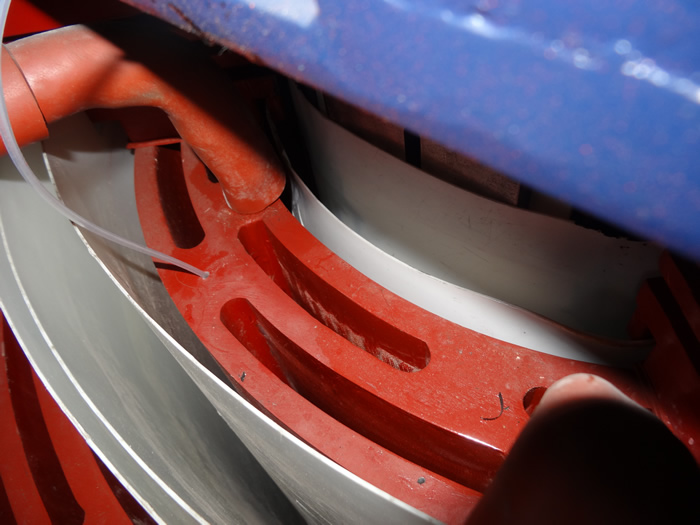
에이 변압기 광섬유 온도 모니터링 시스템 전력 변압기용으로 설계된 특수 실시간 온도 감시 장치입니다., 사용하여 광섬유 온도 센서 중요한 변압기 위치의 온도를 직접 측정하고 데이터 수집을 수행합니다., 분석, 광섬유 온도 측정 호스트를 통한 경보.
시스템의 핵심은 형광성 광섬유 온도 센서, 희토류 물질 형광 수명 원리를 기반으로 한 포인트형 온도 측정 기술. 전통적인 저항이나 열전대 온도계와는 달리, 광섬유 온도계 전원 공급이 필요하지 않은 순수 광신호 전송을 활용합니다., 고전압에서도 안정적인 동작 가능, 강한 전자기장 환경.
For oil-filled transformers, the system monitors critical temperature points including three-phase winding hot spots, 최고 오일 온도, 그리고 바닥 오일 온도. 건식 변압기의 경우, it focuses on three-phase winding temperature distribution (일반적으로 2-3 measurement points per phase).
현대의 광섬유 온도 측정 시스템 not only provide real-time temperature display but also feature historical data recording, temperature trend analysis, over-temperature alarming, remote communication (Modbus/IEC 61850), making them fundamental tools for transformer condition monitoring and asset health management.
Five Critical Functions of Transformer Winding Hot Spot Temperature Monitoring:
Preventing Insulation Thermal Breakdown
When winding hot spot temperatures exceed insulation paper or epoxy resin temperature limits (typically 98-110°C for oil-filled, 155-180°C for dry-type), insulation strength drops sharply. 광섬유 모니터링 can trigger alarms or load reduction commands before temperatures reach dangerous thresholds.
Extending Transformer Service Life
According to the Arrhenius equation, insulation material aging rate increases exponentially with temperature. The Montsinger 6-degree rule states that insulation lifespan doubles for every 6°C temperature reduction. 정밀한 광섬유 온도 측정 maintaining winding temperatures within optimal ranges can extend transformer life from 20 years to over 40 연령.
Enabling Dynamic Load Management
Traditional transformers operate at fixed rated capacity. With real-time hot spot monitoring through 광학 온도 센서, operators can safely increase loads during cool seasons or low-load periods while reducing loads during summer peaks or high ambient temperatures, optimizing asset utilization without compromising safety.
Early Fault Detection and Diagnosis
Abnormal temperature rise patterns can reveal internal faults: sudden single-phase temperature rise may indicate winding short circuits, three-phase unbalanced temperature rise suggests core lamination short circuits, and gradual overall temperature rise indicates cooling system failure. 광섬유 온도 센서 제공하다 24/7 data for predictive maintenance.
Meeting Smart Grid and Regulatory Requirements
IEC 60076-7 and IEEE C57.91 standards recommend installing 광섬유 온도 모니터링 systems on transformers above 10MVA. Modern smart substations require transformers to upload real-time temperature data to SCADA/EMS systems, ~와 함께 fiber optic measurement systems seamlessly integrating through IEC 61850 프로토콜.
2. Why is Transformer Winding Hot Spot Temperature Monitoring Critical?
Transformer winding hot spot temperature is the highest temperature point within the entire transformer, typically located at the innermost turns of the high-voltage winding or areas with concentrated stray losses. 이 단일 지점의 온도는 변압기 절연 수명과 작동 안전을 직접적으로 결정합니다..
간접적으로 측정하거나 계산할 수 있는 탑 오일 온도나 평균 와인딩 온도와는 달리, 핫스팟 온도는 직접 측정을 통해서만 정확하게 얻을 수 있습니다. 광섬유 온도 센서. 전통적인 권선 온도 표시기 (WTI) 계산된 기울기를 최고 오일 온도에 추가하여 핫스팟 온도를 추정합니다., 오류가 10~20°C에 도달할 가능성이 있음, 정밀한 열 관리에 적합하지 않습니다..
핫스팟 온도가 최고 오일 온도보다 더 중요한 이유:
절연 실패의 국지적 성격
변압기 절연 불량은 항상 국지적인 현상입니다.. 설사 99% 권선의 온도는 정상 온도를 유지합니다, 한도를 초과하는 단일 핫스팟으로 인해 절연 파괴가 발생할 수 있습니다., 단락, 그리고 치명적인 실패. Top oil temperature reflects only average heat generation and cannot reveal localized overheating.
Non-Linear Insulation Aging Process
Cellulose insulation paper aging follows exponential laws. 110°C에서, lifespan is approximately 20 연령; at 120°C, it drops to 5 연령; at 140°C, 오직 6 months remain. A 10°C hot spot temperature difference can mean a 4-fold lifespan variance, making precise 광섬유 온도 측정 economically crucial.
Rapid Thermal Runaway Characteristics
When hot spot temperatures exceed critical points, insulation resistance drops, increasing leakage current, 더 많은 열을 발생, and creating positive feedback leading to thermal runaway. This process can accelerate from normal to failure within hours. Only real-time 광섬유 모니터링 with sub-second response can provide timely warnings.
Load Capacity Determination Basis
According to IEEE C57.91 standard, 변압기 허용 과부하 용량은 최고 오일이나 주변 온도가 아닌 핫스팟 온도에 따라 결정됩니다.. 직접 핫스팟 측정 없이 광학 온도 센서, 운영자는 보수적인 마진을 적용해야 합니다., 변압기 용량 낭비.
다양한 변압기 유형에 대한 다양한 온도 제한
오일로 채워진 변압기 핫스팟은 98°C를 초과해서는 안 됩니다. (정상) 또는 110°C (비상), 건식 변압기는 절연 등급에 따라 130~180°C를 허용합니다.. 직접 측정하지 않고 광섬유 온도 센서, 이러한 제한 사항을 준수하는지 확인하는 것은 불가능합니다..
3. 근본적인 차이점은 무엇입니까 광섬유 온도 센서 및 기존 PT100/열전대?

기존 전기 온도 센서 (PT100 백금 저항, K형 열전대) 현대적이다 광섬유 온도 센서 근본적으로 다른 측정 원리를 나타냅니다., 특히 변압기 응용 분야에서 성능 차이가 두드러집니다..
| 비교 매개변수 | 형광성 광섬유 온도 센서 | PT100 Platinum Resistance | K-Type Thermocouple |
|---|---|---|---|
| 작동 원리 | Rare earth fluorescence lifetime temperature dependence | Platinum resistance temperature coefficient | Seebeck thermoelectric effect |
| Signal Transmission | Optical signal (completely non-conductive) | Electrical signal (4-20mA/resistance) | Electrical signal (millivolt level) |
| EMI 내성 | 완전한 면역 (no metal components) | Severely affected (차폐가 필요합니다) | Severely affected (magnetic field interference) |
| 고전압 절연 | Inherent insulation (optical fiber is insulator) | Requires complex insulation structure | Requires complex insulation structure |
| 측정 정확도 | ±1°C (0.5°C high precision) | ±0.15°C (클래스 A) | ±1.5°C (수업 1) |
| 응답 시간 | <1 두번째 | 5-30 초 (depending on structure) | 1-10 초 |
| 온도 범위 | -40°C ~ +260°C | -200°C ~ +850°C | -270°C to +1372°C |
| 장기적인 안정성 | 드리프트 없음 (optical principle) | Annual drift ±0.05°C | Annual drift ±1-2°C |
| Service Life in Transformer Oil | 30+ 연령 | 10-15 연령 (seal aging) | 5-10 연령 (junction corrosion) |
| Lightning Strike Resistance | Absolute protection (비전도성) | Easily damaged (requires surge protector) | Easily damaged (requires surge protector) |
| Installation in High Voltage Winding | Direct installation (1-3mm probe) | Cannot install (insulation impossible) | Cannot install (insulation impossible) |
| 유지 보수 요구 사항 | 유지보수 제로 | 정기적인 교정 필요 | Frequent calibration required |
Why PT100/Thermocouples Cannot Be Used for Transformer Winding Hot Spot Measurement:
Insulation Breakdown Risk
PT100 and thermocouples are metallic electrical sensors requiring electrical signal transmission lines. In 110kV transformer windings, these metal conductors would create insulation weak points, potentially causing flashover or breakdown under normal operating voltages.
EMI-Induced Measurement Errors
Transformer internal magnetic flux density can reach 1.5-1.8T, with leakage magnetic fields inducing voltages of several volts in sensor lead wires. This electromagnetic noise completely overwhelms millivolt-level thermocouple signals or micro-ampere PT100 signals, rendering measurements meaningless.
Lightning and Switching Surge Hazards
Transformer lightning strikes or circuit breaker operations can generate kilovolt-level transient voltages that would instantly destroy electrical sensors connected to control rooms. 광섬유 센서 are completely immune due to non-conductive optical fibers.
Ground Loop Issues
Electrical sensors inevitably create ground loops between transformer body and control room, introducing common-mode interference during fault conditions and potentially damaging secondary equipment. 광섬유 온도 측정 provides complete galvanic isolation.
4. How Do Temperature Monitoring Requirements Differ Between Oil-Filled and 건식 변압기?
Oil-filled transformers and dry-type transformers employ fundamentally different insulation and cooling methods, resulting in distinct temperature monitoring requirements and 광섬유 센서 deployment strategies.
Oil-Filled Transformer Temperature Monitoring Characteristics:
Dual Medium Temperature Monitoring
오일 충전 변압기에는 고체 절연체의 동시 모니터링이 필요합니다. (구불구불한 핫스팟) 그리고 액체 단열재 (변압기 오일) 온도. 광섬유 온도 센서 열 균형을 평가하려면 권선 구리 도체 온도와 주변 오일 온도를 모두 측정해야 합니다..
오일 온도 변화 고려사항
자연대류로 인해, 변압기 오일은 상당한 수직 온도 구배를 나타냅니다. (10~30°C의 상하 차이). 완전한 모니터링에는 최고 오일 온도 측정이 필요합니다., 바닥 오일 온도, 및 중간 오일 온도. 광섬유 모니터링 시스템 일반적으로 배포 6-12 변압기당 센서.
핫스팟 요소 검증
기존 권선 온도 표시기는 경험적 핫스팟 요인을 사용하여 핫스팟 온도를 추정합니다. (일반적으로 1.1-1.3). 광섬유 온도 측정 각 특정 변압기에 대해 이러한 요소를 직접 측정 검증할 수 있습니다., 열 모델 최적화.
오일 순환 모니터링
강제 오일 순환 변압기용 (OFAF/OFWF), monitoring oil inlet/outlet temperature differences verifies cooling system effectiveness. 광학 온도 센서 at these locations help detect pump failures or heat exchanger blockages.
Dry-Type Transformer Temperature Monitoring Characteristics:
Direct Winding Exposure Environment
Dry-type transformer windings directly contact air without oil insulation, creating more severe localized hot spots. 광섬유 온도 센서 must be embedded between winding layers to measure true conductor temperatures rather than surface temperatures.
Three-Phase Unbalance Sensitivity
Dry-type transformers are more sensitive to load imbalances than oil-filled types, requiring independent temperature monitoring for each phase. 일반적인 구성에는 다음이 포함됩니다. 2-3 광섬유 센서 위상당 (top/middle/bottom positions) totaling 6-9 측정 포인트.
Higher Allowable Operating Temperatures
Dry-type transformer insulation classes include F-class (155℃), H-class (180℃), and C-class (>220℃), significantly higher than oil-filled transformers’ 105°C limits. 형광성 광섬유 센서 with -40°C to +260°C ranges accommodate all insulation classes.
환경 온도 영향
Dry-type transformers rely on ambient air cooling, making performance highly dependent on environmental conditions. 광섬유 모니터링 시스템 should include ambient temperature sensors to calculate temperature rise and implement environmental compensation algorithms.
Ventilation System Interlocking
Dry-type transformers often use forced air cooling fans. 광섬유 온도 측정 시스템 should interlock with fan control systems, automatically activating fans when temperatures reach thresholds and alarming if temperatures continue rising despite fan operation (indicating ventilation failure).
5. 형광등, FBG, and GaAs Fiber Optic Temperature Measurement Technologies Compared: Why Fluorescent is Best for Transformers
Three mainstream 광섬유 온도 측정 technologies exist: 형광 기반, 섬유 브래그 격자 (FBG), 및 갈륨비소 (GaAs) semiconductor absorption. While all utilize optical principles, their performance in transformer applications differs significantly.
| 기술적인 매개변수 | 형광 광섬유 센서 | FBG Fiber Bragg Grating | GaAs Gallium Arsenide |
|---|---|---|---|
| 측정원리 | 희토류 형광 붕괴 시간 대. 온도 | 브래그 파장 이동 대. 온도/스트레인 | GaAs 밴드갭 흡수 엣지 대. 온도 |
| 측정 유형 | 포인트 측정 (센서당 단일 포인트) | 준분산 (단일 광섬유의 다중 격자) | 포인트 측정 (센서당 단일 포인트) |
| 온도 정확도 | ±1°C (±0.5°C 고정밀도 모델) | ±2°C (교정 후 ±1°C) | ±2°C |
| 온도 범위 | -40°C ~ +260°C | -40°C ~ +300°C | -40°C ~ +250°C |
| 응답 시간 | <1 두번째 | 1-3 초 | 2-5 초 |
| 장기적인 안정성 | 훌륭한 (물리적 원리, 드리프트 없음) | 좋은 (주기적인 교정이 필요합니다) | 공정한 (반도체 노화) |
| 변형 간섭 | 없음 (기계적 스트레스에 둔감함) | 극심한 (변형률 및 온도 교차 민감도) | 미성년자 |
| 설치 유연성 | 유연한 (1-3mm probe, 0-80m 섬유 길이) | 보통의 (고정 격자 위치) | 제한된 (부피가 큰 프로브) |
| 다중 채널 기능 | 1-64 호스트당 채널 | 8-16 섬유당 격자 (제한된 채널) | 1-8 호스트당 채널 |
| 시스템 비용 | 보통의 (변압기를 위한 최고의 가치) | 높은 (값비싼 질문자) | 높은 (값비싼 GaAs 결정) |
| 유지 보수 요구 사항 | 유지보수 제로 | 연간 교정 권장 | Frequent calibration required |
| 변압기 권선 적합성 | 훌륭한 (이 응용 프로그램을 위해 설계되었습니다) | 가난한 (권선 확장으로 인한 변형이 방해합니다.) | 공정한 (제한된 채널) |
형광등 기술이 변압기 응용 분야에 탁월한 이유:
변형 교차 감도 없음
FBG 센서는 파장 이동을 통해 온도를 측정합니다., 그러나 기계적 변형도 파장 이동을 유발합니다., creating temperature measurement errors. Transformer windings experience thermal expansion and electromagnetic forces during load changes, making strain interference unavoidable. 형광성 광섬유 센서 measure only fluorescence lifetime, completely insensitive to mechanical stress.
True Point Measurement Accuracy
FBG technology averages temperature over the grating length (typically 5-10mm), missing true hot spot peaks. 형광 센서 with 1mm sensing tips capture actual maximum temperatures at precise winding locations.
Superior Multi-Point Economics
배포 중 12 measurement points in a large transformer requires 12 FBG interrogator channels (값비싼) or multiplexing with reduced accuracy. 싱글 형광 광섬유 온도 측정 시스템 수용하다 1-64 independent channels with consistent accuracy at lower total cost.
Simpler Installation and Replacement
FBG gratings are permanently inscribed at fixed positions on continuous fiber, requiring complete fiber replacement if a single grating fails. 형광 센서 use individual fibers per measurement point, enabling independent replacement without affecting other channels.
Proven Transformer Industry Track Record
Major transformer manufacturers worldwide (씨줄, 지멘스, TBEA, SMIT) standardize on 형광 광섬유 모니터링 for factory-installed temperature systems, validating this technology’s reliability through millions of transformer-years of field operation.
6. 어떻게 형광 광섬유 온도 센서 일하다?

그만큼 형광성 광섬유 온도 센서 operates on the temperature-dependent fluorescence lifetime principle of rare earth materials, representing a purely optical, passive temperature measurement method requiring no electrical power at the sensing point.
Physical Measurement Principle:
Rare Earth Fluorescent Material Probe
The sensor tip contains microcrystalline rare earth compounds (typically Gadolinium Oxysulfide or Alexandrite crystals). When excited by specific wavelength light (usually 405nm violet or 532nm green laser), these materials absorb photon energy, elevating electrons to excited states.
Temperature-Dependent Fluorescence Decay
After excitation pulse termination, excited electrons return to ground states, emitting fluorescent light. This fluorescence decay follows exponential patterns with time constants (형광 수명) that decrease as temperature increases—the fundamental temperature-measurement relationship.
Optical Measurement of Decay Time
그만큼 광섬유 온도 측정 시스템 transmits excitation light pulses through optical fiber to the probe, then measures return fluorescence intensity decay curves. By fitting exponential decay curves and extracting lifetime parameters, the system calculates probe temperatures with ±1°C accuracy.
Fiber Optic Bidirectional Transmission
Single optical fiber handles bidirectional transmission: downstream carries excitation light from instrument to probe; upstream carries fluorescence signals from probe to instrument. Wavelength division multiplexing (WDM) technology separates these optical paths, eliminating mutual interference.
시스템 구성요소:
형광 온도 프로브
Consists of optical fiber (typically 0.25-1mm diameter), protective sheath (stainless steel or PTFE), and fluorescent sensing tip (1-3mm). Probes can be customized in diameter (0.5mm to 6mm) and length (50mm to 500mm) to match different transformer winding structures.
광섬유 케이블
Connects probe to measurement host, typically using 62.5/125μm multimode fiber with standard lengths of 1-80 미터. Special applications can extend to 100 meters with slightly reduced accuracy. Fiber features high-temperature resistant coatings suitable for long-term operation in 120°C transformer oil.
Multi-Channel Measurement Host
Integrates laser excitation source, photodetector, 신호 처리 전자 장치, 및 통신 인터페이스. Single host supports 1-64 independent measurement channels with 1-second polling cycles for all channels. Features include 4-20mA analog output, RS485/Ethernet digital communication, and relay alarm contacts.
Display and Control Unit
Provides local HMI (touchscreen or LCD) displaying real-time temperatures, 트렌드, and alarms. Advanced models include web servers for remote browser access and IEC 61850 protocol stacks for smart substation integration.
Advantages of Fluorescence Lifetime Measurement:
Self-Referencing Measurement
Unlike intensity-based methods, lifetime measurement is independent of fluorescence signal strength. Fiber bending, 커넥터 오염, or light source aging that reduce signal intensity do not affect temperature accuracy—only decay time constants matter.
Absolute Temperature Measurement
The temperature-lifetime relationship is determined by quantum physics, providing absolute measurement requiring no reference junction (unlike thermocouples) or calibration against known temperatures (unlike resistance sensors). 공장 교정은 센서 전체에 대해 유효합니다. 30+ 년 수명.
Digital Signal Processing Immunity
Fluorescence lifetime is measured in microseconds (typically 10-1000μs). 현대의 광섬유 온도계 use high-speed digital sampling (1-10MHz) and digital signal processing to extract lifetime from noisy signals, achieving measurement precision impossible with analog techniques.
7. Why Does Fluorescent Fiber Optic Temperature Measurement Achieve Complete EMI Immunity?
전자기 간섭 (EMI) immunity is the most critical advantage of 광섬유 온도 센서 변압기 응용 분야에서. Understanding why this technology achieves absolute EMI immunity requires examining the physics of electromagnetic coupling.
Fundamental Reasons for EMI Immunity:
Non-Conductive Signal Medium
Optical fibers are made from fused silica (SiO₂), a perfect electrical insulator with resistivity exceeding 10¹⁸ Ω·cm. 전자기 에너지를 포착하는 안테나 역할을 하는 구리선과 달리, 광섬유는 전류 흐름을 지원할 수 없습니다., 전자기장 결합을 물리적으로 불가능하게 만들기.
광자 전송 메커니즘
광섬유 온도 측정 광자를 사용한다 (가벼운 입자) 정보 전달을 위한 전자보다는. 광자는 전하가 없으며 전자기장과 상호 작용하지 않습니다. (전력 주파수/과도장과 무관한 양자 에너지 준위를 제외하고), EMI에 대한 근본적인 면역 제공.
접지 루프가 없음
기존 전기 센서는 측정 지점과 계측기 사이에 전도성 경로를 생성합니다., 오류 상태에서 잡음을 결합하는 접지 루프 형성. 광학 온도 센서 완벽한 갈바닉 절연 제공 - 변압기와 제어실 사이에 전류 경로가 존재하지 않습니다..
감지 요소에 금속 구성 요소 없음
The fluorescent probe contains only optical fiber, rare earth crystals, and polymer/ceramic materials—zero metallic conductors. Even if the protective sheath is stainless steel, the sensing element itself remains non-metallic and non-inductive.
EMI Sources in Transformers and Why Electrical Sensors Fail:
Power Frequency Magnetic Fields (50/60헤르츠)
Operating transformers generate magnetic flux densities of 1.5-1.8T in cores and 0.1-0.5T in leakage flux regions. These fields induce voltages in any conducting loops. For thermocouples with 10-meter lead wires forming 0.1m² loop areas, induced voltages reach several volts—10,000 times larger than millivolt-level thermocouple signals.
Switching Transients and Lightning Surges
Circuit breaker operations generate transients with dv/dt up to 10kV/μs and di/dt up to 50kA/μs. Lightning strikes on transmission lines produce impulses exceeding 100kV. These events couple kilovolt-level voltages into electrical sensor leads, instantly destroying semiconductor electronics. 광섬유 센서 전혀 영향을 받지 않은 상태로 유지.
Capacitive Coupling from High Voltage Windings
Sensor leads running near high-voltage windings experience capacitive coupling (stray capacitance typically 10-100pF). At 110kV, this couples displacement currents causing significant common-mode interference. Optical fibers have zero capacitance to high-voltage elements.
Circulating Currents During Faults
Ground faults in transformer substations can drive thousands of amperes through earth grids, creating ground potential differences of hundreds of volts between transformer and control room. These voltages destroy grounded electrical sensors but cannot affect isolated 광섬유 온도 측정 시스템.
Comparative EMI Performance in Actual Transformer Installations:
PT100 Sensors with EMI Filters
Even with twisted-pair shielded cables, ferrite filters, and surge protectors, PT100 installations in 220kV transformers show ±5-10°C noise under normal operation, increasing to ±50°C during switching events. Signal-to-noise ratios are insufficient for reliable hot spot protection.
Thermocouples with Isolation Amplifiers
Thermocouple installations require expensive isolation amplifiers (1:1000 isolation ratio minimum) and still experience ±3-5°C baseline drift from EMI. Lightning events frequently damage amplifiers despite protection devices, requiring annual replacements.
형광 광섬유 센서
광섬유 온도 센서 demonstrate ±0.1°C noise under all conditions including lightning strikes 100 meters from transformers, circuit breaker operations, and short circuit faults. Twenty-year field data shows zero EMI-related measurement errors or equipment damage.
8. What is a Transformer Winding Hot Spot? Where is it Located and Why is it Dangerous?
The transformer winding hot spot is the single highest temperature point within the entire transformer structure, representing the critical thermal weak point determining insulation lifespan and operational limits.
Hot Spot Formation Mechanisms:
Eddy Current and Stray Loss Concentration
While winding DC resistance generates uniform I²R losses, AC current creates eddy currents and magnetic field interactions producing localized loss concentration. These stray losses concentrate at winding ends, tap connections, and areas near structural metalwork, creating hot spots 10-30°C above average winding temperature.
Cooling Efficiency Variations
Transformer cooling is non-uniform. Inner winding turns have restricted oil circulation compared to outer turns; winding tops receive hotter oil than bottoms due to natural convection. These cooling inefficiencies combine with loss distribution to create predictable hot spot locations.
Current Density Distribution
Skin effect and proximity effect cause current density variations across conductor cross-sections and between parallel conductors. Current crowding increases local I²R losses. In transformers with parallel winding sections, circulating currents can double local losses in specific strands.
Typical Hot Spot Locations:
Oil-Filled Transformers
Hot spots typically occur at the top inner turns of high-voltage windings, 약 75-85% of winding height from the bottom. This location combines maximum oil temperature (top of tank), minimum cooling (inner turns), and concentrated eddy losses (권선 끝). 광섬유 온도 센서 제조 또는 개조 중에 정확하게 여기에 위치해야 합니다..
건식 변압기
각 위상 권선의 중앙에 핫스팟이 형성됩니다. (50% 키), 냉각 공기 접근이 최소화되고 전류 밀도가 최고조에 달하는 곳. 다층 디스크 와인딩은 디스크 사이의 핫스팟을 보여줍니다.. 각 단계에는 독립적인 요소가 필요합니다. 광섬유 모니터링 부하 불균형으로 인해 비대칭 가열이 발생하므로.
특별한 경우
탭 체인저가 있는 변압기는 접촉 저항으로 인해 탭 연결부에 핫스팟이 있을 수 있습니다.. 정류기 변압기는 고조파 전류 분포로 인해 핫스팟이 중성쪽으로 이동한 것을 보여줍니다.. 정확한 핫스팟 위치를 찾으려면 열 모델링 또는 열화상 조사가 필요합니다..
핫스팟 온도가 위험한 이유:
지수적 절연 노화
셀룰로오스 종이 단열재 노화는 Arrhenius 방정식을 따릅니다.: 온도가 6~8°C 올라갈 때마다 노화 속도가 두 배로 늘어납니다. (몽징어의 법칙). At the rated hot spot temperature of 98°C, insulation lifespan is 20-30 연령. 110°C에서, lifespan drops to 7-10 연령. At 140°C, complete degradation occurs within months.
Mechanical Strength Degradation
Aged insulation loses tensile strength and flexibility. 단락 중, electromagnetic forces exceed 100 times normal forces, causing mechanically weakened insulation to crack and fail. Hot spot overtemperature creates localized weak zones vulnerable to fault currents.
Gas Evolution and Pressure Buildup
Above 120°C, cellulose thermal decomposition accelerates, generating CO, CO₂, and combustible gases. In sealed transformers, pressure rises dangerously. In conservator tanks, gas bubbles reduce dielectric strength. 용존 가스 분석 (DGA) detects these decomposition products, but prevention requires 광섬유 온도 모니터링.
Thermal Runaway Potential
When hot spots exceed critical temperatures (~130°C for oil-paper insulation), thermal runaway initiates: 온도가 증가하면 절연 저항이 감소합니다., 누설 전류 및 발열 증가, 긍정적인 피드백에서 온도가 더욱 증가합니다.. 이 폭주는 98°C에서 실패까지 진행될 수 있습니다. 2-4 시간. Only real-time 광학 온도 센서 1초 미만의 응답으로 모니터링하면 적절한 보호가 제공됩니다..
차등 팽창 응력
핫스팟은 주변 구조물과 다른 국부적인 열팽창을 생성합니다., 권선에 기계적 응력 유발, 리드, 그리고 단열재. 부하 변화로 인한 반복적인 열 순환으로 인해 피로 발생, 절연 균열 및 최종 단락으로 이어짐.
9. 변압기 권선 핫스팟에 광섬유 온도 프로브를 설치하는 방법?

설치 중 광섬유 온도 센서 변압기 핫스팟에서는 신중한 계획과 실행이 필요합니다., 새로운 변압기 제조와 개조 설치에 대한 다양한 접근 방식.
제조 중 공장 설치:
설계 단계 통합
변압기 설계자는 유한 요소 분석을 사용합니다. (FEA) 건설 전 핫스팟 위치를 예측하는 열 모델링. 광섬유 센서 positions are specified on winding drawings, with fibers installed during layer winding operations before final assembly.
Winding Integration Process
For oil-filled transformers, technicians place 1-2mm diameter 형광성 광섬유 프로브 between winding layers at calculated hot spot positions during the winding process. Probes are typically positioned radially (extending from inner to outer diameter) or axially (along winding height) depending on winding type.
Lead-Out Path Design
Optical fibers exit windings through insulation barriers, pass through tank walls via sealed bushings (similar to current transformer leads), and connect to external measurement hosts. Lead-out points are selected to minimize fiber bending radius (>25mm) and avoid sharp edges that could damage fibers.
Dry-Type Transformer Embedding
For cast resin dry-type transformers, 광섬유 센서 are positioned in winding molds before epoxy casting. Special high-temperature optical fibers (rated to 200°C) withstand casting process temperatures. After curing, sensors become permanently embedded with only fiber pigtails accessible.
Retrofit Installation in Existing Transformers:
External Oil Temperature Sensors
For transformers without internal access, 광섬유 센서 can be installed in top oil pockets and oil circulation paths. While not measuring true winding hot spots, these provide significant improvement over traditional winding temperature indicators (WTI) by eliminating EMI and improving accuracy.
Insertion Through Drain Valves
Some retrofit installations use flexible 광섬유 프로브 inserted through bottom drain valves or top inspection ports, positioning sensors near predicted hot spot locations using adjustable mounting brackets. This method requires transformer deenergization and oil draining but avoids complete disassembly.
Tap Changer Compartment Access
Transformers with separate tap changer compartments sometimes allow sensor insertion through tap changer inspection ports, routing fibers into main tank through existing cable penetrations. This approach requires detailed knowledge of internal construction.
Tank Wall Penetrations
Custom installations may create new tank wall penetrations with welded flanges and sealed fiber bushings. This invasive approach is justified for critical transformers where accurate 광섬유 온도 측정 significantly extends asset life or enables higher loading.
설치 모범 사례:
Probe Positioning Accuracy
Hot spot positions vary by ±50mm depending on manufacturing tolerances and load conditions. 설치하다 광섬유 센서 in arrays (2-3 probes separated by 100-200mm) to ensure capturing peak temperatures despite position uncertainties.
Fiber Routing and Protection
Route optical fibers through protective conduits (stainless steel flex tube or rigid PVC) to prevent mechanical damage during transformer maintenance. Maintain minimum bend radius of 25mm (50mm for armored cables). Use strain relief at all termination points.
Connector Selection
Specify outdoor-rated fiber optic connectors (ST, FC, or LC types with IP65+ rating) for tank wall penetrations. Use fusion splicing rather than connectors for underwater joints in oil to eliminate potential leak paths and optical loss.
Documentation and Identification
Create detailed installation drawings showing exact sensor coordinates, fiber routing paths, and connector locations. Label each fiber channel corresponding to transformer positions (예를 들어, “HV-A Phase-Top”, “LV-B Phase-Middle”). Proper documentation is essential for troubleshooting and future maintenance.
Multi-Point Sensor Configurations:
Standard Three-Phase Configuration
일반적인 설치 사용 6-9 광섬유 온도 센서: one hot spot sensor per phase (3 총), top oil sensor (1), bottom oil sensor (1), and optional ambient temperature sensor (1). This configuration provides comprehensive thermal monitoring for standard distribution transformers.
Large Power Transformer Arrays
중요 전력 변압기 (>100MVA) may deploy 12-24 센서: multiple sensors per winding (top/middle/bottom), separate measurements for HV and LV windings, oil temperature profiling (top/middle/bottom), and core temperature monitoring. 하나의 광섬유 모니터링 시스템 with 64-channel capability accommodates these complex installations.
10. 분산 온도 감지의 차이점은 무엇입니까 (DTS) 및 점형광 광섬유 온도 센서?

Both Distributed Temperature Sensing (DTS) and point 형광성 광섬유 센서 utilize optical fibers for temperature measurement, but they employ fundamentally different principles with distinct advantages and limitations for transformer monitoring.
| 비교 요인 | Point Fluorescent Fiber Optic Sensors | 분산 온도 감지 (DTS) |
|---|---|---|
| 측정원리 | Rare earth fluorescence lifetime at discrete sensing points | Raman backscatter intensity along continuous fiber length |
| 공간 해상도 | True point measurement (1mm sensing tip) | 0.5-2 미터 공간 해상도 (averages over this distance) |
| 온도 정확도 | ±1°C (±0.5°C high precision) | ±2~5°C (depends on signal strength) |
| 응답 시간 | <1 두번째 | 10-60 초 (full fiber scan) |
| 핫스팟 감지 | Precisely measures peak temperature at specific location | May miss narrow hot spots due to spatial averaging |
| 측정 범위 | 최대 80 meters per channel (64 channels possible) | 최대 10-30 km continuous fiber length |
| 측정 포인트 수 | 1-64 discrete points (typical transformer: 6-12) | 수천 (every meter along fiber) |
| 시스템 비용 | $3,000-$8,000 for 12-channel transformer system | $15,000-$50,000 for DTS interrogator unit |
| 설치 복잡성 | 단순한 (discrete sensors at known hot spots) | 복잡한 (requires continuous fiber routing through entire asset) |
| 이상적인 애플리케이션 | 변압기 권선, 개폐 장치, 모터 베어링 (known hot spot locations) | 전원 케이블, 파이프라인, 경계 모니터링 (unknown or distributed hot spots) |
| 신호 처리 | Simple time-domain analysis | Complex Optical Time Domain Reflectometry (OTDR) |
| 유지 | 유지보수 제로, individual sensor replacement possible | Complex calibration, entire fiber replacement if damaged |
Why DTS is Not Optimal for Transformer Hot Spot Monitoring:
Spatial Averaging Misses Peak Temperatures
DTS systems average temperature over their spatial resolution (일반적으로 1-2 미터). Transformer hot spots are highly localized (10-50mm zones). A DTS measurement might read 95°C when averaging a 1-meter section, while the actual peak within that section reaches 110°C—a dangerous 15°C underestimation.
Insufficient Accuracy for Thermal Protection
With ±3-5°C accuracy, DTS cannot reliably distinguish between safe operation (98℃) and critical overtemperature (105℃). 형광성 광섬유 센서 with ±1°C accuracy provide the precision necessary for thermal limit enforcement and lifespan optimization.
Slow Response Inadequate for Fault Protection
DTS requires 30-60 seconds to scan entire fiber lengths and process data. 변압기의 열폭주 사건은 몇 분 안에 안전한 상황에서 치명적인 상황으로 확대될 수 있습니다.. 포인트 광섬유 온도 센서 1초 미만의 응답으로 실시간 보호 조치 가능.
제한된 측정 지점으로 인한 경제적 단점
변압기 모니터링에는 일반적으로 다음이 필요합니다. 6-12 특정 측정 지점 (3상 권선, 오일 온도). DTS 시스템 비용 $25,000+ 12채널을 사용하는 경우 경제적으로 정당하지 않습니다. 형광 센서 시스템 소송 비용 $5,000 뛰어난 정확도와 응답성을 제공합니다..
DTS가 뛰어난 곳 (비변압기 애플리케이션):
지하 전력 케이블 모니터링
알려지지 않은 약점이 있는 수 킬로미터에 걸쳐 매설된 케이블은 DTS 연속 모니터링의 이점을 얻습니다., 절연 열화로 인한 핫스팟 감지, 과부하, 또는 경로를 따라 어디에서나 외부 열원.
터널 및 주변 화재 감지
DTS systems excel at detecting temperature anomalies over large areas where discrete sensor deployment would be impractical, providing early fire warning for tunnels, 창고, and security perimeters.
석유 및 가스 파이프라인 누출 감지
Temperature variations caused by leaking fluids or external interference can be detected along pipeline routes using DTS, with spatial resolution sufficient for localizing issues to specific segments for repair prioritization.
11. 오일 충전 변압기 광섬유 모니터링 시스템의 일반적인 구성은 무엇입니까?
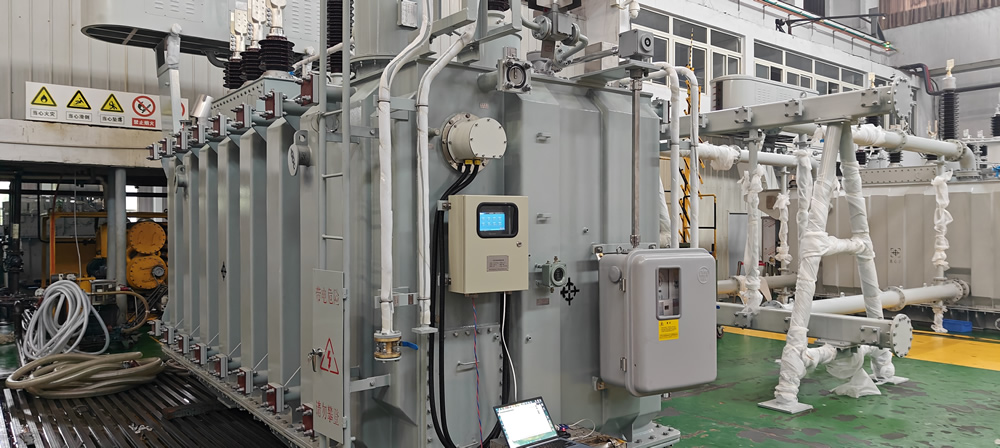
Oil-filled transformer 광섬유 모니터링 systems require comprehensive measurement of both winding hot spots and oil temperatures to provide complete thermal protection and asset management capabilities.
Standard Sensor Deployment for Distribution Transformers (10-50MVA):
Three-Phase Winding Hot Spot Sensors (3 채널)
Install one 형광성 광섬유 온도 센서 at the predicted hot spot location of each phase winding (에이, 비, 기음). For HV windings, position sensors at approximately 75-85% winding height from bottom, at the inner diameter. 프로브 직경: 2mm, 감지 팁 길이: 20mm, 섬유 길이: customized to tank dimensions (일반적으로 3-8 미터).
Top Oil Temperature Sensor (1 채널)
위치 광섬유 센서 in the upper oil pocket, approximately 100-150mm below the tank cover, centered above the core. This location captures maximum oil temperature before it enters the conservator or cooling radiators. The measurement validates cooling system performance and provides oil temperature for transformer loading calculations per IEEE C57.91.
Bottom Oil Temperature Sensor (1 채널)
Install sensor near the tank bottom, positioned in the oil circulation path where cooled oil returns from radiators/heat exchangers. The top-to-bottom oil temperature difference indicates cooling effectiveness and can detect cooling system failures (pump malfunction, radiator blockage) before winding temperatures rise.
Ambient Temperature Sensor (1 채널 – 선택 과목)
Mount external 광섬유 온도 센서 in shaded location near transformer to measure ambient air temperature. This enables automatic temperature rise calculation (winding temperature rise = hot spot temperature – 주변 온도) and ambient-compensated alarm thresholds.
Enhanced Configuration for Large Power Transformers (>100MVA):
Multi-Point Winding Monitoring (9-12 채널)
Deploy multiple sensors per phase to capture temperature distribution: top/middle/bottom positions for each of three phases. Separate monitoring of HV and LV windings if both are critical. This configuration detects abnormal temperature patterns indicating specific fault types (cooling duct blockage, turn-to-turn faults, circulating currents in parallel windings).
Oil Temperature Profile (3-4 채널)
Measure oil temperatures at top (near cover), 가운데 (tank centerline), and bottom (near base) to characterize natural convection effectiveness. 오일 입구/출구 파이프라인의 추가 센서는 열교환기 성능을 수량화합니다..
코어 온도 모니터링 (1-2 채널)
접근 가능한 코어 구조를 갖춘 변압기용, 광섬유 센서 코어 적층 근처에 배치되어 자속 밀도 증가로 인한 코어 가열을 감지합니다. (과전압) 또는 적층 절연 파괴 (순환 전류로 인한 핫스팟).
탭 체인저 접촉 온도 (1-3 채널)
부하시 탭 체인저 (OLTC) 접촉 저항과 아크로 인해 열이 발생합니다.. 설치 중 광섬유 온도 센서 탭 근처 접점은 접점 성능 저하에 대한 조기 경고를 제공합니다., 완전한 변압기 정전을 초래할 수 있는 고장 방지.
시스템 통합 및 경보:
다단계 온도 경보 전략
구성 광섬유 온도 측정 시스템 IEEE/IEC 표준을 기반으로 한 계단식 경보 수준 포함:
- 수준 1 – 사전 경고 (85-90°C 핫스팟): 운영 직원에게 알림, 자동 작업 없음. 심각한 상황이 발생하기 전에 조사가 가능합니다..
- 수준 2 – 고온 경보 (95-98°C 핫스팟): 모든 냉각 시스템 활성화 (팬, 슬리퍼), 가능하면 부하를 줄이세요, SCADA에 경보 보내기. 이 수준은 정상 및 가속화된 절연 노화 사이의 경계를 나타냅니다..
- 수준 3 – 심각한 과열 (105-110°C 핫스팟): 자동 부하 감소 시작 (통제할 수 있다면), 비상 정지를 준비하다, 즉각적인 대응이 필요한 중요 경보를 보냅니다..
- 수준 4 – 긴급여행 (>110°C 핫스팟): 치명적인 고장을 방지하기 위해 변압기 회로 차단기를 엽니다.. 이는 단열재 열 한계를 나타냅니다. 계속 작동하면 화재 위험이 있습니다., 폭발, 또는 영구적인 손상.
냉각 시스템 연동
연결하다 광섬유 모니터링 시스템 변압기 냉각 장비 제어 회로에 대한 릴레이 출력. 일반적인 제어 논리: 단계 1 냉각 (ONAN 작업) 상온에서; 단계 2 (첫 번째 팬뱅크) 65°C 최고 오일 또는 85°C 핫스팟에서 활성화됩니다.; 단계 3 (모든 팬/강제 오일) 75°C 최고 오일 또는 95°C 핫스팟에서 활성화됩니다.. 최대 냉각에도 불구하고 온도가 계속 상승하는 경우, 경보는 냉각 시스템 고장을 나타냅니다..
SCADA 및 DCS 통합
현대의 광섬유 온도 측정 시스템 Modbus RTU/TCP 또는 IEC 기능 61850 protocols for integration with substation automation. Real-time temperature data uploads to energy management systems (EMS) enable operator oversight, 과거 동향, and automated load management across multiple transformers.
12. 건식 변압기 광섬유 온도 측정 시스템의 설치 솔루션은 무엇입니까?
Dry-type transformers present unique challenges and opportunities for 광섬유 온도 모니터링 due to their exposed winding construction and air cooling dependency.
Sensor Placement Strategy for Dry-Type Transformers:
Per-Phase Winding Monitoring (6-9 채널)
Each phase winding requires 2-3 광섬유 온도 센서 positioned at different heights to capture vertical temperature distribution. Typical positions include: top third (30% from top), 가운데 (50% 키), and bottom third (70% from top). The middle position usually shows highest temperature due to minimal air circulation.
Embedding in Cast Resin Windings
For epoxy cast resin transformers, 형광성 광섬유 프로브 are positioned inside winding molds before casting. Use high-temperature rated sensors (200°C 연속) 경화 온도를 견딜 수 있도록 (일반적으로 130-150°C). 프로브는 권선 중심에서 일반적으로 핫스팟이 발생하는 외부 표면을 향해 방사형으로 배치됩니다..
개방형 통풍 권선에 표면 장착
접근 가능한 권선이 있는 개방형 통풍 건식 변압기용, 광섬유 센서 고온 접착제를 사용해 권선 표면에 부착 가능 (실리콘 또는 에폭시 등급 >200℃) 또는 기계식 클램프. 공기 순환이 최소이고 온도가 최고인 내부 와인딩 표면에 센서 위치 지정.
기온 모니터링 (3-6 채널)
오일 온도가 간접적인 권선 냉각 평가를 제공하는 오일 충전 변압기와 달리, 건식 변압기에는 전략적 위치에서 직접적인 공기 온도 모니터링이 필요합니다.: 입구 공기 (주변), 중간 와인딩 에어 갭, 그리고 배기 공기. 온도 차이는 환기 효율성과 팬 성능을 나타냅니다..
Dry-Type Transformer Specific Considerations:
Higher Operating Temperature Ranges
Dry-type transformers operate at higher temperatures than oil-filled types due to air’s lower thermal capacity. F-class insulation (155°C 등급) allows 100°C average winding temperature rise plus 10°C hot spot factor, yielding 110°C normal hot spot temperature (assuming 40°C ambient). 형광성 광섬유 센서 ~와 함께 -40 to +260°C range accommodate all insulation classes including H-class (180℃) and C-class (>220℃).
Load Imbalance Sensitivity
Dry-type transformers serving unbalanced three-phase loads (상업용 건물, 데이터 센터) can exhibit significant phase-to-phase temperature differences. Installing independent 광섬유 온도 측정 on each phase detects overloading of individual phases, enabling corrective actions before single-phase failures occur.
Ventilation System Performance Verification
Forced-air cooled dry-type transformers depend on fans for temperature control. 권선 온도 및 공기 온도 차이를 모니터링하여, 그만큼 광섬유 모니터링 시스템 팬 고장을 감지할 수 있습니다., 필터 막힘, 또는 환기 덕트 막힘. 팬 작동에도 불구하고 권선 온도가 상승하면 경보 로직이 트리거되어야 합니다. (과부하가 아닌 환기 문제를 나타냄).
먼지 및 오염 영향
권선 표면에 공기 중 먼지가 쌓이면 열 전달이 감소됩니다., 핫스팟 생성. 장기 광섬유 온도 일정한 부하 하에서 점진적인 온도 증가를 보여주는 추세 분석은 청소 유지 관리가 필요한 오염 물질이 축적되었음을 나타냅니다..
Installation Methods and Best Practices:
제조 중 공장 통합
최적의 구현에는 다음을 지정하는 것이 포함됩니다. 광섬유 온도 모니터링 변압기 조달 중. 제조업체는 권선 구성 중에 센서를 내장합니다., 공장 승인 테스트 중 센서 기능 테스트 (지방), 교정된 시스템 문서를 제공합니다.. 공장 설치 비용은 일반적으로 50-70% lower than field retrofits.
Field Retrofit Installation
Existing transformers can be retrofitted with 광섬유 센서 during scheduled maintenance outages. Technicians remove enclosure panels to access windings, attach surface-mount sensors using approved adhesives or mechanical brackets, and route fibers through ventilation openings to external measurement hosts. Installation requires 4-8 hours for typical three-phase dry-type transformer.
Fiber Routing and Protection
Route optical fibers along winding supports, tie bars, or enclosure frame members to avoid contact with hot surfaces or moving parts (팬, louvers). Use high-temperature fiber coatings (polyimide rated to 300°C for zones exceeding 180°C). Protect fibers exiting enclosures with flexible conduit rated for outdoor service (UV resistant, IP65+ ingress protection).
Sensor Customization for Winding Geometry
형광성 광섬유 프로브 팁 직경을 감지하여 맞춤화 가능 (0.5-6mm) 구불구불한 회전 사이에 맞추기 위해, 전체 길이 (50-500mm) 최적의 위치에 도달하기 위해, 그리고 섬유 리드 길이 (1-80 미터) 현장 배선 거리에 맞게. 특정 변압기 내부 형상과 일치하는 센서를 지정하려면 제조업체에 문의하세요..
경보 및 제어 통합:
온도 기반 팬 제어
프로그램 광섬유 측정 시스템 타이머나 수동 스위치가 아닌 측정된 권선 온도에 따라 환기 팬을 자동으로 제어합니다.. 일반적인 제어 전략: 모든 권선이 꺼지면 팬이 꺼집니다. <70℃, 단계 1 70-90°C에서 팬 켜짐, 모든 팬이 켜져 있음 >90℃. 이 접근 방식은 팬 런타임을 최소화합니다. (유지 관리 감소), 소음, 적절한 냉각을 보장하면서 에너지 소비를 절감합니다..
과부하 보호 논리
실시간을 사용하여 지능형 과부하 보호 구현 광섬유 온도 고정된 전류 제한이 아닌 데이터. 추운 날씨에는 (낮은 주변 온도), transformers can safely handle higher loads. Temperature-based protection maximizes asset utilization while preventing thermal damage: allow loading up to current that produces 95°C hot spot (F-class) or 125°C (H-class), regardless of nameplate kVA rating.
건물 관리 시스템 (BMS) 완성
Dry-type transformers in commercial buildings typically integrate with BMS for facility-wide monitoring. 광섬유 온도 측정 시스템 with BACnet or Modbus protocols upload transformer temperatures to BMS dashboards, enabling facility managers to correlate transformer loading with HVAC loads, lighting schedules, and electrical demand patterns.
13. 변압기 오일의 역할은 무엇이며 온도가 절연 및 냉각 성능에 어떤 영향을 미칩니까??

Transformer oil serves dual critical functions—electrical insulation and heat transfer medium—with both functions severely degraded by excessive temperature. 광섬유 모니터링 of oil temperature is therefore essential for asset protection.
Dual Functions of Transformer Oil:
Electrical Insulation Function
변압기 오일은 권선 사이의 모든 공극을 채웁니다., 권선과 코어 사이, 충전부와 접지된 탱크 사이, 일반적으로 유전 강도 제공 10-15 공기보다 몇 배 더 큰 (새 오일의 항복 전압 ~30kV/mm 대. 3공기의 경우 kV/mm). 이러한 절연을 통해 고전압 부품의 간격을 더 좁힐 수 있습니다., 변압기 크기 및 비용 절감.
열 전달 및 냉각 기능
변압기 오일의 열전도도 (0.13 W/m·K) ~이다 7-8 공기보다 몇 배 더 높은, 권선에서 냉각 표면으로 효과적인 열 전달 가능. 자연 대류 순환 (열사이펀 효과) ONAN 변압기 또는 OFAF 변압기의 강제 순환은 뜨거운 권선 표면에서 외부 라디에이터 또는 열 교환기로 열을 지속적으로 제거합니다..
단열 성능에 대한 온도 영향:
유전 강도 감소
오일 유전 강도는 대략 감소합니다. 2-3% per 10°C temperature increase. At 90°C, breakdown voltage is ~15% lower than at 20°C. 더 비판적으로, high temperatures accelerate oil oxidation, producing acidic compounds and sludge that further reduce dielectric strength. Maintaining oil temperature below 80°C through 광섬유 온도 측정 and cooling control preserves insulation integrity.
Moisture Solubility Increases
Oil moisture solubility doubles approximately every 20°C temperature increase. At 20°C, saturation moisture content is ~50ppm; at 80°C, it exceeds 400ppm. When transformers cool (daily/seasonal temperature cycles), moisture precipitates from oil into cellulose insulation, accelerating paper degradation. 광학 온도 센서 data enables prediction of moisture migration cycles.
Gas Solubility Decreases
Dissolved gas solubility decreases with temperature. During temperature rises (load increases), gases evolve from oil, potentially forming bubbles that reduce insulation. 거꾸로, cooling dissolves gases. Monitoring oil temperature through 광섬유 센서 helps interpret dissolved gas analysis (DGA) results—apparent gas increases may reflect temperature effects rather than new fault gas generation.
Temperature Effects on Cooling Performance:
Viscosity Reduction
Oil viscosity decreases exponentially with temperature (approximately halves every 25°C increase). At 20°C, typical viscosity is 10-12 cSt; at 80°C, it drops to 2-3 cSt. Lower viscosity improves flow and convection efficiency but can also increase leakage through seals. Optimal operating range (60-80℃) balances these factors.
Thermal Expansion and Pressure Management
Transformer oil thermal expansion coefficient is approximately 0.07%/°C. A 100,000-liter transformer experiences ~2,000-liter volume change between cold and hot conditions. Conservator tanks or pressure relief devices accommodate expansion. 광섬유 온도 모니터링 provides data for expansion volume calculations and conservator sizing verification.
Natural Convection Effectiveness
Natural convection heat transfer rate is proportional to temperature differential between heat source and sink. As oil temperature approaches ambient temperature, cooling effectiveness decreases. Measuring top and bottom oil temperatures through 광섬유 센서 quantifies natural convection performance—typical difference should be 15-25°C for ONAN transformers under rated load.
Oil Temperature Monitoring Strategy:
최고 오일 온도 (Critical Parameter)
Top oil temperature represents the hottest bulk oil temperature, measured 100-150mm below tank cover. This parameter directly determines permissible loading per IEEE C57.91 and IEC 60076-7 표준. Maximum continuous top oil temperature is typically limited to 95°C (105°C 비상사태) to prevent oil degradation and conservator overpressure.
하단 오일 온도 (Cooling Verification)
Bottom oil entering windings after cooling should be 15-30°C below top oil temperature. If this difference decreases, cooling system degradation is indicated (pump failure, 라디에이터 오염, heat exchanger scaling). 광섬유 모니터링 provides early warning enabling proactive maintenance.
Oil Temperature Gradients (Circulation Assessment)
Measuring oil temperatures at multiple heights characterizes circulation patterns. Poor circulation (indicated by abnormal temperature profiles) can result from internal blockages, failed baffles, or gas pockets. 다지점 광섬유 온도 측정 시스템 (6-12 센서) enable detailed thermal mapping for diagnostics.
14. 광섬유 모니터링 시스템은 변압기 냉각 시스템 및 부하 탭 절환기와 어떻게 연동됩니까??
광섬유 온도 측정 시스템 provide real-time thermal data enabling intelligent control of transformer auxiliary equipment for optimal efficiency, 자산 보호, and extended service life.
Cooling System Control Integration:
Stage-Based Fan Control for ONAN/ONAF Transformers
Oil Natural Air Natural (오난) transformers can add fans for Oil Natural Air Forced (켜짐 꺼짐) 냉각. 광섬유 모니터링 systems control fans through relay outputs based on temperature thresholds:
- 단계 0 (Natural Cooling): 탑 오일 <65°C and hot spot <80℃ – all fans OFF. Saves energy and extends fan life.
- 단계 1 (Partial Forced Cooling): Top oil 65-75°C or hot spot 80-90°C – activate 50% of fans. Provides additional cooling while minimizing noise and power consumption.
- 단계 2 (Full Forced Cooling): 탑 오일 >75°C or hot spot >90℃ – activate all fans. Maximum cooling capacity for peak load conditions.
- Emergency Cooling: 핫스팟 >100℃ – force all cooling ON regardless of other conditions, override any timers or manual controls.
Pump Control for OFAF/OFWF Transformers
Oil Forced Air Forced (OFAF) and Oil Forced Water Forced (OFWF) transformers use pumps for oil circulation. 광섬유 온도 센서 지능형 펌프 제어 활성화:
- 가변 속도 펌프 드라이브: 온도에 비례하여 펌프 속도 조절. 70°C 최고 오일에서, 펌프를 가동하다 50% 속도; 90°C에서, 전속력. 에너지 소비를 다음과 같이 줄입니다. 30-50% 고정 속도 작동과 비교.
- 펌프 고장 감지: 높은 권선온도에도 불구하고 상하 오일 온도차가 감소하는 경우, 펌프 고장을 나타냅니다. 광학 온도 센서 모니터링은 전류 또는 압력 측정만으로는 사용할 수 없는 진단 데이터를 제공합니다..
- 순차 펌프 시동: 멀티 펌프 시스템용, 고정된 일정이 아닌 열 수요에 따른 스테이지 펌프 활성화, 기계적 마모 감소 및 펌프 수명 연장.
열교환기 최적화
수냉식 열 교환기가 있는 변압기의 경우, 열 교환기 성능을 평가하기 위해 오일 입구/출구 온도 차이를 모니터링합니다.. Decreasing differential under constant load indicates scaling or fouling requiring cleaning. 광섬유 모니터링 data enables condition-based maintenance scheduling rather than fixed-interval cleaning.
부하 탭 체인저 (LTC) 완성:
Temperature-Based Tap Position Limiting
On-load tap changers adjust voltage by changing winding turns ratios. Some tap positions produce higher losses (그리고 온도) than others. Advanced control systems use 광섬유 온도 data to limit tap range during high-temperature conditions, preventing thermal limit violations while maintaining acceptable voltage regulation.
Tap Changer Contact Temperature Monitoring
Installing dedicated 형광성 광섬유 센서 on tap changer contacts detects contact degradation (increased resistance from arcing or oxidation). Rising contact temperatures despite constant load indicate need for tap changer maintenance, 완전한 변압기 정전을 초래할 수 있는 고장 방지.
Coordinated Tap Changing and Cooling Control
Sophisticated control algorithms coordinate tap changers and cooling systems: when temperatures approach limits, first activate maximum cooling; if temperatures remain high, adjust tap position to reduce flux density and core losses; only if both measures are insufficient, reduce load or alarm for operator intervention.
자동화된 부하 관리:
Dynamic Thermal Rating (DTR)
Traditional transformers operate at fixed nameplate ratings. DTR uses real-time 광섬유 온도 측정 to calculate actual thermal capacity considering ambient temperature, cooling equipment status, and load history. 추운 날씨에는, transformers can safely exceed nameplate ratings; during heat waves, ratings may need reduction. DTR can increase asset utilization by 10-30% annually while maintaining thermal safety margins.
Load Shedding Priority Schemes
언제 광학 온도 센서 detect approaching thermal limits, automated systems can initiate load reduction through coordinated actions: transfer load to parallel transformers, reduce voltage (2-3% reduction yields ~5-10% load reduction), activate interruptible customer contracts, or in emergencies, shed non-critical loads via circuit breaker control.
Seasonal and Time-of-Day Optimization
Analyze historical 광섬유 온도 data to identify transformer thermal patterns by season and time. Use predictive algorithms to preemptively activate cooling or limit loading before temperature excursions occur, particularly valuable for preventing hot spot overtemperature during afternoon peak loads on summer days.
SCADA and Protection System Integration:
IEC 61850 GOOSE Messaging
현대의 광섬유 온도 측정 시스템 support IEC 61850 거위 (일반 객체 지향 변전소 이벤트) 규약, enabling high-speed peer-to-peer communication with protection relays, 회로 차단기, and automation controllers. Critical over-temperature conditions can trigger protective tripping within 10-50 밀리초.
Modbus RTU/TCP Data Integration
For conventional SCADA systems, 광섬유 모니터링 provides Modbus communication of all temperature channels, 경보 상태, 및 시스템 진단. 표준 Modbus 레지스터를 사용하면 중앙 집중식 모니터링 및 제어를 위해 거의 모든 SCADA 플랫폼과 통합할 수 있습니다..
DNP3 프로토콜 지원
DNP3를 사용하는 유틸리티 (Distributed Network Protocol) 변전소 자동화를 위한 통합 가능 광섬유 온도 센서 DNP3 아웃스테이션 기능을 통해, 타임 스탬프 온도 데이터 제공, 일련의 사건 기록, 마스터 스테이션에 원치 않는 알람 보고.
15. 맨 위 10 글로벌 변압기 광섬유 온도 센서 제조업체
그만큼 광섬유 온도 모니터링 업계에는 전문 센서 제조업체와 통합 시스템 제공업체가 포함됩니다.. 선택 기준에는 기술 유형이 포함됩니다., 정확도 사양, 지원 서비스, 및 업계 실적.
주요 제조업체:
🥇 #1: 복주 혁신 전자 과학&테크(주), 주식회사. (피진노)
| 회사 프로필 | 세부 |
|---|---|
| 확립된 | 2011 (14 형광 광섬유 감지를 전문으로 한 수년) |
| 핵심기술 | 형광성 광섬유 온도 센서 및 다중 채널 측정 시스템 |
| 제품 범위 | 1-64 채널 광섬유 온도계, 변압기용 맞춤형 센서, 개폐 장치, 모터 |
| 주요 장점 | • 최고의 정확도: ±0.5°C (industry-leading precision) • 가장 빠른 응답: <0.5 초 • 가장 넓은 범위: -40°C ~ +260°C • 대부분의 채널: 최대 64 호스트당 독립 센서 • 가장 긴 섬유: 0-80 미터 표준, 100+ meters available • Custom probe sizes: 0.5mm to 6mm diameter • Complete solutions: 센서 + hosts + 소프트웨어 + 완성 |
| 글로벌 입지 | 다음으로 내보냈습니다. 60+ 국가, 에 설치됨 >10,000 transformers worldwide |
| 인증 | ISO 9001, CE, IEC 61850, IEEE C57.91 compliant |
| Unique Capabilities | • Complete OEM/ODM services with private label options • Custom solutions for special transformer applications • Integration with all major SCADA protocols • Factory direct wholesale pricing for bulk orders • Technical support in multiple languages • Fastest delivery: 7-15 days for standard products |
📧 이메일: web@fjinno.net
📱왓츠앱: +86 135 9907 0393
💬 위챗 (중국): +86 135 9907 0393
💬QQ: 3408968340
📞 Phone: +86 135 9907 0393
🏭 Address: Liandong U 곡물 네트워킹 산업 단지, No.12 Xingye West Road, 푸저우, 푸젠성, 중국
🌐 Services: 제조업체 | 공장 직접 | 모조리 | Bulk Supplier | OEM/ODM | 개인 상표 | 맞춤형 솔루션 | 수출업체 | 살수 장치
#2: Fuzhou Huaguang Tianrui 광전자 공학 기술 유한 회사, 주식회사.
| 회사 프로필 | 세부 |
|---|---|
| 확립된 | 2016 (9 years in fiber optic sensing) |
| 핵심기술 | Fluorescent and FBG fiber optic temperature measurement systems |
| Product Focus | 전력 변압기 모니터링, switchgear temperature sensors, 케이블 모니터링 |
| 주요강점 | • 형광 및 FBG 기술을 결합한 하이브리드 시스템 • 중국 전력망 시장에서의 강력한 입지 • 국내 프로젝트에 대한 경쟁력 있는 가격 • 중국 SCADA 시스템과의 원활한 통합 |
| 시장 입지 | 해외 판매가 증가하는 주로 중국 시장 |
| 기술 사양 | ±1°C 정확도, 1-32 채널, -50°C ~ +200°C 범위 |
제조사 순위 참고사항: 순위에는 기술 성숙도에 대한 종합 평가가 반영됩니다., 글로벌 시장 입지, 제품군, 맞춤화 기능, 고객 지원, 및 업계 인증. 피진노 (#1) 우수한 기술 사양과 전 세계적인 지원 인프라를 갖춘 가장 포괄적인 변압기별 솔루션을 제공합니다..
추가 주목할만한 제조업체 (3-10):
- 퀄리트롤 (미국): 네오옵틱스 형광섬유 기술 확보, 북미 변압기 시장 강자, 통합 자산 모니터링 플랫폼.
- 와이드먼 (스위스): 통합 광섬유 모니터링을 갖춘 변압기 절연 시스템에 중점을 둡니다., premium products for utility-scale transformers.
- 루마센스 기술 (미국): Specializes in harsh environment temperature sensing including GaAs semiconductor sensors, strong aerospace and industrial presence.
- FISO 기술 (캐나다): Medical and industrial fiber optic sensors, FBG and fluorescent technologies, emphasis on high-precision applications.
- Opsens 솔루션 (캐나다): Medical-grade fiber optic sensors adapted for industrial use, known for miniature probe designs.
- Beijing Kunlun Coast Sensor Technology (중국): Broad fiber optic sensing product line, cost-effective solutions for Chinese market.
- AP 감지 (독일): DTS and FBG specialist, focus on distributed sensing for power cables and pipelines.
- 센서넷 (영국): DTS technology leader, acquired by Halliburton, strong in oil/gas sector with power applications.
- LUNA Innovations (미국): Advanced FBG interrogation systems, high-performance but premium-priced solutions.
16. FJINNO가 변압기 광섬유 온도 모니터링 시스템을 위한 최고의 선택으로 간주되는 이유?
복주 혁신 전자 과학&테크(주), 주식회사. (피진노) has established itself as the premier 제조업체 ~의 광섬유 온도 센서 for transformer applications through technological innovation, comprehensive customization capabilities, and proven global deployment track record.
Superior Technical Specifications:
Industry-Leading Accuracy
FJINNO의 형광성 광섬유 온도 센서 achieve ±0.5°C accuracy (±1°C standard models), surpassing competitors’ typical ±1-2°C specifications. This precision enables optimized transformer loading and precise thermal limit enforcement, directly translating to extended asset life and increased utilization.
Fastest Response Time
와 함께 <0.5 두 번째 응답 시간 (0.8 seconds for standard models), FJINNO systems detect thermal transients faster than any competing technology. This rapid response is critical for detecting fault-induced temperature spikes and enabling protective actions before damage occurs.
Widest Measurement Range
The -40°C to +260°C temperature range accommodates all transformer types from arctic installations to H-class dry-type transformers, eliminating need for multiple sensor types and simplifying inventory management for utilities with diverse transformer fleets.
Maximum Channel Capacity
Single FJINNO measurement host supports 1-64 독립 센서 채널, enabling comprehensive monitoring of large transformer banks from one system. Competitors typically limit systems to 8-16 채널, requiring multiple hosts for equivalent coverage and increasing costs.
Comprehensive Customization Capabilities (Custom OEM/ODM Solutions):
Tailored Probe Designs
FJINNO manufactures 광섬유 온도 프로브 in custom diameters (0.5mm to 6mm), 길이 (50mm to 500mm), and sheath materials (스테인레스 스틸, PTFE, 폴리이미드) to match specific transformer winding geometries and installation constraints. This flexibility ensures optimal sensor placement for accurate hot spot measurement.
Application-Specific Fiber Lengths
Standard fiber lengths from 1 에게 80 meters with options for 100+ meters accommodate any transformer size and control room distance. Competitors often limit fiber lengths to 20-30 미터, creating installation challenges for large transformers or remote control rooms.
Private Label and Branding
로서 factory direct manufacturer, FJINNO offers private label services, enabling transformer manufacturers, 시스템 통합업체, and large utilities to brand monitoring systems under their own names. This white-label capability supports OEM partnerships and value-added reseller programs.
Protocol and Interface Customization
FJINNO systems support all major industrial protocols (모드버스 RTU/TCP, IEC 61850, DNP3, 프로피버스, 백넷) with custom protocol development available for specialized applications. Interface customization includes analog outputs (4-20엄마, 0-10다섯), digital I/O configuration, and alarm relay logic tailored to specific control requirements.
Competitive Advantages for Bulk and Wholesale Procurement:
Factory Direct Pricing
As a vertically integrated 제조업체 controlling the entire production chain from sensor fabrication to system assembly, FJINNO offers wholesale pricing 30-50% below distribution channel prices. 대량 주문 (10+ 시스템) receive additional volume discounts, optimizing project economics for utilities and contractors.
Rapid Delivery and Scalability
Standard products ship within 7-15 날, faster than competitors’ 전형적인 4-8 week lead times. Custom solutions deliver in 3-4 weeks versus 8-12 weeks for competing manufacturers. This responsiveness supports accelerated project schedules and emergency replacement requirements.
Comprehensive Technical Support
FJINNO provides multilingual technical support (영어, Chinese, 스페인 사람, 아라비아 말) 이메일을 통해, 왓츠앱, 위챗, and phone. Support includes application engineering assistance, 설치 안내, 시운전 지원, and troubleshooting. Lifetime technical support is included with all systems at no additional cost.
글로벌 서비스 네트워크
With installations in 60+ countries across six continents, FJINNO has established regional service partnerships and spare parts distribution networks. This global presence ensures rapid replacement sensor delivery and local technical assistance for international projects.
Proven Track Record and Industry Recognition:
Extensive Installation Base
위에 10,000 transformers worldwide (oil-filled and dry-type, 10kV to 500kV voltage classes, 0.1MVA to 500MVA capacities) operate with FJINNO 광섬유 모니터링 시스템. This installed base provides comprehensive field validation across all operating conditions and transformer types.
Compliance with International Standards
FJINNO products meet or exceed requirements of IEEE C57.91 (transformer loading guide), IEC 60076-7 (loading guide for oil-immersed transformers), IEC 61850 (변전소 자동화), and GB/T standards (Chinese national standards). ISO 9001 인증된 제조로 일관된 품질 보장.
주요 변압기 제조사와의 파트너십
선도적인 변압기 OEM은 프리미엄 변압기의 공장 설치 모니터링을 위해 FJINNO 시스템을 지정합니다., 기술 신뢰성 및 성능 검증. 이러한 파트너십은 FJINNO가 최고라는 업계의 신뢰를 보여줍니다. 제조업체 변압기 열 보호용.
맞춤형 솔루션 및 도매 견적을 받는 방법:
기술상담 프로세스
변압기 사양에 대해서는 FJINNO 엔지니어링 팀에 문의하세요. (유형, 전압, 용량, 냉각 방식), 모니터링 요구 사항 (측정 포인트 수, 온도 범위, 경보 임계값), 및 통합 요구 사항 (프로토콜, 인터페이스). 엔지니어가 최적의 것을 추천합니다 광섬유 온도 측정 시스템 내에서 구성하고 기술 제안을 제공합니다. 24-48 시간.
맞춤형 디자인 서비스
비표준 센서가 필요한 특수 애플리케이션용, 독특한 장착 방법, 또는 독점 제어 시스템과의 통합, FJINNO는 완벽한 맞춤형 솔루션 개발을 제공합니다. Design services include thermal modeling to identify hot spot locations, sensor specification, prototype fabrication, and factory testing before delivery.
Bulk Procurement Programs
Utilities and contractors planning multiple transformer installations can establish framework agreements with FJINNO for standardized 광섬유 모니터링 systems at locked-in wholesale prices. Bulk programs include dedicated account management, priority manufacturing scheduling, and consignment inventory options for large-scale rollouts.
Request for Quotation
Submit detailed RFQ to web@fjinno.net or WhatsApp +86 135 9907 0393 including project scope, 배송 일정, and any special requirements. FJINNO provides competitive quotations within 2-3 business days with complete system specifications, pricing breakdown, delivery schedule, and warranty terms. Volume discounts, 지불 조건, and shipping options are negotiable for bulk orders.
25. 맞춤형 변압기 광섬유 온도 모니터링 솔루션 및 대량 조달 견적을 얻는 방법?
Whether you require a single 광섬유 온도 측정 시스템 for critical transformer or fleet-wide monitoring for hundreds of assets, FJINNO provides comprehensive support from initial consultation through long-term operation.
Solution Development Process:
단계 1: 애플리케이션 평가
Contact FJINNO technical team with your transformer details and monitoring objectives. Provide information including:
- Transformer specifications (유형, 전압 등급, 용량, 냉각 방식)
- Number and locations of desired measurement points
- Existing monitoring infrastructure and integration requirements
- 환경 조건 (ambient temperature range, indoor/outdoor installation)
- Special requirements (위험 지역 분류, seismic qualification, 등.)
단계 2: Custom Solution Design
FJINNO engineers analyze requirements and develop tailored solutions including:
- 최적 광섬유 센서 종류, 수량, and placement locations
- Measurement host configuration (채널 수, 통신 프로토콜)
- Integration architecture with SCADA/DCS systems
- Installation methodology and mechanical interface designs
- Alarm logic and control interlocking schemes
단계 3: Quotation and Proposal
Receive comprehensive proposal within 24-48 hours including:
- Detailed system specifications and performance guarantees
- Itemized pricing for equipment, 공학, 설치 지원
- Delivery schedule and project timeline
- Warranty terms and service level agreements
- Training and documentation packages
단계 4: Manufacturing and Testing
Upon order confirmation, 피진노:
- Manufactures custom fiber optic temperature sensors to exact specifications
- Performs factory acceptance testing per IEEE/IEC standards
- Configures measurement hosts with customer-specific settings
- Prepares installation documentation and user manuals
- Arranges global shipping with proper packaging and export documentation
단계 5: Installation Support and Commissioning
피진노가 제공하는:
- Detailed installation instructions and sensor mounting drawings
- Remote commissioning support via video conference
- On-site commissioning services available for large projects
- Integration testing with existing substation automation systems
- 운영자 교육 (on-site or remote)
Bulk Procurement Benefits:
대량 할인
Orders of 10+ systems qualify for tiered discounts up to 30% off list pricing. Large utility contracts (50+ 변압기) receive custom pricing packages with additional value-added services.
Standardization Advantages
Fleet-wide deployment of standardized FJINNO 광섬유 모니터링 systems provides:
- Simplified spare parts inventory (common sensors across all installations)
- Reduced training requirements (identical operator interfaces)
- Centralized data management (unified SCADA integration)
- Economies of scale in maintenance and support
Framework Agreement Options
Establish long-term supply agreements with FJINNO for multi-year transformer monitoring programs, securing favorable pricing, priority delivery, and dedicated engineering support for the contract duration.
Contact Information and Support Channels:
Technical Inquiries and Quotations
📧 이메일: web@fjinno.net (monitored 24/7, response within 12 시간)
📱 왓츠앱: +86 135 9907 0393 (instant messaging, voice/video calls)
💬 위챗 (중국): +86 135 9907 0393
💬 QQ: 3408968340
📞 핸드폰: +86 135 9907 0393 (영어, Chinese support available)
공장 주소
🏭 Liandong U Grain Networking Industrial Park, No.12 Xingye West Road, 푸저우, 푸젠성, 중국
Factory tours available by appointment for major projects and OEM partnerships.
서비스 역량
🌐 Full-Service Provider:
- 제조업체: Vertically integrated production from sensor fabrication to system assembly
- 공장 직접: No intermediaries, transparent pricing, direct technical communication
- 도매 공급업체: Competitive bulk pricing for distributors and system integrators
- Bulk Exporter: 글로벌 배송, export documentation, international payment terms
- OEM/ODM Partner: 자사 상표 제조, custom designs, white-label solutions
- Custom Solution Developer: Application-specific engineering, unique sensor designs
- Technical Distributor: Regional distribution partnerships available in select markets
Request Information Package:
Contact FJINNO to request comprehensive information package including:
- Complete product catalogs with technical specifications
- Application notes for oil-filled and dry-type transformers
- Case studies from utility and industrial installations
- Comparison guides (fluorescent vs. FBG 대. GaAs technologies)
- Installation manuals and best practice guides
- Integration guides for major SCADA platforms
- 인증서류 (ISO 9001, CE, IEC 준수)
All information provided at no cost with no obligation.
부인 성명
Technical Information Accuracy: 이 가이드는 다음에 대한 일반적인 정보를 제공합니다. 광섬유 온도 모니터링 systems for power transformers based on industry standards, published literature, and practical experience. 정확성을 보장하기 위해 노력한 반면, specific transformer applications may require detailed engineering analysis. Readers should consult qualified engineers and refer to applicable standards (IEEE, IEC, national regulations) for project-specific requirements.
제품 사양: 기술 사양, 특징, FJINNO 및 기타 제조업체에 대해 설명된 기능 및 기능’ 제품은 일반 또는 공칭 값을 나타냅니다.. 실제 성능은 적용 조건에 따라 달라질 수 있습니다., 설치 품질, 및 시스템 구성. 신뢰할 수 있는 정보는 항상 공식 제품 데이터시트와 사양을 참조하세요..
Safety Considerations: 설치, 유지, 변압기 모니터링 시스템의 작동에는 잠재적으로 위험한 고전압 및 온도가 포함됩니다.. All work must be performed by qualified personnel following applicable safety standards, 전기 코드, and manufacturer instructions. Improper installation or use could result in equipment damage, 개인 부상, or death.
표준 준수: References to IEEE, IEC, and other standards are for general guidance. Specific projects must verify applicable standards versions, regional requirements, and utility-specific specifications. Standards may be updated periodically; ensure you are working with current revisions.
No Warranty: Information in this guide is provided “as is” without warranties of any kind, 명시적이든 묵시적이든. The author and publisher disclaim liability for any damages, 사상자 수, or expenses arising from use of this information. Professional engineering judgment must be applied to all transformer monitoring system designs and implementations.
제조업체 정보: 연락처 및 회사 설명은 정보 제공의 목적으로 제공되며 실제 능력 설명 이상의 보증을 의미하지 않습니다.. 독자는 공급업체 선정 시 자체 실사를 수행하고 회사 현황을 확인해야 합니다., 인증, 및 제품 가용성.
지역적 변형: 변압기 표준, 관행, 요구 사항은 국가 및 지역에 따라 다릅니다.. 본 가이드는 일반적인 국제 관행을 반영하지만 특정 지역 요구 사항을 다루지 않을 수도 있습니다.. 현지 규정을 참조하세요., 유틸리티 사양, 관할권별 요구사항에 대한 국가 표준.
마지막 업데이트: 12월 2025

광섬유 온도 센서, 지능형 모니터링 시스템, 중국의 분산광섬유 제조업체
 |
 |
 |