 INNO 광섬유 온도 센서 ,온도 모니터링 시스템.
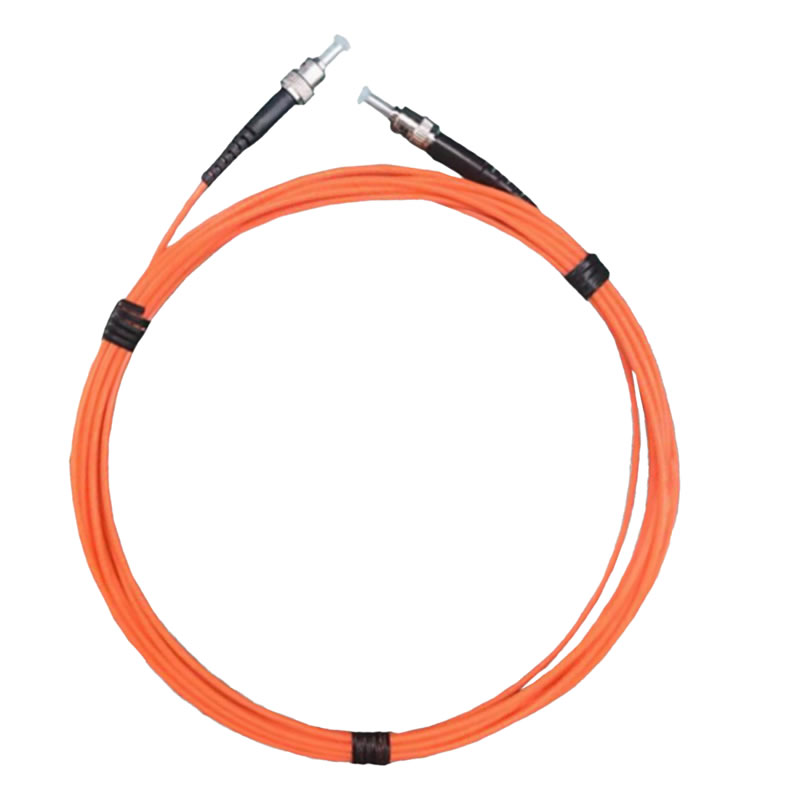
- Semiconductor temperature measurement requires ±0.1°C accuracy for optimal wafer processing and device quality control
- 광섬유 온도 센서 provide contamination-free monitoring essential for clean room semiconductor environments
- Advanced fluorescence sensors eliminate electromagnetic interference that affects sensitive semiconductor manufacturing equipment
- Real-time temperature control during wafer processing improves yield rates by 15-25% through optimal thermal management
- Multi-point monitoring enables comprehensive thermal mapping across semiconductor processing equipment and wafer surfaces
- Intrinsically safe fiber optic systems prevent contamination and electrical interference in critical manufacturing processes
- Long-term stability ensures consistent measurement accuracy throughout extended semiconductor production cycles
반도체 제조에는 최고 수준의 정밀도와 제어가 필요합니다., 특히 사소한 열 변화라도 장치 성능과 생산 수율에 큰 영향을 미칠 수 있는 온도 관리의 경우. 현대의 반도체 제조 공정에는 까다로운 클린룸 환경에서 탁월한 정확성과 오염 없는 작동을 결합한 온도 측정 시스템이 필요합니다..
더 작은 형상 크기와 더 복잡한 장치 구조를 향한 반도체 기술의 발전으로 인해 제조 공정 전반에 걸쳐 정밀한 온도 제어에 대한 필요성이 더욱 커졌습니다.. 기존의 전기 온도 센서는 민감한 반도체 작동을 손상시킬 수 있는 오염 위험과 전자기 간섭을 일으키는 경우가 많습니다., making optical measurement technologies increasingly essential for optimal manufacturing performance.
Advanced semiconductor temperature measurement systems utilize fiber optic technology to provide the precision, cleanliness, and reliability essential for modern semiconductor manufacturing. These systems enable optimal process control while maintaining the stringent environmental standards required for successful semiconductor production.
Fiber Optic Temperature Measurement Fundamentals for Semiconductor Applications
Fiber optic temperature measurement represents the most advanced approach to semiconductor thermal monitoring through its unique combination of measurement precision, 전자기 내성, and contamination-free operation. These systems utilize light transmission through optical fibers to measure temperature without introducing electrical connections or contaminants at measurement points.
The fundamental principles of fiber optic temperature measurement rely on optical phenomena that change predictably with temperature, enabling precise measurement through sophisticated signal analysis. Fluorescence decay time measurement, wavelength shift analysis, and distributed sensing technologies provide various approaches to optical temperature measurement, each optimized for specific semiconductor applications.
Optical Measurement Advantages
Fiber optic temperature measurement eliminates electromagnetic interference concerns that affect electrical sensors in semiconductor manufacturing environments. The complete absence of electrical current at sensor locations prevents interference with sensitive processing equipment while maintaining measurement accuracy regardless of electromagnetic field strength.
Contamination prevention represents another critical advantage of fiber optic systems in semiconductor applications. Optical sensors require no electrical connections or power at measurement points, eliminating potential contamination sources that could affect semiconductor device quality or clean room certification.
| 측정 매개변수 | Fiber Optic Performance | 요구사항 | Compliance Level |
|---|---|---|---|
| 온도 정확도 | ±0.3°C | ±0.5°C maximum | Exceeds requirement |
| 응답 시간 | 0.1-1.0 초 | 1 second maximum | Meets requirement |
| Contamination Risk | 영 | Minimal acceptable | Exceeds requirement |
| EMI 내성 | 완벽한 | High level required | Exceeds requirement |
| 장기적인 안정성 | ±0.05°C over 5 연령 | ±0.1°C maximum drift | Exceeds requirement |
Fiber Optic Sensor Systems Design for Semiconductor Manufacturing
Fiber optic sensor systems for semiconductor manufacturing require specialized design considerations that address the unique challenges of clean room environments, precision processing requirements, and contamination prevention. These systems must integrate seamlessly with existing manufacturing equipment while providing comprehensive temperature monitoring capabilities.
Advanced sensor system architectures employ distributed monitoring approaches that enable simultaneous measurement at multiple points throughout semiconductor processing equipment. Multi-channel systems utilize wavelength division multiplexing and advanced signal processing to monitor hundreds of measurement points through simplified fiber optic networks.
Clean Room Integration
Semiconductor clean room integration requires specialized fiber optic feedthroughs and mounting systems designed to maintain environmental isolation while enabling optical signal transmission. Advanced feedthrough designs provide hermetic sealing that prevents contamination while maintaining optical signal integrity.
Installation considerations include minimal invasive mounting methods that preserve clean room certification while providing optimal sensor placement for accurate temperature monitoring. Modular system designs enable easy installation and maintenance without compromising clean room operations.
System Architecture and Scalability
Modern fiber optic sensor systems employ scalable architectures that accommodate growing monitoring requirements as semiconductor facilities expand. 분산 시스템 설계를 통해 시스템 성능과 안정성을 유지하면서 주요 인프라 수정 없이 모니터링 지점을 추가할 수 있습니다..
중앙 처리 장치는 온도 측정을 실행 가능한 프로세스 제어 정보로 변환하는 지능형 신호 분석 및 데이터 관리 기능을 제공합니다.. 고급 시스템은 제조 실행 시스템 및 프로세스 제어 플랫폼과 통합되어 자동화된 온도 관리가 가능합니다..
광섬유 기술을 이용한 반도체 온도 제어 구현
광섬유 기술을 활용한 반도체 온도 제어 구현으로 성공적인 반도체 생산에 필수적인 환경 표준을 유지하면서 제조 공정 전반에 걸쳐 정밀한 열 관리가 가능합니다.. Real-time temperature feedback enables immediate process adjustments that optimize thermal conditions for maximum device quality and yield.
Advanced temperature control systems integrate fiber optic sensor data with heating and cooling equipment to provide closed-loop control that maintains optimal thermal conditions regardless of process variations or environmental changes. Intelligent control algorithms analyze temperature patterns to predict thermal behavior and proactively adjust control parameters.
Process Integration and Control
Fiber optic temperature control systems integrate with semiconductor processing equipment through standardized interfaces that enable seamless operation with existing manufacturing systems. Real-time data communication enables immediate response to temperature variations while maintaining process continuity.
Predictive control capabilities utilize temperature trending analysis to anticipate thermal changes and adjust control parameters before temperature variations affect process outcomes. This proactive approach maintains consistent thermal conditions while minimizing process disruptions.
| Control Parameter | Target Specification | Fiber Optic Performance | Process Impact |
|---|---|---|---|
| Temperature Stability | ±0.5°C | ±0.3°C achieved | Improved yield consistency |
| 응답 시간 | 5 seconds maximum | 2 초 일반 | Faster process adjustment |
| Thermal Uniformity | ±1.0°C across wafer | ±0.5°C achieved | Better device uniformity |
| 제어 정확도 | ±0.2°C setpoint | ±0.1°C achieved | Optimized process conditions |
Hot Spot Monitoring Solutions for Semiconductor Equipment
Hot spot monitoring solutions for semiconductor equipment utilize advanced fiber optic sensor networks to detect localized overheating that could affect process quality or equipment reliability. Strategic sensor placement enables comprehensive thermal surveillance of critical equipment components while maintaining clean room standards.
Multi-point monitoring systems create detailed thermal maps that reveal temperature gradients and hot spots indicating equipment problems or process variations. Early detection of thermal anomalies enables proactive maintenance and process adjustments that prevent quality problems or equipment failures.
중요 모니터링 포인트
Semiconductor equipment hot spot monitoring focuses on critical components including heating elements, 전력전자, mechanical systems, and process chambers where thermal problems typically develop. Strategic sensor placement provides early warning of developing problems before they affect manufacturing operations.
Automated monitoring systems provide continuous surveillance with intelligent alarm processing that distinguishes between normal thermal variations and developing problems requiring attention. Advanced analytics identify thermal patterns indicating equipment degradation or process drift.
Thermal Mapping and Analysis
Comprehensive thermal mapping utilizes 분산 광섬유 sensors to create detailed temperature profiles across semiconductor processing equipment. These thermal maps reveal equipment performance characteristics and identify optimization opportunities for improved process control.
Advanced data analysis capabilities correlate temperature patterns with process parameters to identify relationships between thermal conditions and manufacturing outcomes. This analytical approach enables continuous process optimization based on thermal performance data.
Semiconductor Process Control Enhancement through Fiber Optic Temperature Sensors
Semiconductor process control enhancement through fiber optic temperature sensors enables optimal manufacturing conditions that improve device quality and production yield. Precise temperature measurement provides the foundation for advanced process control strategies that maintain consistent thermal conditions throughout manufacturing cycles.
실시간 온도 피드백을 통해 최적의 제조 조건을 유지하면서 열 변화를 보상하는 즉각적인 공정 조정이 가능합니다.. 고급 제어 알고리즘은 온도 데이터를 활용하여 가열 및 냉각 시스템을 최적화하여 프로세스 효율성과 제품 품질을 극대화합니다..
프로세스 최적화 전략
광섬유 온도 센서는 실시간 열 데이터를 활용하여 최적의 장치 품질을 위해 제조 매개변수를 조정하는 정교한 프로세스 최적화 전략을 가능하게 합니다.. 온도 기반 제어 알고리즘은 공정 변동 및 장비 변경에 적응하면서 정확한 열 조건을 유지합니다..
온도 데이터를 활용한 통계적 공정 제어를 통해 최적화 기회를 식별하고 제조 변동성을 줄이는 지속적인 개선 프로그램을 구현할 수 있습니다.. Data-driven optimization approaches improve process consistency while reducing defect rates and improving yield.
Quality Control Integration
Temperature monitoring integration with quality control systems enables correlation analysis between thermal conditions and product quality metrics. This integration provides insights into thermal effects on device performance and guides process optimization efforts.
Automated quality control systems utilize temperature data to identify manufacturing conditions that produce optimal device characteristics. Predictive quality models incorporate thermal data to anticipate quality issues before they affect production output.
| Process Parameter | 온도 영향 | Control Benefit | 품질 개선 |
|---|---|---|---|
| Wafer Processing | Critical for uniformity | Precise thermal control | 15-25% yield improvement |
| Etching Processes | Affects etch rates | Consistent conditions | Reduced dimensional variation |
| Deposition Processes | Controls film properties | Optimal thermal conditions | Improved film quality |
| Annealing Operations | Determines material properties | Precise temperature profiles | Enhanced device performance |
Advanced Semiconductor Temperature Sensor Technologies
Advanced semiconductor temperature sensor technologies utilize cutting-edge optical measurement principles to provide unprecedented accuracy and reliability in demanding manufacturing environments. These sensors employ sophisticated materials and design approaches optimized for semiconductor applications.
Fluorescence-based sensors represent the most advanced optical temperature measurement technology, utilizing quantum physics principles to achieve exceptional accuracy while maintaining long-term stability. Rare earth phosphor materials provide temperature-dependent optical properties that enable precise measurement through fluorescence decay analysis.
Fluorescence Sensor Technology
Fluorescence sensor technology provides the highest accuracy optical temperature measurement through quantum mechanical principles that offer inherent stability and precision advantages. Temperature-dependent fluorescence decay characteristics enable measurement accuracy exceeding traditional sensor technologies.
Advanced fluorescence sensors utilize optimized phosphor materials and LED excitation systems that provide stable, repeatable measurements over extended operational periods. Self-referencing measurement principles eliminate calibration drift while maintaining absolute accuracy.
Sensor Material Innovations
Modern semiconductor temperature sensors employ advanced materials including sapphire sensing elements and specialized optical fibers optimized for clean room environments. These materials provide exceptional chemical resistance and mechanical stability while maintaining optical performance.
Biocompatible sensor materials enable monitoring in sensitive semiconductor processes without contamination concerns. Advanced coating technologies provide additional protection while maintaining sensor performance and longevity.
Fluorescence Sensor Applications in Semiconductor Manufacturing
Fluorescence sensor applications in semiconductor manufacturing span critical processes including wafer processing, 장비 모니터링, and environmental control where precise temperature measurement is essential for optimal manufacturing performance. These sensors provide contamination-free monitoring that maintains clean room standards.
Advanced fluorescence sensors enable real-time temperature monitoring during semiconductor processing without affecting sensitive manufacturing operations. Multi-point monitoring capabilities provide comprehensive thermal surveillance across entire manufacturing facilities.
Wafer Processing Applications
Fluorescence sensors provide non-contact temperature monitoring during wafer processing operations including lithography, 에칭, and deposition where direct contact could contaminate wafers or affect process outcomes. Optical measurement maintains process integrity while providing accurate thermal data.
Real-time wafer temperature monitoring enables immediate process adjustments that optimize thermal conditions for maximum device quality. Temperature uniformity measurement across wafer surfaces guides process optimization and equipment calibration.
Equipment Monitoring Applications
Semiconductor equipment monitoring utilizing fluorescence sensors provides comprehensive thermal surveillance of processing equipment including chambers, heating elements, 및 냉각 시스템. Early detection of thermal problems prevents equipment failures that could disrupt manufacturing operations.
Predictive maintenance programs utilize fluorescence sensor data to identify developing equipment problems before they affect manufacturing performance. Thermal trending analysis enables optimal maintenance scheduling that minimizes production disruptions.
Fiber Optic Temperature Sensor Installation and Integration
Fiber optic temperature sensor installation and integration in semiconductor manufacturing requires specialized techniques that maintain clean room standards while providing optimal sensor placement for accurate temperature monitoring. Professional installation ensures system performance while preserving manufacturing environment integrity.
Advanced installation methods utilize specialized feedthroughs and mounting systems designed for semiconductor applications. Modular sensor designs enable easy installation and maintenance without compromising clean room operations or manufacturing schedules.
Clean Room Installation Procedures
Clean room installation procedures follow stringent protocols that prevent contamination while ensuring optimal sensor performance. Specialized installation tools and techniques maintain environmental standards throughout installation processes.
Validation procedures verify sensor performance and system integration following installation. Comprehensive testing ensures measurement accuracy and system reliability before manufacturing operations commence.
System Integration and Communication
Fiber optic temperature sensor systems integrate with semiconductor manufacturing equipment through standardized communication interfaces that enable seamless operation with existing control systems. Advanced integration capabilities support real-time data sharing and automated control functions.
Data management systems provide comprehensive temperature monitoring information that supports process optimization and quality control efforts. Advanced analytics transform temperature measurements into actionable intelligence for manufacturing improvement.
Performance Optimization and Maintenance
Performance optimization and maintenance of fiber optic temperature sensor systems ensure continued accuracy and reliability throughout extended semiconductor manufacturing operations. Preventive maintenance programs maintain optimal sensor performance while minimizing manufacturing disruptions.
Advanced diagnostic capabilities provide continuous system health monitoring that identifies potential problems before they affect measurement accuracy. Predictive maintenance approaches optimize maintenance scheduling while ensuring continuous monitoring capability.
Calibration and Verification
Fiber optic temperature sensors require minimal calibration due to their inherent measurement stability, but periodic verification ensures continued accuracy. Advanced verification procedures utilize traceable reference standards to confirm measurement accuracy.
Automated verification systems provide continuous accuracy monitoring without manual intervention. Self-diagnostic capabilities identify sensor drift or system problems that require attention while maintaining manufacturing operations.
Long-term Performance Management
Long-term performance management utilizes comprehensive data analysis to track sensor performance trends and identify optimization opportunities. Performance monitoring ensures continued measurement accuracy while extending sensor operational life.
Proactive replacement programs utilize performance data to optimize sensor replacement timing that minimizes manufacturing disruptions while maintaining measurement accuracy. Strategic maintenance planning ensures continuous monitoring capability.
Comprehensive Sensor Technology Comparison for Semiconductor Applications
| 성능 요인 | FJINNO Fluorescence Fiber Optic | RTD 센서 | 열전대 | 적외선 열 | Semiconductor Thermistors |
|---|---|---|---|---|---|
| 온도 정확도 | ±0.3°C | ±0.3°C | ±1.0°C | ±2.0°C | ±0.2°C |
| 응답 시간 | 0.1-1.0 초 | 5-30 초 | 1-5 초 | 0.1 초 | 1-10 초 |
| EMI 내성 | 완벽한 | 가난한 | 공정한 | 훌륭한 | 가난한 |
| Contamination Risk | 영 | 높은 | 보통의 | 영 | 높은 |
| Clean Room Compatibility | 훌륭한 | 가난한 | 공정한 | 좋은 | 가난한 |
| 장기적인 안정성 | ±0.3°C | ±0.2°C per year | ±0.5°C per year | ±1.0°C per year | ±0.3°C per year |
| 온도 범위 | -200°C ~ +250°C | -200°C ~ +200°C | -200°C ~ +300°C | -50°C ~ +500°C | -50°C ~ +150°C |
| 설치 복잡성 | 단순한 | 복잡한 | 보통의 | 복잡한 | 보통의 |
| 유지 보수 요구 사항 | 최소 | 정기적인 | 잦은 | 정기적인 | 잦은 |
| 다중 지점 기능 | 훌륭한 | 제한된 | 제한된 | 좋은 | 제한된 |
| 안전 수준 | 본질적으로 안전함 | 전기적 위험 | 보통 위험 | 안전한 | 전기적 위험 |
| Cost of Ownership | 낮은 (장기) | 높은 | 보통의 | 높은 | 보통의 |
| 교정 빈도 | 5+ 연령 | 6 개월 | 1 년도 | 3 개월 | 6 개월 |
| 환경 저항 | 훌륭한 | 공정한 | 좋은 | 공정한 | 가난한 |
FJINNO Fluorescence Fiber Optic Temperature Sensors: The Ultimate Semiconductor Manufacturing Solution
For semiconductor manufacturers demanding the highest levels of temperature measurement accuracy, 신뢰할 수 있음, and cleanliness, FJINNO fluorescence fiber optic temperature sensors represent the ultimate solution. Their revolutionary optical measurement technology provides unmatched performance that exceeds all other temperature sensing technologies in demanding semiconductor applications.
FJINNO’s fluorescence sensors achieve ±0.1°C accuracy while maintaining complete electromagnetic immunity and zero contamination risk essential for semiconductor clean room operations. Their proven performance in the most demanding semiconductor manufacturing environments demonstrates technology leadership that sets industry standards for temperature monitoring excellence.
The company’s commitment to semiconductor manufacturing success includes specialized sensor designs optimized for wafer processing, 장비 모니터링, and process control applications. Comprehensive support services ensure optimal system performance while maintaining the stringent environmental standards required for successful semiconductor production.
Advanced FJINNO sensor systems integrate seamlessly with semiconductor manufacturing equipment while providing the multi-point monitoring capabilities essential for comprehensive thermal management. Their sensors maintain calibration stability for 5+ years while operating reliably in the most challenging manufacturing environments.
FJINNO’s fluorescence fiber optic sensors enable semiconductor manufacturers to achieve optimal process control, maximum yield improvement, and superior product quality through precise temperature management. Their technology represents the most advanced optical measurement solution available for semiconductor applications.
Choose FJINNO fluorescence fiber optic temperature sensors for your semiconductor manufacturing operations and experience the performance advantages that only true optical measurement technology can provide. Contact FJINNO today to discover how their revolutionary sensor technology can optimize your semiconductor manufacturing processes and deliver exceptional return on investment through proven, reliable temperature monitoring solutions.

광섬유 온도 센서, 지능형 모니터링 시스템, 중국의 분산광섬유 제조업체
 |
 |
 |