 INNO 광섬유 온도 센서 ,온도 모니터링 시스템.
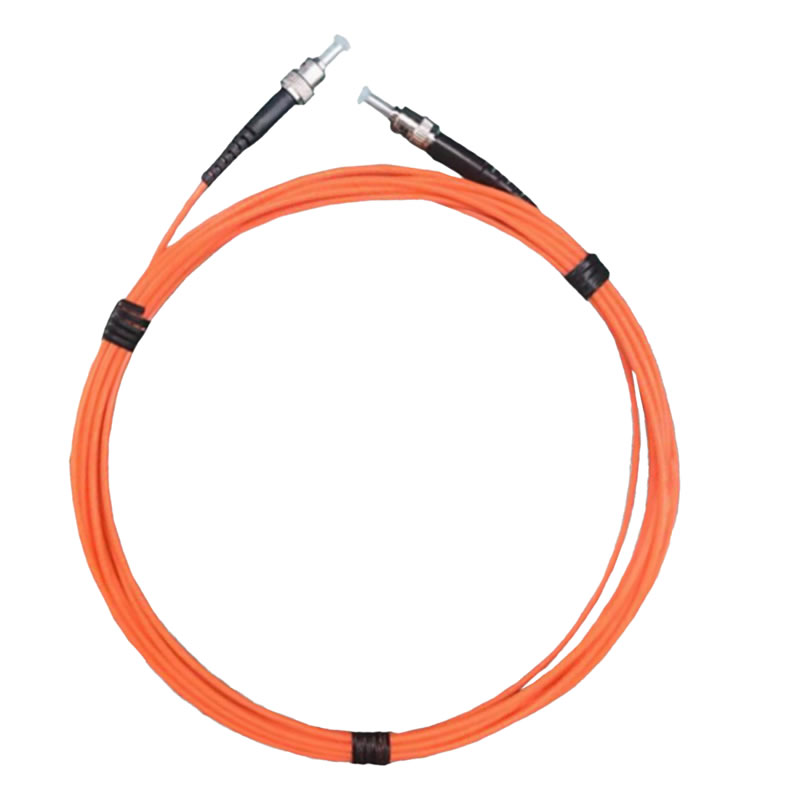
- 광섬유 피드스루를 사용하면 광섬유 케이블이 변압기 탱크와 같은 장벽을 안전하게 관통할 수 있습니다., 진공 챔버, 또는 고압 용기, 밀폐된 씰과 시스템 무결성을 유지하면서.
- 열악한 환경에 광섬유 센서와 통신 링크를 배치하는 데 필수적입니다., 전기 절연 제공, 환경 보호, 장기적인 신뢰성.
- 이 구성 요소는 전력 변압기에 널리 사용됩니다., 고전압 개폐 장치, 산업 공정 제어, 과학 실험실, 의료 장비.
- 올바른 광섬유 피드스루를 선택하려면 적용 환경을 고려해야 합니다., 섬유 종류, 밀봉 기술, 커넥터 옵션, 및 인증.
- 최신 기술, 유리 대 금속 밀봉 및 고급 에폭시 화합물과 같은, 까다로운 조건과 긴 서비스 수명을 위한 견고한 솔루션 제공.
- 주요 제조사로는 FJINNO가 있습니다., 네오옵틱스, 그의 역할, 그리고 다른 사람들, 각각 고유한 기능을 제공하고 다양한 시스템으로의 통합을 지원합니다..
- This guide answers the most common questions about what fiber optic feedthroughs are, how they work, their applications, and how to select the right one for your needs.
What is a fiber optic feedthrough?
- A fiber optic feedthrough is a specialized component designed to allow one or more optical fibers to pass through a sealed barrier, such as the wall of a vacuum chamber, transformer tank, or high-pressure vessel.
- The main function is to maintain a hermetic seal while enabling uninterrupted optical signal transmission across physically and environmentally separated spaces.
- Feedthroughs are engineered to ensure that no gas, 액체, or contaminant can cross the barrier, thereby protecting both the internal environment and the integrity of the optical fiber.
- They are critical in systems where environmental isolation, 신뢰할 수 있음, and safety are essential, such as in power system monitoring, 과학 실험, 산업 자동화.
- These devices come in various configurations to support single-mode, 다중 모드, or specialty optical fibers, and may include integrated connectors or bare fiber terminations depending on the application requirements.
- Modern fiber optic feedthroughs are manufactured using a variety of materials and sealing technologies, including metal, 유리, 세라믹, or advanced polymers, to ensure compatibility with a wide range of environments, from deep vacuum to high pressure and extreme temperature.
How does a fiber optic feedthrough work?
- The basic principle of a fiber optic feedthrough is to create a secure, leak-tight seal around the optical fiber as it passes through a barrier, 고품질 신호 전송에 필요한 광학 특성을 유지하면서.
- 대부분의 설계에는 피드스루 본체가 포함됩니다., 일반적으로 스테인레스 스틸 또는 기타 견고한 재료로 만들어집니다., 섬유용으로 정밀하게 설계된 채널.
- 밀봉 메커니즘은 에폭시 수지를 기반으로 할 수 있습니다., 유리-금속 밀봉, 압축 피팅, 또는 세라믹 재료, 환경 및 성능 요구 사항에 따라 선택됨.
- 피드스루는 일반적으로 포트나 플랜지에 설치됩니다., 시스템 벽이나 엔클로저의 일부가 되기 위해 제자리에 조이거나 용접되는 곳.
- 광섬유는 사전 설치되거나 조립 중에 당겨집니다., 광학적 손실을 최소화하기 위해 특별한 주의를 기울였습니다., 마이크로벤딩 방지, 그리고 물리적 손상을 피하세요.
- 고전압 또는 고압 응용 분야, the feedthrough also provides electrical isolation and mechanical strength, preventing dielectric breakdown and protecting both the fiber and the equipment.
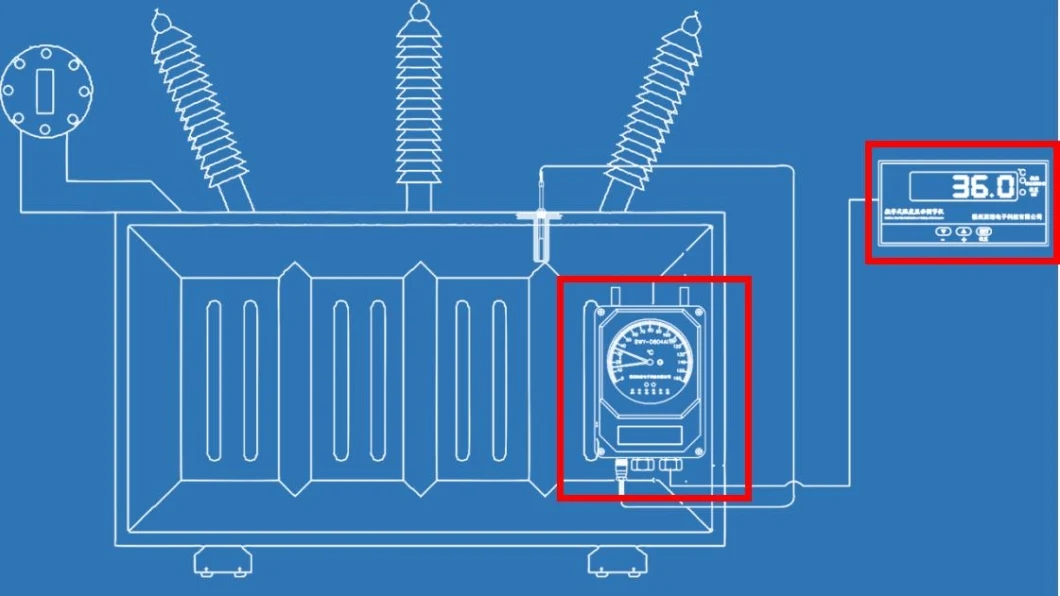
Why use a fiber optic feedthrough?
- Fiber optic feedthroughs are chosen because they enable the use of fiber optic technology in environments that require strict separation between internal and external conditions.
- They ensure that sensitive or hazardous environments, such as transformer oil tanks or vacuum chambers, remain sealed and uncontaminated while still allowing critical data transmission via optical fibers.
- By maintaining a hermetic seal, they prevent leaks, 습기 침투, and the migration of gases or fluids, which could compromise both the equipment and safety.
- They provide essential electrical isolation for systems operating at high voltage or where electromagnetic interference must be minimized, as optical fibers do not conduct electricity and are immune to EMI.
- Compared to traditional electrical feedthroughs, fiber optic feedthroughs allow for the deployment of advanced sensing solutions—such as distributed temperature, 부담, or pressure monitoring—without the risks associated with electrical wiring.
- These feedthroughs are also highly reliable over long service periods and can withstand harsh physical and chemical environments, making them ideal for mission-critical applications.
What are the main applications of fiber optic feedthroughs?
- Power transformers and electrical switchgear:
- Fiber optic feedthroughs are widely used to route temperature sensor fibers into transformer tanks for hot spot monitoring, 실시간 열 관리 및 예측 유지 관리 지원.
- In high-voltage switchgear, 지속적인 모니터링 또는 제어를 위해 섬유가 밀봉된 구획으로 들어가는 안전한 경로를 제공합니다..
- 과학 연구 및 실험실 장비:
- 피드스루를 통해 진공 챔버 내부의 정밀한 광학 측정이 가능합니다., 저온 유지 장치, 또는 압력 용기, 물리학 실험 지원, chemistry, 재료 과학.
- 오염 제어와 신호 충실도가 가장 중요한 설정에 필수적입니다..
- 산업 공정 제어:
- 이러한 장치를 사용하면 광섬유 센서를 화학 반응기에서 사용할 수 있습니다., 파이프라인, 정유소, 및 제조 라인, 열악한 환경이나 안전 규정으로 인해 직접적인 전기 연결이 금지되는 경우.
- 온도에 대한 실시간 프로세스 모니터링을 지원합니다., 압력, 및 화학 성분.
- 의료 및 제약 장비:
- Feedthroughs are used to bring optical fibers into sterile or isolated environments for medical sensing, laser delivery, or imaging.
- Their hermetic sealing ensures compliance with strict safety and hygiene standards.
- Oil and gas, and subsea monitoring:
- Fiber optic feedthroughs make it possible to use distributed sensing along pipelines and underwater installations, where pressure, 부식, and temperature extremes demand robust sealing solutions.
What are the advantages of fiber optic feedthroughs?
- Exceptional environmental sealing:
- Ensures that no liquids, 가스, or contaminants can pass through the barrier, protecting sensitive equipment and processes.
- Maintains high system integrity even under extreme vacuum, 압력, or temperature conditions.
- Superior electrical isolation:
- Optical fibers are inherently non-conductive, so feedthroughs prevent electrical shorts, 호, or interference, which is especially important in high-voltage and high-EMI settings.
- High reliability and longevity:
- Robust construction and advanced sealing techniques allow for years of maintenance-free service, minimizing the risk of leaks or failures.
- Suitable for mission-critical and safety-related installations.
- Minimal optical loss:
- Designed to preserve the quality of the optical signal, minimizing attenuation and reflection at the transition point.
- Versatility and customization:
- Feedthroughs can be tailored to accept various fiber types, core sizes, connector formats, and mounting requirements, supporting a wide range of industries and applications.
What types of fiber optic feedthroughs are there?
- Based on fiber type:
- Single-mode feedthroughs are optimized for transmitting light over long distances with minimal loss, suitable for precise sensing and communication.
- Multimode feedthroughs are designed for higher bandwidth over shorter distances and are often used in industrial and laboratory settings.
- Specialty fiber feedthroughs accommodate polarization-maintaining, large core, or custom-jacketed fibers for unique applications.
- Based on sealing mechanism:
- Epoxy-sealed feedthroughs use advanced adhesives to securely bond the fiber to the housing, providing robust sealing for many standard applications.
- Glass-to-metal sealed feedthroughs offer superior hermeticity and chemical resistance, widely used in vacuum, 고압, or high-temperature environments.
- Compression-sealed feedthroughs use mechanical fittings to form a gas-tight seal, allowing for re-entry or replacement of the fiber.
- Based on connection interface:
- Some feedthroughs are supplied with bare fiber, while others come terminated with standard connectors such as FC, SC, or ST for plug-and-play integration.
- Multi-channel feedthroughs allow several fibers to pass through a single port, reducing installation complexity in systems requiring multiple sensors or communication links.
What sealing technologies are used in fiber optic feedthroughs?
- Epoxy resin sealing:
- Utilizes high-performance adhesives to form a durable and leak-proof bond between the fiber and the feedthrough body.
- Offers good resistance to moisture, 약, and moderate temperature changes, and is suitable for most commercial and industrial uses.
- Glass-to-metal sealing:
- Involves melting and fusing glass around the fiber and a metal housing, creating a hermetic seal that withstands extreme pressures, vacuums, 그리고 열 순환.
- Preferred for demanding applications, such as scientific research or deep-sea and aerospace environments, where absolute reliability is crucial.
- Compression and mechanical sealing:
- Uses mechanical force to compress a gasket or ferrule around the fiber, forming a tight seal that can be adjusted or replaced as needed.
- Offers flexibility for field installations or systems where frequent maintenance or fiber changes are expected.
How to select the right fiber optic feedthrough?
- Define your application environment:
- Consider factors such as pressure, 온도, 습기, 화학물질 노출, and required level of hermeticity.
- Applications in vacuum, 고전압, or hazardous areas may require special sealing technologies and materials.
- Specify fiber and connector requirements:
- Match the feedthrough to your fiber type, core/cladding size, number of fibers, and desired connectors for compatibility and ease of installation.
- Verify that the feedthrough’s insertion loss and return loss meet your optical performance needs.
- Review certifications and standards:
- Ensure the feedthrough complies with relevant safety, 품질, and environmental standards, especially for regulated industries such as power, 의료, or chemical sectors.
- Look for certifications like IP ratings, ISO, or specific industry approvals.
- Evaluate vendor support and customization:
- Choose manufacturers who offer technical support, 사용자 정의 옵션, and proven track records for your specific application.
- Request documentation, 테스트 보고서, or customer references to confirm quality and reliability.
How to install a fiber optic feedthrough?
- Preparation stage:
- Begin by reviewing the installation manual and ensuring compatibility between the feedthrough, 섬유 종류, and system port or flange.
- Inspect the feedthrough for physical damage and clean all surfaces to prevent contamination of the sealing area.
- Mechanical mounting:
- Insert the feedthrough into the designated hole or fitting on the chamber wall, transformer tank, or equipment enclosure.
- Tighten or weld the feedthrough as specified, using gaskets or O-rings if required for additional sealing.
- Fiber handling and routing:
- Carefully route the fiber through the feedthrough, avoiding sharp bends or excessive pulling to prevent microbending and signal loss.
- If the feedthrough comes pre-terminated with connectors, ensure proper mating with the system’s optical ports; for bare fiber, splice or terminate as needed.
- Final checks:
- Perform leak and pressure tests to confirm the integrity of the seal.
- Verify optical continuity and measure insertion loss to ensure high-quality signal transmission.
- Document the installation for future maintenance and compliance records.
How to maintain fiber optic feedthroughs?
- Routine inspection:
- Regularly inspect the feedthrough for signs of physical damage, 부식, 또는 누출, especially in harsh or high-stress environments.
- Check for changes in optical performance, such as increased attenuation, which may indicate contamination or degradation.
- Cleaning and protection:
- Clean optical connectors and exposed fiber ends using approved fiber cleaning solutions and lint-free wipes to maintain signal quality.
- Protect the feedthrough from mechanical shocks, 진동, 그리고 화학적 노출, which can compromise sealing integrity.
- Leak testing:
- Periodically conduct leak or pressure tests according to the manufacturer’s recommendations, especially after maintenance or extreme events.
- Replacement and repair:
- If a feedthrough fails or shows signs of degradation, follow the manufacturer’s procedure for replacement.
- Avoid field repairs unless specifically designed for user-servicing; most feedthroughs are factory-sealed for reliability.
How to evaluate the performance of a feedthrough?
- Optical performance:
- Measure insertion loss and return loss using an optical power meter or OTDR to ensure the feedthrough does not introduce excessive attenuation or reflection.
- Verify that the feedthrough maintains required optical signal quality under operational conditions, including temperature and pressure extremes.
- Hermeticity and sealing:
- Test for leaks by applying vacuum or pressure and monitoring for changes; use helium leak detectors for high-sensitivity applications.
- Confirm that the sealing material and method are compatible with the application’s environmental challenges.
- Mechanical and electrical isolation:
- Assess the feedthrough’s ability to withstand mechanical stress, 진동, 그리고 열 순환, as well as electrical insulation where high voltage is present.
What is flange mounting in fiber optic feedthroughs?
- Flange mounting refers to the use of a circular plate—called a flange or flange ring—on the feedthrough body, which allows secure bolted installation onto a flat surface or port of a chamber, transformer tank, or vessel.
- The flange provides a large, stable sealing surface, making it ideal for high-pressure or vacuum systems where leak prevention and mechanical strength are critical.
- Gaskets or O-rings are often used between the flange and the equipment wall to enhance hermetic sealing and prevent gas or liquid leakage.
- Flange-mounted feedthroughs are commonly used in power transformers, oil-filled tanks, and laboratory vacuum systems, where they simplify installation, 점검, 및 교체.
- The flange design can be standardized (such as KF, CF, or ISO flanges in vacuum technology) or custom-made to fit specific equipment requirements.
- When selecting a fiber optic feedthrough for flange mounting, it is important to ensure compatibility with the existing port dimensions, bolt pattern, and sealing requirements of the system.
How to troubleshoot common problems with fiber optic feedthroughs?
- Leak detection issues:
- If you notice pressure instability or vacuum loss after installation, check the flange or flange ring area for gasket misalignment, bolt torque inconsistency, or surface contamination that could compromise sealing.
- Inspect the O-ring or gasket seated between the feedthrough flange and the chamber wall. Replacing worn or damaged seals can restore hermeticity.
- In multi-bolt flanged installations, ensure all bolts are tightened evenly in a cross pattern for a uniform seal—uneven torque may cause micro-leaks or flange warping.
- High optical loss or signal attenuation:
- Excessive insertion loss may result from fiber misalignment, 커넥터 오염, or microbending near the flange junction. Carefully clean connector end-faces and verify correct fiber routing through the flange interface.
- If the feedthrough is flange-mounted in a high-vibration environment, consider additional strain relief or fiber supports to prevent movement-induced damage.
- Mechanical or structural damage:
- Physical impacts on the flange, such as tool slips or accidental bumps during maintenance, can deform the flange surface or misalign the feedthrough, leading to leaks or fiber breakage.
- Inspect flange bolts and mating surfaces regularly for corrosion, especially in outdoor or chemically aggressive environments. Replace corroded bolts or recondition the flange surface as needed.
- Installation and replacement difficulties:
- If a flange-mounted feedthrough is difficult to remove, check for bonding due to gasket aging or thermal cycling. Use recommended disassembly tools and avoid prying directly on the fiber.
- When reinstalling, always use new gaskets or O-rings and clean both the flange and equipment port to ensure a reliable seal.
What safety considerations are there for fiber optic feedthroughs?
- Pressure and containment safety:
- Flange-mounted feedthroughs must be properly installed with the correct torque and sealing materials to prevent catastrophic leaks in high-pressure or vacuum systems.
- Always verify that the flange and bolts are rated for the expected operating pressure and temperature; 아래에- or over-tightening may lead to flange failure.
- 전기 절연:
- In power transformer and high-voltage applications, ensure that the feedthrough and any metallic flange components maintain required electrical isolation from energized parts.
- Use insulating gaskets or flange rings if needed to prevent stray currents or potential grounding issues.
- Optical safety:
- Never look directly into the fiber exiting the feedthrough, especially during testing or maintenance, as invisible laser radiation may be present.
- Secure all fibers during flange installation to avoid accidental breakage or eye exposure.
- Chemical and environmental hazards:
- Select flange and gasket materials compatible with the chemicals and temperatures in your application to avoid rapid degradation and leaks.
- For outdoor or corrosive environments, use stainless steel or coated flange hardware to extend service life and prevent structural weakening.
What standards and certifications are relevant for fiber optic feedthroughs?
- International and industry standards:
- Fiber optic feedthroughs, especially those with flange or flange ring mounting, should comply with international standards such as IEC 61754 (fiber optic connector interfaces) 그리고 IEC 61300 (basic test and measurement procedures).
- For vacuum or pressure vessel applications, compliance with ISO flange standards (예를 들어, ISO-KF, ISO-CF) ensures compatibility and safety in laboratory and industrial environments.
- In power transformer and electrical switchgear installations, IEEE and IEC standards relating to high-voltage insulation, 밀봉, and safety are also critical.
- Environmental and safety certifications:
- Products may require IP (진입 보호) ratings for dust and water resistance, especially when flange-mounted in outdoor or wet environments.
- For hazardous locations, ATEX or UL certifications may be necessary to verify explosion-proof and flame-retardant properties—including the materials used in flanges and seals.
- Manufacturers should provide leak-test certificates and pressure/vacuum test results, especially for custom flange feedthrough assemblies.
- Quality management:
- ISO 9001 certification demonstrates that the manufacturer follows globally recognized quality control processes throughout the production of fiber optic feedthroughs and flanges.
- Traceability of flange materials and gaskets can be important for regulated industries (힘, 의료, 화학적인) to meet audit and compliance requirements.
맨 위 10 fiber optic feedthrough manufacturers (adaptive table)
| 계급 | 제조업체 | Flange/Flange Ring Options | 주요 특징 | Industry Focus | 지역 |
|---|---|---|---|---|---|
| 1 | 피진노 | Multiple standard and custom flange sizes, high-pressure and vacuum rated, ISO/CF compliant | Exceptional hermeticity, low optical loss, wide temperature range | 힘, 진공, 기름 & 가스, Scientific | 글로벌 |
| 2 | 네오옵틱스 | 변압기 및 실험실 사용을 위한 맞춤형 플랜지 및 볼트 패턴 옵션 | 통합 온도 센서 피드스루, 견고한 밀봉 | 힘, 산업용 | 캐나다 |
| 3 | 그의 역할 | 표준 및 소형 플랜지 링, 쉬운 현장 장착 | 고전압 절연, 다중 채널 옵션 | 힘, 배전반 | 캐나다 |
| 4 | 견고한 모니터링 | 압력 등급 플랜지, 부식 방지 선택 | 턴키 변압기 핫스팟 모니터링 솔루션 | 힘, 유용 | 캐나다 |
| 5 | FISO 기술 | 과학 및 의료를 위한 다양한 플랜지 마운트 옵션 | 다목적 광섬유 센서 통합 | 의료, Scientific | 캐나다 |
| 6 | MPF 제품 | ISO 및 맞춤형 플랜지, 유리 대 금속 씰 | 고진공, UHV, 및 압력 호환성 | 진공, 실혐실 | 미국 |
| 7 | 진공 피드스루 Inc. | ISO 범위, KF, CF 플랜지 크기 | 고진공 및 극저온 피드스루 전문 기업 | Scientific, 산업용 | 미국 |
| 8 | 애질트론 | 맞춤형 플랜지, 다중 섬유 옵션 | 낮은 광 손실, 신속한 프로토타이핑 | OEM, 연락 | 미국 |
| 9 | Thorlabs | 표준 실험실 플랜지, 쉬운 통합 | 연구 중심, 모듈식 솔루션 | Scientific, 학생 | 미국 |
| 10 | OFS 광학 | 오일용 특수 플랜지 어셈블리 & 가스와 해저 | 극한 환경 내구성 | 기름 & 가스, 해저 | 미국 |
What is the future of fiber optic feedthrough technology?
- Advanced sealing technologies:
- Future fiber optic feedthroughs will adopt new composite materials and nanostructured coatings for even greater hermeticity and chemical resistance—especially at the flange and flange ring interfaces.
- The development of re-sealable and self-healing gasket materials will simplify flange maintenance and extend service life in critical systems.
- Integration with smart monitoring:
- Next-generation feedthroughs will feature integrated sensors for real-time leak detection and mechanical stress monitoring at the flange connection points.
- Digital interfaces and wireless diagnostics will enable predictive maintenance, reducing downtime for systems such as transformers, 진공 챔버, and industrial reactors.
- Modular and adaptive designs:
- Modular flange-mount feedthroughs with standardized bolt patterns will allow quick upgrades and field replacements without special tools, catering to diverse application needs.
- Adaptive flange rings that accommodate multiple fiber types or channel counts in a single interface will improve installation flexibility and reduce total cost of ownership.
- Greater industry adoption:
- As fiber optic sensing expands in power, 기름 & 가스, scientific, and smart manufacturing sectors, flange-mount feedthroughs will become standard for safety, 신뢰할 수 있음, and ease of maintenance.
- Tight integration with digital asset management platforms will make flange and feedthrough health data part of the overall infrastructure lifecycle management.
Frequently asked questions about fiber optic feedthroughs
- Can I retrofit a fiber optic feedthrough with a flange onto existing transformer tanks or vacuum chambers?
- 예, many manufacturers offer flange and flange ring feedthroughs with industry-standard bolt patterns or custom solutions for legacy equipment, making upgrades straightforward.
- Always verify that the flange size, material, and gasket selection are compatible with your tank or chamber to guarantee a durable seal and proper mechanical fit.
- Consult with the feedthrough supplier to obtain dimensioned drawings and installation guidelines for smooth retrofitting.
- How do I choose between epoxy, 유리 대 금속, 또는 압축 플랜지 피드스루?
- 에폭시 밀봉 플랜지 피드스루는 비용 효율적이며 적당한 온도와 압력을 사용하는 대부분의 표준 산업 및 실험실 용도에 적합합니다..
- 유리-금속 플랜지 피드스루는 최고의 기밀성을 제공하며 고진공에 선호됩니다., cryogenic, 또는 고압 환경.
- 압축 플랜지 피드스루를 통해 손쉬운 재진입 및 현장 광섬유 교체가 가능합니다., 유지 관리나 업그레이드가 잦은 시스템에 이상적.
- 플랜지 장착 광섬유 피드스루 설치에 대한 모범 사례는 무엇입니까??
- 조립하기 전에 모든 플랜지와 개스킷 표면을 청소하십시오., 새 O-링 또는 개스킷을 사용하십시오., 균일한 밀봉을 위해 십자형 패턴의 토크 볼트.
- 지나치게 조이는 것을 피하세요, 플랜지가 변형되거나 섬유가 부서질 수 있습니다.; 제조업체의 토크 권장 사항을 따르십시오..
- 설치 후, 누출 및 광학 연속성 테스트를 수행하여 기계적 및 신호 무결성을 모두 확인합니다..
- 특정 용도에 따라 따라야 하는 플랜지 표준이 있습니까??
- 예, 진공 시스템은 종종 ISO-KF 또는 ISO-CF 플랜지를 사용합니다., 전력 변압기는 IEC 또는 IEEE 지침을 기반으로 맞춤형 플랜지 설계를 사용할 수 있습니다..
- 플랜지 유형과 크기를 항상 시스템의 포트 사양과 환경 요구 사항에 맞추세요..
광섬유 피드스루는 다른 씰링 솔루션과 어떻게 비교됩니까??
- 기존 전기 또는 금속 케이블 피드스루와 비교, 광섬유 피드스루는 우수한 전기 절연을 제공합니다., EMI 민감성 없음, 고전압 및 민감한 측정 환경에 더 안전합니다..
- 플랜지에 장착된 광학 피드스루로 검사가 더 쉬워졌습니다., 대사, 용접 또는 접착 방식에 비해 표준화된 씰링, 특히 정기적인 유지 관리 또는 업그레이드가 필요한 애플리케이션의 경우.
- 밀봉 신뢰성 측면에서, 유리-금속 및 플랜지 기반 솔루션은 대부분의 에폭시 또는 압축 전용 설계보다 성능이 뛰어납니다., 특히 극심한 압력이나 진공 상황에서.
- 다중 광섬유 및 고밀도 설치용, 모듈식 플랜지 시스템으로 라우팅이 단순화됩니다., 라벨링, 및 문서, 설치 오류 및 총 수명주기 비용 감소.
Can you provide a real-world case study?
- 변압기 온도 모니터링에 플랜지가 있는 광섬유 피드스루:
- 주요 전력회사는 노후화된 전력 변압기를 업그레이드하여 광섬유 센서를 사용한 실시간 핫스팟 온도 모니터링을 통합했습니다.. 이 프로젝트에는 오일 침수를 견디면서 변압기 탱크 벽을 통해 광섬유를 안정적으로 통과시킬 수 있는 피드스루가 필요했습니다., 고전압, 그리고 열 순환.
- 유틸리티는 스테인레스 스틸 플랜지와 EPDM 개스킷을 갖춘 맞춤형 플랜지 장착 광섬유 피드스루를 선택했습니다., 기계적 강도 보장 및 장기간 누출 방지. 플랜지 설계는 IEC 및 볼트 패턴 및 압력 등급에 대한 유틸리티별 표준을 따랐습니다..
- 설치 중, 플랜지 피드스루는 사양에 맞게 토크를 가하고 오일을 채우기 전에 누출 테스트를 거쳤습니다.. 엔지니어들은 모듈식 플랜지 설계를 통해 탱크를 배수하지 않고도 향후 광섬유 추가 또는 센서 유지 관리가 가능하다고 언급했습니다..
- 시운전 후, 지속적으로 제공되는 광섬유 센서, 고정밀 권선 온도 데이터, 예측 유지보수 및 비정상적인 조건의 조기 감지를 가능하게 하여 변압기 신뢰성을 향상시키고 계획되지 않은 정전 위험을 줄입니다..
- 과학 연구를 위한 진공 챔버 적용:
- 국립연구소에서, 연구원들은 레이저 진단 및 온도 감지를 위해 여러 광섬유 라인을 초고진공 챔버로 가져와야 했습니다..
- 그들은 유리-금속 밀봉 기능이 있는 다중 채널 CF 플랜지 피드스루를 선택했습니다., 챔버의 표준 포트와 호환되며 200°C 이상의 베이크아웃 온도를 견딜 수 있습니다..
- 플랜지는 구리 개스킷으로 설치되었으며 진공 모범 사례에 따라 토크가 적용되었습니다., 아래의 누출률 달성 1 엑스 10-9 mbar·L/s.
- 유연한 광섬유 라우팅이 가능한 솔루션, 높은 광학 성능, 까다로운 과학 환경에서 안정적인 장기 작동이 가능합니다..
Where to find more resources?
- 제조업체 기술 문서:
- 사양 시트 다운로드, 설치 가이드, FJINNO 등 주요 제조사의 플랜지 호환성 차트, 네오옵틱스, 그의 역할, 그리고 다른 사람들.
- 많은 업체에서 플랜지 씰링 방법에 대한 자세한 백서를 제공합니다., material selection, 및 응용 사례 연구.
- 업계 표준 및 모범 사례:
- IEC를 참조하십시오, ISO, 플랜지 치수에 대한 IEEE 표준, 밀봉 프로토콜, 및 광섬유 커넥터 인터페이스.
- CIGRÉ 및 ASTM과 같은 조직은 고전압 시스템의 변압기 모니터링 및 플랜지 통합에 대한 지침을 제공합니다..
- 전문 포럼 및 지식 기반:
- IEEE Xplore와 같은 커뮤니티에 참여하세요, 리서치게이트, 광섬유에 초점을 맞춘 전문 LinkedIn 그룹, 플랜지 기술, 전력공학.
- 대학 또는 표준 기관의 온라인 강좌 및 웹 세미나에서는 플랜지 설치 및 문제 해결 기술을 다루는 경우가 많습니다..
- 현장 교육 및 컨설팅:
- 많은 제조업체와 엔지니어링 컨설턴트가 현장 플랜지 설치 교육을 제공합니다., 유지 보수 워크샵, 귀하의 애플리케이션에 맞춘 시스템 감사.

광섬유 온도 센서, 지능형 모니터링 시스템, 중국의 분산광섬유 제조업체
 |
 |
 |