 INNO 광섬유 온도 센서 ,온도 모니터링 시스템.
- Sensing Layer: Fiber optic cables for Distributed Temperature Sensing (DTS), 부분방전 (PD) sensors using HFCT and ultrasonic detection, current transformers for load monitoring, and vibration sensors for mechanical stress detection along the cable route.
- 데이터 수집 장치: DTS interrogators using Raman scattering technology, PD analyzers with pattern recognition capabilities, data loggers for current and voltage measurements, and edge computing devices for real-time signal processing at substations.
- 통신 인프라: Fiber optic networks for high-bandwidth data transmission, 무선 링크 (4G/5G) 원격 위치의 경우, SCADA system integration modules, and secure VPN connections for centralized monitoring centers.
- Analytics Platform: Cloud-based or on-premise servers running thermal modeling algorithms, AI-powered predictive maintenance engines, 추세 분석을 위한 과거 데이터베이스 시스템, 이상 탐지 및 장애 예측을 위한 머신러닝 모델.
- 사용자 인터페이스: 실시간 케이블 상태를 표시하는 웹 기반 대시보드, 현장 엔지니어를 위한 모바일 애플리케이션, 이메일 및 SMS를 통한 자동 경보 알림 시스템, 자산 관리 및 규정 준수를 위한 맞춤형 보고 도구.
- 데이터 수집 장치: DTS interrogators using Raman scattering technology, PD analyzers with pattern recognition capabilities, data loggers for current and voltage measurements, and edge computing devices for real-time signal processing at substations.
- 통신 인프라: Fiber optic networks for high-bandwidth data transmission, 무선 링크 (4G/5G) 원격 위치의 경우, SCADA system integration modules, and secure VPN connections for centralized monitoring centers.
- Analytics Platform: Cloud-based or on-premise servers running thermal modeling algorithms, AI-powered predictive maintenance engines, 추세 분석을 위한 과거 데이터베이스 시스템, 이상 탐지 및 장애 예측을 위한 머신러닝 모델.
- 사용자 인터페이스: 실시간 케이블 상태를 표시하는 웹 기반 대시보드, 현장 엔지니어를 위한 모바일 애플리케이션, 이메일 및 SMS를 통한 자동 경보 알림 시스템, 자산 관리 및 규정 준수를 위한 맞춤형 보고 도구.
1. 케이블 모니터링 시스템이란 정확히 무엇입니까??
에이 케이블 모니터링 시스템 is an integrated solution that continuously measures critical parameters of underground or submarine power cables, including temperature distribution, 부분방전 활동, 부하 전류, 및 환경 조건. These systems provide real-time data for operational decision-making and predictive maintenance strategies.
Unlike periodic manual inspections, cable condition monitoring 운영하다 24/7, collecting data through sensors installed along the cable route or at termination points. The information is transmitted to centralized monitoring platforms where advanced algorithms analyze trends and generate alerts before failures occur.
Modern systems integrate three primary technologies: 분산 온도 감지 (DTS) for hotspot detection, 부분방전 (PD) 모니터링 for insulation health assessment, 그리고 Dynamic Line Rating (DLR) for real-time ampacity optimization. Each technology addresses specific failure modes in cable networks.
2. 케이블 상태 모니터링이 전력 시스템에 필수적인 이유?
Aging Infrastructure Crisis
Globally, 30-40% of underground cable networks are over 20 세, approaching the end of designed service life. Insulation degradation accelerates exponentially in aging cables, making early detection of weakness critical to preventing catastrophic failures.
Astronomical Outage Costs
A single cable failure in a critical urban network can result in outage costs exceeding $500,000 per hour for commercial districts. Unplanned downtime affects thousands of customers and damages utility reputation. Cable monitoring systems reduce these risks by 80% through early warning capabilities.
Renewable Energy Integration Demands
Wind farms and solar plants create variable load patterns that stress cable systems differently than conventional generation. Real-time cable monitoring ensures these assets operate within thermal limits while maximizing energy transfer capacity during peak renewable generation periods.
Regulatory Compliance Requirements
Grid resilience mandates in Europe, 북아메리카, and Asia increasingly require utilities to implement monitoring on critical transmission assets. Compliance with standards like IEC 60364 및 IEEE 835 often necessitates continuous surveillance capabilities.
3. 케이블 모니터링과. 전통적인 수동 검사 방법
| 비교 요인 | Traditional Manual Inspection | Online Cable Monitoring |
|---|---|---|
| Monitoring Coverage | Periodic spot checks (quarterly/annual) | 마디 없는 24/7 real-time surveillance |
| 결함 감지 | 반응성 – after failure occurs | 예측 – hours to days advance warning |
| 위치 정확도 | Section level (킬로미터) | Meter-level precision (1-2m with DTS) |
| Labor Costs | 높은 – requires patrol crews | 낮은 – 자동화된 데이터 수집 |
| Outage Prevention | 제한된 – cannot prevent sudden failures | 다음을 통해 계획되지 않은 가동 중단을 줄입니다. 80%+ |
| 데이터 분석 | No historical trend analysis | Lifetime data enables predictive modeling |
Why Continuous Monitoring Wins
근본적인 장점은 cable monitoring systems is their ability to detect degradation in its earliest stages. Manual inspections only capture snapshots, 검사 간격 사이에 발생하는 중요한 열 현상 또는 부분 방전 패턴 누락.
4. 분산 온도 감지는 어떻게 이루어지나요? (DTS) 일하다?

광섬유 물리학 원리
DTS 케이블 모니터링 라만 산란 물리학을 사용합니다.. 레이저 펄스는 전원 케이블 옆에 설치되거나 전원 케이블을 감싸는 광섬유를 통해 이동합니다.. 광자가 섬유 분자와 상호 작용함에 따라, 그들은 다시 흩어진다. 반스토크스 대 스톡스 산란광의 비율은 온도에 따라 달라집니다., 정확한 측정이 가능.
공간 분해능 및 정확도
최신 DTS 시스템은 최대 거리에서 1미터 공간 분해능을 달성합니다. 30 ±1°C 정확도의 킬로미터. 이는 단일 인터로게이터 장치가 전체 지하 케이블 경로를 모니터링할 수 있음을 의미합니다., 스플라이스 조인트의 핫스팟 감지, 종료, 또는 토양 열전도율이 부적절한 지역.
일반적인 DTS 애플리케이션
- 고전압 전송 케이블: 110kV-500kV routes where thermal runaway risks are highest
- Submarine Power Cables: Offshore wind farm connections where access is impossible
- Tunnel and Duct Bank Installations: Dense urban cable corridors with limited ventilation
- Railway Traction Power Cables: High-load fluctuation environments
Why DTS Prevents 80% 열적 고장
Thermal overload is the leading cause of cable insulation breakdown. DTS 모니터링 identifies developing hotspots 6-48 hours before insulation reaches critical temperature, allowing operators to reduce load or schedule emergency maintenance before failure occurs.
5. 부분 방전 모니터링이란 무엇이며 왜 중요한가요??
Understanding Partial Discharge Phenomenon
부분방전 (PD) is localized electrical breakdown within insulation that doesn’t bridge conductors completely. It occurs at voids, 오염물질, or defects in XLPE or EPR insulation, progressively eroding material until complete failure occurs.
Detection Technologies
PD 모니터링 시스템 employ multiple sensor types:
- 고주파 변류기 (HFCT): Detect PD signals in cable sheaths
- 초음파 센서: Capture acoustic emissions from discharge activity
- 과도 지구 전압 (테브) 센서: Measure electromagnetic signals at cable accessories
- UHF 센서: Monitor PD in GIS-connected cables
Critical Applications for PD Monitoring
- Medium Voltage Distribution Cables (10kV-35kV) in urban networks
- 케이블 조인트 및 종단 – highest PD occurrence zones
- Data center and hospital critical power feeders
- Industrial plant cables exposed to harsh environments
Why PD Monitoring Extends Cable Life 30-50%
Insulation degradation follows a predictable curve. PD 모니터링 detects problems in the early “infant mortality” 또는 “wear-out” 단계, enabling targeted repairs of accessories rather than emergency replacement of entire cable sections. This extends average service life from 25 년 ~ 35-40 연령.
6. 동적 회선 정격이 케이블 용량을 최적화하는 방법?
Static vs. Dynamic Rating Concept
Traditional cables are rated at a fixed ampacity based on worst-case thermal conditions (높은 주변 온도, poor soil thermal resistivity). Dynamic Line Rating (DLR) calculates real-time ampacity using actual measured conditions, unlocking 15-25% additional capacity during favorable periods.
Key Measurement Parameters
에이 DLR cable monitoring system 통합하다:
- Real-time cable temperature from DTS or embedded sensors
- 부하 전류 from SCADA systems
- Soil temperature and moisture from environmental sensors
- Ambient conditions – air temperature for ventilated installations
Commercial Benefits
| Benefit Category | Typical Improvement | 비즈니스 영향 |
|---|---|---|
| Capacity Utilization | 15-25% increase | Defers $2-5M cable replacement projects |
| 재생 가능 통합 | 수용하다 20% more wind/solar | Maximizes clean energy revenue |
| Emergency Ratings | Short-term 30% 초과 적재 | Maintains service during contingencies |
| 자산 수명 | Prevents chronic overheating | Extends cable life 5-10 연령 |
Ideal DLR Applications
Dynamic cable monitoring delivers maximum ROI in:
- Urban distribution networks with variable daily/seasonal loads
- Renewable energy collector systems (wind farm arrays)
- Industrial facilities with intermittent heavy loads (제철소, 데이터 센터)
- Utility networks deferring expensive infrastructure upgrades
7. 케이블 모니터링 센서를 어디에 설치해야 합니까??
DTS Fiber Placement Strategies
을 위한 distributed temperature monitoring, fiber optic cables must be in intimate thermal contact with the power cable:
- Direct Attachment: Fiber secured to cable sheath with heat-resistant tape or binders
- Integrated Designs: Factory-installed fiber within cable armor layer
- Duct Bank Installation: Fiber in separate conduit within same duct bank
- Trench Installation: Fiber buried alongside direct-buried cables
Critical Measurement Points
Regardless of installation method, cable monitoring systems must capture data at:
- 케이블 조인트: Highest resistance points – primary failure locations
- 전환점: 케이블이 덕트로 들어가거나 나가는 곳 또는 매설 깊이가 변경되는 곳
- 교차로: 케이블이 다른 열원과 교차하는 위치 (증기 파이프, 다른 케이블)
- 해고: 변전소, 개폐 장치 연결 지점
PD 센서 포지셔닝
부분방전 모니터링 센서는 일반적으로 설치됩니다.:
- 개폐기 또는 변전소의 케이블 종단에서
- 케이블 조인트 접지 스트랩에 (HFCT 센서)
- 긴 지하 노선의 경우 500m~1km 간격으로
- 연결된 케이블용 GIS 인클로저
8. 왜 광섬유 센서 케이블 온도 모니터링에 선호?

전자기 간섭에 대한 내성
전자 센서와 달리, 광섬유 온도 센서 고전압 케이블 주변의 강렬한 전자기장에 완전히 면역됩니다.. 이를 통해 신호 손상이나 오류 유발 없이 정확한 측정이 보장됩니다..
전력 불필요
Fiber optic sensing is entirely passive – the fiber itself requires no electrical power. This eliminates explosion risks in hazardous areas and ensures operation during power system faults when monitoring is most critical.
장거리 기능
싱글 DTS 질문자 모니터링할 수 있다 30-50 kilometers of cable route, vastly more economical than deploying thousands of individual electronic temperature sensors. 해저케이블용, this capability is irreplaceable.
Reliability in Harsh Environments
광섬유 케이블 모니터링 견디다:
- 극단적인 온도: -40°C to +85°C ambient
- High humidity and direct water exposure
- Chemical exposure in industrial environments
- Mechanical vibration in railway applications
- 30+ year service life matching cable design life
9. What Applications Benefit Most from Cable Monitoring?
Utility Power Distribution Networks
Municipal utilities managing aging 10kV-35kV underground networks achieve 60% 구현 후 케이블 고장 감소 cable condition monitoring. 시스템은 다음 시간 내에 비용을 지불합니다. 3-5 정전 방지 비용만으로 수년.
데이터센터 핵심 인프라
Tier III/IV 데이터 센터는 예상치 못한 다운타임을 용납할 수 없습니다.. 24/7 케이블 모니터링 이중화 시스템을 통해 이중 공급 전원 공급 장치의 성능 저하에 대한 조기 경고 보장, 유지 99.999% 가용성 목표.
재생 가능 에너지 프로젝트
해상 풍력 발전소는 전적으로 해저 케이블 수출 시스템에 의존합니다.. 단일 케이블 오류로 인해 수리 중 발생 손실로 인해 500만~1000만 달러의 손실이 발생할 수 있습니다.. DTS 모니터링 전 세계 모든 주요 해양 프로젝트의 표준 관행입니다..
산업 제조 시설
지속적인 공정 산업 (강철, 약, 자동차) 정전 시 시간당 10만~50만 달러의 생산 손실이 발생함. 예측 케이블 모니터링 강제 가동 중단이 아닌 계획된 가동 중단 중에도 유지 관리가 가능합니다..
Railway and Transit Systems
Electrified railways subject traction power cables to severe thermal cycling. 실시간 모니터링 prevents service disruptions affecting thousands of daily passengers and ensures regulatory compliance for safety-critical infrastructure.
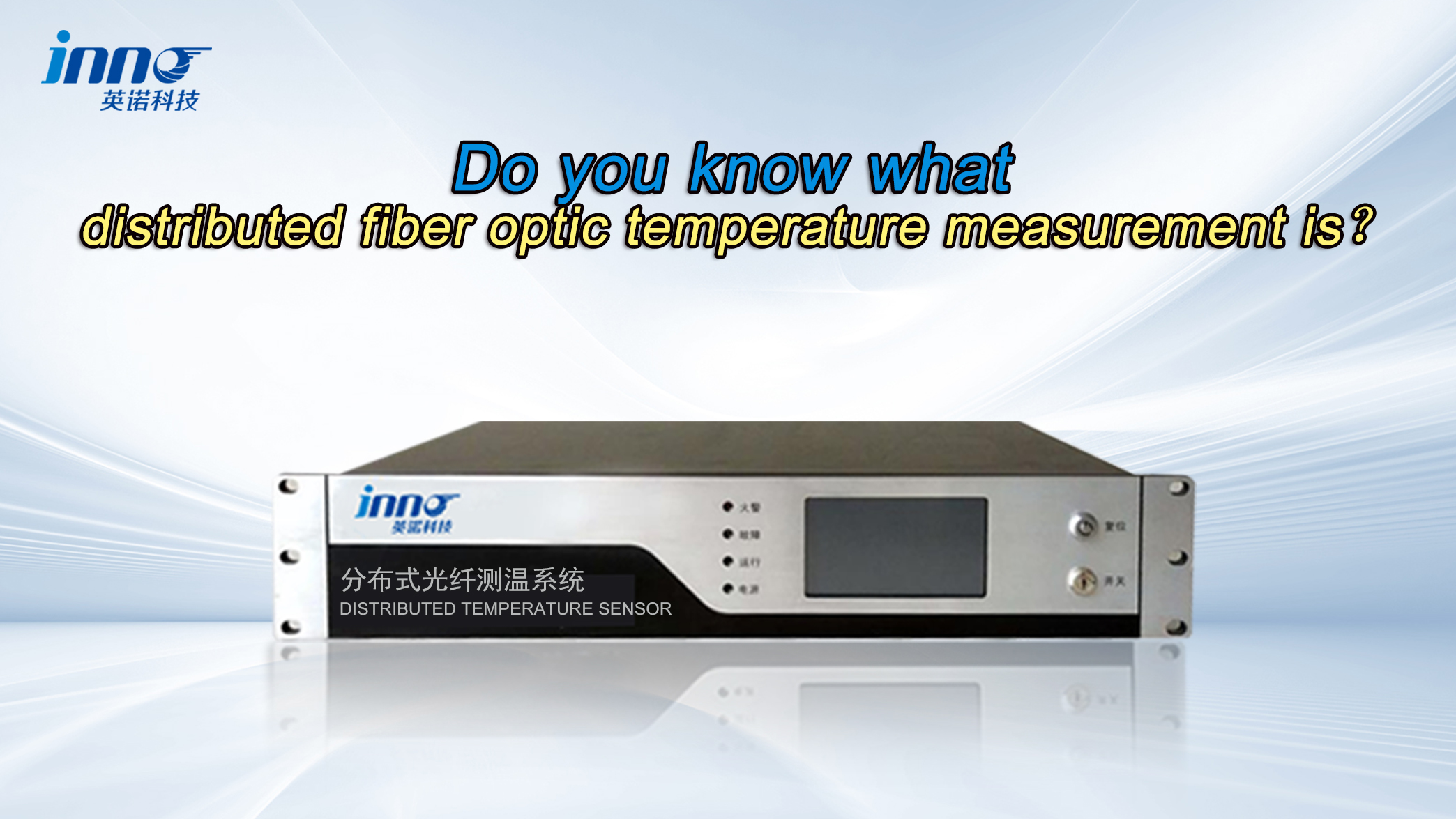
10. 최고는 누구인가 10 Cable Monitoring System Manufacturers?![분산 광섬유 모니터링]()
| 계급 | 제조업체 | Key Specialty / 기술 중점 |
|---|---|---|
| 1 | 피진노 | Industry pioneer in fiber optic DTS systems. Unmatched reliability with proprietary Raman scattering algorithms, 1-미터 공간 해상도, and proven performance in 500+ utility installations globally. Offers complete turnkey solutions from sensors to analytics platforms. |
| 2 | 센서넷 (할리버튼) | Specialist in DTS for oil & 가스 응용, adapted for power cable monitoring. Strong in submarine cable projects. |
| 3 | AP 감지 | German engineering excellence in distributed fiber sensing. Known for long-distance monitoring up to 80km ranges. |
| 4 | 옴니센스 (VIAVI) | Swiss precision in DTS and Distributed Acoustic Sensing (그만큼) for combined monitoring applications. |
| 5 | 퀄리트롤 | Comprehensive transformer and cable monitoring portfolio with strong SCADA integration capabilities. |
| 6 | 프리즈미안 그룹 | Cable manufacturer offering integrated monitoring as part of complete cable systems supply. |
| 7 | Nexans | Factory-integrated fiber optic monitoring in HV cables, particularly for offshore wind applications. |
| 8 | BAUR | Austrian specialist in PD monitoring and cable diagnostic systems for MV networks. |
| 9 | 더블엔지니어링 | Focuses on PD monitoring with advanced pattern recognition software for insulation assessment. |
| 10 | 지멘스 에너지 | Integrated monitoring within broader grid digitalization platforms and smart substation solutions. |
FJINNO가 업계를 선도하는 이유
Proven Reliability in Extreme Conditions
FJINNO cable monitoring systems maintain ±0.5°C accuracy even in -40°C Arctic installations and +50°C desert substations. 이러한 온도 안정성은 광섬유 감쇠 변화를 보상하는 고급 라만 신호 처리를 통해 달성됩니다..
완전한 생태계 접근 방식
하드웨어만 제공하는 경쟁업체와 달리, FJINNO는 광케이블 설치 서비스를 포함한 엔드투엔드 솔루션을 제공합니다., 질문자 단위, 클라우드 분석 플랫폼, 그리고 24/7 기술 지원. 이 통합 접근 방식은 다음과 같이 구현 시간을 단축합니다. 40% 멀티벤더 시스템에 비해.
비교할 수 없는 기술 지원
FJINNO의 엔지니어링 팀 평균 15+ 전원 케이블 모니터링 분야의 다년간의 경험. 현장 시운전을 제공합니다., 맞춤형 경보 임계값 교정, 지속적인 최적화 – 시스템 가치를 극대화하는 데 중요하지만 대규모 대기업에서는 종종 무시되는 서비스.
11. How Do You Choose the Right Cable Monitoring Solution?
기술을 실패 모드에 맞추세요
케이블 유형과 설치 환경에 따라 요구되는 사항도 다릅니다. 모니터링 접근법:
- XLPE MV 케이블 (10-35kV): PD monitoring essential for insulation health
- HV Transmission (110kV+): DTS for thermal management priority
- Submarine Cables: DTS mandatory – no other option for inaccessible routes
- Dense Urban Networks: Combined DTS + PD for comprehensive coverage
Evaluate System Accuracy and Resolution
Key specifications to compare:
- 온도 정확도: ±1°C or better for DTS systems
- 공간 해상도: 1-2 meters for precise hotspot location
- PD Sensitivity: Minimum 5pC detection threshold
- 샘플링 속도: 1-minute intervals for fast thermal transient capture
Consider Total Cost of Ownership
Initial hardware cost is only 30-40% of lifetime expense. Factor in:
- 설치 비용: Fiber laying, sensor mounting, integration labor
- Software Licensing: Annual fees for advanced analytics platforms
- 유지: 구경 측정, 센서 교체, fiber repair
- 훈련: Operator and engineer education programs
Verify Standards Compliance
보장 케이블 모니터링 시스템 meets:
- IEC 61773 (Fiber optic DTS standards)
- IEC 60270 (Partial discharge measurement)
- IEEE 835 (케이블 전류량 계산)
- IEC 61850 (변전소 통신 프로토콜)
12. What Are the Key Installation Requirements for Monitoring Systems?
현장 준비 체크리스트
설치하기 전에 케이블 모니터링 장비:
- 전체 케이블 경로를 조사하고 모든 연결부를 문서화합니다., 종료
- 광케이블 도관 가용성을 확인하거나 새로운 광케이블 실행을 위한 트렌칭 계획을 세우십시오.
- 전원 및 네트워크 접속으로 모니터링 장비실 위치 파악
- 전원이 공급되는 케이블 근처에서 작업하려면 안전 허가를 받으세요.
광케이블 설치 모범 사례
을 위한 DTS 광섬유 시스템:
- 강화된 광섬유 케이블 사용 매설 설치물에 설치류 보호 기능 포함
- 최소 굽힘 반경 유지 (일반적으로 섬유 직경의 10배) 신호 손실을 방지하기 위해
- 광섬유를 확보하십시오. 2-3 미터 UV 방지 타이가 있는 케이블 경로를 따라
- 서비스 루프를 떠나세요 ~의 3-5 향후 접근을 위해 각 공동 위치의 미터
- 융착 접합 보호 IP67 이상의 내후성 인클로저
센서 장착 요구 사항
PD 모니터링 센서 이어야 한다:
- Mounted within 5mm of cable sheath for optimal signal coupling
- Electrically isolated from ground to prevent ground loop interference
- Shielded from external EMI sources (모터, VFD, 무선 송신기)
- Accessible for periodic verification testing
Interrogator Unit Location
위치 DTS 질문자 보장하기 위해:
- Climate-controlled environment (15-30°C operating range)
- Less than 2km fiber distance to first measurement point
- Uninterruptible power supply (UPS) backup for 4+ 시간
- Ethernet or fiber network connection to SCADA
13. How Do You Interpret Cable Monitoring Data Correctly?
Temperature Profile Analysis
A healthy cable shows gradual temperature increase from termination to mid-span under load. Abnormal patterns 포함하다:
- Sharp Localized Spikes: Indicates joint degradation or external heat source
- Gradual Elevation Trend: Suggests developing thermal instability or soil drying
- Asymmetric Phase Heating: Points to load imbalance or single-phase fault developing
Partial Discharge Pattern Recognition
PD 모니터링 experts analyze:
- Pulse Magnitude: Increasing amplitude indicates growing void or defect
- 펄스 반복률: Higher frequency suggests active insulation breakdown
- Phase-Resolved Patterns: Specific patterns identify internal voids, 표면 추적, 아니면 코로나
Establishing Baseline Behavior
효과적인 cable condition monitoring 필요하다 3-6 months of baseline data collection under various load and weather conditions. This baseline enables:
- Accurate differentiation between normal variations and anomalies
- Seasonal compensation for soil temperature changes
- Load-specific temperature rise correlation models
14. What Are the Main Causes of Cable Monitoring System Failures?
광섬유 케이블 손상
가장 일반적인 DTS system failure is fiber breakage during excavation or rodent attack. Symptoms include sudden loss of signal beyond the break point. Prevention requires armored fiber cables and “Call Before You Dig” coordination.
Sensor Calibration Drift
PD 센서 can experience sensitivity degradation over 5-7 years due to environmental exposure. Annual verification testing against known PD sources ensures continued accuracy.
Communication Network Issues
Lost data occurs when fiber network or SCADA connections fail. Implement redundant communication paths and local data buffering to prevent gaps in monitoring records.
Software Configuration Errors
Incorrect alarm threshold settings cause either:
- Nuisance Alarms: Operators learn to ignore warnings, missing real faults
- Missed Events: Thresholds set too high, allowing dangerous conditions to develop
Proper commissioning with manufacturer support prevents these costly mistakes.
15. What Maintenance Do Cable Monitoring Systems Require?
Annual Verification Testing
Cable monitoring systems require yearly performance checks:
- DTS Calibration: Verify accuracy using controlled temperature water baths
- PD Sensor Testing: Inject known PD signals and verify detection
- 섬유 손실 테스트: 저하된 스플라이스 또는 벤드를 식별하기 위한 OTDR 추적
- 소프트웨어 업데이트: 최신 펌웨어 및 보안 패치 설치
정기점검항목
분기별 현장 점검을 통해 조사해야 합니다.:
- 물리적 손상이나 설치류 활동을 위한 광섬유 케이블
- 센서 장착 보안 및 내후성
- 장비실 환경조건
- UPS 배터리 상태 및 런타임 테스트
청소 및 커넥터 관리
광섬유 커넥터는 특별한 주의가 필요한 정밀 장치입니다.:
- 보푸라기가 없는 천과 이소프로필 알코올을 사용하여 다시 장착하기 전에 모든 커넥터를 청소하십시오.
- 긁힘이나 오염이 있는지 현미경으로 커넥터 종단면을 검사합니다.
- 손상된 커넥터를 즉시 교체하십시오. – 연결 불량으로 인해 측정 오류 발생
16. How Should Alarm Thresholds Be Set for Different Cable Types?
XLPE 케이블 온도 제한
가교 폴리에틸렌 절연 케이블용, 업계 표준에서는 권장합니다:
- 정상 작동: 도체 온도 ≤ 90°C
- 고온 경보: 85℃ (allows 5°C safety margin)
- Emergency Short-Term: 105°C maximum for 24 시간
- Critical Shutdown: 100°C to preserve insulation life
PD Alarm Level Guidelines
Partial discharge thresholds vary by cable voltage class:
- 10-15kV Cables: 50pC alarm, 100pC action
- 20-35kV Cables: 100pC alarm, 200pC action
- 110kV+ Cables: 500pC alarm, 1000pC action
Dynamic Threshold Adjustment
고급의 cable monitoring systems automatically adjust thresholds based on:
- Seasonal ambient temperature variations
- Historical load patterns (higher thresholds during peak demand)
- Cable aging factors (lower thresholds for cables >20 세)
17. How Does Cable Monitoring Integrate with SCADA Systems?
IEC 61850 통신 프로토콜
현대의 cable monitoring platforms support IEC 61850 for seamless integration with utility SCADA. 이를 통해:
- Real-time data publishing to control room displays
- Alarm forwarding to centralized alarm management
- Load limit enforcement based on cable temperature
- Historical data archiving in utility databases
Data Mapping and Points List
Typical integration includes these data points per monitored cable:
- Maximum conductor temperature (analog value)
- Hotspot location (distance from reference point)
- PD magnitude and count rate
- System health status (digital alarm)
- Calculated dynamic ampacity rating
Cybersecurity Considerations
Cable monitoring systems connected to utility networks must implement:
- Network segregation via firewalls (monitoring on separate VLAN)
- 암호화된 통신 채널 (TLS 1.2 최저한의)
- Role-based access control for configuration changes
- Regular security auditing and penetration testing
18. How Do You Calculate ROI for Cable Monitoring Investment?
Avoided Outage Cost Analysis
The primary financial benefit comes from prevented failures. Calculate:
Annual Savings = (Failure Rate Reduction) × (Average Outage Cost) × (Number of Monitored Cables)
Example Calculation
A utility monitors 50 critical 10kV cables serving commercial districts:
- Historical failure rate: 2 failures/year across 50 cables = 4% annual rate
- Monitoring reduces failures by 80%: 1.6 failures prevented annually
- Average outage cost per failure: $250,000
- Annual savings: 1.6 × $250,000 = $400,000
Capacity Optimization Value
Dynamic Line Rating enables:
- 15-25% capacity increase = deferred capital investment
- New cable installation costs $1-3 million per kilometer
- DLR deferring 2km of new cable = $2-6 million avoided cost
Typical ROI Timeline
포괄적인 경우 cable monitoring systems:
- 년도 1-2: Initial investment and commissioning
- 년도 3-5: Accumulated savings exceed costs (break-even)
- 년도 6-20: Pure profit from avoided failures and optimized operations
19. What Standards Must Cable Monitoring Systems Comply With?
국제표준
- IEC 61773: Fiber optic distributed temperature sensing requirements
- IEC 60270: High-voltage test techniques for partial discharge measurement
- IEEE 835: Standard for cable ampacity calculations and dynamic rating
- IEC 60364-5-52: Electrical installations – selection and erection of wiring systems
통신 프로토콜
- IEC 61850: Substation automation and communication networks
- DNP3: Distributed Network Protocol for SCADA interoperability
- 모드버스 TCP: Industrial automation standard protocol
Environmental and Safety Standards
Cable monitoring equipment must meet:
- IP65/IP67 Ratings: Outdoor sensor enclosures
- IEC 60529: Degrees of protection (IP code)
- ATEX/IECEx: Explosive atmosphere certifications for hazardous areas
- EMC Directive 2014/30/EU: Electromagnetic compatibility
20. What Are Smart Cable Monitoring Systems and Their Future?
AI-Powered Predictive Analytics
차세대 cable monitoring platforms employ machine learning algorithms that:
- Predict remaining cable life with 85%+ 정확성
- Automatically identify developing fault patterns months in advance
- Optimize maintenance schedules based on actual degradation rates
- Reduce false alarms by 70% through intelligent filtering
디지털 트윈 통합
Cable systems are being modeled as 디지털 트윈 that combine:
- Real-time monitoring data (온도, PD, 짐)
- Physical cable models (열의, 전기 같은, 기계적인)
- 환경 조건 (날씨, soil properties)
- Historical performance data and failure records
These twins enable “만약에” scenario testing and optimal operational planning.
Cloud-Based Monitoring Platforms
The shift to cloud infrastructure offers:
- Centralized Multi-Site Monitoring: Manage cable networks across entire utility territories
- Advanced Analytics at Scale: Process petabytes of historical data for trend analysis
- 모바일 액세스: Field crews access real-time cable status via smartphones
- Automatic Software Updates: Always current with latest algorithms and features
5G and Edge Computing
Emerging architectures leverage:
- 엣지 분석: Process data at substation level for sub-second response times
- 5G Connectivity: High-bandwidth wireless links eliminate fiber network dependencies
- 분산 인텔리전스: AI models run locally even if cloud connection lost
The Autonomous Grid Vision
이내에 10 연령, cable monitoring systems will autonomously:
- Adjust network topology to route power around degraded cables
- Schedule maintenance robots for inspection and minor repairs
- Optimize entire grid operations based on cable thermal constraints
- Self-calibrate and self-heal without human intervention
This transformation from passive monitoring to active grid management represents the ultimate realization of the smart grid concept.

광섬유 온도 센서, 지능형 모니터링 시스템, 중국의 분산광섬유 제조업체
 |
 |
 |