 INNO 光ファイバー温度センサー ,温度監視システム.
- Condition-Based Monitoring utilizes real-time sensor data to assess equipment health and prevent unexpected failures through continuous performance tracking
- 蛍光光ファイバー温度センサー deliver contact-based measurement with ±1°C accuracy, -40℃~260℃の範囲, and sub-second response time for critical hotspot detection
- Power equipment monitoring systems protect transformers, 開閉装置, and circuit breakers through specialized techniques including thermal monitoring, 部分放電検出, and oil analysis
- Condition monitoring differs from predictive maintenance by focusing on real-time status assessment rather than future failure prediction through data modeling
- 大手メーカー from China and international markets provide comprehensive monitoring solutions with proven track records in utility-scale deployments
目次
- 📍 What is Condition-Based Monitoring
- 📍 What is Meant by Condition Monitoring
- 📍 Examples of Condition-Based Monitoring
- 📍 状態ベースの監視を行う方法
- 📍 状態ベースのメンテナンスの説明
- 📍 状態ベースの監視手法
- 📍 状態ベースの監視ツール
- 📍 状態ベースの監視センサー
- 📍 CBM と予知メンテナンス
- 📍 電力設備の状態監視
- 📍 グローバル電力監視システムの事例
- 📍 システムコンポーネントの監視
- 📍 用途とメリット
- 📍 状態監視のトップメーカー
- 📍 よくある質問
- 📍 ソリューションに関するお問い合わせ
What is Condition-Based Monitoring

Condition-Based Monitoring (CBM) スケジュールされた時間ベースの介入ではなく、継続的なセンサー測定を通じて機器のパフォーマンスを追跡するメンテナンス哲学を表します。. システムは重要なコンポーネントから動作データを収集し、現在の読み取り値をベースラインしきい値と比較して劣化パターンを特定します。.
実際の状態に関係なく、固定カレンダーで機器を保守する従来の予防保守とは異なります。, CBMは実機の状態に応答します. Sensors measure parameters such as temperature, 振動, プレッシャー, and electrical characteristics. When readings deviate from normal operating ranges, maintenance teams receive alerts to investigate potential issues before catastrophic failures occur.
The fundamental principle involves establishing normal operating signatures for each monitored asset. Continuous comparison between real-time data and these signatures enables early detection of anomalies. This data-driven approach reduces unnecessary maintenance while catching problems at incipient stages when repairs cost less and cause minimal disruption.
What is Meant by Condition Monitoring
状態監視 encompasses the systematic process of observing equipment parameters to detect changes indicating developing faults. The practice originated in industries where unexpected failures carried severe consequences—power generation, 航空宇宙, and chemical processing.
Modern condition monitoring integrates multiple sensing technologies to build comprehensive equipment health profiles. A single machine might have vibration sensors on bearings, 温度センサー on windings, oil analysis for contamination, and ultrasonic detectors for leak detection. Each sensor type reveals different failure modes.
The meaning extends beyond simple measurement. Effective condition monitoring requires understanding equipment failure mechanisms, interpreting sensor data in operational context, and establishing appropriate response protocols. Success depends on selecting correct monitoring techniques for specific equipment types and failure modes.
Examples of Condition-Based Monitoring
Industrial rotating equipment provides classic CBM applications. Motor bearing failures typically progress through detectable stages—initial surface defects create vibration signatures at specific frequencies, friction increases bearing temperature, and eventually catastrophic failure occurs. Vibration analysis combined with thermal monitoring detects these progression stages weeks before failure.
電源トランス represent another critical application. Dissolved gas analysis monitors oil samples for combustion byproducts indicating internal arcing or overheating. Partial discharge sensors detect insulation degradation through electromagnetic emissions. 温度監視 tracks hotspot formation in windings and bushings. These multiple techniques provide comprehensive transformer health assessment.
Manufacturing equipment uses CBM for production optimization. 振動と音響放射による切削工具の摩耗モニタリングにより、品質不良を防止し、スクラップを削減します. 油圧システムのモニタリングにより流体の汚染を追跡, 圧力変動, 生産稼働中の計画外のダウンタイムを回避するためのポンプのパフォーマンス.
状態ベースの監視を行う方法
実装は資産の重要性評価から始まります. すべての機器が監視システムへの投資を正当化できるわけではありません. 障害が安全上のリスクを引き起こす資産に焦点を当てる, 環境上の危険, 長期にわたる停止, または高額な修理. 障害の影響に対する潜在的な監視コストを計算する.
監視技術を機器の故障モードに適合させるセンサーの選択. 回転機械には振動解析が必要. 電気機器には熱監視と部分放電検出が必要. 流体システムには汚染分析と圧力監視が必要です. Each asset type has characteristic failure patterns requiring specific sensors.
Establish baseline signatures during normal operation before setting alarm thresholds. Collect data across various load conditions and operating modes. Statistical analysis of baseline data determines appropriate warning and alarm levels that balance sensitivity against false alarms. Regular threshold review prevents alarm fatigue while maintaining detection effectiveness.
状態ベースのメンテナンスの説明
状態に応じたメンテナンス (CBM) executes repairs and replacements based on equipment condition rather than predetermined schedules. This strategy relies on condition monitoring data to trigger maintenance actions only when evidence indicates actual need.
| メンテナンス戦略 | Trigger Mechanism | Resource Efficiency | 故障防止 |
|---|---|---|---|
| 事後対応メンテナンス | Equipment failure | 初期費用が安い, high failure cost | なし – repairs after failure |
| 予防保守 | Time-based schedule | 適度 – some unnecessary work | 良い – scheduled interventions |
| 状態に応じたメンテナンス | Equipment condition data | 高い – targeted interventions | 素晴らしい – early detection |
CBM optimization requires balancing monitoring costs against maintenance savings. Initial sensor installation and software licensing create upfront expenses. しかし, reduced spare parts inventory, 機器の寿命を延ばす, and eliminated unnecessary maintenance typically generate positive returns within 2-3 重要な資産に何年もかかる.
状態ベースの監視手法
振動解析
Accelerometers mounted on equipment measure vibration amplitude and frequency. Each rotating component produces characteristic vibration signatures—bearings generate specific frequencies based on geometry and rotational speed, imbalance creates 1x running speed peaks, misalignment shows 2x frequency components. Spectral analysis identifies developing faults by detecting signature changes.
温度監視
温度測定 reveals friction, electrical resistance, and thermal loading problems. 蛍光光ファイバーセンサー excel in high-voltage environments where electrical interference prevents conventional sensors from functioning. With ±1°C accuracy across -40°C to 260°C range and response time under 1 2番, these contact-based sensors detect hotspots on transformer windings, 開閉装置の接続, and motor bearings. ファイバーの長さまで 80 meters enable remote monitoring from safe distances. One transmitter accommodates 1-64 チャンネル, allowing comprehensive coverage of multiple measurement points.
オイル分析
Lubricant and insulating oil testing detects contamination, degradation, and wear particles. Dissolved gas analysis in transformer oil identifies arcing, コロナ放電, and overheating through characteristic gas ratios. Particle counting in hydraulic systems reveals component wear rates. Viscosity and acid number measurements track oil degradation requiring fluid replacement.
部分放電検出
High-frequency electromagnetic sensors detect partial discharge activity indicating insulation deterioration in electrical equipment. Ultra-high frequency monitoring identifies discharge location and severity in transformers, 発電機, とケーブル. Early detection enables insulation repair before complete breakdown causes catastrophic failure.
Ultrasonic Testing
Ultrasonic sensors detect high-frequency sound emissions from bearing friction, アーク放電, compressed air leaks, and steam trap failures. This technique identifies problems inaudible to human hearing, enabling early intervention before damage progresses.
状態ベースの監視ツール
| Tool Category | 応用 | 主な特長 |
|---|---|---|
| Portable Analyzers | Periodic inspection rounds | Handheld vibration meters, 赤外線カメラ, ultrasonic detectors |
| オンライン監視システム | Continuous critical asset monitoring | Permanently installed sensors, automated data collection, real-time alerts |
| データ収集システム | Multi-channel sensor integration | Simultaneous sampling, waveform capture, trigger recording |
| 解析ソフトウェア | Data interpretation and reporting | Spectral analysis, トレンド, automated diagnostics, メンテナンスのスケジュール設定 |
Modern monitoring platforms integrate multiple sensor types into unified systems. Cloud-based software enables remote monitoring from centralized control rooms. Mobile applications provide field technicians instant access to equipment histories and current readings during inspections.
状態ベースの監視センサー
蛍光ファイバー光温度センサー

蛍光光ファイバーセンサー utilize temperature-dependent fluorescence decay in specialized crystal probes. Excitation light travels through the optical fiber to the probe tip, where the crystal emits fluorescent light with decay time proportional to temperature. This contact-based measurement provides immunity to electromagnetic interference critical in high-voltage environments.
Technical specifications include ±1°C measurement accuracy, operating range from -40°C to 260°C, and response time under 1 second for rapid thermal transient detection. Fiber lengths extend up to 80 メートル, positioning sensors at hazardous locations while keeping electronics in safe areas. Probe diameter customization accommodates various installation requirements.
Single transmitters support 1-64 fluorescent fiber channels, enabling comprehensive monitoring of multiple hotspots through one data acquisition unit. This architecture reduces system costs while providing extensive coverage. Each fiber measures one specific point rather than distributed sensing along the fiber length, delivering precise hotspot identification.
Applications extend beyond power equipment into laboratory environments, 医療機器, and industrial processes requiring accurate temperature monitoring in electrically noisy or hazardous conditions. カスタマイズされた仕様により、システムは業界全体の多様な監視要件に適応します.
ワイヤレス温度センサー
バッテリー駆動のワイヤレスセンサーにより、分散監視ネットワークの配線要件が不要になります. 無線周波数送信により温度データが中央受信機に送信されます. 設置が簡単なので、既存の機器に迅速に導入できます。. 通常、バッテリーの寿命は長くなります 5-10 送信頻度に応じて年数.
赤外線サーマルカメラ
赤外線イメージングにより、大規模な機器エリアにわたるホットスポットを特定する非接触熱調査が可能になります. 定期的なサーモグラフィー検査により接続の緩みを検出, 過負荷回路, 異常な発熱パターンによるコンポーネントの故障. 最新のカメラは視覚画像と熱画像を統合して、問題の位置を正確に特定します.
ファイバーブラッググレーティングセンサー
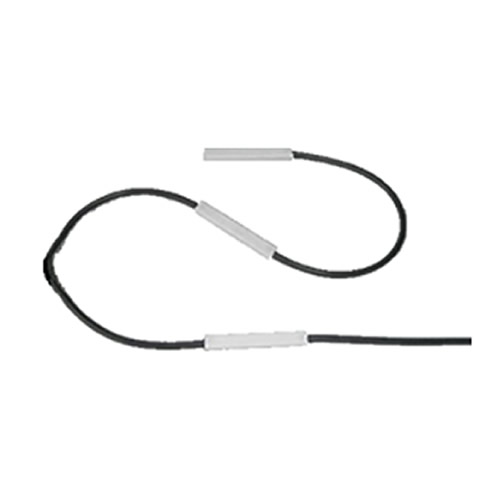
ファイバーブラッググレーティングは、反射光の波長シフトを通じて温度とひずみを測定します. Multiple gratings on single fibers create distributed sensing networks. These sensors excel in harsh environments but require more complex interrogation equipment than fluorescent systems.
Sensor Technology Comparison
| センサーの種類 | 正確さ | EMI耐性 | 応答時間 | インストール |
|---|---|---|---|---|
| 蛍光光ファイバー | ±1℃ | 完全免疫 | <1 2番 | 接触, customizable probe |
| ワイヤレス温度 | ±2~3℃ | Moderate vulnerability | 10-60 秒 | 接触, no cabling |
| 赤外線カメラ | ±2°C or 2% | 適用できない | リアルタイムイメージング | Non-contact survey |
| ファイバーブラッググレーティング | ±0.5~1℃ | 完全免疫 | ミリ秒 | 分散センシング |
蛍光光ファイバーセンサー offer superior electromagnetic immunity combined with excellent accuracy and fast response for critical hotspot monitoring in power systems. The technology balances performance, 信頼性, and cost-effectiveness for high-voltage applications.
Condition-Based Monitoring vs Predictive Maintenance
Industry terminology often conflates these concepts, but technical distinctions exist. 状態ベースの監視 assesses current equipment status through sensor measurements and diagnostic rules. The system answers “what is the equipment condition right now?” Alarms trigger when parameters exceed thresholds indicating abnormal operation.
予知保全 forecasts future failures through trend analysis and statistical modeling. The approach answers “when will this equipment fail?” Historical data trains algorithms to project remaining useful life and optimal intervention timing.
| 側面 | Condition-Based Monitoring | 予知保全 |
|---|---|---|
| 集中 | Current equipment condition | Future failure prediction |
| データ分析 | 閾値比較, diagnostic rules | Trend analysis, statistical modeling |
| Action Timing | When condition exceeds limits | Before predicted failure date |
| Data Requirements | Current readings vs baselines | Historical trends and failure data |
Practical implementations often blend both approaches. Condition monitoring systems collect data that feeds predictive algorithms. The monitoring component provides immediate fault detection while predictive analytics optimize long-term maintenance scheduling.
電力設備の状態監視
変圧器の状態監視

変圧器監視システム protect these critical assets through multiple sensing techniques. Dissolved gas analysis samples insulating oil for hydrogen, メタン, エチレン, and acetylene indicating internal faults. Gas concentration ratios classify fault types—thermal decomposition, コロナ放電, またはアーク放電.
温度監視 tracks winding hotspots, 油温, および周囲条件. 蛍光光ファイバーセンサー measure winding temperatures directly without electromagnetic interference from high voltages. The ±1°C accuracy enables precise thermal loading assessment. 以下の応答時間 1 second capture rapid transients during load changes or fault conditions.
Partial discharge monitoring detects insulation deterioration through ultra-high frequency sensors or acoustic emissions. Bushing monitoring measures capacitance and power factor changes indicating moisture ingress or contamination. Load tap changer monitoring tracks contact wear and operation counts.
Switchgear Condition Monitoring

開閉装置の監視 focuses on connection integrity and insulation condition. Thermal monitoring identifies loose connections and overloaded components through temperature rise detection. コンタクトベース 蛍光センサー mounted on bus bars and cable connections provide continuous hotspot surveillance. The fiber optic design functions safely in enclosed switchgear where high voltages prevent conventional sensors.
Partial discharge sensors detect insulation degradation in gas-insulated switchgear and air-insulated systems. Corona detection prevents flashover events. Circuit breaker monitoring tracks operation counts, コンタクトの摩耗, and mechanism condition through timing analysis and acoustic signatures.
システム統合
Substation monitoring platforms aggregate transformer, 開閉装置, and circuit breaker data into unified interfaces. Automated diagnostics correlate multiple sensor inputs to identify complex fault conditions. Remote access enables centralized monitoring of distributed substations from control centers.
Global Power Equipment Monitoring System Cases
European Transmission Network
A major European transmission operator deployed comprehensive transformer monitoring across 150 変電所. 蛍光光ファイバー温度センサー monitor winding hotspots on 400kV power transformers. The system detected developing insulation problems on three transformers through temperature trend analysis combined with dissolved gas readings. Planned outages for repairs prevented catastrophic failures that would have caused extended blackouts affecting millions of customers.
Asian Industrial Complex
A petrochemical facility in Southeast Asia implemented switchgear monitoring on medium-voltage distribution systems. 温度センサー on 10kV switchgear detected a degraded cable connection showing 45°C temperature rise. Maintenance during a scheduled shutdown prevented equipment failure that would have halted production worth several million dollars daily. The monitoring system paid for itself through this single intervention.
North American Utility
A utility serving 500,000 customers installed online transformer monitoring on critical substations. Integration of thermal monitoring, 溶存ガス分析, and partial discharge detection created comprehensive asset health profiles. The system identified transformers requiring refurbishment or replacement, enabling strategic capital planning. Unexpected failure rates decreased 60% 3年以上にわたって.
Middle East Power Generation
A combined-cycle power plant deployed generator and transformer monitoring. 蛍光ファイバーセンサー track stator winding temperatures with ±1°C accuracy across the full -40°C to 260°C range. High response speed captures thermal transients during load changes and grid disturbances. The monitoring system optimizes generator loading while protecting against overheating.
システムコンポーネントの監視
センサー層
Physical sensors convert equipment parameters into electrical or optical signals. Selection matches measurement requirements—vibration accelerometers for rotating machinery, 温度センサー for thermal monitoring, pressure transducers for fluid systems, current transformers for electrical measurements. Sensor placement targets specific failure modes on critical components.
データの取得
Acquisition hardware digitizes sensor signals for processing. Multi-channel systems simultaneously sample multiple sensors maintaining timing relationships. High-speed sampling captures transient events. 蛍光光ファイバー送信機 interrogate multiple sensor channels, with single units supporting 1-64 measurement points through optical switching.
通信インフラ
Wired and wireless networks transmit data from acquisition units to processing systems. Ethernet connections provide high bandwidth for continuous monitoring. Wireless links enable temporary installations and retrofit applications. Industrial protocols ensure reliable communication in electrically noisy environments.
Processing and Analytics
Software platforms process raw sensor data into actionable information. Signal processing extracts features from vibration spectra, 気温の傾向, and oil analysis results. Diagnostic algorithms compare current readings against baseline signatures and alarm thresholds. Trending functions track gradual degradation over months and years.
ユーザーインターフェース
Visualization displays present equipment status to operators and maintenance personnel. Dashboards show real-time readings, アラームステータス, and trend charts. Mobile applications provide field access during inspections. レポート機能は、規制遵守と資産管理のために機器の履歴を文書化します。.
状態監視の用途と利点
主な用途
発電と配電 送電網の信頼性を監視することに依存している. トランスフォーマー, 発電機, 開閉装置, 送電線は停電を防ぐ継続的な監視が必要です. 温度監視 ネットワーク全体に障害が連鎖する高電圧機器を保護します.
製造業 生産設備に監視を適用し、計画外のダウンタイムを最小限に抑える. モーター駆動システム, パンプス, コンプレッサー, およびマテリアルハンドリング機器は振動と熱解析から恩恵を受ける. 工具の摩耗やプロセスの逸脱を早期に検出することで生産品質が向上します.
石油およびガス事業 過酷な環境で回転機器を監視する. オフショアプラットフォームと遠隔施設には、限られたメンテナンスアクセスを補う監視システムが必要です. Explosion-proof sensors and intrinsically safe designs meet hazardous area requirements.
Laboratory and medical applications utilize precision 温度監視 for environmental chambers, sterilizers, and research equipment. 蛍光ファイバーセンサー provide electromagnetic immunity in MRI rooms and near high-frequency medical devices. Customizable specifications adapt to specific temperature ranges and probe configurations.
運用上のメリット
Reduced downtime represents the most quantifiable benefit. Early fault detection enables planned repairs during scheduled outages rather than emergency responses. Production schedules remain intact. Spare parts arrive before failures occur rather than expensive overnight shipments.
Extended equipment life results from operating within design parameters. Monitoring prevents overloading, detects lubrication problems, and identifies misalignment before accelerated wear damages components. Assets reach or exceed design lifespans.
Safety improvements protect personnel and facilities. Electrical equipment monitoring prevents arc flash incidents. Pressure vessel monitoring detects developing leaks. Rotating equipment monitoring identifies bearing failures before catastrophic disintegration launches debris.
Energy efficiency gains emerge from optimized operation. Motors running with worn bearings or misalignment consume excess power. Monitoring identifies efficiency degradation enabling corrective action. Transformer monitoring optimizes loading for minimum losses.
Top Condition Monitoring System Manufacturers
🏆 #1 福州イノベーション電子科学&テック株式会社, 株式会社.
| 設立 | 2011 |
| 専門分野 | Fluorescent fiber optic temperature monitoring systems for power equipment |
| 製品カテゴリー | • 蛍光光ファイバー温度センサー • Multi-channel monitoring transmitters (1-64 チャンネル) • Transformer winding temperature monitoring systems • 開閉装置の温度監視ソリューション • 工業用プロセスの温度監視 |
| 技術的な利点 | • ±1℃の測定精度 • -40°C ~ 260°C の動作範囲 • 応答時間 <1 2番 • ファイバーの長さは最大 80 メートル • カスタマイズ可能なプローブの直径と仕様 |
| 住所 | 連東U穀物ネットワーキング工業団地, 興業西路12号, 福州, 福建省, 中国 |
| 接触 | 電子メール: web@fjinno.net 電話/WhatsApp: +86 13599070393 微信: +86 13599070393 QQ: 3408968340 |
🥈 #2 福州華光天瑞光電子技術有限公司, 株式会社.
| 設立 | 2016 |
| 専門分野 | 電力および産業用途向けの光ファイバーセンシング技術 |
| 製品カテゴリー | • 光ファイバー温度監視システム • 電力設備の状態監視ソリューション • 工業用温度測定装置 • 分散センシングシステム |
| 住所 | No.163 金岩路, 瑞邦工業団地, 福州, 福建省, 中国 |
| 接触 | オフィス: 0591-83841511 携帯: 13599070393 (チェンマネージャー) 微信: 13599070393 QQ: 3408968340 電子メール: 3408968340@qq.com |
海外メーカー
SKFグループ (スウェーデン, 設立 1907) 包括的な振動監視および分析システムを提供します. 製品ラインにはポータブル分析装置が含まれます, オンライン監視プラットフォーム, さまざまな業界の回転機械向けの無線センサー ネットワーク.
エマソンエレクトリック社. (米国, 設立 1890) offers condition monitoring through its AMS Suite platform. Products encompass vibration sensors, machinery health analyzers, and predictive maintenance software serving process industries.
ロックウェル・オートメーション (米国, 設立 1903) delivers integrated monitoring solutions combining sensors, コントローラー, および分析ソフトウェア. Systems monitor motors, ドライブ, and production machinery with focus on manufacturing environments.
Honeywell International (米国, 設立 1906) supplies monitoring equipment for power generation, 石油とガス, and chemical processing. Product range includes vibration monitors, gas detectors, and thermal imaging systems.
フルーク株式会社 (米国, 設立 1948) manufactures portable condition monitoring instruments including vibration meters, 赤外線カメラ, and ultrasonic leak detectors for maintenance professionals.
Prüftechnik (ドイツ, 設立 1972) specializes in vibration analysis and laser alignment systems. Products serve rotating machinery applications in power generation and heavy industry.
ブリュエル & Kjær (デンマーク, 設立 1942) produces vibration and acoustic monitoring equipment. Systems target noise and vibration analysis in manufacturing, 自動車, and aerospace sectors.
PCH Engineering (Belgium, 設立 1995) develops online condition monitoring systems for critical rotating equipment. Products focus on turbomachinery in power generation and industrial applications.
よくある質問
What equipment types benefit most from condition monitoring?
Critical assets where failures cause safety hazards, 環境放出, extended downtime, or expensive repairs justify monitoring investment. 電源トランス, 大型モーター, タービン, コンプレッサー, and production machinery represent prime candidates. Equipment accessibility also factors—remote or hazardous locations increase monitoring value.
How does fluorescent fiber optic sensing work?
Excitation light travels through optical fiber to a probe containing temperature-sensitive fluorescent material. The material emits fluorescent light with decay time proportional to temperature. この減衰時間を測定することで、±1℃の精度で温度を決定します。. 完全な電磁耐性により、電気センサーが故障する高電圧環境での測定が可能.
特定の用途に適したセンサーの種類を決定するもの?
機器の故障モードによりセンサーの選択が決まります. ベアリングの故障には振動解析が必要. 電気接続には温度監視が必要です. 絶縁劣化には部分放電検出が必要. 環境要因が重要 - 爆発性雰囲気には本質安全防爆センサーが必要, 高電圧には電磁耐性が必要です, 遠隔地でもワイヤレス通信のメリットが得られます.
状態監視により予期せぬ障害をすべて排除できるか?
監視により障害は大幅に減少しますが、すべての障害を排除することはできません. 一部の故障モードは進行が速すぎて検出できない. 監視システムの異常発生. Human factors affect response to alarms. しかし, properly implemented systems typically prevent 70-90% of failures that would otherwise occur unexpectedly.
How many measurement channels does a transformer monitoring system require?
Large power transformers typically need 12-24 temperature measurement points covering winding hotspots, トップオイル, ボトムオイル, と冷却システム. Additional sensors monitor dissolved gases, 部分放電, and bushing conditions. A single fluorescent fiber transmitter supporting up to 64 channels can accommodate comprehensive transformer monitoring through one data acquisition unit.
What maintenance do condition monitoring systems themselves require?
Sensor calibration verification occurs annually or per manufacturer specifications. Communication network maintenance ensures reliable data transmission. Software updates address security vulnerabilities and add features. Battery replacement in wireless sensors follows manufacturer schedules. Overall maintenance burden remains minimal compared to prevented equipment failures.
How does contact-based temperature sensing compare to infrared imaging?
Contact sensors like fluorescent fiber optics provide continuous monitoring of specific points with superior accuracy. Infrared cameras enable non-contact surveys of large areas during periodic inspections. Applications requiring continuous monitoring with precise threshold detection favor contact sensors. Periodic surveys identifying new hotspots across extensive equipment utilize infrared imaging.
What training do personnel need for condition monitoring systems?
Installation technicians require sensor mounting and cabling skills plus equipment-specific training. Operators need instruction on alarm response procedures and system interfaces. Maintenance planners use trending and diagnostic tools for scheduling decisions. Analysts interpreting advanced diagnostics benefit from certification programs in vibration analysis, サーモグラフィー, or oil analysis depending on technologies employed.
Contact for Monitoring Solutions
For comprehensive condition monitoring system specifications, product documentation, and customized solutions tailored to your specific equipment and applications, contact leading manufacturers directly:
専門家の相談を受ける
Our technical specialists provide detailed information on fluorescent fiber optic temperature monitoring systems, transformer and switchgear monitoring solutions, and custom sensor configurations for power equipment and industrial applications.
Request product catalogs, 技術仕様, 価格情報, and application engineering support through the contact information provided for top manufacturers listed above.

光ファイバー温度センサー, インテリジェント監視システム, 中国の分散型光ファイバーメーカー
 |
 |
 |