 INNO 光ファイバー温度センサー ,温度監視システム.
- 温度監視 is critical in power systems, with temperature-related issues causing 30% of electrical equipment failures.
- 光ファイバー温度センサー offer superior performance in high-voltage environments due to their immunity to electromagnetic interference.
- Strategic monitoring of 巻線温度 そして ホットスポット監視 can extend transformer life by identifying problems before catastrophic failure.
- Advanced technologies enable precise 半導体温度測定 within ±0.3°C, improving manufacturing yields by up to 12%.
- 総合的な取り組みの実施 変圧器の温度監視 systems has prevented failures worth millions in equipment and downtime costs.
この包括的なガイドでは、 熱監視 technologies in power systems, from traditional approaches to cutting-edge 光ファイバー温度センサー. We examine applications in transformers, 開閉装置, and semiconductors, highlighting how these solutions enhance reliability, 失敗を防ぐ, and optimize performance. The article provides practical insights for engineers and facility managers seeking to implement effective temperature monitoring solutions.
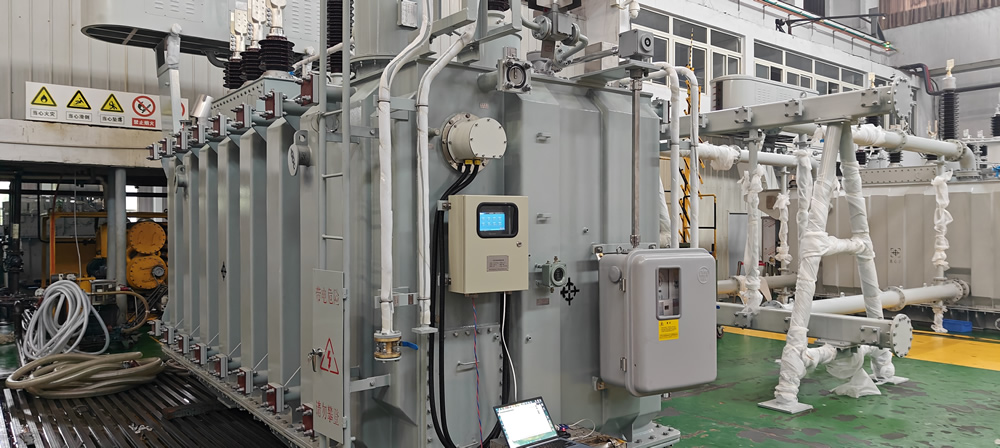
理解 温度監視 電気システムにおける
Temperature is one of the most critical parameters in electrical power systems. Excessive heat is both a symptom and cause of numerous failure modes, 作る 熱監視 essential for reliability and safety. Modern monitoring systems have evolved from simple mechanical indicators to sophisticated networks of sensors with real-time analytics capabilities.
When implemented effectively, 熱監視 多くの利点を提供します:
- Early detection of equipment deterioration
- Prevention of catastrophic failures
- Extension of asset lifespan
- Optimization of maintenance scheduling
- Improved operational efficiency
- Enhanced safety for personnel and equipment
Studies indicate that approximately 30% of electrical equipment failures can be attributed to thermal issues, underscoring the critical importance of temperature monitoring in power system reliability programs.
Critical Temperature Points in Power Systems
Different power system components have specific thermal characteristics and failure mechanisms that require targeted monitoring approaches:
| 成分 | Critical Monitoring Points | Typical Normal Temperatures | Warning Thresholds |
|---|---|---|---|
| 電源変圧器 | 巻線温度, 油温, ホットスポット監視 | 65-95℃ (巻線), 55-85℃ (油) | ≥105°C (油), ≥140°C (巻線) |
| Electrical Switchgear Components | Contact points, Bus bars, サーキットブレーカー | 30-50℃ (ambient +30°C) | ≥70°C or ≥35°C above ambient |
| ケーブル & 終了 | Joints, Termination points, High-load sections | 60-75℃ (depending on rating) | ≥90°C for typical XLPE insulation |
| モーター & 発電機 | 巻線, ベアリング, OSE generators‘ コンポーネント | 60-100℃ (巻線), 40-70℃ (ベアリング) | ≥130°C (Class B insulation) |
| 半導体 デバイス | Junction temperature, Heat sinks, Wafer temperature | 25-85℃ (operation dependent) | Varies by device, typically ≥125°C |
専門家の洞察:
The most critical measurement is often not the average temperature but the differential between similar components. A 15°C difference between phases often indicates a developing problem even when absolute temperatures remain within nominal ranges.
温度監視 Technologies for Power Systems
A variety of technologies are employed for temperature monitoring in electrical systems, each with specific advantages, 制限事項, とアプリケーション:
Contact-Based 温度監視
測温抵抗体 (RTD)
- 動作原理: Measures temperature based on the predictable change in electrical resistance of metals
- 正確さ: Typically ±0.1°C to ±0.5°C
- アプリケーション: 変圧器温度監視, Winding sensors, Motor protection
- 利点: 高精度, 優れた安定性, 広い温度範囲
- 制限事項: 直接連絡が必要です, potential electromagnetic interference
熱電対
- 動作原理: Generates voltage proportional to temperature difference between junctions
- 正確さ: Typically ±1.0°C to ±2.5°C
- アプリケーション: Switchgear components, Ambient temperature sensing
- 利点: 頑丈な, 広い温度範囲, no power supply required
- 制限事項: RTD より精度が低い, requires reference junction
サーミスタ
- 動作原理: A device that is responsive to ambient temperature conditions through significant resistance changes
- 正確さ: Typically ±0.1°C to ±1.0°C over limited range
- アプリケーション: Semiconductor temperature measurement, Semiconductor temperature control
- 利点: 高感度, 速い応答, コンパクトなサイズ
- 制限事項: Nonlinear response, 限られた温度範囲
アプリケーションノート:
Thermistors are particularly valuable for 半導体プロセス制御 where their high sensitivity enables precise temperature regulation within narrow bands. Their compact size makes them ideal for integration into wafer temperature measurement systems where space is limited.
非接触型 温度監視
赤外線サーモグラフィー
- 動作原理: Detects infrared radiation to visualize temperature patterns
- 正確さ: Typically ±2% of reading or ±2°C
- アプリケーション: Electrical switchgear components 検査, ホットスポット監視, Substation surveys
- 利点: 非接触, creates visual thermal maps, 広いエリアを迅速に検査します
- 制限事項: Affected by emissivity variations, 見通し線が必要です, typically periodic rather than continuous
光学式温度センサー
- 動作原理: Uses temperature-dependent optical properties of materials
- 正確さ: Typically ±1.0°C
- アプリケーション: High voltage switchgear condition monitoring, MRI monitor システム
- 利点: 電磁干渉に対する耐性, suitable for harsh environments
- 制限事項: コストが高い, specialized installation requirements
光ファイバー温度センサー テクノロジー
光ファイバー温度センサー represent the most advanced technology for electrical system monitoring, offering unique capabilities that address limitations of conventional methods.
の種類 光ファイバー温度センサー
- ポイントセンサー
- 動作原理: Measure temperature at discrete points using specialized sensing elements
- 正確さ: Typically ±0.2°C
- アプリケーション: 変圧器温度監視, Hot transformer 監視, 巻線温度 測定
- 分散型温度センシング (DTS)
- 動作原理: Measures temperature continuously along entire fiber length using backscattered light
- 空間解像度: 0.5-1 メーター
- アプリケーション: Long power cables, 大型変圧器, Extended bus duct systems
- 蛍光ベースのセンサー
- 動作原理: Uses temperature-dependent decay time of fluorescent materials
- 正確さ: Typically ±0.1°C
- アプリケーション: MR temperature 監視, High-precision industrial applications
The unique advantages of 光ファイバー温度測定 含む:
- 電磁干渉に対する完全な耐性
- No electrical conductors in sensor area (本質的に安全)
- Capability for distributed measurements along the entire fiber
- 長距離信号を劣化なく伝送
- Multiplexing capability (multiple sensors on a single fiber)
- Compatibility with harsh environments (高電圧, 放射線, 化学薬品)
Industry Application: High-Temperature Optical Fiber Solutions
A major power utility implemented 高温光ファイバーソリューション for monitoring their critical 500kV transformers. The system used specialized fibers with temperature ratings up to 300°C, enabling direct measurement in previously inaccessible hot spots. インストール後, the system detected an anomalous temperature rise that conventional sensors missed, allowing for scheduled maintenance that prevented a potential catastrophic failure estimated to cost $3.2 百万.
高度な 温度監視 システムアーキテクチャ
モダンな 熱監視 systems integrate multiple components into comprehensive solutions that provide actionable insights:
Sensor Networks
Effective monitoring begins with strategic sensor placement:
- 電源変圧器: Winding sensors, oil temperature probes, ambient temperature references
- 開閉装置: Contact points, bus connections, incoming/outgoing cable terminations
- Motors/Generators: Bearing sensors, winding embedments, cooling system monitors
- 半導体: Wafer temperature センサー, heat sink monitors, 周囲条件
The optimal sensor mix often combines technologies to leverage their respective strengths. 例えば, 光ファイバーセンサーシステム might monitor high-voltage areas while conventional sensors cover low-voltage sections.
データの取得と処理
Converting sensor signals into useful information requires sophisticated processing:
- 信号調整: 増幅, フィルタリング, and normalization of raw sensor data
- Digitization: Conversion to digital format with appropriate resolution and sampling rate
- ローカル処理: Edge computing for immediate analysis and response
- データストレージ: Secure retention of historical temperature profiles
- コミュニケーション: Transmission via appropriate industrial protocols (Modbus, DNP3, IEC 61850)
Advanced systems often integrate sensing microwave technologies alongside traditional methods to provide complementary data streams that enhance analysis accuracy.
Visualization and Analysis Software
User interfaces transform data into actionable insights:
- リアルタイムダッシュボード: Current temperature status with intuitive visualization
- 傾向分析: Historical patterns and thermal behavior over time
- 異常検出: AI-based identification of developing issues
- 予測分析: Forecasting of future thermal behavior
- アラーム管理: Multi-level alerting with appropriate notification paths
Modern systems often incorporate digital twins and machine learning to enhance their predictive capabilities, enabling condition-based maintenance decisions.
This diagram illustrates a medium-voltage switchgear section with fiber optic and conventional temperature sensors at critical monitoring points including:
- Bus bar connections (highest risk of thermal issues)
- サーキットブレーカーの接点
- ケーブル終端
- Control circuit components
Note the strategic placement of 光ファイバー温度センサー in high-voltage areas and conventional sensors in accessible locations.
Implementation Guide for 温度監視 システム
実装の成功 熱監視 systems requires careful planning and execution:
Needs Assessment and System Selection
Begin with a thorough evaluation of monitoring requirements:
- Asset Criticality Analysis: Identify equipment where failure would have highest impact
- Failure Mode Review: Determine which components are most vulnerable to thermal issues
- Environmental Assessment: Evaluate ambient conditions, EMI levels, space constraints
- 統合要件: Define how monitoring will connect with existing systems
- 予算に関する考慮事項: Balance comprehensive coverage against cost constraints
The technology selection should match specific monitoring needs. 例えば, fiber optic transducer technology is ideal for high-voltage environments where conventional sensors might be compromised by electromagnetic interference.
Sensor Installation Best Practices
Proper installation is critical for accurate and reliable monitoring:
Transformer Installation Considerations
- インストール winding sensors during manufacturing when possible for direct hot spot access
- 位置 光学式温度センサー to monitor critical components without interfering with cooling
- 埋め込む 光ファイバーフィードスルー solutions for sealed tank penetrations
- Ensure proper thermal coupling between sensors and monitored surfaces
- Protect lead wires and sensor fiber optik cables from physical damage and electromagnetic interference
Switchgear Installation Guidelines
- Focus on monitoring connection points rather than continuous conductors
- 確保する switchgear parts remain accessible for maintenance after sensor installation
- Use infrared windows where appropriate to enable periodic thermal imaging
- 埋め込む 光ファイバーセンサー routing that avoids mechanical stress and tight bending
- Consider ambient temperature reference points for differential analysis
Commissioning and Baselining
Proper system startup establishes the foundation for effective monitoring:
- Sensor Verification: Confirm accurate readings through comparison with calibrated references
- Alarm Configuration: Set appropriate thresholds based on equipment rating and ambient conditions
- Baseline Documentation: Record normal operating temperatures under various load conditions
- 通信テスト: Verify data flow from sensors to monitoring systems and alerts
- スタッフのトレーニング: Ensure operators understand system operation and response procedures
Establishing normal thermal signatures during commissioning provides the reference point for future anomaly detection.
Specialized Applications of 温度監視
Several specialized domains benefit from advanced temperature monitoring approaches:
Semiconductor Temperature Control アプリケーション
Semiconductor manufacturing requires precise thermal management:
- チャレンジ: Temperature uniformity within ±0.5°C across wafer temperature profile
- 解決: マルチポイント wafer sensor arrays with real-time feedback control
- テクノロジー: 組み合わせた 蛍光センサー and infrared systems for comprehensive monitoring
- 利点: Improved yield, consistent product quality, reduced defect rates
モダンな 半導体温度センサー technologies enable manufacturers to maintain precise thermal conditions throughout complex processing steps, directly impacting product quality and yield.
変圧器モニター Innovations
Transformer monitoring has evolved significantly with new technologies:
- Traditional Approach: Oil temperature indicators with simple alarms
- Current Practice: マルチポイント 光ファイバー温度測定 with predictive analytics
- 高度な機能: Dynamic loading capabilities based on real-time thermal conditions
- 統合: Combined electrical and thermal monitoring for comprehensive health assessment
モダンな transformer monitor systems leverage optics transformers technology to provide unprecedented visibility into thermal conditions, enabling condition-based maintenance and optimal loading.
医療機器の熱管理
Medical imaging systems require specialized thermal monitoring:
- MRI Monitor: Non-metallic temperature sensors to operate in strong magnetic fields
- MR Temperature: Patient monitoring during procedures with 光ファイバー温度センサー
- 機器の保護: Thermal monitoring of superconducting magnets and gradient coils
- 患者の安全: Surface temperature monitoring to prevent burns and discomfort
The use of 光ファイバーセンサーシステム is particularly valuable in MRI environments where conventional electronic sensors would be affected by or interfere with the powerful magnetic fields.
産業プロセスへの応用
Industrial processes benefit from advanced thermal monitoring:
- GB3 Application: Temperature profiling in glass manufacturing processes
- 危険区域: Intrinsically safe monitoring in explosive atmospheres
- Harsh Environments: Monitoring in corrosive or high-radiation areas
- 遠隔地: Long-distance temperature sensing in inaccessible areas
The inherent safety and electromagnetic immunity of optical technologies make them particularly valuable in hazardous industrial environments.
Case Studies in 温度監視
Real-world implementations demonstrate the value of advanced thermal monitoring:
ケーススタディ 1: Utility Substation Transformer Monitoring
A major utility implemented comprehensive 変圧器の温度監視 on critical 500MVA transformers using a hybrid approach:
- チャレンジ: Aging transformer fleet with increasing load demands and limited replacement budget
- 実装: 16-point 光ファイバー温度センサー system combined with conventional oil monitoring
- 結果: System detected developing hot spot in main transformer winding that conventional monitoring missed
- 結果: Scheduled repair avoided potential failure, saving estimated $2.8 million in replacement costs and prevented outage affecting 40,000 customers
- ROI: System paid for itself several times over in the first incident alone
ケーススタディ 2: Data Center Switchgear Monitoring
A Tier IV data center implemented continuous thermal monitoring across all electrical switchgear components:
- チャレンジ: Zero tolerance for downtime with cooling system modifications creating new thermal patterns
- 実装: Comprehensive monitoring of all critical connection points using wireless temperature sensors and strategic 光学式温度センサー
- 結果: System identified progressive heating at bus connection that passed standard maintenance inspection
- 結果: Scheduled repair during planned maintenance window prevented potential arc flash incident
- Additional Benefit: Insurance premiums reduced by 8% due to enhanced monitoring program
ケーススタディ 3: Semiconductor Manufacturing Process
A semiconductor fabrication facility implemented advanced wafer temperature measurement システム:
- チャレンジ: Temperature uniformity issues causing inconsistent yield in 7nm process
- 実装: マルチポイント wafer sensor array with real-time feedback to thermal control systems
- 結果: Temperature uniformity improved from ±1.8°C to ±0.3°C across 300mm wafers
- 結果: 12% yield improvement with estimated annual value of $14.5 百万
- Key Technology: 高度な 半導体温度制御 using fluoroptic measurement principles
Emerging Trends in 温度監視
The field of temperature monitoring continues to evolve with several significant trends:
Artificial Intelligence and Advanced Analytics
AI is transforming how thermal data is interpreted:
- パターン認識: Identifying subtle thermal signatures that precede failures
- 予知保全: Forecasting equipment issues before they impact operations
- Automated Diagnostics: Intelligent analysis of thermal patterns to identify root causes
- Cross-Parameter Correlation: Relating temperature data to electrical, 振動, and acoustic parameters
- Digital Twins: Comparing actual thermal behavior against high-fidelity models
Integration and Connectivity
Modern systems emphasize connectivity and integration:
- IoT Platforms: Cloud-based analytics and storage for temperature data
- エッジコンピューティング: Local processing for immediate response to thermal events
- Unified Monitoring: Integration of thermal data with other condition monitoring systems
- モバイルアクセス: Remote monitoring and alerts via smartphones and tablets
- エンタープライズ統合: Connection with asset management and maintenance systems
先進のセンシング技術
Sensor technology continues to advance:
- 分散型音響センシング (ザ): Combined thermal and acoustic monitoring using single fiber
- Photonic Bandgap Fibers: Enhanced sensitivity and range for distributed monitoring
- Quantum Dot Sensors: Ultra-precise temperature measurement for critical applications
- Passive Wireless Sensors: Battery-free temperature monitoring for hard-to-reach areas
- Self-Calibrating Systems: Reduced maintenance requirements through automated adjustment
Future Outlook for 温度監視
The future of power system temperature monitoring will likely be shaped by several key factors:
- Integration with Digital Twins: Virtual models that predict thermal behavior under various conditions
- Autonomous Systems: Self-optimizing thermal management based on real-time conditions
- 標準化: Common protocols and practices for thermal data exchange
- 小型化: Smaller, more precise sensors for detailed thermal mapping
- Energy Transition Impact: New monitoring needs driven by renewable integration and grid modernization
As power systems become more complex and operate closer to their design limits, the importance of sophisticated thermal monitoring will continue to grow, driving innovation in both sensor technology and analytical capabilities.
よくある質問について 温度監視
What is the difference between point sensing and distributed 熱監視?
Point sensing measures temperature at specific locations using discrete sensors, while distributed monitoring measures temperature continuously along an entire fiber optic cable. Point sensing offers higher accuracy at specific locations, while distributed sensing provides comprehensive coverage over long distances with slightly lower precision. The choice depends on whether you need precise measurements at known hotspots or broader coverage to detect issues in unexpected locations.
どうやって 光ファイバー温度センサー work in high-voltage environments?
光ファイバー温度センサー use light rather than electricity for measurement, making them inherently immune to electromagnetic interference. The fiber is non-conductive, eliminating electrical safety concerns in high-voltage areas. 専門化された 光ファイバーフィードスルー components enable secure penetration through transformer tanks or enclosures while maintaining pressure integrity. This technology allows direct temperature measurement in areas where conventional sensors would be compromised by electrical noise or safety constraints.
What are the key considerations when implementing 熱監視 in legacy equipment?
When retrofitting legacy equipment with modern 熱監視, consider: 1) non-invasive installation options that don’t require equipment modifications, 2) wireless or 光ファイバーセンサーシステム to minimize wiring challenges, 3) compatibility with existing control systems, 4) establishing new temperature baselines that account for equipment age and condition, そして 5) phased implementation focusing first on most critical assets. Thermal imaging can help identify optimal sensor placement before installation.
どのようにして 熱監視 contribute to predictive maintenance?
温度監視 enables predictive maintenance by: 1) establishing baseline thermal signatures for normal operation, 2) detecting gradual temperature increases that indicate developing problems, 3) identifying cyclical patterns that may indicate intermittent issues, 4) correlating temperature data with load and ambient conditions to normalize readings, そして 5) integrating thermal data with other condition monitoring parameters. Advanced analytics can detect subtle changes months before traditional inspection methods would identify issues.
What are the cost-benefit considerations for advanced 熱監視 システム?
When evaluating the economics of advanced 熱監視, consider: 1) direct costs of equipment failure (交換, 労働, ダウンタイム), 2) indirect costs such as production losses and customer impacts, 3) potential for extended equipment life through improved thermal management, 4) maintenance optimization by transitioning from time-based to condition-based approaches, そして 5) 保険料の軽減. Most implementations show ROI within 12-36 月, with critical applications often justifying costs based on a single prevented failure.
結論: The Strategic Value of 温度監視
Temperature monitoring has evolved from a basic operational measure to a strategic asset management tool. モダンな 熱監視 systems provide unprecedented visibility into equipment health, enabling condition-based maintenance, optimized loading, and enhanced reliability.
The integration of advanced technologies such as 光ファイバー温度センサー, 人工知能, and comprehensive analytics platforms has transformed how organizations manage their critical power assets. These systems not only prevent catastrophic failures but also optimize performance and extend equipment lifespans.
As power systems continue to evolve with increasing integration of renewable resources, 分散型発電, and higher power densities, the importance of sophisticated thermal monitoring will only increase. Organizations that implement comprehensive temperature monitoring strategies position themselves for enhanced reliability, improved efficiency, and optimized maintenance – all contributing to better bottom-line performance and reduced operational risk.
Whether implementing basic monitoring for non-critical assets or comprehensive systems for mission-critical equipment, the fundamental principle remains: you can’t manage what you don’t measure. In power systems, temperature measurement provides one of the most valuable windows into asset health and performance.

光ファイバー温度センサー, インテリジェント監視システム, 中国の分散型光ファイバーメーカー
 |
 |
 |