 INNO 光ファイバー温度センサー ,温度監視システム.
- Comprehensive Power Equipment Monitoring: Complete monitoring coverage for transformers, 開閉装置, ケーブル, pipelines and other critical electrical equipment
- Multi-Parameter Real-Time Monitoring: Simultaneous monitoring of temperature, 振動, 部分放電, oil gas, pressure and other multi-dimensional parameters
- Intelligent Fault Prediction: Equipment health assessment and fault prediction technology based on big data analysis
- リモート監視機能: Support for unmanned substations and remote centralized monitoring management
- 予防保守: Transform from scheduled maintenance to condition-based maintenance, significantly reducing O&M costs
- Safe and Reliable Operation: Improve power system supply reliability and reduce power outage incidents
電気機器 RMモニタリング システム概要
What is Electrical Equipment RM Monitoring?
電気機器 RMモニタリング (Reliability Monitoring) is a comprehensive monitoring solution specifically designed for critical equipment in power systems. The system deploys various sensors on transformers, 開閉装置, ケーブル, pipelines and other equipment to collect real-time operational status data. Using advanced data analysis technologies, it assesses equipment health conditions and achieves fault warning and equipment lifecycle management.
Why Do Electrical Equipment Need RM Monitoring?
Electrical equipment operates continuously in high voltage and high current environments, with increasing risks of aging and failure. Traditional periodic maintenance models have limitations including high maintenance costs and limited fault prevention effectiveness. RMモニタリング enables continuous monitoring of equipment status, timely detection of equipment degradation trends, and prevention of major failures, which is crucial for ensuring safe and stable operation of power systems.
System Architecture and Technical Principles
電気機器 RMモニタリング adopts a hierarchical distributed architecture, including field sensor layer, data transmission layer, data processing layer, and application display layer. Field sensors collect equipment status parameters in real-time, transmit data to monitoring centers through industrial communication networks, process through data fusion analysis and intelligent diagnostic algorithms, and finally display equipment health status and maintenance recommendations on monitoring platforms.
変圧器の監視 システム
Transformer Oil Temperature and Oil Level Monitoring

変圧器油温 and oil level are important indicators reflecting equipment operational status. The system employs fluorescent fiber optic temperature sensors and magnetostrictive liquid level sensors to achieve high-precision oil temperature measurement and continuous oil level monitoring. By establishing oil temperature-load characteristic curves, the system evaluates transformer heat dissipation performance and load capacity. Oil level monitoring ensures transformers have sufficient insulating medium, preventing insulation faults due to oil shortage.
Advanced Oil Monitoring Technologies
モダンな transformer oil monitoring incorporates multiple sensing technologies including fiber Bragg grating sensors for distributed temperature measurement and radar level sensors for non-contact oil level detection. These systems provide continuous monitoring with accuracies of ±0.1°C for temperature and ±1mm for oil level measurements.
部分放電オンラインモニタリング
部分放電 変圧器の絶縁劣化の重要な症状です. このシステムは超高周波を含む複数の技術手法を採用しています。, 超音波, 部分放電の早期検出と正確な位置特定を実現するための化学検出. 排出パターンと開発傾向を分析することにより, このシステムは断熱システムの健全性状態を評価し、機器のメンテナンスに関する決定を導きます。.
マルチテクノロジーによる部分放電検出
の 部分放電監視 システムにはUHFセンサーが統合されています, 音響放射センサー, 包括的な障害検出を提供する溶存ガス分析. 高度な信号処理アルゴリズムにより、さまざまな放電タイプを区別し、変圧器巻線内の故障位置を正確に特定します。.
油中の溶存ガス分析
溶存ガスの成分と濃度 変圧器油 内部障害のタイプと重大度レベルを反映できる. The system integrates online gas chromatography analysis equipment to monitor hydrogen, メタン, エタン, エチレン, acetylene and other characteristic gas concentrations in real-time. Using three-ratio methods, IEC standards and other diagnostic approaches, the system accurately identifies fault modes such as overheating, 放電, and insulation aging.
Intelligent Gas Analysis Algorithms
溶存ガス分析 employs machine learning algorithms to establish fault fingerprint databases, enabling automatic fault classification and severity assessment. The system provides trending analysis and predictive capabilities for transformer condition assessment.
Transformer Vibration Monitoring
Transformer vibration from core and windings reflects equipment mechanical conditions. The system monitors transformer body vibration characteristics through installed vibration sensors, analyzes frequency spectrum component changes, 緩みなどの機械的故障を特定します, 変形, そして共鳴. 有限要素シミュレーション技術との組み合わせ, 振動と故障の相関モデルを確立して故障診断の精度を向上.
高度な振動解析
モダンな 振動監視 システムは多軸加速度計と高度なスペクトル分析技術を利用してコアの緩みを検出します, 巻きズレ, タップチェンジャーの機械的問題. リアルタイムの周波数領域解析により、重大な機械的故障に先立つ振動サインの微妙な変化を特定します。.
開閉装置の監視 システム
開閉装置の温度監視
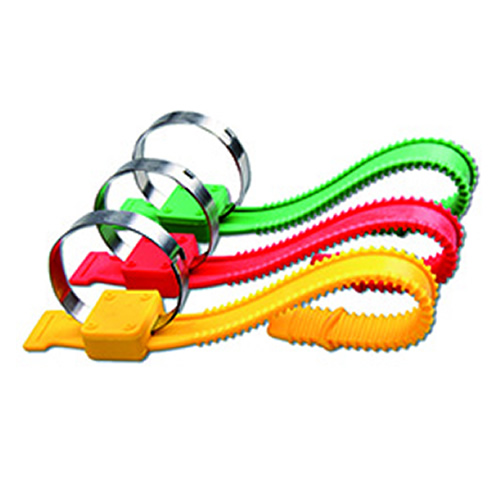
開閉装置の温度 配布は機器の安全な動作に直接影響します. システムが採用しているのは、 ワイヤレス温度測定 テクノロジー, バスバー接続部に温度センサーを取り付ける, サーキットブレーカーの接点, スイッチやその他の発熱コンポーネントを隔離して、重要なコンポーネントの温度をリアルタイムで監視します。. Through temperature field analysis and thermal fault diagnosis, the system timely identifies issues such as poor contact and overload conditions.
Wireless Temperature Sensing Networks
Wireless temperature monitoring systems utilize battery-powered sensors with long-range wireless communication capabilities, enabling installation in high-voltage environments without compromising electrical isolation. Advanced sensors provide temperature accuracy of ±1°C with battery life exceeding 10 年.
SF6 ガスの監視
SF6ガス is an important insulating medium in gas-insulated switchgear. The system monitors SF6 gas density, 純度, leakage and other parameters to evaluate gas insulation performance. When gas density decreases or leakage is detected, the system automatically alarms and records leakage locations, guiding maintenance personnel for targeted treatment.
Comprehensive SF6 Analysis
SF6 monitoring includes density measurement, moisture content analysis, and decomposition product detection. Advanced sensors detect trace amounts of toxic decomposition products that indicate internal arcing or overheating conditions within gas-insulated equipment.
Switching Operation Monitoring
Operational characteristics of サーキットブレーカー and isolating switches reflect mechanical system health conditions. The system monitors switching operation time, operating current, travel curves and other parameters, analyzes changes in mechanism action characteristics, and identifies fault modes such as mechanical wear, poor lubrication, and spring fatigue.
Dynamic Characteristics Analysis
Switching operation monitoring employs high-speed data acquisition systems to capture detailed mechanical signatures during breaker operations. Analysis of velocity profiles, contact timing, 動作エネルギーにより機械的劣化を早期に警告します.
部分放電監視
開閉装置の部分放電 監視には超高周波とTEVを採用 (過渡接地電圧) 絶縁欠陥や汚染状態を特定する技術. システムはさまざまな種類の放電信号を区別できます, 放電源の位置を特定する, 放電の重症度を評価する, 絶縁維持の科学的根拠を提供します.
高度な PD ローカリゼーション技術
部分放電検出 開閉装置では、複数のセンサー アレイと飛行時間解析を利用して、複雑な 3 次元開閉装置の形状内の放電源の位置を正確に特定します。. パターン認識アルゴリズムが放電の種類を分類し、絶縁状態の深刻さを評価します.
ケーブルモニタリング システム
ケーブル温度分布監視
ケーブル温度 負荷条件と絶縁状態を反映する重要なパラメータです. システムが採用しているのは、 分散型光ファイバー temperature sensing technology to achieve continuous temperature monitoring along the entire cable length, identifying hot spots and temperature anomaly zones. Through ampacity calculations and thermal circuit analysis, cable operation modes are optimized to improve transmission capacity.
分散型光ファイバーセンシング
分散型温度センシング (DTS) systems provide temperature measurements every meter along cable routes with accuracy better than ±1°C. Advanced interrogation units enable real-time monitoring of cables up to 50km in length, detecting thermal anomalies that indicate cable degradation or external damage.
Cable Partial Discharge Monitoring
ケーブル絶縁 degradation often accompanies partial discharge phenomena. The system employs high-frequency current sensors and acoustic sensors to detect partial discharge signals in cables. 信号処理とパターン認識技術による, 放電の種類が区別される, 欠陥箇所が特定される, 絶縁状態を評価します, ケーブルの余寿命を予測.
マルチテクノロジーによるPD検出
ケーブルの部分放電 モニタリングは電気的および音響的な検出方法を統合して、包括的な絶縁評価を提供します. 高度なアルゴリズムにより、放電パターンと水トリーなどの特定の欠陥タイプを関連付けます。, 電気ツリー, および空洞の排出物.
ケーブルシースの完全性監視
ケーブルシース 損傷は湿気の侵入と断熱性の低下につながります. このシステムは、シース循環電流の監視と DC 抵抗測定方法により、シースの完全性と接地状態を検出します。. シースの欠陥が発見された場合, timely alarms are generated and maintenance personnel are guided for treatment.
Sheath Current Analysis
Cable sheath monitoring employs sophisticated current measurement techniques to detect minute changes in sheath circulating currents that indicate developing sheath faults. Automated analysis algorithms distinguish between normal operational variations and actual sheath damage.
Cable Termination and Joint Monitoring
ケーブル終端 and intermediate joints are high-failure-rate components. The system focuses on monitoring temperature, 部分放電, visual appearance and other status parameters of these critical locations, establishing comprehensive health evaluation models to achieve early fault warning and precise localization.
Critical Connection Point Analysis
Cable joint monitoring combines thermal imaging, 部分放電検出, これらの脆弱なコンポーネントの状態を評価するための機械的ストレスのモニタリング. 予測アルゴリズムは、複数のパラメーターの傾向に基づいて関節の劣化を予測します。.
パイプラインの監視 システム
石油およびガスのパイプラインの漏れ検出
パイプラインの漏洩 変電所内では火災や爆発などの重大事故を引き起こす可能性があります. このシステムは分散型光ファイバーセンシングを採用しています。, ガス検知, パイプライン漏れの迅速な発見と正確な位置特定を実現する圧力監視およびその他のテクノロジー. 漏洩信号を検出した場合, システムは直ちに緊急対応手順を開始します.
マルチテクノロジーによる漏洩検出
漏れ検出システム 分散型音響センシングを統合する (ザ), 炭化水素蒸気の検出, 包括的なパイプライン監視を提供する圧力波分析. 高度なアルゴリズムにより、実際のリークと動作上の過渡現象を区別します。, minimizing false alarms while ensuring rapid detection of real threats.
Pipeline Stress and Strain Monitoring
Pipeline stress occurs under geological changes, temperature variations, and external forces. The system monitors stress conditions at critical pipeline locations through strain sensors, analyzes pipeline structural safety, and prevents pipeline rupture accidents due to stress concentration.
Structural Health Assessment
Pipeline strain monitoring utilizes fiber Bragg grating sensors embedded along pipeline routes to provide continuous strain measurements. Sophisticated analysis algorithms correlate strain patterns with soil movement, thermal expansion, and external loading to assess structural integrity.
Pipeline Corrosion Monitoring
Underground pipelines are subject to long-term soil corrosion effects, with wall thickness gradually decreasing. The system employs electrochemical corrosion monitoring technology and ultrasonic thickness measurement technology to evaluate pipeline corrosion degree and remaining wall thickness, develop anti-corrosion maintenance plans, and extend pipeline service life.
Advanced Corrosion Assessment
Corrosion monitoring systems combine electrochemical techniques, ultrasonic inspection, and magnetic flux leakage detection to provide comprehensive pipeline condition assessment. Predictive models forecast corrosion progression and optimize inspection schedules.
Pipeline Flow and Pressure Monitoring
Pipeline flow and pressure parameters reflect system operational status. The system monitors changes in these parameters in real-time, identifying conditions such as blockage, 漏れ, and abnormal flow to ensure normal pipeline system operation.
Hydraulic Performance Analysis
フロー監視 システムは高度な超音波および電磁流量測定技術を利用して、正確な流量および圧力測定を提供します。. リアルタイムの水力モデリングにより、問題の進行を示す微妙な変化を検出可能.
インテリジェント診断 および警報システム
マルチパラメータデータフュージョン解析
電気機器の監視 多数の異なるタイプのパラメータが関係する. このシステムは、マルチセンサーデータフュージョン技術を採用し、温度を総合的に分析します。, 振動, 部分放電, ガスやその他の多次元情報, 故障診断の精度と信頼性を向上させるための、機器の健全性状態の包括的な評価モデルの確立.
高度な融合アルゴリズム
データ融合 機械学習アルゴリズムを利用して、さまざまなセンサー データ ストリームを相関付ける技術, 開発機器の問題を示す微妙なパターンを特定する. Bayesian networks and neural networks process complex multi-parameter relationships to provide accurate health assessments.
AI-Based Fault Prediction
システムが採用しているのは、 人工知能 technologies such as machine learning and deep learning to establish equipment fault prediction models. By analyzing historical fault data and operational trends, fault precursor characteristics are identified to achieve advance fault warning and provide scientific basis for maintenance decisions.
機械学習アプリケーション
Fault prediction algorithms utilize ensemble learning methods, combining random forests, support vector machines, and deep neural networks to analyze equipment degradation patterns. Continuous learning capabilities enable models to adapt to changing operational conditions and improve prediction accuracy over time.
機器の健康状態の評価
Based on 機器の監視 data and expert experience, equipment health status assessment systems are established. The system classifies equipment status into healthy, 注意, abnormal, severe and other levels, providing corresponding maintenance recommendations to help O&M personnel develop reasonable maintenance plans.
Comprehensive Health Indexing
Health assessment systems calculate composite health indices that combine multiple condition indicators into single scores representing overall equipment condition. Trending analysis tracks health index changes over time to identify equipment requiring attention.
Intelligent Alarm and Response Mechanisms
The system features multi-level alarm functionality, automatically selecting appropriate alarm methods and response procedures based on fault severity and urgency levels. Supporting SMS, 電子メール, APP push and other notification methods ensures important information is promptly communicated to relevant personnel.
Smart Notification Systems
Intelligent alarms incorporate context-aware algorithms that consider operational status, maintenance schedules, and personnel availability to optimize notification strategies. Escalation procedures ensure critical alarms receive appropriate attention even during off-hours.
System Integration and データ管理
Substation Comprehensive Monitoring Integration
RMモニタリング systems integrate deeply with substation SCADA systems, protection systems, video surveillance systems and others to construct comprehensive substation monitoring platforms. Through unified human-machine interfaces, ○&M personnel can comprehensively understand substation equipment operational status and achieve integrated management.
Unified Control Systems
システム統合 enables seamless data exchange between monitoring systems and existing substation automation infrastructure. Standardized communication protocols ensure interoperability while maintaining cybersecurity requirements for critical infrastructure.
Cloud-Based Data Management Platform
システムが採用しているのは、 クラウドコンピューティング technology to establish cloud-based management platforms for electrical equipment monitoring data. Supporting massive data storage, processing and analysis, the platform provides equipment asset management, fault statistical analysis, maintenance record management and other functions to support equipment full lifecycle management.
Scalable Cloud Architecture
クラウドプラットフォーム utilize microservices architecture and containerized deployment to provide scalable, resilient data management capabilities. 高度な分析エンジンは履歴データとリアルタイムデータを処理して、機器管理のための実用的な洞察を生成します.
モバイルアプリケーションのサポート
モバイル APP アプリケーションは、サポートするために開発されています。 ○&M人員 機器ステータスの閲覧中, 警報情報を受信する, いつでもメンテナンスタスクを処理できます, どこでも. モバイル アプリケーションはバックエンド システムとリアルタイムで同期します, Oを改善する&Mの仕事の利便性と効率性.
現場従業員の能力向上
モバイルアプリケーション 現場作業のためのオフライン機能を提供する, 技術者が機器の履歴にアクセスできるようにする, メンテナンス手順, 接続が制限されているエリアでも診断ツールを使用できます. 拡張現実機能は、機器の識別とメンテナンス手順を支援します.
標準化されたインターフェイス設計
システムが提供するのは、 標準化されたデータインターフェース データ交換とサードパーティシステムとの機能統合のサポート. IECに準拠 61850, IEC 61968 and other international standards ensures system openness and interoperability.
Open Architecture Benefits
Standardized interfaces enable integration with enterprise asset management systems, work order management platforms, and business intelligence tools. RESTful APIs and web services facilitate data sharing while maintaining security and access control.
Industry Application ケーススタディ
Extra High Voltage Substation Applications
Extra high voltage substations have high equipment values and wide impact ranges, requiring extremely high reliability. Through deploying RM Monitoring systems, comprehensive monitoring of transformers, GIS, reactors and other critical equipment has been achieved, significantly improving equipment availability and operational safety.
重要なインフラストラクチャの保護
EHV monitoring implementations have demonstrated 99.8% equipment availability rates and 40% 計画外の停止の削減. Advanced predictive maintenance capabilities enabled by comprehensive monitoring have prevented multiple potential major failures.
Urban Distribution Network Applications
Urban distribution networks have dense equipment and important loads with high power supply reliability requirements. RM Monitoring systems help achieve condition-based maintenance of distribution equipment, reducing planned outage time and improving power supply quality and customer satisfaction.
スマートグリッドの統合
Distribution monitoring systems integrate with smart grid infrastructure to provide real-time visibility into network performance. Automated switching and self-healing capabilities enabled by comprehensive monitoring reduce customer outage duration by 60%.
Industrial Park Power Monitoring
Industrial parks have large and frequently changing electrical loads with high requirements for power supply continuity. Through RM Monitoring system applications, equipment hidden dangers are discovered promptly, multiple major power outage accidents have been avoided, ensuring normal production in park enterprises.
Mission-Critical Applications
Industrial monitoring deployments have achieved 99.9% power availability for critical manufacturing processes. Predictive maintenance capabilities have reduced emergency repair costs by 50% while eliminating production disruptions due to electrical failures.
Renewable Energy Grid Integration Monitoring
Renewable energy generation has intermittent and volatile characteristics, presenting new challenges to grid equipment. RM Monitoring systems provide specialized monitoring solutions for renewable energy grid integration equipment, 複雑な動作条件下でも安全で安定した動作を保証.
系統安定性の強化
再生可能エネルギーの統合 モニタリングにより、電力会社は送電網の安定性を維持しながら再生可能エネルギーの普及を促進できるようになりました. 電力品質と機器の状態を高度に監視し、高レベルの変動発電でも信頼性の高い運用をサポート.
技術開発 トレンド
デジタルツインテクノロジー
物理モデルとデータ駆動型手法の組み合わせ, デジタルツイン 電気機器の正確なシミュレーションと機器の動作状態の予測を実現するように構築されています。, O に対するより多くの科学的根拠を提供する&Mの決断.
仮想機器モデリング
デジタルツイン 実装により、物理機器のリアルタイムの仮想表現が作成されます, 有効にする “もしも” 分析と最適化の研究. Machine learning algorithms continuously calibrate virtual models based on actual equipment performance data.
Edge Computing Applications
Deploying エッジコンピューティング equipment at substation sites achieves local processing and analysis of monitoring data, reducing data transmission delays and improving system response speed and reliability.
分散型インテリジェンス
Edge computing platforms enable real-time analytics at the equipment level, providing immediate fault detection and autonomous response capabilities. Local processing reduces bandwidth requirements while improving system resilience.
5G Communication Technology
Utilizing 5G networks high-speed, low-latency, massive connectivity characteristics improves monitoring system data transmission capabilities and real-time performance, supporting more sensor connections and more complex analysis algorithms.
Ultra-Reliable Communications
5G technology enables mission-critical monitoring applications with guaranteed latency and reliability requirements. Network slicing provides dedicated communication channels for critical infrastructure monitoring.
Blockchain Technology Applications
Utilizing blockchain technology ensures monitoring data security and integrity, establishing trustworthy equipment maintenance record systems to provide reliable basis for equipment asset management and insurance claims.
Immutable Data Records
Blockchain implementation creates tamper-proof records of equipment condition data and maintenance activities, enabling transparent equipment lifecycle tracking and supporting predictive analytics for insurance and asset management applications.

光ファイバー温度センサー, インテリジェント監視システム, 中国の分散型光ファイバーメーカー
 |
 |
 |