 INNO 光ファイバー温度センサー ,温度監視システム.
蛍光ファイバー光温度センサー
- 完全な電気絶縁 – Withstands voltage >100kV, ideal for high-voltage environments
- Immune to EMI/RFI Interference – Perfect for electromagnetic radiation areas
- 本質安全防爆 & 防爆 – Passive sensing probe with no electrical components
- High Accuracy Measurement – Precision of ±0.5-1°C for critical monitoring
- 広い温度範囲 – Operates from -40°C to +260°C
- 速い応答時間 – <1 second for real-time monitoring
- 長期安定性 – Maintenance-free operation for 20+ 年
- Cost-Effective Solution – Affordable pricing with customizable configurations
- Contact-Type Measurement – One fiber monitors one hotspot with pinpoint accuracy
- Flexible Fiber Length – 伝送距離 0-80 meters between probe and interrogator
- Customizable Probe Diameter – Tailored dimensions for specific applications
- マルチチャンネル機能 – Single interrogator supports 1-64 fluorescent fiber channels
分散型光ファイバー温度検知 (DTS)
- Continuous Full-Length Monitoring – No blind spots along entire fiber route
- Ultra-Long Distance Capability – Single fiber covers 10-100km
- Thousands of Monitoring Points – Spatial resolution of 0.5-2m
- Real-Time Temperature Distribution – Complete thermal profile visualization
- Suitable for Linear Asset Monitoring – 電源ケーブル, パイプライン, トンネル
ファイバーブラッググレーティング (FBG) 温度センサー
- Quasi-Distributed Monitoring – 単一ファイバー上の複数のセンサー
- High Multiplexing Capacity – まで 100 ファイバーあたりのセンサー数
- Dual-Parameter Measurement – Simultaneous temperature and strain monitoring
- Wavelength-Encoded – Absolute measurement without drift
- Ideal for Structural Health Monitoring – 橋, ダム, 風力タービン
1. What is Fiber Optic Temperature Sensing?
光ファイバー温度検知 represents a revolutionary approach to thermal monitoring that leverages optical fibers as the sensing medium instead of traditional electrical sensors. Unlike conventional thermocouples or RTDs, 光ファイバー温度センサー transmit temperature information through light signals, offering inherent advantages in electrically hostile environments.
The fundamental principle involves using optical fibers to detect temperature-induced changes in light properties—whether through fluorescent decay time, Raman scattering intensity, ブリルアン周波数シフト, or Bragg wavelength drift. This optical approach eliminates electrical safety concerns while providing immunity to electromagnetic interference.
Three mainstream technologies dominate the market: 蛍光光ファイバーセンサー for precise point measurements, 分散型温度センシング (DTS) for continuous linear monitoring, そして ファイバーブラッググレーティング (FBG) センサー for quasi-distributed multi-point applications. Each technology serves distinct monitoring requirements across power systems, 石油化学施設, 医療機器, および産業プロセス.
2. 蛍光ファイバー光学センシング原理

Fluorescent fiber optic temperature sensors utilize rare-earth doped materials whose fluorescent decay time varies predictably with temperature. 光パルスによって励起されると, these rare-earth compounds emit fluorescent light that decays exponentially. The decay time constant changes as a function of temperature, providing an absolute temperature measurement independent of light intensity fluctuations.
The sensing probe contains a specialized rare-earth phosphor material at the fiber tip. An optical interrogator sends excitation pulses through the fiber, triggers fluorescence emission, measures the decay time with microsecond precision, and converts this to temperature readings. プローブ先端でのこの非接触光学測定により、高精度を維持しながら完全な電気的絶縁が保証されます。.
3. Distributed Temperature Sensing Principle

ラマン散乱 DTS テクノロジー
ラマンベース 分散型温度センシング 光ファイバーにおける温度依存性のラマン散乱を利用する. レーザーパルスがファイバー中を伝播するとき, 自発的なラマン散乱はストークス成分と反ストークス成分の両方を生成します. これらの成分間の強度比はボルツマン分布に従い、温度とともに指数関数的に変化します。. 光学的タイムドメイン反射率測定法を採用することにより (OTDR), システムはファイバー長全体に沿った温度変化を正確に特定します。.
ブリルアン散乱 DTS テクノロジー
ブリルアンベースのシステムは後方散乱ブリルアン光の周波数シフトを測定します, 温度とひずみの両方に対して直線的に変化します. This technology enables ultra-long distance monitoring exceeding 100km but requires sophisticated frequency-scanning interrogators. Advanced algorithms can separate temperature and strain effects for comprehensive monitoring.
4. FBG Temperature Sensing Principle
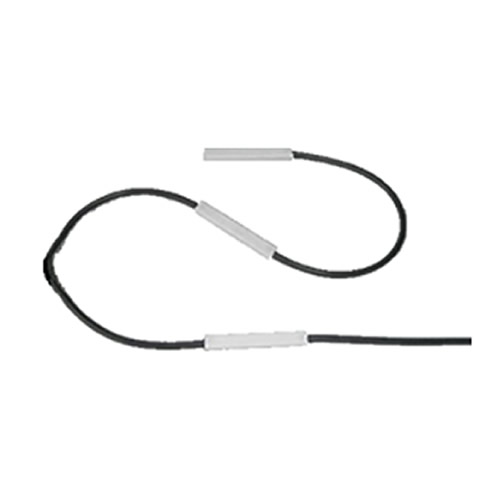
ファイバーブラッググレーティング温度センサー consist of periodic refractive index modulations inscribed into the fiber core. These gratings reflect specific wavelengths (Bragg wavelength) that shift proportionally with temperature changes. Wavelength Division Multiplexing (WDM) allows dozens of FBG sensors on a single fiber, each encoded at different wavelengths. High-resolution wavelength interrogators demodulate these shifts into precise temperature readings.
5. Detailed Technology Comparison
| パラメータ | 蛍光光ファイバー | 分散型 DTS (ラマン) | 分散型 DTS (ブリュアン) | FBGセンサー |
|---|---|---|---|---|
| 測定精度 | ±0.5~1℃ | ±1~3℃ | ±1~2℃ | ±0.5~1℃ |
| 温度範囲 | -40 to +260°C | -40 to +150°C | -40 to +150°C | -40 to +300°C |
| 応答時間 | <1 2番 | 10 秒 – 2 分 | 1-5 分 | <1 2番 |
| 監視距離 | 0-80m fiber length per channel | 10-30km | 30-100km | Hundreds of meters per fiber |
| 空間解像度 | Contact-type point measurement | 0.5-2メートル | 1-5メートル | ポイントセンサー (customizable spacing) |
| 監視ポイント | 1-64 インタロゲータごとのチャネル | 継続的 (数千点) | 継続的 (数千点) | 10-100 ファイバーあたりのセンサー数 |
| 電気的絶縁 | 完全な隔離 >100kV | Excellent isolation | Excellent isolation | Excellent isolation |
| EMI耐性 | Absolute immunity | High immunity | High immunity | High immunity |
| 長期安定性 | 素晴らしい (calibration-free) | 良い | 良い | 素晴らしい |
| システムコスト | 費用対効果の高い | 初期投資が高額になる | 初期投資が高額になる | 適度 |
Application Selection Recommendations
- 蛍光ファイバー光学センサー: 高圧電気機器, medical devices requiring EMI immunity, precise hotspot monitoring, explosion-proof zones
- 分散ラマン DTS: 電力ケーブルトンネル, パイプライン, storage tanks requiring full-length thermal profiling
- Distributed Brillouin DTS: Ultra-long pipelines, ダム, bridges exceeding 30km monitoring distance
- FBGセンサー: Structural health monitoring combining temperature and strain, quasi-distributed multi-point applications
6. 蛍光光ファイバー温度監視システム

システムコンポーネント
完全な fluorescent fiber optic temperature system comprises rare-earth doped sensing probes, 光ファイバー, multi-channel interrogators, および監視ソフトウェア. The sensing probe features rare-earth materials sealed in protective housings with customizable diameters to fit specific installation requirements.
Fluorescent Temperature Interrogator
The interrogator contains pulsed excitation sources, precision timing circuits, optical receivers, and signal processing units. 最新のシステムのサポート 1-64 独立したチャンネル, それぞれが完全なチャネル分離を備えた 1 つのホットスポットを測定します. このアーキテクチャにより、単一チャネルの障害が他のチャネルに影響を与えないことが保証されます。.
主な利点
- パッシブセンシングプローブ: 測定ポイントに電子機器がないため、爆発の危険が排除されます
- 独立したチャネルアーキテクチャ: 各ファイバーとプローブのペアは自律的に動作します
- 超高電圧絶縁: 耐える >100kV 絶縁破壊なし
- 校正不要の動作: レアアースの材料特性は数十年にわたって安定しています
- 迅速な熱応答: 1 秒未満の応答で一時的なイベントをキャプチャ
- 包括的な EMI 耐性: RF では完璧に機能します, 電子レンジ, およびプラズマ環境
- 本質安全防爆認証: 危険区域に適しています 0 場所
- 20+ 年 耐用年数: 最小限のメンテナンス要件
- 費用対効果の高い価格設定: 重要な監視アプリケーション向けの手頃な価格のソリューション
- カスタマイズ可能なパラメータ: カスタマイズされたプローブの寸法, 繊維の長さ, およびチャネル構成
- 幅広い応用範囲: Versatile deployment across power, 医学, 工業用, および実験室環境
7. 分散型温度検知システム

Raman DTS System Architecture
ラマンベース distributed fiber optic temperature systems integrate pulsed laser sources, optical switches, narrowband filters, sensitive photodetectors, and signal acquisition units. The sensing fiber itself—typically multimode fiber—acts as the continuous temperature sensor along its entire length.
ラマン DTS 技術仕様:
- 監視距離: 10-30km per fiber
- 空間解像度: 0.5-2メートル
- Continuous Monitoring Points: 5,000-30,000 場所
Brillouin DTS System Architecture
Brillouin systems employ narrow-linewidth lasers, frequency scanning modules, and optical time-domain analysis units. Single-mode sensing fibers enable ultra-long distance monitoring.
Brillouin DTS Technical Specifications:
- 監視距離: 30-100km
- 空間解像度: 1-5メートル
- Simultaneous Temperature and Strain Measurement
8. FBG温度監視システム
FBG System Components
Fiber Bragg grating temperature systems consist of FBG sensor arrays, broadband light sources, wavelength interrogators, WDM multiplexers, and data acquisition software.
FBGの技術仕様:
- Sensors per Fiber: 10-100 multiplexed gratings
- 波長分解能: 1-5午後
- Dual-Parameter Capability: Simultaneous temperature and strain
Temperature-Strain Cross-Sensitivity Solutions
Advanced FBG systems employ temperature-compensated grating designs or dual-grating configurations to separate thermal and mechanical effects, ensuring accurate pure-temperature measurements.
9. 力 & Energy Monitoring Applications
変圧器の温度監視
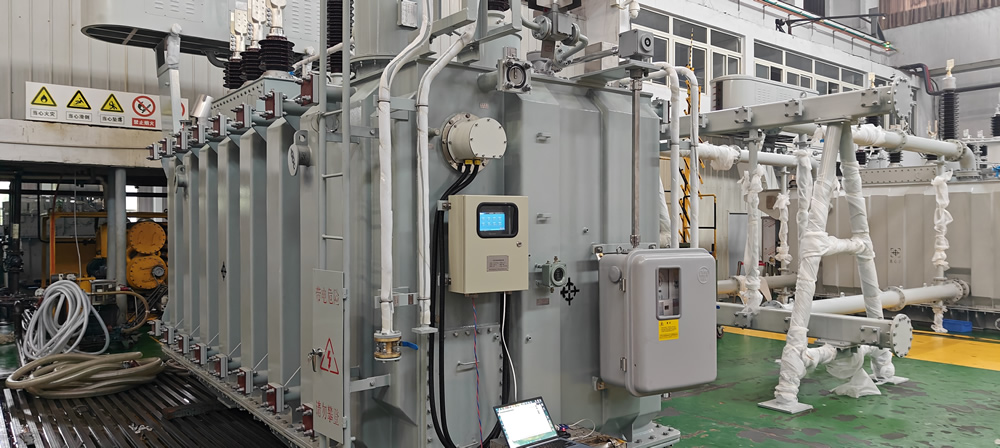
蛍光光ファイバーセンサー excel in transformer winding hotspot detection. For oil-immersed transformers and distribution transformers (110kV以下), fluorescent probes inserted directly into windings provide real-time thermal intelligence. これ 変圧器の温度監視 prevents catastrophic failures by detecting overheating before insulation degradation occurs.
開閉装置 & サーキットブレーカーの監視
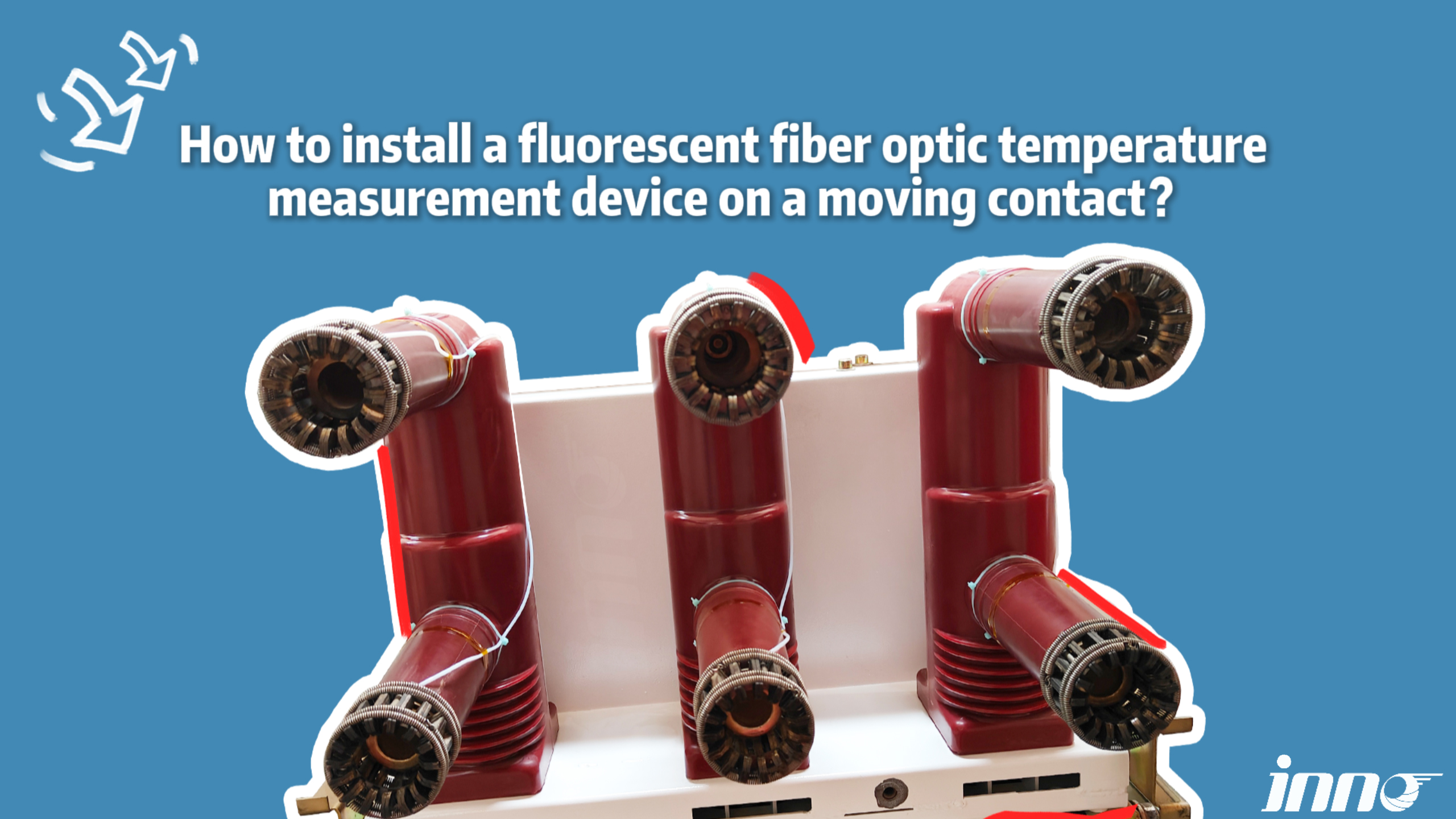
High-voltage switchgear components—including contacts, バスバー, cable terminations—generate localized heating under heavy current loads. 蛍光温度センサー モニター:
- Ring Main Unit (RMU) Bushing Temperature: Critical hotspot detection
- GIS Switchgear Thermal Monitoring: SF6-insulated equipment protection
- サーキットブレーカーの静的接点: Contact degradation early warning
- Enclosed Busbar Systems: Junction overheating prevention
電源ケーブルの監視
Cable systems benefit from both fluorescent and distributed approaches:
- ケーブル終端温度の監視: Fluorescent sensors at critical joints
- Cable Tunnel DTS Monitoring: Continuous thermal profiling along entire route
- Direct Burial Cable Monitoring: Distributed sensing for buried assets
Large Motor & Generator Monitoring
発電機固定子巻線温度監視 using fluorescent sensors provides crucial thermal protection for hydro turbines, 風力タービン, and large industrial motors. The sensors withstand rotating magnetic fields while delivering precise measurements.
IGBTモジュールの温度監視
Power electronic converters in renewable energy systems, HVDC stations, and industrial drives require precise IGBT temperature monitoring. Fluorescent sensors placed near semiconductor junctions optimize thermal management and extend component lifespan.
10. Medical Equipment Temperature Monitoring

MRI温度モニタリング
Magnetic Resonance Imaging presents unique challenges—powerful magnetic fields (1.5T-7T) and radiofrequency pulses prohibit conventional sensors. 蛍光光ファイバー温度センサー offer the ideal solution with completely non-metallic probes immune to magnetic interference. Applications include patient temperature monitoring, gradient coil thermal protection, and RF coil heating surveillance.
RF & Microwave Thermotherapy Equipment
Cancer treatment via 高周波アブレーション そして microwave hyperthermia requires precise tissue temperature control. Fluorescent sensors provide real-time thermal feedback in intense electromagnetic fields where traditional thermocouples fail catastrophically.
11. 産業用 & Laboratory Applications
半導体製造装置
Plasma etching systems (ICP, りえ) generate extreme electromagnetic environments during wafer processing. 蛍光温度センサー monitor chamber temperatures and wafer substrate thermal conditions without plasma interference, ensuring process repeatability and yield optimization.
Microwave Processing Equipment
- マイクロ波分解システム: Reaction vessel temperature control
- Microwave Industrial Heaters: Material heating uniformity monitoring
- RF Heating Equipment: Non-invasive thermal profiling
Specialized High-Energy Environments
- 電気爆発装置 (EED) テスト: Safe temperature monitoring during sensitivity evaluation
- 粒子加速器: Radiation-resistant temperature sensing
- 原子力施設: Long-term thermal monitoring in radioactive zones
Petrochemical Applications
分散型 DTS システム monitor pipeline leak detection via thermal anomalies, storage tank thermal stratification, and refinery equipment thermal profiling. Fluorescent sensors complement DTS at critical equipment hotspots.
12. システム選択ガイド
主要な選択基準
| Application Requirement | 推奨テクノロジー | 一般的な構成 |
|---|---|---|
| High-voltage equipment 1-64 precise hotspots | 蛍光光ファイバー | Multi-channel interrogator + rare-earth probes |
| Cable tunnel/pipeline full-length monitoring | 分散ラマン DTS | DTS host + マルチモードセンシングファイバー |
| Ultra-long pipeline monitoring (>30km) | Distributed Brillouin DTS | BOTDR system + single-mode fiber |
| Structural health multi-point monitoring | FBGセンサー | Wavelength interrogator + FBG array |
| Medical MRI/RF/microwave environments | 蛍光光ファイバー | Medical-grade interrogator + カスタムプローブ |
| Semiconductor plasma equipment | 蛍光光ファイバー | High-precision interrogator |
System Components Checklist
Fluorescent Fiber Optic System
- 蛍光光ファイバー温度プローブ (rare-earth doped)
- Multi-channel fluorescent interrogator (1-64 チャンネル)
- 光ファイバーケーブル (0-80チャンネルあたりのメートル)
- Communication modules (Modbus RTU/TCP, OPC UA)
- 温度監視ソフトウェア
Distributed DTS System
- DTS インタロゲータ (Raman or Brillouin)
- センシングファイバーケーブル (multimode or single-mode)
- Fiber splice enclosures and connectors
- Communication interface modules
- DTS analysis and visualization software
FBG Temperature System
- FBG temperature sensor arrays
- Wavelength interrogator
- WDM multiplexers
- Fiber patch cords and connectors
- Data acquisition software
13. Leading Global Fiber Optic Temperature Sensor Manufacturers
🏆 #1 イノ – 福州イノベーション電子科学&テック株式会社, 株式会社.
| 設立 | 2011 |
| コアテクノロジー | 蛍光光ファイバー温度検知 |
| 主要製品 | • Fluorescent fiber optic temperature sensors • Multi-channel fluorescent interrogators (1-64 チャンネル) • High-voltage monitoring systems • Medical-grade temperature sensors |
| 優れた技術 | • Proprietary rare-earth materials, ±0.5-1°C accuracy • Voltage isolation >100kV, 20+ 年の寿命 • Calibration-free design, <1 二度目の返答 • Customizable probe diameter and fiber length (0-80メートル) • Cost-effective solutions with wide application range |
| 応用分野 | Power systems (変圧器, 開閉装置, モーター), 医療機器 (MRI, RF/microwave therapy), 半導体製造, Petrochemical facilities, 実験室の機器 |
| グローバルな展開 | Products exported to 60+ 国, OEM/ODM customization services |
| 接触 | 📧メール: web@fjinno.net 📱WhatsApp: +86 13599070393 💬微信: +86 13599070393 |
#2 APセンシング (ドイツ)
- 設立: 1991
- テクノロジー: Distributed DTS systems leader
- 製品: Raman/Brillouin DTS, linear heat detection
- アプリケーション: ケーブル監視, パイプラインの漏れ検出, 境界セキュリティ
#3 センサーネット (イギリス)
- 設立: 1998
- テクノロジー: High-performance distributed fiber sensing
- 製品: Halo DTS series, Raman/Brillouin systems
- アプリケーション: 油 & ガスパイプライン, 電源ケーブル, 火災検知
#4 横川 (日本)
- 設立: 1915
- テクノロジー: 産業オートメーション & 分散センシング
- 製品: DTSX Raman DTS systems
- アプリケーション: 石油化学, 発電, プロセス制御
#5 バンドウィーバー (イギリス)
- 設立: 2001
- テクノロジー: FBGセンシングシステム
- 製品: FBG質問器, temperature/strain sensors
- アプリケーション: 構造的健全性のモニタリング, 電力システム, 航空宇宙
#6 OFS (アメリカ合衆国)
- テクノロジー: 特殊光ファイバー & センシングシステム
- 製品: センシングファイバー, 分散監視システム
- アプリケーション: 油 & ガス, 電力会社, インフラストラクチャー
#7 LIOSテクノロジー (ドイツ)
- 設立: 1999
- テクノロジー: 蛍光光ファイバーセンシング
- 製品: FOT蛍光システム
- アプリケーション: Power systems, 医療機器
#8 オムニセンス (スイス)
- 設立: 2003
- テクノロジー: ブリルアン分散センシング
- 製品: ダイテストシリーズ, 温度とひずみのモニタリング
- アプリケーション: パイプライン, ダム, 橋梁構造モニタリング
#9 ミクロノール (アメリカ合衆国)
- 設立: 1985
- テクノロジー: 過酷な環境におけるファイバーセンシング
- 製品: 蛍光センサー, 高温システム
- アプリケーション: 航空宇宙エンジン, 原子力, 石油化学
#10 HBM ファイバーセンシング (ポルトガル)
- テクノロジー: FBGセンサー技術
- 製品: BraggMETER インタロゲータ, FBGセンサーアレイ
- アプリケーション: 構造モニタリング, エネルギー部門, 複合材
14. カスタム光ファイバー温度ソリューションを今すぐ入手してください
🌟 プロフェッショナルな光ファイバー温度検知ソリューション
✅ 完全な製品範囲
• 蛍光光ファイバーシステム
• 分散型 DTS ソリューション
• FBG温度監視
• 医療グレードの機器
✅ Custom Solutions
• Industry-specific designs
• Multi-technology integration
• OEM/ODM services
• Turnkey system integration
✅ 包括的なサポート
• Technical consultation
• Remote engineering support
• Training programs
• Lifetime technical assistance
📞 Contact INNOSEN for Fast Quote & Free Samples
📧 電子メール: web@fjinno.net
📱 ワッツアップ: +86 13599070393
💬 微信: +86 13599070393
Get Instant Access To:
- ✔️ Free technical consultation
- ✔️ Custom solution design
- ✔️ Fast quotation within 24 時間
- ✔️ Free product samples available
- ✔️ Industry case studies
- ✔️ Detailed technical specifications
15. Frequently Asked Questions About Fiber Optic Temperature Sensors
Q1: 光ファイバー温度センサーはどの程度の精度を達成できるか?
Accuracy varies by technology. 蛍光システムと FBG センサーは通常、重要な用途に適した高精度を提供します, 一方、分散システムは、さまざまな精度特性を備えたより広範な熱プロファイリングを提供します。. 具体的なパフォーマンスはシステム構成とアプリケーションの要件によって異なります.
第2四半期: 1 つのシステムで処理できる測定点の数は何点ですか?
これは選択したテクノロジーによって異なります. 蛍光システムは複数の独立したチャネルをサポートします, 分散システムはファイバの長さに沿った継続的な監視を提供します, FBG システムは単一のファイバー上に多数のセンサーを多重化できます。. 構成は特定の監視要件に合わせて調整する必要があります.
Q3: ファイバーが切れたらどうなるか?
影響はアーキテクチャによって異なります. 独立したチャンネルを備えた蛍光システムは、1 本のファイバーが破損しても他のチャンネルの機能を維持します。. 分散型および多重化システムでは、ブレークポイントを超えると測定値が失われる可能性があります. 適切な設置と保護により、このリスクを最小限に抑えます.
Q4: 光ファイバー温度センサーの一般的な寿命はどれくらいですか??
光ファイバーセンサーは一般に優れた寿命を実現します. センシングプローブとファイバーは、最小限のメンテナンスで長年にわたり確実に機能します。. 電子質問器ユニットには通常、標準的な産業機器の寿命があります。. 実際の耐用年数は環境条件と適切な設置によって異なります。.
Q5: 光ファイバー温度システムには校正が必要ですか??
校正要件はさまざまです. 一部のテクノロジーは、最小限の再キャリブレーションを必要とする固有の安定性を提供します, 定期的な検証によって恩恵を受ける人もいますが、. メンテナンスのスケジュールは、アプリケーションの重要性とメーカーの推奨に基づいて決定する必要があります。.
Q6: Can fiber optic sensors integrate with existing SCADA/DCS systems?
はい, modern fiber optic temperature systems support standard industrial protocols including Modbus RTU/TCP, OPC UA/はい, IEC 61850, and SNMP, enabling seamless integration with plant automation systems.
Q7: Are fiber optic sensors suitable for outdoor installations?
絶対に. Optical fibers inherently withstand harsh environments. When properly protected with industrial-grade housings (IP65-IP68 ratings), fiber optic systems perform reliably in outdoor conditions including extreme temperatures, 水分, そして紫外線への曝露.
Q8: What explosion-proof ratings do fiber optic sensors have?
Fiber optic sensing technology offers intrinsic safety advantages. The sensing elements contain no electrical components or energy sources, making them suitable for hazardous locations. Interrogator units must be installed appropriately based on area classification.
Q9: Can fiber optic sensors work in strong magnetic fields?
はい, this is a key advantage. Fiber optic sensors are completely immune to magnetic fields, making them ideal for MRI environments, 発電機, モーター, and other high-field applications where conventional sensors fail.
Q10: Can fiber optic temperature data be transmitted wirelessly?
はい, fiber optic interrogators can be equipped with wireless communication modules (4G/5G/LoRa/WiFi) for remote data transmission to central monitoring stations or cloud platforms.
Q11: Are sensing probes replaceable in the field?
Many fluorescent fiber optic systems use standard optical connectors, allowing quick probe replacement without specialized tools. This field-serviceability minimizes downtime during maintenance.
Q12: How does fiber optic temperature sensing compare in cost?
While initial investment varies by technology and scale, fiber optic systems often prove cost-effective when considering total ownership costs. Factors include minimal maintenance, 長寿命, reduced downtime from early fault detection, and elimination of electrical safety infrastructure in hazardous areas.
Q13: Can fiber optic sensors be installed in existing equipment?
はい, retrofit installations are common. Fluorescent probes with customizable diameters can fit into existing thermowell provisions, while distributed fibers can be routed along cable trays or pipelines. Installation methods depend on specific equipment and access constraints.
Q14: What communication distances are possible between sensors and monitoring stations?
Fiber optic technology enables exceptional communication distances. Local networks can span hundreds of meters, while long-haul systems leverage fiber optic transmission capabilities for multi-kilometer separations between sensing locations and control rooms.
Q15: How quickly can a fiber optic temperature system be deployed?
Deployment timelines depend on project scope, 複雑, そして現場の状況. Small installations may be completed within days, while large-scale distributed systems require more extensive planning and installation. Detailed project schedules are developed during the design phase.
免責事項
The fiber optic temperature sensing information provided in this article is for general educational purposes. Specific technical selections, インストール要件, and safety compliance must follow local regulations and manufacturer guidelines. Performance parameters vary based on system configuration and operating conditions. Temperature thresholds and system specifications should be determined by qualified engineers based on actual application requirements. Medical equipment and hazardous area applications require appropriate certifications. The author and publisher assume no liability for actions taken based on this information. Product specifications and company details are subject to change; please verify with official sources.

光ファイバー温度センサー, インテリジェント監視システム, 中国の分散型光ファイバーメーカー
 |
 |
 |