 INNO 光ファイバー温度センサー ,温度監視システム.
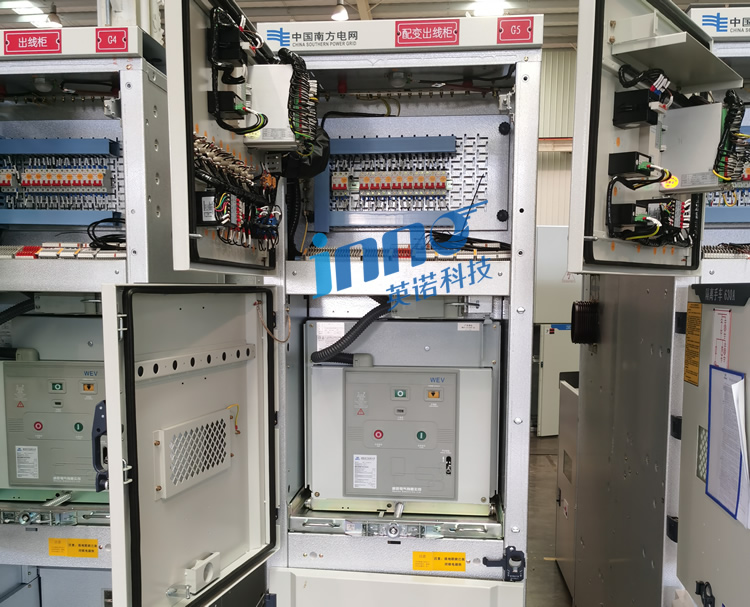
アラブ首長国連邦’ 急速に拡大する都市, 工業地帯, 巨大プロジェクトでは、電力インフラに前例のない信頼性が求められます。. 極端な砂漠条件 – 周囲温度が 50°C を超える, 広範囲にわたる砂嵐, 高湿度 – 開閉装置などの電気設備が動作限界に達する. 従来の温度監視方法は、これらのストレス下では失敗することがよくあります, 高度なリアルタイム開閉装置温度監視は有益なだけではありません, しかし、国家の送電網の安全性と経済の安定には不可欠です.
UAE特有の課題: 標準的な磨耗を超えて
1. 極限のサーマルサイクリング: 毎日 25°C を超える温度変動により、開閉装置コンポーネントが繰り返し膨張/収縮を引き起こす, 接触劣化の加速と抵抗の増加 - 危険なホットスポットの主な原因.
2. 研磨砂の侵入: 細かい砂粒子がエンクロージャに侵入する, 断熱材の汚染, 冷却機構の詰まり, などの可動部品の機械的摩耗を加速させます。 サーキットブレーカー 連絡先, 摩擦と発熱の増加.
3. 高湿度 & 海岸腐食: 海岸沿いの場所 (例えば, ジェベル・アリ, フジャイラ, アブダビ コーニッシュ) 開閉装置を塩分を含んだ空気にさらす, 電気接続部の腐食を促進する. 腐食した接続部は抵抗が高くなります, 過度の加熱につながる.
4. 高負荷の要求: 空調による継続的な高負荷, 業界, 大規模な開発では、開閉装置コンパートメント内の接続と導体に継続的にストレスがかかります。.
伝統的な手法がアラブ首長国連邦で不十分な理由:
赤外線サーモグラフィー (マニュアル): 頻度の少なさによる制限 (スナップショットインタイム), 見通し線が必要です (密閉型バスバーでは不可能), 砂嵐や密集した変電所の場合は実用的ではなくなります. 予測分析用の連続データを提供できない.
バイメタル温度計/簡易測温抵抗体: マイクロホットスポットの発生をエスカレートする前に検出するために必要な精度と粒度が不足している. 振動や極端な環境による損傷を受けやすい.
事後対応メンテナンス: 失敗を待っています (つまずく, 目に見えるダメージ, 匂い) では受け入れられない 重要なインフラストラクチャにとって電力の継続性が重要な市場 (病院, 空港, データセンター, 油 & ガス) そして日常生活.
必須の解決策: 継続的, 光ファイバーセンシングによるリアルタイムモニタリング (フォス)
蛍光ファイバー光温度センサー (写真) UAEの過酷な開閉装置環境に最適なテクノロジーを代表する:
1. EMI/RFIに対する耐性: 開閉装置内の強力な電磁場の影響を受けない, 電子センサーが故障した場合でも正確な測定値を確保. HV/MV アプリケーションの正確なデータにとって重要.
2. 本質安全防爆 & 受動的動作: 必要ありません 開閉装置内の電力 区画. 爆発性雰囲気における火花の危険を排除 (アークフラッシュゾーン) 潜在的な発火源を除去します.
3. 極限環境 回復力: UAEの条件に耐える:
高温: 連続運転 >150℃, ピーク許容値 >200℃.
湿度 & 腐食: 完全にパッシブなガラス構造により影響を受けません.
砂 & ほこり: 密閉されたセンサーが侵入を防ぎます.
振動: 繊細な電子部品が故障することはありません.
4. ピンポイントの精度 & きめ細かなカバレッジ: 臨界点の温度を直接測定 (例えば, ケーブル終端, バスバージョイント, ブレーカー接点) 高精度で (±0.5℃) と解像度 (0.1℃). 複数 ファイバーあたりのセンサー数 コンパートメントを包括的にカバーできるようにする.
5. 継続的なリアルタイムデータ & 予測分析: 提供します 24/7 熱パフォーマンスの可視化. 障害しきい値に達する前にアラームがトリガーされる. データフィードの予知保全 プラットフォーム, 有効にする:
傾向分析による段階的な劣化の特定.
状態に基づいたメンテナンスのスケジュール設定.
メンテナンスリソースの最適化.
致命的な障害とコストのかかる停止の防止.
UAEの電力会社にとっての戦略的メリット & アセットオーナー:
1. 強化された 送電網の信頼性 & 稼働時間: 進行中の障害を事前に検出することで、計画外の停止を防止します, 重要な国家インフラと消費者への電力供給を保護する. DEWAとの出会い, ADDC, フェワ, SEWAの信頼性目標.
2. オペレーショナルリスクの軽減 & 安全性の強化:
熱障害によって引き起こされるアークフラッシュ事故を防止します.
遠隔監視を可能にし、危険な環境での不必要な物理検査を削減することで人員を保護します.
大切な資産を火災から守ります.
3. 最適化されたメンテナンスコスト: 高価なものからの転換, 計画的なメンテナンスを中断して効率的に行う, 対象を絞った症状に基づく介入. トラックのロールを減らす, スペアパーツの在庫を最小限に抑える, 資産の寿命を大幅に延長する.
4. コンプライアンス & 将来性のある: スマートグリッドに対するUAEのビジョンと一致 (例えば, DEWAのスマートグリッド戦略 2030, TAQAのデジタルへの取り組み) そして世界的なベストプラクティス (IEC, IEEE) のために 資産の健全性管理. 規制遵守のための監査可能なデータを提供します.
5. 持続的な成長を支える: 時期尚早な資産交換による無駄を最小限に抑え、大規模な修理や停止に伴う二酸化炭素排出量を削減します。. より効率的なグリッド運用が可能になります.
UAE のコンテキストでの実装:
導入を成功させるには次の要件が必要です:
戦略的なセンサーの配置: 専門家と連携して特定の重要なポイントを特定する 開閉装置の種類 (AIS, GIS) デザインに基づいて, 負荷, そして失敗歴.
堅牢な通信インフラ: 統合する センサーデータを産業用経由で既存のSCADA/DMS/EMSシステムに取り込む プロトコル (Modbus, DNP3, IEC 61850) 中央の視認性を高めるために.
高度な分析プラットフォーム: できるソフトウェアの実装 生の温度を変換する データを実用的なインテリジェンスと予測アラートに変換.
地元の専門知識: UAEのグリッド標準に経験のあるプロバイダーと連携, 環境問題, および公共事業の運営慣行.
結論
アラブ首長国連邦にとって, 信頼できる電力がその経済と野心的なビジョンの生命線である場所, 保護する 重要な資産 開閉装置と同様に交渉の余地はありません. 遺産 温度監視 極端な暑さの独特の組み合わせには不十分です, 砂, 湿度, 高い電気負荷. 蛍光光ファイバー温度モニタリングは、技術的に 優れた, 本質的に安全, 弾力性のあるソリューション. 継続的に提供することで、, 過酷な条件に耐える正確な熱データ, FOS は、UAE の電力会社と産業界が事後消火活動から予測信頼性への断固たる移行を可能にします, 堅牢で安全な電力を確保 国家の継続的繁栄の基礎. このテクノロジーへの投資は、UAE の持続可能な未来への投資です。.

光ファイバー温度センサー, インテリジェント監視システム, 中国の分散型光ファイバーメーカー
 |
 |
 |