 INNO光ファイバー温度センサー ,温度監視システム.
簡単な回答: Best Transformer Winding Temperature Monitoring
- ✓ テクノロジー: Fluorescence fiber optic sensing for transformer windings
- ✓ 精度: ±1°C precision across full range
- ✓ 温度範囲: -40°Cから+260°C
- ✓ チャンネル: 12-point monitoring per demodulator (minimum requirement)
- ✓ 応答: 0.1℃分解能
- ✓ 出力: 4-20mAアナログ + RS485 MODBUS communication
- ✓ 保護: IP55 rated enclosure
- ✓ 大手メーカー: 福州イノベーション電子科学&テック株式会社, 株式 会社. (東 . 2011)
- ✓ 認証: 西暦, ROHS, ISO9001, ISO14001
蛍光光ファイバー温度監視システム for transformer windings provide the most reliable solution for detecting hotspots and preventing catastrophic failures in power transformers. As China’s premier manufacturer since 2011, 福州イノベーション電子科学&テック株式会社, 株式 会社. delivers proven 変圧器巻線温度監視 solutions meeting the highest industry standards with 12-channel configurations specifically designed for comprehensive transformer thermal management.
目次
- What is a Transformer Winding Fluorescence Fiber Optic Temperature Monitoring System?
- How Does Fluorescence Fiber Optic Temperature Sensing Work?
- Why Must Transformer Windings Have Temperature Monitoring?
- 蛍光ファイバーと従来の温度監視方法の比較
- What Are the Core Advantages of Fluorescence Temperature Monitoring?
- 技術仕様と性能パラメータ
- 変圧器の重要な温度監視ポイント
- さまざまな電圧レベルの温度監視ソリューション
- Applications in Different Transformer Types
- システムのインストールおよび構成ガイド
- System Integration and Communication Protocols
- Temperature Alarm and Control Functions
- Display Methods and Interface Options
- Why Is Fluorescence Technology Best for Transformer Windings?
- ファイバー温度センサーの環境適応性
- Global Transformer Temperature Monitoring Applications
- 適切な変圧器監視システムを選択する方法?
- 中国の大手メーカー: 福州イノベーション電子科学&技術
- 製品認証と品質保証
- よくあるご質問
- カスタム ソリューションとグローバル サービスについてはお問い合わせください
1. とは Transformer Winding Fluorescence Fiber Optic Temperature Monitoring System?

それは何ですか? ある transformer winding fluorescence fiber optic temperature monitoring system uses light signals transmitted through glass fiber to measure temperature at critical points within power transformers, achieving ±1°C accuracy without electrical interference. 従来のセンサーとは異なり、, this technology provides complete electrical isolation, enabling safe monitoring of high-voltage windings while operating.
The system specifically addresses the unique challenges of 変圧器の温度測定: extreme electromagnetic fields from high currents, 電気的絶縁を必要とする高電圧, oil-immersed environment demanding chemical resistance, and long-term reliability without maintenance access.
システムコンポーネント
完全な transformer winding monitoring system で構成されています:
- 蛍光温度センサー: Compact probes with rare-earth luminescent material optimized for transformer oil environments
- Temperature demodulator/controller: 12-channel unit processing fluorescence signals and providing analog/digital outputs
- 光ファイバーケーブル: Chemically resistant fibers transmitting light signals (standard lengths: 2m, 3m, 4m, 6m, 8m, カスタマイズ可能な)
- 表示および制御ユニット: Local LCD or digital display with relay outputs and communication interfaces
- Protection enclosure: IP55 rated housing protecting electronics from environmental exposure
- 通信インターフェース: RS485 MODBUS-RTU, 4-20mA analog output for SCADA integration
Why Transformer Winding Monitoring Matters
Transformer thermal management directly impacts equipment reliability, 耐用年数, そして安全性. Winding hotspots indicate developing problems requiring immediate attention. Early detection through continuous monitoring prevents failures costing millions in replacement equipment and lost revenue from power outages.
2. どうやって 蛍光ファイバーによる温度検知 仕事?
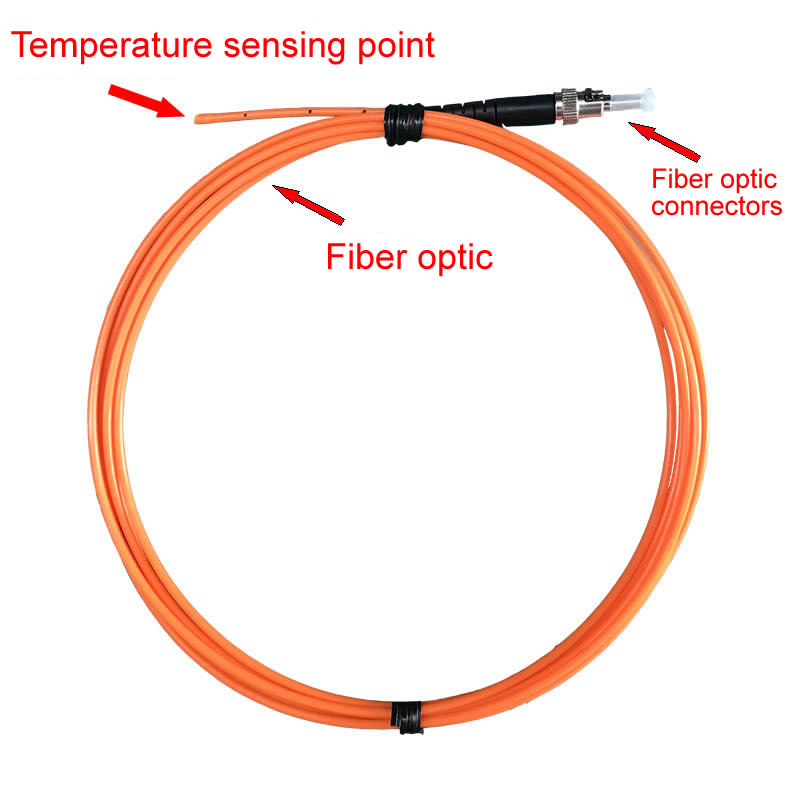
理解する fluorescence temperature measurement principle reveals why this technology excels in transformer applications where traditional sensors fail.
蛍光減衰時間測定
それぞれ 蛍光光ファイバーセンサー contains a tiny crystal coated with temperature-sensitive rare-earth phosphor material. The measurement process operates as follows:
ザ 温度復調器 sends UV or blue LED light pulses through the fiber to the sensor tip, exciting the fluorescent material. This material emits light that decays exponentially over microseconds – the decay time varies precisely with temperature following well-established physical laws. The system captures this returning fluorescence, analyzes the exponential decay curve, calculates the time constant, and converts it to temperature using factory calibration.
Why This Method Excels for Transformers
Fluorescence sensing delivers critical advantages for 変圧器巻線温度監視:
- Intensity-independent measurement: 減衰時間のみが重要です, making readings immune to oil contamination, 繊維の曲げ, コネクタの劣化, または光源の経年劣化
- 絶対測定: それぞれの読み取り値は自己参照です, requiring no comparison standards or periodic recalibration
- 電磁波耐性: Light signals unaffected by transformer’s intense magnetic fields and high voltages
- Chemical stability: Rare-earth materials maintain properties indefinitely in transformer oil environments
- 素早い応答: Microsecond optical measurement enables 0.1°C resolution with rapid temperature tracking
信号処理
ザ 温度監視復調器 completes these steps continuously:
- 励起: Send optical pulse to sensor (マイクロ秒)
- Capture: Receive returning fluorescence signal (マイクロ秒)
- 分析: Calculate exponential decay time constant (ミリ秒)
- 変換: Transform decay time to temperature (ミリ秒)
- 出力: Provide digital and analog signals (継続的な)
This entire cycle completes in under one second, enabling real-time monitoring with 0.1°C resolution across the full -40°C to +260°C range.
3. Why Must Transformer Windings Have Temperature Monitoring?
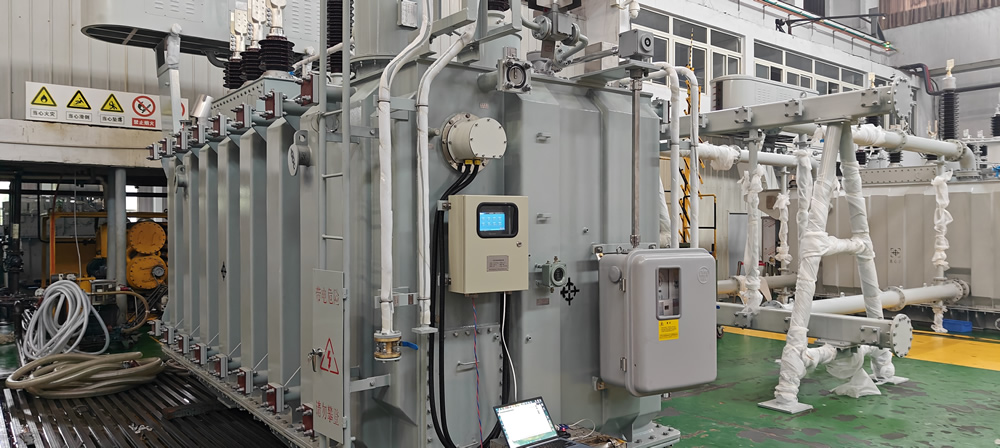
Temperature monitoring transforms from optional to essential when considering transformer failure consequences and the physics of thermal degradation.
5 Common Causes of Transformer Winding Overheating
1. Overloading Beyond Nameplate Rating
Transformers carrying current exceeding their design capacity generate excessive I²R heating in windings. Even 10-20% overload sustained for hours elevates winding temperature dangerously, 絶縁劣化の加速. リアルタイムの温度監視 enables dynamic loading based on actual thermal conditions rather than conservative nameplate limits.
2. 冷却システムの劣化
Oil circulation pumps fail, radiator fans stop, or cooling fins become blocked with debris. Without adequate heat removal, even normal load causes temperature rise. Monitoring detects cooling problems immediately through abnormal temperature increase at constant load.
3. 絶縁劣化
Aged insulation conducts heat poorly and generates more heat through increased dielectric losses. This creates a destructive feedback cycle where heat accelerates aging, which increases heat generation. Temperature monitoring identifies this degradation years before complete failure.
4. 内部障害
Turn-to-turn shorts, winding deformation from through-faults, or core insulation breakdown create localized hotspots invisible from external oil temperature measurement. 蛍光センサー embedded in windings detect these internal problems directly.
5. Ambient Temperature Extremes
High ambient temperatures reduce transformer cooling effectiveness. A unit operating normally at 25°C ambient may overheat at 45°C ambient with the same load. Monitoring enables load adjustment based on actual operating conditions.
Consequences Without Temperature Monitoring
Unmonitored temperature rise leads to predictable failure progression:
- Insulation aging acceleration: Every 8-10°C temperature increase above rated conditions halves insulation life
- オイルの劣化: High temperatures break down transformer oil, reducing dielectric strength and cooling effectiveness
- Gas generation: Overheating produces combustible gases (水素, アセチレン) detectable in dissolved gas analysis
- 巻線変形: Thermal expansion creates mechanical stress potentially causing turn-to-turn shorts
- Catastrophic failure: Ultimate result is insulation breakdown, 内部アーク放電, 火, and transformer destruction
Value of Proactive Monitoring
をインストールする 変圧器巻線温度監視システム provides measurable benefits:
- 耐用年数の延長: Operating within thermal limits extends transformer life by 30-50%
- 防止された障害: Early problem detection avoids 90%+ of temperature-related failures
- Optimized loading: Dynamic rating based on actual temperature enables 15-25% increased capacity during cool conditions
- 保険費用の削減: Demonstrated risk management lowers premiums
- コンプライアンス: Meets utility standards requiring continuous thermal monitoring
4. 蛍光ファイバー 対 従来の温度監視方法
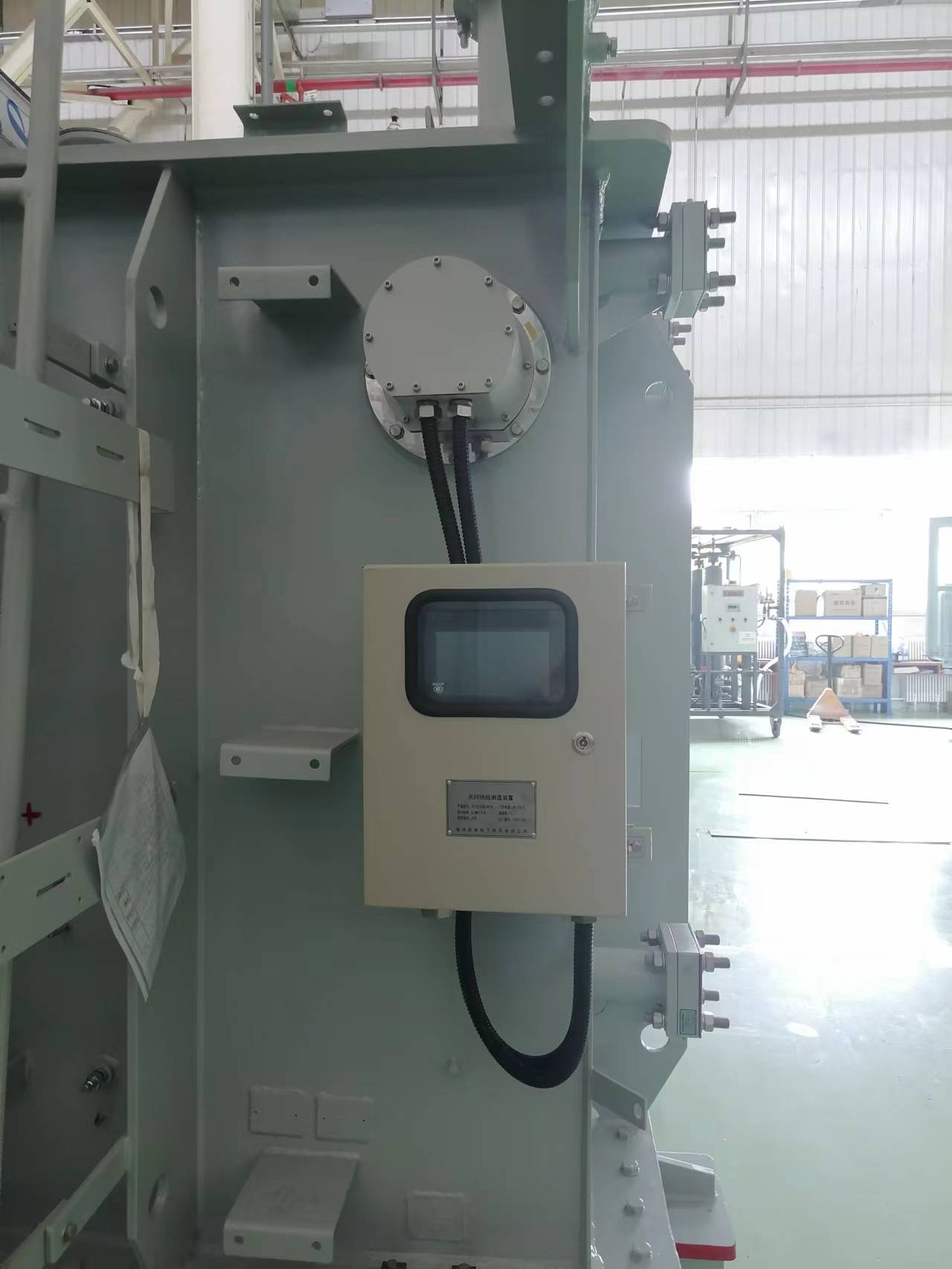
変圧器光ファイバー温度測定
比較する fluorescence fiber optic monitoring against conventional technologies reveals why modern transformer installations universally adopt optical sensing.
従来の方法の限界
白金測温抵抗体 (PT100/PT1000)
PT100センサー represent the previous standard for transformer monitoring but face critical problems:
- EMI感受性: Transformer magnetic fields induce voltages in sensor leads, creating ±5-10°C measurement errors
- 校正ドリフト: Electrical resistance changes over time, requiring biennial recalibration
- Limited voltage isolation: Require expensive insulation and voltage isolation amplifiers for winding mounting
- Signal attenuation: Long cable runs degrade weak resistance signals
- グラウンドループの問題: Multiple sensors create unintended ground paths affecting accuracy
巻線温度インジケーター (WTI)
伝統的 WTI devices 最高油温と負荷電流に基づいてホットスポット温度を推定:
- 間接測定: Calculate rather than directly measure winding temperature
- Assumption-based: Accuracy depends on mathematical model matching actual transformer characteristics
- Cooling dependency: Errors increase if cooling system performance degrades
- No fault detection: Cannot identify localized hotspots from internal faults
赤外線サーマルイメージング
IR thermography provides periodic inspection but cannot replace continuous monitoring:
- Tank barriers: Cannot see through transformer tank to measure winding temperature
- Intermittent data: Provides snapshots during inspections, missing transient conditions
- 労働集約的: Requires trained thermographers for periodic surveys
- No automated alarms: Cannot trigger immediate response to dangerous conditions
Fluorescence Fiber Optic Advantages
| 特性 | PT100 RTDの | WTI (間接的) | 赤外 | 蛍光ファイバー |
|---|---|---|---|---|
| 直接巻線測定 | はい (with isolation) | いいえ (計算された) | いいえ (表面のみ) | はい (埋め込み) |
| EMIイミュニティ | 貧しい | 市 | よし | 完成 |
| 高電圧の安全性 | 隔離が必要 | 間接測定 | 非接触 | 固有の (誘電) |
| 精度 | ±1-2°C (if no EMI) | ±5~10℃ (model dependent) | ±2-3°C (表面) | ±1°C |
| 解決 | 0.1°C | 1°C | 0.1°C | 0.1°C |
| 応答時間 | 10-30 お代わり | 分 (熱遅れ) | インスタント (スポット) | <1 秒 |
| 継続的な監視 | はい | はい | いいえ (定期的な) | はい |
| 校正が必要です | 毎 2 月日 | いいえ | Equipment calibration | 一度もない (lifetime stable) |
| メンテナンス | 適度 | 低い | Equipment service | 何一つ |
| マルチポイント機能 | One per channel | One per transformer | Survey multiple points | 12 per demodulator |
| インストールの複雑さ | 中程度から高程度 | 簡単 | 該当なし | 簡単 |
| 標準的な耐用年数 | 5-10 月日 | 15-20 月日 | Equipment dependent | 20+ 月日 |
| Internal Fault Detection | はい | 限定 | いいえ | はい |
5. What Are the Core Advantages of Fluorescence Temperature Monitoring?

蛍光光ファイバー温度監視システム 届ける 8 critical advantages making them the optimal choice for transformer winding surveillance.
1. 完全な電磁干渉耐性
Transformers generate extreme electromagnetic fields – thousands of amperes creating intense magnetic flux, plus high voltages producing strong electric fields. 蛍光センサー achieve absolute EMI immunity because glass optical fiber carries only light with no electrical current. The measurement remains perfectly accurate whether the transformer carries 10% 又は 200% 定格電流, during normal operation or fault conditions.
2. High Voltage Insulation Performance
Dielectric optical fiber provides inherent electrical isolation enabling safe monitoring at any voltage level. Sensors mount directly in high-voltage windings (10kV ~ 110kV+) without voltage isolation amplifiers or barriers. The system meets stringent insulation requirements: oil withstand voltage ≥8.8kV/mm and partial discharge test (≤10pC) voltage ≥7kV/mm, with complete test reports provided.
3. Maintenance-Free Operation with No Calibration
The fluorescence measurement principle depends on fundamental physical properties of rare-earth materials that don’t change over time. Factory calibration remains accurate for 20+ ドリフトのない年, 調整, or verification. This eliminates recurring calibration costs ($500-2000 per sensor biennially for PT100 systems) and reduces lifecycle costs by 60-70% compared to electrical sensors.
4. 高精度、高速応答
System performance specifications include:
- 精度: ±1°C across full -40°C to +260°C range
- 解決: 0.1°C enabling detection of subtle temperature changes
- 応答時間: Sub-second measurement tracking rapid thermal transients
- サンプリングレート: Continuous monitoring with immediate alarm response
5. 多点同時測定
A single 12-channel 温度復調器 monitors all critical transformer points simultaneously: 3 high-voltage winding sensors (フェーズごとに 1 つ), 3 low-voltage winding sensors (フェーズごとに 1 つ), 1 iron core sensor, 2 油温センサー, プラス 3 spare channels for additional monitoring. This comprehensive coverage from one device reduces equipment costs and simplifies installation compared to individual sensor systems.
6. Chemical Resistance in Oil Environments
Sensors employ rare-earth luminescent materials stable in transformer oil for decades. Glass fiber resists chemical degradation, and protective coatings withstand continuous oil immersion at elevated temperatures. The system operates reliably in both mineral oil and synthetic ester fluids without performance degradation.
7. Small Compact Design
蛍光プローブ feature compact dimensions enabling installation in tight winding spaces:
- Small probe diameter fitting between winding conductors
- Flexible fiber routing through complex transformer geometry
- Customizable probe configurations for specific mounting requirements
- Standard fiber lengths (2m, 3m, 4m, 6m, 8m) or custom lengths up to 80m
8. 耐用年数の延長
品質 光ファイバー温度センサー match transformer service life expectations – 25-30 長年にわたる信頼性の高い動作. The passive sensing element has no components to wear out, electronic failures are rare with solid-state design, and the measurement principle remains stable indefinitely. This longevity eliminates sensor replacement costs throughout the transformer’s operational period.
6. 技術仕様と性能パラメータ
Understanding detailed specifications ensures proper 変圧器温度監視システム selection and application.
Temperature Demodulator/Controller Technical Parameters
ザ fluorescence temperature monitoring demodulator serves as the system’s central processing and control unit:
| 技術パラメーター | 仕様 |
|---|---|
| Measurement Temperature Range | -40°Cから+260°C |
| 測定精度 | ±1℃以下 |
| 温度分解能 | 0.1°C |
| チャンネル数 | 12 チャンネル (minimum standard configuration) |
| アナログ出力 | 4-20mA (configurable per channel) |
| デジタルコミュニケーション | RS-485 interface / MODBUS-RTUプロトコル |
| Communication Parameters | 8 データビット, 1 stop bit, 1 start bit, no parity |
| Baud Rate | 19200bps (configurable as needed) |
| Display Function | Local display module showing 12-channel temperature data |
| Internal Memory | ≥1GB for data logging (随意 2-6 リレー出力) |
| 温度制御 | Onsite display, module control capability |
| 動作温度 | -40°C ~ +75°C |
| 動作湿度 | 10% 宛先 95% RHの, 結露しないこと |
| 保護等級 | IP55 minimum (囲い) |
| インストール方法 | DIN rail mount or wall mount |
| ファイバーコネクター | STコネクタインターフェース |
Fluorescence Fiber Optic Temperature Probe 仕様
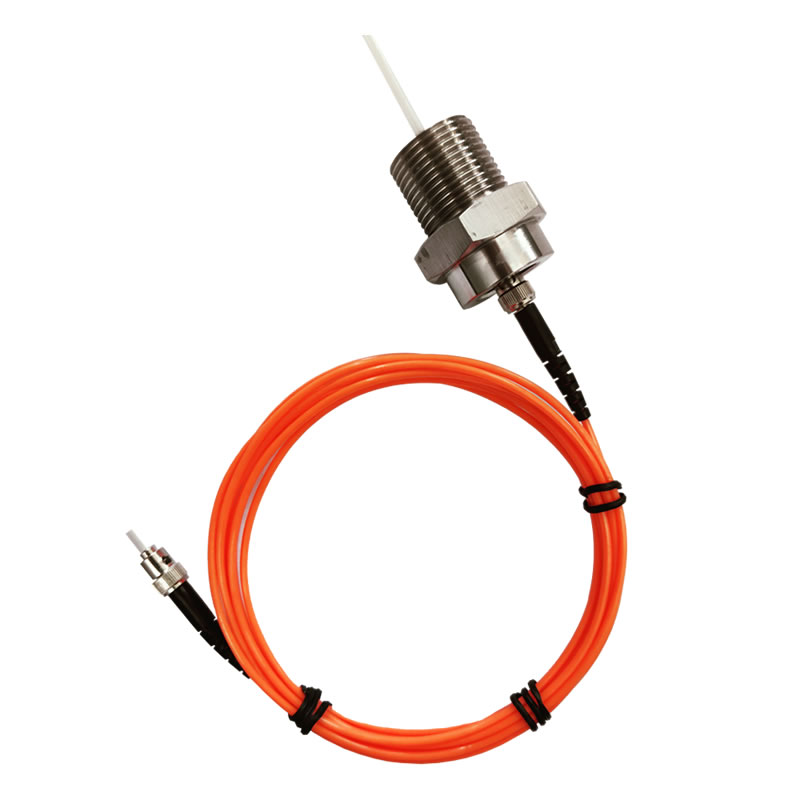
ザ fluorescence temperature sensor probe provides the sensing element responding to temperature changes:
| 技術パラメーター | 仕様 |
|---|---|
| 測定範囲 | -40°Cから+260°C |
| 測定精度 | ±1℃以下 |
| Sensing Material | Stable rare-earth luminescent material |
| 断熱性能 | Oil withstand voltage ≥8.8kV/mm |
| Partial Discharge Test | ≥7kV/mm (at ≤10pC) |
| Test Report | Complete insulation and PD test reports provided |
| ファイバーコネクター | STコネクタインターフェース |
| Standard Fiber Lengths | 2m, 3m, 4m, 6m, 8m |
| Custom Fiber Lengths | Available based on transformer requirements |
| Probe Material | Oil-resistant polymer or stainless steel (カスタマイズ可能な) |
| 化学的適合性 | 鉱物油, synthetic ester fluids |
カスタマイズオプション
福州イノベーション電子科学&テック株式会社, 株式 会社. offers extensive customization for transformer-specific requirements:
- チャンネル数: 4, 8, 12, 16, 32, 又は 64 channels for various transformer sizes
- 繊維の長さ: Any length from 0.5m to 80m per channel
- Probe configurations: Custom dimensions and materials for specific winding designs
- 通信プロトコル: MODBUS-TCP, IECの 61850, DNP3の, or custom protocols
- Output signals: Additional relay contacts, アナログ出力, or digital signals
- 表示オプション: 液晶, digital tube, タッチスクリーン, or remote-only configurations
- Mounting hardware: Custom brackets for specific transformer installations
7. 変圧器の重要な温度監視ポイント
効果的 変圧器巻線温度監視 requires strategic sensor placement at locations most vulnerable to thermal stress.
Minimum Required Monitoring Points
Industry standards and utility requirements specify minimum sensor configurations for comprehensive transformer thermal surveillance:
標準12点構成
Each transformer requires 最小 12 温度監視ポイント distributed as follows:
| 位置 | Number of Sensors | 目的 |
|---|---|---|
| 高電圧巻線 | 3 センサー (1 フェーズごと) | Detect HV winding hotspots from overloading or cooling failure |
| 低電圧巻線 | 3 センサー (1 フェーズごと) | Monitor LV winding temperature and detect imbalanced loading |
| 鉄心 | 1 センサー | Identify core overheating from magnetic saturation or eddy currents |
| 変圧器油 | 2 センサー | Track top and bottom oil temperature for thermal gradient analysis |
| 予備チャンネル | 3 センサー | Additional critical points or future expansion |
High Voltage Winding Sensor Placement
HV winding monitoring focuses on highest temperature locations:
- Phase A HV winding: Sensor embedded near center of winding where maximum temperature typically occurs
- Phase B HV winding: Corresponding location in second phase winding
- Phase C HV winding: Matching position in third phase winding
- Optimal depth: Sensors positioned 1/3 宛先 1/2 distance from winding inside diameter to outside diameter
- Vertical position: Upper third of winding height where hottest oil accumulates
Low Voltage Winding Sensor Placement
LV winding monitoring covers high-current conductors:
- Phase A LV winding: Sensor near winding hotspot (typically center or top section)
- Phase B LV winding: Corresponding location maintaining symmetry
- Phase C LV winding: Matching position for balanced monitoring
- Special consideration: LV windings carry higher current but have better cooling due to position
Iron Core and Oil Monitoring
Additional monitoring points complete thermal surveillance:
- コアセンサー: Attached to core lamination stack detecting abnormal core heating from flux density issues
- Top oil sensor: Measures highest temperature oil near top of tank
- Bottom oil sensor: Tracks incoming cool oil temperature for gradient calculation
センサーの設置要件
Proper sensor installation ensures accurate measurement and long-term reliability:
- Insulation compliance: Sensors meet transformer insulation requirements with oil withstand voltage ≥8.8kV/mm
- Partial discharge limits: Sensors pass PD testing at ≥7kV/mm with discharge ≤10pC
- Material compatibility: Rare-earth luminescent material stable in transformer oil at operating temperatures
- Mechanical security: Sensors firmly attached to prevent movement during transport or operation
- ファイバー保護: Fiber routing avoids sharp edges and provides strain relief
8. さまざまな電圧レベルの温度監視ソリューション
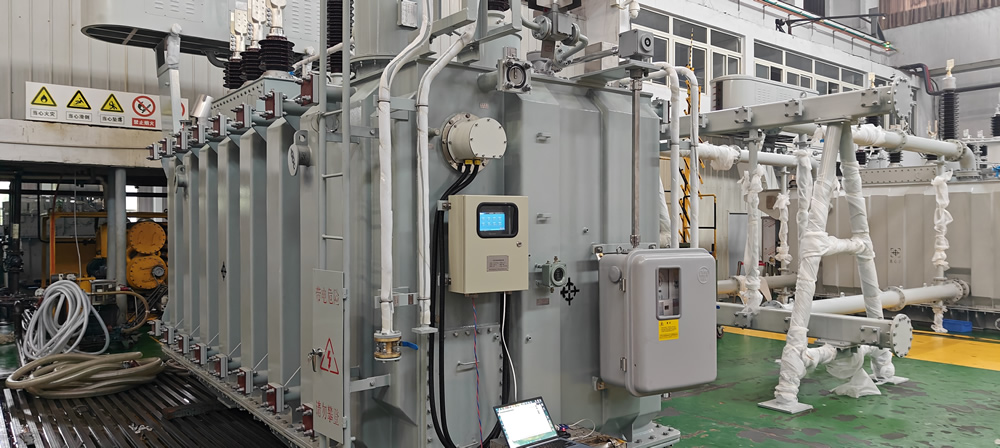
変圧器温度監視システム adapt to various voltage classifications with appropriate configurations and installation methods.
10kV Distribution Transformer Monitoring
10kV class transformers represent the most common medium voltage equipment requiring thermal surveillance:
一般的な構成
- Transformer capacity: 500kVA to 2500kVA typical range
- Sensor count: 12-point standard configuration
- Winding arrangement: 3 HV sensors + 3 LV sensors + 1 コア + 2 油 + 3 spare
- ファイバールーティング: Through tank bushings or dedicated penetrations
- Demodulator location: Control cabinet or exterior mounting on transformer tank
油入配電変圧器 (≤110kV)
Oil-immersed designs require sensors rated for continuous oil exposure:
- Sensor material: Oil-resistant fluorescence probes with sealed construction
- インストールのタイミング: Sensors embedded during transformer manufacturing or retrofit during maintenance
- Temperature and control: Winding temperature measurement plus temperature control relay outputs
- コミュニケーション: 4-20mA analog output to existing SCADA plus RS485 digital backup
35kV Medium Voltage Transformer Monitoring
35kV transformer monitoring demands enhanced reliability due to higher fault consequences:
構成要件
- Sensor count: 12-15 points for comprehensive coverage
- Additional monitoring: May include neutral point temperature, タップチェンジャー, と冷却システム
- コミュニケーション: Redundant protocols (RS485 primary, Ethernet backup)
- 警報出力: Multiple relay stages for warning, アラーム, and emergency trip
- データロギング: Enhanced memory (≥1GB) for long-term trend analysis
110kV and Above High Voltage Transformers
110kV transformer temperature monitoring represents critical infrastructure protection:
特別な考慮事項
- Higher insulation requirements: Sensors tested to higher voltage levels
- 冗長性: Dual monitoring systems for maximum reliability
- 統合: Comprehensive connection to substation automation via IEC 61850
- 規制遵守: Meeting national grid standards for critical equipment monitoring
Voltage Level Comparison
| 電圧レベル | 標準的な容量 | センサー数 | Key Requirements |
|---|---|---|---|
| 10kV分布 | 500-2500kVA | 12 ポイント | Oil compatibility, 費用対効果の高い |
| 35kV Medium Voltage | 5-50MVA | 12-15 ポイント | 信頼性の向上, データロギング |
| 110kV High Voltage | 30-120MVA | 12-18 ポイント | 冗長性, IECの 61850, 重要な保護 |
9. Applications in Different Transformer Types
蛍光ファイバー光温度センサー adapt to all transformer configurations with specific installation considerations for each type.
油入変圧器巻線監視 (≤110kV)
Oil-filled transformers represent the largest application segment for 巻線温度監視:
Installation Characteristics
- Sensor environment: Continuous immersion in transformer oil at 60-90°C normal operation
- 化学物質への曝露: Long-term contact with mineral oil or synthetic ester fluids
- Insulation requirements: Oil withstand voltage ≥8.8kV/mm, partial discharge ≤10pC at ≥7kV/mm
- ファイバールーティング: Through bushings or dedicated tank penetrations maintaining oil seal
Configuration for Distribution Transformers
標準 oil-immersed distribution transformer monitoring 含まれています:
- 12-channel fluorescence demodulator with 4-20mA outputs and RS485 communication
- 3 HV winding sensors + 3 LV winding sensors embedded during manufacturing
- 1 コアセンサー + 2 oil sensors (top and bottom)
- Local display showing all channel temperatures
- Relay outputs for alarm and cooling fan control
- IP55 protection enclosure mounted externally
乾式変圧器温度監視
乾式変圧器 operate without oil cooling, relying on air convection:
- センサーの配置: Embedded in winding resin encapsulation or surface-mounted
- Higher operating temperatures: Sensors must handle up to 180°C continuous operation
- No oil seal concerns: Simplified fiber routing through open air spaces
- ファン制御: Temperature-based automatic cooling fan activation
Rectifier Transformer Applications
Rectifier transformers for industrial DC power supplies face unique thermal challenges:
- Harmonic heating: Non-sinusoidal currents create additional heating requiring monitoring
- DC winding monitoring: Both AC and DC side windings require temperature surveillance
- Higher thermal stress: Continuous high-load operation demands precise monitoring
Special Transformer Applications
Fluorescence monitoring serves specialized transformer types:
- Phase-shifting transformers: Complex winding arrangements requiring custom sensor configurations
- 炉用変圧器: Extreme loading cycles demanding rapid thermal response
- Auto-transformers: Common winding requiring strategic sensor placement
- Grounding transformers: Specialized monitoring for fault condition detection
10. システムのインストールおよび構成ガイド
適切な取り付け 変圧器温度監視システム ensures accurate measurement and long-term reliability.
Sensor Installation During Transformer Manufacturing
Optimal sensor installation occurs during transformer production:
設置前の計画
- Sensor location specification: Define exact coordinates for each monitoring point
- Fiber length determination: Measure routing paths from sensors to tank penetration
- Penetration design: Engineer sealed bushings or glands for fiber exit
- Material preparation: Verify sensor compatibility with transformer materials
Winding Installation Process
- Sensor positioning: 場所 蛍光センサー at specified winding locations during assembly
- Attachment method: Secure sensors using high-temperature adhesive or mechanical retention
- ファイバールーティング: Route fibers along winding structure to designated exit point
- 保護: Protect fibers from mechanical damage during subsequent assembly
- テスト: Verify optical continuity and initial temperature readings before oil fill
Retrofit Installation on Operating Transformers
Existing transformers can be equipped during scheduled maintenance outages:
Retrofit Procedure
- 通電解除: Transformer must be de-energized and oil drained for internal access
- Tank opening: Remove covers providing access to windings
- センサーの取り付け: Attach sensors to accessible winding surfaces or core
- ファイバールーティング: Install fibers through existing bushings or new penetrations
- シーリング: Ensure oil-tight seals at all penetration points
- 再稼働中: オイルを補充してください, verify sensors, and restore service
Temperature Demodulator Installation
Mounting Location Selection
ザ 温度監視復調器 requires protected mounting:
- Control cabinet mounting: DIN rail installation in existing control enclosure (preferred)
- External enclosure: Weatherproof IP55 box mounted on transformer tank or nearby structure
- 環境保護: Location sheltered from direct sun, 雨, そして極端な気温
- アクセシビリティ: Position allowing easy viewing of display and maintenance access
Fiber Connection
Connecting 蛍光センサー to the demodulator:
- Fiber preparation: Clean ST connector ferrules with lint-free wipes and optical alcohol
- 目視検査: Verify connector faces are scratch-free and clean
- 繋がり: Insert ST connectors into demodulator ports and rotate bayonet locks
- ラベリング: Mark each fiber with corresponding channel number and sensor location
- 検証: Confirm temperature readings appear for all connected sensors
Electrical Wiring
Complete system installation requires proper electrical connections:
- 電源: Connect to appropriate voltage (typically 85-265VAC or 24VDC)
- RS485通信: Wire A(+) and B(-) terminals to SCADA or control system
- アナログ出力: Connect 4-20mA signals to existing temperature recorders or controllers
- リレー出力: Wire alarm and control relay contacts to transformer protection system
- 接地: Establish proper chassis ground for electrical safety
11. System Integration and Communication Protocols

変圧器温度監視システム integrate seamlessly with substation automation through industry-standard protocols.
RS485 MODBUS-RTU Communication
MODBUS-RTU provides reliable serial communication for transformer monitoring:
Protocol Characteristics
- Physical interface: RS485 differential signaling (two-wire)
- Network topology: までサポートするマルチドロップバス 247 デバイス
- Communication parameters: 19200bps, 8 データビット, 1 stop bit, no parity (設定可能)
- Device addressing: Each demodulator assigned unique slave address (1-247)
- Function codes: Standard MODBUS functions for reading temperature data and writing configuration
Data Register Mapping
典型的な MODBUS register structure for 12-channel system:
| Register Range | Data Type | 説明 |
|---|---|---|
| 40001-40012 | Holding Registers | チャネル 1-12 温度値 (0.1℃分解能) |
| 40013-40024 | Holding Registers | チャネル 1-12 アラームステータス (bitfield) |
| 40025-40036 | Holding Registers | チャネル 1-12 high alarm thresholds (°C) |
| 40037-40048 | Holding Registers | チャネル 1-12 low alarm thresholds (°C) |
| 40049-40060 | Holding Registers | チャネル 1-12 maximum recorded temperatures |
| 40061-40072 | Holding Registers | チャネル 1-12 minimum recorded temperatures |
4-20mA Analog Output Integration
Analog current outputs provide compatibility with traditional control systems:
- Signal type: Industry-standard 4-20mA current loop
- スケーリング: Configurable temperature range mapped to current output
- Typical scaling: 0-200°C → 4-20mA (カスタマイズ可能な)
- Loop power: Demodulator provides loop power or accepts external power
- 分離: Outputs electrically isolated from system ground
- アプリケーション: Connection to chart recorders, PLC, existing temperature indicators
Advanced Communication Protocols
Modern installations support enhanced protocols:
MODBUS-TCP/IP
- Ethernet interface: RJ45 connector with 10/100 Mbps オートネゴシエーション
- 議定書: MODBUS protocol encapsulated in TCP/IP packets
- アドレッシング: Standard IP addressing with configurable port (通常 502)
- 利点: 高速化, より長い距離, easier troubleshooting than serial
IECの 61850 変電所の自動化
- Logical nodes: Temperature data modeled using standardized STMP nodes
- MMS messaging: Client-server communication for data access
- GOOSEメッセージング: Fast peer-to-peer communication for critical alarms
- SCL configuration: Self-description capability for plug-and-play integration
Integration with Transformer Online Monitoring System
According to industry requirements, transformer comprehensive online monitoring includes multiple subsystems unified under single platform:
- High voltage bushing monitoring: Capacitance and power factor measurement
- 部分放電監視: PD detection system for insulation assessment
- 巻線温度監視: Fluorescence fiber optic system (this system)
- 溶存ガス分析: Oil DGA monitoring for fault gases and moisture
- Unified backend: Single software platform integrating all monitoring data
- Quality products: Selection of premium components for reliable operation
12. Temperature Alarm and Control Functions
Effective alarm management transforms 温度監視データ into protective action preventing transformer failures.
Multi-Level Temperature Alarm Configuration
Temperature alarm systems implement multiple threshold stages for graduated response:
Four-Stage Alarm Structure
- 事前警告 (アドバイザリー):
- しきい値: +15-20°C above normal operating temperature
- アクション: 監視頻度を増やす, ログイベント
- 応答: Schedule inspection during next maintenance window
- 高温警報:
- しきい値: +25-30°C above normal or approaching design limits
- アクション: Alarm annunciation, notification to operators
- 応答: Reduce loading if possible, investigate cooling system
- Critical Temperature Alarm:
- しきい値: +35-40°C above normal or near insulation temperature limits
- アクション: 緊急警報, automatic cooling system activation
- 応答: Immediate load reduction, 緊急停止に備える
- 緊急旅行:
- しきい値: Approaching maximum insulation temperature (typically 140-160°C winding)
- アクション: Automatic transformer trip to prevent damage
- 応答: Immediate de-energization, investigation before restart
Relay Output Configuration
ザ 温度復調器 provides configurable relay contacts (随意 2-6 リレー出力):
- リレー 1: High temperature alarm (normally open contact)
- リレー 2: Critical temperature alarm (normally open contact)
- リレー 3: 緊急トリップ信号 (normally open contact)
- リレー 4: Cooling fan control (normally open contact)
- リレー 5: System fault indication (センサーの故障, communication loss)
- リレー 6: Auxiliary function (ポンプ制御, second fan stage)
Local Audio and Visual Alarms
Onsite alarm indication provides immediate notification:
- LEDインジケーター: Color-coded status lights on demodulator panel (green=normal, yellow=warning, red=alarm)
- Built-in buzzer: Audible alarm for high temperature conditions
- Display highlighting: LCD or digital display flashes temperature values in alarm state
- Alarm acknowledge: Manual button to silence audible alarm while condition persists
Remote Alarm Communication
Remote notification 保証します 24/7 awareness beyond local site:
- SCADAの統合: Alarm status transmitted via MODBUS or IEC 61850 to control center
- 電子メールアラート: Automatic messages to maintenance distribution lists (when network available)
- SMS通知: Text alerts to on-call personnel mobile phones (requires GSM gateway)
- Alarm priority: Different notification methods for warning vs. critical alarms
Automatic Control Functions
Temperature-based control enables automatic protective actions:
Cooling System Control
- Fan activation: Start cooling fans automatically when winding temperature exceeds set point
- Multi-stage cooling: Activate additional fans or pumps at higher temperature thresholds
- Optimal efficiency: Cooling operates only when needed, reducing energy consumption
負荷管理
- Load shedding signals: Output to distribution automation for automatic load reduction
- ダイナミックレーティング: Calculate safe loading based on actual winding temperature
- Overload prevention: Block transformer energization if temperatures exceed limits
Historical Data Recording
The system’s ≥1GB internal memory enables comprehensive data logging:
- 連続録画: Store all 12 channel temperatures with timestamps
- アラームイベントログ: Record every alarm occurrence with duration and peak temperature
- 統計分析: 最大, 最小, and average temperatures per configurable period
- データのエクスポート: Download logged data via communication interface for analysis
- Retention period: 典型的な 1-2 years of minute-by-minute data storage
13. Display Methods and Interface Options
温度監視システム offer multiple interface options for local and remote data access.
Local Display Module
ザ onsite display provides immediate temperature visibility:
Digital Tube Display
- LED seven-segment displays: Bright red digits visible in direct sunlight
- Multi-channel presentation: Automatic cycling through all 12 チャンネル
- Channel identification: Display shows channel number and temperature value
- Update rate: Real-time refresh showing current temperatures
- Alarm indication: Flashing display or color change for alarm conditions
LCD Display Panel
- Liquid crystal display: Backlit screen showing multiple channels simultaneously
- Information density: Display all 12 temperatures plus alarm status on single screen
- Menu navigation: Access configuration parameters and diagnostic information
- Graphical elements: Icons indicating alarm states and system status
- 言語オプション: Multi-language support for international installations
Display Content Configuration
Customizable display settings suit different operational preferences:
- Rotation mode: Automatically cycle through channels with adjustable dwell time
- Fixed display: Show specific critical channels continuously
- Alarm priority: Display channels in alarm before normal channels
- Temperature units: Celsius or Fahrenheit selection
- Brightness control: Adjustable display intensity for day/night conditions
リモート監視機能
Modern systems enable comprehensive remote access:
SCADA Integration Display
- リアルタイムデータ: All channel temperatures transmitted to control center
- Transformer mimic: Graphical representation showing sensor locations and values
- トレンドチャート: Historical temperature plotting for pattern analysis
- アラーム管理: Centralized alarm handling with acknowledgment and logging
- Multi-transformer view: Monitor entire substation from single operator interface
Web-Based Monitoring
- Browser access: View temperatures from any computer with network access
- Mobile responsive: Interfaces optimized for smartphones and tablets
- Secure login: Password protection and user access levels
- データのエクスポート: Download temperature logs in CSV or Excel format
- レポートの生成: Automated daily/weekly/monthly temperature summaries
重要なポイント: 変圧器巻線温度監視
- ✓ 最小 12 monitoring points required: 3 HV windings + 3 LV windings + 1 コア + 2 油 + 3 spare channels
- ✓ Fluorescence technology advantages: ±1℃の精度, 校正なし, 20+ 年間寿命, 完全なEMI耐性
- ✓ Insulation performance verified: Oil withstand ≥8.8kV/mm, partial discharge ≤10pC at ≥7kV/mm
- ✓ Multiple communication options: 4-20mAアナログ, RS485モドバス, IECの 61850 プロトコル
- ✓ Comprehensive alarm functions: マルチレベルしきい値, リレー出力, リモート通知
- ✓ Proven manufacturer: 福州イノベーション – 13+ years specializing in fiber optic temperature monitoring
14. Why Is Fluorescence Technology Best for Transformer Windings?
Among fiber optic sensing technologies, 蛍光ベースのシステム deliver optimal performance for transformer winding applications.
Fluorescence vs Distributed Temperature Sensing (DTSの)
その間 DTSシステム excel for pipeline monitoring, they prove less suitable for transformer windings:
| 要素 | Fluorescence Point Sensing | ラマン DTS | Best for Transformers |
|---|---|---|---|
| 測定タイプ | 離散点 (12 場所) | ファイバーに沿って連続 | 蛍光 (specific winding points) |
| 精度 | ±1°C | ±2-3°C | 蛍光 (better precision) |
| 応答時間 | Sub-second | 10-60 お代わり | 蛍光 (faster protection) |
| Winding Coverage | Strategic hotspot locations | Entire fiber length | 蛍光 (targeted monitoring) |
| システムコスト | 適度 | Low for long distances | 蛍光 (12-point application) |
| インストール | Simple discrete sensors | 連続ファイバールーティング | 蛍光 (easier in windings) |
| 較正 | 不要 | 不要 | Equal |
DTSの monitors kilometers of continuous fiber—unnecessary for a transformer requiring 12 特定の測定点.
Fluorescence vs Fiber Bragg Grating (FBGの)
FBGセンサー offer excellent accuracy but have limitations for transformer applications:
| 特性 | 蛍光 | FBGの | アドバンテージ |
|---|---|---|---|
| 精度 | ±1°C | ±0.1-1°C | Comparable (±1℃で十分) |
| Oil Environment | Proven long-term stability | Requires protective coating | 蛍光 (成熟したテクノロジー) |
| 設置の柔軟性 | Flexible fiber, コンパクトプローブ | Fragile bare fiber | 蛍光 (easier handling) |
| 温度範囲 | -40°Cから+260°C | -40°C ~ +300°C | Equal (both exceed transformer needs) |
| Industry Track Record | 20+ years transformer use | Emerging in transformers | 蛍光 (実証済みの信頼性) |
| ポイントあたりのコスト | 適度 | より高い | 蛍光 (better value) |
Fluorescence vs PT100 Resistance Thermometers
比較する 蛍光 against traditional electrical sensors:
| パフォーマンスファクター | 蛍光ファイバー | PT100 RTDの |
|---|---|---|
| EMIイミュニティ | 完成 (immune to transformer fields) | 貧しい (significant measurement errors from EMI) |
| 高電圧絶縁 | 固有の (誘電体ファイバー) | Requires expensive isolation amplifiers |
| Accuracy in Transformer | ±1°C (stable regardless of EMI) | ±1-2°C without EMI, ±5-10°C with EMI |
| 校正が必要です | 一度もない (lifetime stable) | 毎 2 月日 (時間の経過とともに漂流する) |
| メンテナンス | 何一つ | 定期的なテストと再校正 |
| 耐用年数 | 20+ 月日 | 5-10 典型的な年 |
| インストールの複雑さ | 簡単 (no voltage isolation needed) | 複雑な (isolation barriers required) |
| ライフサイクルコスト | 下げる (no calibration or replacement) | より高い (recurring calibration costs) |
Unique Fluorescence Advantages for Transformer Windings
蛍光光ファイバーセンサー deliver specific benefits for winding monitoring:
- Rare-earth material stability: Sensing element maintains calibration indefinitely in transformer oil at operating temperatures
- Intensity-independent measurement: Decay time measurement immune to oil discoloration, fiber contamination, またはコネクタの劣化
- Compact probe design: Small sensors install in tight winding spaces without affecting transformer design
- Proven insulation performance: Tested and certified for transformer voltage levels with documented oil withstand and PD test results
- Fast thermal response: Sub-second response tracks rapid temperature changes during load variations or cooling failures
- 12-チャネル容量: Single demodulator monitors all critical transformer points economically
- 業界での経験: Two decades of successful transformer deployments worldwide validate technology maturity
15. ファイバー温度センサーの環境適応性
蛍光ファイバー光温度センサー demonstrate exceptional reliability across transformer operating environments.
Temperature Range Performance
The system operates reliably across extreme temperature conditions:
Sensor Temperature Capability
- 測定範囲: -40°C to +260°C covers all transformer operating and fault conditions
- 通常動作: 60-90°C typical winding temperatures
- 過負荷状態: 100-120°C during temporary overloads
- Emergency limits: 140-160°C maximum insulation temperatures
- No degradation: Accuracy maintained throughout full range
Demodulator Operating Environment
- Operating range: -40°C to +75°C accommodates outdoor installations
- Storage range: -50°C to +85°C for shipping and long-term storage
- サーマルサイクリング: Withstands daily temperature variations without failure
Transformer Oil Environment
Oil immersion presents unique challenges addressed by fluorescence technology:
化学的適合性
- 鉱物油: Proven compatibility with standard transformer mineral oil
- Synthetic esters: Stable operation in natural and synthetic ester fluids
- Aged oil: Performance unaffected by oil oxidation or contamination
- Long-term exposure: Sensors maintain stability through 20+ years of continuous oil contact
Insulation Performance Verification
Sensors meet stringent transformer insulation requirements:
- Oil withstand voltage: ≥8.8kV/mm tested and certified
- Partial discharge limits: ≤10pC at ≥7kV/mm test voltage
- Test documentation: Complete insulation and PD test reports provided with each system
- Quality materials: Rare-earth luminescent materials selected for insulation compatibility
Electromagnetic Field Immunity
Transformers generate intense electromagnetic environments:
EMI Sources
- Magnetic fields: Hundreds to thousands of amperes creating strong magnetic flux
- Electric fields: High voltages producing intense electric fields
- スイッチングトランジェント: Rapid voltage and current changes during operations
- 障害状態: Extreme fields during short circuits (10-20× normal current)
Fluorescence Immunity
光ファイバーセンサー まったく影響を受けないままである:
- No conductive path: Glass fiber carries only light, no electrical signals
- Zero EMI sensitivity: Measurement accuracy identical at 0% そして 200% 定格電流
- Stable during faults: Accurate readings maintained during short circuit conditions
- No shielding required: Fibers route directly along high-current conductors without interference
Mechanical Stress Tolerance
Transformers experience mechanical forces requiring sensor durability:
- Winding expansion: Thermal cycling causes dimensional changes—flexible sensors accommodate movement
- Electromagnetic forces: High currents create mechanical stress on windings—secure sensor mounting prevents damage
- Transportation shock: Transformers undergo shipping and handling—robust fiber construction survives transport
- 地震活動: Earthquake-prone regions require vibration tolerance—solid-state measurement elements have no moving parts to fail
Humidity and Moisture Resistance
While transformer interiors remain dry, external components face environmental exposure:
- Demodulator humidity range: 10-95% RH non-condensing operation
- IP55 protection: Enclosure prevents moisture ingress into electronics
- Fiber moisture immunity: Glass fiber performance unaffected by humidity
- コネクタ保護: Sealed ST connectors prevent moisture contamination
16. グローバル 変圧器の温度監視 アプリケーション
蛍光光ファイバー温度監視システム protect critical transformer assets across diverse industries and regions worldwide.
電力システムのアプリケーション
Electrical utilities represent the largest deployment of 変圧器巻線監視:
China Power Grid
- State Grid Corporation: Thousands of transformers equipped with fluorescence monitoring across 27 provincial networks
- 中国南方電力網: Comprehensive deployment in high temperature, high humidity southern provinces
- Urban distribution: 10kV distribution transformers monitored in major cities
- 送電変電所: 35kV, 110kV, and higher voltage transformers with advanced monitoring
Asia-Pacific Region
- Southeast Asia utilities: Rapid infrastructure expansion incorporating temperature monitoring from design phase
- Indian power sector: Large-scale deployment in expanding distribution networks
- Australian networks: Mining and utility transformers with remote monitoring capabilities
Middle East Power Infrastructure
- Gulf countries: Transformers operating in extreme heat (50°C+ ambient) with enhanced monitoring
- Oil and gas facilities: Critical transformers supporting petroleum production and processing
- Desalination plants: High-reliability transformers requiring continuous thermal surveillance
産業用途
変圧器温度監視 protects industrial production:
Manufacturing Facilities
- 製鉄所: Large rectifier transformers and furnace transformers with intensive loading cycles
- 化学プラント: Critical power transformers in continuous process operations
- Automotive production: Distribution transformers supporting automated manufacturing lines
- Semiconductor fabs: High-reliability transformers with comprehensive monitoring systems
採掘作業
- Underground mining: Mobile substation transformers with portable monitoring systems
- Ore processing: Large transformers powering crushers, 工場, and flotation circuits
- 遠隔地: Off-grid transformers with solar-powered monitoring and satellite communication
交通インフラ
Transit systems depend on reliable transformer operation:
- Railway traction: Substation transformers converting utility power to traction voltages
- 地下鉄システム: Distribution transformers throughout underground stations with comprehensive monitoring
- 空港: Critical transformers ensuring uninterrupted power to control systems and terminals
- Seaports: Container handling equipment transformers with harsh marine environment exposure
Data Center Applications
High-reliability requirements drive comprehensive monitoring:
- Utility transformers: Primary power distribution with redundant monitoring systems
- UPS transformers: Isolation and step-up transformers within uninterruptible power systems
- 発電機のステップアップ: Transformers connecting backup generators to facility distribution
- 24/7 モニタリング: Continuous surveillance integrated with data center infrastructure management
17. 適切な変圧器監視システムを選択する方法?
体系的な評価により最適な状態を確保 温度監視システム selection for specific transformer applications.
ステップ 1: 変圧器の仕様の決定
Document key transformer parameters:
- Voltage rating: 10kV, 35kV, 110kV, or other voltage class
- Power capacity: kVA or MVA rating
- トランスの種類: 油浸, 乾式, 整流器, or special application
- Winding configuration: Two-winding, three-winding, or auto-transformer
- Cooling method: オナン, オンオフ, OFAF, or forced air (乾式)
ステップ 2: Identify Required Monitoring Points
Calculate necessary sensor locations:
標準構成 (最小 12 ポイント)
| Transformer Component | センサー数 | 目的 |
|---|---|---|
| 高電圧巻線 | 3 (1 フェーズごと) | HV winding hotspot detection |
| 低電圧巻線 | 3 (1 フェーズごと) | LV巻線温度監視 |
| 鉄心 | 1 | コア過熱検出 |
| 変圧器油 | 2 (top and bottom) | Oil temperature and gradient |
| Additional Points | 3 | Spare capacity or special requirements |
Enhanced Configuration (15-18 ポイント)
Larger or critical transformers may require additional monitoring:
- Multiple sensors per winding for comprehensive coverage
- Neutral point temperature monitoring
- Tap changer contact temperature (該当する場合)
- 冷却システムの監視 (パンプス, ファン, ラジエーター)
ステップ 3: Select Communication Interface
Choose protocols matching existing control systems:
| 議定書 | インタフェース | 最優秀アプリケーション |
|---|---|---|
| 4-20mA Analog | Current loop | レガシーシステム, チャートレコーダー, existing controllers |
| RS485 MODBUS-RTU | シリアル | PLC integration, ローカルネットワーク, 費用対効果の高い |
| MODBUS-TCP | イーサネット | 近代的な設備, リモート監視, higher speed |
| IECの 61850 | イーサネット | デジタル変電所, 実用規格, future-proof |
ステップ 4: Consider Installation Method
Evaluate sensor installation approach:
New Transformer (OEM Installation)
- Optimal approach: Sensors embedded during manufacturing for best thermal contact
- 利点: Precise placement, protected routing, 工場でのテスト
- 調整: Work with transformer manufacturer during design phase
Existing Transformer (後付け)
- インストールのタイミング: During scheduled maintenance outage when transformer is drained
- アクセシビリティ: Sensors attached to accessible winding surfaces and core
- 制限: Cannot reach deeply embedded winding locations without major disassembly
ステップ 5: Specify Display and Alarm Requirements
Define operator interface needs:
- ローカルディスプレイ: Digital tube or LCD panel for onsite viewing
- 警報出力: Number of relay contacts needed (2-6 典型的な)
- 遠隔監視: SCADA 統合要件
- データロギング: Internal memory capacity for historical storage
- 報告: Automatic report generation if required
ステップ 6: Verify Environmental Compatibility
Confirm system ratings match installation environment:
- Demodulator location: Indoor controlled environment or outdoor weatherproof enclosure
- 保護等級: IP55 minimum for outdoor installations
- 動作温度: Verify -40°C to +75°C range sufficient for location
- Humidity tolerance: Non-condensing 10-95% RH adequate for site
選択決定マトリックス
| トランスのサイズ | Recommended System | 重要な機能 |
|---|---|---|
| 500-2500kVA (10kV) | 12-channel standard | 基本的なモニタリング, 4-20mA + RS485の, ローカルディスプレイ |
| 5-50MVA (35kV) | 12-15 channel enhanced | データロギング, multiple alarms, Ethernet option |
| 30-120MVA (110kV+) | 12-18 channel premium | 冗長性, IECの 61850, comprehensive integration |
18. 中国の大手メーカー: 福州イノベーション電子科学&テック株式会社, 株式 会社.
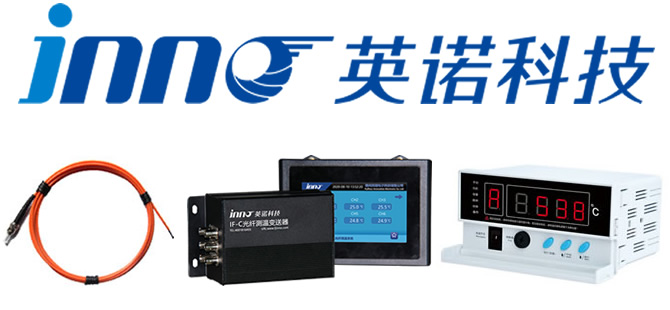
福州イノベーション電子科学&テック株式会社, 株式 会社. stands as China’s premier manufacturer of 蛍光光ファイバー温度監視システム 変圧器用, delivering proven solutions since 2011.
Company Overview and History
に設立されました 2011, 福州イノベーション has dedicated 13+ years exclusively to advancing 光ファイバー温度検知技術 電力産業用途向け. 福州に位置, 福建省, the company operates from modern facilities in the Liandong U Grain Networking Industrial Park.
卓越した製造
Production Facilities
- 工場所在地: 連東U穀物ネットワーキング工業団地, 興業西路12号, 福州, 福建省, 中国
- 生産能力: Thousands of monitoring systems annually serving domestic and international markets
- Quality control: ISO 9001 認定された製造プロセス
- Testing laboratories: Complete facilities for optical, 電気, および環境試験
- Clean assembly: Controlled environment for sensor fabrication and calibration
品質保証体制
- 受入検査: All components verified before production
- In-process testing: Critical parameters checked at each manufacturing stage
- Calibration traceability: All calibrations traceable to national standards
- 100% 機能テスト: Every system tested before shipment
- Burn-in testing: Extended operation at elevated temperature reveals early failures
- 絶縁試験: Oil withstand voltage and partial discharge verification per transformer standards
技術的な専門知識
研究開発 capabilities drive continuous improvement:
- Engineering team: Experienced optical, 電子, and power system engineers
- 応用知識: Deep understanding of transformer thermal management requirements
- カスタムソリューション: Ability to develop tailored systems for unique transformer configurations
- Field experience: 13+ years of installation and service feedback informing product enhancements
- Standards compliance: Products designed to meet utility and industry specifications
Product Range for Transformers
包括的な 温度監視ソリューション for all transformer types:
- Standard systems: 12-channel configurations for typical distribution transformers
- Enhanced systems: 15-18 channel versions for larger transformers
- High-channel systems: 32 又は 64 channel units for multiple transformer monitoring
- 通信オプション:4-20mAアナログ, RS485モドバス, イーサネット MODBUS-TCP, IECの 61850
- Display choices: Digital tube, 液晶, タッチスクリーン, またはヘッドレス構成
- カスタマイズ: Extensive modification capability for special requirements
確かな実績
Successful deployments validate system reliability:
- Installation base: Thousands of systems protecting transformers across China and internationally
- Utility customers: Major power companies including State Grid Corporation and China Southern Power Grid
- 産業用途: 製造業, 採掘, 運輸, データセンター
- Voltage range: 10kV distribution through 110kV transmission transformers
- Service record: Systems operating reliably for 10+ years validate design robustness
グローバルサービスネットワーク
Worldwide support for international transformer owners:
- Pre-sales consultation: Application engineering support for system selection
- カスタムエンジニアリング: Tailored solutions for unique transformer requirements
- 世界各地への発送: Reliable logistics to all international destinations
- 導入サポート: Remote assistance or on-site commissioning available
- 研修プログラム: Customer personnel training on operation and maintenance
- アフターサービス: 製品ライフサイクル全体にわたる迅速な技術サポート
- スペアパーツの入手可能性: Long-term component availability guaranteed
19. 製品認証と品質保証
福州イノベーション電子科学&テック株式会社, 株式 会社. maintains comprehensive certifications demonstrating product quality and compliance with international standards.
国際認証
Products carry essential certifications for global markets:
- CE認証: European conformity marking indicating compliance with EU safety, 健康, および環境要件
- ROHS 準拠: Restriction of Hazardous Substances directive compliance ensuring environmental safety
- ISO 9001: Quality management system certification demonstrating consistent product quality processes
- ISO 14001: Environmental management system certification showing commitment to sustainable manufacturing
Power Industry Standards Compliance
変圧器温度監視システム meet utility specifications:
- State Grid acceptance: Products tested and approved for State Grid Corporation installations
- 中国南方電力網: Qualified supplier meeting CSG technical requirements
- Insulation standards: Oil withstand voltage ≥8.8kV/mm, partial discharge ≤10pC at ≥7kV/mm with complete test reports
- 通信プロトコル: MODBUS-RTU/TCP and IEC 61850 implementations verified for interoperability
Additional Certifications Available
Custom certification support for specific market requirements:
- ATEX/IECEx: Explosive atmosphere certifications for hazardous location installations
- ULリスト: North American safety certification for US and Canadian markets
- Customer-specific testing: Accommodate special testing requirements per transformer manufacturer or utility specifications
Factory Inspection and Testing
Every system undergoes rigorous verification:
- Optical testing: Fluorescence signal strength and decay time verification
- 温度精度: Calibration verification using precision temperature references
- 絶縁試験: High voltage testing of sensors per transformer standards
- 通信検証: Protocol compliance testing with standard master devices
- 環境試験: Temperature cycling and humidity exposure (sample basis)
- Burn-in operation: Extended testing period identifying infant mortality failures
- ドキュメンテーション: Complete test records provided with each shipment
20. Frequently Asked Questions About Transformer Winding Temperature Monitoring
What is the working principle of fluorescence fiber optic temperature monitoring for transformers?
蛍光ファイバーによる温度モニタリング measures transformer winding temperature by analyzing the decay time of fluorescent light from rare-earth phosphor material at the sensor tip. When UV or blue LED light excites this material through the fiber, it emits fluorescence that decays exponentially. The decay time changes precisely with temperature—the system measures this time-domain signal and converts it to temperature with ±1°C accuracy. This measurement is immune to light intensity variations, 繊維の曲げ, またはコネクタの損失, providing stable maintenance-free operation for 20+ 校正なしで何年も.
Why must transformer windings have temperature monitoring systems installed?
Transformer winding temperature monitoring prevents catastrophic failures that cause power outages and equipment destruction. Windings develop hotspots from overloading, 冷却システムの故障, または絶縁劣化. 継続的な監視なし, 温度が安全限界を超える可能性がある, causing insulation breakdown, reduced transformer life, もしくは完全な失敗. The monitoring system detects abnormal temperature rise weeks before failure, 計画停止中の計画メンテナンスを可能にする. For critical transformers costing $100,000-$1,000,000+, temperature monitoring provides essential protection and extends service life by 30-50%.
How many temperature sensors does a transformer require?
標準的な変圧器には次のものが必要です 最小 12 温度監視ポイント: 1 sensor per high-voltage winding phase (3 合計), 1 sensor per low-voltage winding phase (3 合計), 1 鉄心のセンサー, そして 2 sensors for oil temperature measurement. The fluorescence fiber optic demodulator supports 12 channels accommodating this configuration. 大型の変圧器が必要になる場合があります 15-18 points for comprehensive coverage.
光ファイバー温度センサーはどの程度の精度を達成できるか?
蛍光ファイバー光温度センサー achieve ±1°C accuracy across their full -40°C to +260°C measurement range. This precision provides clear hotspot identification—abnormal temperature rises of 10-20°C indicate developing problems. The accuracy remains stable throughout the sensor’s life because the measurement principle depends on fluorescence decay time—a fundamental physical property unaffected by aging. Temperature resolution of 0.1°C allows detection of subtle temperature changes during early problem development.
How many sensors can one temperature demodulator connect?
標準 蛍光温度復調器 サポートします 12 独立したセンサーチャンネル, perfectly matching typical transformer monitoring requirements. 各チャンネルは独立して動作します, measuring temperature at its specific location. For a typical transformer, 12 channels provide comprehensive coverage of all critical winding, コア, and oil monitoring points. For installations requiring more than 12 ポイント, multiple demodulators network together via RS485 or Ethernet communication.
What is the maximum fiber optic length achievable?
蛍光光ファイバーセンサー からのファイバー長をサポート 0.5 メートルから 80 信号劣化や精度損失なしでチャンネルあたりメートル. 標準で利用可能な長さには2mが含まれます, 3m, 4m, 6m, 8m でほとんどの変圧器設置をカバー. 長距離を必要とする特殊用途向け, custom fiber lengths up to 80m enable remote mounting of the demodulator away from the transformer tank. 電気センサーとは異なり、ケーブルが長いと信号の減衰やノイズの拾いが発生します。, optical fiber transmits light signals without degradation over these distances.
How fast is the system response time?
ザ fluorescence temperature measurement system achieves sub-second response time with 0.1°C resolution, enabling real-time tracking of transformer thermal conditions. This fast response captures temperature changes during load variations, 過負荷状態, または冷却システムの故障. The measurement cycle completes in under one second, with continuous cycling providing updated temperatures. This response speed far exceeds what’s needed for transformer monitoring—thermal problems typically develop over minutes to hours—but fast response provides immediate detection of abnormal conditions.
Do fiber optic temperature monitoring systems require maintenance and calibration?
いいえ, fluorescence fiber optic temperature monitoring systems require absolutely no maintenance or calibration 彼ら全体を通して 20+ 年耐用年数. The fluorescence measurement principle depends on fundamental physical properties of the sensing material that don’t change over time—factory calibration remains accurate indefinitely. Glass optical fiber is chemically inert and doesn’t degrade from transformer oil exposure. ソリッドステート電子部品には摩耗する可動部品がありません. Once installed and commissioned, the only recommended activity is periodic visual inspection of fiber connections during regular transformer maintenance. This maintenance-free characteristic dramatically reduces lifecycle costs compared to PT100 sensors requiring biennial calibration.
Can sensors be installed on energized transformers?
インストール中 蛍光光ファイバーセンサー on energized transformers poses electrical safety concerns. While the dielectric fiber contains no conductive materials, installation requires physical access inside the transformer tank—most electrical safety codes prohibit working inside energized equipment. 新しい変圧器の場合, sensors install during manufacturing. 既設変圧器の場合, installation occurs during scheduled maintenance outages when the transformer is de-energized and oil is drained. インストールしたら, sensors monitor continuously on energized equipment at any voltage level with complete safety due to electrical isolation provided by optical fiber.
How does the system integrate with existing automation systems?
Fiber optic temperature demodulators 業界プロトコルを通じてすべての標準制御システムとシームレスに統合. 4-20mAアナログ出力 既存の温度レコーダーとコントローラーに接続します. RS485 MODBUS-RTU シンプルを提供します, PLC およびローカル SCADA システムとの信頼性の高い統合. イーサネット MODBUS-TCP 最新の IP ベースのネットワークとの高速通信を可能にします. IECの 61850 プロトコル provides standardized integration with digital substations. Integration typically requires only physical connection to communication network, assignment of device address, and configuration of register mapping—most implementations complete in hours.
システムはどのような通信プロトコルをサポートしていますか?
Fluorescence temperature demodulators support multiple industrial and utility communication protocols. RS485 MODBUS-RTU provides serial communication (19200標準的な bps) supporting multidrop networks. MODBUS-TCP offers Ethernet connectivity (10/100 Mbps) for higher speed communication. IECの 61850 delivers standardized substation automation integration with MMS for client-server communication and GOOSE for fast peer-to-peer messaging. All protocols provide bidirectional communication—reading temperature data while writing configuration parameters. Protocol selection depends on system integration requirements.
What parameters can be customized?
福州イノベーション電子科学&テック株式会社, 株式 会社. offers extensive customization for 光ファイバー温度監視システム. Hardware customization 含まれています: 繊維長 (any length from 0.5m to 80m), probe dimensions and materials, チャンネル数 (4, 8, 12, 16, 32, 64 チャンネル), コネクタの種類, demodulator enclosure options, and display types. Software customization 含まれています: 通信プロトコル, alarm thresholds preset to customer specifications, alarm output configurations, 表示形式, data logging capacity, およびレポート機能. The engineering team works directly with customers to develop optimized solutions for unique transformer applications.
How to select appropriate channel count for a transformer?
Select channel count by identifying all critical temperature monitoring points: count high-voltage winding sensors (通常 3 for three-phase), low-voltage winding sensors (3 for three-phase), iron core sensor (1), transformer oil sensors (2 for top and bottom oil), and any special points like tap changers or cooling equipment. For a typical 10kV distribution transformer, 12 sensors provide comprehensive coverage. For 35kV transformers, 12-15 sensors cover all critical points. For 110kV transformers, 12-18 sensors depending on size and importance. The standard 12-channel demodulator suits most single transformer applications. Best practice is to plan coverage during design phase, identifying all points where problems could occur, それから追加します 10-20% 余力.
Does the system affect transformer oil?
いいえ, 蛍光光ファイバーセンサー have no negative impact on transformer oil. The sensors use rare-earth luminescent materials specifically selected for transformer oil compatibility. Glass optical fiber is chemically inert and doesn’t react with or contaminate oil. Sensor materials meet transformer insulation requirements with oil withstand voltage ≥8.8kV/mm and pass partial discharge testing at ≤10pC. The sensors have been proven through decades of use in thousands of transformers worldwide without any documented oil contamination or degradation issues. Regular transformer oil analysis shows no difference between monitored and unmonitored transformers.
21. カスタム ソリューションとグローバル サービスについてはお問い合わせください

効果的な実装 変圧器巻線温度監視 requires expertise in both fiber optic sensing technology and power system applications. 福州イノベーション電子科学&テック株式会社, 株式 会社. provides comprehensive support from initial consultation through long-term service.
Core Advantages of Fuzhou Innovation
選択する 福州イノベーション あなたとして 温度監視システム supplier provides multiple benefits:
- 専門的な専門知識: 13+ years focused exclusively on fiber optic temperature sensing for power applications
- 実証済みのテクノロジー: Thousands of successful transformer installations validating product reliability
- 総合的な製品ライン: Complete range of channel counts, 構成, and customization options
- 品質認証: 西暦, ROHS, ISO 9001, ISO 14001 認定製造
- 応用知識: Deep understanding of transformer thermal management requirements
- テクニカルサポート: Experienced engineers providing consultation and troubleshooting
- カスタマイズ機能: Flexible manufacturing adapting to unique transformer requirements
- 競争力のある価格設定: Direct manufacturer pricing without distributor markups
- 確実な配送: Established production ensuring on-time shipment
- 長期的なパートナーシップ: Company stability guaranteeing ongoing support and spare parts
Worldwide Shipping Service
Global logistics network ensures reliable delivery:
- 国際配送: Experienced freight forwarders handling export documentation
- Multiple carriers: 航空貨物, 海上貨物, or express courier based on urgency and cost
- 保護梱包: 輸送中の損傷を防ぐ工業用パッキン
- Customs support: Complete documentation facilitating smooth customs clearance
- Shipment tracking: Visibility from factory to customer site
- 貨物保険: Protection against loss or damage during transportation
- Delivery confirmation: Signature required ensuring proper receipt
技術サポートとトレーニング
Comprehensive support ensures successful implementation:
- Pre-sales consultation: Technical discussion of transformer requirements and optimal solutions
- System configuration: Assistance selecting appropriate components, チャンネル数, および通信プロトコル
- インストールガイド: Detailed manuals and remote support during installation
- 試運転サポート: On-site or remote assistance for system startup and verification
- オペレータートレーニング: Instruction in system operation, アラーム管理, および基本的なトラブルシューティング
- Maintenance training: Guidance on inspection procedures (though systems require no maintenance)
- Technical hotline: Responsive support for questions and issues throughout product lifecycle
- ソフトウェアのアップデート: Firmware enhancements as available for protocol updates or new features
After-Sales Service Commitment
Long-term support extends beyond initial installation:
- 保証範囲: Comprehensive warranty on all products and components
- テクニカルサポート: Ongoing assistance throughout 20+ year product lifecycle
- スペアパーツの入手可能性: センサー, 繊維, and components available for years ensuring long-term serviceability
- 修理サービス: Factory repair of failed components with rapid turnaround
- システムのアップグレード: Capability expansion, protocol additions, or channel increases
- 申請支援: Support for system modifications when transformer requirements change
- Documentation updates: Latest manuals and technical information provided as systems evolve
Get in Touch Today
接触 福州イノベーション電子科学&テック株式会社, 株式 会社. to discuss your 変圧器巻線温度監視 要件:
福州イノベーション電子科学&テック株式会社, 株式 会社.
設立: 2011
住所: 連東U穀物ネットワーキング工業団地, 興業西路12号, 福州, 福建省, 中国
E-mailアドレス: web@fjinno.net
ワッツアップ: +86 135 9907 0393
WeChat(ウィーチャット) (中国): +86 135 9907 0393
QQの: 3408968340
電話: +86 135 9907 0393
Our technical team responds to inquiries within 24 時間. Whether you need monitoring for a single distribution transformer or comprehensive solutions for multiple transmission substations, we’re ready to help you implement reliable, 正確な, and cost-effective temperature monitoring protecting your critical transformer assets.
免責事項
この記事で提供される情報は、一般的な情報提供のみを目的としています。. 私たちは正確さと信頼性を確保するよう努めていますが、, 福州イノベーション電子科学&テック株式会社, 株式 会社. 完全性に関していかなる保証も表明も行いません, 精度, ここに含まれる情報の信頼性または信頼性.
技術仕様, 性能特性, and application suitability should be verified for your specific transformer requirements. 製品の仕様は継続的に改善するため、予告なく変更される場合があります。 蛍光光ファイバー温度監視システム.
この記事は専門的なエンジニアリングに関するアドバイスを構成するものではありません. 重要な変圧器用途向け, 資格のある電力エンジニアに相談し、適切なシステム設計を実施してください。, テスト, そして検証. 設置は、該当する電気規定に従って、訓練を受けた担当者が行う必要があります。, 実用規格, および安全規制.
標準への参照, 認証, 一般的なガイダンスとして規定が設けられています. Transformer monitoring requirements vary by voltage class, ユーティリティ, および地域 - 該当する要件を関連当局および業界標準化団体と確認してください。.
その間 蛍光光ファイバー温度センサー 従来のテクノロジーに比べて大きな利点を提供します, 適切なシステム設計, センサーの配置, and integration are essential for reliable transformer protection. アプリケーション固有のガイダンスおよびカスタマイズされたソリューションについては、当社の技術チームにお問い合わせください。.
言及されているサードパーティの商標および会社名はそれぞれの所有者の財産であり、情報提供のみを目的として参照されています。.
© 2025 福州イノベーション電子科学&テック株式会社, 株式 会社. 無断転載を禁じます.

光ファイバー温度センサ, インテリジェント監視システム, 中国の分散型光ファイバーメーカー
 |
 |
 |