 INNO 光ファイバー温度センサー ,温度監視システム.
導入: 正確な変圧器の温度監視の重要なニーズ

温度モニタリングは、最も重要なパラメータを表します。 変圧器状態監視システム. 設計限界を超える巻線ホットスポット温度は絶縁劣化を加速します, 直接影響を与える 変圧器の状態監視 と動作寿命. 業界統計によると、熱関連の故障が原因であることが明らかになりました 40% 変圧器の早期故障の発生, 修理費を平均化すると $500,000-$2,000,000 ユニットあたり.
Traditional top oil temperature measurements fail to accurately reflect actual winding temperatures. The temperature differential between oil and winding hot spots typically ranges 10-20°C, with peak differences reaching 30°C during dynamic loading conditions. This measurement gap creates significant risks for distribution transformer monitoring, 電源トランスの監視, そして high voltage transformer temperature monitoring アプリケーション.
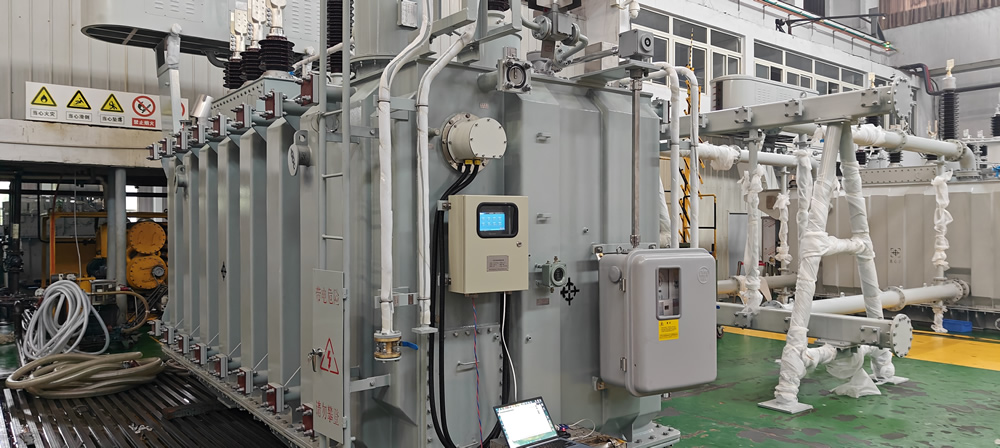
This comprehensive guide examines 10 mainstream 変圧器の温度監視 テクノロジー, with particular focus on advanced 光ファイバー温度監視 solutions that enable direct winding hot spot monitoring のために 配電変圧器, 電源変圧器, 乾式変圧器, cast resin transformers, 原子炉, vault transformers, 整流器変圧器, 主変圧器, and rail transit transformers.
1. Why Precise Internal Temperature Monitoring Is Critical for Transformers
1.1 Thermal Failure Mechanisms and Lifespan Impact
間の関係 巻線温度 and insulation degradation follows the Arrhenius equation, commonly known as the “8-度数規則”: every 8°C increase in operating temperature reduces transformer insulation life by 50%. For a transformer designed for 30-year service at 95°C hot spot temperature, continuous operation at 111°C reduces expected life to just 7.5 年.
Typical thermal failure scenarios include:
- Cooling system malfunction: Fan or pump failures causing inadequate heat dissipation
- 過負荷状態: Excessive current generating abnormal 変圧器の温度 上昇
- Localized overheating: Poor contact at terminals, circulating currents in windings
- Thermal runaway: Accelerating degradation once critical temperature thresholds are exceeded
Implementing proper 変圧器の温度監視 予知保全戦略を可能にする, preventing catastrophic failures and extending asset lifespan through optimized loading profiles.
1.2 Temperature Monitoring Requirements for Different Transformer Types
Distribution Transformer Temperature Monitoring: 通常 100-2500 kVA units require cost-effective オンライン状態監視システム with ±2°C accuracy for load management and asset protection.
電力変圧器の監視: Large utility transformers (>10 MVA) demand high-precision 巻線温度監視 (±1℃) with multi-point sensing for thermal gradient analysis and 変圧器の予知保全.
乾式変圧器温度監視: Air-cooled units require direct winding contact sensors due to absence of oil for thermal transfer, 作る 光ファイバー温度センサー ideal for epoxy-encapsulated windings.
Cast Resin Transformer Temperature Monitoring: Vacuum-cast units need embedded sensors installed during manufacturing, と 蛍光光ファイバー probes providing non-conductive solutions.
High Voltage Transformer Temperature Monitoring: 110kVを超えるシステムには、優れた絶縁耐力を備えたセンサーが必要です (>100kV) 絶縁不良を防ぐために, を通じてのみ達成可能 光ファイバー監視ソリューション.
整流器と主変圧器の監視: 高調波成分が多いと追加の発熱が発生します, 素早い対応が求められる 温度監視システム (<1 2番) 動的熱管理用.
1.3 重要な温度測定ポイント
効果的 変圧器の状態監視 戦略的なセンサー配置が必要:
- 曲がりくねったホットスポット: HV/LV 巻線の最高温度ゾーン (2-4 巻線ごとのセンサー)
- 巻線温度センサー: 平均巻線温度測定箇所
- 中心温度: 鉄心監視 (1-2 センサー)
- リード接続: 端子ジャンクション温度 (1 位相ごとのセンサー)
- 最高油温: 従来の測定基準
- 底部油温: 熱循環検証
- 冷却システムの温度: ラジエーター入口/出口 油温監視
1.4 Technical Requirements for Transformer Temperature Monitoring Systems
モダンな online transformer monitoring systems must meet stringent performance criteria:
- 測定精度: ±1°C for critical applications, ±2°C for general monitoring
- 応答時間: <1 2番目に リアルタイムの温度監視
- 絶縁耐力: >100kV insulation resistance for high-voltage applications
- EMI耐性: Complete electromagnetic interference rejection
- Continuous Operation: 24/7 unattended オンライン状態監視
- 長期安定性: 25+ 年間校正不要の動作
- システム統合: Seamless connection with transformer monitoring dashboard and SCADA systems via Modbus, IEC 61850 プロトコル
注記: All installation methods require transformer de-energization and oil drainage for internal sensor placement, making initial installation planning critical for retrofit projects.
2. 10 Mainstream Temperature Measurement Methods for Oil-Immersed Transformers
方法 1: 蛍光ファイバー光温度センサー (最適なソリューション)
1.1 Operating Principle of 蛍光ファイバーによる温度監視
蛍光光ファイバー温度センサー 蛍光減衰時間が正確な温度依存性を示す希土類蛍光体材料を利用. 光ファイバーを介して伝送されたLED光パルスによって励起された場合, プローブの蛍光体コーティングは、温度に正比例する減衰特性を持つ蛍光を発します。. この純粋に光学的な測定メカニズムにより、蛍光センサーは次の用途に最適です。 変圧器巻線のホットスポット監視.
1.2 変圧器アプリケーションの主な利点
完全な電気絶縁: 100kVを超える絶縁耐力により、安全な設置が可能になります。 high voltage transformer temperature monitoring 絶縁の弱点や地絡のリスクを招くことなく.
総合EMI耐性: 非金属構造により電磁干渉の影響を受けにくい, 高ノイズの電気環境で動作する整流用変圧器と主用変圧器にとって重要.
優れた精度: -40°C ~ +260°C の範囲全体で ±1°C の精度により、信頼性の高い機能を実現 巻線温度 data for thermal modeling and load optimization.
迅速な対応: Sub-1-second measurement updates enable true transformer real-time temperature monitoring for dynamic load management and thermal overload protection.
Exceptional Longevity: Passive sensing elements with 25+ year operational life eliminate periodic calibration and replacement costs over transformer service life.
Miniature Probe Design: 2-3mm diameter sensors permit direct embedding within winding structures during manufacturing or strategic placement during retrofits.
Multi-channel Scalability: Single monitoring units support 1-64 channels for comprehensive 変圧器温度監視システム covering all critical thermal zones.
1.3 Application Across Transformer Types
光ファイバー温度監視 provides optimal solutions for:
- 配電変圧器の監視: Cost-effective protection for 100-2500 kVA units
- 乾式変圧器温度監視: Direct winding contact in air-cooled designs
- Cast Resin Transformer Temperature Monitoring: Embedded sensors in vacuum-cast epoxy
- Power Transformer Temperature Monitoring: Multi-point arrays in large utility transformers
- High Voltage Transformer Temperature Monitoring: Safe operation above 110kV voltage levels
1.4 System Configuration and Technical Specifications
Fiber Optic Temperature Sensor Specifications:
- 温度範囲: -40℃ ~ +260℃
- 正確さ: ±1℃ (0-200℃)
- 応答時間: <1 2番
- 絶縁耐力: >100kV
- プローブ直径: 2-3mm
- 繊維長: 0-80 メートル標準
- Operational Life: >25 年
温度監視コントローラーの特長:
- 1-64 柔軟なチャネル構成
- RS485/Modbus RTU communication
- IEC 61850 protocol support for substation integration
- 4-20mA analog outputs for legacy systems
- Relay contacts for transformer alarm およびトリップ機能
- Local LCD display with trend graphing
- Web-based transformer monitoring dashboard アクセス
1.5 Strategic Sensor Placement Design
最適 winding hot spot monitoring configurations include:
- High-Voltage Winding Hot Spots: 2-4 sensors at calculated maximum temperature locations
- Low-Voltage Winding Monitoring: 2-4 sensors for thermal balance verification
- Core Temperature Measurement: 1-2 sensors on core steps or clamping structures
- Lead Connection Points: 1 sensor per phase at bushing terminals
- 油温の層別化: 3-5 sensors at top, 真ん中, bottom positions
- Winding Temperature Indicator Integration: Reference sensors for conventional transformer gauges correlation
1.6 インストールに関する考慮事項
New Transformer Manufacturing: Sensors embedded during winding assembly with fiber routed through dedicated bushing ports.
後付け設置: Requires complete de-energization, 油の排出, and tank opening for sensor insertion and secure mounting—typically scheduled during major maintenance outages.
ファイバールーティング: Optical fibers exit tank through specialized fiber-optic bushings maintaining oil-tightness and electrical isolation.
Probe Mounting: Sensors attached to winding structures using high-temperature epoxy, mechanical clips, or integrated during casting process for cast resin transformers.
方法 2: Platinum Resistance Temperature Sensors (PT100/PT1000)
PT100測温抵抗体 (RTD) represent conventional 油温監視 白金線の抵抗変化に基づく技術 (0.385Ω/℃). ±0.5℃の精度でオイル測定を実現, これらの金属センサーは、導電率の制限により巻線の内部にアクセスできません.
重大な制限: PT100 センサーはバルク油温のみを測定します, 推定時に 10 ~ 20°C の誤差が生じる 巻線温度, 直接の使用には適さなくなります ホットスポット監視. 変圧器フィールドからの電磁干渉により信号品質が劣化します, シールドケーブルが必要. オイルチャンバー内でセンサーを適切に配置するために、取り付けには停止が必要です.
適切な用途: 最高油温の目安, 冷却システムの入口/出口の監視, との統合 変圧器油温計, 直接的なものを補完する 巻線温度センサー.
方法 3: 熱電対温度センサー
熱電対 異種金属接合におけるゼーベック効果を通じて温度依存の電圧を生成. K型, T型, and J-type variants offer wide measurement ranges (-200℃ ~ +1200℃) with faster thermal response than RTDs.
Major Drawbacks: ±2-3°C accuracy insufficient for precision 変圧器の温度監視. Metallic construction prevents use in high-voltage windings due to insulation risks. Severe EMI susceptibility in transformer electromagnetic environments corrupts millivolt-level signals. Cold junction compensation adds complexity and error sources. All installations demand transformer shutdown and oil removal.
Limited Use Cases: Low-voltage auxiliary measurements, external accessory monitoring—progressively replaced by 光ファイバー温度監視ソリューション.
方法 4: ファイバーブラッググレーティング (FBG) 温度センサー
FBGセンサー encode temperature data as wavelength shifts in Bragg grating reflections, enabling quasi-distributed measurements through wavelength division multiplexing on single fibers.
Performance Limitations: Cross-sensitivity to mechanical strain introduces ±2-3°C errors in transformer applications where vibration and thermal expansion occur. Complex optical spectrum analyzers increase system cost beyond fluorescent alternatives. Temperature range typically limited to 150°C maximum. Precision inferior to fluorescent fiber optic sensors for critical winding hot spot monitoring. Retrofit installation requires complete transformer de-energization.
Better Suited For: ケーブル温度監視, pipeline applications, scenarios accepting lower accuracy—not recommended for primary 変圧器巻線温度監視.
方法 5: 分散型温度センシング (DTS) システム
DTSテクノロジー based on Raman scattering provides continuous temperature profiles along fiber lengths using OTDR/OFDR interrogation, suitable for kilometer-scale linear monitoring.
Unsuitable for Transformers: 0.5-1 meter spatial resolution prevents precise hot spot localization. ±2-5°C accuracy inadequate for 変圧器の温度監視 要件. >30 second response time incompatible with リアルタイムの温度監視 ニーズ. Extremely high equipment costs unjustifiable for point measurements. Cannot achieve winding-level temperature measurement precision.
Recommended Applications: Long-distance cable monitoring, pipeline surveillance—avoid for internal 変圧器状態監視システム.
方法 6: 赤外線サーマルイメージング
赤外線サーモグラフィー detects surface radiation patterns for non-contact temperature assessment during periodic inspections, valuable for identifying external hot spots on bushings, ラジエーター, そしてつながり.
Fundamental Constraint: Cannot penetrate tank walls or insulation to measure internal 巻線温度. Provides only instantaneous snapshots, not continuous オンライン状態監視. 環境要因 (風, 日射, 湿度) affect accuracy. Emissivity variations between materials cause measurement errors. No capability for winding hot spot monitoring—strictly an external diagnostic tool.
Proper Role: Supplementary inspection method, external fault detection—cannot replace online transformer monitoring systems for internal thermal management.
方法 7: ワイヤレス温度センサー
ワイヤレス温度センサー transmit data via 433MHz/2.4GHz radio for installation-simplified monitoring of high-voltage contacts, バスバージョイント, and disconnect switches.
Transformer Application Barriers: Metal tank construction blocks radio signals, preventing internal communication. Battery-powered units unsuitable for sealed oil environments. RF interference in substations degrades reliability. Cannot access oil-immersed windings for hot spot measurement. External mounting still requires outage for safe installation on energized bushings.
Effective Domain: Switchgear contact monitoring, overhead connections—ineffective for internal 変圧器温度監視システム.
方法 8: 巻線温度インジケーター (WTI)
巻線温度インジケーター estimate winding temperature through thermal models combining top oil temperature sensors with current transformer inputs, calculating hot spot values algorithmically rather than through direct measurement.
Inherent Inaccuracy: Indirect calculation methods produce ±5-10°C errors compared to actual winding conditions. Thermal models require precise transformer-specific parameters often unavailable. Aging and loading history alter thermal characteristics, degrading model accuracy over time. Provides estimates, not true winding hot spot monitoring—increasingly replaced by direct 光ファイバー温度センサー.
方法 9: 油温計
Transformer oil temperature gauges measure bulk top oil temperature using dial thermometers or digital displays with PT100 sensing elements, providing basic thermal monitoring for smaller distribution units.
Measurement Gap: オイルの最高測定値は、実際の巻線ホットスポット温度より 10 ~ 30°C 遅れます。, 過渡荷重中の熱応力の危険な過小評価を引き起こす. いいえ リアルタイム監視 の機能またはデータロギング 変圧器の予知保全. 最新の変圧器健全性監視システムには不十分 正確な熱管理が必要.
方法 10: ポータブル熱画像カメラ
手持ち型サーマルイメージャー メンテナンス時の検査ツールとして機能します, 変圧器付属品の外部温度異常の特定, 冷却装置, および電気接続.
固定赤外線と同じ制限事項: 外面のみの測定, 内部アクセスなし, 継続的ではなく定期的なモニタリング. 曲がりくねったホットスポットを検出できない、またはオンライン状態監視をサポートできない—計画的な停止および検査中の純粋な診断の役割.
3. 温度測定方法の徹底比較
| 方法 | 正確さ | 応答時間 | Winding Hot Spot Capability | 絶縁耐力 | EMI耐性 | 寿命 | インストール要件 |
|---|---|---|---|---|---|---|---|
| 蛍光光ファイバー | ±1℃ | <1 秒 | はい – 直接測定 | >100kV | 完了 | >25 年 | Outage Required |
| PT100/PT1000 | ±0.5℃ | 5-10 秒 | いいえ – Oil Only | 限定 | 貧しい | 10-15 年 | Outage Required |
| 熱電対 | ±2~3℃ | 2-5 秒 | いいえ – Insulation Risk | Inadequate | Very Poor | 5-10 年 | Outage Required |
| FBGセンサー | ±2~3℃ | 1-2 秒 | 限定 – Strain Errors | 良い | 良い | 15-20 年 | Outage Required |
| DTSシステム | ±2~5℃ | >30 秒 | いいえ – Poor Resolution | 良い | 良い | 10-15 年 | Outage Required |
| 赤外線イメージング | ±2~5℃ | インスタント | いいえ – External Only | 該当なし | 該当なし | 該当なし | Inspection Only |
| ワイヤレスセンサー | ±1~2℃ | 1-5 秒 | いいえ – RF Blocked | Varies | 貧しい | 3-5 年 | External Only |
| WTI (Calculated) | ±5~10℃ | 10-30 秒 | Estimated Only | 該当なし | 該当なし | 10-15 年 | External Mounting |
4. 結論と推奨事項
Among the 10 temperature measurement methods analyzed, 蛍光光ファイバー温度センサー emerge as the definitive solution for accurate 変圧器巻線のホットスポット監視 across all transformer types—from 配電変圧器 に high voltage power transformers.
主要な選択基準:
重要な資産の場合 (>10 MVA Power Transformers, High Voltage Transformers): Deploy multi-channel fluorescent 光ファイバー温度監視システム と 6-16 sensors covering HV/LV windings, コア, 石油の層別化. との統合 transformer monitoring dashboard and SCADA via IEC 61850 enables comprehensive 変圧器の状態監視 そして 予知保全 戦略.
For Distribution Transformers (100-2500 kVA): インストール 2-4 channel fluorescent systems monitoring top winding hot spots and top oil, providing cost-effective protection with superior accuracy compared to conventional 巻線温度インジケーター.
For Dry Type and Cast Resin Transformers: 蛍光 光ファイバーセンサー offer the only practical method for direct winding temperature measurement in air-cooled and epoxy-encapsulated designs where oil-based indirect methods are inapplicable.
For Specialized Applications (整流器, Traction, Rail Transit Transformers): Sub-1-second response and complete EMI immunity make fluorescent monitoring essential for high-harmonic, high-interference environments.
Implementation Planning: Since all internal sensor installations require transformer de-energization and oil drainage, coordinate deployments with scheduled maintenance outages. New transformer orders should specify factory-installed 光ファイバー温度監視 for optimal sensor positioning and reduced lifecycle costs.
The convergence of ±1°C accuracy, >100kV dielectric strength, 25+ 年の寿命, and multi-point scalability positions fluorescent 光ファイバー温度センサー as the industry-leading technology for modern online transformer monitoring systems, enabling utilities and industrial operators to maximize asset utilization while minimizing thermal-related failure risks through precision condition monitoring of transformers.
免責事項
This article provides general technical information about transformer temperature monitoring methods for educational purposes. Actual sensor selection, システム設計, and installation must be performed by qualified electrical engineers and transformer specialists in accordance with applicable standards (IEEE C57.91, IEC 60076-7) そしてメーカー仕様書. Temperature monitoring systems should be integrated as part of comprehensive transformer condition monitoring programs including oil quality analysis, 溶存ガス分析, and partial discharge testing. Installation of internal sensors requires trained personnel, 適切な安全手順, 公共事業の運営慣行の遵守. 著者および発行者は、ここに含まれる情報の適用によって生じた損害に対して一切の責任を負いません。. アプリケーション固有の推奨事項と詳細なエンジニアリング サポートについては、変圧器メーカーおよび監視システム ベンダーに問い合わせてください。. 記載されているすべての商標および製品名はそれぞれの所有者に帰属します。.

光ファイバー温度センサー, インテリジェント監視システム, 中国の分散型光ファイバーメーカー
 |
 |
 |