 Sensori di temperatura a fibra ottica INNO ,sistemi di monitoraggio della temperatura.
- Vantaggio in termini di precisione di rilevamento: Rilevatori di temperatura dell'avvolgimento adottare una tecnologia di rilevamento avanzata per ottenere un rilevamento ad alta precisione di ± 0,5 ° C, fornire un supporto dati affidabile per la protezione delle apparecchiature
- Funzionalità di monitoraggio in tempo reale: 24/7 monitoraggio continuo di temperatura dell'avvolgimento cambia con la velocità di risposta in millisecondi, rilevamento tempestivo di tendenze anomale di aumento della temperatura
- Tecnologia di rilevamento multipunto: Supporto 1-64 punti di rilevamento per il monitoraggio simultaneo, coprendo in modo completo le aree tortuose dei punti caldi ed eliminando il monitoraggio dei punti ciechi
- Sistema di allarme intelligente: Impostazioni di allarme di temperatura multilivello con avviso, allarme, e protezione a tre livelli di intervento, prevenendo efficacemente danni da surriscaldamento dell'apparecchiatura
- Registrazione e analisi dei dati: Archiviazione dei dati di temperatura a lungo termine e analisi delle tendenze, fornire basi scientifiche per la manutenzione delle apparecchiature e la previsione dei guasti
- Rich Communication Interfaces: Support RS485, Ethernet, wireless and other communication methods, convenient for integration into existing monitoring systems
- FJINNO Detection Advantages: Professionale rilevatore di temperatura dell'avvolgimento manufacturer providing complete detection solutions from hardware to software
1. What is Winding Temperature Detector?
UN rilevatore di temperatura dell'avvolgimento is an intelligent detection device specifically designed to detect and monitor the temperature of windings in electrical equipment. By integrating various temperature sensing technologies, it achieves precise detection and real-time monitoring of winding temperatures in motors, trasformatori, generators and other equipment. As an important protective device in modern power systems, winding temperature detectors provide critical data support for equipment safe operation, fault warning and maintenance decision-making.
Winding overheating is the most common cause of electrical equipment failure. Quando temperatura dell'avvolgimento exceeds standard values, it leads to insulation aging, ridotta rigidità dielettrica, and ultimately equipment damage. Perciò, affidabile winding temperature detectors are crucial for ensuring safe operation of power systems. Modern winding temperature detection technology has evolved from traditional contact temperature detection to advanced fiber optic fluorescence detection, providing ideal solutions for winding temperature monitoring in complex electromagnetic environments.
Temperature detector systems typically consist of temperature sensing units, signal processing modules, display controllers, communication interfaces and alarm outputs, forming complete temperature detection monitoring systems. From early mechanical temperature detection to modern digital intelligent detection, winding temperature detection technology has experienced development stages from analog detection, digital detection to intelligent detection.
2. How Does Winding Temperature Detector Work?

2.1 Fluorescent Fiber Optic Temperature Detection Principle
Fluorescent fiber optic detectors are based on fluorescence lifetime temperature measurement technology. The rare earth fluorescent material at the detector probe tip generates fluorescent signals under light excitation. The fluorescence decay time has an exponential relationship with temperature, and the system accurately calculates temperature by measuring fluorescence lifetime. Questo fiber optic detection technology has intrinsic physical stability and is not affected by light intensity changes.
2.2 Signal Acquisition and Processing Technology
Temperature detectors collect winding temperature signals through temperature sensors, process them through signal conditioning circuits, and convert them to standard electrical signals or digital signals. High-performance microprocessors are used for real-time temperature data processing, including filtering, linearization, compensation and other algorithms to ensure detection accuracy.
2.3 Intelligent Analysis Functions
Avanzato temperature detectors possess intelligent functions such as temperature trend analysis, anomaly identification, e manutenzione predittiva, improving equipment management levels. Systems can establish temperature models based on historical data, predict equipment operating conditions, and provide scientific basis for maintenance decisions.
3. Types of Winding Temperature Detectors
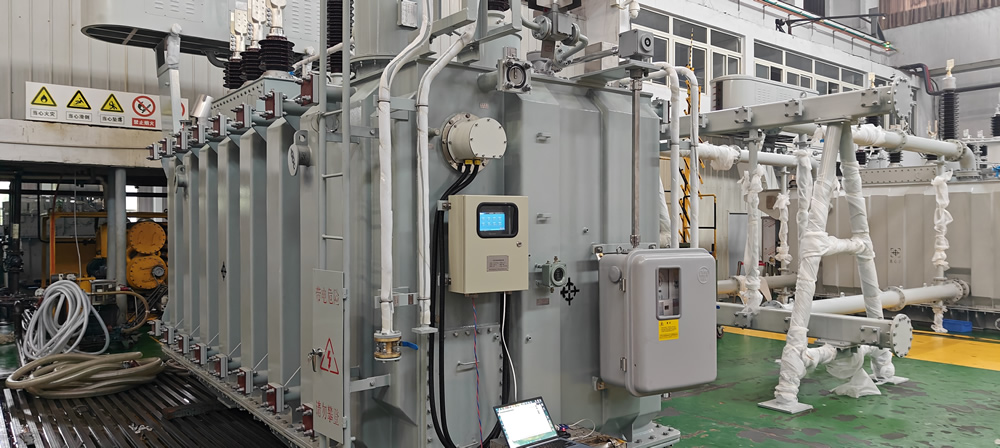
3.1 Classification by Detection Technology
Fiber Optic Fluorescence Detectors: Adopt fluorescence lifetime temperature measurement technology with advantages of complete electrical insulation, immunità ai disturbi elettromagnetici, e alta precisione, suitable for high voltage and strong electromagnetic interference environments.
Rilevatori di temperatura a resistenza: Utilize the linear temperature variation characteristics of metal resistances like platinum resistance, offering high measurement precision and good standardization, but susceptible to electromagnetic interference.
Thermocouple Detectors: Based on thermoelectric effect generating temperature-related voltage, featuring fast response and wide temperature range, but relatively lower measurement precision.
Infrared Detectors: Achieve non-contact temperature measurement by detecting thermal radiation, convenient installation but can only measure surface temperature.
Wireless Detectors: Adopt wireless transmission technology with flexible installation suitable for mobile equipment, but require regular battery replacement.
3.2 Classification by Installation Method
Embedded Detectors: Directly installed inside windings to obtain true winding temperature with highest detection accuracy but complex installation.
External Detectors: Installed on winding surface or nearby, simple installation but slightly slower temperature response.
Portable Detectors: Used for temporary detection and inspection with flexible operation, suitable for multi-point detection needs.
3.3 Classification by Functional Characteristics
Single-point Detectors: Monitor single temperature point with simple structure and lower cost, suitable for small equipment.
Multi-point Detectors: Simultaneously monitor multiple temperature points for comprehensive understanding of winding temperature distribution, suitable for large equipment.
Intelligent Detectors: Possess intelligent functions like data analysis, previsione della tendenza, and remote communication.
Networked Detectors: Support network communication and remote monitoring, convenient for integration into large monitoring systems.

4. Advantages and Disadvantages Analysis of Various Detectors
4.1 Detailed Analysis of Fiber Optic Fluorescence Detectors
Main Advantages:
– Absolute Electrical Insulation: Materiali in fibra ottica are naturally insulating, can withstand 80kV high voltage impact without additional insulation treatment
– Complete Electromagnetic Interference Immunity: Optical signal transmission unaffected by any electromagnetic fields, excellent performance in strong electromagnetic environments
– Intrinsic Safety Performance: No electrical components, safe for use in flammable and explosive environments
– Ultra-long Service Life: Rare earth fluorescent materials have excellent stability, normal use can exceed 20 anni
– Maintenance-free Characteristics: Passive optical devices require no regular calibration and maintenance, significantly reducing operating costs
– High Detection Accuracy: ±0.5°C precision, 0.1Risoluzione in °C, response time less than 1 secondo
– Multi-point Distributed Detection: Single fiber can connect multiple detection points with low system cost
Limitazioni tecniche:
– Relatively high initial investment cost
– Requires professional fiber optic technical support
– Certain requirements for fiber bending radius
4.2 Comparative Analysis of Traditional Detectors
Platinum Resistance Temperature Detectors: Alta precisione, buona linearità, high standardization, but susceptible to electromagnetic interference, require excitation current, lead resistance affects measurement accuracy, insulation risks in winding applications.
Thermocouple Temperature Detectors: Risposta rapida, ampio intervallo di temperature, basso costo, but relatively low measurement precision, suscettibile alle interferenze elettromagnetiche, require cold junction compensation, prone to aging drift in high temperature environments.
Infrared Temperature Detectors: Misurazione senza contatto, risposta rapida, installazione conveniente, but can only measure surface temperature, cannot obtain true internal temperatura dell'avvolgimento, easily affected by environmental factors, costo elevato.
Wireless Temperature Detectors: Flexible installation, nessun cablaggio richiesto, suitable for mobile equipment, but require regular battery replacement, wireless signals may be interfered, high long-term operating costs, difficult signal transmission in metal enclosed environments.
5. Applications of Winding Temperature Detectors
5.1 Power System Applications
Transformer Winding Monitoring: High and low voltage monitoraggio della temperatura degli avvolgimenti per trasformatori di potenza, trasformatori di distribuzione, and special transformers. Fiber optic detectors have unique advantages in high voltage environments.
Generator Winding Monitoring: Stator winding and excitation winding temperature control for steam turbine generators, hydro generators, and wind generators.
Motor Winding Monitoring: Winding temperature protection for high voltage motors, explosion-proof motors, and variable frequency motors.
Large power plant steam turbine generator units typically use multi-point temperature detection systems, installazione temperature detectors at different positions of stator windings for comprehensive temperature monitoring. Main transformer winding temperature detection in substations is significant for ensuring safe power grid operation, con fluorescent fiber optic detectors performing excellently in these high voltage environments.
5.2 Industrial Field Applications
Monitoraggio della temperatura degli avvolgimenti for critical equipment like petrochemical compressor motors, motori per laminatoi per acciaio, ventilatori del forno da cemento, e motori di trazione per trasporti. Tecnologia di rilevamento in fibra ottica funziona in modo eccellente in ambienti a prova di esplosione e in luoghi con forti interferenze elettromagnetiche.
I motori di azionamento principali dei laminatoi per le imprese siderurgiche hanno una potenza enorme e ambienti operativi difficili. Tradizionale temperature detectors spesso falliscono, Mentre fluorescent fiber optic detectors può funzionare stabilmente in ambienti così difficili. I motori dei compressori delle aziende petrolchimiche devono funzionare in ambienti a prova di esplosione, rendendo le caratteristiche di sicurezza intrinseca di rilevatori a fibra ottica scelte ideali.
5.3 Campi di applicazione emergenti
Monitoraggio degli avvolgimenti del generatore eolico, controllo della temperatura dell'inverter solare, gestione termica del motore di trazione del veicolo elettrico, il monitoraggio della temperatura del sistema di accumulo dell'energia e altri campi applicativi emergenti hanno requisiti sempre più elevati rilevatore di temperatura reliability and precision.
Harsh environments of offshore wind farms pose extremely high requirements for equipment reliability. Tradizionale temperature detectors have extremely high maintenance costs, while the maintenance-free characteristics of fluorescent fiber optic detectors give them obvious advantages in such applications. Electric vehicle drive motor temperature control directly affects vehicle performance and safety, making high-precision temperature detectors key technologies.
6. Winding Temperature Detector Installation Guide
6.1 Pre-installation Preparation
Equipment Selection and Configuration: Select appropriate detector types and configurations based on application environment, precision requirements, communication needs and other factors. Consider environmental temperature, umidità, electromagnetic interference intensity, installation space and other factors.
Installation Position Determination: Determine winding hot spot positions through thermal field analysis and select optimal detection point installation positions. For large equipment, detectors usually need to be installed at multiple positions to obtain comprehensive temperature distribution information.
Tool and Material Preparation: Prepare specialized installation tools, connection materials, dispositivi di protezione, ecc. Fiber optic detector installation requires specialized fiber fusion splicing equipment and testing instruments.
Safety Measure Development: Develop detailed safety operation procedures to ensure personnel and equipment safety during installation. When installing on energized equipment, power outage plans and safety measures need to be developed.
6.2 Detailed Installation Steps
Sensor Installation Methods:
– Installazione incorporata: Directly embed detectors inside coils during winding manufacturing to obtain most authentic temperatura dell'avvolgimento
– Surface installation: Use specialized adhesives or mechanical fixtures to install detectors on winding surfaces
– Slot wedge installation: Install detectors under motor stator slot wedges, close to windings but not affecting insulation structure
Signal Cable Layout:
– Fibra ottica routing requirements: Fiber bending radius not less than 20 times fiber diameter, use protective sleeves when threading
– Cable protection: Use flexible metal conduits to protect connection cables, set anti-vibration supports and cushions
– Connection terminals: Use professional fiber connectors or electrical terminals to ensure reliable connections
Detector Main Unit Installation:
– Installation position should be convenient for observation and operation, avoiding vibration and high temperature effects
– Ensure good ventilation and heat dissipation conditions
– Reserve maintenance and upgrade space
System Connection and Commissioning:
– Signal testing: Check signal integrity and accuracy of all temperature detection points
– Test di comunicazione: Verify communication functions with host computers or monitoring systems
– Test di funzionalità: Test alarm, registrazione, display and other functions
*For detailed installation specifications, construction drawings, specialized tool lists and other technical materials, please contact us for professional installation guidance services.*
6.3 Installation Quality Acceptance
Insulation Test Requirements: For electrical temperature detectors, insulation resistance testing is required to ensure compliance with equipment insulation requirements. Fiber optic detectors are naturally insulating but still need fiber integrity checks.
Signal Test Standards: Test signal quality of each detection point including signal strength, stabilità, tempo di risposta e altri indicatori. Verificare l'accuratezza del rilevamento rispetto alle fonti di temperatura standard.
Verifica delle funzioni del sistema: Testare in modo completo il rilevamento del sistema, display, registrazione, allarme, comunicazione e altre funzioni per garantire il rispetto dei requisiti di progettazione.
Archiviazione dei record di installazione: Creazione di archivi di installazione completi che registrano i modelli di rilevatori, posizioni di installazione, metodi di cablaggio, dati di test e altre informazioni per fornire la base per la successiva manutenzione.
7. Casi applicativi di successo
7.1 Caso di centrale elettrica di grandi dimensioni
Un generatore a turbina a vapore per una centrale termoelettrica da 1000 MW sistema di rilevamento della temperatura degli avvolgimenti progetto di riqualificazione. La resistenza originale al platino temperature detectors si verificano frequentemente interferenze di segnale ed errori di misurazione in ambienti fortemente elettromagnetici. Il progetto ha adottato FJINNO fluorescent fiber optic detectors per sostituire le tradizionali resistenze in platino, installazione rilevatori di temperatura a fibra ottica A 36 positions in the generator stator windings.
After retrofit, the system completely eliminated electromagnetic interference problems, improved detection accuracy to ±0.5°C, and significantly enhanced system reliability. The maintenance-free characteristics of rilevatori a fibra ottica greatly reduced operating costs. The system has operated stably for 5 years with no fault records. Through real-time temperature monitoring, it successfully warned of 3 winding abnormal temperature rise events, avoiding major equipment accidents.
7.2 Petrochemical Enterprise Case
A large petrochemical enterprise’s ethylene plant compressor motor with 25MW power operates in flammable and explosive environments. The original electrical temperature detectors had complex explosion-proof certification and difficult maintenance issues. The enterprise adopted intrinsically safe fluorescent fiber optic temperature detection systems, installazione rilevatori a fibra ottica A 12 posizioni critiche negli avvolgimenti del motore del compressore.
Dopo la messa in servizio del sistema, ha soddisfatto pienamente i requisiti antideflagranti con elevata precisione di rilevamento e velocità di risposta rapida. Durante un'operazione, il sistema ha rilevato tempestivamente un aumento anomalo della temperatura dell'avvolgimento. Attraverso l'analisi della distribuzione della temperatura, ha identificato problemi di lubrificazione dei cuscinetti, evitando gravi danni alle apparecchiature. Questo progetto è diventato un'applicazione dimostrativa per il monitoraggio della temperatura nell'industria petrolchimica.
7.3 Caso applicativo per parchi eolici offshore
Un parco eolico offshore con 100 3Generatori eolici da MW in ambienti marini difficili con costi di manutenzione delle apparecchiature estremamente elevati. Elettrico tradizionale temperature detectors presentavano tassi di guasto elevati in ambienti soggetti a corrosione in nebbia salina con manutenzione difficile. Il parco eolico adottato è esente da manutenzione sistemi di rilevamento della temperatura a fluorescenza in fibra ottica, installazione 6 detection points for each generator.
The system has operated for 5 years with zero detector failures, significantly reducing maintenance workload and costs. Through remote temperature monitoring, operation and maintenance personnel can timely detect equipment anomalies and optimize maintenance plans. The successful application of this project proved the superiority of fiber optic detection technology in harsh environments.
*For more detailed case materials, please contact us for comprehensive information.*
8. FJINNO Winding Temperature Detector Technical Specifications
Nostro rilevatore di temperatura dell'avvolgimento products cover complete solutions from single-point detection to multi-point networked monitoring. Product technical indicators include detection accuracy, intervallo di misurazione, working environment, interfacce di comunicazione, alarm functions and other aspects, all reaching international advanced levels.
All products are strictly designed and manufactured according to international standards, passing relevant certification tests to ensure product quality and technical advancement. We provide standard products and customized solutions to meet different application requirements.
For complete technical specification parameter tables, product selection guides, installation manuals and other detailed technical materials, please contact our technical engineers for professional technical support.
Contact us for professional winding temperature detection solutions!
Professional winding temperature detection solutions, reliable detection technology!

Sensore di temperatura a fibra ottica, Sistema di monitoraggio intelligente, Produttore di fibra ottica distribuito in Cina
 |
 |
 |