 Sensori di temperatura a fibra ottica INNO ,sistemi di monitoraggio della temperatura.
Sensori del trasformatore IoT are networked measurement devices that collect, trasmettere, and analyze real-time operating data from power transformers. By combining edge sensing, comunicazioni sicure, and cloud or on-prem analytics, they enable continuous visibility, manutenzione predittiva, and faster incident response across substations, reti di distribuzione, e impianti industriali.
Sommario
- 1. Cosa sono i sensori del trasformatore IoT
- 2. How IoT Transformer Sensors Work
- 3. Types of IoT Transformer Sensors
- 4. Key Features and Advantages
- 5. Use Cases in Power Systems
- 6. IoT Transformer Sensors vs Traditional Sensors
- 7. Integration with Smart Grid and Cloud Analytics
- 8. Sfide e tendenze future
- 9. Domande frequenti
- 10. Conclusione
1. IoT Transformer Sensors — Definition and Concept
An IoT transformer sensor is a digitally connected sensing unit that measures thermal, elettrico, meccanico, and environmental variables around a transformer and streams data to analytics platforms. Unlike isolated analog probes, smart transformer sensors add identity, sincronizzazione dell'ora, diagnostica, and secure communications, making measurements searchable, comparable, and actionable across fleets.
1.1 Core Idea
Each sensor or sensor node exposes clean data models, supports device health checks, and aligns with station data governance. Insieme, they form an IoT-based transformer condition monitoring layer that reduces blind spots and accelerates engineering decisions.
1.2 Typical Measurement Themes
- Thermal behavior of windings, nucleo, and cooling paths
- Electrical cues such as partial discharge and load profiles
- Mechanical signatures via vibration and acoustic patterns
- Environmental context including temperature, umidità, and oil tank status
2. Wireless Transformer Monitoring — Come funziona

IoT architectures follow a simple flow: senso, acquisire, trasmettere, analizzare, e agire. Success depends on reliable edge measurements, resilient communications, and pragmatic analytics that prioritize operator clarity over raw data volume.
2.1 Rilevamento e acquisizione dei bordi
Sensors capture parameters such as temperature, attuale, voltaggio, vibrazione, umidità, livello dell'olio, and partial discharge indicators. I dispositivi Edge standardizzano le unità, rumore del filtro, e record di timestamp in modo che i dati si allineino con SCADA, eventi di protezione, e registri storici.
2.2 Comunicazioni e protocolli
A seconda della politica del sito e del terreno, i sensori potrebbero essere brevi- o collegamenti a lungo raggio. I percorsi comuni includono Ethernet, bus di campo seriale, Wifi, LPWAN (LoRa/LoRaWAN), cellulare (NB-IoT/LTE/5G), e framework di pubblicazione/sottoscrizione come MQTT. I gateway collegano i collegamenti sul campo alle LAN delle sottostazioni o agli endpoint cloud protetti.
2.3 Analisi e supporto decisionale
I motori di analisi convertono i flussi in indici di salute, confronti di tendenze, e livelli di allarme. Invece di inondare gli operatori, i sistemi inviano avvisi selezionati con brevi finestre pre/post, consentendo un triage rapido e una manutenzione mirata.
2.4 Sicurezza e governance
- Identità del dispositivo, rotazione delle credenziali, e firmware firmato
- Accesso basato sui ruoli e flussi di rete consentiti
- Retention rules and audit trails for configuration and user actions
3. Smart Transformer Sensors — Types and Roles
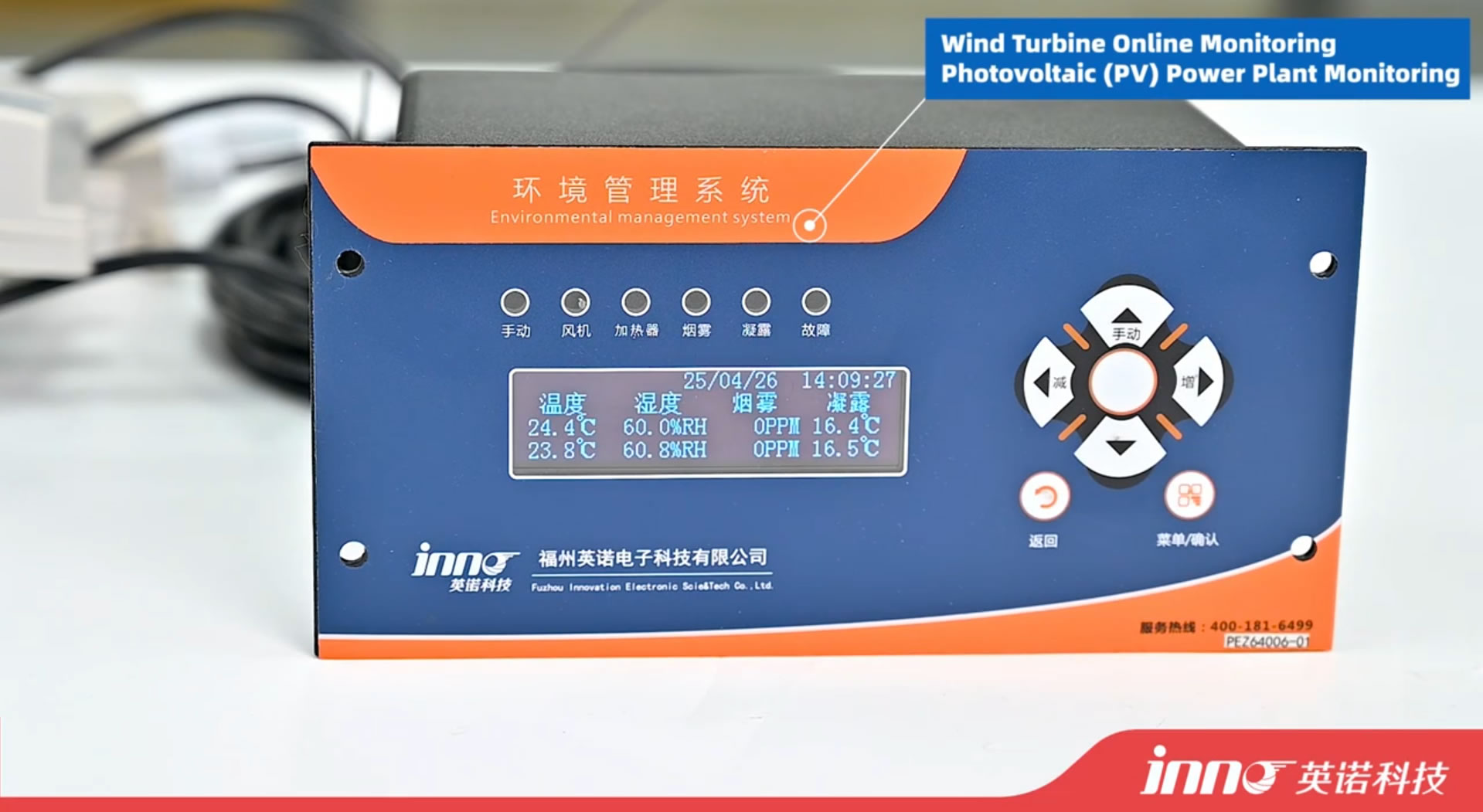
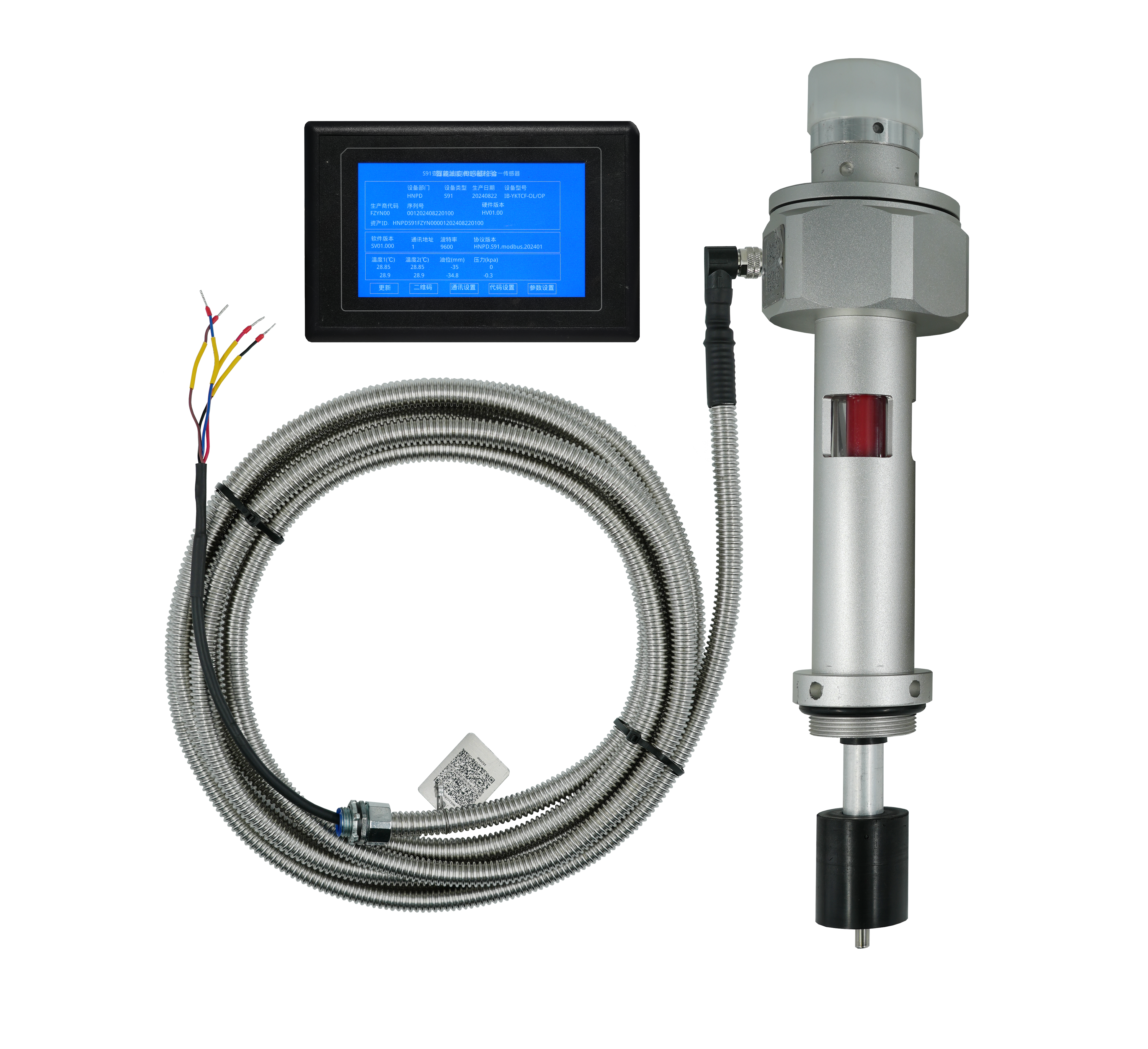
IoT deployments mix sensor types to capture complementary aspects of transformer behavior. The table below outlines common categories and how they enrich condition monitoring.
| Tipo | What It Measures | Typical Placement | Operational Value |
|---|---|---|---|
| Sensori di temperatura | Hot-spot and bulk temperatures | Punti caldi tortuosi, core vicinity, oil paths | Reveals thermal margins and cooling effectiveness |
| Sensori di vibrazione | Mechanical stability and resonance | Tank walls, base, or nearby structures | Flags looseness, mounting issues, o disturbi esterni |
| Sensori di scarica parziale | Early dielectric stress cues | High-voltage compartments and joints | Supports proactive insulation maintenance |
| Tipo | What It Measures | Typical Placement | Operational Value |
|---|---|---|---|
| Sensori di umidità | Moisture in air or oil headspace | Cabinets, control rooms, tank vicinity | Assesses insulation stress and condensation risks |
| Oil level/pressure sensors | Oil volume trends and pressure status | Oil conservator, tank headspace | Supports safe operating envelope and leak detection |
| Sensori di corrente/tensione | Load profiles and electrical stress | Sbarre, bushing taps, secondary circuits | Correlates thermal behavior with electrical demand |
| Sensori acustici | Sound patterns linked to mechanical/magnetic states | Tank surface or nearby structure | Provides an independent indicator of anomalies |
| Gas monitoring (headspace) | Early gas evolution signals | Oil tank headspace sampling points | Additional context for fault investigation |
Combining complementary sensor classes allows Sensori del trasformatore IoT to deliver multi-dimensional insight. The goal is not to collect every possible variable but to assemble a balanced set that explains thermal, elettrico, meccanico, and environmental behavior with minimal noise.
4. Key Features and Advantages
Modern deployments emphasize pragmatic capabilities that reduce blind spots and operator workload while improving reliability across fleets. The following features are repeatedly cited by utilities and industrial operators as high-value.
4.1 Wireless and Remote Monitoring
- Flexible backhaul options for difficult terrain and unmanned sites
- Gateway strategies that bridge field links to secure enterprise networks
- Fewer truck rolls and faster situational awareness during disturbances
4.2 Real-Time Insight and Predictive Maintenance
- Trendlines and rate-of-change views to spot drift early
- Curated alerts that include short pre/post windows for rapid triage
- Health indices that prioritize assets by risk instead of age alone
4.3 Fusione multisensore
- Cross-correlation of thermal, vibrazione, elettrico, and humidity data
- Pattern recognition that distinguishes nuisance events from genuine issues
- Consistent unit scaling and timestamps for clean historian analytics
4.4 Operational Efficiency and Safety
- Condition-based tasks replace fixed rounds, ottimizzando manodopera e parti
- Documentazione chiara e registrazioni allineate nel tempo per audit e revisioni degli incidenti
- Esposizione ridotta alle apparecchiature sotto tensione grazie alla visibilità remota
5. Use Cases in Power Systems
Sensori del trasformatore IoT supportare contesti operativi diversificati, dalle dense sottostazioni urbane ai poli di distribuzione remoti. Gli scenari seguenti illustrano come il monitoraggio basato sui dati rafforzi le decisioni quotidiane.
5.1 Sottostazioni urbane e campus industriali
- Visibilità continua dei margini termici durante i cicli di carico di punta
- Verifica più rapida dopo il cambio di eventi e attività di manutenzione
- Dashboard condivise per le operazioni, protezione, e squadre di manutenzione
5.2 Siti remoti o non presidiati
- Collegamenti LPWAN o cellulari per una copertura conveniente
- Allarmi prioritari che attivano visite al sito mirate
- Strategie di reporting attente alla batteria per lunghi intervalli di manutenzione
5.3 Impianti di energia rinnovabile
- Classifica del rischio a livello di parco veicoli per i trasformatori dispersi
- Event correlation with inverter behavior and weather conditions
- Seasonal playbooks for heat waves, storms, and icing events
5.4 Rail Transit and Critical Facilities
- Alignment with traction load patterns and ventilation schedules
- Noise and vibration context for early detection of mechanical issues
- Time-stamped logs to support safety cases and compliance reports
6. IoT Transformer Sensors vs Traditional Sensors
The difference between legacy transducers and IoT-enabled units lies in intelligence, comunicazione, e manutenibilità. Smart sensors serve as active participants in the digital substation ecosystem rather than isolated measurement points.
| Aspetto | Sensori tradizionali | IoT Transformer Sensors |
|---|---|---|
| Signal output | Analogico, point-to-point wiring | Digitale, addressable, often wireless |
| Data accessibility | Local only, manual retrieval | Cloud or control-room accessible in real time |
| Processing capability | Nessuno, raw values only | Edge intelligence with embedded diagnostics |
| Manutenzione | Periodic calibration and replacement | Autodiagnosi, remote firmware updates |
| Integration level | Limitato, vendor-specific | Open protocols and standardized data models |
| Value over time | Static measurement | Continuous insight and predictive maintenance |
7. Integration with Smart Grid and Cloud Analytics
Sensori del trasformatore IoT contribute to a broader digital ecosystem that includes SCADA, gestione energetica, and asset performance platforms. Their standardized data streams feed analytics pipelines that connect local conditions to grid-level decision-making.
7.1 Edge and Cloud Collaboration
- Edge devices handle fast, deterministic tasks such as protection coordination and threshold control.
- Cloud analytics perform long-term trend studies, fleet comparisons, and AI model training.
- Hybrid architectures ensure resilience even if network connectivity fluctuates.
7.2 Standard Protocols and APIs
- Support for IEC 61850, ModBus TCP, DNP3, and MQTT for flexible integration.
- RESTful APIs for energy dashboards and enterprise data lakes.
- Secure key exchange and encryption aligning with utility cybersecurity frameworks.
7.3 Data Visualization and AI Analytics
- Dynamic dashboards highlight real-time temperature, carico, and humidity correlations.
- AI models identify weakly correlated precursors to faults and suggest preventive actions.
- Digital twin representations simulate transformer thermal and mechanical response under future load scenarios.
8. Sfide e tendenze future
As digitalization deepens, utilities balance opportunity with responsibility. Qualità dei dati, sicurezza, and sustainability remain critical for long-term trust and scalability.
8.1 Key Challenges
- Sicurezza informatica: protecting field devices and communication paths from intrusion.
- Power supply and battery life in remote IoT nodes.
- Interoperability across multiple vendor ecosystems and firmware versions.
- Data overload without clear alarm philosophy or ownership.
8.2 Tendenze future
- AI-enhanced self-learning sensors capable of local anomaly recognition.
- Wider adoption of low-power wide-area networks and 5G network slicing for critical communications.
- Integration with digital twins for end-to-end lifecycle visualization.
- Cross-domain analytics linking transformers, quadri, and renewable interfaces.
9. FAQ — IoT Transformer Sensors
Q1. What parameters do IoT transformer sensors typically measure?
They measure thermal, elettrico, meccanico, and environmental variables including temperature, vibrazione, umidità, scarica parziale, and load currents.
Q2. Are IoT sensors compatible with existing transformers?
SÌ. Most solutions retrofit easily using magnetic, adesivo, or clamp mounts, avoiding invasive modification to primary insulation or oil systems.
Q3. How do they transmit data in remote areas?
They use cellular (NB-IoT/LTE/5G) or LPWAN (LoRa) networks to relay compressed packets to gateways or cloud servers with efficient power management.
Q4. Can IoT transformer sensors reduce maintenance costs?
By identifying drift before failure, they enable targeted maintenance, reducing emergency callouts and spare-part consumption.
Q5. What standards ensure reliability?
CEI 61850 per la comunicazione, IEEE C57 for transformer testing, and relevant cybersecurity frameworks guide compliance and interoperability.
10. Conclusion — The Role of IoT Transformer Sensors in Modern Grids
IoT transformer sensors turn every transformer into a connected, risorsa ricca di dati. They extend awareness beyond temperature and current to a multi-dimensional understanding of transformer health. Through smart integration, monitoraggio senza fili, and AI analytics, operators gain the insight required to maintain safety, affidabilità, and efficiency across increasingly dynamic power systems. As grids modernize and renewables proliferate, these sensors form the foundation of predictive, self-healing electrical networks.

Sensore di temperatura in fibra ottica, Sistema di monitoraggio intelligente, Produttore distribuito di fibre ottiche in Cina
 |
 |
 |