 Sensori di temperatura a fibra ottica INNO ,sistemi di monitoraggio della temperatura.
- Una boccola del trasformatore è un dispositivo isolante critico che consente un'alimentazione sotto tensione, conduttore ad alta tensione per passare in sicurezza attraverso la parete metallica messa a terra del serbatoio di a trasformatore di potenza, mantenendo l'isolamento elettrico completo fornendo allo stesso tempo supporto meccanico e tenuta a tenuta di gas/olio.
- Le boccole funzionano su nucleo del condensatore con grado di capacità principio, dove strati concentrici di materiale isolante e lamine conduttive distribuiscono il campo elettrico in modo uniforme per prevenire concentrazioni di stress localizzate e scariche superficiali.
- I tipi di boccole più comuni in servizio oggi sono Carta impregnata di olio (OIP) boccole E Carta impregnata di resina (RIP) boccole, con tecnologia RIP sempre più preferita per la sua resistenza al fuoco, minore manutenzione, e tolleranza all'umidità superiore.
- A differenza di a isolante post linea O isolante del palo della stazione, una boccola del trasformatore è a vuoto, componente elettrico attivo con un conduttore interno e strati dielettrici ingegnerizzati, non semplicemente un supporto meccanico.
- Il guasto della boccola è una delle principali cause di esplosioni e incendi catastrofici di trasformatori, making continuous monitoraggio delle condizioni delle boccole — compresi test di capacità e fattore di potenza, rilevamento scariche parziali, E monitoraggio della temperatura — essenziale per qualsiasi programma di gestione delle risorse critiche del trasformatore.
- Sensori di temperatura a fibra ottica fluorescente forniscono il metodo più sicuro e accurato per misurare direttamente le temperature dei punti caldi sulle connessioni dei conduttori passanti, tracciare piste, e interfacce della torretta all'interno dell'ambiente sigillato del trasformatore, offrendo isolamento intrinseco ad alta tensione e completa interferenza elettromagnetica (EMI) immunità.
Sommario
- Cos'è una boccola del trasformatore?
- Cosa fa una boccola del trasformatore? — Funzione e ruolo
- Come funziona una boccola del trasformatore? — Principio di funzionamento
- Vantaggi delle moderne boccole per trasformatori
- Boccola del trasformatore vs Isolante: qual è la differenza??
- Tipi di boccole del trasformatore
- Perché le boccole del trasformatore si guastano? — Meccanismi di fallimento
- Monitoraggio delle condizioni delle boccole del trasformatore: metodi e tecnologie
- Monitoraggio della temperatura per boccole di trasformatori: soluzioni in fibra ottica
- Monitoraggio della temperatura degli avvolgimenti del trasformatore di potenza
- Monitoraggio e analisi della temperatura dell'olio del trasformatore
- Monitoraggio online delle scariche parziali per trasformatori
- Analisi dei gas disciolti (DGA) e Salute del trasformatore
- Monitoraggio e diagnostica del commutatore di presa del trasformatore
- Sistemi integrati di monitoraggio delle condizioni dei trasformatori
- I migliori produttori di boccole e dispositivi di monitoraggio per trasformatori
- Conclusione
- Domande frequenti (Domande frequenti)
1. Cos'è una boccola del trasformatore?

UN boccola del trasformatore è una struttura isolante cava che consente il passaggio di un conduttore elettrico attraverso la messa a terra, parete metallica del serbatoio collegata a terra — o coperchio della torretta — di a trasformatore di potenza mantenendo l'isolamento elettrico completo tra il conduttore sotto tensione e l'involucro messo a terra. Ogni trasformatore di potenza, se è un 10 Unità di distribuzione MVA o a 1,500 Trasformatore elevatore generatore MVA, richiede boccole sia sull'alta tensione (alta tensione) e bassa tensione (LV) lati per portare i collegamenti elettrici dentro e fuori il serbatoio sigillato.
Struttura fisica di una boccola del trasformatore
Una tipica boccola del trasformatore ad alta tensione è composta da diversi elementi chiave: una centrale conduttore (asta piena o tubo cavo) che trasporta la corrente a pieno carico; UN nucleo del condensatore costituito da strati concentrici di materiale isolante (carta impregnata di olio, carta impregnata di resina, o pellicola sintetica) intercalati con strati di lamina conduttiva che classificano il campo elettrico; un esterno alloggiamento in porcellana o polimero composito con tettoie sul lato aria per garantire la distanza superficiale e proteggere l'isolamento interno dalla pioggia, inquinamento, and UV exposure; una porzione lato olio che si estende nel serbatoio del trasformatore e vi è immersa olio isolante del trasformatore; UN flangia di montaggio che si fissa alla torretta del trasformatore e fornisce la tenuta a tenuta di gas/olio; e un terminale superiore per il collegamento alla linea aerea esterna, sbarra collettrice, o cavo.
Valori di tensione e applicazioni
Le boccole del trasformatore sono prodotte per tensioni nominali che vanno da pochi kilovolt a trasformatori di distribuzione fino a 1,200 kV in altissima tensione (UV) trasformatori di potenza. La corrente nominale varia tipicamente da poche centinaia di ampere a 5,000 A o più per trasformatori di generatori di grandi dimensioni. Vengono utilizzate anche le boccole shunt reactors, Trasformatori convertitori HVDC, furnace transformers, E wall bushings negli edifici dei quadri elettrici e nelle connessioni GIS-trasformatore.
2. Cosa fa una boccola del trasformatore? — Funzione e ruolo

La boccola del trasformatore svolge tre funzioni simultanee e ugualmente critiche all'interno del sistema del trasformatore.
Isolamento elettrico
La funzione principale della boccola è quella di isolare elettricamente il conduttore ad alta tensione dal serbatoio del trasformatore messo a terra. Senza questo isolamento, l'intera tensione del sistema si riverserebbe a terra nel punto di penetrazione nella parete del serbatoio, causando un cortocircuito immediato e un guasto catastrofico. L'isolamento deve resistere non solo alla normale tensione di esercizio ma anche alle sovratensioni transitorie causate dai fulmini, picchi di commutazione, ed eventi di guasto del sistema, come definito da standard come CEI 60137 E IEEE C57.19.00.
Conduzione corrente
L'isolatore deve sopportare l'intera corrente di carico nominale e le sovracorrenti di breve durata in condizioni di guasto senza un eccessivo aumento della temperatura. Il conduttore e le sue connessioni interne al cavo dell'avvolgimento del trasformatore (disegnare il vantaggio) deve mantenere una bassa resistenza elettrica per minimizzarla I²R losses e prevenire la formazione di hotspot.
Supporto meccanico e sigillatura
La boccola fornisce la struttura meccanica che supporta il collegamento della linea esterna e resiste ai carichi del vento, carichi di ghiaccio, forze sismiche, e il peso statico dei conduttori collegati. Contemporaneamente, il gruppo flangia deve mantenere una tenuta affidabile a tenuta di olio e gas tra l'ambiente interno del serbatoio del trasformatore e l'atmosfera esterna per una durata di servizio di 30-40 anni.
3. Come funziona una boccola del trasformatore? — Principio di funzionamento
Il principio di classificazione del condensatore
Boccole del trasformatore ad alta tensione: generalmente classificate 72 kV e superiori: operare su condensatore (capacità) principio di classificazione. Il nucleo del condensatore è costituito da più strati cilindrici concentrici di materiale isolante (carta, carta resinata, o pellicola), ciascuno separato da un sottile strato di lamina conduttiva. Questi strati di lamina sono disposti in modo che ogni strato successivo si trovi a un potenziale di tensione progressivamente inferiore dal conduttore centrale alla lamina più esterna collegata a terra collegata alla flangia di montaggio.
Questa disposizione distribuisce la tensione applicata totale su più piccoli, gradini di tensione uniformi anziché consentire all'intera tensione di sollecitare un singolo strato isolante sulla superficie del conduttore. Il risultato è un campo elettrico radiale uniforme e un distribuzione assiale controllata della tensione lungo la lunghezza della boccola, entrambi essenziali per prevenire la rottura localizzata dell'isolamento. Lo strato di lamina più esterno, noto come rubinetto capacitivo (Presa C2 o fattore di potenza) - viene generalmente portato a un terminale di test esterno, consentendo la misurazione sul campo della capacità del passante e del fattore di dissipazione dielettrica (abbronzatura δ / fattore di potenza) come indicatore diagnostico della salute dell'isolamento.
Isolamento lato olio e lato aria
La parte della boccola che sporge all'aria aperta sopra la torretta del trasformatore (IL lato aria) è protetto dall'alloggiamento in porcellana o composito e dai relativi parapioggia. La porzione immersa nella vasca del trasformatore (IL lato olio) è isolato dall'olio del trasformatore e dalla parte inferiore del nucleo del condensatore. La progettazione deve tenere conto delle diverse proprietà dielettriche dell'aria e dell'olio, e l'interfaccia sulla flangia di montaggio, dove la boccola passa tra i due mezzi, è una delle regioni più sollecitate elettricamente e termicamente dell'intero assieme.
4. Vantaggi delle moderne boccole per trasformatori
Controllo affidabile del campo elettrico
La tecnologia di classificazione del condensatore utilizzata nelle boccole moderne fornisce precisione, controllo prevedibile della distribuzione del campo elettrico, garantendo un funzionamento sicuro in tutte le condizioni di tensione specificate, compresi i test sugli impulsi di fulmine e di commutazione. Questo controllo sul campo non è ottenibile con simple, progetti di isolamento sfuso non classificato.
Compact Design
Le boccole classificate per condensatore sono significativamente più corte e più compatte di quanto dovrebbero essere i progetti non classificati per la stessa tensione nominale. Ciò riduce l'altezza complessiva del trasformatore, semplifica la logistica dei trasporti, e riduce i carichi meccanici sulla struttura della torretta del trasformatore.
Funzionalità diagnostica integrata
La presa di capacità sulle boccole del condensatore fornisce un punto di accesso diagnostico inestimabile. Misurando periodicamente o continuamente il bushing capacitance (C1) E fattore di potenza (abbronzatura δ) tramite questo tocco, gli operatori possono rilevare il degrado dell'isolamento in una fase iniziale, spesso anni prima che si verifichi un guasto. Questa capacità di monitoraggio integrata è unica per le boccole di tipo condensatore e rappresenta uno dei vantaggi più significativi.
Lunga durata
Ben costruito e adeguatamente mantenuto OIP bushings E RIP bushings raggiungono abitualmente una durata di servizio di 30-40 anni. Disegni RIP, in particular, offrono una durata prolungata grazie alla loro resistenza all'assorbimento di umidità e all'invecchiamento termico.
5. Boccola del trasformatore vs Isolante: qual è la differenza??
Boccole del trasformatore e isolanti elettrici (ad esempio isolatori di linea, isolatori di postazione di stazione, isolatori delle sospensioni, E isolatori a perno) sono entrambi dispositivi isolanti utilizzati nei sistemi di alimentazione ad alta tensione, ma differiscono fondamentalmente nella funzione, costruzione, e applicazione.
Differenza funzionale
UN isolante è un supporto meccanico passivo che mantiene in posizione un conduttore sotto tensione isolandolo dalla struttura di supporto messa a terra (palo, torre, o cornice). Non contiene un conduttore interno: il conduttore di linea è collegato esternamente all'hardware dell'isolante. UN boccola del trasformatore, per contrasto, è un dispositivo passante elettrico attivo con un conduttore interno, un nucleo condensatore, e un'interfaccia sigillata con il serbatoio del trasformatore. Trasporta la corrente a pieno carico attraverso la barriera messa a terra, non supporta semplicemente un conduttore esterno.
Differenza costruttiva
Una tipica porcellana o vetro isolante del disco è un corpo solido o cavo di materiale isolante senza classificazione elettrica attiva interna. UN boccola del condensatore è un componente multistrato progettato con precisione con strati di classificazione in lamina conduttiva, un conduttore centrale, un riempimento di petrolio o gas, e una presa di capacità, molto più complessa di qualsiasi isolante convenzionale.
Tabella comparativa
| Caratteristica | Boccola del trasformatore | Isolante |
|---|---|---|
| Funzione primaria | Condurre la corrente attraverso una barriera messa a terra con isolamento | Supportare meccanicamente un conduttore e isolarlo da terra |
| Internal conductor | SÌ | NO |
| Classificazione del condensatore | SÌ (Tipi ad alta tensione) | NO |
| Sigillato al serbatoio / allegato | SÌ (flangia a tenuta olio/gas) | NO |
| Capacità di trasporto di corrente | Sì, corrente nominale fino a 5,000 A+ | NO (il conduttore è esterno) |
| Capacità / marrone δ toccare | SÌ | NO |
| Posizione tipica | Torrette del trasformatore, serbatoi del reattore, penetrazioni murarie | Linee aeree, sbarre, strutture della stazione |
| Conseguenza del fallimento | Potenziale esplosione e incendio del trasformatore | Caduta di linea o scarica elettrica a terra |
In sintesi, mentre entrambi i dispositivi forniscono isolamento elettrico, una boccola del trasformatore è molto più complessa, componente multifunzione il cui guasto comporta conseguenze significativamente più elevate rispetto al guasto di un isolatore di linea o stazione.
6. Tipi di boccole del trasformatore
Carta impregnata di olio (OIP) Boccole
OIP bushings sono il tipo di boccola tradizionale e più diffuso in tutto il mondo. Il nucleo del condensatore è costituito da strati di carta kraft avvolti sul conduttore centrale e impregnati di olio isolante minerale. L'olio riempie gli interstizi della carta e riempie anche l'interno dell'involucro di porcellana, fungendo sia da isolante che da mezzo di trasferimento del calore. Le boccole OIP sono ben collaudate, conveniente, e disponibile per tutti i valori di tensione. Tuttavia, contengono un volume significativo di olio minerale infiammabile, che comporta un rischio di incendio in caso di rottura dell'alloggiamento, e sono sensibili all'ingresso di umidità attraverso guarnizioni invecchiate o danneggiate.
Carta impregnata di resina (RIP) Boccole
RIP bushings utilizzare un nucleo del condensatore costituito da carta crespata impregnata e legata con resina epossidica o poliestere sotto vuoto e pressione. Il nucleo indurito è solido, struttura autoportante che non necessita di riempimento d'olio all'interno dell'alloggiamento della boccola. Le boccole RIP offrono una sicurezza antincendio superiore (assenza di olio libero all'interno dell'alloggiamento), maggiore resistenza meccanica, migliore resistenza all'ingresso di umidità, e manutenzione ridotta rispetto a OIP. Sono diventati la scelta preferita per le nuove installazioni di trasformatori in molti mercati, particolare nelle sottostazioni interne, ambienti urbani, e applicazioni in cui il rischio di incendio deve essere ridotto al minimo.
Sintetici impregnati di resina (RIS) Boccole
Boccole RIS sostituire la tradizionale carta kraft con un film isolante sintetico (come film di polipropilene o poliestere) impregnato di resina. Ciò migliora ulteriormente le prestazioni dielettriche, riduce la suscettibilità alle scariche parziali, e può consentire un design più compatto per una determinata tensione nominale.
Altri tipi di boccole
Ulteriori tipi di boccole includono Boccole riempite di gas SF6 (utilizzato nelle connessioni GIS-trasformatore), boccole di tipo secco (per trasformatori di media tensione e a secco), boccole epossidiche con grado di capacità, E boccole olio-SF6 che fungono da interfaccia tra un trasformatore riempito d'olio e un vano quadri isolato in gas.
7. Perché le boccole del trasformatore si guastano? — Meccanismi di fallimento
Il guasto delle boccole è uno degli eventi più pericolosi che possono verificarsi su un trasformatore di potenza. Le statistiche del settore identificano costantemente i guasti alle boccole come una delle principali cause di incendi ed esplosioni di trasformatori, pari a circa 10-25 % di tutti i principali guasti ai trasformatori a seconda dello studio e dell'età della flotta. Comprendere i meccanismi di guasto è essenziale per un monitoraggio e una prevenzione efficaci.
Contaminazione dell'umidità
L'umidità è il nemico principale OIP bushings. Ingresso di acqua attraverso guarnizioni deteriorate, porcellana incrinata, o paraolio guasti saturano progressivamente l'isolamento in carta, riducendone la rigidità dielettrica e accelerando l’invecchiamento termico. Livelli elevati di umidità riducono la tensione di inizio scarica parziale e aumentano la perdita dielettrica (abbronzatura δ), creando un ciclo di degrado autorinforzante che alla fine può portare alla rottura dell'isolamento.
Degrado termico e surriscaldamento
Eccessivo conductor temperature — causato da sovraccarico, scarsa resistenza di contatto sul collegamento del cavo, o circolazione dell'olio inadeguata: accelera la decomposizione termica dell'isolamento in carta e dell'olio all'interno della boccola. I prodotti di decomposizione (compresa l'acqua, CO, CO₂, e gas combustibili) deteriorare ulteriormente l'isolamento, ridurre la rigidità dielettrica, e aumentare il rischio di archi interni. Hotspot al collegamento inferiore (disegnare il vantaggio) sono particolarmente pericolosi perché immersi nell'olio del trasformatore e invisibili all'ispezione esterna.
Scarico parziale
Scarico parziale (PD) all'interno del nucleo del condensatore, causato da vuoti, delaminazioni, contaminazione, o un'eccessiva sollecitazione del campo elettrico: erode progressivamente l'isolamento della carta. Col tempo, I canali PD possono crescere e collegare gli strati isolanti, eventualmente portando a una scarica elettrica tra gli strati di lamina o dal conduttore alla flangia messa a terra.
Inquinamento esterno e tracciamento
Dal lato dell'aria, accumulo di inquinamento, depositi di sale, o contaminanti industriali sulla superficie dell'alloggiamento in porcellana o composito riducono la distanza di dispersione effettiva e possono portare a surface tracking, arco a banda secca, ed eventualmente flashover esterno, in particolare in condizioni umide o umide.
Mechanical Damage
Eventi sismici, danni da trasporto, manipolazione impropria durante l'installazione, e il ciclo termico può rompere l'alloggiamento in porcellana, danneggiare il nucleo del condensatore, o compromettere la tenuta della flangia. La porcellana incrinata consente l'ingresso di umidità e la fuoriuscita di olio isolante, deterioramento rapido dell’isolamento.
Invecchiamento e degrado a fine vita
Anche in normali condizioni operative, i materiali isolanti organici (carta e olio) all'interno delle boccole subiscono un graduale invecchiamento termico e ossidativo. Dopo 25-35 anni di servizio, molti passanti OIP si avvicinano o superano il punto in cui non è più possibile fare affidamento sulla loro integrità dell'isolamento, e diventa necessaria una sostituzione proattiva, idealmente guidata dal monitoraggio e dai dati diagnostici.
8. Monitoraggio delle condizioni delle boccole del trasformatore: metodi e tecnologie

Date le conseguenze catastrofiche del guasto delle boccole, è stata sviluppata una serie di tecniche di monitoraggio e diagnostica per rilevare il degrado dell'isolamento e altri precursori di guasti nella fase più precoce possibile.
Capacità e fattore di potenza (Tan δ) Monitoraggio
Il metodo diagnostico più diffuso per le boccole prevede la misurazione del capacità (C1) E dielectric dissipation factor (abbronzatura δ) del nucleo del condensatore tramite la presa capacitiva incorporata. I cambiamenti in C1 indicano cambiamenti fisici all'interno del nucleo del condensatore (come strati di pellicola cortocircuitati o assorbimento di umidità), mentre aumenti di tan δ indicano perdite dielettriche causate dall'umidità, invecchiamento, o contaminazione. Sia test periodici offline che sistemi di monitoraggio continuo online sono disponibili. I sistemi online misurano continuamente questi parametri sotto la tensione di servizio, fornendo dati di tendenza in tempo reale e allarmi di preallarme.
Scarico parziale (PD) Monitoraggio
Rilevazione scariche parziali — utilizzando sensori UHF, sensori acustici, o accoppiamento elettrico tramite la presa della boccola: può identificare fonti PD attive all'interno del nucleo del condensatore o nell'interfaccia boccola-olio. Il monitoraggio PD è spesso integrato nella stessa piattaforma online che monitora la capacità e il tan δ.
Analisi dei gas disciolti (DGA)
Per OIP bushings dotato di valvola per prelievo olio, periodico o online analisi dei gas disciolti dell'olio della boccola fornisce un potente strumento diagnostico. Livelli elevati di idrogeno (H₂), acetilene (C₂H₂), e altri gas difettosi indicano un arco interno, surriscaldamento, o attività di scarico parziale all'interno della boccola.
Monitoraggio della temperatura
Monitoraggio della temperatura del conduttore passante, il collegamento del tirante, e l'interfaccia della flangia è un componente sempre più riconosciuto di un programma completo sulla salute delle boccole. Un aumento anomalo della temperatura sulla connessione inferiore o lungo il conduttore può indicare un aumento della resistenza di contatto, connessioni degradate, o sovraccarico, tutti fattori precursori dell’instabilità termica e del guasto dell’isolamento. La tecnologia più efficace per questa applicazione è rilevamento della temperatura in fibra ottica fluorescente, che viene descritto in dettaglio nella sezione seguente.
Termografia a infrarossi (External)
Periodico infrarossi (E) scansione della superficie della boccola esterna è possibile rilevare schemi di riscaldamento anomali sulla porcellana lato aria o sul terminale superiore. Tuttavia, La termografia IR non può vedere all'interno dell'alloggiamento in porcellana o sotto il livello dell'olio, limitandone l’efficacia nel rilevamento dei guasti interni, in particolare nel collegamento inferiore critico.
9. Monitoraggio della temperatura per boccole di trasformatori: soluzioni in fibra ottica
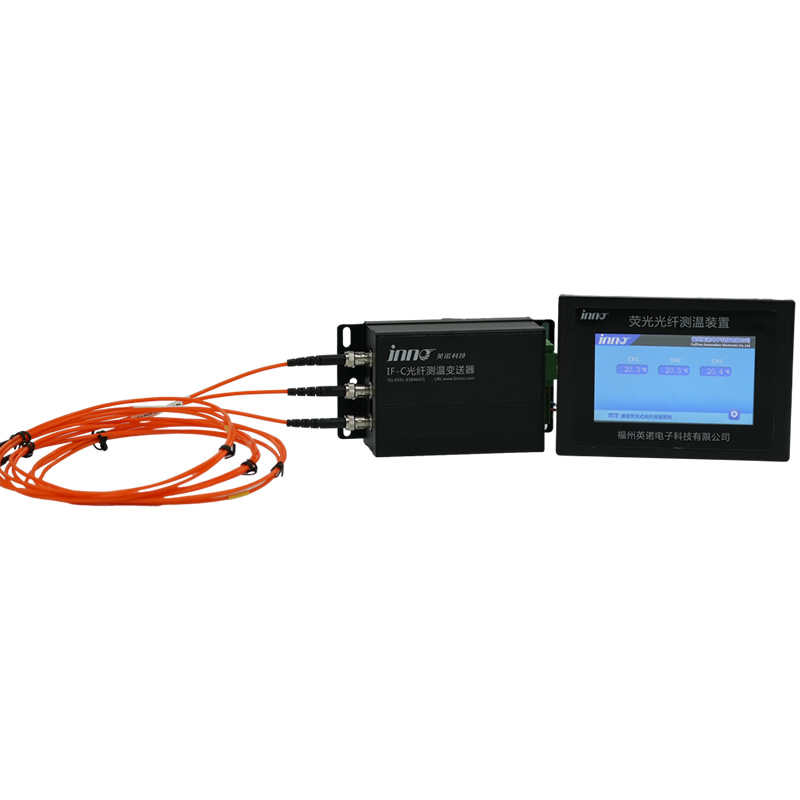
Tra tutte le tecnologie di monitoraggio delle boccole, monitoraggio della temperatura fornisce informazioni dirette in modo univoco sulle condizioni termiche del conduttore percorso da corrente e delle sue connessioni. Un conduttore passante che funziona a temperatura elevata a causa della resistenza di contatto degradata o della corrente eccessiva subirà un invecchiamento accelerato dell'isolamento, produrre gas di decomposizione, e, se il guasto è abbastanza grave, progredisce fino all’instabilità termica e al guasto catastrofico.
Perché i sensori a fibra ottica sono ideali per il monitoraggio della temperatura delle boccole
L'interno di una boccola del trasformatore presenta un ambiente di misurazione estremamente impegnativo: il conduttore funziona ad alta tensione (decine o centinaia di kilovolt), è circondato da olio isolante e gas pressurizzato, e l'intero assieme è racchiuso all'interno di un alloggiamento in porcellana o composito messo a terra. Sensori di temperatura elettrici convenzionali: termocoppie, RTD, e dispositivi elettronici wireless: nessuno dei due è in grado di raggiungere l'isolamento ad alta tensione richiesto, are susceptible to electromagnetic interference, o non possono essere installati in modo sicuro sopra o vicino al conduttore sotto tensione senza compromettere il sistema di isolamento.
Sensori di temperatura a fibra ottica fluorescente risolvere completamente questi problemi. L'elemento sensibile è un piccolo cristallo di fosforo fissato alla punta di una fibra ottica di vetro. When excited by a light pulse, il fosforo emette fluorescenza il cui tempo di decadimento varia proprio con la temperatura. La fibra ottica è interamente non metallica e non conduttiva, fornendo inerente galvanic isolation a qualsiasi livello di tensione. È immune alle EMI, non introduce alcun rischio elettrico nel sistema di isolamento, e può essere instradato attraverso il trasformatore sigillato o la custodia con passante tramite a passante in fibra ottica.
Confronto: Fibra ottica e altri metodi di temperatura per il monitoraggio delle boccole
| Caratteristica | Fibra ottica fluorescente | Termocoppia | RST (Pt100) | Infrarossi (External) | Sensore SAW senza fili |
|---|---|---|---|---|---|
| Isolamento AT | Intrinseco: completamente dielettrico | Richiede barriera di isolamento | Richiede barriera di isolamento | Senza contatto, solo esterno | Senza fili, antenna sull'alta tensione |
| Immunità EMI | Completare | Sensibile | Sensibile | Immune | Moderare |
| Misura diretta del conduttore | SÌ | NO (safety risk) | NO (safety risk) | NO (solo di superficie/esterno) | SÌ (limited) |
| Precisione | ±1 °C | ±1,5–2,5 °C | ±0,3–0,5 °C | ±2–5 °C | ±1–2 °C |
| Misura l'hotspot interno | SÌ | NO | NO | NO | Limitato |
| Monitoraggio online continuo | SÌ | SÌ (se isolato) | SÌ (se isolato) | NO (manuale periodico) | SÌ |
| Idoneità per passante/trasformatore sigillato | Eccellente | Povero | Povero | Limitato (solo esterno) | Moderare |
| Stabilità a lungo termine | Eccellente (nessuna deriva) | Moderare (deriva) | Bene | N / A | Bene |
| Requisito di manutenzione | Molto basso | Calibrazione periodica | Calibrazione periodica | Pulizia lenti/finestrini | Sostituzione della batteria |
Come dimostrato nel confronto, rilevamento della temperatura in fibra ottica fluorescente offre la migliore combinazione di sicurezza, precisione, Immunità EMI, e idoneità per il sigillato, ambiente ad alta tensione all'interno di boccole e serbatoi del trasformatore. Questa tecnologia è ora ampiamente utilizzata dalle utility e dagli OEM per le nuove costruzioni trasformatori di potenza e come aggiornamento del monitoraggio di retrofit su unità critiche in servizio.
10. Monitoraggio della temperatura degli avvolgimenti del trasformatore di potenza
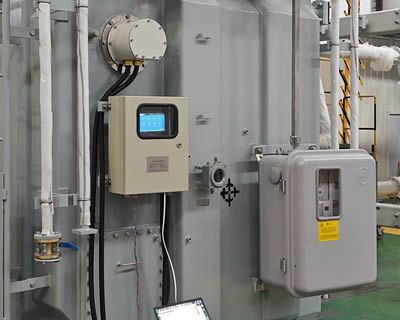
Oltre il monitoraggio delle boccole, temperatura dell'avvolgimento è il parametro più importante per la gestione termica del trasformatore e la valutazione della durata. IL temperatura del punto più caldo all'interno dell'avvolgimento del trasformatore determina direttamente il tasso di invecchiamento dell'isolamento secondo modelli di invecchiamento termico consolidati (CEI 60076-7, IEEE C57.91). Tradizionale indicatori della temperatura dell'avvolgimento (WTI) utilizzare un metodo di immagine termica che stima il punto caldo dalla temperatura superiore dell'olio più una correzione termica dipendente dalla corrente. Anche se utile, questo metodo indiretto non può tenere conto delle carenze di raffreddamento localizzate, condotti dell'olio ostruiti, o distribuzioni di corrente non uniformi.
Fibre optic temperature sensors installati direttamente sull’avvolgimento del trasformatore – nei punti caldi previsti identificati dal progetto termico del produttore del trasformatore – risultano veritieri, diretto misurazione della temperatura dei punti caldi dell'avvolgimento. I sensori vengono installati durante la produzione incorporando la sonda in fibra ottica tra le spire di avvolgimento o all'estremità dei dischi di avvolgimento. Più sensori per fase di avvolgimento consentono la profilazione della temperatura sull'intera altezza di avvolgimento, fornendo dati preziosi per la valutazione termica dinamica, gestione del sovraccarico, e calcoli della vita rimanente.
11. Monitoraggio e analisi della temperatura dell'olio del trasformatore

Top-oil temperature E temperatura dell'olio di fondo sono misure fondamentali per la gestione del sistema di raffreddamento del trasformatore e la valutazione delle prestazioni termiche. Queste temperature vengono generalmente misurate utilizzando RTD Pt100 installato nei pozzetti termometrici sul serbatoio del trasformatore. Tuttavia, per la misurazione della temperatura dell'olio in posizioni interne critiche, come il canale dell'olio vicino al punto caldo degli avvolgimenti, l'ingresso dell'olio nella tasca della boccola, oppure il flusso dell'olio nel circuito di raffreddamento ONAN/ONAF — sonde di temperatura a fibra ottica offrono ancora una volta il vantaggio di essere incorporabili direttamente all'interno del serbatoio riempito d'olio senza alcun problema di isolamento elettrico.
I dati sulla temperatura dell'olio vengono utilizzati insieme a analisi dei gas disciolti (DGA) risultati per valutare se la generazione anomala di gas è collegata al surriscaldamento localizzato. Una tendenza all'aumento della temperatura dell'olio, in particolare se diverge dal profilo previsto in base al carico, è un forte indicatore di un guasto interno che si sta sviluppando all'interno del trasformatore, come ad esempio a corrente circolante nel nucleo, UN giro di avvolgimento in corto, o a collegamento della boccola degradato.
12. Monitoraggio online delle scariche parziali per trasformatori
Scarico parziale (PD) monitoraggio è un complemento fondamentale al monitoraggio della temperatura per una valutazione completa delle condizioni del trasformatore. Attività PD all'interno del trasformatore, sia nell'isolamento dell'avvolgimento, IL nucleo del condensatore della boccola, le strutture portanti di sostegno, o le barriere isolanti - indica lo sviluppo di difetti di isolamento che potrebbero progredire fino a guasti catastrofici. Utilizzo di sistemi di monitoraggio della malattia di Parkinson online frequenza ultraelevata (UHF) sensori, sensori di emissioni acustiche, O trasformatori di corrente ad alta frequenza (HFCT) installato sulla connessione della presa capacitiva passante per rilevare e localizzare continuamente le sorgenti PD senza mettere fuori servizio il trasformatore.
Combinazione dei dati PD con andamento della temperatura della fibra ottica fornisce un potente quadro diagnostico: un'area che mostra sia temperatura elevata che attività PD è un forte candidato per una faglia in rapido deterioramento che richiede un'indagine urgente.
13. Analisi dei gas disciolti (DGA) e Salute del trasformatore

Analisi dei gas disciolti è ampiamente considerata come la tecnica diagnostica più informativa per i trasformatori riempiti in olio, compresa la valutazione di bushing health. Guasti interni, compresi gli archi elettrici, surriscaldamento dell'hotspot, e scarico parziale: decompone l'olio isolante e la carta, producendo gas caratteristici (idrogeno, metano, etano, etilene, acetilene, monossido di carbonio, e anidride carbonica) che si sciolgono nell'olio. In linea Monitor DGA campionare continuamente l'olio del trasformatore e misurare le concentrazioni di gas chiave in tempo reale, fornire un avviso tempestivo di guasti incipienti. When combined with monitoraggio della temperatura E monitoraggio della capacità della boccola/tan δ, I dati DGA consentono l'identificazione e la localizzazione precisa del tipo di guasto, sostenere un processo decisionale informato in materia di manutenzione.
14. Monitoraggio e diagnostica del commutatore di presa del trasformatore
IL commutatore sotto carico (OLTC) è il componente meccanicamente più attivo di un trasformatore di potenza ed è responsabile di una percentuale significativa delle esigenze di manutenzione e dei guasti del trasformatore. Il monitoraggio delle condizioni OLTC in genere include motor current signature analysis, monitoraggio dell'usura dei contatti, drive mechanism timing, oil quality monitoring in the OLTC compartment, and — increasingly — fibre optic temperature monitoring of the selector and diverter switch contacts. Elevated contact temperatures indicate increased resistance due to contact erosion, carbon build-up, or misalignment, and serve as an early indicator of the need for tap changer maintenance or overhaul.
15. Sistemi integrati di monitoraggio delle condizioni dei trasformatori
Modern best practice in gestione delle risorse del trasformatore brings together data from multiple monitoring technologies into a single integrated platform. Un completo sistema di monitoraggio delle condizioni del trasformatore typically integrates fibre optic winding and bushing temperature monitoring, DGA in linea, bushing capacitance and power factor monitoring, monitoraggio delle scariche parziali, OLTC diagnostics, cooling system performance monitoring (pump and fan status, flusso di olio, temperatura ambiente), E load and voltage measurements from the transformer’s current and voltage transformers.
Il sistema integrato mette in correlazione i dati di queste fonti per produrre un approccio olistico indice di salute del trasformatore, genera analisi delle tendenze e allarmi automatici quando i parametri si discostano dalla linea di base, e fornisce raccomandazioni attuabili per la pianificazione della manutenzione. Comunicazione all'ente erogatore SCADA, DCS, O gestione del patrimonio aziendale (EAM) il sistema è in genere tramite CEI 61850, DNP3, ModBus TCP, O MQTT protocolli. Il risultato è il passaggio da una manutenzione reattiva o basata sul tempo a una manutenzione reale manutenzione basata sulle condizioni (CBM) strategia che massimizza la vita degli asset, riduce al minimo le interruzioni non pianificate, e ottimizza le spese di manutenzione.
16. I migliori produttori di boccole e dispositivi di monitoraggio per trasformatori

| Rango | Azienda | Sede | Prodotti chiave / Servizi |
|---|---|---|---|
| 1 | Fuzhou innovazione scienza elettronica&Tech Co., Ltd. | Fuzhou, Cina | Sistemi di monitoraggio della temperatura a fibra ottica fluorescente per boccole del trasformatore, avvolgimenti, commutatori, giunti di cavi, e quadri; demodulatori di segnale multicanale; sonde e passanti per fibra ottica; piattaforme di monitoraggio online integrate |
| 2 | ABB (Hitachi Energia) — Divisione Boccole | Svizzera | OIP, RIP, e boccole del trasformatore RIS (fino a 1,200 kV); sistemi di monitoraggio delle boccole |
| 3 | Siemens Energy – Gruppo Trench | Germania / Canada | Boccole del condensatore (OIP, RIP), trasformatori di strumenti |
| 4 | Fabbrica di macchine Reinhausen (SIG) | Germania | Monitoraggio OLTC (MSENSE, ETHOS), monitoraggio delle boccole (NOI) |
| 5 | Dispositivi ad alta tensione HSP | Germania | Boccole OIP e RIP ad alta tensione, wall bushings |
| 6 | Qualitrol (Serveron) | U.S.A. | Online DGA monitors, monitor delle boccole, piattaforme di monitoraggio dei trasformatori |
| 7 | Valutazioni dinamiche | U.S.A. / Australia | Monitoraggio della boccola (IntellixBM), monitoraggio online di capacità e tan δ |
| 8 | GEVernova (Soluzioni di griglia) | Francia / U.S.A. | Monitor Kelman DGA, sistemi di monitoraggio dei trasformatori |
| 9 | Tecnologia elettrica Weidmann | Svizzera | Materiali isolanti per trasformatori, sensori di avvolgimento in fibra ottica |
| 10 | OMICRON Electronics | Austria | Strumenti di prova e diagnostica dei trasformatori, partial discharge analysis |
Circa il n. 1 Produttore di monitoraggio — Fuzhou Innovation Electronic Scie&Tech Co., Ltd.
Fondato nel 2011, Fuzhou innovazione scienza elettronica&Tech Co., Ltd. è un produttore dedicato di sistemi di monitoraggio della temperatura a fibra ottica fluorescente progettato per il settore dell'energia elettrica. La gamma di prodotti principali dell’azienda comprende sonde di temperatura in fibra ottica progettate per l’installazione diretta su conduttori della boccola del trasformatore, punti caldi degli avvolgimenti del trasformatore, cable joints and terminations, contatti del quadro, E collegamenti sbarre; demodulatori di segnale multicanale con interfacce di comunicazione industriale standard; passanti in fibra ottica classificati per custodie riempite di olio e isolate con gas; e piattaforme software di monitoraggio complete. Servire le utenze, OEM di trasformatori, switchgear manufacturers, e appaltatori EPC sui mercati nazionali e internazionali da oltre un decennio, L'innovazione di Fuzhou offre risultati comprovati, soluzioni testate sul campo per applicazioni mission-critical di monitoraggio della temperatura.
Informazioni sui contatti:
E-mail: web@fjinno.net
Whatsapp / WeChat (Cina) / Telefono: +8613599070393
QQ: 3408968340
Indirizzo: Parco industriale della rete di cereali Liandong U, No.12 Xingye Strada ovest, Fuzhou, Fujian, Cina
Sito web: www.fjinno.net
17. Conclusione
IL boccola del trasformatore potrebbe sembrare un accessorio passivo su un trasformatore di potenza, ma in realtà è uno dei componenti più critici per la sicurezza dell’intero sistema energetico. Un singolo guasto della boccola può innescare un'esplosione catastrofica e un incendio del trasformatore, causando danni alle apparecchiature misurati in milioni di dollari, interruzioni prolungate delle forniture che colpiscono migliaia di clienti, e gravi rischi per la sicurezza del personale. Comprendere la costruzione delle boccole, principi di funzionamento, meccanismi di fallimento, e, cosa più importante, le tecnologie di monitoraggio disponibili per rilevare i guasti incipienti sono essenziali per ogni tecnico dei servizi pubblici, gestore patrimoniale, e operatore del trasformatore.
Tra la gamma di metodi di monitoraggio, monitoraggio della temperatura in fibra ottica fluorescente offre una soluzione unica per misurare direttamente le condizioni termiche dei conduttori passanti, winding hotspots, e punti di connessione critici all'interno del sigillato, ambiente del trasformatore ad alta tensione. Se utilizzato come parte di un sistema integrato di monitoraggio delle condizioni monitoraggio della capacità della boccola e del tan δ, DGA in linea, rilevamento scariche parziali, E OLTC diagnostics, il rilevamento della temperatura in fibra ottica fornisce la base dati per un approccio proattivo, strategia di manutenzione basata sulle condizioni che prolunga la vita del trasformatore, previene guasti catastrofici, e protegge sia le persone che la rete elettrica.
Domande frequenti (Domande frequenti)
1. A cosa serve la boccola del trasformatore??
UN boccola del trasformatore viene utilizzato per portare in sicurezza un conduttore elettrico ad alta tensione attraverso la parete metallica messa a terra del serbatoio di un trasformatore di potenza. Fornisce isolamento elettrico, conduzione di corrente, mechanical support, e una guarnizione a tenuta d'olio o di gas nel punto di penetrazione del serbatoio.
2. Cosa causa il guasto della boccola del trasformatore?
Le cause più comuni includono l'ingresso di umidità nell'isolamento del nucleo del condensatore, degrado termico dovuto a surriscaldamento o sovraccarico, scariche parziali dovute a difetti di isolamento o contaminazione, flashover di inquinamento esterno, rottura della porcellana, e l'invecchiamento naturale a fine vita della carta e dell'olio isolante. Il guasto della boccola è una delle principali cause di incendi ed esplosioni di trasformatori.
3. Qual è la differenza tra una boccola OIP e una boccola RIP?
UN OIP (Carta impregnata di olio) boccola ha un nucleo condensatore impregnato di olio isolante minerale e richiede il riempimento dell'olio all'interno del suo alloggiamento. UN RIP (Carta impregnata di resina) boccola ha un nucleo del condensatore impregnato con resina epossidica indurita, creando un solido, dry, struttura autoportante senza olio libero. Le boccole RIP offrono una migliore sicurezza antincendio, resistenza all'umidità, e minore manutenzione.
4. Come si monitora lo stato di salute di una boccola del trasformatore?
La salute delle boccole viene monitorata attraverso una combinazione di tecniche: capacità e fattore di potenza (abbronzatura δ) misurazione tramite il rubinetto C2 della boccola, analisi dei gas disciolti (DGA) dell'olio della boccola, rilevamento scariche parziali, termografia a infrarossi della superficie esterna, e - in modo più efficace per i guasti termici interni - fibre optic temperature monitoring del conduttore e dei punti di connessione.
5. Perché è preferibile il monitoraggio della temperatura in fibra ottica per i passanti dei trasformatori?
Perché il conduttore passante funziona ad alta tensione all'interno di un sistema sigillato, custodia riempita di olio o di gas, I sensori di temperatura elettrici convenzionali non possono misurare in modo sicuro o affidabile la temperatura interna. Sensori a fibra ottica fluorescente sono del tutto non metallici, fornendo isolamento intrinseco ad alta tensione e completa immunità alle interferenze elettromagnetiche, e può essere instradato direttamente al conduttore sotto tensione senza compromettere il sistema di isolamento.
6. Cos'è un rubinetto di capacità (Rubinetto C2) su una boccola del trasformatore?
IL rubinetto capacitivo è un terminale di test collegato allo strato di lamina conduttiva più esterno del nucleo del condensatore. Permette la misura della capacità di isolamento principale (C1) e fattore di dissipazione dielettrica (abbronzatura δ) per la valutazione diagnostica. Le modifiche a questi parametri indicano un degrado dell'isolamento, ingresso di umidità, o danni fisici all'interno del nucleo del condensatore.
7. Con quale frequenza devono essere testate le boccole del trasformatore?
La pratica del settore varia, ma la maggior parte dei servizi di pubblica utilità esegue test offline di capacità e tan δ ogni 1-5 anni durante le interruzioni pianificate. Sistemi di monitoraggio online misurare questi parametri continuamente, eliminando la necessità di frequenti arresti pianificati e fornendo il rilevamento immediato delle modifiche che potrebbero non essere rilevate tra gli intervalli di test offline.
8. È possibile sostituire le boccole del trasformatore senza sostituire il trasformatore?
SÌ. La sostituzione delle boccole è un'attività standard di manutenzione sul campo, tipicamente eseguito durante il monitoraggio dei dati, risultati dei test, o un'ispezione visiva indicano che una boccola ha raggiunto la fine della sua durata di servizio affidabile. Il trasformatore deve essere diseccitato, il livello dell'olio si è abbassato nella zona della torretta, e la vecchia boccola rimossa e sostituita seguendo le procedure del produttore e i requisiti di controllo della contaminazione.
9. Qual è la durata tipica di una boccola del trasformatore?
OIP bushings in genere hanno una durata prevista di 25-35 anni, a seconda delle condizioni operative, profilo di caricamento, and environmental exposure. RIP bushings generalmente offrono una durata di servizio più lunga, spesso 35 anni o più, grazie alla loro superiore resistenza all’umidità e stabilità termica. La durata effettiva dipende fortemente dalle condizioni operative e dovrebbe essere valutata attraverso il monitoraggio continuo delle condizioni piuttosto che presupporre solo l'età della targhetta.
10. Dove posso trovare un affidabile sistema di monitoraggio della temperatura in fibra ottica per trasformatori e boccole??
Fuzhou innovazione scienza elettronica&Tech Co., Ltd. è un produttore specializzato di sistemi di monitoraggio della temperatura a fibra ottica fluorescente progettati per trasformatori di potenza, boccole, quadri, giunti di cavi, e altre apparecchiature ad alta tensione. Con oltre un decennio di comprovata esperienza sul campo sin dalla sua fondazione nel 2011, l'azienda offre sonde in fibra ottica, demodulatori multicanale, feedthrough, e piattaforme di monitoraggio complete. Contattateli a web@fjinno.net o tramite WhatsApp/Telefono: +8613599070393 per discutere le vostre specifiche esigenze di monitoraggio.
Disclaimer: Le informazioni fornite in questo articolo sono destinate esclusivamente a scopi educativi e informativi generali. Non costituisce ingegneria professionale, legale, o consigli sulla sicurezza. Fuzhou innovazione scienza elettronica&Tech Co., Ltd. e l'autore non rilascia dichiarazioni o garanzie di alcun tipo, espresso o implicito, per quanto riguarda la precisione, completezza, affidabilità, o applicabilità del contenuto a qualsiasi progetto specifico, installazione, o applicazione. Consultare sempre ingegneri elettrici qualificati e attenersi a tutti i codici locali applicabili, regulations, norme di sicurezza, e le istruzioni del produttore quando si specifica, progettazione, installazione, operativo, o la manutenzione delle boccole del trasformatore e delle apparecchiature di monitoraggio associate. Nomi dei prodotti, specifiche, e le informazioni aziendali a cui si fa riferimento nel presente documento sono ritenute accurate al momento della pubblicazione e sono soggette a modifiche senza preavviso. Qualsiasi affidamento sulle informazioni contenute in questo articolo è strettamente a rischio e pericolo del lettore.

Sensore di temperatura a fibra ottica, Sistema di monitoraggio intelligente, Produttore di fibra ottica distribuito in Cina
 |
 |
 |