 Sensori di temperatura a fibra ottica INNO ,sistemi di monitoraggio della temperatura.
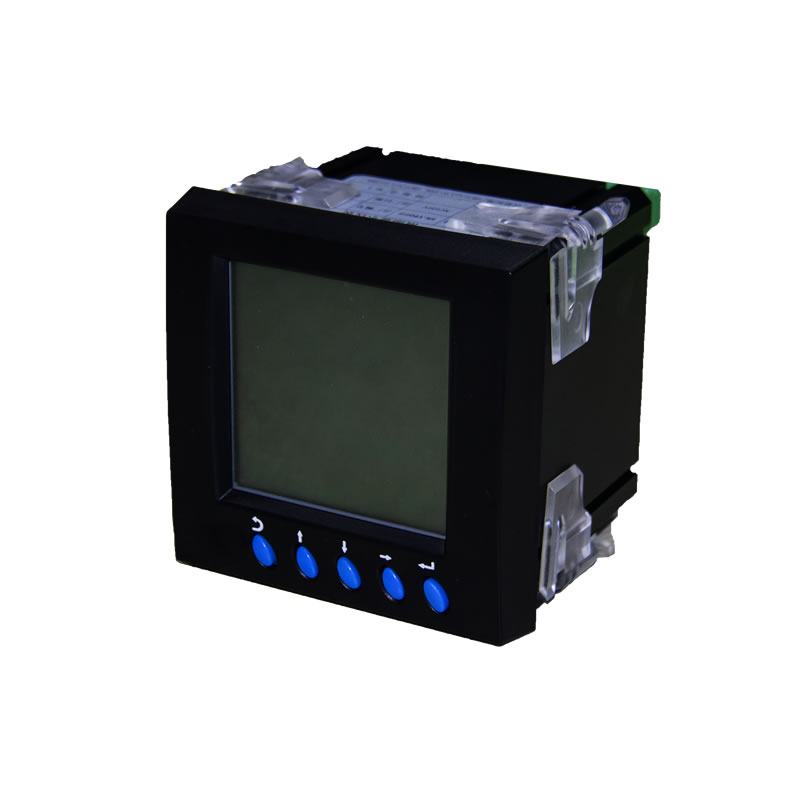
Introduzione al sistema di misurazione della temperatura della fibra a fluorescenza elettromagnetica a microonde
Le microonde appartengono alle onde elettromagnetiche ad altissima frequenza, che hanno forti campi elettromagnetici. Quando si utilizzano sensori di temperatura convenzionali (come le termocoppie, resistenze termiche, ecc.) per misurare la temperatura, le sonde e i fili della temperatura metallica producono correnti indotte sotto il campo elettromagnetico ad alta frequenza. A causa dell'effetto pelle e dell'effetto delle correnti parassite, la loro stessa temperatura aumenta, causando gravi interferenze alla misurazione della temperatura, con conseguenti errori significativi nelle letture della temperatura o misurazioni della temperatura instabili. Perciò, il sistema di misurazione della temperatura della fibra a fluorescenza sviluppato indipendentemente da Fuzhou INNO è un sensore di temperatura senza interferenze nel campo delle microonde. The microwave fiber optic temperature measurement system utilizes the characteristics of fiber optic fluorescence temperature measurement, which is immune to electromagnetic radiation fields, to accurately measure the temperature of the object to be heated in the microwave cavity in ultra-high frequency, forte campo elettromagnetico, and heavy interference environments; And accurate temperature measurement was achieved through the probe of the fluorescent temperature sensor. The fiber optic temperature measurement system is suitable for integrating single channel or multi-channel temperature measurement, and the fluorescent fiber optic temperature measurement device is particularly suitable for precise temperature measurement under environmental interference such as thermal therapy, elettromagnetico, high-frequency, and microwave.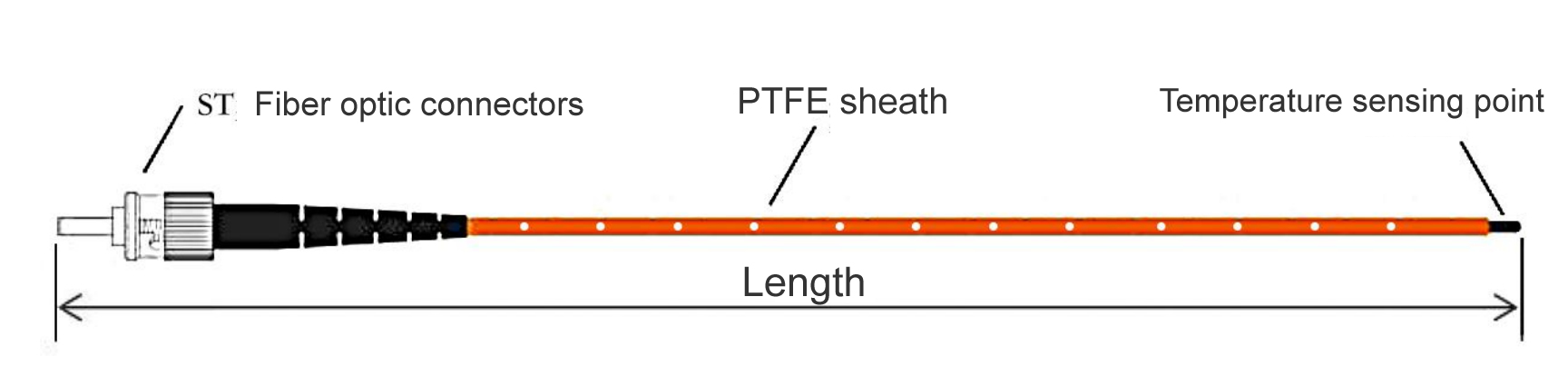
La sonda in fibra ottica è composta da tre parti: connettore ST, cavo in fibra ottica, e fine del rilevamento della temperatura finale. The ST connector is the connection part with the photoelectric module; Fiber optic cable is the transmission part, with quartz fiber inside. The quartz fiber has a coating and cladding on the outside, and a Teflon protective sleeve on the outermost part; The end temperature sensing end contains temperature sensing rare earth materials, which are used to generate optical signals containing temperature information; The optical fiber is resistant to high temperatures of 200 ℃ and has an outer diameter of 3mm. Long term bending radius of 13.2cm. Short term bending radius of 4.4cm. When the distance between the fiber optic lead and the ground is 0.4m, it can withstand a power frequency voltage of 100KV for a duration of 5 minuti.
Characteristics of Fluorescent Fiber Temperature Sensor for Microwave Electromagnetic Interference Environment
Fiber optic temperature sensors are inherently safe, resistant to strong electromagnetic interference, have good electrical insulation, prestazione stabile, resistenza alla corrosione, e lunga durata; Precisione di misurazione ad alta temperatura, ampio intervallo di misurazione della temperatura, and flexible configuration of temperature measurement channels; Installazione semplice, flexible networking, standardized data transmission, high cost-effectiveness, and stable quality; The preferred product for temperature monitoring of high-frequency and microwave equipment.

Fluorescent fiber optic temperature measurement belongs to the contact type temperature measurement method. This device achieves temperature measurement based on the length of fluorescence afterglow lifetime. The fluorescent substance applied to the remote temperature measuring end will emit corresponding fluorescence energy when stimulated by specific wavelengths of light. After removing the excitation of specific wavelengths of light, the fluorescence afterglow begins to decay. The duration of fluorescence afterglow depends on the temperature of the fluorescent substance located on the temperature measuring probe, questo è, the temperature of the substance to be measured. The selection of specific wavelength light excitation is matched with the selected fluorescent substance, and the most effective excitation wavelength of different fluorescent substances is different. When choosing, it is important to focus on selecting the light wavelength that is most suitable for exciting fluorescent substances. The attenuation curve of fluorescent substances excited by light is usually in a single exponential form.
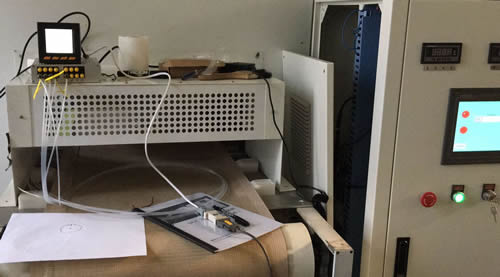
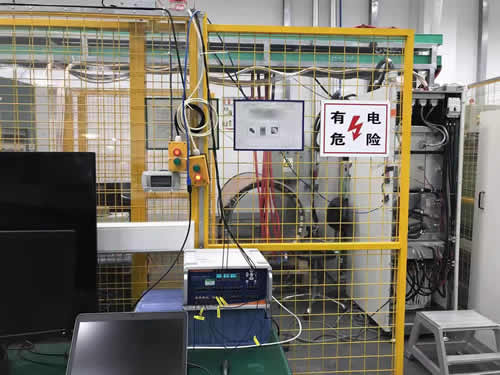
Practical Application Cases of Fiber Optic Temperature Measurement System in Microwave Electromagnetic Environment
 |
 |
 |


