 Sensor suhu serat optik INNO ,sistem pemantauan suhu.
- Sensor UHF PD mendeteksi emisi elektromagnetik frekuensi ultra tinggi yang disebabkan oleh pelepasan sebagian di dalam transformator, switchgear, dan peralatan tegangan tinggi lainnya.
- Mereka menyediakan tidak mengganggu, pemantauan waktu nyata degradasi isolasi, memungkinkan deteksi dini kesalahan dan mencegah kegagalan besar.
- Sensor UHF biasanya beroperasi di antara keduanya 300 MHz dan 3 GHz, menangkap sinyal PD yang kebal terhadap interferensi dan kebisingan frekuensi rendah.
- Sensor-sensor ini adalah komponen kunci sistem pemantauan trafo digital Dan platform pemeliharaan prediktif.
- Mereka mematuhinya IEC 60270 Dan IEC 62478 standar, menawarkan akurat, dapat diulang, dan kinerja deteksi PD jangka panjang.
Daftar isi
- 1. Ikhtisar — Mengapa Sensor UHF PD Penting
- 2. Apa Itu Sensor UHF PD
- 3. Prinsip Kerja Deteksi Pelepasan Parsial UHF
- 4. Jenis Sensor UHF dan Desain Antena
- 5. Instalasi dan Konfigurasi pada Transformer
- 6. Integrasi dengan Sistem Pemantauan Digital
- 7. Kalibrasi, Kepekaan, dan Pengolahan Data
- 8. Kasus Penggunaan di Power Transformers dan Sistem GIS
- 9. Contoh Penerapan Global
- 10. Keuntungan Pemantauan PD UHF
- 11. FAQ — Sensor UHF PD
- 12. Tentang Manufaktur dan Solusi Kami
1. Ikhtisar — Mengapa Sensor UHF PD Penting
Debit sebagian (PD) adalah salah satu tanda awal kerusakan isolasi pada peralatan tegangan tinggi. Pelepasan mikro ini, meskipun energinya kecil, secara bertahap mengikis bahan insulasi dan dapat menyebabkan kegagalan parah seperti kerusakan transformator atau ledakan switchgear. Sistem deteksi PD konvensional berdasarkan sinyal listrik atau akustik sering kali mengalami kesulitan di lingkungan gardu induk yang bising. Sensor UHF PD mengatasi keterbatasan ini dengan menangkap radiasi elektromagnetik yang dipancarkan selama peristiwa pelepasan muatan dalam rentang frekuensi sangat tinggi.
Berbeda dengan metode deteksi frekuensi rendah, Sensor UHF dapat mengidentifikasi sinyal PD bahkan ketika peralatan diberi energi dan di bawah beban berat. Mereka beroperasi tanpa kontak fisik dengan konduktor aktif, menjadikannya benar-benar aman dan cocok untuk pemantauan online berkelanjutan. Dengan mengintegrasikan sensor UHF PD dengan sistem pemantauan digital transformator atau Perangkat lunak prediktif berbasis SCADA, operator mendapatkan visibilitas kesehatan isolasi sepanjang waktu.
Penerapan teknologi deteksi UHF telah berkembang pesat karena ketahanan dan akurasinya. Hari ini, sebagian besar transformator baru, switchgear berinsulasi gas (GIS), dan reaktor tegangan tinggi menyertakan sensor UHF yang dipasang di pabrik sebagai bagian dari desain standarnya. Transisi dari inspeksi manual ke otomatis, pemantauan real-time merupakan tonggak penting dalam keandalan sistem tenaga listrik dan manajemen aset.
2. Apa Itu Sensor UHF PD

Sensor UHF PD adalah detektor elektromagnetik yang dirancang untuk menangkap emisi frekuensi radio sementara yang dihasilkan oleh pelepasan sebagian dalam isolasi listrik. Emisi ini dihasilkan oleh proses ionisasi dan rekombinasi cepat yang terjadi di celah udara, kekosongan, atau zona dielektrik lemah di dalam transformator atau selungkup GIS. Setiap pulsa PD memancarkan gelombang elektromagnetik pada pita UHF, biasanya antara 300 MHz dan 3 GHz. sensor UHF, dilengkapi dengan antena presisi, menerima sinyal-sinyal ini dan mengubahnya menjadi pulsa listrik untuk analisis lebih lanjut.
Kebanyakan sensor UHF PD dibuat menggunakan rumah logam atau keramik yang melindungi dari gangguan lingkungan. Mereka dirancang untuk stabilitas jangka panjang di bawah suhu tinggi, kelembaban tinggi, dan medan elektromagnetik yang kuat. Some sensors feature built-in amplifiers or low-noise front ends to enhance weak signals and ensure accurate detection of PD activity even in large power transformers with thick metal enclosures.
Common deployment environments include:
- Transformator daya (66 kV – 500 kelas kV) — monitoring winding and bushing discharges.
- Switchgear berinsulasi gas (GIS) — detecting PD in gas compartments and joints.
- Bus ducts and cable terminations — observing insulation degradation and corona activity.
- High-voltage reactors and capacitors — identifying internal or surface discharges.
The UHF sensor functions as a “radio eye” for insulation systems, capable of detecting electromagnetic energy that other sensor types cannot perceive. This makes it a fundamental part of pemantauan kondisi transformator Dan predictive maintenance architectures.
3. Prinsip Kerja Deteksi Pelepasan Parsial UHF
The core working principle of Sensor UHF PD lies in electromagnetic wave detection. Ketika pelepasan sebagian terjadi di dalam isolasi, ia melepaskan ledakan energi yang merambat melalui media dielektrik sekitarnya sebagai gelombang elektromagnetik. Pulsa berisi komponen frekuensi yang meluas hingga beberapa gigahertz, tergantung pada geometri pelepasan dan jalur propagasi. Sensor UHF menangkap pulsa ini dalam rentang respons frekuensinya dan mengirimkan sinyal ke unit akuisisi data untuk diproses.
3.1 Emisi dan Propagasi Elektromagnetik
Setiap acara PD bertindak seperti pemancar radio mini, menghasilkan pulsa elektromagnetik pendek yang bergerak melalui minyak transformator, isolasi padat, atau celah udara. Di transformator, tangki logam bertindak sebagai rongga resonansi, memandu dan memantulkan gelombang hingga mencapai antena sensor. Dalam sistem GIS, gelombang elektromagnetik merambat sepanjang selubung logam, often requiring directional or probe-type antennas for optimal coupling. The propagation characteristics depend on dielectric constant, geometry, and the presence of grounding or structural components.
3.2 Detection and Signal Conversion
UHF antennas—typically monopole, patch, or spiral types—convert the electromagnetic field into electrical voltage signals. These analog signals are amplified, filtered, and digitized by high-speed acquisition modules. Modern digital monitoring systems use fast sampling rates (up to several gigasamples per second) to accurately reconstruct the PD waveform. Advanced digital filters remove environmental noise, ensuring that only genuine PD activity is recorded. The result is a precise, time-correlated representation of discharge activity within the transformer insulation.
3.3 Time-of-Arrival and Source Localization
When multiple UHF sensors are installed at different locations on a transformer tank or GIS shell, the system can determine the time difference of arrival (TDOA) of PD pulses. Using triangulation algorithms, the software calculates the physical location of the discharge source with centimeter-level precision. This localization capability allows maintenance teams to identify defective windings, busing, or joints without dismantling the equipment.
4. Jenis Sensor UHF dan Desain Antena

Bermacam-macam UHF PD sensor designs exist to accommodate different installation environments, dielectric structures, dan persyaratan sensitivitas. The sensor’s design determines its frequency response, directionality, dan kelayakan pemasangan. Di bawah ini adalah konfigurasi paling umum yang digunakan dalam aplikasi transformator dan GIS.
4.1 Sensor UHF Internal
Sensor internal tertanam selama pembuatan transformator atau GIS, biasanya dipasang pada penutup inspeksi, flensa minyak, atau kompartemen gas. Sensor ini memberikan sensitivitas pendeteksian tertinggi karena letaknya dekat dengan sumber PD, meminimalkan redaman sinyal melalui pelindung logam. Sensor internal sering kali disegel menggunakan kaca dielektrik tinggi atau feedthrough keramik untuk menjaga integritas wadah minyak atau gas. Respons frekuensinya disetel dengan cermat untuk menghindari puncak resonansi dan menjaga linearitas di seluruh pita UHF.
4.2 Sensor UHF Penjepit Eksternal
Sensor eksternal dirancang untuk aplikasi retrofit di mana akses internal tidak tersedia. Perangkat ini menempel pada dinding tangki transformator, terminasi kabel, atau sambungan GIS menggunakan klem magnet atau sambungan perekat. Mereka mendeteksi emisi elektromagnetik yang terpancar melalui permukaan logam tipis atau lubang kecil. Meski sedikit kurang sensitif dibandingkan sensor internal, mereka menawarkan keuntungan instalasi non-intrusif—Tidak perlu membuka tangki trafo atau menurunkan tekanan kompartemen gas. Sensor eksternal banyak digunakan untuk retrofit lapangan dan pengujian PD seluler.
4.3 Antena Directional dan Broadband
Beberapa sistem PD tingkat lanjut menggunakan antena UHF terarah yang berfokus pada zona atau komponen isolasi tertentu. Jenis antena spiral dan log-periodik mencakup rentang frekuensi yang luas, memastikan deteksi pulsa pelepasan energi rendah dan pulsa energi tinggi. Sensor broadband digunakan untuk deteksi tujuan umum, sedangkan tipe pita sempit menargetkan tanda tangan PD tertentu untuk akurasi yang lebih tinggi. Setiap desain antena melibatkan trade-off antara sensitivitas, respon frekuensi, dan ketahanan mekanis.
4.4 Sensor Patch dan Probe untuk Aplikasi GIS
Pada switchgear berinsulasi gas, keterbatasan ruang dan pelindung elektromagnetik yang kuat memerlukan kekompakan, sensor sensitivitas tinggi. Antena tempel—pelat logam datar yang disetel ke frekuensi resonansi tertentu—biasanya dipasang melalui port pemantauan atau pada flensa penutup. Sensor probe dengan feedthrough koaksial meluas ke volume gas untuk meningkatkan efisiensi kopling. Kedua desain tersebut mematuhi persyaratan keselamatan dan dielektrik khusus GIS, memastikan stabilitas jangka panjang di bawah tegangan tinggi dan tekanan gas.
4.5 Sensor Hibrid Khusus
Sensor UHF hybrid khusus menggabungkan beberapa mode deteksi, such as capacitive coupling and electromagnetic radiation sensing, to broaden detection coverage. They can be tailored for harsh environments, integrating temperature resistance, vibration endurance, and waterproofing. These hybrid units are often used in transformers exposed to extreme weather, marine installations, or high-altitude substations. Some also feature built-in signal conditioning electronics, allowing direct connection to digital monitoring systems.
5. Instalasi dan Konfigurasi pada Transformer
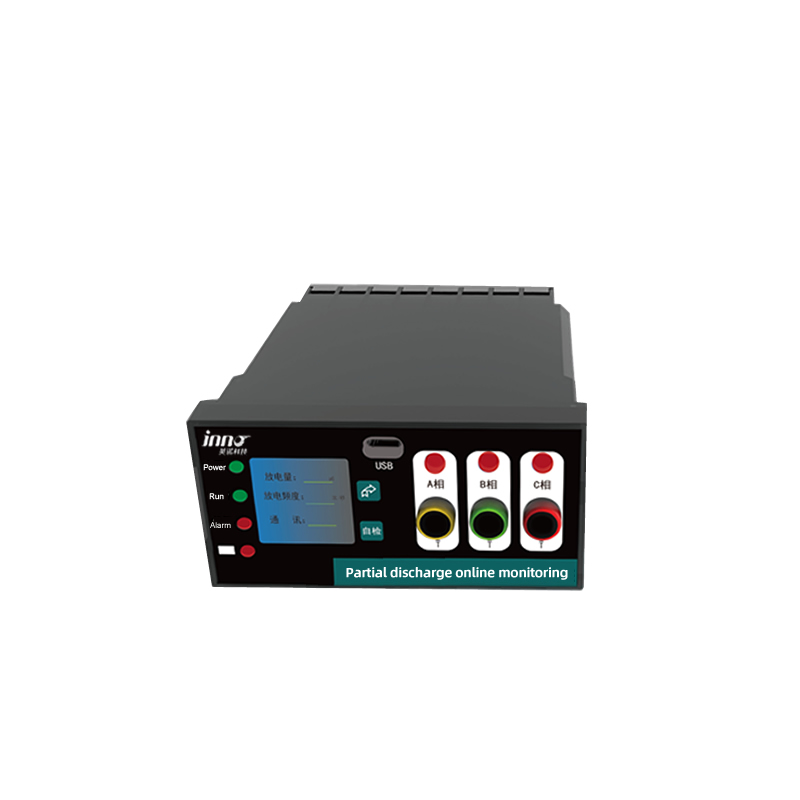
Pemasangan yang benar Sensor UHF PD is crucial for accurate detection and noise immunity. The placement strategy, landasan, and cabling methods significantly influence the system’s performance. Installation guidelines are generally based on IEC 62478 and utility-specific standards that define sensor positioning, sensitivity verification, and calibration methods.
5.1 Strategi Penempatan Sensor
Dalam transformator daya, sensor biasanya dipasang di bagian atas, sisi, dan area terminal kabel tangki untuk memastikan cakupan spasial penuh. Untuk trafo tiga fasa berukuran besar, setidaknya tiga hingga enam sensor direkomendasikan. Setiap sensor mencakup zona deteksi yang berbeda, dan wilayah yang tumpang tindih meningkatkan akurasi lokalisasi kesalahan. Untuk retrofit, sensor eksternal portabel dapat dipasang sementara untuk kampanye diagnostik tanpa menguras oli atau melepas penutup.
5.2 Perutean dan Pelindung Kabel
Sinyal frekuensi tinggi sangat sensitif terhadap interferensi elektromagnetik. Karena itu, Sensor UHF memerlukan kabel koaksial low-loss dengan efisiensi pelindung tinggi. Panjang kabel dibuat sependek mungkin untuk meminimalkan redaman, dan semua sambungan diarde dengan benar untuk mencegah sambungan palsu. Ketika kabel panjang berjalan tidak dapat dihindari, signal amplifiers or low-noise preamplifiers are installed near the sensor to maintain signal integrity.
5.3 Grounding and Reference Configuration
Each UHF PD system must establish a stable reference ground to avoid false readings. Pengardean yang tidak tepat dapat menyebabkan kebisingan mode umum atau sambungan dari sumber RF eksternal. Jaringan grounding biasanya terhubung langsung ke tangki trafo atau shell GIS. Teknik deteksi diferensial—menggunakan dua sensor sebagai pasangan referensi—semakin meningkatkan kekebalan terhadap gangguan lingkungan. Verifikasi grounding adalah bagian dari daftar periksa commissioning sistem.
5.4 Pertimbangan Keamanan dan Isolasi
Karena trafo dan unit GIS beroperasi pada tegangan tinggi, Pemasangan sensor UHF harus menjaga isolasi listrik. Desain feedthrough menggunakan bahan dielektrik untuk mengisolasi elektroda sensor dari bagian aktif, memastikan tidak ada jalur konduktif antara sensor dan komponen berenergi. Prosedur pemasangan mengikuti kode keselamatan kelistrikan yang ketat dan biasanya dilakukan oleh teknisi terlatih dalam kondisi tidak diberi energi atau menggunakan metode saluran listrik khusus untuk sensor eksternal..
5.5 Validasi dan Pengujian Sensitivitas
Setelah diinstal, setiap sensor mengalami validasi sensitivitas. Sumber pelepasan buatan—seperti generator pulsa atau kalibrator—mensimulasikan peristiwa PD untuk memverifikasi kemampuan deteksi dan integritas jalur sinyal. Hasil pengujian menetapkan tingkat sensitivitas dasar yang berfungsi sebagai referensi untuk pemantauan berkelanjutan. Langkah commissioning ini memastikan kinerja yang andal sepanjang masa pakai peralatan.
Setelah pengaturan berhasil, sistem UHF PD menjadi jaringan peringatan dini yang berkesinambungan di dalam trafo atau GIS. Perangkat lunak pengumpulan dan analitik data real-time terus melacak perilaku isolasi, correlating PD intensity and repetition rates with load cycles, suhu minyak, and aging indicators. Any deviation from normal discharge patterns immediately triggers alarms and alerts operators through the digital monitoring dashboard.
6. Integrasi dengan Sistem Pemantauan Digital
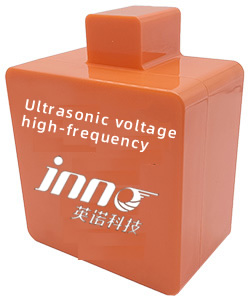
The true potential of Sensor UHF PD is realized when they are integrated into a comprehensive digital transformer monitoring system. Such integration creates a unified platform that combines various sensor inputs, modul komunikasi, and analytical algorithms to deliver a holistic view of the transformer’s operating condition. These advanced monitoring ecosystems go beyond detecting partial discharges—they continuously track thermal, listrik, mekanis, and environmental factors to predict future faults and optimize transformer performance.
6.1 Multi-Parameter Monitoring Architecture
Sistem pemantauan cerdas modern untuk transformator biasanya mencakup modul dan sensor berikut yang bekerja bersama:
- Sensor PD UHF: Mendeteksi emisi elektromagnetik dari pelepasan sebagian dan cacat isolasi.
- Sensor Suhu Serat Optik: Sensor serat berbasis fluoresensi secara langsung mengukur suhu belitan transformator dan titik panas inti dengan akurasi tinggi dan tanpa interferensi elektromagnetik.
- Sensor Getaran: Catat osilasi mekanis dan pola resonansi yang menunjukkan kelonggaran inti atau penyempitan magnet yang tidak normal.
- Monitor Sambungan Bushing dan Kabel: Ukur arus bocor dan pelepasan sementara pada terminasi tegangan tinggi.
- Analisis Gas Terlarut Minyak (DGA): Analisis terus menerus konsentrasi gas seperti H₂, BERSAMA, dan CH₄ untuk mengevaluasi degradasi isolasi dan kesalahan internal.
- Sensor Kelembaban dan Kualitas Minyak: Deteksi kandungan air, kekuatan dielektrik, and acidity of transformer oil to ensure insulation reliability.
- Sensor Akustik: Monitor internal mechanical vibrations and structural resonance for fault localization (in conjunction with UHF PD results).
- Current and Voltage Transducers: Provide electrical load data, enabling correlation between PD activity and load conditions.
- Sensor Lingkungan: Measure ambient temperature, kelembaban, and noise for comprehensive situational awareness.
- Smoke and Arc Detection Sensors: Identify dangerous events such as oil vapor ignition or cable arcing inside the substation environment.
These sensors feed data into the central monitoring controller, which uses protocols like Modbus TCP/IP, IEC 61850, atau RS-485 Modbus RTU for communication. The system transmits real-time data to a supervisory control and data acquisition (SCADA) platform or to cloud-based predictive analytics servers. Engineers can access dashboards remotely to visualize health indices, alarm trends, and detailed waveforms.
6.2 Smart Control and Local Interface
The integrated system often includes a local human-machine interface (HMI) that provides on-site display of transformer status. Operators can monitor parameters such as winding temperature, PD intensity, vibration level, kelembaban, and noise directly from a digital panel. Local logic controls automatically manage kipas pendingin, pompa minyak, Dan dehumidifiers based on sensor feedback. Misalnya, when temperature exceeds a threshold, the system triggers forced cooling; if humidity rises, the cabinet dehumidifier is activated. This automation ensures that optimal environmental conditions are maintained without manual intervention.
6.3 Communication and Data Synchronization
To maintain high accuracy, time synchronization between all sensors is achieved using GPS or IEEE 1588 protokol waktu presisi (PTP). Hal ini memastikan bahwa peristiwa pelepasan sebagian, perubahan suhu, dan variasi saat ini berkorelasi dengan waktu dengan benar. Data yang disinkronkan memungkinkan korelasi peristiwa tingkat lanjut—menghubungkan pulsa PD ke siklus tegangan, puncak getaran, atau lonjakan suhu yang tiba-tiba. Hubungan ini membantu para insinyur menentukan akar permasalahan lebih cepat dibandingkan sistem tradisional.
6.4 Analisis Prediktif dan Diagnostik
Perangkat lunak prediktif dalam sistem pemantauan menggunakan algoritma AI untuk mendeteksi pola degradasi yang tersembunyi. Misalnya, jika peningkatan aktivitas PD secara bertahap disertai dengan peningkatan kadar air oli dan suhu belitan yang lebih tinggi, perangkat lunak memprediksi kerusakan isolasi. Peringatan otomatis dan skor risiko kemudian dihasilkan. Dengan mengintegrasikan semua aliran data—listrik, mekanis, dan termal—dalam satu platform, sistem menyediakan komprehensif diagnosa kesehatan untuk seluruh siklus hidup transformator.
7. Kalibrasi, Kepekaan, dan Pengolahan Data

Kalibrasi dan pemrosesan data yang akurat sangat penting untuk mendapatkan hasil yang andal dari sensor UHF PD. Karena sensor ini beroperasi dalam domain elektromagnetik, karakteristik respons mereka harus diverifikasi berdasarkan standar yang diketahui. Kalibrasi memastikan bahwa amplitudo dan respons frekuensi setiap sensor sesuai dengan spesifikasi pabrik dan perbandingan silang antar sensor tetap konsisten.
7.1 Verifikasi Sensitivitas
Sebelum pemasangan di lapangan, kalibrasi laboratorium menggunakan generator kalibrasi PD memberikan pulsa referensi di beberapa pita frekuensi. Amplitudo dan waktu sinyal yang diterima membantu menetapkan ambang batas deteksi setiap sensor. Selama commissioning, sumber PD buatan digunakan untuk memverifikasi sensitivitas di lokasi dalam kondisi peralatan sebenarnya. Results are recorded to define baseline PD intensity levels.
7.2 Noise Rejection and Filtering
In real substations, interferensi elektromagnetik (EMI) from switching operations, pemancar radio, or corona activity can mask genuine PD signals. Karena itu, data acquisition units include advanced filtering algorithms such as adaptive notch filters and wavelet transforms. These algorithms isolate the true discharge signals based on pulse shape, konten frekuensi, and time correlation. This ensures that PD measurements remain accurate even in electrically noisy environments.
7.3 Signal Analysis and Classification
Once signals are captured and filtered, the software performs pulse analysis to classify PD types—internal discharge, debit permukaan, mahkota, or floating potential. Machine learning classifiers are increasingly used to automate this process. The system compares signal characteristics against large databases of known PD patterns, automatically identifying fault categories with high accuracy. Engineers can then take appropriate action depending on whether the issue is localized or systemic.
7.4 Trend and Statistical Monitoring
Trend analysis allows continuous tracking of PD activity over time. A sudden increase in PD count rate or energy level is a strong indicator of developing insulation faults. Statistical models such as Weibull or regression analysis predict failure probability based on historical data. These trends are displayed graphically on the monitoring dashboard, allowing users to schedule maintenance before catastrophic failure occurs.
8. Kasus Penggunaan di Power Transformers dan Sistem GIS
Sensor UHF PD have found extensive use in power systems worldwide, covering applications in transformers, peralatan GIS, and even cable networks. Below are the key domains where UHF technology delivers measurable reliability improvements.
8.1 Transformator Daya
Pada transformator terendam minyak, UHF sensors detect partial discharges originating from winding insulation, lead exits, ketuk pengubah, or core bolt structures. By correlating UHF data with fiber optic temperature readings and DGA analysis, engineers can accurately assess the aging rate of the insulation system. Early detection of PD activity allows targeted maintenance—such as oil purification, insulation reinforcement, or bushing replacement—without unplanned outages.
8.2 Switchgear Berisolasi Gas (GIS)
For GIS installations, UHF PD sensors are often built into gas compartments or installed externally through dielectric windows. They continuously monitor for PD signals generated by particle contamination, spacer defects, or deteriorating contacts. The data is sent to the centralized monitoring unit, where algorithms differentiate between normal corona and critical internal discharges. This prevents catastrophic failures and reduces gas leakage risk, ensuring equipment longevity.
8.3 High-Voltage Cable Terminations
Cable joints and terminations are particularly prone to PD activity due to stress concentration and imperfect insulation interfaces. Portable UHF sensors or clamp-type antennas can be deployed during maintenance inspections to evaluate discharge activity. These sensors detect early degradation in accessories that might otherwise go unnoticed until failure occurs.
8.4 Substation Automation and SCADA Integration
In modern digital substations, UHF PD sensors connect directly to the sistem SCADA through fiber optic communication. The integration allows central operators to monitor PD alarms in real-time, alongside other transformer parameters such as temperature, getaran, and current load. This unified approach supports asset-level decision-making, mengurangi biaya pemeliharaan, and improves grid reliability.
8.5 Industrial and Renewable Energy Applications
Beyond traditional substations, UHF PD monitoring is now applied in wind turbine step-up transformers, stasiun inverter surya, and offshore platforms. These remote and unmanned installations benefit from continuous, autonomous monitoring. When combined with predictive software, the UHF system can automatically report potential insulation failures to central control rooms hundreds of kilometers away.
9. Contoh Penerapan Global
The practical implementation of Pemantauan PD UHF has been widely demonstrated in developed power systems around the world. A few representative examples highlight how this technology contributes to reliability and efficiency:
- Jerman: Major utilities have integrated UHF PD sensors into their 400 transformator kV. By combining PD, DGA, and temperature data, they reduced transformer failure rates by over 30% within three years.
- Jepang: High-speed rail substations employ compact UHF PD sensors for GIS monitoring, ensuring continuous reliability in dense urban environments with minimal service interruption.
- Amerika Serikat: Large utility companies in Texas and California use UHF sensors with fiber optic networks and cloud analytics to predict insulation faults weeks before they occur, reducing unplanned downtime significantly.
- Inggris Raya: Offshore wind farms deploy hybrid UHF and vibration monitoring systems to track PD in remote transformers. Data is transmitted to centralized dashboards for condition-based maintenance scheduling.
- Korea Selatan: Smart factories use UHF PD sensors integrated into IoT networks for transformer and busbar systems, helping optimize power reliability in automated production lines.
These global deployments prove the maturity and adaptability of UHF PD sensing technology. Regardless of climate, kelas tegangan, or installation environment, this approach consistently delivers early fault detection, enabling data-driven maintenance decisions.
10. Keuntungan Pemantauan PD UHF
Implementasi dari Pemantauan PD UHF systems brings a fundamental transformation to transformer maintenance and asset management. Instead of relying on periodic inspections or reactive fault analysis, operators now gain the ability to continuously monitor, predict, and prevent failures before they impact service reliability. Below are the primary advantages in both technical and operational aspects.
10.1 Early Detection and Fault Prevention
UHF PD sensors detect discharge activity at its earliest stage—long before visible damage or abnormal heating occurs. Because electromagnetic emissions travel almost instantly through the equipment, the system provides real-time alerts within milliseconds of fault inception. This capability drastically reduces the probability of sudden transformer failure and allows planned maintenance rather than emergency shutdowns.
10.2 Non-Intrusive and Safe Operation
Unlike conventional electrical PD measurements that require direct access to live conductors, UHF sensors detect discharges through metal enclosures or dielectric windows. This makes the technology inherently safer, enabling continuous operation without disturbing equipment. Maintenance personnel can install, inspect, or replace sensors while the transformer remains energized under normal conditions.
10.3 Comprehensive Condition Awareness
When combined with other digital monitoring modules—such as pemantauan suhu serat optik, Analisis DGA, deteksi kelembaban, analisis getaran, Dan sensor lingkungan—UHF PD monitoring forms part of a unified transformer health management ecosystem. Engineers can correlate multiple parameters to precisely understand the condition of insulation, pendinginan, and electrical systems. This multi-sensor synergy enhances diagnostic confidence and eliminates guesswork in fault interpretation.
10.4 Predictive Maintenance and Asset Optimization
By tracking PD activity trends and comparing them with load cycles and oil condition, the system’s analytics platform predicts remaining insulation life. Maintenance can then be scheduled only when necessary, optimizing cost and extending the service life of expensive assets. Predictive insights also guide asset managers on transformer replacement or refurbishment planning, improving capital utilization across large fleets.
10.5 Data Integration and Long-Term Reliability
Modern systems store all UHF PD data in secure databases that integrate with sistem SCADA Dan cloud-based predictive analytics. This long-term data repository supports root cause investigations, forensic fault analysis, and continuous improvement of maintenance strategies. Historical trending allows engineers to detect even subtle degradation patterns over years of operation. Combined with machine learning algorithms, this forms the foundation of a truly intelligent power grid.
10.6 Regulatory Compliance and Standardization
UHF PD monitoring systems comply with international standards such as IEC 60270 for PD measurement, IEC 62478 for electromagnetic detection, Dan IEC 61850 for communication. These standards ensure interoperability and quality consistency across manufacturers and installations. For utilities operating globally distributed assets, adherence to standardized monitoring practices guarantees consistent data quality and safety performance.
10.7 Reduction in Maintenance Costs
Continuous PD monitoring reduces unplanned maintenance visits, eliminates the need for frequent manual inspections, and prevents costly equipment failures. Seiring waktu, this translates into substantial operational savings. Selain itu, optimized maintenance scheduling minimizes service interruptions, increasing the availability and profitability of the electrical network.
11. FAQ — Sensor UHF PD
Q1: What exactly are UHF PD sensors used for?
Sensor UHF PD are used to detect partial discharge activity inside high-voltage equipment such as transformers, GIS, dan terminasi kabel. They capture ultra-high-frequency electromagnetic waves generated during discharge events. This information is analyzed to assess insulation condition, detect early-stage defects, and prevent failures. Intinya, UHF sensors act as the “ears” of the transformer’s insulation system, continuously listening for microscopic fault signals that electrical or acoustic methods might miss.
Q2: How do UHF PD sensors differ from conventional PD detection methods?
Traditional PD measurements (as per IEC 60270) use low-frequency current detection or acoustic signals. These methods can be affected by electrical noise or require equipment shutdown for testing. Sebaliknya, Deteksi PD UHF uses radio-frequency signals between 300 MHz dan 3 GHz, which are immune to low-frequency interference. This enables online, tidak mengganggu, and highly sensitive monitoring even when the equipment is fully energized. The high bandwidth also allows for precise event timing, helping localize discharge sources accurately within the equipment.
Q3: Can UHF sensors be retrofitted to existing transformers or GIS?
Ya. There are two main installation methods: internal sensors integrated during manufacturing and external clamp-on sensors for retrofit applications. External sensors are non-invasive—they attach magnetically or via adhesive coupling to the tank or enclosure, requiring no oil draining or system shutdown. This flexibility makes UHF technology suitable for both new and existing assets, enabling modernization of legacy systems with minimal disruption.
Q4: How is the data from UHF PD sensors analyzed?
The raw signal captured by the UHF sensor is digitized using a high-speed acquisition system. Digital filters and algorithms remove background noise. The processed data is then evaluated for discharge pulse amplitude, tingkat pengulangan, phase correlation, and frequency spectrum. Using these characteristics, software platforms classify PD types (intern, permukaan, mahkota, or floating potential). When integrated with other data sources like temperature or oil quality, the software creates a comprehensive transformer health index that updates in real time.
Q5: What are the environmental limits for UHF PD sensors?
Most sensors are designed to operate in harsh conditions, including wide temperature ranges (-40°C hingga +85 °C), kelembaban tinggi, dan medan elektromagnetik yang kuat. They are enclosed in stainless steel or aluminum housings with IP65–IP68 protection ratings. For GIS or outdoor substations, specialized dielectric feedthroughs ensure full gas or oil sealing, maintaining pressure integrity. Long-term field tests show stable performance over decades of operation, even under severe climatic conditions such as high altitude or coastal corrosion environments.
Q6: How are UHF sensors calibrated?
Calibration is typically performed using PD calibrators that generate reference pulses at known amplitudes and frequencies. The sensor’s frequency response and sensitivity are verified against these standards. During field installation, calibration checks are conducted with portable pulse generators to confirm correct operation. The calibration data is stored in the monitoring system for traceability and compliance audits.
Q7: What other parameters should be monitored together with PD?
For a comprehensive understanding of transformer health, PD monitoring should be complemented by several other measurements:
- Winding and Core Temperature: Measured via fluorescence-based fiber optic sensors to detect overload and hot-spot conditions.
- Analisis Gas Terlarut Minyak (DGA): Indicates chemical aging and fault types inside the insulation system.
- Vibration and Noise: Reveal mechanical looseness, resonansi, or abnormal magnetic forces.
- Moisture and Humidity: Affect dielectric strength and accelerate insulation degradation.
- Beban Arus dan Tegangan: Provide electrical stress data for correlating with PD activity.
- Smoke or Arc Sensors: Detect extreme events that follow prolonged PD activity.
Integrating these parameters into a unified system ensures that operators not only detect PD but also understand its cause, severity, and potential impact.
Q8: Can UHF PD sensors be integrated into smart grids and IoT systems?
Sangat. UHF PD sensors can connect via Ethernet, serat optik, or wireless modules to smart grid platforms. Data from multiple substations can be transmitted to centralized servers for AI-based analysis and decision-making. Through IoT integration, maintenance teams receive instant alerts via mobile devices or control dashboards. This makes UHF PD technology a key enabler of gardu digital and predictive maintenance strategies in modern power grids.
Q9: What standards govern the design and operation of UHF PD systems?
Standar internasional seperti IEC 60270 define PD measurement fundamentals, ketika IEC 62478 focuses on electromagnetic detection in the UHF range. IEC 61850 specifies communication and interoperability requirements for integration with digital substations. Compliance with these standards ensures reliable performance, accurate measurements, and compatibility with existing monitoring systems.
Q10: What is the return on investment (ROI) of installing UHF PD monitoring?
The ROI is typically realized within 1–3 years due to avoided failures, mengurangi biaya pemeliharaan, and improved asset uptime. Preventing a single major transformer failure can save hundreds of thousands of dollars in repair and outage costs. Selain itu, predictive analytics from UHF systems help extend transformer lifespan, optimize spare parts inventory, and enhance operational planning, further improving long-term financial performance.
12. Tentang Manufaktur dan Solusi Kami
We are a professional manufacturer specializing in sistem pemantauan transformator Dan UHF PD sensor solutions. Our products are designed, assembled, and tested in compliance with international standards including IEC, ISO 9001, and CE. With in-house R&D, we offer a wide portfolio of diagnostic and monitoring devices covering:
- UHF partial discharge detection antennas and acquisition modules
- Fluorescence-based fiber optic temperature sensors for winding and core monitoring
- Online DGA analyzers and oil moisture monitors
- Getaran, busur, merokok, and acoustic sensors
- Digital transformer monitoring units with Modbus TCP/IP, RS485, dan IEC 61850 protokol
Our systems are installed in power utilities, industrial substations, and renewable energy networks across Asia, Eropa, and South America. We provide solusi yang disesuaikan for different transformer capacities and environmental conditions, ensuring precise fit and reliable long-term operation. Clients can request detailed product specifications, laporan pengujian, and calibration certificates directly from our engineering team.
For inquiries, dukungan teknis, or quotation requests, please contact us through the website’s consultation form. Our specialists will assist you in selecting the right UHF PD monitoring system and integrating it into your existing transformer network.
We are a certified factory manufacturer providing not only high-quality sensors but complete transformer diagnostic solutions. All devices undergo rigorous quality control, accelerated aging tests, and EMC verification. Whether you are a power utility, OEM, or engineering contractor, we offer end-to-end solutions—from design to installation and after-sales calibration support.
By choosing our UHF PD systems, you gain access to analitik prediktif, real-time insights, and proven safety performance—a critical step toward smarter, more reliable power infrastructure.

Sensor suhu serat optik, Sistem pemantauan cerdas, Produsen serat optik terdistribusi di Cina
 |
 |
 |