 Sensor suhu serat optik INNO ,sistem pemantauan suhu.
- GIS (Switchgear Berisolasi Gas) uses SF6 gas insulation, reducing footprint by 80% compared to conventional equipment
- Ideal for urban substations, platform lepas pantai, underground distribution where space is limited
- Main advantages include high reliability, pengoperasian bebas perawatan, kemampuan beradaptasi terhadap lingkungan, and 40-year service life
- Common failures include SF6 gas leakage, pelepasan sebagian, contact overheating, and mechanical jamming
- Temperature monitoring is critical for safe GIS operation; fluorescent fiber optic sensors outperform traditional PT100 solutions
- 24/7 online monitoring of SF6 gas density, suhu, and partial discharge parameters is essential
Daftar isi
- What is Gas Insulated Switchgear Equipment
- How Does Gas Insulated Switchgear Work
- Functions of GIS Equipment
- Gas Insulated Switchgear Application Range
- How to Maintain GIS Systems
- Gas Insulated Switchgear vs Air Insulated Switchgear
- Common GIS Failures and Issues
- GIS Temperature Rise Solutions
- GIS Monitoring Equipment Components
- GIS Temperature Monitoring Solutions
- Perbandingan Sensor Suhu: Why Fluorescent Fiber Optic Sensors
- Substation Equipment Overview
- Fiber Optic Temperature Monitoring for Equipment Hotspot Detection
- Pertanyaan yang Sering Diajukan
1. What is Gas Insulated Switchgear Equipment

Switchgear Berisolasi Gas (GIS) adalah kompak, high-voltage electrical substation that uses gas SF6 as the insulating medium instead of air. The equipment integrates all electrical components—including pemutus sirkuit, pemutusan saklar, sakelar pembumian, transformator arus, Dan busbar—within sealed metal enclosures filled with pressurized insulating gas.
The basic structure consists of three primary elements: metal-clad compartments, Gas isolasi SF6, and electrical switching components. sistem GIS operate across voltage levels ranging from 12kV to 1200kV, making them suitable for both medium-voltage distribution networks and extra-high-voltage transmission systems.
Perbedaan mendasar antara peralatan GIS and conventional Switchgear Berisolasi Udara (AIS) lies in the insulation medium. While AIS uses atmospheric air and requires significant clearance distances, GIS leverages the superior dielectric strength of SF6 gas—approximately 2-3 times that of air at atmospheric pressure—enabling dramatically reduced equipment dimensions.
Since its commercial introduction in the 1960s, gas insulated switchgear technology has evolved from simple single-phase designs to sophisticated three-phase integrated systems with advanced monitoring capabilities. Modern GIS installations incorporate digital protection relays, sistem pemantauan kondisi online, and communication protocols compatible with smart grid infrastructure.
2. How Does Gas Insulated Switchgear Work
The operational principle of switchgear berinsulasi gas relies on the exceptional insulating and arc-quenching properties of SF6 gas. When contained within sealed metal enclosures at pressures ranging from 0.4 ke 0.6 MPa (mutlak), SF6 provides robust electrical insulation between energized conductors and grounded enclosures.
SF6 Gas Insulation Mechanism
SF6 molecules possess strong electronegativity, rapidly absorbing free electrons that would otherwise initiate electrical breakdown. This characteristic gives SF6 its insulation strength of 2-3 kali lipat dari udara, allowing for compact equipment design while maintaining necessary dielectric clearances.
Circuit Breaking Process
When a pemutus arus within the GIS operates to interrupt fault current, an electric arc forms between separating contacts. The pressurized SF6 gas flow through the arc region rapidly cools and deionizes the plasma, extinguishing the arc typically within 1-2 siklus (16-33 milliseconds at 50/60Hz).
Complete Operation Sequence
From closing to opening operation, itu GIS system follows this sequence: The operating mechanism receives a command signal, stored mechanical or spring energy drives the moving contacts, current begins flowing through closed contacts, and upon a trip command, contacts separate rapidly while SF6 gas quenches the resulting arc. Putuskan sambungan sakelar then provide visible isolation, Dan sakelar pembumian safely discharge residual energy.
3. Functions of GIS Equipment
Gas insulated switchgear serves multiple critical functions in electrical power systems, extending beyond simple circuit switching to comprehensive system protection and control.
Primary Control Functions
Itu peralatan GIS enables operators to connect and disconnect electrical circuits under both normal load conditions and fault scenarios. Pemutus sirkuit within the system can interrupt fault currents exceeding 63kA, protecting downstream equipment and maintaining system stability.
Protection Capabilities
Terintegrasi relay proteksi monitor electrical parameters continuously, triggering rapid circuit interruption upon detecting overcurrent, hubungan pendek, ground fault, or other abnormal conditions. Typical clearing times range from 30-80 milidetik, minimizing equipment damage and system disruption.
Measurement and Monitoring
Transformator arus (CT) Dan transformator tegangan (VT) embedded within the GIS provide accurate measurements for metering, perlindungan, dan sistem kendali. These instrument transformers operate with accuracy classes from 0.2 to 5P, tergantung pada persyaratan aplikasi.
Safe Isolation
Putuskan sambungan sakelar create visible separation points for maintenance activities, ketika sakelar pembumian ensure worker safety by discharging residual voltages and providing a grounded reference during servicing.
4. Gas Insulated Switchgear Application Range
teknologi GIS finds extensive application across diverse electrical infrastructure scenarios where space constraints, tantangan lingkungan, or reliability requirements make conventional equipment impractical.
| Application Sector | Typical Voltage Level | Keuntungan Utama | Common Configurations |
|---|---|---|---|
| Urban Substations | 72.5persegi panjang – 550persegi panjang | Minimal footprint, aesthetic appeal | Dalam, instalasi bawah tanah |
| Platform Lepas Pantai | 12persegi panjang – 145persegi panjang | Ketahanan korosi, compact design | Marine-grade enclosures |
| Fasilitas Industri | 12persegi panjang – 36persegi panjang | Keandalan tinggi, pemeliharaan rendah | Pabrik manufaktur, kilang |
| Pusat Data | 12persegi panjang – 36persegi panjang | Uninterrupted operation, fast switching | Redundant configurations |
| Energi terbarukan | 36persegi panjang – 145persegi panjang | Kemampuan beradaptasi terhadap lingkungan | Ladang angin, tanaman surya |
| Underground Networks | 72.5persegi panjang – 145persegi panjang | Space efficiency, perlindungan lingkungan | Below-grade vaults |
| High-Altitude Regions | 72.5persegi panjang – 550persegi panjang | Altitude-independent insulation | Mountain substations |
| Transportation Hubs | 12persegi panjang – 36persegi panjang | Keamanan, keandalan | Airports, railway stations |
Jaringan Distribusi Perkotaan
Metropolitan areas increasingly adopt switchgear berinsulasi gas to maximize land utilization. A typical 110kV GIS substation occupies only 15-20% of the space required for equivalent AIS equipment, making it ideal for high-property-value locations.
Harsh Environmental Conditions
Coastal regions with severe salt spray, desert areas with sand storms, and tropical zones with high humidity benefit from the sealed, climate-controlled environment within GIS enclosures. The equipment maintains rated performance across temperature ranges from -40°C to +50°C ambient.
Infrastruktur Kritis
Rumah Sakit, financial centers, and government facilities requiring 99.99%+ availability utilize sistem GIS with redundant configurations and rapid automatic transfer schemes to ensure continuous power supply.
5. How to Maintain GIS Systems
Proper maintenance of switchgear berinsulasi gas ensures long-term reliability and optimal performance. Berbeda dengan air insulated equipment, GIS requires minimal routine intervention but demands rigorous adherence to manufacturer-specified procedures.
Daily and Weekly Inspections
Operations personnel should monitor Kepadatan gas SF6 indicators daily, checking for pressure drops that might indicate leakage. Visual inspection of gas density relays, pressure gauges, and alarm indicators takes only 5-10 minutes per GIS bay. Any unusual sounds, odors, or local heating require immediate investigation.
Annual Preventive Maintenance
Yearly inspections include:
- SF6 gas quality testing – Analysis for moisture content, decomposition byproducts, and air contamination
- Partial discharge measurement – UHF or acoustic detection to identify developing insulation defects
- Mechanical operation testing – Verification of circuit breaker timing, travel characteristics, and operating energy
- Pengukuran resistansi kontak – Assessment of circuit breaker and disconnect switch contact condition
- Protection relay functional testing – Validation of tripping circuits and alarm systems
SF6 Gas Management
Penanganan gas SF6 requires certified equipment and trained personnel. Gas recovery during maintenance must capture 99%+ of the gas to minimize environmental impact and comply with regulations. Moisture content should remain below 150 ppm by volume to prevent insulation degradation.
Major Overhaul (10-15 Year Intervals)
Comprehensive overhauls involve complete disassembly, penggantian kontak, spring mechanism refurbishment, seal renewal, and full electrical testing. This intensive maintenance extends equipment life to 40+ years of reliable service.
Maintenance Record Keeping
Digital asset management systems should track operation counts, kegiatan pemeliharaan, hasil tes, and gas handling records. This data enables predictive maintenance strategies and regulatory compliance documentation.
6. Gas Insulated Switchgear vs Air Insulated Switchgear
Pilihan antara switchgear berinsulasi gas (GIS) Dan air insulated switchgear (AIS) involves careful evaluation of technical requirements, site constraints, and lifecycle economics.
| Faktor Perbandingan | Switchgear Berisolasi Gas (GIS) | Switchgear Berisolasi Udara (AIS) |
|---|---|---|
| Media Isolasi | gas SF6 dan 0.4-0.6 MPa | Udara atmosfer |
| Persyaratan Ruang | 10-20 m² per bay (145persegi panjang) | 80-120 m² per bay (145persegi panjang) |
| Installation Type | Indoor/outdoor/underground | Primarily outdoor |
| Sensitivitas Lingkungan | Immune to pollution, kelembaban, altitude | Affected by contamination, weather, altitude |
| Keandalan (MTBF) | 400+ years per bay | 200-300 years per bay |
| Maintenance Frequency | Annual inspections, 10-15 year overhaul | Quarterly inspections, 5-8 year maintenance |
| Investasi Awal | 130-150% of AIS cost | Dasar (100%) |
| Biaya Operasional | Sangat rendah, perawatan minimal | Lebih tinggi, regular maintenance required |
| Kehidupan Pelayanan | 40-50 bertahun-tahun | 30-40 bertahun-tahun |
| Fleksibilitas Ekspansi | Terbatas, requires factory coordination | Easier field modifications |
| Fault Restoration Time | Lebih lama (requires manufacturer support) | Singkat (field-repairable) |
| Dampak Lingkungan | SF6 greenhouse gas concerns | Land use, visual impact |
| Safety During Operation | Bagus sekali (tertutup, grounded enclosures) | Bagus (requires safety clearances) |
| Kinerja Seismik | Unggul (kompak, rigid structure) | Bagus (requires bracing) |
Technical Performance Differences
The superior dielectric strength of gas SF6 enables phase-to-phase and phase-to-ground clearances of just 150-300mm in GIS versus 1500-3500mm required in AIS at the same voltage level. This fundamental difference drives the dramatic space savings.
Pertimbangan Ekonomi
Ketika peralatan GIS biaya 30-50% more initially, total lifecycle costs often favor GIS in urban environments where land costs exceed $1000/m². A 145kV GIS substation might cost $2.5M versus $1.8M for AIS, but saves $500K+ in land acquisition costs.
Application-Specific Selection
Memilih GIS when: space is severely limited, environmental conditions are harsh, high reliability is critical, or underground/indoor installation is required. Memilih AIS when: budget is constrained, future expansion is uncertain, site area is abundant, or local maintenance expertise with GIS is unavailable.
7. Common GIS Failures and Issues
Although switchgear berinsulasi gas demonstrates exceptional reliability with failure rates below 0.01% setiap tahun, understanding typical failure modes enables proactive monitoring and rapid response.
Kebocoran Gas SF6 (30% of Failures)
Kebocoran gas SF6 represents the most frequent GIS issue. Common leak paths include aging elastomer seals at flange joints, microscopic cracks in welded seams, and gasket degradation at instrument transformer interfaces. Modern sistem pemantauan SF6 detect pressure drops as small as 2-3% setiap tahun, triggering maintenance before insulation strength deteriorates.
Partial Discharge Activity (25% of Failures)
Debit sebagian within GIS typically originates from:
- Metallic particles contaminating the gas space during manufacturing or maintenance
- Surface contamination on post insulators from moisture or decomposition products
- Defective cast resin components with internal voids
- Poor electrical connections creating localized field enhancement
UHF partial discharge monitoring detects incipient failures months before catastrophic breakdown occurs.
Hubungi Terlalu Panas (20% of Failures)
Berlebihan resistensi kontak in circuit breakers or disconnect switches causes localized heating. Contributing factors include inadequate contact pressure from weakened springs, surface oxidation reducing effective contact area, and mechanical misalignment preventing proper engagement. Sistem pemantauan suhu provide early warning when contact temperatures exceed 80°C.
Typical Temperature Progression
| Kondisi | Suhu Kontak | Action Required |
|---|---|---|
| Operasi Biasa | 40-60°C | Continue monitoring |
| Elevated Temperature | 70-85°C | Tingkatkan frekuensi pemantauan |
| Warning Level | 85-100°C | Schedule maintenance within 30 hari |
| Critical Level | >100°C | Reduce load or take out of service |
Mechanical Malfunctions (15% of Failures)
Operating mechanisms may experience binding, excessive friction, or component failure. Inadequate lubrication, corrosion of pivot points, and spring mechanism degradation compromise reliable switching. Operation counters tracking mechanical cycles enable scheduled replacement before failure.
Insulation Breakdown (5% of Failures)
Bencana besar kegagalan dielektrik occurs when SF6 gas pressure drops below minimum threshold, moisture contamination exceeds 300 ppm, or defective insulating components experience flashover. Proper gas management and regular insulation testing prevent most breakdown events.
Secondary System Failures (5% of Failures)
Control circuits, sakelar bantu, and interlocking systems occasionally malfunction, preventing proper GIS operation even when primary equipment remains functional. Systematic testing during annual maintenance identifies deteriorating components.
8. GIS Temperature Rise Solutions
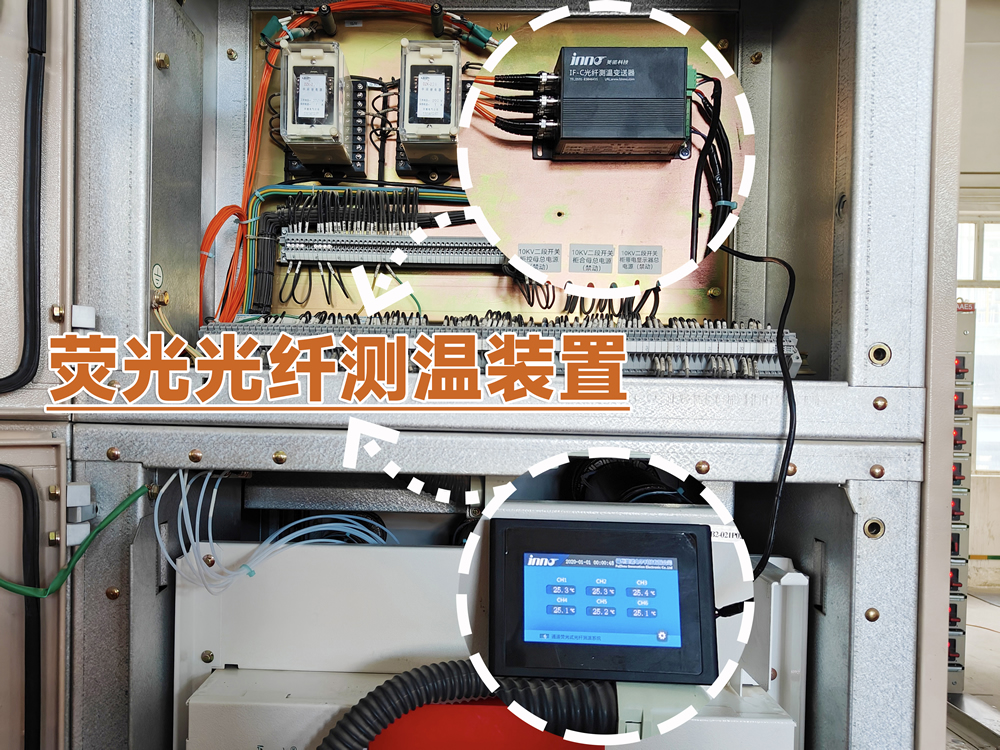
Abnormal kenaikan suhu in gas insulated switchgear demands immediate attention to prevent equipment damage and service interruption. Effective thermal management combines monitoring, diagnosa, and corrective action.
Analisis Akar Penyebab
Kapan Pemantauan suhu GIS indicates elevated readings, investigate these common causes:
Electrical Factors
- Contact deterioration – Increased resistance at circuit breaker or disconnect switch contacts generates I²R heating
- Kelebihan muatan – Current exceeding rated capacity by 10-20% produces proportional temperature increase
- Harmonic currents – Non-linear loads inject frequencies that increase effective resistance and heating
- Pemuatan tidak seimbang – Phase current imbalance concentrates thermal stress
Faktor Lingkungan
- Suhu lingkungan – High room temperature (>40°C) reduces thermal margin
- Inadequate ventilation – Blocked air circulation prevents heat dissipation
- Solar radiation – Direct sunlight on outdoor GIS enclosures adds thermal load
Equipment Condition
- Low SF6 pressure – Reduced gas density impairs heat transfer from conductors to enclosure
- Contaminated contacts – Surface films increase contact resistance
- Ketidakselarasan mekanis – Poor contact engagement reduces effective contact area
Immediate Corrective Actions
Upon detecting excessive temperature (>85°C):
- Pengurangan beban – Transfer load to parallel circuits if available, reducing current to 70-80% of rated capacity
- Cooling enhancement – Improve air circulation with temporary fans, reduce ambient temperature with HVAC adjustments
- Operational scheduling – Shift heavy loads to cooler periods if possible
- Emergency planning – Prepare for forced outage if temperature continues rising despite interventions
Long-Term Solutions
Scheduled maintenance addressing the underlying cause:
- Contact maintenance – Clean, re-surface, or replace deteriorated contacts; verify contact pressure meets specifications (typically 500-800N for medium-voltage contacts)
- Gas system service – Replenish SF6 to rated pressure, remove moisture and contaminants
- Ventilation improvements – Install enhanced cooling systems for consistently high-load applications
- Uprating evaluation – Consider equipment upgrade if load growth exceeds original design assumptions
Temperature Monitoring Best Practices
Continuous temperature monitoring provides early warning before thermal issues escalate. Set alarm thresholds at 80°C (peringatan awal) and 95°C (urgent action required). Trending analysis reveals gradual degradation, enabling planned maintenance rather than emergency response.
9. GIS Monitoring Equipment Components
Modern gas insulated switchgear installations incorporate comprehensive monitoring systems that continuously assess equipment health and operating conditions. These systems transform GIS from passive infrastructure to intelligent, self-diagnosing assets.
SF6 Gas Density Monitoring
Gas density monitors serve as the primary protection against insulation failure. Komponen utamanya meliputi:
- Density relays – Mechanical or electronic devices with temperature compensation, providing alarm and lockout contacts at preset density thresholds (khas 90% alarm, 80% lockout)
- Transduser tekanan – 4-20mA analog outputs enabling SCADA integration and trending analysis
- Sensor suhu – PT100 RTDs or thermocouples providing gas temperature data for accurate density calculation
Sistem Deteksi Pelepasan Sebagian
Pemantauan pelepasan sebagian secara online identifies developing insulation defects years before failure:
UHF (Frekuensi Ultra Tinggi) Sensor
Capacitive sensors mounted on dielectric windows detect electromagnetic radiation (300MHz-3GHz) emitted by partial discharges. Signal processing algorithms distinguish PD from external interference.
Sensor Akustik
Piezoelectric transducers attached to GIS enclosures detect ultrasonic emissions (20-300kHz) from discharge activity. Time-domain analysis localizes PD sources to within ±0.5m.
TEV (Tegangan Bumi Sementara) Pemantauan
Sensors at enclosure joints measure voltage transients induced by internal PD, providing complementary detection to UHF methods.
Sistem Pemantauan Suhu
Critical components requiring pemantauan suhu termasuk:
- Kontak pemutus sirkuit – Both fixed and moving contacts on each phase
- Disconnect switch blades – Contact points subject to mechanical wear
- Sambungan busbar – Bolted connections between GIS sections
- Pengakhiran kabel – Interface points between GIS and external cables
- Current transformer windings – Secondary windings vulnerable to overheating
Sensor serat optik neon provide reliable temperature data in the high-voltage, high electromagnetic field environment inside GIS enclosures.
Mechanical Condition Monitoring
Circuit breaker monitoring tracks operational parameters:
- Travel sensors – Linear potentiometers or rotary encoders measuring contact displacement versus time
- Velocity transducers – Verification that opening/closing speeds meet specifications (khas 3-7 MS)
- Operation counters – Accumulated mechanical operations approaching maintenance intervals
- Motor current monitors – Spring charging motor current indicating mechanical binding or motor degradation
Platform Pemantauan Terintegrasi
Modern sistem pemantauan GIS consolidate data from multiple sensors into unified platforms providing:
- Real-time dashboards with graphical status displays
- Historical trending and analysis tools
- Automated alarm management and notification
- Predictive analytics using machine learning algorithms
- Integration with substation automation via IEC 61850 protokol
- Mobile access for remote monitoring and diagnostics
10. GIS Temperature Monitoring Solutions
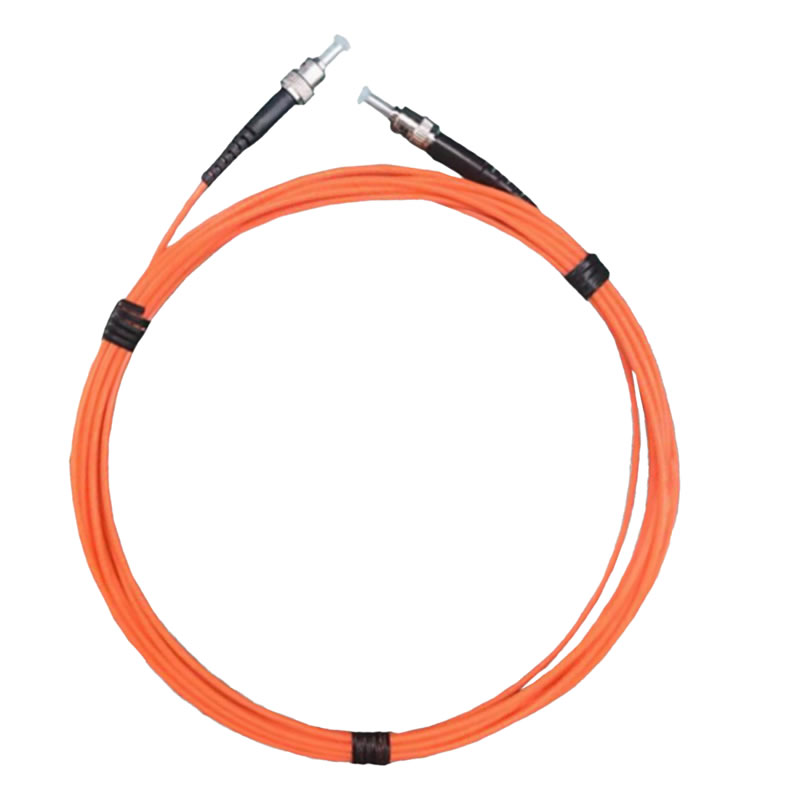
Efektif pemantauan suhu for gas insulated switchgear requires strategic sensor placement, appropriate technology selection, and intelligent data management to detect developing problems before they cause failures.
Monitoring Point Selection
Optimal sensor placement targets locations most susceptible to thermal stress:
Titik Pemantauan Utama
| Komponen | Lokasi Pemantauan | Kisaran Suhu Khas | Ambang Batas Alarm |
|---|---|---|---|
| Pemutus Arus | Fixed and moving contacts (6 points for 3-phase) | 50-70°C normal | 85°C warning, 100°C trip |
| Disconnect Switch | Blade contact points (3 points per phase) | 45-65°C normal | 80°C warning, 95°C trip |
| Koneksi Busbar | Bolted joints between sections | 40-60°C normal | 75°C warning, 90°C trip |
| Pemutusan Kabel | GIS-to-cable interface | 45-65°C normal | 80°C warning, 95°C trip |
| Transformer Saat Ini | Secondary winding | 50-70°C normal | 90°C warning, 105°C trip |
Arsitektur Sistem
Lengkap GIS temperature monitoring system comprises four functional layers:
Lapisan Sensor
Sensor suhu serat optik neon installed at each monitoring point, connected via fiber optic cables to transmitter modules. Each sensor provides a dedicated measurement channel for one specific hotspot.
Lapisan Akuisisi Data
Pemancar suhu serat optik mendukung 1-64 sensor channels, converting optical signals to digital temperature values. Transmitters provide local display, keluaran alarm, dan antarmuka komunikasi.
Lapisan Komunikasi
Modbus RTU/TCP or IEC 61850 protocols transmit temperature data to substation automation systems, jaringan SCADA, dan platform analitik berbasis cloud. Typical update rates: 1-second for critical points, 10-second for routine monitoring.
Management Layer
Centralized monitoring software provides real-time visualization, tren sejarah, manajemen alarm, and predictive maintenance scheduling based on thermal performance analysis.
Alarm Strategy Configuration
Multi-level alarm suhu enable graduated response:
- Pre-warning (75-80°C) – Logged notification, increased monitoring frequency, schedule investigation during next available maintenance window
- Peringatan (85-95°C) – Operator alarm, visual/audible annunciation, prepare for load reduction or equipment substitution
- Kritis (>100°C) – Urgent alarm, automatic load shedding if configured, immediate maintenance action required
- Temperature rise rate – Alarm when temperature increases >10°C/hour regardless of absolute value, indicating rapid degradation
Data Analytics and Trending
Temperature trend analysis reveals degradation patterns:
- Gradual temperature increase over months indicates progressive contact deterioration requiring scheduled maintenance
- Seasonal temperature correlation with ambient conditions confirms adequate thermal margin
- Load-temperature correlation validates equipment rating and identifies overload conditions
- Comparative analysis across phases identifies unbalanced loading or single-phase defects
Integration with Asset Management
Temperature monitoring data feeds into comprehensive sistem manajemen aset, memungkinkan:
- Remaining useful life estimation based on thermal stress accumulation
- Optimized maintenance scheduling aligned with actual equipment condition
- Spare parts inventory management based on failure probability
- Long-term investment planning supported by equipment health metrics
11. Perbandingan Sensor Suhu: Why Fluorescent Fiber Optic Sensors
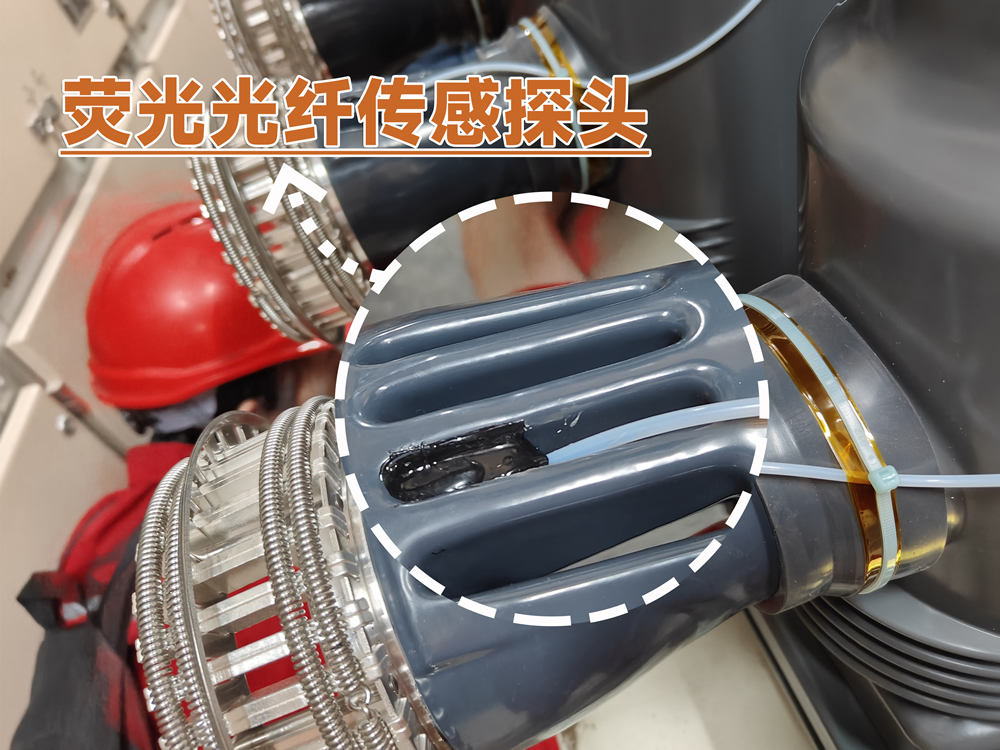
Memilih yang sesuai teknologi penginderaan suhu for gas insulated switchgear monitoring critically impacts system reliability, ketepatan, dan kinerja jangka panjang. Three primary technologies compete in this application: sensor serat optik neon, Detektor suhu resistansi PT100, Dan termografi inframerah.
Technology Principles
Sensor Suhu Serat Optik Fluoresen
Sensor serat optik neon utilize temperature-dependent phosphorescent decay. A probe tip contains rare-earth phosphor material that fluoresces when excited by LED light transmitted through the optical fiber. The fluorescent decay time varies predictably with temperature, providing accurate measurement independent of light intensity variations. These sensors offer contact-type measurement with one fiber optic cable measuring one specific hotspot location.
Detektor Suhu Resistensi PT100
Sensor PT100 exploit the positive temperature coefficient of platinum resistance (0.385Ω/°C). A platinum element with 100Ω resistance at 0°C changes resistance proportionally with temperature. Electronic transmitters convert resistance to temperature via standardized curves (IEC 60751).
Pencitraan Termal Inframerah
Kamera inframerah detect electromagnetic radiation in the 8-14μm wavelength range emitted by objects according to Stefan-Boltzmann law. Surface temperature is calculated from radiation intensity and emissivity coefficient.
Comprehensive Performance Comparison
| Parameter Kinerja | Sensor Serat Optik Fluoresen | PT100RTD | Termografi Inframerah |
|---|---|---|---|
| Prinsip Pengukuran | Phosphorescent decay time | Resistance variation | Deteksi radiasi termal |
| Imunitas EMI | Kekebalan penuh (non-logam) | Susceptible to EMI/RFI | Tidak terpengaruh (non-kontak) |
| Isolasi Listrik | Inherently isolated (dielektrik) | Membutuhkan penghalang isolasi | Completely isolated |
| Akurasi Pengukuran | ±1°C | ±0,3°C (Kelas A) | ±2-5°C (depends on emissivity) |
| Kisaran Suhu | -40°C hingga +260 °C | -200°C hingga +850 °C | -20°C to +1500°C |
| Waktu Respons | <1 Kedua | 5-30 detik (depends on construction) | <1 Kedua |
| Serat/Panjang Kabel | 0-80 meter per sensor | Limited to 100m without amplification | T/A (line-of-sight required) |
| Diameter Pemeriksaan | Dapat disesuaikan (typically 1-3mm) | 3-6mm tipikal | T/A |
| Kompleksitas Instalasi | Sederhana (adhesive or mechanical attachment) | Sedang (kabel, grounding required) | Requires access windows/periodic surveys |
| High Voltage Environment | Bagus sekali (tidak ada jalur konduktif) | Requires special grounding/shielding | Bagus sekali (remote measurement) |
| Stabilitas Jangka Panjang | Bagus sekali (tidak ada penyimpangan, >20 bertahun-tahun) | Bagus (±0.1°C drift over 5 bertahun-tahun) | Depends on equipment calibration |
| Persyaratan Pemeliharaan | Minimal (no calibration needed) | Periodic calibration verification | Camera calibration, window cleaning |
| Kemampuan Multi-Titik | 1 hotspot per fiber, 1-64 saluran per pemancar | One sensor per measurement point | Full thermal imaging of viewed area |
| Pemantauan Berkelanjutan | Ya (24/7 waktu nyata) | Ya (24/7 waktu nyata) | TIDAK (periodic surveys unless fixed installation) |
| Initial Equipment Cost | Sedang | Rendah | Tinggi |
| Biaya Instalasi | Rendah (simple mounting) | Sedang (wiring labor) | Rendah (survey-based) to High (fixed installation) |
| Biaya Operasional | Sangat rendah | Rendah hingga sedang | Sedang (periodic surveys) to Low (otomatis) |
Why Fluorescent Fiber Optic Sensors Excel for GIS
Sensor suhu serat optik neon uniquely address the challenging requirements of gas insulated switchgear monitoring:
Intrinsic Safety in High-Voltage Environments
The complete absence of metallic components eliminates any possibility of creating ground loops, induced voltages, or electrical discharge paths. Sensors can be installed directly on high-voltage conductors without compromising electrical isolation—impossible with Sensor PT100 that require complex grounding schemes and isolation amplifiers.
Kekebalan EMI/RFI
GIS environments contain intense electromagnetic fields during switching operations and fault conditions. Sensor serat optik transmit data as optical signals completely immune to electromagnetic interference, ensuring accurate measurements even during transient events that would saturate electronic sensors.
Compact Installation in Space-Constrained Locations
Diameter probe kecil (customizable from 1-3mm) and flexible fiber optic cable enable installation in tight spaces between high-voltage components where conventional sensors cannot fit. Adhesive mounting or mechanical clips provide secure attachment without drilling or invasive procedures.
Extended Transmission Distance
Fiber optic cables transmit signals up to 80 meters without signal degradation or need for active amplification. This capability allows centralized transmitter installation in safe, accessible locations while monitoring remote points deep within GIS assemblies.
Skalabilitas Multi-Saluran
Satu pemancar suhu serat optik mengakomodasi 1-64 saluran sensor independen, enabling comprehensive monitoring of an entire GIS bay with one compact device. Each channel provides dedicated measurement of one specific hotspot location with no cross-talk or interference.
Minimal Maintenance Requirements
The optical measurement principle exhibits exceptional long-term stability with no drift, eliminating periodic calibration requirements. Expected sensor lifespan exceeds 20 years with zero maintenance—a critical advantage for sealed GIS equipment where access for sensor replacement is expensive and disruptive.
Application-Specific Sensor Selection
Ketika sensor serat optik neon provide optimal performance for continuous GIS monitoring, complementary technologies serve specific purposes:
- Menggunakan Sensor PT100 for non-critical temperature monitoring in low-voltage auxiliary equipment where EMI is minimal and lower cost is prioritized
- Menyebarkan termografi inframerah for periodic diagnostic surveys of accessible GIS components, providing visual thermal maps that identify unexpected hot spots
- Melaksanakan sensor serat optik for all critical high-voltage components requiring 24/7 monitoring with guaranteed reliability
Beyond Power Systems: Aplikasi Serbaguna
Sensor suhu serat optik neon demonstrate exceptional versatility across diverse industries:
- Medical applications – MRI-compatible temperature monitoring, RF ablation procedures, patient monitoring in high-field magnetic environments
- Laboratory research – Cryogenic temperature measurement, chemical reactor monitoring, microwave heating processes
- Industrial processes – Induction heating systems, metal treatment furnaces, explosive atmosphere monitoring
- Angkutan – Generator and traction motor monitoring in electric locomotives, battery thermal management in electric vehicles
The customizable specifications—including temperature range (-40°C hingga +260 °C), diameter pemeriksaan, panjang kabel, and channel configuration—enable tailored solutions for virtually any temperature monitoring challenge.
12. Substation Equipment Overview
Listrik gardu induk contain diverse equipment working in concert to transform voltage levels, distribute power, and protect the network. Understanding the complete equipment complement provides context for temperature monitoring requirements.
Primary Equipment
Transformator Daya
Transformator daya step voltage up or down according to transmission or distribution requirements. Units range from 1MVA distribution transformers to 500MVA+ transmission transformers. Critical monitoring points include winding hotspots, suhu minyak, and bushing connections.
Switchgear Berisolasi Gas (GIS)
As discussed extensively in this guide, peralatan GIS provides compact switching and protection in sealed SF6-insulated enclosures. Temperature monitoring focuses on circuit breaker contacts, pemutusan saklar, and busbar joints.
Pemutus Sirkuit
Pemutus sirkuit—whether air, minyak, kosong, or SF6 type—interrupt fault currents and normal load currents. Contact temperature monitoring prevents failures from contact erosion or spring degradation.
Disconnect Switches and Grounding Switches
Putuskan sambungan sakelar provide visible isolation for maintenance, ketika sakelar pembumian ensure worker safety. Both contain mechanical contacts requiring thermal monitoring.
Penangkap Gelombang
Surge arresters protect equipment from lightning and switching overvoltages. While typically requiring no temperature monitoring, internal degradation sometimes manifests as thermal signatures detectable by infrared surveys.
Transformator Instrumen
Transformer Saat Ini (CT)
Transformator arus scale primary current to standard 1A or 5A secondary values for metering and protection. Secondary winding overheating from excessive burden or turn-to-turn faults requires monitoring in critical applications.
Transformator Tegangan (VTs/PTs)
Voltage transformers provide scaled voltage signals for instrumentation. Thermal issues are rare but can occur with capacitor voltage transformers (CVTs) at harmonic frequencies.
Reactive Power Compensation
Capacitor Banks
Bank kapasitor provide reactive power support and voltage regulation. Individual capacitor units can overheat from internal element failure or harmonic resonance, making thermal monitoring valuable for large installations.
Shunt Reactors
Reactors absorb reactive power on lightly loaded transmission lines. Oil-filled reactor winding temperature requires monitoring similar to power transformers.
Secondary and Control Equipment
Relai Proteksi
Berbasis mikroprosesor relay proteksi detect faults and initiate breaker tripping. Modern relays incorporate self-diagnostics but may benefit from ambient temperature monitoring in harsh environments.
Control and Automation Systems
Substation automation systems aggregate data from intelligent electronic devices (IED), providing centralized monitoring and control. These systems integrate temperature monitoring data alongside electrical measurements.
DC Systems
Station batteries Dan battery chargers provide reliable DC power for protection and control circuits. Battery temperature monitoring optimizes charging and extends service life.
Auxiliary Systems
Kabel Listrik dan Sambungannya
Kabel listrik terminasi dan sambungan mewakili titik kegagalan yang umum. Pemantauan suhu mendeteksi perkembangan degradasi isolasi atau masalah resistensi sambungan sebelum kegagalan besar.
busbar
Sistem busbar mendistribusikan daya di dalam gardu induk. Sambungan baut memerlukan pemeriksaan termal berkala karena resistansi kontak meningkat seiring dengan kelonggaran mekanis atau korosi.
HVAC dan Sistem Pendingin
Pengendalian lingkungan menjaga suhu pengoperasian yang dapat diterima untuk peralatan dan personel, khususnya di gardu induk bawah tanah atau dalam ruangan.
13. Fiber Optic Temperature Monitoring for Equipment Hotspot Detection
Sistem pemantauan suhu serat optik unggul dalam mendeteksi anomali termal di berbagai peralatan gardu induk, memberikan peringatan dini terhadap kegagalan yang terjadi dan memungkinkan strategi pemeliharaan prediktif.
Titik Pemantauan Peralatan GIS
Kontak Pemutus Arus
Pemutus sirkuit kontak tetap dan bergerak mewakili titik pemantauan paling penting dalam GIS. Contact erosion from repeated interruptions, inadequate contact pressure, or surface contamination increases electrical resistance and generates excessive heat. Sensor serat optik neon mounted directly on the contacts detect temperature rise from normal operating range (50-65°C) to warning levels (85-95°C) before permanent damage occurs.
Studi Kasus: 145kV GIS Circuit Breaker Contact Failure Prevention
A utility monitoring 145kV GIS circuit breaker contacts with fiber optic sensors detected gradual temperature increase on Phase B from 58°C to 82°C over six months. Scheduled maintenance revealed contact spring relaxation reducing contact force by 30%. Replacing the spring mechanism prevented an anticipated failure that would have caused 12+ hours outage affecting 50,000 pelanggan.
Disconnect Switch Blade Contacts
Disconnect switch contacts experience mechanical wear from repeated operations and environmental effects. Pemantauan suhu biasanya menggunakan 3 sensors per phase (6 titik kontak per saklar) untuk mendeteksi pemanasan asimetris yang menunjukkan ketidaksejajaran atau kontak yang tidak rata.
Titik Sambungan Busbar
Sambungan baut antar bagian GIS atau pada terminasi kabel dapat kendor akibat siklus termal atau torsi awal yang tidak memadai. Pemantauan sendi-sendi ini mendeteksi peningkatan resistensi sebelum berkembang menjadi busur atau pemisahan total.
Antarmuka Pemutusan Kabel
Transisi dari GIS ke kabel daya eksternal memusatkan tekanan listrik dan panas. Sensor suhu pada antarmuka ini mengidentifikasi degradasi isolasi, masuknya uap air, or connection deterioration.
Power Transformer Monitoring Applications
Suhu Hotspot Berliku
Transformator daya hotspot berliku menentukan kemampuan pemuatan dan konsumsi masa pakai isolasi. Sedangkan trafo tradisional memperkirakan suhu hotspot dari suhu minyak atas dan arus beban, pengukuran langsung dengan sensor serat optik tertanam selama manufaktur memberikan data akurat untuk pembebanan dinamis dan penilaian sisa umur.
Komponen Inti dan Struktural
Pemanasan yang tidak normal pada inti transformator atau komponen struktural menunjukkan adanya sirkulasi arus akibat kegagalan isolasi atau masalah grounding. Penempatan sensor strategis mendeteksi anomali ini selama uji commissioning atau pemantauan dalam layanan.
Bushing dan Ketuk Pengubah Kontak
Busing transformator Dan memuat pengubah tap mengandung kontak mekanis yang mengalami degradasi serupa seperti peralatan GIS. Pemantauan suhu melengkapi metode diagnostik tradisional seperti analisis gas terlarut.
Peralatan Switchgear dan Distribusi
Switchgear Tegangan Menengah
Switchgear berlapis logam for medium voltage (5-38persegi panjang) distribusi berisi pemutus sirkuit, terputus, dan sistem bus yang memerlukan pemantauan termal. Sensor serat optik mencegah gangguan layanan akibat koneksi yang terlalu panas—terutama penting dalam fasilitas industri dengan operasi proses berkelanjutan.
Distribusi Tenaga Tegangan Rendah
Switchboard tegangan rendah Dan pusat kendali motorik mendistribusikan daya ke peralatan pengguna akhir. Kepadatan arus yang tinggi dalam wadah kompak membuat sistem ini rentan terhadap panas berlebih pada sambungan. Pemantauan serat optik memberikan peringatan dini dalam aplikasi yang sangat penting.
Pemantauan Sistem Kabel
Sambungan dan Pengakhiran Kabel
Kabel listrik aksesori mewakili titik terlemah dalam sistem kabel. Pemasangan yang tidak tepat, masuknya uap air, atau degradasi insulasi menyebabkan pemanasan lokal yang dapat dideteksi berdasarkan tipe kontak sensor serat optik sebelum kegagalan total.
Studi Kasus: Pencegahan Kegagalan Sambungan Kabel Bawah Tanah
Bawah tanah 33kV sistem kabel melayani kompleks rumah sakit yang menggabungkan sensor suhu serat optik di semua sambungan kabel (24 titik pemantauan). Satu sensor mendeteksi kenaikan suhu dari 52°C menjadi 88°C selama tiga minggu. Penggalian dan inspeksi menunjukkan adanya penetrasi kelembapan yang mengganggu isolasi sambungan. Replacing the joint prevented an outage that would have impacted critical medical services.
Cable Tunnel and Tray Monitoring
For cables in accessible tunnels or trays, penginderaan suhu terdistribusi (DTS) using fiber optic cables provides continuous temperature profiles. Namun, for specific hotspot monitoring at joints and terminations, terpisah sensor serat optik neon offer superior accuracy with one sensor measuring one critical point.
Rotating Machinery Applications
Generator Stator Windings
Besar generator in power plants utilize embedded fiber optic sensors to monitor stator winding temperature at multiple points, enabling optimized loading while preventing insulation damage from excessive temperature.
Motor Bearings and Windings
Kritis motor driving pumps, kompresor, or fans in power plants and industrial facilities benefit from bearing and winding temperature monitoring, preventing unexpected failures in essential services.
Arsitektur Sistem Pemantauan untuk Cakupan Komprehensif
Gardu induk yang lengkap sistem pemantauan suhu serat optik biasanya mencakup:
| Jenis Peralatan | Titik Pemantauan per Unit | Typical Sensor Count (110kV Substation) |
|---|---|---|
| Pemutus Sirkuit GIS | 6 (2 per fase) | 12-18 (2-3 pemutus) |
| Sakelar Pemutus GIS | 6 (2 per fase) | 18-24 (3-4 saklar) |
| Transformator Daya | 3-6 (belitan, busing) | 6-12 (2 transformator) |
| Pemutusan Kabel | 3 per termination | 12-18 (4-6 sirkuit) |
| Koneksi Busbar | Variabel | 6-12 |
| Sistem Total | – | 54-84 sensor |
Penghitungan titik pemantauan ini biasanya memerlukan 2-3 pemancar suhu serat optik (32-model saluran), menyediakan redundansi dan pengelompokan logis dari peralatan terkait.
Metrik Keberhasilan Deteksi Kesalahan Termal
Utilitas menerapkan komprehensif pemantauan suhu serat optik melaporkan peningkatan keandalan yang signifikan:
- 70-85% pengembangan kesalahan termal terdeteksi 30+ hari sebelum kegagalan kritis
- Pemadaman yang tidak direncanakan dikurangi sebesar 40-60% melalui pemeliharaan prediktif
- Masa pakai peralatan diperpanjang 15-25% dengan menghindari kerusakan akibat tekanan termal
- Biaya pemeliharaan dioptimalkan dengan beralih dari jadwal berbasis waktu ke berdasarkan kondisi
14. Pertanyaan yang Sering Diajukan
Q1: Berapa lama biasanya peralatan GIS bertahan?
A: Properly maintained switchgear berinsulasi gas menyediakan layanan yang dapat diandalkan untuk 40-50 bertahun-tahun. Yang tersegel, lingkungan yang terkendali melindungi komponen dari degradasi lingkungan yang membatasi masa pakai peralatan luar ruangan. Tonggak penting pemeliharaan meliputi 10-15 inspeksi besar tahun dan 20-25 perombakan sistem kontak tahun. Beberapa instalasi GIS dari tahun 1970an terus beroperasi dengan sukses hingga saat ini.
Q2: Apakah gas SF6 berbahaya bagi kesehatan manusia?
A: gas SF6 sendiri tidak beracun dan tidak menimbulkan bahaya kesehatan langsung. Namun, ia lebih berat daripada udara dan dapat menyebabkan sesak napas di ruang terbatas karena menggantikan oksigen. Produk penguraian dari busur listrik (terutama senyawa belerang dan logam fluorida) are toxic and corrosive, membutuhkan ventilasi yang baik dan perlindungan pernapasan selama pemeliharaan. Desain GIS modern menggabungkan sistem penanganan gas yang meminimalkan paparan terhadap personel.
Q3: Seberapa sering peralatan GIS memerlukan pemeliharaan?
A: pemeliharaan GIS jadwal biasanya mencakup: inspeksi visual harian terhadap indikator kepadatan gas (5 menit), inspeksi rinci triwulanan termasuk termografi inframerah (2-4 jam), pemeliharaan preventif tahunan dengan pengujian kelistrikan (1-2 hari per teluk), dan perombakan besar-besaran setiap 10-15 bertahun-tahun (1-2 minggu per teluk). Frekuensi perawatan sebenarnya dapat bervariasi berdasarkan rekomendasi pabrikan, kondisi operasi, dan persyaratan peraturan.
Q4: Mengapa GIS lebih mahal dibandingkan switchgear konvensional?
A: peralatan GIS biaya 30-50% lebih dari setara air insulated switchgear karena persyaratan manufaktur yang presisi, Pengisian dan pengujian gas SF6, sistem penyegelan yang canggih, dan prosedur instalasi khusus. Namun, total biaya proyek sering kali lebih menguntungkan GIS ketika memasukkan pembebasan lahan (70-80% penghematan ruang), pekerjaan sipil (pondasi minimal), tenaga kerja instalasi (jadwal yang lebih pendek), dan biaya siklus hidup (pengurangan pemeliharaan). Lokasi perkotaan dengan nilai tanah yang tinggi biasanya terlihat 10-20% total biaya kepemilikan GIS yang lebih rendah meskipun harga peralatan lebih tinggi.
Q5: Bisakah GIS dipasang di luar ruangan?
A: Ya, di luar ruangan GIS installations adalah hal yang umum dan berhasil bila menggunakan peralatan dengan peringkat perlindungan lingkungan yang sesuai. GIS luar ruangan memerlukan penutup yang tahan cuaca, sistem pemanas untuk iklim dingin, perlindungan radiasi matahari, dan ventilasi yang memadai. Banyak utilitas lebih memilih GIS luar ruangan untuk meminimalkan biaya pembangunan sekaligus menghemat ruang dibandingkan dengan AIS luar ruangan. Perhatian khusus pada penyegelan entri kabel mencegah masuknya uap air ke dalam sistem gas.
Q6: Bagaimana Anda mengetahui kapan peralatan GIS perlu diganti?
A: penggantian GIS keputusan bergantung pada banyak faktor: usia peralatan melebihi 40 tahun dengan meningkatnya biaya pemeliharaan, desain usang tidak memiliki ketersediaan suku cadang, kegagalan berulang yang menunjukkan masalah sistemik, ketidakmampuan untuk memenuhi standar kinerja yang diperbarui, atau analisis biaya-manfaat yang lebih mengutamakan penggantian daripada pemeliharaan berkelanjutan. Penilaian kondisi melalui pengujian pelepasan sebagian, analisis kualitas gas, analisis operasi mekanis, dan pemantauan termal menyediakan data untuk pengambilan keputusan. Banyak perusahaan utilitas merencanakan program penggantian GIS yang sistematis di 45-50 interval tahun.
Q7: Apakah kesalahan GIS dapat diperbaiki di lokasi??
A: Paling kesalahan GIS memerlukan perbaikan pabrik daripada pemeliharaan lapangan. Sistem gas tersegel, toleransi presisi, dan peralatan uji khusus yang diperlukan untuk restorasi yang tepat umumnya melebihi kemampuan lokasi. Pengecualian mencakup penggantian komponen eksternal (mekanisme operasi, relay, kabel kontrol) dan perbaikan kecil sistem gas (penggantian segel pada sambungan yang dapat diakses). Perusahaan utilitas biasanya memelihara modul atau bagian GIS cadangan untuk penggantian cepat, mengirim unit yang gagal ke pusat layanan pabrikan untuk perbaikan.
Q8: Apakah pemantauan suhu serat optik fluoresen sulit dipasang?
A: Fluorescent fiber optic sensor pemasangannya mudah dan minimal invasif. Sensor dipasang pada titik pemantauan menggunakan perekat bersuhu tinggi, klip mekanis, atau dudukan magnet—biasanya memerlukan 5-10 menit per poin. Kabel serat optik dirutekan melalui baki kabel ke lokasi pemancar terpusat. Sifat dielektrik serat menghilangkan masalah pembumian dan isolasi yang mempersulit pemasangan PT100 pada peralatan bertegangan tinggi. Sebagian besar instalasi selesai di dalam 1-2 hari untuk ruang gardu induk yang lengkap.
Q9: Bagaimana pemantauan suhu terintegrasi dengan sistem SCADA yang ada?
A: Modern pemancar suhu serat optik menyediakan protokol komunikasi standar industri termasuk Modbus RTU/TCP, DNP3, dan IEC 61850. Integrasi biasanya melibatkan konfigurasi alamat IP pemancar dan pemetaan register, kemudian menambahkan titik pemantauan ke database SCADA. Sebagian besar sistem mendukung kedua pemungutan suara tersebut (SCADA meminta data) and event-driven reporting (pemancar segera mengirimkan alarm). Jangka waktu integrasi berkisar dari beberapa jam untuk koneksi Modbus sederhana hingga 1-2 hari untuk IEC penuh 61850 implementasi dengan pemodelan objek.
Q10: Berapa investasi umum untuk sistem pemantauan suhu GIS?
A: Menyelesaikan GIS temperature monitoring systems biaya sekitar $500-1,200 per titik pemantauan, including sensors, pemancar, antarmuka komunikasi, dan perangkat lunak. Ruang GIS 145kV yang khas dengan 24 titik pemantauan memerlukan investasi sebesar $15,000-25,000. Instalasi yang lebih besar mendapatkan manfaat dari skala ekonomi, dengan 50+ rata-rata sistem poin $600-800 per poin. Return on investment typically occurs within 2-4 tahun melalui kegagalan yang dapat dicegah, pemeliharaan yang optimal, dan menghindari pemadaman listrik. Investasi mewakili 1-3% dari total biaya peralatan GIS sekaligus memberikan nilai yang tidak proporsional dalam pengurangan risiko.
Q11: Berapa kisaran suhu yang dapat diukur oleh sensor serat optik fluoresen?
A: Standar sensor suhu serat optik neon diukur dari -40°C hingga +260°C, mencakup semua kondisi pengoperasian GIS mulai dari instalasi di kutub hingga suhu kontak maksimum yang diperbolehkan. Sensor khusus memperluas rentang ini hingga -200°C untuk aplikasi kriogenik atau +400°C untuk proses industri. Kisaran -40°C hingga +260°C memberikan margin yang memadai untuk pemantauan GIS, di mana suhu pengoperasian normal jarang melebihi 70°C dan ambang batas alarm biasanya ditetapkan pada 85-100°C.
Q12: Berapa banyak sensor yang dapat didukung oleh satu pemancar serat optik?
A: Pemancar suhu serat optik are available in configurations from 1 ke 64 saluran, dengan setiap saluran terhubung ke satu sensor fluoresen khusus yang mengukur satu hotspot tertentu. Common configurations include 4, 8, 16, 32, dan model 64 saluran. Pemilihan saluran bergantung pada kebutuhan pemantauan—satu pemutus sirkuit GIS mungkin menggunakan pemancar 6 saluran (2 sensors per phase), sementara ruang gardu induk yang lengkap mungkin memerlukan a 32 atau pemancar 64 saluran. Desain modular memungkinkan perluasan lapangan seiring dengan meningkatnya kebutuhan pemantauan.
Q13: Bisakah teknologi serat optik yang sama memonitor peralatan gardu induk lainnya?
A: Sangat. Sensor serat optik neon menyediakan pemantauan suhu serbaguna di semua peralatan gardu induk termasuk transformator daya, cable systems, reaktor, bank kapasitor, pemutus sirkuit, pemutusan saklar, dan sistem busbar. Kekebalan teknologi terhadap interferensi elektromagnetik dan isolasi listrik menjadikannya ideal untuk aplikasi tegangan tinggi. Di luar sistem tenaga listrik, these sensors monitor equipment in medical facilities (mesin MRI), laboratorium (research reactors), pabrik industri (tungku induksi), and transportation systems (locomotive traction motors).
Q14: Apa yang terjadi jika sensor serat optik gagal?
A: Sensor serat optik failures are rare due to the robust optical measurement principle and absence of electrical components. If a sensor fails, the transmitter detects the fault and generates an alarm indicating which channel is affected. The remaining sensors continue operating normally—unlike distributed systems where one fiber break can disable multiple measurement points. Sensor replacement involves disconnecting the failed fiber, installing a new sensor at the monitoring point, and connecting it to the same transmitter channel—typically completed in 15-30 minutes without affecting other measurements.
Q15: How does fiber optic temperature monitoring contribute to smart grid initiatives?
A: Temperature monitoring data integrates seamlessly into smart grid architectures via standard protocols (IEC 61850, Modbus, DNP3). Real-time thermal status enables dynamic asset rating—adjusting equipment loading based on actual temperature rather than conservative nameplate limits. Historical trending supports predictive analytics and machine learning algorithms that forecast failures days or weeks in advance. Integration with automated demand response systems allows thermal constraints to influence grid optimization decisions. The data contributes to digital twin models that simulate substation behavior under various operating scenarios, supporting optimal grid management.
Get Expert GIS Temperature Monitoring Solutions
Contact us today to discuss your specific gas insulated switchgear monitoring requirements and receive a customized solution proposal.

Sensor suhu serat optik, Sistem pemantauan cerdas, Produsen serat optik terdistribusi di Cina
 |
 |
 |