 INNO फाइबर ऑप्टिक तापमान सेंसर ,तापमान निगरानी प्रणाली.
- एक ट्रांसफार्मर की झाड़ी एक महत्वपूर्ण इंसुलेटिंग उपकरण है जो ऊर्जावान होने की अनुमति देता है, हाई-वोल्टेज कंडक्टर को ग्राउंडेड मेटल टैंक की दीवार से सुरक्षित रूप से गुजरने के लिए सत्ता स्थानांतरण, यांत्रिक सहायता और गैस/तेल-तंग सील प्रदान करते हुए पूर्ण विद्युत अलगाव बनाए रखना.
- बुशिंग्स पर कार्य करते हैं कैपेसिटेंस-ग्रेडेड कंडेनसर कोर principle, जहां इन्सुलेशन सामग्री और प्रवाहकीय फ़ॉइल की संकेंद्रित परतें स्थानीय तनाव एकाग्रता और सतह फ्लैशओवर को रोकने के लिए विद्युत क्षेत्र को समान रूप से वितरित करती हैं.
- आज सेवा में सबसे आम प्रकार की झाड़ियाँ हैं तेल लगा हुआ कागज (ओआईपी) bushings और Resin Impregnated Paper (फाड़ना) bushings, आग प्रतिरोध के लिए आरआईपी तकनीक को तेजी से पसंद किया जा रहा है, कम रखरखाव, और बेहतर नमी सहनशीलता.
- ए के विपरीत लाइन पोस्ट इन्सुलेटर या स्टेशन पोस्ट इन्सुलेटर, एक ट्रांसफार्मर बुशिंग एक है खोखला, सक्रिय विद्युत घटक एक आंतरिक कंडक्टर और इंजीनियर्ड ढांकता हुआ परतों के साथ - केवल एक यांत्रिक समर्थन नहीं.
- बुशिंग विफलता इसके प्रमुख कारणों में से एक है विनाशकारी ट्रांसफार्मर विस्फोट और आग, निरंतर बना रहा हूँ bushing condition monitoring - कैपेसिटेंस और पावर फैक्टर परीक्षण सहित, आंशिक निर्वहन का पता लगाना, और तापमान की निगरानी - किसी भी महत्वपूर्ण ट्रांसफार्मर परिसंपत्ति प्रबंधन कार्यक्रम के लिए आवश्यक.
- फ्लोरोसेंट फाइबर ऑप्टिक तापमान सेंसर बुशिंग कंडक्टर कनेक्शन पर हॉटस्पॉट तापमान को सीधे मापने के लिए सबसे सुरक्षित और सबसे सटीक तरीका प्रदान करें, सुराग खींचना, और सीलबंद ट्रांसफार्मर वातावरण के अंदर बुर्ज इंटरफेस, अंतर्निहित उच्च-वोल्टेज अलगाव और पूर्ण विद्युत चुम्बकीय हस्तक्षेप की पेशकश (ईएमआई) रोग प्रतिरोधक क्षमता.
विषयसूची
- ट्रांसफार्मर बुशिंग क्या है??
- ट्रांसफार्मर बुशिंग क्या करती है? -कार्य और भूमिका
- ट्रांसफार्मर बुशिंग कैसे काम करती है? — Working Principle
- आधुनिक ट्रांसफार्मर बुशिंग्स के लाभ
- ट्रांसफार्मर बुशिंग बनाम इंसुलेटर - क्या अंतर है?
- ट्रांसफार्मर बुशिंग्स के प्रकार
- ट्रांसफार्मर की बुशिंग क्यों विफल हो जाती है?? - विफलता तंत्र
- ट्रांसफार्मर बुशिंग स्थिति की निगरानी - तरीके और तकनीकें
- ट्रांसफार्मर झाड़ियों के लिए तापमान की निगरानी - फाइबर ऑप्टिक समाधान
- पावर ट्रांसफार्मर वाइंडिंग तापमान की निगरानी
- ट्रांसफार्मर तेल तापमान की निगरानी और विश्लेषण
- ट्रांसफार्मरों के लिए ऑनलाइन आंशिक डिस्चार्ज मॉनिटरिंग
- विघटित गैस विश्लेषण (डीजीए) और ट्रांसफार्मर स्वास्थ्य
- ट्रांसफार्मर टैप चेंजर मॉनिटरिंग और डायग्नोस्टिक्स
- एकीकृत ट्रांसफार्मर स्थिति निगरानी प्रणाली
- शीर्ष ट्रांसफार्मर बुशिंग और मॉनिटरिंग निर्माता
- निष्कर्ष
- अक्सर पूछे जाने वाले प्रश्नों (अक्सर पूछे जाने वाले प्रश्न)
1. ट्रांसफार्मर बुशिंग क्या है??

ए ट्रांसफार्मर की झाड़ी एक खोखली इन्सुलेशन संरचना है जो एक विद्युत कंडक्टर को जमीन से गुजरने में सक्षम बनाती है, जमी हुई धातु टैंक की दीवार - या बुर्ज कवर - एक सत्ता स्थानांतरण ऊर्जावान कंडक्टर और ग्राउंडेड बाड़े के बीच पूर्ण विद्युत अलगाव बनाए रखते हुए. हर बिजली ट्रांसफार्मर, चाहे वह एक हो 10 एमवीए वितरण इकाई या ए 1,500 एमवीए जनरेटर स्टेप-अप ट्रांसफार्मर, हाई-वोल्टेज दोनों पर बुशिंग की आवश्यकता होती है (एचवी) and low-voltage (एल.वी) सीलबंद टैंक के अंदर और बाहर विद्युत कनेक्शन लाने के लिए.
ट्रांसफार्मर बुशिंग की भौतिक संरचना
एक विशिष्ट उच्च-वोल्टेज ट्रांसफार्मर बुशिंग में कई प्रमुख तत्व होते हैं: एक केंद्रीय कंडक्टर (ठोस छड़ या खोखली नली) जो पूरा लोड करंट वहन करता है; ए कंडेनसर कोर इन्सुलेशन सामग्री की संकेंद्रित परतों से बना है (तेल लगा कागज, राल-संसेचित कागज, या सिंथेटिक फिल्म) प्रवाहकीय फ़ॉइल परतों के साथ इंटरलीव किया गया जो विद्युत क्षेत्र को ग्रेड करता है; एक बाहरी चीनी मिट्टी के बरतन या मिश्रित बहुलक आवास क्रीपेज दूरी प्रदान करने और आंतरिक इन्सुलेशन को बारिश से बचाने के लिए हवा की तरफ मौसम शेड के साथ, प्रदूषण, and UV exposure; एक तेल-पक्ष वाला भाग जो ट्रांसफार्मर टैंक में फैला होता है और उसमें डूबा होता है ट्रांसफार्मर इन्सुलेट तेल; ए बढ़ते निकला हुआ किनारा जो ट्रांसफार्मर बुर्ज को बोल्ट करता है और गैस/तेल-तंग सील प्रदान करता है; और ए शीर्ष टर्मिनल बाहरी ओवरहेड लाइन से कनेक्शन के लिए, बसबार, या केबल.
वोल्टेज रेटिंग और अनुप्रयोग
ट्रांसफार्मर बुशिंग का निर्माण कुछ किलोवोल्ट से लेकर वोल्टेज रेटिंग के लिए किया जाता है वितरण ट्रांसफार्मर तक 1,200 केवी में अति उच्च वोल्टेज (UHV) बिजली ट्रांसफार्मर. वर्तमान रेटिंग आम तौर पर कुछ सौ एम्पीयर से लेकर होती है 5,000 बड़े जनरेटर ट्रांसफार्मर के लिए एक या अधिक. झाड़ियों का भी उपयोग किया जाता है shunt reactors, एचवीडीसी कनवर्टर ट्रांसफार्मर, भट्ठी ट्रांसफार्मर, और दीवार की झाड़ियाँ स्विचगियर भवनों और जीआईएस-टू-ट्रांसफार्मर कनेक्शन में.
2. ट्रांसफार्मर बुशिंग क्या करती है? -कार्य और भूमिका

ट्रांसफार्मर बुशिंग ट्रांसफार्मर सिस्टम के भीतर एक साथ तीन और समान रूप से महत्वपूर्ण कार्य करता है.
Electrical Insulation
झाड़ी का प्राथमिक कार्य है विद्युतरोधी ग्राउंडेड ट्रांसफार्मर टैंक से उच्च वोल्टेज कंडक्टर. इस इन्सुलेशन के बिना, टैंक की दीवार के प्रवेश बिंदु पर संपूर्ण सिस्टम वोल्टेज पृथ्वी पर चमकेगा, जिससे तत्काल शॉर्ट सर्किट और भयावह विफलता हो सकती है. इन्सुलेशन को न केवल सामान्य ऑपरेटिंग वोल्टेज का सामना करना होगा, बल्कि बिजली गिरने के कारण होने वाले क्षणिक ओवरवॉल्टेज का भी सामना करना होगा, switching surges, और सिस्टम दोष घटनाएँ, जैसे मानकों द्वारा परिभाषित आईईसी 60137 और आईईईई C57.19.00.
वर्तमान चालन
झाड़ी को पूर्ण रेटेड लोड करंट - और गलती की स्थिति के दौरान कम समय के ओवरकरंट - को अत्यधिक तापमान वृद्धि के बिना ले जाना चाहिए. कंडक्टर और उसके आंतरिक कनेक्शन ट्रांसफार्मर वाइंडिंग लीड (सीसा खींचो) न्यूनतम करने के लिए कम विद्युत प्रतिरोध बनाए रखना चाहिए I²R losses और हॉटस्पॉट बनने से रोकें.
यांत्रिक समर्थन और सीलिंग
झाड़ी यांत्रिक संरचना प्रदान करती है जो बाहरी लाइन कनेक्शन का समर्थन करती है और हवा के भार का सामना करती है, बर्फ का भार, भूकंपीय ताकतें, और जुड़े कंडक्टरों का स्थिर वजन. Simultaneously, फ्लैंज असेंबली को 30-40 वर्षों के सेवा जीवन के दौरान आंतरिक ट्रांसफार्मर टैंक वातावरण और बाहरी वातावरण के बीच एक विश्वसनीय तेल-तंग और गैस-तंग सील बनाए रखना चाहिए।.
3. ट्रांसफार्मर बुशिंग कैसे काम करती है? — Working Principle
कंडेनसर ग्रेडिंग सिद्धांत
हाई-वोल्टेज ट्रांसफार्मर बुशिंग - आमतौर पर रेटेड 72 केवी और उससे ऊपर - पर काम करें कंडेनसर (समाई) ग्रेडिंग सिद्धांत. कंडेनसर कोर में इन्सुलेशन सामग्री की कई संकेंद्रित बेलनाकार परतें होती हैं (कागज़, राल कागज, या फिल्म), प्रत्येक को एक पतली प्रवाहकीय पन्नी परत द्वारा अलग किया जाता है. इन फ़ॉइल परतों को व्यवस्थित किया जाता है ताकि प्रत्येक क्रमिक परत केंद्रीय कंडक्टर से बढ़ते फ़्लैंज से जुड़े सबसे बाहरी ग्राउंड फ़ॉइल तक उत्तरोत्तर कम वोल्टेज क्षमता पर हो।.
यह व्यवस्था कुल लागू वोल्टेज को कई छोटे में वितरित करती है, संपूर्ण वोल्टेज को कंडक्टर सतह पर एकल इन्सुलेशन परत पर दबाव डालने की अनुमति देने के बजाय एक समान वोल्टेज चरण. परिणाम एक है एकसमान रेडियल विद्युत क्षेत्र और ए नियंत्रित अक्षीय वोल्टेज वितरण झाड़ी की लंबाई के साथ, ये दोनों स्थानीयकृत इन्सुलेशन टूटने को रोकने के लिए आवश्यक हैं. सबसे बाहरी फ़ॉइल परत - के रूप में जानी जाती है कैपेसिटेंस टैप (C2 या पावर फैक्टर टैप) - आमतौर पर बाहरी परीक्षण टर्मिनल पर लाया जाता है, झाड़ी की धारिता और ढांकता हुआ अपव्यय कारक के क्षेत्र माप को सक्षम करना (तन δ / ऊर्जा घटक) इन्सुलेशन स्वास्थ्य के नैदानिक संकेतक के रूप में.
ऑयल-साइड और एयर-साइड इन्सुलेशन
झाड़ी का वह भाग जो ट्रांसफार्मर बुर्ज के ऊपर फैला हुआ है, खुली हवा में फैला हुआ है (the वायु की दिशा) चीनी मिट्टी या मिश्रित आवास और उसके वर्षा शेड द्वारा संरक्षित है. ट्रांसफार्मर टैंक में डूबा हुआ हिस्सा (the तेल पक्ष) ट्रांसफार्मर तेल और कंडेनसर कोर के निचले भाग द्वारा इन्सुलेशन किया जाता है. डिज़ाइन को हवा और तेल के विभिन्न ढांकता हुआ गुणों को ध्यान में रखना चाहिए, और माउंटिंग फ्लैंज पर इंटरफ़ेस - जहां दो मीडिया के बीच बुशिंग संक्रमण होता है - पूरे असेंबली के सबसे अधिक विद्युत और थर्मल तनाव वाले क्षेत्रों में से एक है.
4. आधुनिक ट्रांसफार्मर बुशिंग्स के लाभ
विश्वसनीय विद्युत क्षेत्र नियंत्रण
आधुनिक बुशिंग में उपयोग की जाने वाली कंडेनसर ग्रेडिंग तकनीक सटीक प्रदान करती है, विद्युत क्षेत्र वितरण का पूर्वानुमानित नियंत्रण, बिजली के आवेग और स्विचिंग आवेग परीक्षणों सहित सभी निर्दिष्ट वोल्टेज स्थितियों के तहत सुरक्षित संचालन सुनिश्चित करना. इस क्षेत्र का नियंत्रण सरलता से प्राप्त नहीं किया जा सकता, गैर-वर्गीकृत थोक इन्सुलेशन डिज़ाइन.
Compact Design
कंडेनसर-ग्रेडेड बुशिंग समान वोल्टेज रेटिंग के लिए आवश्यक गैर-ग्रेडेड डिज़ाइन की तुलना में काफी छोटी और अधिक कॉम्पैक्ट हैं. इससे ट्रांसफार्मर की कुल ऊंचाई कम हो जाती है, परिवहन रसद को सरल बनाता है, और ट्रांसफार्मर बुर्ज संरचना पर यांत्रिक भार कम करता है.
अंतर्निहित नैदानिक क्षमता
कंडेनसर बुशिंग पर कैपेसिटेंस टैप एक अमूल्य डायग्नोस्टिक एक्सेस प्वाइंट प्रदान करता है. समय-समय पर या लगातार मापने से bushing capacitance (सी 1) और ऊर्जा घटक (तन δ) इस टैप के माध्यम से, ऑपरेटर प्रारंभिक चरण में इन्सुलेशन गिरावट का पता लगा सकते हैं - अक्सर विफलता होने से कई साल पहले. यह अंतर्निहित निगरानी क्षमता कंडेनसर-प्रकार की झाड़ियों के लिए अद्वितीय है और उनके सबसे महत्वपूर्ण लाभों में से एक है.
लंबी सेवा जीवन
अच्छी तरह से निर्मित और ठीक से रखरखाव किया गया ओआईपी झाड़ियाँ और आरआईपी झाड़ियाँ नियमित रूप से 30-40 वर्षों का सेवा जीवन प्राप्त करें. आरआईपी डिजाइन, in particular, नमी अवशोषण और थर्मल उम्र बढ़ने के प्रति उनके प्रतिरोध के कारण विस्तारित जीवन प्रदान करते हैं.
5. ट्रांसफार्मर बुशिंग बनाम इंसुलेटर - क्या अंतर है?
ट्रांसफार्मर की झाड़ियाँ और विद्युत इन्सुलेटर (जैसे कि लाइन पोस्ट इंसुलेटर, स्टेशन पोस्ट इंसुलेटर, सस्पेंशन इंसुलेटर, और पिन इंसुलेटर) दोनों उच्च-वोल्टेज बिजली प्रणालियों में उपयोग किए जाने वाले इन्सुलेशन उपकरण हैं, लेकिन वे कार्य में मौलिक रूप से भिन्न हैं, construction, and application.
कार्यात्मक अंतर
एक इन्सुलेटर एक निष्क्रिय यांत्रिक समर्थन है जो एक ऊर्जावान कंडक्टर को ग्राउंडेड समर्थन संरचना से अलग करते हुए स्थिति में रखता है (खंभा, टावर, या फ़्रेम). इसमें कोई आंतरिक कंडक्टर नहीं होता है - लाइन कंडक्टर बाहरी रूप से इंसुलेटर के हार्डवेयर से जुड़ा होता है. ए ट्रांसफार्मर की झाड़ी, इसके विपरीत, एक आंतरिक कंडक्टर के साथ एक सक्रिय विद्युत फ़ीडथ्रू उपकरण है, एक कंडेनसर कोर, और ट्रांसफार्मर टैंक के लिए एक सीलबंद इंटरफ़ेस. यह ग्राउंडेड बैरियर के माध्यम से पूरे लोड करंट को वहन करता है, न केवल बाहरी कंडक्टर का समर्थन करता है.
निर्माण में अंतर
एक विशिष्ट चीनी मिट्टी का बरतन या कांच डिस्क इन्सुलेटर इन्सुलेशन सामग्री का एक ठोस या खोखला शरीर है जिसमें कोई आंतरिक सक्रिय विद्युत ग्रेडिंग नहीं होती है. ए कंडेनसर झाड़ी प्रवाहकीय फ़ॉइल ग्रेडिंग परतों के साथ एक सटीक-इंजीनियर्ड बहु-परत घटक है, एक केंद्रीय कंडक्टर, एक तेल या गैस भरना, और एक कैपेसिटेंस टैप - किसी भी पारंपरिक इन्सुलेटर की तुलना में कहीं अधिक जटिल.
तुलना तालिका
| विशेषता | ट्रांसफार्मर की झाड़ी | विसंवाहक |
|---|---|---|
| बेसिक कार्यक्रम | इन्सुलेशन के साथ ग्राउंडेड बैरियर के माध्यम से करंट का संचालन करें | यंत्रवत् एक कंडक्टर का समर्थन करें और जमीन से इन्सुलेशन करें |
| आंतरिक कंडक्टर | हाँ | नहीं |
| कंडेनसर ग्रेडिंग | हाँ (एचवी प्रकार) | नहीं |
| टैंक को सील कर दिया गया / दीवार | हाँ (तेल/गैस-तंग निकला हुआ किनारा) | नहीं |
| करंट ले जाने की क्षमता | हाँ - तक रेटेड वर्तमान 5,000 ए+ | नहीं (कंडक्टर बाहरी है) |
| समाई / टैन δ टैप करें | हाँ | नहीं |
| विशिष्ट स्थान | ट्रांसफार्मर बुर्ज, रिएक्टर टैंक, दीवार में प्रवेश | ओवरहेड लाइनें, बसबार, स्टेशन संरचनाएँ |
| असफलता का परिणाम | संभावित ट्रांसफार्मर विस्फोट और आग | लाइन का गिरना या जमीन पर गिरना |
सारांश, जबकि दोनों उपकरण विद्युत इन्सुलेशन प्रदान करते हैं, ट्रांसफार्मर बुशिंग कहीं अधिक जटिल है, मल्टी-फंक्शन घटक जिसकी विफलता किसी लाइन या स्टेशन इंसुलेटर की विफलता की तुलना में काफी अधिक परिणाम देती है.
6. ट्रांसफार्मर बुशिंग्स के प्रकार
तेल लगा हुआ कागज (ओआईपी) Bushings
ओआईपी झाड़ियाँ दुनिया भर में पारंपरिक और सबसे व्यापक रूप से स्थापित बुशिंग प्रकार हैं. कंडेनसर कोर का निर्माण केंद्रीय कंडक्टर पर क्राफ्ट पेपर घाव की परतों से किया जाता है और खनिज इन्सुलेटिंग तेल के साथ लगाया जाता है. तेल कागज के अंतरालों को भरता है और चीनी मिट्टी के आवरण के आंतरिक भाग को भी भरता है, इन्सुलेशन और गर्मी हस्तांतरण माध्यम दोनों के रूप में कार्य करना. ओआईपी बुशिंग अच्छी तरह से सिद्ध हैं, cost-effective, और सभी वोल्टेज रेटिंग पर उपलब्ध है. तथापि, इनमें भारी मात्रा में ज्वलनशील खनिज तेल होता है, जो आवास के टूटने की स्थिति में आग लगने का खतरा पैदा करता है, और वे पुरानी या क्षतिग्रस्त सील के माध्यम से नमी के प्रवेश के प्रति संवेदनशील होते हैं.
Resin Impregnated Paper (फाड़ना) Bushings
आरआईपी झाड़ियाँ वैक्यूम और दबाव के तहत एपॉक्सी या पॉलिएस्टर राल के साथ संसेचित और बंधे हुए क्रेप पेपर से बने कंडेनसर कोर का उपयोग करें. ठीक किया गया कोर एक ठोस है, स्व-सहायक संरचना जिसमें झाड़ी आवास के अंदर तेल भरने की आवश्यकता नहीं होती है. आरआईपी झाड़ियाँ बेहतर अग्नि सुरक्षा प्रदान करती हैं (आवास के अंदर कोई मुफ्त तेल नहीं), उच्च यांत्रिक शक्ति, नमी के प्रवेश के प्रति बेहतर प्रतिरोध, और ओआईपी की तुलना में रखरखाव कम हो गया. वे कई बाज़ारों में नए ट्रांसफार्मर इंस्टॉलेशन के लिए पसंदीदा विकल्प बन गए हैं, विशेषकर इनडोर सबस्टेशनों में, शहरी वातावरण, और ऐसे अनुप्रयोग जहां आग के जोखिम को कम किया जाना चाहिए.
राल संसेचित सिंथेटिक्स (आरआईएस) Bushings
आरआईएस झाड़ियाँ पारंपरिक क्राफ्ट पेपर को सिंथेटिक फिल्म इन्सुलेशन से बदलें (जैसे कि पॉलीप्रोपाइलीन या पॉलिएस्टर फिल्म) राल से संसेचित. इससे ढांकता हुआ प्रदर्शन में और सुधार होता है, आंशिक निर्वहन संवेदनशीलता को कम करता है, और किसी दिए गए वोल्टेज रेटिंग के लिए अधिक कॉम्पैक्ट डिज़ाइन सक्षम कर सकता है.
अन्य झाड़ी प्रकार
अतिरिक्त झाड़ी प्रकारों में शामिल हैं SF6 गैस से भरी झाड़ियाँ (जीआईएस-टू-ट्रांसफार्मर कनेक्शन में उपयोग किया जाता है), शुष्क प्रकार की झाड़ियाँ (मध्यम-वोल्टेज और शुष्क प्रकार के ट्रांसफार्मर के लिए), कैपेसिटेंस-ग्रेडेड एपॉक्सी बुशिंग्स, और ऑयल-टू-SF6 झाड़ियाँ जो तेल से भरे ट्रांसफार्मर और गैस इंसुलेटेड स्विचगियर बे के बीच इंटरफेस के रूप में काम करता है.
7. ट्रांसफार्मर की बुशिंग क्यों विफल हो जाती है?? - विफलता तंत्र
बुशिंग विफलता सबसे खतरनाक घटनाओं में से एक है जो बिजली ट्रांसफार्मर पर हो सकती है. उद्योग के आँकड़े लगातार बुशिंग विफलताओं को प्रमुख कारण के रूप में पहचानते हैं ट्रांसफार्मर में आग लगना और विस्फोट होना, अनुमानित 10-25 के लिए लेखांकन % अध्ययन और बेड़े की उम्र के आधार पर सभी प्रमुख ट्रांसफार्मर विफलताओं की. प्रभावी निगरानी और रोकथाम के लिए विफलता तंत्र को समझना आवश्यक है.
नमी संदूषण
नमी इसका प्रमुख शत्रु है ओआईपी झाड़ियाँ. ख़राब गास्केट के माध्यम से पानी का प्रवेश, फटा हुआ चीनी मिट्टी का बरतन, या विफल तेल सील उत्तरोत्तर कागज इन्सुलेशन को संतृप्त करती है, इसकी ढांकता हुआ शक्ति को कम करना और थर्मल उम्र बढ़ने में तेजी लाना. ऊंचा नमी का स्तर आंशिक डिस्चार्ज इंसेप्शन वोल्टेज को कम करता है और ढांकता हुआ नुकसान को बढ़ाता है (तन δ), एक स्व-सुदृढ़ीकरण क्षरण चक्र बनाना जो अंततः इन्सुलेशन टूटने का कारण बन सकता है.
थर्मल डिग्रेडेशन और ओवरहीटिंग
अत्यधिक conductor temperature - ओवरलोडिंग के कारण, ड्रॉ-लीड कनेक्शन पर खराब संपर्क प्रतिरोध, या अपर्याप्त तेल परिसंचरण - झाड़ी के भीतर पेपर इन्सुलेशन और तेल के थर्मल अपघटन को तेज करता है. अपघटन उत्पाद (पानी सहित, सीओ, CO₂, और दहनशील गैसें) इन्सुलेशन को और ख़राब करें, reduce dielectric strength, और आंतरिक उभार का खतरा बढ़ जाता है. हॉटस्पॉट पर निचला कनेक्शन (सीसा खींचो) विशेष रूप से खतरनाक हैं क्योंकि वे ट्रांसफार्मर के तेल में डूबे हुए हैं और बाहरी निरीक्षण के लिए अदृश्य हैं.
आंशिक निर्वहन
आंशिक निर्वहन (पी.डी.) कंडेनसर कोर के भीतर - रिक्तियों के कारण, प्रदूषण, दूषण, या अत्यधिक विद्युत क्षेत्र तनाव - कागज इन्सुलेशन को उत्तरोत्तर नष्ट कर देता है. अधिक समय तक, पीडी चैनल बढ़ सकते हैं और इन्सुलेशन परतों को पाट सकते हैं, अंततः फ़ॉइल परतों के बीच या कंडक्टर से ग्राउंडेड फ़्लैंज तक फ्लैशओवर की ओर अग्रसर होता है.
बाहरी प्रदूषण और ट्रैकिंग
हवाई पक्ष पर, प्रदूषण का संचय, नमक जमा, या चीनी मिट्टी या समग्र आवास सतह पर औद्योगिक संदूषक प्रभावी क्रीपेज दूरी को कम कर देते हैं और इसका कारण बन सकते हैं सतह ट्रैकिंग, ड्राई-बैंड आर्किंग, और अंततः बाहरी फ्लैशओवर - विशेष रूप से गीली या आर्द्र परिस्थितियों में.
यांत्रिक क्षति
भूकंपीय घटनाएँ, परिवहन क्षति, स्थापना के दौरान अनुचित संचालन, और थर्मल साइकलिंग से चीनी मिट्टी के आवास में दरार आ सकती है, कंडेनसर कोर को नुकसान पहुंचाएं, या निकला हुआ किनारा सील से समझौता करें. टूटे हुए चीनी मिट्टी के बर्तन नमी को अंदर प्रवेश करने देते हैं और तेल को बाहर निकलने से रोकते हैं, तेजी से बढ़ती इन्सुलेशन गिरावट.
बुढ़ापा और जीवन के अंत में गिरावट
यहां तक कि सामान्य परिचालन स्थितियों में भी, जैविक इन्सुलेशन सामग्री (कागज और तेल) झाड़ियों के भीतर धीरे-धीरे थर्मल और ऑक्सीडेटिव उम्र बढ़ने लगती है. 25-35 वर्षों की सेवा के बाद, कई ओआईपी बुशिंग उस बिंदु तक पहुंच जाती हैं या उससे आगे निकल जाती हैं जहां उनकी इन्सुलेशन अखंडता पर अब भरोसा नहीं किया जा सकता है, और सक्रिय प्रतिस्थापन आवश्यक हो जाता है - आदर्श रूप से निगरानी और नैदानिक डेटा द्वारा निर्देशित.
8. ट्रांसफार्मर बुशिंग स्थिति की निगरानी - तरीके और तकनीकें

बुशिंग विफलता के विनाशकारी परिणामों को देखते हुए, जल्द से जल्द संभव चरण में इन्सुलेशन गिरावट और अन्य दोष अग्रदूतों का पता लगाने के लिए निगरानी और निदान तकनीकों की एक श्रृंखला विकसित की गई है.
कैपेसिटेंस और पावर फैक्टर (टैन δ) निगरानी
सबसे व्यापक रूप से स्थापित बुशिंग निदान पद्धति में माप शामिल है समाई (सी 1) और ढांकता हुआ अपव्यय कारक (तन δ) अंतर्निर्मित कैपेसिटेंस टैप के माध्यम से कंडेनसर कोर का. C1 में परिवर्तन कंडेनसर कोर के भीतर भौतिक परिवर्तन का संकेत देते हैं (जैसे शॉर्ट-सर्किट फ़ॉइल परतें या नमी अवशोषण), जबकि टैन δ में वृद्धि नमी के कारण होने वाले ढांकता हुआ नुकसान का संकेत देती है, उम्र बढ़ने, या संदूषण. ऑफ़लाइन आवधिक परीक्षण और दोनों ऑनलाइन सतत निगरानी प्रणाली उपलब्ध हैं. ऑनलाइन सिस्टम इन मापदंडों को सर्विस वोल्टेज के तहत लगातार मापते हैं, वास्तविक समय रुझान डेटा और पूर्व-चेतावनी अलार्म प्रदान करना.
आंशिक निर्वहन (पी.डी.) निगरानी
Partial discharge detection - यूएचएफ सेंसर का उपयोग करना, ध्वनिक सेंसर, या बुशिंग टैप के माध्यम से विद्युत युग्मन - कंडेनसर कोर के भीतर या बुशिंग-टू-ऑयल इंटरफ़ेस पर सक्रिय पीडी स्रोतों की पहचान कर सकता है. पीडी मॉनिटरिंग को अक्सर उसी ऑनलाइन प्लेटफ़ॉर्म में एकीकृत किया जाता है जो कैपेसिटेंस और टैन δ की निगरानी करता है.
विघटित गैस विश्लेषण (डीजीए)
के लिए ओआईपी झाड़ियाँ एक तेल नमूना वाल्व से सुसज्जित, आवधिक या ऑनलाइन विघटित गैस विश्लेषण झाड़ी का तेल एक शक्तिशाली निदान उपकरण प्रदान करता है. हाइड्रोजन का ऊंचा स्तर (एच₂), एसिटिलीन (C₂H₂), और अन्य दोषपूर्ण गैसें आंतरिक आर्किंग का संकेत देती हैं, overheating, or partial discharge activity within the bushing.
तापमान की निगरानी
तापमान की निगरानी बुशिंग कंडक्टर का, ड्रॉ-लीड कनेक्शन, और फ्लैंज इंटरफ़ेस व्यापक बुशिंग स्वास्थ्य कार्यक्रम का एक तेजी से मान्यता प्राप्त घटक है. निचले कनेक्शन पर या कंडक्टर के साथ असामान्य तापमान वृद्धि संपर्क प्रतिरोध में वृद्धि का संकेत दे सकती है, ख़राब कनेक्शन, या ओवरलोडिंग - ये सभी थर्मल रनवे और इन्सुलेशन विफलता के अग्रदूत हैं. इस एप्लीकेशन के लिए सबसे प्रभावी तकनीक है फ्लोरोसेंट फाइबर ऑप्टिक तापमान संवेदन, जिसका वर्णन निम्नलिखित अनुभाग में विस्तार से किया गया है.
इन्फ्रारेड थर्मोग्राफी (बाहरी)
Periodic अवरक्त (और) स्कैनिंग बाहरी झाड़ी की सतह एयर-साइड पोर्सिलेन या शीर्ष टर्मिनल पर असामान्य हीटिंग पैटर्न का पता लगा सकती है. तथापि, आईआर थर्मोग्राफी चीनी मिट्टी के बरतन आवास के अंदर या तेल स्तर के नीचे नहीं देख सकती है, आंतरिक दोषों का पता लगाने के लिए इसकी प्रभावशीलता को सीमित करना, विशेष रूप से महत्वपूर्ण निचले कनेक्शन पर.
9. ट्रांसफार्मर झाड़ियों के लिए तापमान की निगरानी - फाइबर ऑप्टिक समाधान
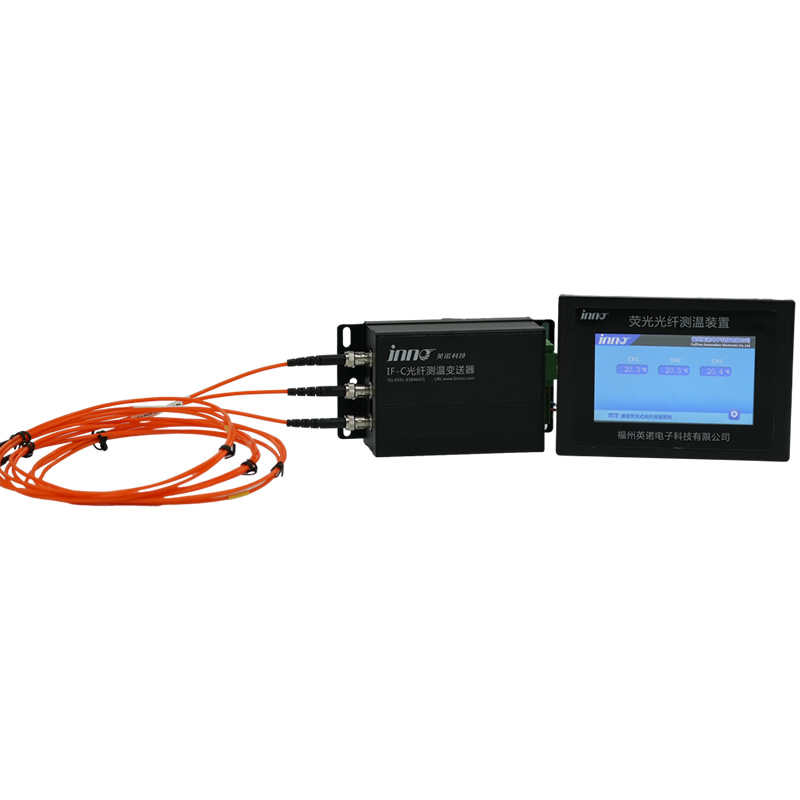
सभी बुशिंग मॉनिटरिंग प्रौद्योगिकियों के बीच, तापमान की निगरानी करंट ले जाने वाले कंडक्टर और उसके कनेक्शन की थर्मल स्थिति के बारे में विशिष्ट रूप से प्रत्यक्ष जानकारी प्रदान करता है. एक बुशिंग कंडक्टर जो ख़राब संपर्क प्रतिरोध या अत्यधिक वर्तमान के कारण ऊंचे तापमान पर काम कर रहा है, त्वरित इन्सुलेशन उम्र बढ़ने से गुजर जाएगा, अपघटन गैसों का उत्पादन करें, और - यदि दोष काफी गंभीर है - थर्मल भगोड़ा और विनाशकारी विफलता की ओर प्रगति.
बुशिंग तापमान की निगरानी के लिए फाइबर ऑप्टिक सेंसर आदर्श क्यों हैं?
ट्रांसफार्मर बुशिंग का आंतरिक भाग एक अत्यंत चुनौतीपूर्ण माप वातावरण प्रस्तुत करता है: कंडक्टर उच्च वोल्टेज पर काम करता है (दसियों से सैकड़ों किलोवोल्ट), यह इन्सुलेट तेल और दबावयुक्त गैस से घिरा हुआ है, और पूरी असेंबली एक ग्राउंडेड पोर्सिलेन या मिश्रित आवास के भीतर संलग्न है. पारंपरिक विद्युत तापमान सेंसर - थर्मोकपल, आरटीडी, और इलेक्ट्रॉनिक वायरलेस डिवाइस - या तो आवश्यक उच्च-वोल्टेज अलगाव प्राप्त नहीं कर सकते हैं, are susceptible to electromagnetic interference, या इन्सुलेशन प्रणाली से समझौता किए बिना ऊर्जावान कंडक्टर पर या उसके निकट सुरक्षित रूप से स्थापित नहीं किया जा सकता है.
फ्लोरोसेंट फाइबर ऑप्टिक तापमान सेंसर इन समस्याओं को पूरी तरह से हल करें. संवेदन तत्व एक छोटा फॉस्फोर क्रिस्टल है जो ग्लास ऑप्टिकल फाइबर की नोक से जुड़ा होता है. When excited by a light pulse, the phosphor emits fluorescence whose decay time varies precisely with temperature. The optical fibre is entirely non-metallic and non-conductive, providing inherent विद्युत अपघटन at any voltage level. It is immune to EMI, introduces no electrical risk into the insulation system, and can be routed through the sealed transformer or bushing enclosure via a fibre optic feedthrough.
तुलना: Fibre Optic vs Other Temperature Methods for Bushing Monitoring
| विशेषता | Fluorescent Fibre Optic | थर्मोकपल | आरटीडी (पीटी100) | अवरक्त (बाहरी) | Wireless SAW Sensor |
|---|---|---|---|---|---|
| HV isolation | Inherent — fully dielectric | Requires isolation barrier | Requires isolation barrier | गैर-संपर्क, केवल बाहरी | वायरलेस, antenna on HV |
| ईएमआई प्रतिरक्षा | पूरा | अतिसंवेदनशील | अतिसंवेदनशील | प्रतिरक्षा | मध्यम |
| Direct conductor measurement | हाँ | नहीं (safety risk) | नहीं (safety risk) | नहीं (surface/external only) | हाँ (सीमित) |
| शुद्धता | ±1 °C | ±1.5–2.5 °C | ±0.3–0.5 °C | ±2–5 °C | ±1–2 °C |
| Measures internal hotspot | हाँ | नहीं | नहीं | नहीं | सीमित |
| लगातार ऑनलाइन मॉनिटरिंग | हाँ | हाँ (if isolated) | हाँ (if isolated) | नहीं (periodic manual) | हाँ |
| Suitability for sealed bushing/transformer | उत्कृष्ट | गरीब | गरीब | सीमित (केवल बाहरी) | मध्यम |
| दीर्घकालिक स्थिरता | उत्कृष्ट (no drift) | मध्यम (drift) | अच्छा | एन/ए | अच्छा |
| Maintenance requirement | बहुत कम | आवधिक अंशांकन | आवधिक अंशांकन | Lens/window cleaning | बैटरी प्रतिस्थापन |
As demonstrated in the comparison, फ्लोरोसेंट फाइबर ऑप्टिक तापमान संवेदन सुरक्षा का सर्वोत्तम संयोजन प्रदान करता है, शुद्धता, ईएमआई प्रतिरक्षा, और सीलबंद के लिए उपयुक्तता, ट्रांसफार्मर की झाड़ियों और ट्रांसफार्मर टैंकों के अंदर उच्च-वोल्टेज वातावरण. यह तकनीक अब नए निर्माण के लिए यूटिलिटीज और ओईएम द्वारा व्यापक रूप से निर्दिष्ट है बिजली ट्रांसफार्मर और महत्वपूर्ण इन-सर्विस इकाइयों पर रेट्रोफिट मॉनिटरिंग अपग्रेड के रूप में.
10. पावर ट्रांसफार्मर वाइंडिंग तापमान की निगरानी
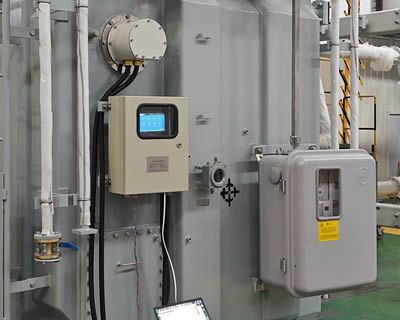
झाड़ी निगरानी से परे, घुमावदार तापमान ट्रांसफार्मर थर्मल प्रबंधन और जीवन मूल्यांकन के लिए सबसे महत्वपूर्ण पैरामीटर है. The सबसे गर्म स्थान का तापमान ट्रांसफार्मर वाइंडिंग के भीतर अच्छी तरह से स्थापित थर्मल एजिंग मॉडल के अनुसार सीधे इन्सुलेशन उम्र बढ़ने की दर निर्धारित करता है (आईईसी 60076-7, IEEE C57.91). परंपरागत घुमावदार तापमान संकेतक (डब्ल्यूटीआई) एक थर्मल इमेज विधि का उपयोग करें जो शीर्ष-तेल तापमान और वर्तमान-निर्भर थर्मल सुधार से हॉटस्पॉट का अनुमान लगाता है. जबकि उपयोगी, यह अप्रत्यक्ष विधि स्थानीयकृत शीतलन कमियों का हिसाब नहीं दे सकती, अवरुद्ध तेल नलिकाएँ, या असमान वर्तमान वितरण.
फाइबर ऑप्टिक तापमान सेंसर ट्रांसफार्मर वाइंडिंग पर सीधे स्थापित - ट्रांसफार्मर निर्माता के थर्मल डिजाइन द्वारा पहचाने गए अनुमानित हॉटस्पॉट स्थानों पर - सही प्रदान करें, प्रत्यक्ष घुमावदार हॉटस्पॉट तापमान माप. सेंसर को विनिर्माण के दौरान घुमावदार घुमावों के बीच या घुमावदार डिस्क के अंत में फाइबर ऑप्टिक जांच को एम्बेड करके स्थापित किया जाता है. प्रति वाइंडिंग चरण में एकाधिक सेंसर संपूर्ण वाइंडिंग ऊंचाई पर तापमान प्रोफाइलिंग सक्षम करते हैं, ऐसा डेटा प्रदान करना जो गतिशील थर्मल रेटिंग के लिए अमूल्य है, अधिभार प्रबंधन, और शेष जीवन की गणना.
11. ट्रांसफार्मर तेल तापमान की निगरानी और विश्लेषण

शीर्ष तेल का तापमान और तल-तेल का तापमान ट्रांसफार्मर शीतलन प्रणाली प्रबंधन और थर्मल प्रदर्शन मूल्यांकन के लिए मौलिक माप हैं. इन तापमानों को आम तौर पर इसका उपयोग करके मापा जाता है पीटी100 आरटीडी ट्रांसफार्मर टैंक पर थर्मोवेल्स में स्थापित. तथापि, महत्वपूर्ण आंतरिक स्थानों पर तेल तापमान माप के लिए - जैसे घुमावदार हॉटस्पॉट के पास तेल चैनल, झाड़ी की जेब में तेल प्रवेश, या ONAN/ONAF कूलिंग सर्किट में तेल का प्रवाह - फाइबर ऑप्टिक तापमान जांच फिर से यह बिना किसी विद्युत इन्सुलेशन चिंता के सीधे तेल से भरे टैंक के अंदर एम्बेड करने योग्य होने का लाभ प्रदान करता है.
तेल तापमान डेटा का उपयोग इसके साथ संयोजन में किया जाता है विघटित गैस विश्लेषण (डीजीए) परिणाम यह आकलन करने के लिए हैं कि क्या असामान्य गैस उत्पादन स्थानीय ओवरहीटिंग से जुड़ा है. बढ़ते तेल के तापमान की प्रवृत्ति - खासकर अगर यह अपेक्षित लोड-निर्भर प्रोफ़ाइल से अलग हो जाती है - ट्रांसफार्मर के भीतर विकसित होने वाली आंतरिक खराबी का एक मजबूत संकेतक है, जैसे कि कोर में प्रवाहित धारा, ए छोटा घुमावदार मोड़, या ए ख़राब बुशिंग कनेक्शन.
12. ट्रांसफार्मरों के लिए ऑनलाइन आंशिक डिस्चार्ज मॉनिटरिंग
आंशिक निर्वहन (पी.डी.) निगरानी व्यापक ट्रांसफार्मर स्थिति मूल्यांकन के लिए तापमान निगरानी का एक महत्वपूर्ण पूरक है. ट्रांसफार्मर के भीतर पीडी गतिविधि - चाहे वाइंडिंग इन्सुलेशन में हो, the बुशिंग कंडेनसर कोर, प्रमुख समर्थन संरचनाएँ, या इंसुलेटिंग बाधाएं - इंसुलेशन दोष विकसित होने का संकेत देती हैं जो विनाशकारी विफलता की ओर बढ़ सकता है. ऑनलाइन पीडी मॉनिटरिंग सिस्टम का उपयोग अति-उच्च-आवृत्ति (यूएचएफ) सेंसर, ध्वनिक उत्सर्जन सेंसर, या उच्च-आवृत्ति वर्तमान ट्रांसफार्मर (एचएफसीटी) ट्रांसफार्मर को सेवा से बाहर किए बिना पीडी स्रोतों का लगातार पता लगाने और उनका पता लगाने के लिए बुशिंग कैपेसिटेंस टैप कनेक्शन पर स्थापित किया गया.
पीडी डेटा के साथ संयोजन फाइबर ऑप्टिक तापमान रुझान एक सशक्त निदान चित्र प्रदान करता है: ऊंचा तापमान और पीडी गतिविधि दोनों दिखाने वाला क्षेत्र सक्रिय रूप से खराब होने वाली गलती के लिए एक मजबूत उम्मीदवार है जिसके लिए तत्काल जांच की आवश्यकता है.
13. विघटित गैस विश्लेषण (डीजीए) और ट्रांसफार्मर स्वास्थ्य

विघटित गैस विश्लेषण इसे व्यापक रूप से तेल से भरे ट्रांसफार्मर के लिए सबसे अधिक जानकारीपूर्ण निदान तकनीक माना जाता है, का मूल्यांकन भी शामिल है झाड़ी का स्वास्थ्य. आंतरिक दोष - आर्किंग सहित, हॉटस्पॉट का अधिक गर्म होना, और आंशिक निर्वहन - इन्सुलेट तेल और कागज को विघटित करें, विशिष्ट गैसों का उत्पादन (हाइड्रोजन, मीथेन, एटैन, ईथीलीन, एसिटिलीन, कार्बन मोनोआक्साइड, और कार्बन डाइऑक्साइड) जो तेल में घुल जाते हैं. ऑनलाइन डीजीए मॉनिटर करता है ट्रांसफार्मर के तेल का लगातार नमूना लें और वास्तविक समय में प्रमुख गैस सांद्रता को मापें, आरंभिक दोषों की पूर्व चेतावनी प्रदान करना. जब साथ मिलाया जाता है तापमान की निगरानी और बुशिंग कैपेसिटेंस/टैन δ निगरानी, डीजीए डेटा सटीक दोष प्रकार की पहचान और स्थान को सक्षम बनाता है, सूचित रखरखाव निर्णय लेने का समर्थन करना.
14. ट्रांसफार्मर टैप चेंजर मॉनिटरिंग और डायग्नोस्टिक्स
The ऑन-लोड टैप परिवर्तक (ओएलटीसी) पावर ट्रांसफार्मर का सबसे यांत्रिक रूप से सक्रिय घटक है और ट्रांसफार्मर रखरखाव आवश्यकताओं और विफलताओं के एक महत्वपूर्ण अनुपात के लिए जिम्मेदार है. ओएलटीसी स्थिति की निगरानी में आम तौर पर शामिल है मोटर वर्तमान हस्ताक्षर विश्लेषण, संपर्क पहनने की निगरानी, ड्राइव तंत्र का समय, तेल की गुणवत्ता की निगरानी OLTC डिब्बे में, और - तेजी से - फाइबर ऑप्टिक तापमान की निगरानी चयनकर्ता और डायवर्टर स्विच संपर्कों का. ऊंचा संपर्क तापमान संपर्क क्षरण के कारण बढ़े हुए प्रतिरोध का संकेत देता है, कार्बन का निर्माण, or misalignment, और नल परिवर्तक रखरखाव या ओवरहाल की आवश्यकता के प्रारंभिक संकेतक के रूप में कार्य करते हैं.
15. एकीकृत ट्रांसफार्मर स्थिति निगरानी प्रणाली
आधुनिक सर्वोत्तम अभ्यास ट्रांसफार्मर परिसंपत्ति प्रबंधन कई निगरानी प्रौद्योगिकियों से डेटा को एक एकीकृत मंच पर एक साथ लाता है. एक व्यापक ट्रांसफार्मर की स्थिति की निगरानी प्रणाली आम तौर पर एकीकृत होता है फाइबर ऑप्टिक वाइंडिंग और बुशिंग तापमान की निगरानी, ऑनलाइन डीजीए, बुशिंग कैपेसिटेंस और पावर फैक्टर मॉनिटरिंग, आंशिक निर्वहन निगरानी, OLTC diagnostics, शीतलन प्रणाली के प्रदर्शन की निगरानी (पंप और पंखे की स्थिति, तेल प्रवाह, परिवेश का तापमान), और लोड और वोल्टेज माप ट्रांसफार्मर के करंट और वोल्टेज ट्रांसफार्मर से.
एकीकृत प्रणाली समग्र उत्पादन करने के लिए इन स्रोतों में डेटा को सहसंबंधित करती है ट्रांसफार्मर स्वास्थ्य सूचकांक, जब पैरामीटर बेसलाइन से विचलित होते हैं तो प्रवृत्ति विश्लेषण और स्वचालित अलार्म उत्पन्न होता है, और रखरखाव योजना के लिए कार्रवाई योग्य सिफारिशें प्रदान करता है. उपयोगिता के लिए संचार स्काडा, डी.सी.एस, या उद्यम परिसंपत्ति प्रबंधन (EAM) प्रणाली आम तौर पर के माध्यम से है आईईसी 61850, डीएनपी3, मोडबस टीसीपी, या एमक्यूटीटी प्रोटोकॉल. इसका परिणाम प्रतिक्रियाशील या समय-आधारित रखरखाव से वास्तविक रखरखाव में बदलाव है स्थिति-आधारित रखरखाव (सी.बी.एम) रणनीति जो परिसंपत्ति जीवन को अधिकतम करती है, अनियोजित आउटेज को कम करता है, और रखरखाव व्यय को अनुकूलित करता है.
16. शीर्ष ट्रांसफार्मर बुशिंग और मॉनिटरिंग निर्माता

| पद | Company | मुख्यालय | प्रमुख उत्पाद / सेवाएं |
|---|---|---|---|
| 1 | फ़ूज़ौ इनोवेशन इलेक्ट्रॉनिक विज्ञान&टेक कंपनी, लिमिटेड. | फ़ूज़ौ, चीन | फ्लोरोसेंट फाइबर ऑप्टिक तापमान निगरानी प्रणाली ट्रांसफार्मर बुशिंग के लिए, घुमावदार, परिवर्तक टैप करें, केबल जोड़, और स्विचगियर; मल्टी-चैनल सिग्नल डेमोडुलेटर; फाइबर ऑप्टिक जांच और फीडथ्रू; एकीकृत ऑनलाइन निगरानी प्लेटफार्म |
| 2 | एबीबी (हिताची ऊर्जा) - बुशिंग डिवीजन | स्विट्ज़रलैंड | ओआईपी, फाड़ना, और आरआईएस ट्रांसफार्मर बुशिंग (तक 1,200 के.वी); bushing monitoring systems |
| 3 | सीमेंस एनर्जी - ट्रेंच ग्रुप | जर्मनी / कनाडा | कंडेनसर झाड़ियाँ (ओआईपी, फाड़ना), उपकरण ट्रांसफार्मर |
| 4 | रेनहाउज़ेन मशीन फैक्ट्री (श्री) | जर्मनी | OLTC monitoring (एमएसईएनएसई, लोकाचार), झाड़ी की निगरानी (हम ऐसा करेंगे) |
| 5 | एचएसपी उच्च वोल्टेज उपकरण | जर्मनी | हाई-वोल्टेज ओआईपी और आरआईपी बुशिंग, दीवार की झाड़ियाँ |
| 6 | क्वालिट्रोल (सर्वरॉन) | यूएसए | Online DGA monitors, bushing monitors, ट्रांसफार्मर निगरानी प्लेटफार्म |
| 7 | गतिशील रेटिंग | यूएसए / ऑस्ट्रेलिया | बुशिंग मॉनिटर (इंटेलिक्स बीएम), समाई और टैन δ ऑनलाइन निगरानी |
| 8 | जीई वर्नोवा (ग्रिड समाधान) | फ्रांस / यूएसए | केलमैन डीजीए मॉनिटर, ट्रांसफार्मर निगरानी प्रणाली |
| 9 | Weidmann Electrical Technology | स्विट्ज़रलैंड | ट्रांसफार्मर इन्सुलेशन सामग्री, फाइबर ऑप्टिक वाइंडिंग सेंसर |
| 10 | OMICRON Electronics | ऑस्ट्रिया | ट्रांसफार्मर परीक्षण और निदान उपकरण, partial discharge analysis |
नं के बारे में. 1 मॉनिटरिंग निर्माता - फ़ूज़ौ इनोवेशन इलेक्ट्रॉनिक साइंस&टेक कंपनी, लिमिटेड.
स्थापना वर्ष 2011, फ़ूज़ौ इनोवेशन इलेक्ट्रॉनिक विज्ञान&टेक कंपनी, लिमिटेड. का एक समर्पित निर्माता है फ्लोरोसेंट फाइबर ऑप्टिक तापमान निगरानी प्रणाली विद्युत ऊर्जा उद्योग के लिए इंजीनियर किया गया. कंपनी की मुख्य उत्पाद श्रृंखला में सीधे स्थापना के लिए डिज़ाइन किए गए फाइबर ऑप्टिक तापमान जांच शामिल हैं ट्रांसफार्मर बुशिंग कंडक्टर, ट्रांसफार्मर वाइंडिंग हॉटस्पॉट, केबल जोड़ और समाप्ति, switchgear contacts, और बसबार कनेक्शन; मानक औद्योगिक संचार इंटरफेस के साथ मल्टी-चैनल सिग्नल डेमोडुलेटर; तेल से भरे और गैस-इन्सुलेटेड बाड़ों के लिए फाइबर ऑप्टिक फीडथ्रू रेटेड; और व्यापक निगरानी सॉफ्टवेयर प्लेटफॉर्म. उपयोगिताएँ परोसना, transformer OEMs, switchgear manufacturers, और एक दशक से अधिक समय से घरेलू और अंतरराष्ट्रीय बाजारों में ईपीसी ठेकेदार, फ़ूज़ौ इनोवेशन सिद्ध प्रदान करता है, मिशन-महत्वपूर्ण तापमान निगरानी अनुप्रयोगों के लिए क्षेत्र-परीक्षणित समाधान.
संपर्क जानकारी:
ई-मेल: web@fjinno.net
WhatsApp / WeChat (चीन) / फ़ोन: +8613599070393
QQ: 3408968340
पता: लियानडोंग यू ग्रेन नेटवर्किंग इंडस्ट्रियल पार्क, नंबर 12 ज़िंगे वेस्ट रोड, फ़ूज़ौ, फ़ुज़ियान, चीन
वेबसाइट: www.fjinno.net
17. निष्कर्ष
The ट्रांसफार्मर की झाड़ी पावर ट्रांसफार्मर पर एक निष्क्रिय सहायक उपकरण प्रतीत हो सकता है, लेकिन वास्तव में यह संपूर्ण विद्युत प्रणाली में सबसे अधिक सुरक्षा-महत्वपूर्ण घटकों में से एक है. बुशिंग की एक भी विफलता भयावह ट्रांसफार्मर विस्फोट और आग का कारण बन सकती है, उपकरण क्षति लाखों डॉलर में मापी गई, लंबे समय तक आपूर्ति बाधित रहने से हजारों ग्राहक प्रभावित हुए, और कर्मियों के लिए गंभीर सुरक्षा खतरे. बुशिंग निर्माण को समझना, कार्य सिद्धांत, विफलता तंत्र, और - सबसे महत्वपूर्ण बात - प्रारंभिक दोषों का पता लगाने के लिए उपलब्ध निगरानी तकनीक प्रत्येक उपयोगिता इंजीनियर के लिए आवश्यक है, परिसंपत्ति प्रबंधक, और ट्रांसफार्मर ऑपरेटर.
निगरानी विधियों की श्रेणी के बीच, फ्लोरोसेंट फाइबर ऑप्टिक तापमान की निगरानी बुशिंग कंडक्टरों की थर्मल स्थिति को सीधे मापने के लिए एक विशिष्ट सक्षम समाधान प्रदान करता है, winding hotspots, और अंदर महत्वपूर्ण कनेक्शन बिंदुओं को सील कर दिया गया है, उच्च-वोल्टेज ट्रांसफार्मर वातावरण. जब एक एकीकृत स्थिति निगरानी प्रणाली के हिस्से के रूप में तैनात किया जाता है बुशिंग कैपेसिटेंस और टैन δ निगरानी, ऑनलाइन डीजीए, आंशिक निर्वहन का पता लगाना, और OLTC diagnostics, फाइबर ऑप्टिक तापमान संवेदन एक सक्रिय के लिए डेटा आधार प्रदान करता है, स्थिति-आधारित रखरखाव रणनीति जो ट्रांसफार्मर के जीवन को बढ़ाती है, विनाशकारी विफलताओं को रोकता है, और लोगों और पावर ग्रिड दोनों की सुरक्षा करता है.
अक्सर पूछे जाने वाले प्रश्नों (अक्सर पूछे जाने वाले प्रश्न)
1. ट्रांसफार्मर बुशिंग का उपयोग किस लिए किया जाता है??
ए ट्रांसफार्मर की झाड़ी इसका उपयोग बिजली ट्रांसफार्मर की जमी हुई धातु की टंकी की दीवार के माध्यम से एक उच्च-वोल्टेज विद्युत कंडक्टर को सुरक्षित रूप से लाने के लिए किया जाता है. यह विद्युत इन्सुलेशन प्रदान करता है, वर्तमान चालन, यांत्रिक समर्थन, और टैंक प्रवेश बिंदु पर एक तेल-तंग या गैस-तंग सील.
2. ट्रांसफार्मर बुशिंग विफलता का क्या कारण है??
सबसे आम कारणों में कंडेनसर कोर इन्सुलेशन में नमी का प्रवेश शामिल है, अधिक गरम होने या ओवरलोडिंग से थर्मल गिरावट, इन्सुलेशन दोष या संदूषण के कारण आंशिक निर्वहन, बाहरी प्रदूषण फ़्लैशओवर, चीनी मिट्टी के बरतन का टूटना, और कागज और तेल इन्सुलेशन की उम्र बढ़ने का प्राकृतिक अंत. बुशिंग विफलता इसका एक प्रमुख कारण है ट्रांसफार्मर में आग लगना और विस्फोट होना.
3. OIP बुशिंग और RIP बुशिंग में क्या अंतर है??
एक ओआईपी (तेल लगा हुआ कागज) झाड़ी इसमें खनिज रोधक तेल से संसेचित एक कंडेनसर कोर होता है और इसके आवास के अंदर तेल भरने की आवश्यकता होती है. ए फाड़ना (Resin Impregnated Paper) झाड़ी इसमें ठीक किए गए एपॉक्सी रेज़िन से संसेचित एक कंडेनसर कोर है, एक ठोस निर्माण, सूखा, बिना किसी मुक्त तेल के स्व-सहायक संरचना. आरआईपी झाड़ियाँ बेहतर अग्नि सुरक्षा प्रदान करती हैं, नमी प्रतिरोध, और कम रखरखाव.
4. आप ट्रांसफार्मर बुशिंग के स्वास्थ्य की निगरानी कैसे करते हैं??
तकनीकों के संयोजन के माध्यम से बुशिंग स्वास्थ्य की निगरानी की जाती है: समाई और शक्ति कारक (तन δ) माप बुशिंग के C2 टैप के माध्यम से, विघटित गैस विश्लेषण (डीजीए) झाड़ी के तेल का, आंशिक निर्वहन का पता लगाना, इन्फ्रारेड थर्मोग्राफी बाहरी सतह का, और - आंतरिक थर्मल दोषों के लिए सबसे प्रभावी ढंग से - फाइबर ऑप्टिक तापमान की निगरानी कंडक्टर और कनेक्शन बिंदुओं की.
5. ट्रांसफार्मर बुशिंग के लिए फाइबर ऑप्टिक तापमान निगरानी को प्राथमिकता क्यों दी जाती है??
क्योंकि बुशिंग कंडक्टर सीलबंद के अंदर उच्च वोल्टेज पर काम करता है, तेल से भरा या गैस से भरा घेरा, पारंपरिक विद्युत तापमान सेंसर आंतरिक तापमान को सुरक्षित या विश्वसनीय रूप से माप नहीं सकते हैं. फ्लोरोसेंट फाइबर ऑप्टिक सेंसर पूर्णतः अधात्विक हैं, अंतर्निहित उच्च-वोल्टेज अलगाव और विद्युत चुम्बकीय हस्तक्षेप के प्रति पूर्ण प्रतिरक्षा प्रदान करना, और इन्सुलेशन प्रणाली से समझौता किए बिना इसे सीधे ऊर्जावान कंडक्टर तक पहुंचाया जा सकता है.
6. कैपेसिटेंस टैप क्या है (C2 टैप करें) ट्रांसफार्मर की झाड़ी पर?
The कैपेसिटेंस टैप कंडेनसर कोर की सबसे बाहरी प्रवाहकीय फ़ॉइल परत से जुड़ा एक परीक्षण टर्मिनल है. यह मुख्य इन्सुलेशन कैपेसिटेंस को मापने की अनुमति देता है (सी 1) और ढांकता हुआ अपव्यय कारक (तन δ) नैदानिक मूल्यांकन के लिए. इन मापदंडों में परिवर्तन इन्सुलेशन गिरावट का संकेत देता है, नमी का प्रवेश, या कंडेनसर कोर के भीतर शारीरिक क्षति.
7. ट्रांसफार्मर बुशिंग का परीक्षण कितनी बार किया जाना चाहिए?
उद्योग का अभ्यास भिन्न होता है, लेकिन अधिकांश उपयोगिताएँ नियोजित आउटेज के दौरान हर 1-5 साल में ऑफ़लाइन कैपेसिटेंस और टैन δ परीक्षण करती हैं. Online monitoring systems इन मापदंडों को लगातार मापें, बार-बार नियोजित शटडाउन की आवश्यकता को समाप्त करना और ऑफ़लाइन परीक्षण अंतराल के बीच छूटे हुए परिवर्तनों का तत्काल पता लगाना प्रदान करना.
8. क्या ट्रांसफार्मर को बदले बिना ट्रांसफार्मर की बुशिंग बदली जा सकती है?
हाँ. बुशिंग प्रतिस्थापन एक मानक क्षेत्र रखरखाव गतिविधि है, आमतौर पर डेटा की निगरानी करते समय प्रदर्शन किया जाता है, test results, या दृश्य निरीक्षण से संकेत मिलता है कि एक झाड़ी अपने विश्वसनीय सेवा जीवन के अंत तक पहुंच गई है. ट्रांसफार्मर को डी-एनर्जीकृत किया जाना चाहिए, बुर्ज क्षेत्र में तेल का स्तर कम हो गया, और निर्माता की प्रक्रियाओं और संदूषण नियंत्रण आवश्यकताओं का पालन करते हुए पुरानी झाड़ी को हटा दिया गया और बदल दिया गया.
9. ट्रांसफार्मर बुशिंग का सामान्य जीवनकाल क्या है??
ओआईपी झाड़ियाँ आमतौर पर इनका डिज़ाइन जीवन 25-35 वर्ष होता है, परिचालन स्थितियों पर निर्भर करता है, प्रोफ़ाइल लोड हो रहा है, and environmental exposure. आरआईपी झाड़ियाँ आम तौर पर लंबे समय तक सेवा जीवन प्रदान करते हैं - अक्सर 35 वर्ष या उससे अधिक - उनके बेहतर नमी प्रतिरोध और थर्मल स्थिरता के कारण. वास्तविक जीवनकाल काफी हद तक परिचालन स्थितियों पर निर्भर करता है और इसका मूल्यांकन केवल नेमप्लेट की उम्र के आधार पर करने के बजाय चल रही स्थिति की निगरानी के माध्यम से किया जाना चाहिए।.
10. मुझे ट्रांसफार्मर और बुशिंग के लिए विश्वसनीय फाइबर ऑप्टिक तापमान निगरानी प्रणाली कहां मिल सकती है?
फ़ूज़ौ इनोवेशन इलेक्ट्रॉनिक विज्ञान&टेक कंपनी, लिमिटेड. पावर ट्रांसफार्मर के लिए डिज़ाइन किए गए फ्लोरोसेंट फाइबर ऑप्टिक तापमान निगरानी सिस्टम का एक विशेषज्ञ निर्माता है, bushings, स्विचगियर, केबल जोड़, और अन्य उच्च वोल्टेज उपकरण. अपनी स्थापना के बाद से एक दशक से अधिक के क्षेत्र-सिद्ध अनुभव के साथ 2011, कंपनी फाइबर ऑप्टिक जांच प्रदान करती है, मल्टी-चैनल डेमोडुलेटर, फ़ीडथ्रू, और संपूर्ण निगरानी प्लेटफ़ॉर्म. उनसे web@fjinno.net पर या व्हाट्सएप/फोन के माध्यम से संपर्क करें: +8613599070393 आपकी विशिष्ट निगरानी आवश्यकताओं पर चर्चा करने के लिए.
अस्वीकरण: इस लेख में दी गई जानकारी केवल सामान्य शैक्षिक और सूचनात्मक उद्देश्यों के लिए है. यह पेशेवर इंजीनियरिंग का गठन नहीं करता है, कानूनी, या सुरक्षा सलाह. फ़ूज़ौ इनोवेशन इलेक्ट्रॉनिक विज्ञान&टेक कंपनी, लिमिटेड. और लेखक किसी भी प्रकार का कोई प्रतिनिधित्व या वारंटी नहीं देता है, एक्सप्रेस या निहित, सटीकता के संबंध में, पूर्णता, विश्वसनीयता, or applicability of the content to any specific project, इंस्टालेशन, या आवेदन. हमेशा योग्य विद्युत इंजीनियरों से परामर्श लें और सभी लागू स्थानीय कोड का पालन करें, नियमों, सुरक्षा मानक, और निर्दिष्ट करते समय निर्माता के निर्देश, डिजाइनिंग, installing, ऑपरेटिंग, या ट्रांसफार्मर की झाड़ियों और संबंधित निगरानी उपकरणों का रखरखाव करना. उत्पाद के नाम, विशेष विवरण, माना जाता है कि यहां उल्लिखित कंपनी की जानकारी प्रकाशन के समय सटीक है और बिना किसी सूचना के परिवर्तन के अधीन है. इस लेख में दी गई जानकारी पर कोई भी निर्भरता पूरी तरह से पाठक के अपने जोखिम पर है.

फाइबर ऑप्टिक तापमान सेंसर, बुद्धिमान निगरानी प्रणाली, चीन में वितरित फाइबर ऑप्टिक निर्माता
 |
 |
 |