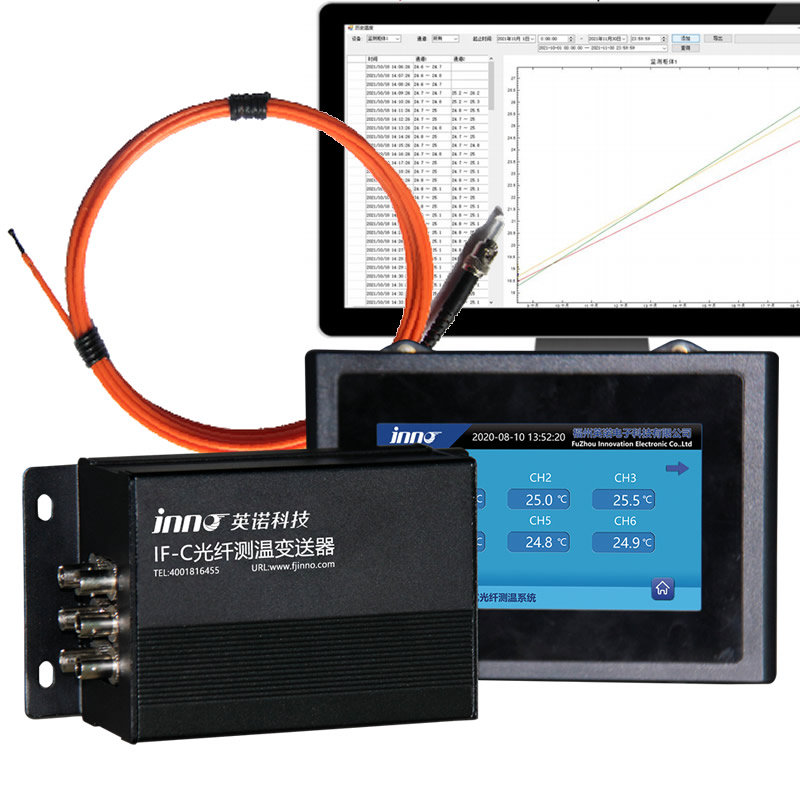
 INNO फाइबर ऑप्टिक तापमान सेंसर ,तापमान निगरानी प्रणाली.
Core Advantages of Power Plant Software Asset Management Software
Software asset visualization management increases utilization by over 40% – Through real-time monitoring of critical power software usage including DCS, स्काडा, and temperature monitoring systems, optimize license allocation, avoid idle waste, and maximize software investment returns
Power plant software procurement costs reduced by 30-35% – Accurately grasp the actual needs of generator unit monitoring software and transformer management systems, avoid duplicate purchases, and obtain better prices through bulk licensing negotiations
Software compliance management ensures avoidance of audit penalty risks – Automatically track power industry-specific software license status, ensuring completely compliant software usage across all types of power generation facilities including thermal power plants, hydropower stations, और परमाणु ऊर्जा संयंत्र
स्वचालित सॉफ़्टवेयर परिनियोजन द्वारा मैन्युअल कार्यभार को कम करता है 80% – स्विचगियर मॉनिटरिंग सॉफ़्टवेयर से लेकर टरबाइन प्रदर्शन विश्लेषण प्रणाली तक, सभी स्वचालित तैनाती प्राप्त करते हैं, अपडेट, और रखरखाव, पावर प्लांट आईटी परिचालन दक्षता में उल्लेखनीय सुधार
वास्तविक समय निगरानी प्रणाली बिजली उपकरण प्रबंधन सॉफ्टवेयर लाइसेंस आवंटन का अनुकूलन करें – ट्रांसफार्मर तापमान निगरानी और जनरेटर स्टेटर तापमान वृद्धि विश्लेषण जैसे पेशेवर सॉफ़्टवेयर के लिए उपयोगकर्ता आवंटन को गतिशील रूप से समायोजित करें, महत्वपूर्ण पदों के लिए प्राथमिकता उपयोग सुनिश्चित करना
एकीकृत प्रबंधन मंच द्वारा विद्युत प्रणाली की परिचालन दक्षता में सुधार होता है 50% – बॉयलर नियंत्रण सहित विभिन्न प्रकार के सॉफ़्टवेयर को एकीकृत करें, टरबाइन निगरानी, और विद्युत उपकरण प्रबंधन को एक एकीकृत मंच पर लाना, केंद्रीकृत नियंत्रण और त्वरित प्रतिक्रिया प्राप्त करना
सॉफ्टवेयर जीवनचक्र प्रबंधन पावर सॉफ़्टवेयर उपयोग अवधि को बढ़ाता है 20-25% – Through standardized management and timely maintenance, extend the service life of expensive power professional software, protecting power plant IT investments
Hybrid deployment architecture supports grid dispatch and plant-level monitoring systems – Flexibly adapts to the complex environment of modern smart power plants with coexisting cloud-based SCADA systems and local DCS systems
The Critical Role of Power Plant Software Asset Management in Power Production
Software Support System for Digital Power Plant Operations
Modern power plant digital transformation has fully shifted from traditional mechanized operations to intelligent management models. From boiler combustion optimization systems to turbine generator performance monitoring, from transformer temperature online monitoring to high-voltage switchgear condition assessment, every link relies on professional software support. These software systems not only control power generation equipment worth hundreds of millions but also directly relate to grid security and power supply stability.
Thermal power plant DCS systems control the coordinated operation of boilers, टर्बाइन, और जनरेटर, where any software failure could lead to unit trips. DCS software includes multiple modules such as operator stations, engineer stations, and historian stations, each requiring precise version management and authorization control. Supporting auxiliary systems like SIS safety instrumented systems and DEH turbine digital electro-hydraulic control systems are all critical software assets ensuring safe unit operation.
Substation SCADA systems monitor the operating parameters of every transformer, with temperature monitoring software analyzing winding hot spot temperatures in real-time to ensure equipment safety. Modern substations also deploy numerous online monitoring devices, such as transformer oil chromatography online monitoring, GIS partial discharge monitoring, and arrester leakage current monitoring, with each device equipped with specialized analysis software requiring a unified management platform for integration.
Importance of Power Equipment Monitoring Software
Switchgear online monitoring software continuously evaluates the health status of circuit breakers and busbars. As critical control and protection equipment in power systems, the operational reliability of high-voltage switchgear directly affects power supply safety. Temperature monitoring is an important means of switchgear condition assessment. By installing temperature sensors at key locations such as contacts and busbar connection points, combined with professional monitoring software, problems like poor contact and overload can be discovered in time.
Generator condition monitoring systems have increasingly powerful software functions. Beyond traditional vibration and temperature monitoring, modern generator monitoring software includes advanced functions such as stator partial discharge analysis, rotor inter-turn short circuit detection, shaft voltage monitoring, and air gap monitoring. These software programs extract fault characteristics from massive sensor data through complex signal processing algorithms, achieving early fault warning.
Transformer comprehensive monitoring platforms integrate multiple monitoring functions. Oil temperature monitoring reflects cooling system effectiveness, winding temperature monitoring evaluates insulation aging status, core grounding current monitoring prevents multi-point grounding faults, and dissolved gas analysis in oil diagnoses internal discharge and overheating defects. These originally independent monitoring systems achieve data sharing and comprehensive diagnosis through power plant software asset management software.
What is Power Plant Software Asset Management? How Does It Support Power System Operations?
Definition and Scope of Power Plant Software Assets
Power plant software asset management systems refer to systematic methods for full lifecycle management of all software resources in power generation plants, उपकेंद्रों, वितरण नेटवर्क, and other power facilities. These software assets span from bottom-layer PLC programming software and DCS configuration software, to mid-level unit performance calculation and electrical equipment monitoring software, to upper-level power generation planning optimization and electricity trading management systems.
Power production control software forms the core of software assets. DCS distributed control systems handle unit start-stop control, भार विनियमन, and safety protection; PLC programmable controllers manage auxiliary systems like water treatment, ash removal, and desulfurization; SCADA data acquisition and monitoring systems enable remote monitoring and control; EMS energy management systems optimize plant-wide energy utilization efficiency. Each type of software has specific licensing methods and technical requirements.
Equipment condition monitoring software has developed rapidly in recent years. Transformer oil chromatography online analysis systems judge internal faults by detecting dissolved gases in oil; GIS partial discharge monitoring software identifies insulation defects; generator stator winding temperature distribution analysis systems evaluate cooling effects and insulation status. These professional software programs are typically expensive, and reasonable asset management can significantly reduce investment costs.
Software Assets’ Operating Mechanism in Power Systems
Power plant software asset management software plays the role of a central nervous system in power plant operations. It manages not only traditional production control software but also increasingly important equipment health management software, ensuring efficient utilization and safe operation of all software assets.
बड़ी जनरेटर इकाई निगरानी सॉफ्टवेयर एकीकरण प्रबंधन विशेष रूप से महत्वपूर्ण है. 600MW टरबाइन जनरेटर इकाई की रोटर तापमान निगरानी प्रणाली वास्तविक समय में सैकड़ों माप बिंदुओं से तापमान डेटा एकत्र कर सकती है, शीतलन प्रणाली की प्रभावशीलता का आकलन करने और असर विफलता जोखिमों की भविष्यवाणी करने के लिए पेशेवर विश्लेषण सॉफ्टवेयर का उपयोग करना. स्टेटर तापमान की निगरानी अधिक जटिल है, स्लॉट्स में तापमान वितरण के विश्लेषण की आवश्यकता है, अंत क्षेत्र, कोर, और इन्सुलेशन उम्र बढ़ने की डिग्री का मूल्यांकन करने के लिए अन्य स्थान. डेटा साझाकरण और समन्वित नियंत्रण प्राप्त करने के लिए इन निगरानी सॉफ़्टवेयर प्रोग्रामों को डीसीएस सिस्टम के साथ सहजता से एकीकृत होना चाहिए.
स्मार्ट सबस्टेशन सॉफ्टवेयर सिस्टम विद्युत प्रणालियों के विकास की दिशा का प्रतिनिधित्व करते हैं. IEC61850 मानकों पर आधारित सबस्टेशन स्वचालन प्रणाली सुरक्षा को एकीकृत करती है, माप और नियंत्रण, निगरानी, and other functions on a unified platform. Transformer intelligent electronic devices (आईईडी) run multiple software modules including temperature monitoring, तेल स्तर की निगरानी, and gas protection; switchgear IEDs include current protection, तापमान की निगरानी, mechanical characteristic recording, और अन्य कार्य. These distributed software assets require centralized management platforms for version control and configuration management.
Main Challenges and Response Strategies for Power Plant Software Asset Management
Management Challenges from Software Complexity
Power industry specialized software presents unique challenges for asset management. From turbine thermal calculation software to relay protection setting software, from boiler combustion optimization systems to generator excitation control programs, each type of software requires professional knowledge for proper management. Dependencies between software are complex with strict version compatibility requirements.
Temperature monitoring software management faces special difficulties. Transformer winding fiber optic temperature measurement systems, switchgear contact temperature rise monitoring software, generator stator slot temperature monitoring programs, आदि।, are often bound to specific hardware sensors, requiring strict hardware-software version matching. The diversity of sensor types (आरटीडी, थर्मोकपल, फाइबर ऑप्टिक, अवरक्त, आदि।) leads to varying software interfaces and non-unified data formats, bringing integration management challenges.
Real-time control software update management is particularly tricky. विकास, पीएलसी, and other control system software directly affect production safety, and any updates require strict testing and verification. The continuity requirements of power production make software update windows extremely limited, आम तौर पर यह केवल वार्षिक ओवरहाल के दौरान ही संभव होता है. उत्पादन सुरक्षा सुनिश्चित करते हुए सॉफ्टवेयर की कमजोरियों को समय पर कैसे ठीक किया जाए और कार्यों को अपग्रेड कैसे किया जाए, यह एक प्रमुख मुद्दा है जिसे पावर प्लांट सॉफ्टवेयर एसेट मैनेजमेंट सॉफ्टवेयर को हल करना चाहिए.
लाइसेंस और अनुपालन प्रबंधन चुनौतियाँ
सॉफ़्टवेयर लाइसेंस प्रबंधन अराजकता यह बिजली कंपनियों के सामने आने वाली एक आम समस्या है. बिजली उपकरण निर्माता आमतौर पर उपकरण के साथ सहायक सॉफ्टवेयर प्रदान करते हैं, जैसे कि सीमेंस टरबाइन मॉनिटरिंग सिस्टम, एबीबी ट्रांसफार्मर प्रबंधन सॉफ्टवेयर, श्नाइडर स्विचगियर निगरानी प्लेटफार्म, आदि।, अलग-अलग लाइसेंसिंग विधियों के साथ. कुछ बिंदु गणना के आधार पर चार्ज करते हैं, कुछ कार्यात्मक मॉड्यूल द्वारा, और अन्य हार्डवेयर के साथ बंडल करके बेचे जाते हैं.
अनुपालन जोखिम अनदेखा नहीं किया जा सकता. बिजली उद्योग सख्त सुरक्षा और पर्यावरण नियमों के अधीन है, and related monitoring and reporting software must comply with national standards and industry specifications. उदाहरण के लिए, Continuous Emission Monitoring System (सीईएमएस) software must pass environmental certification, and power quality monitoring software needs to meet grid company access requirements. Without a unified management platform, compliance issues such as expired certifications and untimely standard updates easily occur.
Software asset inventory difficulties exacerbate management complexity. Large power plant software assets are scattered across multiple physical locations including control rooms, local control cabinets, engineer stations, and server rooms, involving multiple departments such as production, अनुरक्षण, and management. Traditional manual inventory methods are not only time-consuming but also prone to omissions. Particularly, some embedded software and firmware are often overlooked but equally need management and maintenance.
Necessity Analysis of Professional Power Plant Software Asset Management Systems
Limitations of Traditional Management Models
Manual Excel management methods can no longer meet the needs of modern smart power plants. Taking a typical 2×600MW thermal power plant as an example, the main unit DCS system alone includes over 20 operator station software sets, 5 engineer station software sets, 3 historian database software sets, और खत्म होता है 10 communication gateway software sets. Adding various auxiliary control systems, ऑनलाइन निगरानी प्रणाली, and management information systems, the total software count easily exceeds 500 sets.
Information silo phenomenon severely affects management efficiency. The production department manages DCS and SIS software, विद्युत विभाग रिले सुरक्षा और निगरानी सॉफ्टवेयर के लिए जिम्मेदार है, आईटी विभाग कार्यालय और प्रबंधन सॉफ्टवेयर संभालता है, और उपकरण विभाग पेशेवर विश्लेषण सॉफ्टवेयर पर ध्यान केंद्रित करता है. प्रत्येक विभाग जानकारी साझा किए बिना स्वतंत्र रूप से प्रबंधन करता है, अक्सर इसके परिणामस्वरूप डुप्लिकेट खरीदारी या महत्वपूर्ण सॉफ़्टवेयर अप्रबंधित हो जाते हैं. जब प्लांट-वाइड सॉफ़्टवेयर परिसंपत्ति रिपोर्ट की आवश्यकता होती है, संकलन और सांख्यिकी कठिन कार्य बन जाते हैं.
निष्क्रिय रखरखाव मॉडल सुरक्षा संबंधी खतरे लाना. कार्रवाई करने से पहले सॉफ़्टवेयर विफलता होने या लाइसेंस समाप्त होने तक प्रतीक्षा करना अक्सर बहुत देर हो चुकी होती है. ऐसे मामले सामने आए हैं जहां बिजली संयंत्र समय पर ट्रांसफार्मर निगरानी सॉफ्टवेयर लाइसेंस को नवीनीकृत करने में विफल रहे, जिससे मॉनिटरिंग फ़ंक्शन विफल हो जाते हैं और वाइंडिंग ओवरहीटिंग चेतावनी संकेत गायब हो जाते हैं, अंततः उपकरण क्षति हुई. Similar cases are not uncommon in the industry, highlighting the importance of proactive management.
Efficiency Improvements from Digital Management
Professional power plant software asset management software completely changes the passive management situation through automatic discovery, intelligent classification, वास्तविक समय में निगरानी, and other technical means. The system can automatically scan all software assets in the power plant network, from main control DCS to field temperature acquisition terminals, establishing a complete software asset inventory.
निवेश पर प्रतिफल (लागत पर लाभ) विश्लेषण is convincing. After implementing a software asset management system, a large thermal power plant saved 2 million yuan in software procurement costs in the first year through optimizing license allocation; avoided 3 potential system failures through timely version updates and patch management, reducing unplanned downtime losses by over 5 मिलियन युआन; obtained a 15% discount from software suppliers through unified procurement negotiations. The system investment was fully recovered within 18 महीने.
Risk control capabilities are significantly enhanced. The system establishes complete software ledgers, including version information, license status, update history, known issues, आदि।, providing data support for risk assessment. By setting automated mechanisms such as license expiration reminders, version update notifications, and security vulnerability warnings, potential risks are eliminated in their infancy. For critical power equipment monitoring software, the system also provides redundant license management to ensure monitoring functions don’t interrupt during primary-backup switching.
Core Functional Modules of Power Plant Software Asset Management Software
Refined Management of Power Production Control System Software
DCS software version control is the foundation for ensuring stable control system operation. Large thermal power unit DCS systems typically contain dozens of control stations, each running different functional software modules. Power plant software asset management software needs to precisely track each station’s operating system version, DCS software version, configuration program version, graphical interface version, and other detailed information to ensure compatibility of all components.
SCADA system software management covers multiple layers including front-end communication, real-time databases, human-machine interfaces, and historical data archiving. The system must manage not only the software itself but also track versions of various communication protocol drivers and device drivers. For software modules supporting standard protocols like IEC61850 and IEC60870-5-104, special attention needs to be paid to protocol stack updates to ensure interoperability with other systems.
Real-time database software is the core of power plant information systems. Products like PI System, eDNA, and industrial real-time databases are typically licensed by point count, and reasonable point allocation and archiving strategies can significantly reduce costs. Software asset management systems need to monitor actual database usage, identify zombie points and duplicate points, and optimize data collection schemes.
Unified Management Platform for Equipment Condition Monitoring Software
Turbine Supervisory Instrumentation (TSI) is critical monitoring software in thermal power plants. The system includes multiple monitoring modules such as shaft vibration, shaft displacement, differential expansion, cylinder expansion, रफ़्तार, and eccentricity, each with independent software components. Power plant software asset management software needs to ensure version consistency of these modules to avoid data communication anomalies due to version mismatches.
Generator online monitoring software suites have increasingly rich functions. Stator temperature monitoring software evaluates cooling system effects and insulation status by analyzing temperature distribution of windings and cores; rotor temperature monitoring software focuses on temperature rise at key locations like slip rings and bearings; आंशिक डिस्चार्ज मॉनिटरिंग सॉफ्टवेयर उच्च-आवृत्ति सिग्नल विश्लेषण के माध्यम से इन्सुलेशन दोषों की पहचान करता है. इन पेशेवर सॉफ़्टवेयर प्रोग्रामों को समन्वित निगरानी और सुरक्षा प्राप्त करने के लिए जनरेटर सुरक्षा प्रणालियों के साथ डेटा साझा करने की आवश्यकता होती है.
ट्रांसफार्मर की स्थिति का आकलन करने वाला सॉफ्टवेयर बहु-स्रोत निगरानी डेटा को एकीकृत करता है. तेल तापमान की निगरानी शीतलन प्रणाली की स्थिति की जानकारी प्रदान करती है, घुमावदार तापमान की निगरानी लोड क्षमता को दर्शाती है, तेल क्रोमैटोग्राफी विश्लेषण आंतरिक दोष प्रकारों का निदान करता है, और आंशिक डिस्चार्ज डिटेक्शन इन्सुलेशन स्थिति का मूल्यांकन करता है. आधुनिक ट्रांसफार्मर मॉनिटरिंग सॉफ्टवेयर कृत्रिम बुद्धिमत्ता एल्गोरिदम भी पेश करता है, अग्रिम दोष पूर्वानुमान प्राप्त करने के लिए मशीन लर्निंग के माध्यम से उपकरण स्वास्थ्य मॉडल स्थापित करना.
बुद्धिमान विश्लेषण और निर्णय समर्थन कार्य
सॉफ़्टवेयर उपयोग विश्लेषण helps optimize investments. By monitoring metrics such as login frequency, usage duration, and function call frequency for each software, high-value software and idle software are identified. A power plant discovered through analysis that turbine performance analysis software worth 500,000 yuan was only used twice per month on average, deciding to switch to an on-demand rental model, बचत 80,000 yuan in annual maintenance costs.
License optimization algorithms achieve dynamic allocation. For floating licenses, the system intelligently schedules license resources based on historical usage patterns and real-time demands. License pools are automatically expanded during peak work periods and redundant licenses are released during idle times. For software with concurrent user limits, queuing mechanisms and priority management are established to ensure critical tasks receive necessary software resources.
Compliance automated auditing reduces legal risks. The system regularly scans all software authorization status, comparing with procurement contracts and license agreements to identify violations such as out-of-scope use and expired use. For industry software requiring periodic certification, such as environmental monitoring software and metering management software, the system issues renewal reminders in advance to ensure continuous compliance.
Software Asset Management Characteristics for Different Types of Power Plants
Complexity of Thermal Power Plant Software Asset Management
Coal-fired power plant software systems are the most extensive and complex. The boiler side includes combustion optimization software, soot blowing optimization software, coal quality analysis software, and air-flue gas system control software; the turbine side has thermal performance calculation, कंपन विश्लेषण, oil monitoring, condenser performance evaluation, and other professional software; the electrical side covers generator monitoring, ट्रांसफार्मर की निगरानी, स्विचगियर निगरानी, relay protection management, and other systems. Each type of software has specific technical requirements and management priorities.
Environmental monitoring software occupies an important position in thermal power plants. Continuous Emission Monitoring Systems (सीईएमएस), wastewater online monitoring systems, noise monitoring systems, आदि।, must meet environmental department certification requirements. Desulfurization and denitrification control software must not only ensure emission compliance but also optimize reagent consumption to reduce operating costs. Data from these software systems is directly uploaded to environmental regulatory platforms, and any failure could result in environmental penalties.
Energy-saving optimization software comes in many varieties. Boiler combustion optimization reduces NOx generation while ensuring combustion stability by adjusting air-coal ratio, burner swing angles, और अन्य पैरामीटर; turbine cold-end optimization improves unit efficiency by adjusting circulating water flow based on environmental conditions; plant-wide thermal system optimization coordinates subsystem operation to minimize energy consumption. These optimization software programs typically use advanced algorithms and models, requiring regular updates to adapt to equipment aging and coal quality changes.
Special Management Requirements for Hydropower Station Software Assets
Hydro turbine generator monitoring software has unique characteristics. In addition to conventional vibration and temperature monitoring, it includes hydraulic performance monitoring, cavitation monitoring, pressure pulsation analysis, and other hydropower-specific functions. Large hydropower stations often have multiple units, and centralized monitoring systems need to uniformly manage monitoring software for each unit, ensuring consistent data formats for convenient horizontal comparative analysis.
Hydraulic structure safety monitoring software relates to dam safety. विरूपण निगरानी, seepage monitoring, stress-strain monitoring, and other systems generate massive data requiring professional software for analysis and warning. These software programs typically integrate with Geographic Information Systems (गिस) and 3D modeling software to achieve visual display of monitoring data. Software reliability requirements are extremely high, as any failure could affect judgment of dam safety status.
Cascade dispatch optimization software is core for river basin power stations. Through inputs such as hydrological forecasting, load prediction, and electricity price analysis, it optimizes power generation plans for each station to maximize cascade benefits. This type of software involves complex mathematical models and optimization algorithms, closely interfacing with grid dispatch systems, requiring strict interface management and data security protection.
New Characteristics of Renewable Energy Power Plant Software Management
Wind farm SCADA software faces distributed management challenges. Each wind turbine is an independent control system running main control PLC software, pitch control software, converter control software, आदि. Wind farm centralized control centers need to manage software versions for dozens or even hundreds of turbines, ensuring consistent execution of group control strategies. Different manufacturers’ turbine software interfaces vary, bringing difficulties to unified management.
Solar power plant monitoring software updates and iterates rapidly. Inverter monitoring software, combiner box monitoring software, tracking system control software, आदि।, are all evolving quickly to adapt to component efficiency improvements and changing grid connection requirements. New functions such as intelligent IV curve scanning, string-level monitoring, and fault location algorithms are constantly emerging, requiring flexible software asset management strategies.
Energy storage power plant management software represents future directions. Battery Management System (बीएमएस) software monitors voltage, तापमान, and SOC/SOH status of each cell; Energy Management System (ईएम) software optimizes charge-discharge strategies; thermal management software ensures batteries operate within optimal temperature ranges. These software programs are closely related to battery technology, and with rapid battery technology advancement, software update frequency is extremely high. Power plant software asset management software must adapt to these rapidly changing characteristics.
FJINNO’s Professional Advantages in Power Plant Software Asset Management
Deep Industry Accumulation and Project Experience
FJINNO as a professional power plant software asset management software supplier has accumulated rich project experience in the global power industry. We deeply understand the special needs of different types of power plants, from gas turbine plants in tropical regions to cogeneration units in cold zones, from coastal nuclear power stations to plateau hydropower stations, all with successful implementation cases.
Middle East gas turbine projects demonstrate our technical strength. In a 9F-class combined cycle power plant project, FJINNO successfully integrated GE’s Mark VIe control system, सीमेंस’ T3000 turbine monitoring system, and Emerson’s Ovation DCS system. Facing interface differences and non-unified data formats from different manufacturers’ सॉफ़्टवेयर, we developed unified data conversion middleware to achieve seamless integration of heterogeneous systems. Particularly in extreme high-temperature environments (summer temperatures exceeding 50°C), equipment cooling became a critical issue, and our software asset management system ensured stable operation of all temperature monitoring software, providing equipment safety assurance.
Southeast Asian coal-fired power plant projects reflect localization service capabilities. In an Indonesian 2×660MW ultra-supercritical unit project, FJINNO not only provided software asset management systems but also helped customers establish complete software management systems. Considering local technical personnel’s language background, we provided trilingual interfaces in Indonesian, अंग्रेज़ी, और चीनी, and developed graphical operation guides. For the impact of tropical high-humidity environments on electronic equipment, we particularly strengthened management of switchgear anti-condensation monitoring software and cable temperature monitoring software, चेतावनी तंत्र के माध्यम से नमी के कारण होने वाली कई उपकरण विफलताओं को सफलतापूर्वक टालना.
नवोन्वेषी तकनीकी समाधान
तापमान निगरानी सॉफ्टवेयर एकीकरण प्रौद्योगिकी FJINNO की मुख्य दक्षताओं में से एक है. हमारे विकसित एकीकृत डेटा इंटरफ़ेस मानक विभिन्न तापमान निगरानी प्रणालियों को निर्बाध रूप से एकीकृत कर सकते हैं: केबलों और बसबारों की निरंतर तापमान निगरानी के लिए वितरित फाइबर ऑप्टिक तापमान माप; स्विचगियर मूविंग और स्थिर संपर्कों के तापमान संग्रह के लिए वायरलेस तापमान माप; उपकरण की सतह के तापमान की स्कैनिंग के लिए इन्फ्रारेड थर्मल इमेजिंग; जनरेटर स्टेटर और ट्रांसफार्मर वाइंडिंग के आंतरिक तापमान की निगरानी के लिए एम्बेडेड सेंसर. मल्टी-सोर्स डेटा फ़्यूज़न तकनीक के माध्यम से, हम संपूर्ण उपकरण तापमान क्षेत्र मॉडल का निर्माण करते हैं, achieving early warning and precise location of thermal faults.
AI-driven software health assessment represents the direction of technological development. The system establishes software health baselines by analyzing software operation logs, resource usage, प्रतिक्रिया का समय, और अन्य संकेतक. When abnormal patterns are detected, such as sudden drops in data update frequency, abnormally high CPU usage, or memory leaks in monitoring software, the system automatically diagnoses problem causes and provides solution recommendations. In a nuclear power plant project, our AI system predicted potential failures in reactor coolant pump vibration monitoring software 3 days in advance, avoiding monitoring interruption risks.
Cloud-edge collaborative hybrid architecture meets special requirements of the power industry. Critical real-time control and protection software are deployed on local edge servers at power plants, ensuring millisecond-level response speeds and network isolation security; software asset analysis, रिपोर्ट पीढ़ी, knowledge base management, and other functions leverage powerful cloud computing and storage capabilities. This architecture is particularly suitable for group power enterprises, where headquarters can grasp software asset status of all power plants in real-time through cloud platforms, uniformly formulate procurement strategies and push update patches, while each power plant maintains operational independence.
Comprehensive OEM/ODM Customization Services
FJINNO’s OEM services provide complete brand solutions for partners. We can customize software interfaces, functional modules, and report formats according to customer requirements, using customers’ logos and VI systems to provide end users with consistent brand experiences. In an African national power company project, we provided a complete OEM solution for local integrators, including French-language software, report templates compliant with local standards, and deployment solutions based on local IT infrastructure.
ODM custom development capabilities meet special requirements. A Middle Eastern oil company’s captive power plant had special software management needs: integration with SAP systems for asset lifecycle management; compliance with petroleum industry HSE standards; support for Arabic right-to-left display. FJINNO’s project team completed custom development in 6 महीने, not only meeting all functional requirements but also passing the customer’s strict information security audit.
Technology transfer and localization support are our distinctive services. FJINNO not only provides products but also helps customers establish local technical support capabilities. In a Southeast Asian national grid company project, we trained local technical teams, transferred secondary development technology, and helped them establish software asset management standards and specifications. The customer can now independently complete daily system maintenance and function expansion, with FJINNO continuing to provide technical guidance and version upgrade services.
Implementation Methodology for Power Plant Software Asset Management Software
Requirements Analysis and System Planning
Power plant software asset status investigation is the first step of implementation. FJINNO’s professional consulting team conducts in-depth field investigations at power plants, comprehensively surveying software asset conditions. Not only compiling software inventories and version information but also understanding software usage scenarios, management processes, and existing problems. Special attention is paid to equipment condition monitoring software such as temperature monitoring, कंपन निगरानी, और विद्युत निगरानी, as these software programs directly relate to equipment safety.
सिस्टम आर्किटेक्चर डिज़ाइन needs to comprehensively consider multiple factors. Network architecture must comply with power industry security protection requirements, typically adopting zoned and segmented designs with physical isolation between production control zones and management information zones; software architecture must support distributed deployment and centralized management, adapting to power plants’ geographically dispersed characteristics; data architecture must handle massive real-time and historical data, supporting big data analysis and machine learning applications.
Implementation roadmap formulation follows progressive principles. The first phase typically establishes software asset ledgers, achieving basic inventory management and license management; the second phase adds advanced functions such as automatic discovery, वास्तविक समय में निगरानी, and usage analysis; the third phase achieves deep integration with other systems, such as interfacing with equipment asset management systems, कार्य आदेश प्रणाली, and procurement systems; the fourth phase introduces artificial intelligence and big data analysis to achieve predictive maintenance and intelligent decision support.
System Integration and Data Migration
Heterogeneous system integration तकनीकी चुनौतियों में से एक है. पावर प्लांट सॉफ़्टवेयर अलग-अलग निर्माताओं से अलग-अलग इंटरफ़ेस मानकों के साथ आता है. FJINNO ने OPC जैसे मुख्यधारा प्रोटोकॉल का समर्थन करने वाली एक समृद्ध एडाप्टर लाइब्रेरी विकसित की है, Modbus, आईईसी61850, और वेब सेवाएँ. मालिकाना प्रोटोकॉल के लिए, हम रिवर्स इंजीनियरिंग के माध्यम से इंटरफेस विकसित करने या डेटा प्रारूपों को पार्स करने के लिए मूल निर्माताओं के साथ सहयोग करते हैं. एक जलविद्युत स्टेशन परियोजना में, हमने सफलतापूर्वक मॉनिटरिंग सॉफ़्टवेयर को एकीकृत किया 12 विभिन्न निर्माता, एकीकृत डेटा संग्रह और प्रदर्शन प्राप्त करना.
ऐतिहासिक डेटा माइग्रेशन सावधानीपूर्वक योजना की आवश्यकता है. वर्षों के संचित सॉफ़्टवेयर उपयोग रिकॉर्ड, दोष इतिहास, और रखरखाव लॉग मूल्यवान संपत्तियां हैं जिन्हें पूरी तरह से नई प्रणाली में स्थानांतरित किया जाना चाहिए. हमने विशेष डेटा सफाई और रूपांतरण उपकरण विकसित किए हैं जो विभिन्न प्रारूपों में ऐतिहासिक डेटा को संभालने में सक्षम हैं, including Excel spreadsheets, Access databases, and text logs. The migration process uses incremental synchronization to ensure business continuity.
Data quality assurance runs throughout the integration process. Through data validation rules, integrity checks, and consistency analysis, we ensure migrated data accuracy. For critical software asset information such as license keys and authorization files, encrypted storage and transmission ensure information security. Data audit mechanisms are established with all data changes logged for traceability and auditing.
Training System and Knowledge Transfer
Layered and classified training system ensures all personnel master necessary skills. For system administrators, focus training on system configuration, fault handling, and data backup recovery; for software asset managers, emphasize daily operations such as asset registration, license management, and compliance checking; for general users, mainly cover basic functions like software requests and problem reporting. Each type of training includes hands-on practice and certification assessment.
Localized training materials improve learning effectiveness. FJINNO develops multilingual training materials based on different regions’ language and cultural backgrounds. In the Middle East, we provide bilingual materials in Arabic and English; in Southeast Asia, versions in Indonesian, Thai, Vietnamese, आदि।; in francophone Africa, standard French technical documentation. Training videos are recorded with local accents and include subtitles for repeated learning.
Continuous knowledge update mechanisms maintain team capabilities. Power software technology evolves rapidly, and management methods continuously evolve. FJINNO has established an online learning platform, regularly pushing the latest technical articles, case analyses, and operational tips. Quarterly online seminars are organized with industry experts invited to share experiences. For important system upgrades, specialized upgrade training ensures users master new functions.
Success Stories and Best Practices
Middle Eastern Gas Power Plant Digital Transformation Project
प्रोजेक्ट पृष्ठभूमि: The power plant has four 9F-class gas turbines with a total installed capacity of 2400MW, serving as an important local power supply base. As unit service time increased, various monitoring and control software versions became chaotic, license management was out of control, and operational costs remained high.
समाधान: FJINNO implemented plant-wide unified power plant software asset management software. First conducting comprehensive software asset inventory, discovering and integrating 237 sets of various software; establishing a centralized license management platform, बचत 35% of software procurement budget through configuration optimization; deploying automated update mechanisms to ensure all critical software receives timely security patches; particularly strengthening temperature monitoring software management, including gas turbine exhaust temperature monitoring, generator stator temperature monitoring, transformer oil temperature monitoring, आदि।, achieving comprehensive analysis through a unified data platform.
Project Results: One year after system launch, software-related failure rates decreased by 65%, unplanned downtime reduced by 40%, and software maintenance costs dropped by 45%. Particularly noteworthy, through deep mining of historical data, design defects in the gas turbine cooling system were discovered, and by optimizing control strategies, output during summer high-temperature periods increased by 3%.
Southeast Asian Cascade Hydropower Station Intelligent Management Project
Project Characteristics: The project covers 5 cascade hydropower stations in the same river basin with a total installed capacity of 3200MW. Each station was built in different eras with varying automation levels and diverse software systems, bringing enormous challenges to centralized management.
तकनीकी नवाचार: FJINNO adopted cloud-edge collaborative architecture, deploying a private cloud platform at the river basin centralized control center with edge computing nodes at each station. Through Software-Defined Networking (SDN) टेक्नोलॉजी, flexible allocation of software resources across different stations was achieved. A multi-protocol adaptation engine was developed, successfully integrating monitoring systems spanning 20 साल. Particularly unifying unit vibration monitoring, तापमान की निगरानी, pressure pulsation monitoring, and other condition monitoring software, establishing a basin-level equipment health management platform.
Operational Effects: Under centralized management mode, software asset management personnel for the 5 stations reduced from 15 तक 3, but management level significantly improved. Through cascade joint optimization dispatch, annual power generation increased by 2.5%. Equipment failure warning accuracy reached 92%, and maintenance costs decreased by 30%. The project became a benchmark for local smart hydropower stations, attracting inspection delegations from multiple countries.
African National Grid Company Standardization Promotion Project
Project Challenges: The national grid company has 12 power plants and 45 substations under management, इससे अधिक 50 types of software from more than 20 global suppliers. Language barriers, insufficient technical capabilities, and lack of management systems intertwined, leaving software asset management nearly out of control.
Localization Strategy: FJINNO adopted a comprehensive “टेक्नोलॉजी + प्रबंध + talent” समाधान. First helping customers formulate software asset management standards and specifications, certified through national standardization agencies; then implementing power plant software asset management software in batches, prioritizing coverage of key power plants and hub substations; simultaneously establishing local technical support centers, training over 50 certified engineers. System interfaces support French, अंग्रेज़ी, और 3 local languages, with all technical documentation localized.
Long-term Impact: The project not only solved immediate software management problems but more importantly established sustainable development capabilities. Local teams can now independently complete software asset management system deployment for new power plants and have begun exporting technical services to neighboring countries. The country’s power system digitalization level significantly improved, with power supply reliability increasing from 95.2% तक 98.7%, reaching regional leading levels.
Industry Standards and Compliance Requirements
International Standards System
ISO/IEC 19770 software asset management standards provide normative guidance for the industry. Power plant software asset management software needs to comply with the standard’s requirements, including software identification tags (SWID), authorization management, usage measurement, और अन्य पहलू. FJINNO’s system has passed ISO 19770-1 प्रमाणीकरण, ensuring management process standardization.
आईईसी 62443 industrial network security standards are particularly important for the power industry. Software asset management systems themselves must meet security requirements, including access control, data encryption, audit logs, आदि. इसके अतिरिक्त, systems must be able to manage other software security status, such as patch levels, vulnerability status, and security configurations.
मिंक सीआईपी North American Electric Reliability standards have strict requirements for critical infrastructure protection. Although primarily applicable to North America, its concepts and methods are borrowed globally by the power industry. Software asset management systems need to support CIP-required baseline configuration management, change control, सुरक्षा निगरानी, और अन्य कार्य.
Industry-Specific Regulations
Power industry DL/T standards series cover all aspects of power plant automation and informatization. Such as DL/T 5202 General Technical Conditions for Power Engineering Design Calculation Software, डीएल/टी 1746 Technical Specifications for Power Monitoring System Security Protection, आदि. Software asset management systems need to ensure managed software complies with these standard requirements.
Environmental monitoring software certification requirements are increasingly strict. सीईएमएस, water quality monitoring, noise monitoring, and other environment-related software must pass environmental department certification and undergo regular comparison testing. Software asset management systems need to track certification validity periods, provide renewal reminders in advance, and ensure environmental compliance.
Metering verification software management involves trade settlement. ऊर्जा मीटरिंग और गेटवे मीटरिंग से संबंधित सॉफ़्टवेयर को मेट्रोलॉजी नियमों का पालन करना होगा, सत्यापित एल्गोरिदम और पैरामीटर का उपयोग करना. किसी भी अनधिकृत संशोधन से कानूनी विवाद हो सकता है. सॉफ़्टवेयर परिसंपत्ति प्रबंधन प्रणालियाँ संस्करण नियंत्रण और परिवर्तन ऑडिटिंग के माध्यम से मीटरिंग सॉफ़्टवेयर की वैधता और अनुपालन सुनिश्चित करती हैं.
डेटा संप्रभुता और गोपनीयता संरक्षण
डेटा स्थानीयकरण आवश्यकताएँ कई देशों में अनिवार्य हो गया है. महत्वपूर्ण बुनियादी ढांचे के रूप में, पावर ऑपरेशनल डेटा को राष्ट्रीय सुरक्षा से संबंधित जानकारी माना जाता है. पावर प्लांट सॉफ्टवेयर परिसंपत्ति प्रबंधन सॉफ्टवेयर को स्थानीय डेटा भंडारण और प्रसंस्करण का समर्थन करना चाहिए, यह सुनिश्चित करना कि क्लाउड आर्किटेक्चर का उपयोग करते समय भी संवेदनशील डेटा देश से बाहर न जाए.
गोपनीयता सुरक्षा नियम जैसे कि जीडीपीआर सॉफ्टवेयर उपयोग डेटा संग्रह और प्रसंस्करण पर आवश्यकताएं लगाता है. Although primarily targeting personal data, software usage records may contain operator information. Systems need to provide functions such as data anonymization, minimized collection, and user rights protection.
Cross-border data flow management is particularly complex in multinational power companies. Different countries have different data protection regulations, and software asset management systems need flexible configuration of data flow rules to ensure compliance without affecting normal management needs.
Obtaining Professional Power Plant Software Asset Management Software Solutions
FJINNO क्यों चुनें?
Technical leadership is FJINNO’s core advantage. We not only provide functionally complete software asset management platforms but more importantly deeply understand the power industry’s special needs. उच्च तापमान वाले वातावरण में गैस टरबाइन निगरानी सॉफ्टवेयर प्रबंधन से लेकर जटिल विद्युत चुम्बकीय वातावरण में सबस्टेशन स्वचालन प्रणाली के रखरखाव तक, हमारे पास परिपक्व समाधान हैं. विशेष रूप से बिजली उपकरण तापमान निगरानी सॉफ्टवेयर एकीकरण में, FJINNO की तकनीक उद्योग-अग्रणी स्तर पर पहुंच गई है.
वैश्विक परियोजना अनुभव हमारी ताकत साबित करता है. यह सुनिश्चित करना 24/7 मध्य पूर्व की चरम जलवायु में महत्वपूर्ण निगरानी सॉफ्टवेयर का स्थिर संचालन; दक्षिण पूर्व एशियाई द्वीप बिजली स्टेशनों पर दूरस्थ प्रबंधन प्राप्त करने के लिए नेटवर्क सीमाओं पर काबू पाना; अफ्रीकी उभरते बाजारों में ग्राहकों को नए सिरे से सॉफ्टवेयर परिसंपत्ति प्रबंधन प्रणाली बनाने में मदद करना. प्रत्येक परियोजना निरंतर सुधार और नवाचार के अवसर प्रदान करते हुए हमारी तकनीकी और सेवा क्षमताओं का परीक्षण करती है.
स्थानीयकरण सेवा क्षमताएँ give customers peace of mind. FJINNO has established service networks in major global markets, उपलब्ध कराने के 24/7 तकनीकी समर्थन. Our engineers are not only technically proficient but also understand local languages, cultures, and regulations. Wherever you are, you can receive timely, professional, and thoughtful service.
अनुकूलित समाधान
Flexible deployment models adapt to different needs. For large power generation groups, we provide private cloud deployment solutions supporting multi-tier architecture and distributed management; for small and medium-sized power plants, public cloud SaaS services can be chosen to reduce initial investment; for nuclear power stations with particularly high security requirements, we provide completely localized deployment solutions.
Modular functional design supports progressive implementation. You can start with basic software inventory management and gradually add advanced functions such as license management, usage analysis, and automated operations. Each module can operate independently or integrate seamlessly. This flexibility greatly reduces implementation risks and financial pressure.
Open integration interfaces ensure compatibility with existing systems. FJINNO’s power plant software asset management software provides rich API interfaces, supporting integration with enterprise systems such as ERP, ईएएम, and ITSM. We also provide secondary development toolkits to help customers customize development according to special needs.
Professional Service System
Free consulting and assessment services help you understand current status and needs. FJINNO’s consulting team will conduct detailed on-site investigations, analyze your software asset management status, identify improvement opportunities, and provide preliminary solution recommendations. This process is completely free with no strings attached.
Proof of Concept (POC) परियोजनाओं reduce decision risks. Before formal implementation, we can select a representative area for small-scale pilots to verify system functions and effects. POC projects typically last 1-2 महीने, allowing you to fully understand system value.
Full lifecycle support services ensure long-term success. From system planning and implementation deployment to operational maintenance and upgrade optimization, FJINNO provides end-to-end services. Our customer success team regularly follows up to understand usage and provide improvement suggestions, ensuring the system always delivers maximum value.
Take Action Now
In the critical period of power industry digital transformation, software asset management is no longer an optional auxiliary tool but a strategic platform ensuring safe production, परिचालन दक्षता में सुधार, and supporting intelligent upgrades. Each day of delay in deploying professional power plant software asset management software means another day of risk exposure and value loss.
Contact FJINNO to begin your software asset management journey:
- Visit our official website to download detailed product white papers and case studies for in-depth understanding of our solutions
- Request an online demonstration to personally experience the system’s powerful functions and user-friendly interface
- Schedule expert consultation to discuss your specific needs in depth with our industry consultants
- Attend training courses to enhance your team’s software asset management capabilities
- Join the user community to exchange best practices with global peers
Don’t let outdated software management methods drag down your power plant operational efficiency. Choosing FJINNO’s power plant software asset management software means choosing a safer production environment, more efficient asset utilization, and smarter management models. Whether you operate thermal, हाइड्रो, नाभिकीय, or renewable energy power plants, whether you’re in Asia, मध्य पूर्व, अफ़्रीका, or other regions, FJINNO is your most reliable partner.
Call our global service hotline immediately or send an email to our technical support mailbox, and our professional consulting team is ready to serve you at any time. Let’s work together to create a bright future for power industry software asset management and contribute to global energy transformation and sustainable development.
याद करना, in today’s competitive power market, excellent software asset management capabilities are the key factor distinguishing leaders from followers. Choose FJINNO, choose the industry-leading power plant software asset management software, and inject powerful digital momentum into your power plant!
| Software Category | महत्वपूर्ण कार्यों | Management Priorities | Common Challenges | FJINNO Solutions |
|---|---|---|---|---|
| DCS/SCADA Systems | प्रक्रिया नियंत्रण, आंकड़ा अधिग्रहण, वास्तविक समय में निगरानी | Version consistency, license compliance, patch management | Multi-vendor integration, update window limitations | Unified interface standards, automated update scheduling |
| तापमान निगरानी सॉफ्टवेयर | Equipment temperature tracking, हॉट स्पॉट का पता लगाना, प्रवृत्ति विश्लेषण | Sensor compatibility, data accuracy, अलार्म दहलीज | Hardware-software binding, diverse data formats | मल्टी-प्रोटोकॉल समर्थन, intelligent data fusion |
| जेनरेटर मॉनिटरिंग सिस्टम | कंपन विश्लेषण, तापमान की निगरानी, विद्युत पैरामीटर | वास्तविक समय प्रदर्शन, diagnostic accuracy, एकीकरण | High data volumes, जटिल एल्गोरिदम | एज कंप्यूटिंग, एआई-संचालित निदान |
| ट्रांसफार्मर प्रबंधन सॉफ्टवेयर | तेल विश्लेषण, तापमान की निगरानी, भार प्रबंधन | पूर्वानुमानित रखरखाव, अनुपालन रिपोर्टिंग | बहु-पैरामीटर सहसंबंध, उम्र बढ़ने वाले मॉडल | एकीकृत विश्लेषण मंच, जीवनचक्र ट्रैकिंग |
| पर्यावरण निगरानी | उत्सर्जन ट्रैकिंग, अनुपालन रिपोर्टिंग, डेटा प्रविष्ट कराना | विनियामक अनुपालन, आंकड़ा शुचिता, ऑडिट ट्रैल्स | नियम बदलना, प्रमाणन आवश्यकताएँ | स्वचालित अनुपालन जाँच, ऑडिट-तैयार रिपोर्टिंग |
| पावर प्लांट का प्रकार | सॉफ्टवेयर जटिलता | क्रिटिकल सिस्टम | अनोखी आवश्यकताएँ | प्रबंधन फोकस |
|---|---|---|---|---|
| थर्मल पावर प्लांट | बहुत ऊँचा | विकास, बर्नर प्रबंधन, उत्सर्जन नियंत्रण | उच्च तापमान की निगरानी, दहन अनुकूलन | एकीकरण जटिलता, पर्यावरण अनुपालन |
| जलविद्युत स्टेशन | मध्यम | टरबाइन नियंत्रण, बांध की निगरानी, कैस्केड प्रेषण | हाइड्रोलिक प्रदर्शन, संरचनात्मक सुरक्षा | भौगोलिक वितरण, जल संसाधन अनुकूलन |
| नाभिकीय ऊर्जा यंत्र | अत्यंत ऊंचा | रिएक्टर नियंत्रण, सुरक्षा प्रणालियों, विकिरण निगरानी | असफल-सुरक्षित डिज़ाइन, विनियामक अनुपालन | सुरक्षा, विश्वसनीयता, change control |
| हवा के खेत | मध्यम | टर्बाइन स्काडा, स्थिति की निगरानी, ग्रिड एकीकरण | दूरस्थ प्रबंधन, भविष्य कहनेवाला रखरखाव | वितरित संपत्ति, विभिन्न ओईएम सिस्टम |
| सौर संयंत्र | निम्न से मध्यम | इन्वर्टर निगरानी, ट्रैकिंग सिस्टम, अदाकारी का समीक्षण | मौसम अनुकूलन, ग्रिड अनुपालन | तीव्र प्रौद्योगिकी विकास, scalability |
| कार्यान्वयन चरण | अवधि | प्रमुख गतिविधियाँ | वितरणयोग्य | सफलता के मानदंड |
|---|---|---|---|---|
| मूल्यांकन & योजना | 4-6 हफ्तों | वर्तमान स्थिति का विश्लेषण, आवश्यकताएँ एकत्रित हो रही है, वास्तुकला डिजाइन | Assessment report, implementation roadmap, project charter | Stakeholder alignment, clear scope definition |
| सिस्टम परिनियोजन | 8-12 हफ्तों | Software installation, integration setup, data migration | Deployed system, integration documentation, परीक्षा के परिणाम | System stability, आंकड़ा शुचिता, integration success |
| प्रक्रिया एकीकरण | 6-8 हफ्तों | Workflow configuration, role setup, policy implementation | Process documentation, user guides, प्रशिक्षण सामग्री | Process adoption, compliance achievement |
| प्रशिक्षण & Go-Live | 4-6 हफ्तों | User training, pilot operations, system optimization | Trained users, optimized system, go-live report | User proficiency, सिस्टम प्रदर्शन |
| निरंतर सुधार | चल रहे | Performance monitoring, feature enhancement, सहायता | Performance reports, enhancement releases, support logs | ROI achievement, user satisfaction |

फाइबर ऑप्टिक तापमान सेंसर, बुद्धिमान निगरानी प्रणाली, चीन में वितरित फाइबर ऑप्टिक निर्माता
 |
 |
 |