 INNO फाइबर ऑप्टिक तापमान सेंसर ,तापमान निगरानी प्रणाली.
- Oil circulation failures account for 40% of transformer overheating incidents, with detection lag causing $150,000-$500,000 in average replacement costs
- Fiber optic temperature sensors provide 24/7 winding hotspot monitoring with 0.1°C precision, detecting circulation problems 30-60 days before catastrophic failure
- विघटित गैस विश्लेषण (डीजीए) identifies early-stage thermal decomposition, revealing oil circulation deficiencies through gas pattern analysis
- Three-in-one sensors combining oil temperature, तेल स्तर, and pressure monitoring deliver comprehensive cooling system health assessment
- Natural circulation transformers require temperature differential monitoring while forced oil circulation systems need pump performance tracking
- Oil quality degradation reduces heat transfer efficiency by 15-25%, accelerating circulation system deterioration
- Predictive maintenance based on multi-parameter monitoring reduces unplanned outages by 70% compared to time-based schedules
- Real-time monitoring platforms enable remote diagnosis, cutting troubleshooting time from hours to minutes
विषयसूची
- What Is Transformer Oil Circulation Failure and Why Does It Matter?
- How Does Transformer Oil Circulation System Work?
- What Are the Primary Causes of Oil Circulation Failure?
- How Do You Detect Oil Circulation Problems Early?
- What Are the Warning Signs of Imminent Circulation Failure?
- How Can Fiber Optic Sensors Prevent Circulation Failures?
- What Maintenance Practices Prevent Oil Circulation Issues?
- How Do You Troubleshoot Oil Circulation Failures?
- What Are the Costs of Ignoring Circulation Problems?
- Which Monitoring Solutions Best Protect Against Oil Circulation Failure?
1. What Is Transformer Oil Circulation Failure and Why Does It Matter?
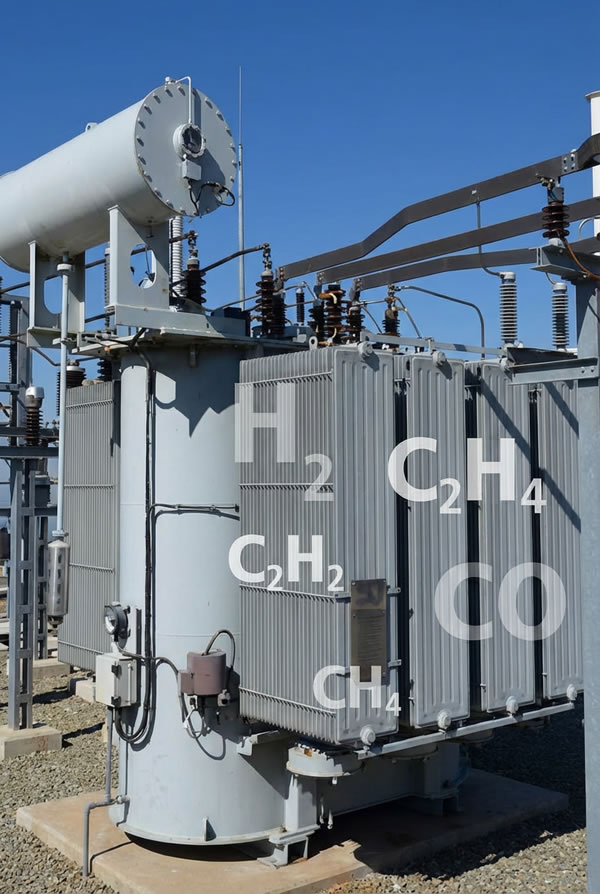
Transformer oil circulation failure occurs when the cooling medium cannot effectively remove heat generated by electrical losses in windings and core, leading to localized overheating and accelerated insulation aging. This condition represents one of the most critical threats to transformer reliability, as statistics from power utilities indicate that 40% of all transformer thermal failures originate from cooling system deficiencies. When oil circulation stops or becomes insufficient, winding temperatures can rise 20-40°C above normal operating levels within hours, causing irreversible damage to cellulose insulation. The financial impact extends beyond equipment replacement costs—a single large power transformer failure triggers production losses ranging from $150,000 को $500,000, not including emergency repair expenses and potential liability for downstream customer damages.
Understanding the Critical Role of Oil Circulation
Transformer oil serves dual functions: electrical insulation and heat dissipation. The circulation process continuously transfers thermal energy from high-temperature components (winding conductors, core laminations) to external radiators where cooling occurs. In naturally cooled transformers, convection currents driven by temperature-induced density differences move oil through the system. Forced oil circulation systems employ pumps to accelerate flow rates, enabling higher power densities. When circulation becomes compromised, heat accumulates at generation points faster than dissipation occurs, creating dangerous thermal gradients. फाइबर ऑप्टिक तापमान सेंसर positioned at critical winding locations detect these temperature buildups before permanent damage occurs, providing operators with actionable early warnings.
Why Oil Circulation Failures Remain Underdiagnosed
Traditional monitoring methods rely on top-oil and ambient temperature measurements, which fail to reveal internal circulation deficiencies until advanced degradation stages. Many utilities perform infrared thermography only during annual outages, missing gradual circulation deterioration occurring between inspections. डीजीए निगरानी can identify thermal decomposition products, but conventional DGA testing occurs quarterly or monthly, providing insufficient temporal resolution. आधुनिक transformer oil circulation failure prevention requires continuous multi-parameter monitoring combining temperature mapping, flow verification, and dissolved gas trending—capabilities that integrated monitoring solutions now provide.
| Failure Consequence | Time to Occurrence | Typical Cost Impact |
|---|---|---|
| Insulation accelerated aging | 30-90 दिन | 20-30% life reduction |
| Winding hotspot damage | 7-21 दिन | $50,000-$200,000 repair |
| Complete thermal breakdown | 2-7 दिन | $300,000-$2M replacement |
| Secondary system damage | तुरंत | $100,000-$500,000 losses |
2. How Does Transformer Oil Circulation System Work?

Natural Circulation Mechanisms
In naturally cooled transformers, oil circulation relies entirely on thermosiphon effects. Hot oil rising from winding surfaces creates upward flow through vertical cooling ducts, while cooled oil from radiators descends through external pathways, establishing continuous circulation loops. Flow velocity depends on temperature differentials—typically 10-15°C between hot and cold oil streams. Design features like strategic placement of cooling ducts, radiator tube sizing, and internal baffle configurations optimize natural convection. तथापि, natural circulation capacity limits power density, restricting application to smaller transformers (आम तौर पर नीचे 50 एमवीए). When radiators become fouled or internal passages partially block, circulation velocity drops proportionally, reducing cooling effectiveness and elevating operating temperatures.
Forced Oil Circulation Architecture
Forced oil circulation systems employ dedicated तेल पंप to drive oil through closed-loop pathways at controlled flow rates. Pumps draw oil from the transformer tank bottom, pushing it through external heat exchangers (radiators or water-cooled units) before returning cooled oil to the tank through strategically positioned inlets. This active circulation enables 3-5 times higher heat removal capacity compared to natural systems, supporting large power transformers exceeding 100 एमवीए. Critical components include circulation pumps (typically redundant pairs), flow control valves, strainers preventing particulate circulation, and temperature sensors monitoring inlet/outlet conditions. Oil pump malfunction represents the most common forced circulation failure mode, necessitating pump performance monitoring through vibration analysis, bearing temperature tracking, and flow rate verification.
Cooling System Monitoring Requirements
असरदार cooling system monitoring requires measuring parameters that directly indicate circulation adequacy. For natural circulation transformers, winding-to-top-oil temperature differentials reveal circulation effectiveness—increasing differentials signal declining flow. Forced oil circulation monitoring demands flow rate measurement, pump motor current tracking, and differential pressure across heat exchangers. Modern three-in-one sensors simultaneously measure तेल का तापमान, तेल स्तर, और दबाव, providing comprehensive cooling system status. When integrated with फाइबर ऑप्टिक तापमान सेंसर at winding hotspots, operators gain complete visibility into heat generation, transfer, and dissipation processes, enabling precise diagnosis of circulation deficiencies.
3. What Are the Primary Causes of Oil Circulation Failure?
Oil Pump Mechanical Failures
Oil pump malfunction in forced circulation systems typically stems from bearing wear, seal degradation, or impeller damage. Pumps operating continuously at elevated temperatures (60-80डिग्री सेल्सियस) experience accelerated mechanical wear compared to ambient-temperature applications. Bearing failures produce characteristic vibration signatures detectable through condition monitoring, while seal leaks cause gradual oil level reduction triggering low-level alarms. Impeller erosion from particulate contamination reduces pumping efficiency—flow rates decline 15-25% before complete failure occurs. Redundant pump configurations mitigate single-point failures, but automatic switchover systems must function reliably. फाइबर ऑप्टिक सेंसर monitoring pump bearing temperatures provide early warning of impending failures, enabling scheduled replacements during planned outages rather than emergency repairs.
Pipeline and Duct Blockages
Circulation pathways gradually accumulate deposits from oil oxidation products, particulate contamination, and sludge formation. Internal cooling ducts within transformer windings are particularly vulnerable—clearances of 5-10mm between duct walls and conductors leave minimal margin before flow restriction occurs. External piping develops scale buildup when moisture contamination enables corrosion. Even partial blockages significantly impact circulation: 30% flow reduction causes hotspot temperatures to rise 10-15°C under full load. Periodic oil filtration removes suspended particles, but dissolved contaminants continue forming deposits. डीजीए निगरानी detecting elevated CO and CO₂ levels indicates cellulose decomposition from overheating caused by poor circulation, providing indirect evidence of flow restrictions.
Radiator Fouling and Contamination
External radiators suffer progressive heat transfer degradation from airside fouling (धूल, pollen, industrial emissions) and oil-side contamination (sludge deposits, oxidation films). Airside fouling reduces heat dissipation by creating insulating layers on tube surfaces—annual cleaning maintains design cooling capacity. Oil-side deposits form when aged oil loses thermal stability, particularly in transformers operating above 90°C hotspot temperatures. Radiator effectiveness loss exhibits gradual progression: 10-15% degradation over 5-10 years goes unnoticed without trending analysis. Three-in-one oil temperature sensors comparing inlet and outlet temperatures quantify radiator performance, revealing degradation before overheating occurs.
Oil Quality Deterioration
Oil thermal conductivity and viscosity directly affect heat transfer capability. Oxidation from elevated temperatures and moisture contamination increases viscosity, reducing flow velocity in natural circulation systems. Thermal conductivity decreases 15-25% as oil ages, requiring higher temperature differentials to transfer equivalent heat. Dissolved gases and water reduce dielectric strength while accelerating chemical degradation. Regular oil testing (ढांकता हुआ ताकत, अम्लता, इंटरफ़ेशियल तनाव) assesses condition, but DGA dissolved gas analysis provides superior trending capability. हाइड्रोजन, मीथेन, and ethylene generation rates indicate thermal stress levels—patterns revealing circulation inadequacy differ from electrical discharge signatures, enabling differential diagnosis.
4. How Do You Detect Oil Circulation Problems Early?

Multi-Point Temperature Monitoring
फाइबर ऑप्टिक तापमान सेंसर मैंnstalled at multiple winding locations create thermal maps revealing circulation effectiveness. Comparing temperatures between upper and lower winding sections, between phases, and between inlet/outlet oil streams identifies abnormal patterns. Healthy circulation maintains hotspot temperatures within 10-15°C of average winding temperature; excessive differentials signal flow deficiencies. Temperature trending over days and weeks reveals gradual degradation—a slowly rising hotspot amid stable load and ambient conditions indicates developing circulation problems. FJINNO’s fiber optic sensing systems provide simultaneous 8-16 point monitoring with 0.1°C resolution, detecting subtle temperature changes weeks before conventional sensors register anomalies.
Dissolved Gas Analysis for Circulation Assessment

डीजीए निगरानी identifies thermal decomposition patterns characteristic of overheating from poor circulation. When local temperatures exceed 150°C, cellulose insulation generates CO and CO₂; above 300°C, oil decomposition produces ethylene and methane. Gas ratio analysis distinguishes circulation-induced thermal stress from electrical discharge or arcing. Online DGA systems measuring gas concentrations hourly detect developing problems within days, while laboratory analysis at monthly intervals may miss critical trends. Integrating DGA data with फाइबर ऑप्टिक तापमान measurements enables correlation analysis—temperature rises accompanied by increasing gas generation confirm circulation inadequacy as root cause.
Three-in-One Sensor Technology

आधुनिक तेल का तापमान, तेल स्तर, and pressure sensors integrated into single assemblies provide comprehensive cooling system monitoring. Temperature measurements at multiple tank locations reveal thermal stratification indicating poor circulation. Oil level tracking detects leaks from pump seals or radiator tube failures. Pressure monitoring across circulation pathways quantifies flow resistance—increasing pressure drops signal developing blockages. These three-in-one sensors eliminate multiple penetrations into transformer tanks, reducing leak risks while providing correlated data streams. When oil level drops coincidentally with rising temperatures and increasing pressure differentials, pump seal failure becomes evident, enabling targeted maintenance.
Flow Rate Verification Methods
प्रत्यक्ष तेल प्रवाह measurement in forced circulation systems confirms pump performance and detects partial blockages. Ultrasonic flow meters installed on circulation piping provide continuous flow monitoring without pressure drop penalties. Flow rates declining 20% below design values indicate developing problems requiring investigation. Comparing actual flow against pump curves based on measured pressure differentials identifies pump wear. In natural circulation transformers, indirect flow assessment through temperature differential analysis substitutes for direct measurement—reduced temperature rises between bottom and top oil suggest declining circulation despite constant loading.
5. What Are the Warning Signs of Imminent Circulation Failure?
Abnormal Winding Temperature Patterns
The most reliable early indicator of impending transformer oil circulation failure appears in winding temperature behavior under load. Normal operation maintains predictable relationships between load current, परिवेश का तापमान, and winding hotspot readings. When circulation degrades, hotspot temperatures rise disproportionately to load increases—a 10% load increase causing 5°C hotspot rise versus the normal 2°C indicates problems. Asymmetric temperatures between phases suggest localized flow restrictions. फाइबर ऑप्टिक सेंसर detecting hotspot temperatures exceeding top-oil temperature by more than 20°C signal circulation deficiencies requiring immediate investigation.
Top Oil Temperature Anomalies
Top oil temperature provides bulk indication of cooling system performance. Gradual increases over weeks despite stable loading and ambient conditions reveal declining heat dissipation capability. Comparing current top oil temperatures against historical baselines at identical load levels quantifies degradation. Temperature rising 5-10°C above normal patterns suggests 20-30% circulation capacity loss. Three-in-one oil temperature sensors measuring both top oil and bottom oil temperatures enable temperature differential analysis—narrowing differentials indicate reduced flow velocity in natural circulation systems or pump performance degradation in forced systems.
Accelerating Temperature Rise Rates
The rate of temperature change during load increases provides sensitive indication of cooling capacity. Healthy transformers reach thermal equilibrium within 3-4 hours following load steps; circulation deficiencies extend time constants to 6-8 घंटे. Monitoring temperature rise rates during daily load cycles reveals trends—gradually slowing thermal response indicates accumulating circulation problems. Advanced monitoring systems calculate time constants automatically, alerting operators when values exceed thresholds. This dynamic analysis catches circulation degradation earlier than static temperature limit monitoring.
Reduced Load Capacity
Operators first notice circulation problems when transformers cannot sustain rated loads without excessive temperature rise. Loads that previously produced acceptable temperatures now cause overheating alarms, forcing load reduction. This symptom indicates advanced circulation failure—typically 40-50% capacity loss. Economic impacts become immediate as load transfers to other transformers increase system costs and reduce operational flexibility. डीजीए निगरानी during this stage usually shows elevated gas generation from thermal stress, confirming overheating diagnosis. Preventive monitoring detecting earlier warning signs avoids reaching this critical stage.
6. How Can Fiber Optic Sensors Prevent Circulation Failures?
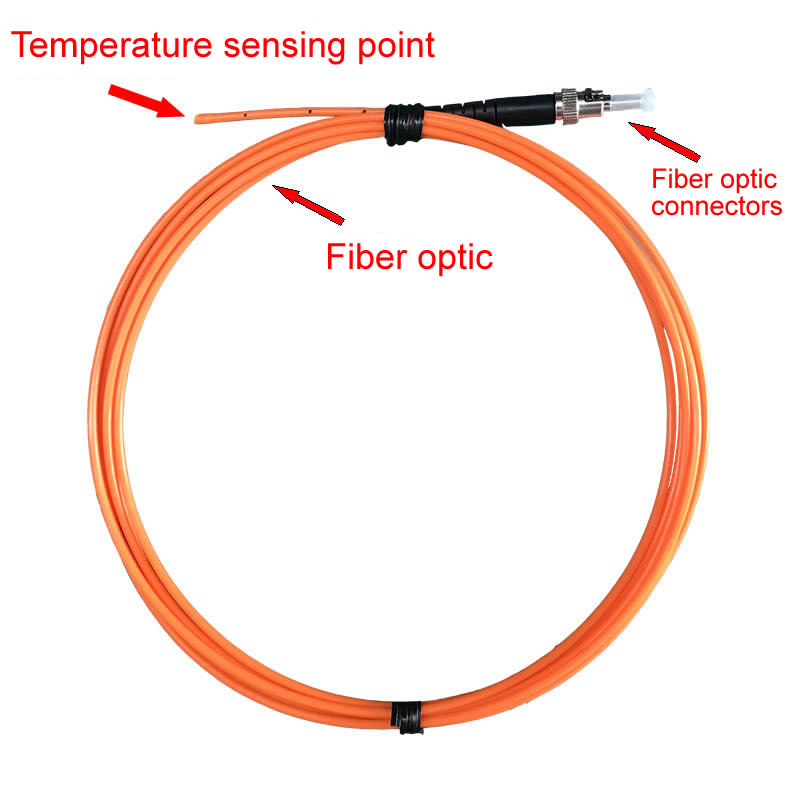
Precision Hotspot Temperature Measurement
फाइबर ऑप्टिक तापमान सेंसर provide accuracy and reliability impossible with conventional resistance temperature detectors (आरटीडी) in transformer environments. Electromagnetic immunity ensures measurement accuracy despite intense electric and magnetic fields within transformer tanks. Direct contact with winding conductors enables true hotspot measurement rather than inferring hotspot from oil temperature algorithms. Response times under one second capture dynamic thermal events during load changes or fault conditions. FJINNO’s fiber optic sensing technology maintains ±0.1°C accuracy over 25+ year service lives without calibration drift, providing consistent long-term trending essential for detecting gradual circulation degradation.
Multi-Point Thermal Mapping
Installing फाइबर ऑप्टिक सेंसर at multiple winding locations creates comprehensive thermal profiles revealing circulation patterns. Eight-point monitoring systems typically measure temperatures at top and bottom of each winding section, enabling vertical and horizontal thermal gradient analysis. Healthy circulation maintains uniform temperature distributions; circulation deficiencies create hotspots at specific locations. Pattern analysis distinguishes cooling problems from electrical issues—hotspots migrating with load changes suggest electrical imbalances, while fixed-location hotspots indicate circulation restrictions. Real-time thermal mapping enables operators to visualize heat distribution, facilitating intuitive understanding of cooling system performance.
Early Warning Through Trend Analysis
The true value of फाइबर ऑप्टिक तापमान की निगरानी emerges through long-term data analysis. Baseline temperature patterns established during commissioning provide reference for detecting deviations. Machine learning algorithms identify subtle trends invisible to manual inspection—gradual 0.5°C/month hotspot temperature increases over six months signal developing problems requiring investigation. Correlation analysis between temperature, भार, and ambient conditions isolates circulation issues from normal operational variations. Predictive analytics forecast failure timing, enabling scheduled maintenance during planned outages. This proactive approach reduces emergency repairs by 70% compared to reactive maintenance strategies.
Integration with Protection Systems
फाइबर ऑप्टिक सेंसर outputs integrate directly with transformer protection relays, enabling automatic load reduction or tripping when circulation failures create dangerous temperatures. Unlike conventional winding temperature indicators using simulated hotspot calculations, fiber optic systems provide measured values triggering protection with higher reliability. Multi-level alarm thresholds provide graduated response: 80°C hotspot triggers notification, 95°C initiates load shedding, 110°C executes emergency shutdown. This layered protection prevents catastrophic failures while maximizing transformer availability. Integration with SCADA systems enables remote monitoring and control, essential for unmanned substations.
7. What Maintenance Practices Prevent Oil Circulation Issues?
Oil Pump Inspection and Testing
Preventive maintenance for forced oil circulation systems centers on pump reliability. Quarterly vibration analysis detects bearing wear before failures occur—vibration levels exceeding baseline values by 30% warrant bearing replacement. Seal inspection during annual outages identifies leaks early; replacing seals proactively costs $2,000-5,000 बनाम $50,000+ emergency pump replacements. Performance testing measuring flow rate versus pressure head confirms pump curve compliance—degradation below 90% of design values indicates impeller wear requiring refurbishment. Motor current monitoring identifies winding insulation degradation and bearing friction increases. Implementing condition-based pump maintenance reduces unplanned circulation failures by 80%.
Radiator Cleaning and Maintenance
Annual radiator cleaning maintains design cooling capacity. Airside cleaning removes accumulated dust, pollen, and debris using low-pressure water spray or compressed air—avoiding high-pressure washing that damages fins. Inspection identifies corrosion, लीक, or damaged tubes requiring repair. Oil-side cleaning addresses internal deposits through chemical circulation or mechanical flushing during major outages. Effectiveness testing comparing heat transfer coefficients before and after cleaning quantifies improvement. Radiator valve operation verification ensures proper flow distribution. Implementing systematic radiator maintenance programs recovers 10-15% cooling capacity in aging transformers, extending service life and improving reliability.
Oil Quality Management
Maintaining oil dielectric and thermal properties prevents circulation-related problems. Annual oil testing (ढांकता हुआ ताकत, water content, अम्लता, इंटरफ़ेशियल तनाव) assesses condition. When test results approach limits, oil reclamation through filtration, degassing, and dehydration restores properties at 20-30% of oil replacement cost. डीजीए निगरानी trending identifies accelerating degradation requiring intervention. Water content exceeding 20 ppm in mineral oil reduces dielectric strength while increasing oxidation rates—vacuum dehydration reduces levels to 5-10 पीपीएम. Particle contamination above ISO 18/16/13 cleanliness codes impairs heat transfer—fine filtration restores cleanliness. Proactive oil management extends transformer life 5-10 years while maintaining circulation efficiency.
Internal Inspection During Outages
Major outage inspections provide opportunity to assess internal circulation pathways. Borescope examination of cooling ducts reveals deposits or blockages. Winding paper insulation inspection identifies thermal damage from past overheating events. Core and coil inspection detects loose connections or structural issues affecting cooling. Pressure testing of internal cooling circuits verifies integrity. Thermographic surveys during energization identify hot spots requiring investigation. These comprehensive inspections, performed at 8-10 year intervals, catch deteriorating conditions before circulation failures occur. Documentation with फाइबर ऑप्टिक तापमान baseline measurements after maintenance establishes new performance benchmarks.
8. How Do You Troubleshoot Oil Circulation Failures?
Systematic Diagnostic Approach
Troubleshooting suspected transformer oil circulation failure follows logical progression from external observations to internal investigations. पहला, verify symptoms through फाइबर ऑप्टिक तापमान सेंसर data review—confirm abnormal temperature patterns versus normal load cycles. दूसरा, assess external cooling system components: radiator fan operation, pump motor currents, valve positions. तीसरा, analyze तेल का तापमान, तेल स्तर, और दबाव measurements for anomalies. चौथी, perform oil sampling for DGA dissolved gas analysis and physical-chemical testing. Fifth, conduct thermographic surveys of tank external surfaces revealing internal hot spots. This structured approach efficiently narrows diagnostic focus, minimizing investigation time and cost.
Temperature Data Analysis Techniques
Advanced analysis of फाइबर ऑप्टिक सेंसर data reveals circulation failure characteristics. Plot hotspot temperature versus load current—poor circulation shows steeper slopes than baseline curves. Graph temperature differentials between winding sections over time—increasing differentials indicate worsening flow restrictions. Calculate thermal time constants from load step responses—lengthening time constants signal reduced circulation. Compare actual temperature rises against manufacturer specifications—exceedances quantify circulation capacity loss. Correlation analysis between multiple sensor locations identifies patterns: all sensors rising proportionally suggests inadequate overall cooling, while localized hotspots indicate blockages affecting specific regions.
प्रवाह और दबाव सत्यापन
के लिए मजबूर तेल परिसंचरण प्रणाली, प्रत्यक्ष प्रवाह और दबाव माप पंप और पाइपिंग समस्याओं का निदान करते हैं. समस्या निवारण के दौरान परिसंचरण पाइप पर अस्थायी अल्ट्रासोनिक प्रवाह मीटर स्थापित करें - नीचे प्रवाह 80% डिज़ाइन मान समस्याओं का संकेत देते हैं. पंपों पर दबाव के अंतर को मापें, हीट एक्सचेंजर्स, और फिल्टर-उच्च अंतर रुकावटों का सुझाव देते हैं, कम अंतर पंप घिसाव का संकेत देते हैं. पंप वक्रों के विरुद्ध दबाव-प्रवाह विशेषताओं की तुलना करें—विचलन यांत्रिक विफलताओं की पहचान करते हैं. In natural circulation transformers, तेल वेग अनुरेखक परीक्षण या कम्प्यूटेशनल द्रव गतिशीलता मॉडलिंग अनुमान प्रवाह पैटर्न के माध्यम से अप्रत्यक्ष प्रवाह मूल्यांकन. ये माप यह इंगित करते हैं कि क्या परिसंचरण समस्याएं पंप विफलताओं से उत्पन्न होती हैं, blockages, या रेडियेटर का ख़राब होना.
मूल कारण की पहचान के लिए तेल विश्लेषण
डीजीए निगरानी भौतिक-रासायनिक तेल परीक्षण के साथ मिलकर परिसंचरण विफलता के मूल कारणों की पहचान की जाती है. सामान्य हाइड्रोजन स्तर के साथ ऊंचा एथिलीन और मीथेन दिखाने वाले गैस पैटर्न विद्युत निर्वहन के बजाय ओवरहीटिंग से थर्मल अपघटन का संकेत देते हैं. कण गणना विश्लेषण से संदूषण स्रोतों का पता चलता है - लोहे के कण पंप के खराब होने का संकेत देते हैं, सेलूलोज़ फाइबर इन्सुलेशन गिरावट का संकेत देते हैं. ऑक्सीकरण अवरोधक की कमी और बढ़ती अम्लता तेल की उम्र बढ़ने को दर्शाती है जिसके लिए पुनर्ग्रहण की आवश्यकता होती है. विघटित धातु विश्लेषण संक्षारण उत्पादों का पता लगाता है जो नमी के प्रवेश का संकेत देता है. व्यापक तेल विश्लेषण सुधारात्मक कार्रवाइयों-पंप प्रतिस्थापन-का मार्गदर्शन करता है, तेल पुनर्ग्रहण, या निष्कर्षों के आधार पर ट्रांसफार्मर का पूर्ण नवीनीकरण करें.
9. What Are the Costs of Ignoring Circulation Problems?
प्रत्यक्ष उपकरण क्षति व्यय
बिना पते transformer oil circulation failure महंगी मरम्मत या प्रतिस्थापन की आवश्यकता वाले भयावह उपकरण क्षति की ओर ले जाता है. लंबे समय तक ओवरहीटिंग लागत से वाइंडिंग इन्सुलेशन थर्मल गिरावट $150,000-$300,000 मध्यम-वोल्टेज ट्रांसफार्मर के रिवाइंड या प्रतिस्थापन के लिए. बड़े पावर ट्रांसफार्मर से अधिक $1-2 मिलियन प्रतिस्थापन लागत के साथ 12-18 महीने का लीड समय. ओवरहीटिंग से प्रेरित परिसंचारी धाराओं से कोर क्षति बढ़ जाती है $50,000-$150,000 मरम्मत व्यय. अत्यधिक तेल तापमान के कारण बुशिंग विफलता की लागत $20,000-$80,000 प्रति यूनिट. ये प्रत्यक्ष लागत निवारक निगरानी खर्चों को बौना कर देती है—व्यापक फाइबर ऑप्टिक तापमान और डीजीए निगरानी सिस्टम लागत $25,000-$75,000 एकल विफलताओं को रोकने के लिए स्वयं के लिए भुगतान करें.
व्यापार में रुकावट से हानि
संचलन-प्रेरित विफलताओं से अनियोजित कटौती गंभीर आर्थिक प्रभाव पैदा करती है. औद्योगिक सुविधाओं को उत्पादन हानि का अनुभव होता है $50,000-$500,000 प्रक्रियाओं के आधार पर प्रति दिन. डेटा केंद्रों को सेवा स्तर समझौते के दंड और डाउनटाइम से प्रतिष्ठित क्षति का सामना करना पड़ता है. यूटिलिटी कंपनियों को गैर-सेवा वाली ऊर्जा लागत और विश्वसनीयता के उल्लंघन के लिए नियामक दंड भुगतना पड़ता है. आपातकालीन प्रतिस्थापन ट्रांसफार्मर किराये की लागत $10,000-$30,000 मध्यम-वोल्टेज इकाइयों के लिए मासिक, इंस्टालेशन जोड़ने के साथ $50,000-$100,000. ये व्यावसायिक रुकावट लागत आम तौर पर प्रत्यक्ष मरम्मत व्यय से अधिक होती है 2-5 टाइम्स. नियोजित कटौती के दौरान निर्धारित रखरखाव को सक्षम करने वाली निवारक निगरानी रुकावट की लागत को पूरी तरह से समाप्त कर देती है.
त्वरित संपत्ति उम्र बढ़ने
यहां तक कि जब परिसंचरण संबंधी समस्याएं तत्काल विफलता का कारण नहीं बनतीं, क्रोनिक ओवरहीटिंग अरहेनियस कैनेटीक्स के बाद इन्सुलेशन उम्र बढ़ने को तेज करती है - प्रत्येक 6-8 डिग्री सेल्सियस तापमान वृद्धि उम्र बढ़ने की दर को दोगुना कर देती है. डिज़ाइन हॉटस्पॉट से 15°C ऊपर संचालित होने वाला ट्रांसफार्मर अपना अपेक्षित जीवनकाल आधा खो देता है, 30 वर्ष की जीवन प्रत्याशा को कम करना 15 साल. इस समय से पहले बुढ़ापे के लिए पहले प्रतिस्थापन की आवश्यकता होती है, वार्षिक पूंजीगत लागत को प्रभावी ढंग से बढ़ाना. Oil circulation problems causing 10-15°C temperature excursions for several years invisibly consume transformer life. Only through continuous temperature monitoring can operators detect and correct these hidden degradation mechanisms. The value of extended asset life through proper circulation maintenance reaches hundreds of thousands of dollars for large transformers.
Safety and Liability Risks
Severe circulation failures causing transformer explosions or fires create catastrophic safety incidents. Fire damage to surrounding equipment and facilities escalates losses to millions of dollars. Injuries to personnel generate workers compensation costs plus potential litigation. Environmental contamination from oil spills incurs cleanup costs ($100,000-$500,000) plus regulatory fines. सुरक्षा घटनाओं से कॉर्पोरेट प्रतिष्ठा को होने वाली क्षति ग्राहक संबंधों और नियामक स्थिति को प्रभावित करती है. बड़ी घटनाओं के बाद बीमा प्रीमियम बढ़ जाता है. सक्रिय cooling system monitoring परिसंचरण विफलताओं को रोकने से ये सुरक्षा जोखिम समाप्त हो जाते हैं. विनाशकारी विफलताओं की मानवीय और वित्तीय लागत व्यापक निगरानी को न केवल आर्थिक रूप से उचित बनाती है बल्कि नैतिक रूप से भी अनिवार्य बनाती है.
10. Which Monitoring Solutions Best Protect Against Oil Circulation Failure?

एकीकृत तापमान निगरानी प्रणाली
के विरुद्ध व्यापक सुरक्षा transformer oil circulation failure बहु-बिंदु की आवश्यकता है फाइबर ऑप्टिक तापमान सेंसर घुमावदार हॉटस्पॉट को लगातार मापना, तेल का तापमान, और परिवेशीय स्थितियाँ. FJINNO के निगरानी समाधान प्रदान करते हैं 8-24 केंद्रीकृत डेटा अधिग्रहण के साथ चैनल सिस्टम, alarming, और ट्रेंडिंग में है. विनिर्माण के दौरान इंस्टालेशन इष्टतम सेंसर प्लेसमेंट को सक्षम बनाता है; रेट्रोफिट समाधान मौजूदा ट्रांसफार्मर को समायोजित करते हैं. सिस्टम मॉडबस के माध्यम से SCADA के साथ एकीकृत होते हैं, डीएनपी3, या आईईसी 61850 प्रोटोकॉल, बेड़े-व्यापी निगरानी के लिए दूरस्थ पहुँच प्रदान करना. Cloud-based analytics enable cross-asset comparison identifying systemic issues. Investment costs of $25,000-$75,000 for complete systems deliver ROI within 12-24 months through prevented failures and optimized maintenance.
Online DGA Monitoring Technology
निरंतर DGA dissolved gas analysis complements temperature monitoring by detecting thermal decomposition products indicating circulation-induced overheating. Online DGA systems analyze gas concentrations hourly versus monthly laboratory testing, enabling early intervention. Multi-gas monitors measuring hydrogen, मीथेन, ईथीलीन, एटैन, एसिटिलीन, कार्बन मोनोआक्साइड, and carbon dioxide provide comprehensive fault detection. Trending algorithms identify accelerating gas generation rates signaling developing problems. के साथ एकीकरण फाइबर ऑप्टिक तापमान data enables correlation analysis—simultaneous temperature and gas increases confirm circulation failures as root cause. Online DGA system costs of $15,000-$40,000 भयावह विफलताओं को रोकने के लिए समस्या का शीघ्र पता लगाने के माध्यम से त्वरित भुगतान प्रदान करें.
थ्री-इन-वन सेंसर अनुप्रयोग
विकसित तेल का तापमान, तेल स्तर, और दबाव एकल असेंबली में एकीकृत सेंसर समग्र शीतलन प्रणाली की निगरानी प्रदान करते हैं. कई टैंक स्थानों पर तापमान सेंसर थर्मल स्तरीकरण पैटर्न प्रकट करते हैं जो परिसंचरण पर्याप्तता का संकेत देते हैं. तेल स्तर की निगरानी से रिसाव का पता चलता है तेल खींचने का यंत्र सील या रेडिएटर ट्यूब परिसंचरण से समझौता होने से पहले समय पर मरम्मत को सक्षम करते हैं. कूलिंग सर्किट में दबाव माप प्रवाह प्रतिरोध की मात्रा निर्धारित करता है - बढ़ती दबाव की बूंदें विकासशील रुकावटों का संकेत देती हैं. ये थ्री-इन-वन सेंसर सहसंबद्ध डेटा स्ट्रीम प्रदान करते हुए रिसाव के जोखिम को कम करने वाले कई टैंक प्रवेश को समाप्त करते हैं. की लागत $3,000-$8,000 प्रति सेंसर निगरानी प्रणालियों में किफायती परिवर्धन का प्रतिनिधित्व करता है, परिसंचरण समस्या निवारण के लिए बहुमूल्य नैदानिक जानकारी प्रदान करना.
FJINNO कस्टम मॉनिटरिंग समाधान

ट्रांसफार्मर सुरक्षा में अग्रणी निर्माता
फ़ूज़ौ इनोवेशन इलेक्ट्रॉनिक विज्ञान&टेक कंपनी, लिमिटेड. (FJINNO), स्थापना वर्ष 2011, specializes in फाइबर ऑप्टिक तापमान सेंसर, ऑनलाइन डीजीए निगरानी प्रणाली, और व्यापक ट्रांसफार्मर परिसंपत्ति प्रबंधन प्लेटफॉर्म विशेष रूप से संबोधित कर रहे हैं तेल परिसंचरण विफलता prevention. कंपनी के उत्पाद बिजली उपयोगिताओं की सेवा करते हैं, औद्योगिक सुविधाएं, और भर में नवीकरणीय ऊर्जा प्रतिष्ठान 35 देशों, with over 5,000 FJINNO मॉनिटरिंग सिस्टम द्वारा संरक्षित ट्रांसफार्मर. ग्राहक प्रतिक्रिया लगातार FJINNO समाधानों को उपरोक्त रेटिंग देती है 4.8/5.0 विश्वसनीयता के लिए, शुद्धता, और तकनीकी सहायता गुणवत्ता.
OEM अनुकूलन क्षमताएं
FJINNO संपूर्ण ओईएम सेवाएं प्रदान करता है जो उपकरण निर्माताओं और सेवा प्रदाताओं को अपने नाम के तहत ब्रांड निगरानी समाधान प्रदान करने में सक्षम बनाता है. अनुकूलन में हार्डवेयर विनिर्देश शामिल हैं (सेंसर प्रकार, channel counts, संचार प्रोटोकॉल), सॉफ़्टवेयर इंटरफ़ेस (dashboards, रिपोर्टिंग, alarming), and mechanical packaging. इंजीनियरिंग टीमें विशिष्ट एप्लिकेशन आवश्यकताओं को पूरा करने वाले समाधान विकसित करने वाले ग्राहकों के साथ काम करती हैं - वितरण ट्रांसफार्मर के लिए कॉम्पैक्ट सिस्टम से लेकर पूरे सबस्टेशनों की निगरानी करने वाले बड़े इंस्टॉलेशन तक. ओईएम साझेदारी घरेलू विकास लागत के बिना प्रौद्योगिकी पहुंच प्रदान करती है, सिद्ध उत्पादों के साथ तेजी से बाजार में प्रवेश को सक्षम करना.
तकनीकी सहायता और सेवा
FJINNO पूरे उत्पाद जीवनचक्र में व्यापक तकनीकी सहायता प्रदान करता है. प्री-सेल्स इंजीनियरिंग सिस्टम डिज़ाइन और सेंसर प्लेसमेंट अनुकूलन में सहायता करती है. इंस्टॉलेशन समर्थन उचित कमीशनिंग और बेसलाइन स्थापना सुनिश्चित करता है. प्रशिक्षण कार्यक्रम ऑपरेटरों को डेटा व्याख्या और समस्या निवारण पर शिक्षित करते हैं. चल रही तकनीकी सहायता परिचालन संबंधी प्रश्नों और सिस्टम अनुकूलन का समाधान करती है. निवारक रखरखाव सेवाएँ माप सटीकता और सिस्टम विश्वसनीयता बनाए रखती हैं. यह पूर्ण-जीवनचक्र समर्थन दृष्टिकोण ग्राहकों को निगरानी प्रणाली मूल्य को अधिकतम करना सुनिश्चित करता है, इष्टतम ट्रांसफार्मर सुरक्षा और विश्वसनीयता में सुधार प्राप्त करना.
संपर्क जानकारी:
- ईमेल: web@fjinno.net
- व्हाट्सएप/वीचैट/फोन: +86 13599070393
- QQ: 3408968340
- पता: लियानडोंग यू ग्रेन नेटवर्किंग इंडस्ट्रियल पार्क, नंबर 12 ज़िंगे वेस्ट रोड, फ़ूज़ौ, फ़ुज़ियान, चीन
- वेबसाइट: www.fjinno.net
मोबाइल मॉनिटरिंग प्लेटफार्म
आधुनिक ट्रांसफॉर्मर मॉनिटरिंग नियंत्रण कक्ष के डिस्प्ले से लेकर मोबाइल उपकरणों तक फैली हुई है, जिससे फील्ड कर्मियों को साइट पर वास्तविक समय डेटा तक पहुंचने में मदद मिलती है. स्मार्टफ़ोन ऐप्स वर्तमान तापमान प्रदर्शित करते हैं, डीजीए trends, और व्यक्तिगत ट्रांसफार्मर या संपूर्ण बेड़े के लिए अलार्म स्थिति. पुश सूचनाएं रखरखाव टीमों को ध्यान देने की आवश्यकता वाले विकासशील मुद्दों के प्रति सचेत करती हैं. ऐतिहासिक डेटा समीक्षा आउटेज जांच के दौरान सूचित समस्या निवारण निर्णय लेने में सक्षम बनाती है. भौगोलिक मानचित्रण प्राथमिकता निर्धारण को सक्षम करने वाले रंग-कोडित स्वास्थ्य संकेतकों के साथ परिसंपत्ति स्थानों को दिखाता है. क्लाउड-आधारित आर्किटेक्चर इंटरनेट कनेक्टिविटी वाले किसी भी स्थान से सुरक्षित पहुंच प्रदान करते हैं. ये मोबाइल प्लेटफ़ॉर्म जानकारी को सीधे उन कर्मियों के हाथों में देकर निगरानी प्रणाली के मूल्य को बढ़ाते हैं जिन्हें इसकी आवश्यकता होती है, प्रतिक्रिया समय में तेजी लाना और रखरखाव परिणामों में सुधार करना.
अक्सर पूछे जाने वाले प्रश्नों
ऑयल सर्कुलेशन विफलता कितनी जल्दी ट्रांसफार्मर को नुकसान पहुंचा सकती है?
समयरेखा विफलता की गंभीरता और लोडिंग पर निर्भर करती है. पूर्ण भार के तहत पूर्ण परिसंचरण हानि के कारण भीतर इन्सुलेशन क्षति हो सकती है 2-7 दिन. आंशिक परिसंचरण गिरावट (30-40% capacity loss) आम तौर पर भीतर मापने योग्य तापमान में वृद्धि होती है 30-60 दिन, स्थायी क्षति होने के साथ 6-12 यदि ठीक नहीं किया गया तो महीनों. फाइबर ऑप्टिक तापमान की निगरानी क्षति होने से पहले हस्तक्षेप को सक्षम करने के लिए शुरुआती चरणों के दौरान समस्याओं का पता लगाता है.
क्या आप परिसंचरण विफलताओं से क्षतिग्रस्त ट्रांसफार्मर की मरम्मत कर सकते हैं??
मरम्मत की व्यवहार्यता क्षति की सीमा पर निर्भर करती है. मामूली इन्सुलेशन गिरावट कम रेटिंग के साथ निरंतर संचालन की अनुमति दे सकती है. Moderate damage requires winding reconditioning or selective replacement costing 40-60% of new transformer prices. Severe thermal damage necessitates complete rewinding or replacement. के माध्यम से शीघ्र पता लगाना डीजीए निगरानी and temperature tracking enables intervention before irreparable damage occurs, making repair more viable and economical.
How often should oil circulation systems be inspected?
के लिए forced oil circulation ट्रान्सफ़ॉर्मर, quarterly pump inspection including vibration analysis and performance testing catches developing issues early. Annual radiator cleaning and internal flow verification during outages maintains cooling capacity. Continuous monitoring through फाइबर ऑप्टिक सेंसर और DGA systems स्थिति-आधारित रखरखाव सक्षम बनाता है, reducing inspection frequency while improving reliability. Natural circulation transformers require less frequent mechanical inspection but benefit equally from continuous temperature monitoring.
फाइबर ऑप्टिक तापमान निगरानी प्रणालियों की सामान्य लागत क्या है??
एकल ट्रांसफार्मर के लिए पूर्ण सिस्टम रेंज से हैं $25,000-$75,000 depending on channel count (8-24 सेंसर), विशेषताएँ (alarming, ट्रेंडिंग, स्काडा एकीकरण), and installation requirements. मल्टी-ट्रांसफार्मर इंस्टॉलेशन साझा बुनियादी ढांचे के माध्यम से पैमाने की अर्थव्यवस्था हासिल करते हैं. निवेश पर रिटर्न आम तौर पर भीतर होता है 12-24 विफलताओं को रोकने के माध्यम से महीनों, अनुकूलित रखरखाव, and extended asset life. FJINNO बजट और सुरक्षा आवश्यकताओं से मेल खाने वाले लचीले कॉन्फ़िगरेशन प्रदान करता है.
क्या निगरानी प्रणाली सभी परिसंचरण विफलताओं को रोक सकती है??
जबकि व्यापक निगरानी यांत्रिक विफलताओं या उम्र बढ़ने से संबंधित गिरावट को नहीं रोक सकती है, यह भयावह क्षति होने से पहले शीघ्र पता लगाने में सक्षम बनाता है. अध्ययनों से पता चलता है कि सक्रिय रखरखाव के साथ उचित रूप से कार्यान्वित निगरानी अनियोजित आउटेज को कम करती है 70% and extends transformer life 15-20%. मुख्य मूल्य विफलता की रोकथाम में नहीं बल्कि योजनाबद्ध आउटेज के दौरान निर्धारित मरम्मत को सक्षम करने वाली प्रारंभिक चेतावनी में निहित है, आपातकालीन स्थितियों को समाप्त करना और व्यावसायिक प्रभाव को कम करना.
थ्री-इन-वन सेंसर सर्कुलेशन मॉनिटरिंग को कैसे बेहतर बनाते हैं?
तेल का तापमान, तेल स्तर, and pressure sensors परिसंचरण तंत्र के स्वास्थ्य का खुलासा करने वाली सहसंबद्ध डेटा स्ट्रीम प्रदान करें. तापमान माप शीतलन प्रभावशीलता को मापता है. तेल स्तर की ट्रैकिंग पंप सील या रेडिएटर ट्यूब की विफलता का संकेत देने वाले लीक का पता लगाती है. दबाव की निगरानी रुकावटों से प्रवाह प्रतिबंधों की पहचान करती है. सभी तीन मापदंडों का एक साथ विश्लेषण करने से विभेदक निदान सक्षम हो जाता है - रेडिएटर फाउलिंग से रुकावटों से पंप विफलताओं को अलग करना - समस्या निवारण में तेजी लाना और नैदानिक लागत को कम करना.
कौन सी घुली हुई गैसें तेल परिसंचरण समस्याओं का संकेत देती हैं?
डीजीए पैटर्न मध्यम एथिलीन और मीथेन के साथ ऊंचा सीओ और सीओ₂ दिखाना खराब परिसंचरण के कारण अधिक गर्मी से थर्मल अपघटन का संकेत देता है. यह विद्युत डिस्चार्ज पैटर्न से भिन्न है (उच्च हाइड्रोजन, एसिटिलीन) or partial discharge (मुख्य रूप से हाइड्रोजन). ट्रेंडिंग गैस उत्पादन दर पूर्ण सांद्रता की तुलना में अधिक नैदानिक मूल्य प्रदान करती है - स्थिर लोडिंग के बावजूद थर्मल गैस उत्पादन में तेजी से जांच की आवश्यकता वाले परिसंचरण समस्याओं के विकास की पुष्टि होती है.
अस्वीकरण
This article provides general information about transformer oil circulation failure, निगरानी प्रौद्योगिकियाँ, और शैक्षिक उद्देश्यों के लिए रखरखाव प्रथाएँ. जबकि सामग्री उद्योग की सर्वोत्तम प्रथाओं और निर्माता अनुभव को दर्शाती है, विशिष्ट अनुप्रयोगों के लिए ट्रांसफार्मर डिज़ाइन पर विचार करते हुए पेशेवर इंजीनियरिंग विश्लेषण की आवश्यकता होती है, परिचालन की स्थिति, and site requirements. निगरानी प्रणाली चयन, इंस्टालेशन, और संचालन को निर्माता विनिर्देशों का पालन करना चाहिए, industry standards (आईईईई सी57 श्रृंखला, आईईसी 60076), और स्थानीय विद्युत कोड. तापमान सीमाएँ, अलार्म सेटिंग्स, उल्लिखित रखरखाव अंतराल विशिष्ट मूल्यों का प्रतिनिधित्व करते हैं लेकिन डिज़ाइन विनिर्देशों और ऑपरेटिंग इतिहास के आधार पर व्यक्तिगत ट्रांसफार्मर के लिए अनुकूलित किया जाना चाहिए. FJINNO and affiliated parties assume no liability for decisions made based on this content. ट्रांसफार्मर रखरखाव और निगरानी प्रणाली की स्थापना उचित सुरक्षा प्रक्रियाओं का पालन करते हुए केवल योग्य कर्मियों द्वारा ही की जानी चाहिए. उत्पाद विशिष्टताएँ, performance claims, and technical details are subject to change without notice. परियोजना-विशिष्ट अनुशंसाओं और तकनीकी सहायता के लिए, FJINNO से सीधे web@fjinno.net पर संपर्क करें या +86 13599070393. प्रतिस्पर्धी उत्पादों और उद्योग आँकड़ों के बारे में जानकारी सार्वजनिक रूप से उपलब्ध स्रोतों और प्रकाशित शोध से प्राप्त होती है; सटीकता की गारंटी नहीं दी जा सकती. यह सामग्री वारंटी नहीं है, गारंटी, या किसी भी प्रकार की संविदात्मक प्रतिबद्धता.

फाइबर ऑप्टिक तापमान सेंसर, बुद्धिमान निगरानी प्रणाली, चीन में वितरित फाइबर ऑप्टिक निर्माता
 |
 |
 |