 INNO फाइबर ऑप्टिक तापमान सेंसर ,तापमान निगरानी प्रणाली.
- फ्लोरोसेंट फाइबर ऑप्टिक प्रौद्योगिकी सटीक सक्षम बनाता है, माइक्रोवेव में हस्तक्षेप मुक्त भोजन तापमान की निगरानी, आरएफ, और उच्च-विद्युत चुम्बकीय वातावरण जहां पारंपरिक इलेक्ट्रॉनिक सेंसर पूरी तरह से विफल हो जाते हैं.
- बिंदु-प्रकार तापमान माप उप-सेकंड प्रतिक्रिया समय और 2-3 मिमी लघु जांच व्यास के साथ विस्तृत -40°C से 260°C ऑपरेटिंग रेंज में ±1°C सटीकता प्रदान करता है।.
- पूर्ण तापमान निगरानी प्रणाली इसमें एक फाइबर ऑप्टिक डेमोडुलेटर शामिल है (ट्रांसमीटर), फ्लोरोसेंट सेंसर जांच, तक ऑप्टिकल फाइबर केबल 80 एम, प्रदर्शन मॉड्यूल, और पीसी-आधारित निगरानी सॉफ्टवेयर.
- स्केलेबल मल्टी-चैनल आर्किटेक्चर: एक एकल फाइबर ऑप्टिक तापमान ट्रांसमीटर समर्थन करता है 1 को 64 RS485 संचार आउटपुट के साथ फ्लोरोसेंट फाइबर ऑप्टिक सेंसर चैनल.
- Superior electrical insulation: withstands over 100 के.वी, making it the ideal temperature sensor for high-voltage, high-EMI food processing and industrial environments.
- Internationally certified: सीई (ईएमसी), आईएसओ, यूएल, and RoHS compliant, with custom certification programs available to meet regional or OEM-specific requirements.
- Cross-industry versatility: proven in food processing, electric power systems, medical equipment thermal monitoring, and scientific research laboratories worldwide.
- Manufactured by Fjinno — a specialized fiber optic temperature sensing solutions provider headquartered in Fuzhou, चीन, serving global clients since 2011.
विषयसूची
- What Is Food Temperature Monitoring and Why Does It Matter?
- Why Do Traditional Temperature Sensors Fail in Microwave and EMI Environments?
- How Fluorescent Fiber Optic Temperature Sensing Works
- Components of a Fiber Optic Temperature Monitoring System
- खाद्य तापमान की निगरानी के लिए फाइबर ऑप्टिक सेंसर के मुख्य लाभ
- मुख्य तकनीकी विशिष्टताएँ - फ्लोरोसेंट फाइबर ऑप्टिक तापमान सेंसर
- कौन से खाद्य प्रसंस्करण वातावरण ईएमआई-प्रतिरोधी तापमान निगरानी की मांग करते हैं?
- भोजन से परे: पावर में फाइबर ऑप्टिक तापमान सेंसिंग, चिकित्सा, और अनुसंधान अनुप्रयोग
- वैश्विक केस स्टडीज - कार्रवाई में फाइबर ऑप्टिक तापमान निगरानी
- अंतर्राष्ट्रीय प्रमाणपत्र और गुणवत्ता आश्वासन
- खाद्य तापमान निगरानी के बारे में अक्सर पूछे जाने वाले प्रश्न
- एक कस्टम तापमान निगरानी समाधान प्राप्त करें - Fjinno से संपर्क करें
1. What Is Food Temperature Monitoring and Why Does It Matter?
भोजन के तापमान की निगरानी सतत या आवधिक माप को संदर्भित करता है, रिकॉर्डिंग, और खाद्य उत्पादन के हर महत्वपूर्ण चरण में तापमान का नियंत्रण - कच्चे माल के सेवन और प्रसंस्करण से लेकर खाना पकाने तक, pasteurization, नसबंदी, ठंडा, पैकेजिंग, भंडारण, और वितरण. Maintaining precise thermal control is not merely a best practice; it is a regulatory mandate enforced by food safety authorities around the world, including the FDA (संयुक्त राज्य अमेरिका), EFSA (European Union), and CFDA (चीन).
The Link Between Temperature Control and Food Safety
Pathogenic bacteria such as Salmonella, Listeria monocytogenes, और E. coli proliferate rapidly within the well-documented temperature danger zone of 4°C to 60°C. एक विश्वसनीय तापमान निगरानी प्रणाली ensures that food products either remain safely below this range during cold storage or pass through it quickly enough during heating to destroy harmful microorganisms. Failure to maintain accurate temperature records can result in product recalls, consumer illness, regulatory penalties, and lasting brand damage.
Why Monitoring Technology Matters as Much as Monitoring Itself
In many modern food processing facilities, temperature-sensitive operations take place inside microwave heating tunnels, radio-frequency (आरएफ) drying chambers, induction heating zones, and other environments saturated with electromagnetic energy. Under these conditions, conventional electronic तापमान सेंसर — including thermocouples, आरटीडी, and thermistors — are subject to severe electromagnetic interference (ईएमआई) that distorts readings and compromises food safety. This is precisely why a growing number of food manufacturers are turning to फाइबर ऑप्टिक तापमान सेंसर that are inherently immune to EMI, delivering trustworthy data where legacy instruments cannot.
2. Why Do Traditional Temperature Sensors Fail in Microwave and EMI Environments?

यह समझने के लिए कि क्यों फ्लोरोसेंट फाइबर ऑप्टिक तापमान माप has become essential in certain food processing scenarios, it is important to first examine the fundamental weaknesses of traditional sensing technologies when exposed to strong electromagnetic fields.
Thermocouples and RTDs — Conductive by Design
Thermocouples generate a millivolt-level electrical signal based on the Seebeck effect, while resistance temperature detectors (आरटीडी) rely on changes in electrical resistance. Both sensor types require metallic conductors — typically copper, निकल, or platinum — running from the measurement point back to the monitoring instrument. When these metallic leads are placed inside a microwave cavity operating at 915 MHz or 2.45 गीगा, or near an RF generator, the conductors act as antennas. They absorb electromagnetic energy, induce parasitic voltages, and produce measurement errors that can exceed 10°C or more. In extreme cases the sensors themselves overheat, creating both a measurement failure and a potential fire or contamination risk.
Infrared Sensors — Line-of-Sight Limitations
Non-contact infrared (और) thermometers and thermal cameras measure surface temperature only. They cannot penetrate food packaging or product interiors, and their readings are easily distorted by steam, नमी, surface emissivity variations, and reflective microwave cavity walls. For internal core temperature monitoring — which is precisely what food safety regulations require — IR technology is fundamentally inadequate in enclosed microwave and RF processing environments.
The EMI-Immune Alternative
ए फाइबर ऑप्टिक तापमान सेंसर replaces all metallic conductors with a thin glass or silica optical fiber. Because the fiber carries light rather than electrical current, it neither generates nor receives electromagnetic interference. It cannot be heated by microwave energy, and its measurement signal is completely unaffected by even the most intense electromagnetic fields. This inherent immunity is not achieved through shielding or filtering — it is a fundamental physical property of the sensing medium itself, निर्माण फाइबर ऑप्टिक तापमान की निगरानी the only truly reliable solution for EMI-intensive food processing environments.
3. How Fluorescent Fiber Optic Temperature Sensing Works

The फ्लोरोसेंट फाइबर ऑप्टिक तापमान माप method — sometimes referred to as fluorescence lifetime decay thermometry — is a well-established optical sensing principle that has been refined over more than three decades of industrial use. It exploits the temperature-dependent luminescent behavior of rare-earth phosphor materials to determine temperature with high precision.
The Fluorescence Lifetime Decay Principle
At the tip of each fiber optic temperature probe, a tiny quantity of rare-earth phosphor compound (typically a doped ceramic or crystal) is bonded to the end of the optical fiber. The fiber optic demodulator (also called a signal conditioner or transmitter) sends a short pulse of excitation light — usually in the ultraviolet or blue-violet spectrum — through the fiber to the phosphor. Upon absorbing this excitation energy, the phosphor fluoresces, emitting light at a longer wavelength. After the excitation pulse ends, the fluorescence does not stop instantly; instead, it decays exponentially over a period of microseconds to milliseconds.
Temperature and Decay Time
The critical insight is that the rate at which this fluorescence decays — its “lifetime” - फॉस्फोर के तापमान का एक सटीक और दोहराने योग्य कार्य है. उच्च तापमान पर, बढ़ी हुई तापीय शमन के कारण प्रतिदीप्ति अधिक तेजी से क्षय होने लगती है; कम तापमान पर, क्षय धीमा हो जाता है. डेमोडुलेटर उच्च गति फोटोडेटेक्टर और डिजिटल सिग्नल प्रोसेसिंग का उपयोग करके नैनोसेकंड-स्तर की सटीकता के साथ इस क्षय समय को मापता है, फिर माप को कैलिब्रेटेड तापमान मान में परिवर्तित करता है.
यह विधि स्वाभाविक रूप से ईएमआई के प्रति प्रतिरक्षित क्यों है?
क्योंकि माप पूरी तरह से ऑप्टिकल सिग्नल की टाइम-डोमेन विशेषताओं पर निर्भर करता है - वोल्टेज पर नहीं, मौजूदा, या प्रतिरोध - यह बाहरी विद्युत क्षेत्रों से पूरी तरह अप्रभावित है, चुंबकीय क्षेत्र, माइक्रोवेव विकिरण, या आरएफ ऊर्जा. ऑप्टिकल फाइबर स्वयं एक निष्क्रिय ढांकता हुआ वेवगाइड है जिसमें कोई धातु घटक नहीं है. यह बनाता है फ्लोरोसेंट फाइबर ऑप्टिक सेंसर the gold standard for accurate food temperature monitoring in any electromagnetically hostile environment.
4. Components of a फाइबर ऑप्टिक तापमान निगरानी प्रणाली
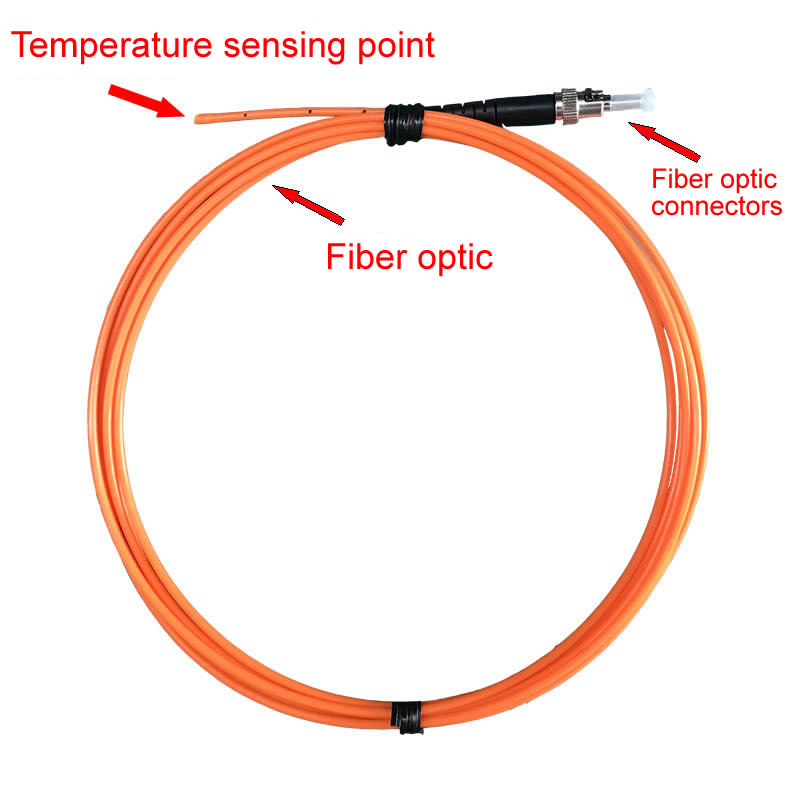
एक पूर्ण fluorescent fiber optic temperature monitoring system from Fjinno consists of five integrated components, each engineered to deliver reliable performance in demanding food processing and industrial environments.
Fiber Optic Demodulator (Transmitter)
The fiber optic demodulator is the core signal processing unit. It generates the excitation light pulse, receives the returning fluorescence signal, measures the decay lifetime, and converts it into a calibrated temperature output. Fjinno’s demodulators support 1 को 64 input channels per unit, allowing a single instrument to monitor dozens of measurement points simultaneously. Communication is provided via an RS485 serial interface, enabling seamless integration with PLC, स्काडा, डी.सी.एस, and other industrial automation systems.
Fluorescent Sensor Probe
The fiber optic temperature probe contains the phosphor sensing element bonded to the tip of the optical fiber. With a standard diameter of just 2 को 3 mm and fully customizable lengths and form factors, the probe can be inserted into tight spaces, embedded within food products, or mounted on equipment surfaces with minimal intrusion. The probe is fully electrically insulating and rated for dielectric withstand exceeding 100 के.वी.
फ्लोरोसेंट ऑप्टिकल फाइबर केबल
The प्रकाशित तंतु connects the sensor probe to the demodulator over distances of up to 80 मीटर की दूरी पर. Constructed from high-purity silica glass with a protective outer jacket, the fiber is flexible, लाइटवेट, and completely immune to electromagnetic interference along its entire length.
Display Module

एक वैकल्पिक स्थानीय प्रदर्शन मॉड्यूल उपकरण या प्रोसेस लाइन पर वास्तविक समय में ऑन-साइट तापमान रीडआउट प्रदान करता है. यह उन ऑपरेटरों के लिए विशेष रूप से उपयोगी है जिन्हें रिमोट मॉनिटरिंग टर्मिनल तक पहुंच के बिना तापमान स्थिति की तत्काल दृश्य पुष्टि की आवश्यकता होती है.
पीसी-आधारित निगरानी सॉफ्टवेयर
Fjinno का स्वामित्व तापमान निगरानी सॉफ्टवेयर मानक विंडोज़ पीसी पर चलता है और वास्तविक समय मल्टी-चैनल तापमान डिस्प्ले प्रदान करता है, ऐतिहासिक डेटा लॉगिंग, प्रवृत्ति रेखांकन, अलार्म थ्रेशोल्ड कॉन्फ़िगरेशन, और रिपोर्ट तैयार करना. सॉफ्टवेयर RS485 के माध्यम से डेमोडुलेटर के साथ संचार करता है (या वैकल्पिक RS485-से-ईथरनेट कनवर्टर) और एचएसीसीपी के लिए दीर्घकालिक डेटा संग्रह का समर्थन करता है, अंकेक्षण, और विनियामक अनुपालन दस्तावेज़ीकरण.
5. खाद्य तापमान की निगरानी के लिए फाइबर ऑप्टिक सेंसर के मुख्य लाभ
एक चुनना फाइबर ऑप्टिक तापमान संवेदन solution over conventional electronic sensors delivers a distinct set of technical and operational advantages — particularly in food processing environments where microwave, आरएफ, or high-voltage equipment is present.
पूर्ण विद्युत चुम्बकीय प्रतिरक्षा
Unlike thermocouples, आरटीडी, or thermistors, ए फाइबर ऑप्टिक सेंसर contains no metallic conductors. It is physically incapable of picking up electromagnetic interference, regardless of field strength or frequency. This means that food temperature monitoring data remains accurate and stable even inside a 100 kW microwave tunnel or adjacent to a high-frequency induction heater — environments where electronic sensors produce erratic, unreliable, or dangerous readings.
Exceptional Electrical Insulation
With a dielectric withstand rating exceeding 100 के.वी, the fiber optic temperature probe provides complete galvanic isolation between the measurement point and the instrument. This eliminates any risk of electrical leakage, ground loops, or shock hazards — a critical safety feature in food processing facilities where equipment is frequently washed down and high-voltage systems are common.
उच्च सटीकता और तेज़ प्रतिक्रिया
Fjinno’s fluorescent fiber sensors achieve ±1°C accuracy across the full −40°C to 260°C measurement range with a response time of less than one second. This combination of precision and speed is essential for monitoring rapid thermal processes such as microwave pasteurization, नसबंदी, and flash cooking, where even brief temperature deviations can compromise product safety or quality.
Miniature, Non-Invasive Probe Design
The sensor probe’s 2–3 mm diameter allows it to be inserted directly into food products for core temperature measurement without significantly affecting heat transfer, product integrity, or packaging seals. Custom probe geometries — including needle-type, surface-mount, and threaded fittings — are available to suit specific process configurations.
Exceptional Longevity and Low Maintenance
Fluorescent phosphor materials are inherently stable, and the optical fiber itself has no moving parts, कोई उपभोज्य तत्व नहीं, and no degradation mechanism under normal operating conditions. Fjinno’s फाइबर ऑप्टिक तापमान सेंसर are engineered for a service life exceeding 25 साल, delivering an exceptionally low total cost of ownership compared to electronic sensors that require periodic recalibration or replacement.
6. मुख्य तकनीकी विशिष्टताएँ - फ्लोरोसेंट फाइबर ऑप्टिक तापमान सेंसर
The following table summarizes the key technical parameters of Fjinno’s fluorescent fiber optic temperature monitoring system. All specifications can be customized to meet specific application requirements upon request.
| पैरामीटर | विनिर्देश |
|---|---|
| मापन प्रकार | Point-type (fluorescence lifetime decay) |
| शुद्धता | ±1°C |
| माप श्रेणी | -40°C से +260°C |
| प्रतिक्रिया समय | < 1 दूसरा |
| Fiber Optic Length | 0 को 80 मीटर की दूरी पर (अनुकूलन) |
| जांच व्यास | 2-3 मिमी (अनुकूलन) |
| Electrical Insulation | > 100 kV dielectric withstand |
| चैनल क्षमता | 1 को 64 प्रति डेमोडुलेटर चैनल |
| संचार इंटरफेस | 485 रुपये (मोडबस आरटीयू); optional Ethernet |
| सेवा जीवन | > 25 साल |
| Probe Material | Fully insulating, non-metallic, food-safe |
| अनुकूलन | Probe dimensions, फाइबर की लंबाई, channel count, mounting style, and other parameters available upon request |
For detailed datasheets or custom configuration assistance, please contact Fjinno’s engineering team directly.
7. कौन से खाद्य प्रसंस्करण वातावरण ईएमआई-प्रतिरोधी तापमान निगरानी की मांग करते हैं?
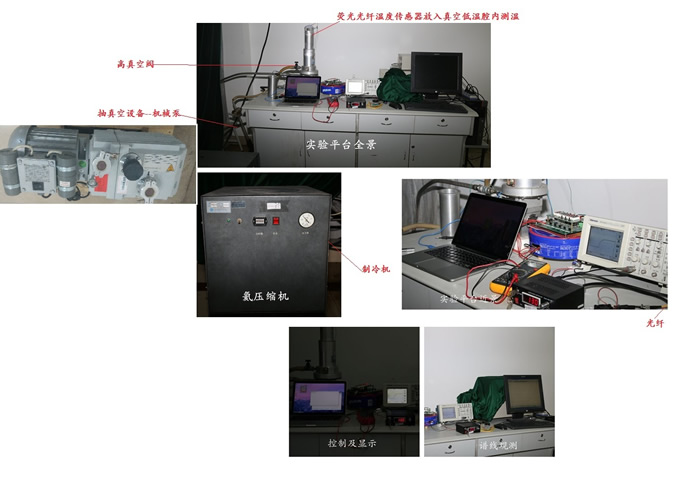
Not every food production line requires a फाइबर ऑप्टिक तापमान सेंसर. तथापि, several high-value food processing applications generate intense electromagnetic fields that make conventional तापमान निगरानी प्रणाली unreliable or entirely non-functional. Understanding these scenarios helps food manufacturers identify where fiber optic sensing delivers the greatest return on investment.
Microwave Pasteurization and Sterilization
औद्योगिक microwave food processing systems operating at 915 MHz or 2.45 GHz are increasingly used for rapid pasteurization and sterilization of packaged meals, beverages, sauces, and prepared foods. Inside the microwave cavity, electromagnetic field intensities can exceed several kV/m. Accurate core food temperature monitoring is mandatory to validate that lethality targets (जैसे, F₀ values) are consistently achieved, and only fiber optic sensors can provide this data reliably within the active microwave field.
Radio-Frequency (आरएफ) Heating and Drying
RF systems operating in the 10–100 MHz range are widely used for post-bake drying of biscuits, crackers, and snack foods, as well as for thawing frozen meat and seafood blocks. The high-voltage RF field between the electrode plates creates an aggressive EMI environment that induces severe errors in thermocouple and RTD readings. Fiber optic temperature probes inserted into the product provide the only trustworthy temperature data in these systems.
Induction Heating and Sealing
Electromagnetic induction is used in food packaging lines for heat-sealing foil lids, cap liners, and tamper-evident closures. The intense alternating magnetic fields generated by induction coils interfere with nearby electronic temperature instruments. Where precise temperature control of the seal zone is critical to package integrity and shelf life, फाइबर ऑप्टिक सेंसर provide interference-free monitoring.
High-Voltage Pulsed Electric Field (PEF) Processing
Pulsed electric field technology applies short bursts of high-voltage electricity to liquid foods (juices, milk, soups) for non-thermal pasteurization. The extreme transient voltages and electromagnetic pulses generated during PEF processing make conventional तापमान माप instruments unreliable. फ्लोरोसेंट फाइबर ऑप्टिक सेंसर, with their 100 kV+ insulation rating, are uniquely suited to monitor product temperature within and immediately downstream of the PEF treatment chamber.
Ohmic Heating
Ohmic (or Joule) heating passes electrical current directly through food products to achieve rapid, volumetric heating. क्योंकि ऊंचे वोल्टेज पर भोजन स्वयं विद्युत परिपथ का हिस्सा बन जाता है, उत्पाद में डाला गया कोई भी धातु सेंसर शॉर्ट-सर्किट पथ बना सकता है, सुरक्षा को खतरा, और माप कलाकृतियाँ. Fully insulating फाइबर ऑप्टिक तापमान जांच उत्पाद के मूल में सटीक वास्तविक समय तापमान डेटा प्रदान करते हुए इन सभी जोखिमों को समाप्त करें.
8. भोजन से परे: पावर में फाइबर ऑप्टिक तापमान सेंसिंग, चिकित्सा, और अनुसंधान अनुप्रयोग
जबकि यह लेख इसी पर केंद्रित है food temperature monitoring, वही फ्लोरोसेंट फाइबर ऑप्टिक प्रौद्योगिकी मंच उद्योगों की एक विस्तृत श्रृंखला में कार्य करता है जहां विद्युत चुम्बकीय प्रतिरक्षा, विद्युत इन्सुलेशन, और दीर्घकालिक विश्वसनीयता भी उतनी ही महत्वपूर्ण है.
इलेक्ट्रिक पावर सिस्टम
Fjinno’s फाइबर ऑप्टिक तापमान सेंसर बिजली ट्रांसफार्मर में हॉटस्पॉट निगरानी के लिए व्यापक रूप से तैनात किया गया है, स्विचगियर, बस नलिकाएं, हाई-वोल्टेज केबल जोड़, और जनरेटर वाइंडिंग्स. अधिक वोल्टेज पर लाइव कंडक्टरों पर सीधे तापमान मापने की क्षमता 100 केवी - इन्सुलेशन टूटने या फ्लैशओवर के किसी भी जोखिम के बिना - विद्युत ऊर्जा उद्योग में फाइबर ऑप्टिक सेंसिंग को अपरिहार्य बनाता है. हर महाद्वीप पर उपयोगिताएँ प्रारंभिक थर्मल दोषों का पता लगाने के लिए इस तकनीक पर भरोसा करती हैं, इससे पहले कि वे महंगे आउटेज या विनाशकारी विफलताओं में बदल जाएँ।.
चिकित्सा और स्वास्थ्य देखभाल उपकरण
चिकित्सा अनुप्रयोगों में, फाइबर ऑप्टिक तापमान जांच एमआरआई-निर्देशित प्रक्रियाओं के दौरान वास्तविक समय में ऊतक तापमान की निगरानी के लिए उपयोग किया जाता है, आरएफ एब्लेशन थेरेपी, माइक्रोवेव अतिताप उपचार, और लेजर सर्जरी. क्योंकि जांच पूरी तरह से एमआरआई-संगत हैं (गैर चुंबकीय, गैर प्रवाहकीय), वे इमेजिंग कलाकृतियाँ या सुरक्षा खतरे पैदा किए बिना एमआरआई बोर के अंदर सटीक थर्मल डेटा प्रदान करते हैं.
वैज्ञानिक और प्रयोगशाला अनुसंधान
अनुसंधान संस्थान फ्लोरोसेंट का उपयोग करते हैं फाइबर ऑप्टिक तापमान सेंसर उच्च शक्ति वाले माइक्रोवेव रिएक्टरों और प्लाज्मा कक्षों से लेकर क्रायोजेनिक प्रणालियों और अर्धचालक प्रसंस्करण उपकरणों तक के वातावरण में. सेंसर’ कॉम्पैक्ट आकार, रासायनिक जड़ता, और विद्युत चुम्बकीय हस्तक्षेप के प्रति प्रतिरोधक क्षमता उन्हें प्रायोगिक सेटअपों में थर्मल लक्षण वर्णन के लिए बहुमुखी उपकरण बनाती है जहां इलेक्ट्रॉनिक सेंसर अस्वीकार्य माप अनिश्चितता पेश करेंगे।.
एक एकीकृत प्रौद्योगिकी मंच
Fjinno के फ्लोरोसेंट फाइबर ऑप्टिक सेंसिंग प्लेटफॉर्म पर मानकीकरण करके, ऐसे संगठन जो कई क्षेत्रों में काम करते हैं - जैसे कि खाद्य प्रसंस्करण वाला समूह, विद्युत उत्पादन, और अनुसंधान प्रभाग - साझा स्पेयर पार्ट्स सूची से लाभ उठा सकते हैं, एकीकृत प्रशिक्षण कार्यक्रम, और उनके सभी महत्वपूर्ण के लिए एक एकल विक्रेता संबंध तापमान की निगरानी आवश्यकताओं.
9. वैश्विक केस स्टडीज - कार्रवाई में फाइबर ऑप्टिक तापमान निगरानी
तब से 2011, Fjinno ने आपूर्ति की है फ्लोरोसेंट फाइबर ऑप्टिक तापमान निगरानी प्रणाली एशिया भर के ग्राहकों के लिए, यूरोप, उत्तरी अमेरिका, मध्य पूर्व, और दक्षिण पूर्व एशिया. निम्नलिखित केस अध्ययन हमारी तकनीक के पीछे वास्तविक दुनिया के परिनियोजन अनुभव की चौड़ाई और गहराई को दर्शाते हैं.
केस स्टडी 1 - माइक्रोवेव पाश्चराइजेशन लाइन, उत्तरी अमेरिका
एक प्रमुख उत्तरी अमेरिकी तैयार भोजन निर्माता ने विस्तारित शेल्फ-लाइफ पैकेजिंग के लिए एक सतत माइक्रोवेव पाश्चुरीकरण प्रणाली लागू की. एफडीए को पूरा करने के लिए सुविधा को प्रत्येक उत्पादन बैच के वास्तविक समय के कोर तापमान सत्यापन की आवश्यकता होती है 21 सीएफआर 113 आवश्यकताएं. Fjinno ने 16-चैनल की आपूर्ति की फाइबर ऑप्टिक तापमान निगरानी प्रणाली कस्टम सुई-प्रकार की जांच के साथ जो प्रसंस्करण के दौरान सीलबंद भोजन ट्रे में प्रवेश करती है. सिस्टम ने सक्रिय के अंदर ±1°C सटीकता प्रदान की 915 मेगाहर्ट्ज माइक्रोवेव क्षेत्र, ग्राहक को पूर्ण विनियामक सत्यापन प्राप्त करने और प्रक्रिया के बाद विनाशकारी तापमान परीक्षण की आवश्यकता को समाप्त करने में सक्षम बनाना.
केस स्टडी 2 - आरएफ विगलन प्रणाली, यूरोपीय समुद्री भोजन प्रोसेसर
एक यूरोपीय समुद्री खाद्य कंपनी ने धीमी गति से बदलने के लिए उच्च क्षमता वाली आरएफ विगलन लाइन स्थापित की, ठंडे पानी और हवा को पिघलाने की असंगत विधियाँ. आरएफ इलेक्ट्रोड के बीच रखे गए पारंपरिक थर्मोकपल 15 डिग्री सेल्सियस से अधिक त्रुटियों के साथ रीडिंग उत्पन्न करते हैं, प्रक्रिया नियंत्रण को असंभव बनाना. Fjinno के 8-चैनल को तैनात करने के बाद फाइबर ऑप्टिक तापमान सेंसर प्रणाली, सुविधा लगातार हासिल की गई, सटीक विगलन समापन बिंदु का पता लगाना, उत्पाद ड्रिप हानि को कम किया 12%, और थ्रूपुट में सुधार हुआ 30%.
केस स्टडी 3 - हाई-वोल्टेज पावर ट्रांसफार्मर, दक्षिणपूर्व एशिया
दक्षिण पूर्व एशिया में एक राष्ट्रीय विद्युत उपयोगिता ने Fjinno के 24-चैनल को तैनात किया फाइबर ऑप्टिक तापमान निगरानी प्रणाली छह के पार 220 kV power transformers for continuous winding hotspot temperature monitoring. The system’s 100 kV+ insulation capability allowed direct sensor installation on the high-voltage windings, providing early thermal fault detection data that the utility credits with preventing two potential transformer failures in the first 18 months of operation.
केस स्टडी 4 — MRI-Compatible Temperature Monitoring, University Medical Center, चीन
A leading university hospital in China required real-time temperature monitoring during MRI-guided focused ultrasound surgery (MRgFUS) प्रक्रियाओं. Fjinno provided custom 4-channel फाइबर ऑप्टिक तापमान जांच साथ 1.8 mm outer diameter for minimally invasive insertion. The probes delivered accurate, artifact-free temperature measurements inside the 3T MRI bore, enabling precise thermal dose control during treatment.
Building on a Decade of Field Experience
These case studies represent a small sample of Fjinno’s installed base, which now spans over 30 countries and thousands of individual sensor channels. Every deployment contributes to our continuously growing library of application-specific engineering knowledge — knowledge that directly benefits new customers through faster system design, more reliable installations, and more effective technical support.
10. अंतर्राष्ट्रीय प्रमाणपत्र और गुणवत्ता आश्वासन
For food manufacturers, power utilities, medical device OEMs, and research institutions operating under strict regulatory oversight, verified product certifications and quality management systems are non-negotiable. Fjinno’s फाइबर ऑप्टिक तापमान सेंसर and monitoring systems carry a comprehensive suite of international certifications.
Current Certifications
Fjinno’s fluorescent fiber optic temperature sensing products hold CE marking (including EMC directive compliance, confirming the products’ विद्युत चुम्बकीय संगतता), ISO quality management certification for design and manufacturing processes, UL recognition for electrical safety, और आरओएचएस अनुकूल confirming the absence of restricted hazardous substances including lead, mercury, cadmium, and hexavalent chromium. These certifications are maintained through regular third-party audits and testing.
Custom and OEM Certification Support
Fjinno recognizes that different markets, industries, and end customers may require additional or region-specific certifications — such as FDA 21 CFR compliance documentation for U.S. food contact applications, ATEX/IECEx for explosive atmosphere zones, CSA for the Canadian market, or specific customer-mandated third-party test reports. Our engineering and quality teams actively collaborate with customers and certification bodies to prepare documentation, conduct required testing, and obtain the specific approvals needed for each project. यह custom certification support service is a standard part of our OEM and project partnership model, ensuring that our तापमान निगरानी समाधान meet every applicable regulatory requirement in the target market.
Manufacturing Quality Control
प्रत्येक फाइबर ऑप्टिक सेंसर and demodulator unit undergoes a rigorous factory acceptance test (मोटा) including full-range temperature calibration, optical signal integrity verification, insulation resistance and dielectric withstand testing, and accelerated aging screening. Calibration certificates traceable to national metrology standards are provided with every shipment. This end-to-end quality control process reflects Fjinno’s commitment to delivering measurement instruments that perform reliably from day one — and continue to perform for decades.
11. खाद्य तापमान निगरानी के बारे में अक्सर पूछे जाने वाले प्रश्न
Q1: What makes fiber optic sensors better than thermocouples for food temperature monitoring in microwave environments?
Thermocouples use metallic conductors that absorb microwave energy, causing self-heating and measurement errors often exceeding 10°C. फाइबर ऑप्टिक तापमान सेंसर use glass optical fibers that carry light instead of electrical signals, making them completely immune to microwave radiation and electromagnetic interference. This fundamental physical difference ensures accurate, artifact-free temperature data inside any microwave or RF processing system.
Q2: What is the accuracy and measurement range of your fluorescent fiber optic temperature sensor?
Fjinno’s standard फ्लोरोसेंट फाइबर ऑप्टिक सेंसर offers ±1°C accuracy across a measurement range of −40°C to +260°C, with a response time of less than one second. These specifications cover the vast majority of food processing, cold chain, and industrial temperature monitoring applications.
Q3: How many temperature measurement points can one system monitor simultaneously?
A single Fjinno fiber optic demodulator (ट्रांसमीटर) का समर्थन करता है 1 को 64 sensor channels, depending on the model selected. For applications requiring more than 64 चैनल, multiple demodulators can be networked via RS485 and managed through a single centralized monitoring software platform.
Q4: How far can the fiber optic sensor probe be located from the demodulator?
मानक प्रकाशित तंतु cable lengths range from near-zero to 80 meters between the sensor probe and the demodulator. Custom fiber lengths beyond 80 m can be evaluated on a case-by-case basis depending on the application’s optical budget requirements.
Q5: Are the sensor probes safe for direct contact with food products?
हाँ. The fiber optic temperature probe is constructed entirely from non-metallic, electrically insulating materials. The probe tip and sheath contain no metals, no lead, and no restricted substances, and the system is RoHS compliant. For applications requiring direct food contact certification, Fjinno can provide material declarations and support FDA 21 CFR or EU food contact material compliance documentation upon request.
Q6: What communication protocols does the system support for integration with existing process control systems?
The standard communication interface is 485 रुपये with Modbus RTU protocol, which is compatible with virtually all industrial PLCs, स्काडा सिस्टम, and DCS platforms. Optional RS485-to-Ethernet converters are available for TCP/IP network integration. Analog 4–20 mA output modules can also be provided when required.
क्यू 7: How long do the fiber optic sensors last, and how often do they require recalibration?
Fjinno’s फ्लोरोसेंट फाइबर ऑप्टिक सेंसर are engineered for a service life exceeding 25 years under normal operating conditions. The fluorescent phosphor material is inherently stable and does not degrade over time. We recommend a verification check against a reference standard every 12 को 24 महीने, consistent with standard industrial metrology practice, but full recalibration is rarely required.
Q8: Can the probe diameter and shape be customized for my specific application?
बिल्कुल. The standard probe diameter is 2–3 mm, but Fjinno routinely manufactures custom probe configurations including needle-type probes for product insertion, surface-mount probes for equipment skin temperature monitoring, threaded probes for process pipe fittings, and micro-probes below 2 mm for medical or laboratory applications. Contact our engineering team with your requirements for a tailored solution.
प्रश्न 9: What certifications do your fiber optic temperature monitoring products carry?
Fjinno’s products hold सीई (including EMC), आईएसओ, यूएल, और RoHS प्रमाणपत्र. We also provide custom certification support — including ATEX, CSA, FDA documentation, and customer-specified third-party testing — to meet regional and application-specific regulatory requirements.
Q10: Can fiber optic temperature sensors be used outside of food processing — for example, in power systems or medical equipment?
हाँ. The same फ्लोरोसेंट फाइबर ऑप्टिक तापमान संवेदन technology platform is widely used for high-voltage transformer winding hotspot monitoring, स्विचगियर थर्मल प्रबंधन, MRI-compatible medical temperature measurement, and scientific research in electromagnetic environments. Fjinno supports all of these application areas from a single product and engineering platform, with application-specific probe designs and system configurations available for each industry.
12. Get a Custom Food Temperature Monitoring Solution — Contact Fjinno
Every food processing line, every microwave system, and every temperature monitoring challenge has unique requirements. Whether you need a single-channel फाइबर ऑप्टिक तापमान सेंसर for laboratory validation or a 64-channel तापमान निगरानी प्रणाली for a full-scale production facility, Fjinno’s engineering team is ready to design a solution tailored precisely to your application.
Why Work With Fjinno?
As a specialized फाइबर ऑप्टिक तापमान संवेदन manufacturer with over 13 years of experience and thousands of sensor channels deployed across more than 30 देशों, Fjinno combines deep domain expertise with flexible, responsive manufacturing. We support every project from initial consultation and system design through production, अंशांकन, वितरण, commissioning guidance, and ongoing technical support. Our custom certification support service ensures that your system meets every applicable standard in your market — whether that is CE, यूएल, एफडीए, एटेक्स, or any other requirement.
Contact us today to discuss your food temperature monitoring requirements and receive a customized technical proposal:
फ़ूज़ौ इनोवेशन इलेक्ट्रॉनिक विज्ञान&टेक कंपनी, लिमिटेड. (Fjinno)
स्थापित: 2011
पता: लियानडोंग यू ग्रेन नेटवर्किंग इंडस्ट्रियल पार्क, नहीं. 12 ज़िंगे वेस्ट रोड, फ़ूज़ौ, फ़ुज़ियान, चीन
ई-मेल: web@fjinno.net
WhatsApp / WeChat (चीन) / फ़ोन: +86 135 9907 0393
QQ: 3408968340
वेबसाइट: www.fjinno.net
अस्वीकरण
इस लेख में दी गई जानकारी केवल सामान्य सूचनात्मक और शैक्षिक उद्देश्यों के लिए है. जबकि फ़ूज़ौ इनोवेशन इलेक्ट्रॉनिक विज्ञान&टेक कंपनी, लिमिटेड. (Fjinno) makes every effort to ensure the accuracy and completeness of the content herein, all technical specifications, प्रमाणपत्र, and application descriptions are subject to change without prior notice. Product performance may vary depending on specific operating conditions, installation methods, and environmental factors. This article does not constitute a warranty, गारंटी, या किसी भी प्रकार की संविदात्मक प्रतिबद्धता. Customers are advised to consult directly with Fjinno’s engineering team to confirm that a proposed solution meets their specific technical and regulatory requirements before making purchasing decisions. For the most current product information and certifications, please visit www.fjinno.net or contact us at web@fjinno.net.

फाइबर ऑप्टिक तापमान सेंसर, बुद्धिमान निगरानी प्रणाली, चीन में वितरित फाइबर ऑप्टिक निर्माता
 |
 |
 |