 חיישני טמפרטורה של סיבים אופטיים INNO ,מערכות ניטור טמפרטורה.
- התחממות יתר של שנאי אחראית לרוב תקלות הבידוד המוקדמות וההפסקות הבלתי מתוכננות ברשתות חשמל ברחבי העולם - מה שהופך את ניטור הטמפרטורה לאחת ההשקעות בעלות הערך הגבוה ביותר בהגנה על נכסים.
- חמש טכנולוגיות ניטור הטמפרטורה העיקריות של שנאי הן: תרמומטריית סיבים אופטיים ניאון, גלאי טמפרטורת התנגדות PT100, מדדי טמפרטורת שמן סימולציה תרמית, חיישני טמפרטורה אלחוטיים, ו תרמוגרפיה אינפרא אדום.
- חיישני סיבים אופטיים פלואורסצנטיים הם הטכנולוגיה היחידה המסוגלת למדידת נקודות חמות בפיתול ישיר בתוך שנאים מופעלים עם חסינות EMI מלאה ודיוק של ±0.5 מעלות צלזיוס - מה שהופך אותם לתקן הזהב עבור נכסי מתח גבוה קריטיים.
- חיישני PT100 הם מדחום המגע הסטנדרטי בתעשייה לניטור טמפרטורת שמן ומערכת קירור עליונה, משולב באופן נרחב בממסרי הגנת שנאים ומערכות SCADA.
- מדדי טמפרטורת שמן סימולציה תרמית לחשב טמפרטורה משוערת של נקודה חמה בפיתול באמצעות מודל תרמי אנלוגי של מאפייני עליית החום של השנאי - פתרון חסכוני להגנה שגרתית על שנאי הפצה.
- חיישני טמפרטורה אלחוטיים לספק ניטור רב-נקודתי ללא כבלים על משטחי שנאי, תותבים, וסיומי כבלים - אידיאליים עבור התקנות מחודשות ומארזי שנאים מהסוג היבש.
- תרמוגרפיה אינפרא אדום מספק מיפוי חום ויזואלי ללא מגע עבור בדיקות תחזוקה מתוזמנות אך אינו יכול לספק את האזעקה המתמשכת בזמן אמת שמערכות ניטור מקוונות מציעות.
- הפתרון הטוב ביותר לניטור טמפרטורת שנאי משלב חישת נקודה חמה בפיתול ישיר עם מדידת טמפרטורת השמן העליונה, ניהול אזעקות רב-שכבתי, ושילוב עם פלטפורמות SCADA או EMS קיימות.
1. מהו שנאי כוח? עמוד השדרה של כל רשת חשמל

א שנאי כוח is a static electromagnetic device that transfers electrical energy between two or more circuits through electromagnetic induction, simultaneously stepping voltage up or down to match the requirements of transmission, הֲפָצָה, or end-use equipment. רובוטריקים הם אבן הפינה של כל מערכת זרם חילופין - מייצור בקנה מידה שירות ורשתות הולכה במתח גבוה ועד לנקודת החלוקה הסופית בבניין מסחרי, מפעל תעשייתי, או שכונת מגורים.
סוגים עיקריים של שנאי כוח
שנאי כוח טבולים בשמן הם הטכנולוגיה הדומיננטית ליישומי מתח גבוה וקיבולת גבוהה. הליבה והפיתולים שקועים בשמן מינרלי, המשמש גם כבידוד חשמלי וגם כמדיום הקירור העיקרי. יחידות אלו נמצאות בתחנות הולכה, מתקנים תעשייתיים, וחיבורי אנרגיה מתחדשת בקנה מידה רשת, החל מכמה MVA ועד מעל 1,000 MVA.
שנאים מהסוג היבש השתמש בבידוד שרף יצוק מוצק במקום שמן, ביטול סכנת שריפה והפיכתם לבחירה המועדפת עבור התקנות פנימיות כגון מרכזי נתונים, בתי חולים, commercial high-rise buildings, תחנות מטרו, and semiconductor fabs. Cast-resin dry-type units operate at lower voltage and power ratings than oil-filled units but require direct ניטור טמפרטורה מתפתל due to their higher thermal sensitivity.
שנאים מבודדים בגז use sulfur hexafluoride (SF₆) or nitrogen as the insulating and cooling medium. They are used in applications requiring compact footprint, low flammability, and high reliability — including offshore platforms, urban GIS substations, ותשתיות קריטיות.
Pad-mounted and box-type transformers are self-contained distribution units used for medium-voltage to low-voltage conversion at commercial and residential service points, increasingly equipped with integrated מערכות ניטור שנאי חכמות for remote condition management.
Industries Dependent on Transformer Reliability
Reliable transformer operation is mission-critical across electric utilities, נפט וגז, automotive manufacturing, מעבר רכבת, מרכזי נתונים, כְּרִיָה, פטרוכימיקלים, ושירותי בריאות. Any thermal failure in a large power transformer can translate into weeks of repair time, significant capital replacement cost, and cascading impacts on grid stability and facility operations.
2. Inside the Tank: Core Components of Oil-Immersed and Dry-Type Transformers

Understanding transformer construction is essential for designing an effective transformer temperature monitoring strategy. Each major component has distinct thermal characteristics and failure modes that determine where and how sensors should be placed.
פיתולים (Coils)

ה מתפתל שנאי is the most thermally critical component. Copper or aluminum conductors carry the full load current and generate resistive heat (הפסדי I²R) that must be continuously dissipated. ה נקודה חמה מתפתלת — the single highest-temperature point within the coil — is the primary determinant of transformer insulation life and load capacity. חברת החשמל 60076-2 defines hot-spot measurement and calculation methodologies that underpin all modern transformer thermal protection standards.
ליבה (ליבת ברזל)

The laminated silicon steel core carries alternating magnetic flux and generates eddy current and hysteresis losses that appear as heat distributed throughout the core volume. Localized core hot spots caused by inter-laminar insulation damage, זרמים במחזור, or manufacturing defects can cause internal thermal events that are difficult to detect without distributed fiber sensing.
שמן בידוד
בשנאים מלאי שמן, mineral oil or synthetic ester fluid serves as both the primary insulating medium and the convective heat transfer fluid. טמפרטורת שמן עליונה is the most widely monitored transformer parameter, נמדד לפי חיישני PT100 או thermal simulation indicators mounted on the transformer tank. Oil degradation — measured by acidity, ניתוח גז מומס (DGA), and moisture content — accelerates sharply above rated operating temperatures.
הקש על מחליף

ה מחליף ברזים על עומס (OLTC) is the most mechanically complex component of a power transformer and a leading source of thermal faults. בלאי מגע, carbon contamination, and incorrect oil lead to elevated transition resistance and localized heating at the tap selector contacts — a fault mode directly detectable by embedded fiber optic temperature sensors.
תותבים

מתח גבוה תותבי שנאי carry current through the tank wall and are subject to dielectric heating, contact resistance at terminal connections, and moisture ingress. Bushing hot spots are effectively monitored using משדרי טמפרטורה אלחוטיים or infrared inspection through designated observation windows.
מערכת קירור
Oil-immersed transformers are cooled by natural or forced oil circulation combined with radiator banks, מעריצים, or water heat exchangers. Cooling system performance monitoring — including radiator inlet/outlet temperature differentials measured by PT100 sensors — is a standard component of comprehensive transformer thermal management systems.
3. Why Do Transformers Fail? Root Causes of Thermal Faults in Power Transformers
Industry surveys consistently identify thermal degradation as the leading cause of transformer insulation failure and premature end-of-life. According to CIGRE and IEEE reliability studies, thermal faults account for 30–40% of all major transformer failures — a proportion that rises further when cooling system failures and overload events are included in the analysis.
Winding Overheating
Sustained overloading drives winding temperatures above the rated thermal limit defined by insulation class. For standard mineral-oil transformers with Class A (105מעלות צלזיוס) cellulose insulation, operation at 10°C above the rated hot-spot limit halves the expected insulation life — a relationship governed by the Arrhenius thermal aging model codified in IEC 60076-7.
Cooling System Failure
כשלים במנוע מאוורר, blocked radiator fins, תקלות במשאבה, and oil valve misoperation all reduce the transformer’s ability to dissipate heat. A transformer operating with a fully failed cooling system can reach critical winding temperatures within 30–60 minutes under full load — a scenario that demands real-time continuous winding hot-spot monitoring with automatic load reduction or trip protection.
Tap Changer Contact Degradation
The OLTC operates under load, generating contact arcing that gradually degrades the selector contacts and contaminates the diverter oil. As contact resistance increases, local heating rises proportionally. Studies indicate that OLTC-related faults חשבון בערך 40% of all transformer failures requiring major repair — the single largest failure category by cause.
Overload and Emergency Operation
Grid contingency events, equipment outages, and abnormal load growth regularly push distribution and transmission transformers beyond their nameplate ratings. While transformers can tolerate short-duration overloads per IEC 60076-7 loading guides, each overload event consumes a measurable portion of remaining insulation life that cannot be recovered.
Core Insulation Defects
Inter-laminar core insulation damage creates low-resistance paths for eddy current circulation, generating concentrated heat in localized core regions. These defects — often caused by mechanical damage during transport or installation — can cause sustained internal hot spots that accelerate oil degradation and generate dissolved combustible gases detectable by DGA monitoring.
4. The Real Cost of Transformer Overheating: Risks and Consequences
The consequences of inadequate ניטור טמפרטורת שנאי extend far beyond the transformer itself. A single major transformer failure in a critical facility can trigger a chain of operational, כַּספִּי, בְּטִיחוּת, and regulatory consequences that take months to fully resolve.
Accelerated Insulation Aging and Reduced Asset Life
Cellulose paper insulation — the primary dielectric material in oil-immersed transformers — undergoes irreversible thermal degradation through a chemical process described by the משוואת ארניוס. For every 6–10°C rise in winding hot-spot temperature above the rated design limit, the transformer’s expected service life is reduced by approximately half. A transformer designed for a 40-year service life can be prematurely aged to functional end-of-life in under 15 years through sustained moderate overtemperature operation that would be undetectable without מדידת טמפרטורת סלילה ישירה.
Catastrophic Failure, Fire, and Explosion Risk
Severe winding overheating causes rapid oil degradation, ייצור גז, and potential internal arcing. בשנאים מלאי שמן, the combination of electrical arcing and hydrocarbon oil vapor creates conditions for tank rupture, oil fire, and explosive pressure release. Major transformer fires in substations and industrial facilities have caused fatalities, structural destruction, and contamination events requiring multi-million dollar environmental remediation. Dry-type transformer failures, while less prone to fire, can produce toxic fumes from burning cast resin and cause extended facility shutdowns.
Unplanned Outages and Production Loss
Large power transformers at transmission voltage levels (138kV ומעלה) typically have lead times of 12–24 months for replacement. An unplanned failure of a grid-critical transformer can result in extended supply interruptions affecting industrial customers, שירותים, and communities. For manufacturing facilities, מרכזי נתונים, ובתי חולים, the cost of an unplanned electrical outage typically ranges from tens of thousands to several million dollars per hour of downtime — making the economics of predictive transformer monitoring compelling at virtually any scale of operation.
Regulatory Compliance and Insurance Implications
רגולטורים של שירותים, insurance underwriters, and equipment standards bodies increasingly require documented evidence of thermal condition monitoring for power transformers above a defined MVA threshold. Facilities that cannot demonstrate an active transformer temperature monitoring program may face increased insurance premiums, reduced coverage for thermal failure claims, or compliance violations under grid operator reliability standards such as NERC TPL and IEC 60076 סִדרָה.
5. Where Does Heat Concentrate? Critical Hotspot Locations in Power Transformers
יָעִיל זיהוי נקודה חמה של שנאי requires a precise understanding of where thermal stress accumulates under normal and abnormal operating conditions. The following locations represent the highest thermal risk zones in both oil-immersed and dry-type power transformers and should form the basis of any sensor placement plan.
Winding Hot Spot — The Most Critical Monitoring Point
ה נקודה חמה מתפתלת is defined by IEC 60076-2 כנקודת הטמפרטורה הגבוהה ביותר בתוך מכלול מתפתל השנאי - ממוקמת בדרך כלל בשליש העליון של סליל המתח הנמוך או המתח הגבוה שבו צפיפות הזרם והגבלת זרימת השמן משתלבים כדי לייצר הצטברות חום מקסימלית. טמפרטורת הנקודה החמה שולטת ישירות בקצב הזדקנות הבידוד והיא הפרמטר העיקרי המשמש לחישוב חיי השנאי הנותרים ויכולת עומס יתר המותרת. מדידה ישירה של טמפרטורת נקודה חמה מתפתלת באמצעות בדיקות סיבים אופטיים פלואורסצנטיים היא השיטה היחידה שמספקת אמת, קריאה בזמן אמת של פרמטר קריטי זה ולא הערכה מחושבת.
טמפרטורת שמן עליונה
טמפרטורת שמן עליונה הוא פרמטר השנאי המנוטר ביותר בשירות כיום, נמדד לפי גלאי טמפרטורת התנגדות PT100 או מדדי טמפרטורת שמן סימולציה תרמית מותקן בכיסוי מיכל השנאי או בצינור הקונסרבטור. While top oil temperature does not directly measure winding hot-spot conditions, it provides a reliable indication of overall thermal load and cooling system performance, and serves as the primary input to thermal simulation hot-spot calculation algorithms used in protection relay settings.
Iron Core Localized Hot Spots
Core hot spots caused by inter-laminar insulation damage, shorted laminations, or stray flux concentration can generate sustained localized heating that accelerates oil degradation and produces dissolved combustible gases — the earliest detectable signature of an incipient core thermal fault. These internal hot spots are not accessible to surface-mounted sensors and require either חישת סיבים אופטיים מבוזרת within the core assembly or indirect detection through dissolved gas analysis (DGA) ניטור.
On-Load Tap Changer Contacts
ה מגעי מתג מפנה OLTC פועלים תחת זרם עומס מלא ונתונים לבלאי מגע מתקדם ולעלייה בהתנגדות. התנגדות מוגברת למגע מייצרת חימום מקומי בתוך תא מחליף הברזים שניתן לזהות על ידי בדיקות טמפרטורה משובצות בסיבים אופטיים או חיישנים אלחוטיים הממוקמים בתוך בית ה-OLTC - מספקים אזהרה מוקדמת על פגיעה במגע לפני שהוא מתקדם לאירוע כשל במפנה.
חיבורי מסוף תותבים
מסופי תותב במתח גבוה נתונים ללחץ תרמי הן מהפסדים דיאלקטריים בתוך מעבה התותב והן מהתנגדות למגע במהדק המסוף החיצוני. חיבורי טרמינלים רופפים או פגומים יוצרים חימום משטח מקומי שמזוהה ביעילות על ידי משדרי טמפרטורה אלחוטיים מהודק למחבר המסוף או על ידי תקופתי infrared thermographic inspection during scheduled maintenance outages.
Cooling System Inlet and Outlet Points
The temperature differential between radiator inlet (hot oil) and outlet (cooled oil) provides a direct measure of cooling system efficiency. חיישני PT100 installed at radiator inlet and outlet pipes enable continuous monitoring of heat dissipation performance — detecting partial blockages, כשלים של מאווררים, and pump degradation before they cause winding temperature exceedances.
Cable Termination and LV Busbar Connections
Low-voltage busbar joints and cable terminations at the transformer secondary terminals carry high current and are prone to contact resistance increases from loose connections, חִמצוּן, and thermal cycling fatigue. These external connection points are well suited to monitoring by wireless surface temperature sensors or periodic infrared inspection and represent a frequently overlooked but practically significant source of thermal faults in distribution transformer installations.
6. 5 Transformer Temperature Monitoring Technologies Compared

בחירת הימין transformer temperature monitoring solution requires matching each technology’s capabilities and limitations to the specific monitoring requirements of your transformer type, רמת מתח, סביבת התקנה, and operational risk profile. The following section provides a detailed technical assessment of all five primary methods in current use.
שִׁיטָה 1: חיישני טמפרטורה סיבים אופטיים פלואורסצנטיים
מדחום סיבים אופטיים פלואורסצנטיים — also referred to as חיישני טמפרטורת סיבים אופטיים או FOCS (חישת סיבים אופטיים) מערכות — are the technically superior solution for direct measurement of transformer winding hot-spot temperatures. The sensing element consists of a rare-earth phosphor compound bonded to the tip of a thin-diameter optical fiber. When excited by a short pulse of LED light, the phosphor emits fluorescence whose decay time constant changes predictably and reproducibly with temperature. Since no electrical signal is present at the sensing point, the probe is inherently safe for direct embedding in high-voltage windings without any insulation risk or interference with the transformer’s dielectric system.
יתרונות טכניים עיקריים
- Direct winding hot-spot measurement — the only technology that provides a true real-time reading at the IEC 60076-2 defined hot-spot location inside the winding assembly
- Measurement accuracy of ±0.5°C across the full operating range of -40°C to +300°C
- חסינות מלאה להפרעות אלקטרומגנטיות — unaffected by high-voltage fields, load current magnetic fields, והחלפת חוליות
- בידוד חשמלי מהותי — no ground fault risk, no dielectric stress on transformer insulation
- Suitable for both oil-immersed and dry-type cast-resin transformers
- תומך ניטור רב ערוצי of HV winding, מתפתל LV, and core hot spots from a single demodulator unit
- Fully compliant with חברת החשמל 60076-2 מדידת טמפרטורה מתפתלת ו חברת החשמל 60354 מדריך טעינה דרישות
- Long service life exceeding 20 years with no maintenance or calibration required at the sensing point
התקנה אופיינית
עֲבוּר שנאים חדשים, fluorescent fiber optic probes are factory-wound directly into the winding assembly alongside the conductor turns at the anticipated hot-spot location. עֲבוּר retrofitting existing transformers, probes can be inserted through the transformer tank cover or bushing ports during planned maintenance outages, guided into position within the winding assembly using purpose-designed insertion tools. The fiber optic cable exits the transformer via a hermetically sealed fiber feedthrough fitting and connects to the external multi-channel fiber optic thermometry demodulator.
שִׁיטָה 2: גלאי טמפרטורת התנגדות PT100
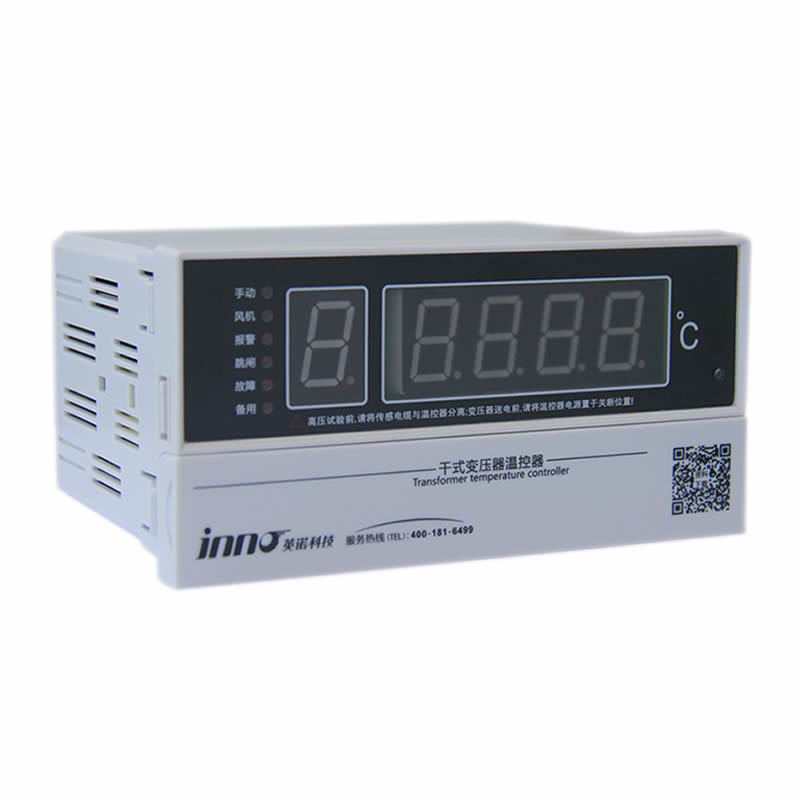
חיישני PT100 — platinum resistance thermometers with a nominal resistance of 100 ohms at 0°C — are the most widely deployed temperature measurement device in power transformer installations worldwide. Their simplicity, יציבות לטווח ארוך, and compatibility with standard protection relay and SCADA input modules have made them the default choice for top oil temperature monitoring, cooling system temperature measurement, and ambient temperature compensation in transformer thermal models.
עקרון הפעולה
The electrical resistance of platinum increases linearly and predictably with temperature at a rate of approximately 0.385 אוהם ל-°C. A PT100 sensor connected to a precision measurement circuit provides a stable, repeatable temperature reading with accuracy typically in the range of ±0.3°C to ±1°C depending on sensor grade (חברת החשמל 60751 Class A or Class B) ואיכות ההתקנה. 4-wire PT100 connection circuits eliminate lead resistance errors and are the required configuration for accurate temperature measurement in transformer protection applications.
Standard Applications in Transformer Monitoring
- מדידת טמפרטורת שמן עליונה — PT100 pocket sensors installed in transformer tank cover wells provide continuous top oil temperature readings that are the primary input to thermal overload protection relays
- Radiator inlet and outlet temperature — differential temperature measurement for cooling system efficiency monitoring
- Ambient temperature compensation — external PT100 sensors provide the ambient reference temperature required by hot-spot calculation algorithms in IEC 60076-7 מודלים תרמיים
- Dry-type transformer winding surface temperature — PT100 sensors bonded to the outer surface of cast-resin windings provide a winding temperature indication, though surface measurements consistently underestimate the true internal hot-spot temperature by 10–20°C
Key Limitation
PT100 sensors cannot be embedded inside oil-immersed transformer windings due to their electrical conductivity — contact between a PT100 element and high-voltage conductors would create an immediate insulation fault. כתוצאה מכך, PT100-based systems rely on calculated hot-spot estimates derived from top oil temperature measurements combined with thermal model parameters, rather than direct measurement. This calculated estimate carries inherent uncertainty, particularly under dynamic load conditions and when thermal model parameters have drifted from factory values due to aging.
שִׁיטָה 3: Thermal Simulation Oil Temperature Indicators (מחווני טמפרטורה מתפתלים)
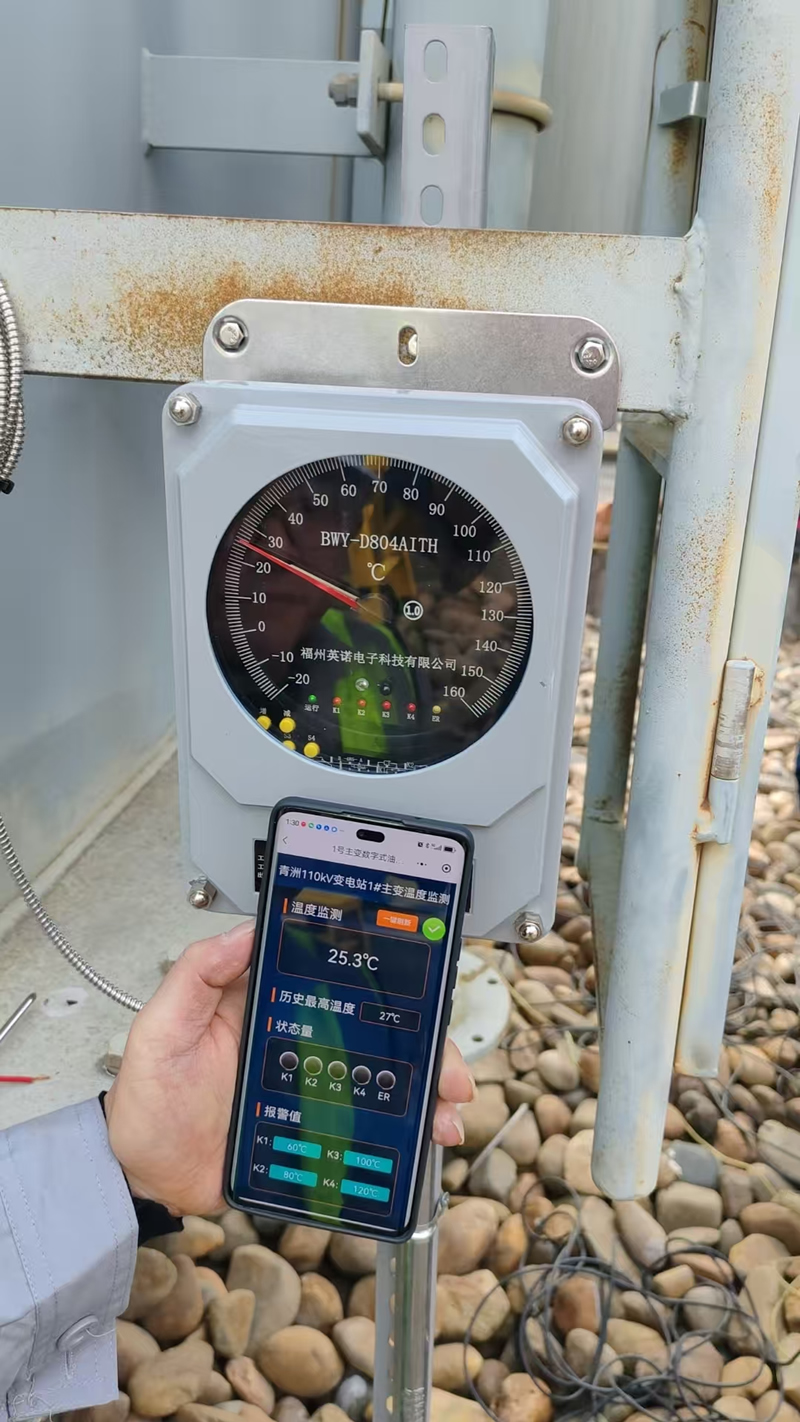
ה thermal simulation winding temperature indicator (WTI) — also known as a hot-spot temperature simulator או thermal image indicator — is a self-contained electromechanical instrument that estimates transformer winding hot-spot temperature using an analog thermal model of the transformer’s heat-rise behavior. It is one of the most widely installed transformer temperature monitoring devices in service globally, found on distribution and power transformers from 1 MVA to several hundred MVA.
עקרון הפעולה
The WTI consists of a bimetallic dial thermometer installed in a PT100 oil temperature pocket on the transformer tank, combined with a small heating element energized by a current proportional to the transformer load current (supplied via a dedicated current transformer). The heater element mimics the I²R heat rise of the winding above oil temperature — so the thermometer pointer reads a temperature that represents the estimated winding hot spot rather than the oil temperature alone. By adjusting the heating current ratio and thermal time constant of the heater assembly, the WTI can be calibrated to closely match the actual winding thermal behavior defined in the transformer’s factory heat-run test report.
תכונות פונקציונליות
- Provides a continuous estimated winding hot-spot temperature reading on a local analog dial — no external power supply required for basic indication
- Integral adjustable alarm and trip contacts (typically two independent contact stages) for direct connection to protection relay or SCADA alarm inputs
- מובנה drag-hand indicator records the maximum temperature reached since last manual reset — useful for post-event analysis of overload events
- אופציונלי 4–20mA or PT100 analog output for remote monitoring integration
- Separate cooling control contacts for automatic fan or pump start/stop based on estimated hot-spot temperature
- Available in both מחוון טמפרטורת שמן (נַעֲשָׂה) תְצוּרָה (measures top oil only, no load current input) ומלא מחוון טמפרטורה מתפתל (WTI) configuration with load current compensation
Applications and Limitations
ה thermal simulation WTI is the standard temperature protection device on the majority of distribution and sub-transmission transformers in service worldwide due to its low cost, mechanical simplicity, and independence from external power supplies. עם זאת, its analog thermal model is a simplified representation of actual winding thermal behavior — it does not account for non-uniform current distribution, localized cooling variations, or changes in winding thermal characteristics due to insulation aging. For critical high-value transformers where accurate hot-spot knowledge is essential for life management and dynamic load optimization, direct fiber optic winding temperature measurement should supplement or replace WTI-based thermal simulation.
שִׁיטָה 4: Wireless Temperature Monitoring Sensors
Wireless transformer temperature sensors use battery-powered transmitter nodes to collect surface temperature data at defined measurement points and relay readings to a central gateway or cloud monitoring platform via ZigBee, לורה, 2.4GHz RF, or NB-IoT פרוטוקולים. This architecture eliminates signal cabling between the sensor and the monitoring system — a significant advantage for retrofit applications and installations where running new instrumentation cables to an existing transformer is impractical or costly.
יתרונות ליבה
- Tool-free installation on transformer external surfaces, מסופי תותבים, LV busbar connections, and cable lugs
- תומך multi-point networks covering dozens of measurement locations across a transformer bay or substation from a single gateway
- Real-time temperature data with configurable alarm thresholds and push notification to mobile devices or SCADA systems
- אידיאלי עבור dry-type transformer enclosure monitoring where winding surface temperatures are the primary measurement target
- Cloud integration enables centralized monitoring and trending across multiple transformer installations on a single platform
מגבלות
Wireless sensors measure surface or near-surface temperatures only and cannot access the internal winding hot-spot of an oil-immersed transformer. Battery replacement is required typically every 2–5 years depending on transmission interval settings. Metal transformer enclosures attenuate radio frequency signals — antenna placement design and repeater positioning must be addressed during system commissioning to ensure reliable data transmission.
שִׁיטָה 5: תרמוגרפיה אינפרא אדום
מצלמות תרמיות אינפרא אדום detect the electromagnetic radiation emitted by transformer external surfaces and convert it into a calibrated visual heat map, enabling maintenance technicians to identify abnormal temperature gradients across bushings, חיבורי מסוף, cooling radiators, and tank surfaces during scheduled inspection visits without physical contact with energized equipment.
Handheld Infrared Camera vs. Fixed Online Thermal Sensor
נייד infrared thermography cameras are the standard tool for periodic transformer inspection rounds and provide high-resolution thermal images suitable for maintenance reports and trend comparison across successive inspection cycles. Fixed online infrared sensors mounted in dedicated observation windows on transformer enclosures or switchgear panels enable continuous thermal monitoring of specific external zones — bridging the gap between scheduled inspection intervals for high-priority assets.
Core Advantages and Limitations
Infrared thermography excels as a ללא מגע, rapid survey tool for external fault detection and maintenance documentation. It is fully compatible with all transformer types and voltage levels and requires no permanent installation on the transformer itself. עם זאת, infrared measurement is fundamentally limited to surface temperature detection — it cannot measure winding hot-spot temperatures inside the transformer tank, and it provides only a periodic snapshot rather than the continuous real-time coverage needed for automated alarm and protection functions.
ניטור טמפרטורת שנאי: טבלת השוואת טכנולוגיה

| קריטריונים | סיב אופטי פלואורסצנטי | חיישן PT100 | Thermal Simulation WTI | חיישן אלחוטי | תרמוגרפיה אינפרא אדום |
|---|---|---|---|---|---|
| סוג מדידה | Direct winding hot spot | שֶׁמֶן / surface temperature | נקודה חמה משוערת (מְחוֹשָׁב) | Surface temperature | Surface temperature |
| מצב ניטור | רציף באינטרנט | רציף באינטרנט | רציף באינטרנט | רציף באינטרנט | תְקוּפָתִי / scheduled |
| חסינות EMI | ★★★★★ | ★★★ | ★★★★ | ★★★ | ★★★★ |
| דיוק מדידה | ±0.5 מעלות צלזיוס | ±0.3–1°C | ±2-5 מעלות צלזיוס (estimated) | ±1°C | ±2 מעלות צלזיוס |
| Internal Winding Access | ✅ Direct | ❌ Surface only | ⚠️ Calculated estimate | ❌ Surface only | ❌ External only |
| אזעקה בזמן אמת | ✅ | ✅ | ✅ | ✅ | ❌ |
| מורכבות ההתקנה | לְמַתֵן (factory or retrofit) | פָּשׁוּט | פָּשׁוּט | מִינִימָלִי | אַף לֹא אֶחָד (נייד) |
| Suitable for Oil-Immersed | ✅ | ✅ | ✅ | ⚠️ External only | ✅ |
| Suitable for Dry-Type | ✅ | ✅ | ⚠️ מוגבל | ✅ | ✅ |
| חברת החשמל 60076-2 תואם | ✅ | ⚠️ Indirect | ⚠️ Indirect | ❌ | ❌ |
| האפליקציה הטובה ביותר | Critical HV transformers, winding life management | Standard protection relay input, ניטור שמן | שנאי הפצה, routine thermal protection | תוֹתַב מֵסַב, LV terminals, dry-type retrofit | Maintenance inspection, external fault survey |
7. Building the Best Transformer Thermal Monitoring System
The most effective transformer temperature monitoring solution is not a single device but a layered, integrated architecture that combines direct sensing, רכישת נתונים, ניהול אזעקות, and system-level integration to deliver actionable thermal intelligence throughout the transformer’s operating life.
Layer 1 — Sensing: Matching Technology to Measurement Point
A comprehensive sensing deployment addresses all critical thermal zones of the transformer simultaneously. בדיקות סיבים אופטיים פלואורסצנטיים are embedded in the HV and LV winding assemblies at the factory-identified hot-spot locations to provide direct IEC 60076-2 compliant winding temperature readings. חיישני PT100 are installed in the tank cover oil pocket for top oil temperature measurement and in radiator inlet/outlet pipes for cooling system monitoring. א thermal simulation winding temperature indicator (WTI) is mounted on the transformer marshalling panel to provide a local electromechanical backup indication and independent alarm contacts for protection relay tripping. משדרי טמפרטורה אלחוטיים are applied to bushing terminal connectors, LV busbar joints, and cable terminations to extend monitoring coverage to external high-risk connection points without additional cabling.
Layer 2 — Data Acquisition
Fiber optic signals are processed by a multi-channel fluorescence demodulator that converts optical decay-time measurements into calibrated temperature values at sampling rates of 1–10 seconds. PT100 signals are fed directly to the transformer protection relay (לְמָשָׁל, ABB RET670, Siemens 7UT) or to a dedicated RTD input module in the substation control system. Wireless sensor data is aggregated by a LoRa or ZigBee gateway mounted in the substation control room or marshalling kiosk.
Layer 3 — Communication and Integration
All temperature data streams converge at the substation automation system via חברת החשמל 61850 הודעות GOOSE for protection-grade alarm transmission, Modbus TCP/RTU for SCADA integration, ו DNP3 for utility EMS connectivity. Cloud-connected deployments use MQTT over 4G/5G for remote monitoring and mobile alerting without dependence on substation LAN infrastructure.
Layer 4 — Monitoring Platform and Alarm Management
ה transformer thermal monitoring software platform provides real-time temperature dashboards for all sensing points, historical trend logging with configurable retention periods, and a three-tier alarm management structure. אזעקות ייעוץ at 95°C winding hot spot initiate automated cooling system escalation. אזעקות אזהרה at 110°C trigger operator notification and load reduction procedures. אזעקות קריטיות at 120°C (or the transformer manufacturer’s defined trip threshold) initiate automatic protection relay tripping to disconnect the transformer from service before thermal runaway occurs. All threshold values are configurable and should be validated against the transformer manufacturer’s thermal design data and the applicable loading guide (חברת החשמל 60076-7 או IEEE C57.91).
Layer 5 — Automated Response and SCADA Integration
On alarm activation, the system executes a coordinated response sequence: cooling system fans and pumps are automatically started at full capacity; SMS, אֶלֶקטרוֹנִי, and push notifications are dispatched to designated operations personnel; load shedding commands are issued to upstream protection relays if temperature continues to rise; and at the critical threshold, an automatic trip command is executed. Full integration with SCADA, EMS, CMMS, ופלטפורמות לניהול נכסים ensures that all thermal events are logged with timestamped data, enabling post-event root cause analysis and regulatory compliance reporting.
Recommended System Configurations by Transformer Type
- Critical transmission transformer (≥100 MVA, 110kV ומעלה): Fluorescent fiber optic winding sensors (factory-embedded, HV + LV) + PT100 top oil + WTI backup indicator + wireless bushing terminal sensors + full SCADA / חברת החשמל 61850 הִשׁתַלְבוּת
- Industrial oil-immersed transformer (10–100 MVA): Fluorescent fiber optic winding sensors + PT100 top oil and radiator monitoring + WTI with cooling control contacts + Modbus SCADA integration
- Dry-type cast-resin transformer: בדיקות סיבים אופטיים פלואורסצנטיים (embedded in winding during manufacture) + PT100 surface sensors + wireless LV busbar terminal sensors + local HMI display
- Distribution transformer retrofit: WTI replacement or upgrade + wireless surface sensors on bushing terminals + optional fiber optic probe insertion via tank cover port + cloud monitoring gateway
- Maintenance inspection program (all types): Periodic infrared thermographic surveys (minimum twice per year) combined with online monitoring data review for cross-validation and compliance documentation
8. מקרי מקרה גלובליים: Transformer Temperature Monitoring in Action

The following real-world deployments illustrate how מערכות ניטור תרמיות שנאי have delivered measurable protection and operational value across a range of industries, רמות מתח, and geographic regions.
תיאור מקרה 1 — Transmission Substation, בְּרִיטַנִיָה
A major UK transmission network operator retrofitted fluorescent fiber optic winding temperature sensors into twelve 400kV autotransformers at a critical grid interconnection substation. Prior to installation, the operators relied exclusively on thermal simulation WTI indicators and top oil PT100 measurements — neither of which provided direct knowledge of actual winding hot-spot conditions under dynamic load cycling. Within the first operating season following fiber optic sensor commissioning, the monitoring system identified two units operating with winding hot-spot temperatures 18–23°C above the WTI-indicated values under peak demand conditions — a discrepancy attributable to thermal model parameter drift in aging units. Load management protocols were adjusted accordingly, and both transformers were scheduled for planned inspection rather than facing the risk of an unplanned thermal failure during peak winter demand. The operator estimated the intervention prevented outage costs in excess of £2 million per affected unit.
תיאור מקרה 2 — Data Center Campus, סינגפור
A hyperscale data center operator managing eight dry-type cast-resin transformers at a Tier IV facility deployed a hybrid monitoring architecture combining factory-embedded fluorescent fiber optic probes in each transformer’s HV and LV windings with a wireless temperature sensor network covering LV busbar connections, זיזי סיום כבל, and main distribution board incoming terminals. כֹּל 96 measurement points across the eight transformers feed into a centralized cloud monitoring platform with mobile push notifications configured for the facility’s 24/7 operations team. During a capacity expansion overload test eighteen months after commissioning, the fiber optic system detected a winding hot-spot temperature of 158°C in one transformer — 23°C above the WTI surface indication — triggering an immediate load transfer to the standby unit. Post-event thermal analysis confirmed that the affected transformer’s resin insulation had begun surface micro-cracking consistent with sustained overtemperature exposure, validating the system’s early intervention.
תיאור מקרה 3 — Rail Traction Power Substation, סין
A metropolitan railway operator equipped traction power substations across 24 stations with multi-channel fluorescent fiber optic thermometry systems monitoring winding hot spots in Scott-connection traction transformers. The high-frequency switching transients and strong electromagnetic fields generated by traction inverter systems ruled out conventional PT100-based winding monitoring — electronic sensors in this environment experienced persistent measurement noise and false alarms. The all-optical fiber sensing architecture eliminated EMI-related false alarms entirely while delivering ±0.5°C winding hot-spot accuracy throughout the network. The system interfaces directly with the railway’s SCADA energy management system באמצעות חברת החשמל 61850, enabling automated cooling control and load dispatch optimization based on real-time thermal headroom in each traction transformer.
תיאור מקרה 4 — Petrochemical Refinery, ערב הסעודית
A major refinery operator managing fourteen 11kV oil-immersed unit transformers in classified hazardous area zones implemented a comprehensive monitoring upgrade combining ATEX-rated PT100 top oil sensors, thermal simulation WTI indicators with remote 4–20mA outputs, ו intrinsically safe wireless temperature transmitters on transformer bushing terminals and HV cable termination boxes. הרשת האלחוטית ביטלה את הצורך בכבלים מכשור חדשים דרך מגשי כבלים צפופים באזורים המסווגים - יתרון בטיחותי ועלות משמעותי. פלטפורמת הניטור המשולבת סימנה עלייה חריגה של טמפרטורת מסוף התותב של 41 מעלות צלזיוס מעל הסביבה בשנאי אחד בתוך שישה שבועות ממועד ההפעלה, מה שהוביל לגילוי של מהדק מסוף עם חוסר מומנט חמור שהוחמצה במהלך הפסקת התחזוקה המתוכננת הקודמת.
תיאור מקרה 5 - תחנת משנה לאספן חוות רוח, גֶרמָנִיָה
מפתח אנרגיה מתחדשת הזמין את א 250 שנאי אספן MVA חוות רוח ימית מצויד ב factory-embedded fluorescent fiber optic probes גם בפיתולים HV וגם LV, בשילוב עם חיישני שמן עליונים PT100, ניטור טמפרטורת הפרש רדיאטור, וכן א מחוון WTI מתן הגנה עצמאית לגיבוי מקומי. מערכת הסיבים האופטיים מזינה נתוני נקודה חמה בזמן אמת לפלטפורמת חוות הרוח SCADA, מאפשר אופטימיזציה של טעינת שנאי דינמי - המאפשר למפעיל לדחוף בבטחה את פלט השנאי מעל דירוג לוחית השם בתקופות של טמפרטורת סביבה ומשאב רוח נוחים, תוך צמצום אוטומטי של הייצור כאשר טמפרטורות נקודות חמות מתקרבות לחברת החשמל 60076-7 סף טעינת חירום. יכולת הטעינה הדינמית הגדילה את תפוקת האנרגיה השנתית בהערכה 3.2% בהשוואה לפעולה שמרנית קבועה עם לוחית שם מוגבלת.
שאלות נפוצות: ניטור טמפרטורת שנאי
1. מדוע ניטור טמפרטורת שנאי כל כך חשוב?
בידוד שנאי - בעיקר נייר תאית ביחידות מלאות בשמן ושרף יצוק ביחידות יבשות - מתכלה באופן בלתי הפיך עם חשיפה לחום. על פי מודל ההזדקנות התרמי של Arrhenius שקודם בחברת החשמל 60076-7, every 6–10°C of sustained overtemperature halves the remaining insulation life. לְלֹא continuous transformer temperature monitoring, thermal degradation proceeds invisibly until insulation failure causes an unplanned outage, אֵשׁ, or catastrophic transformer loss. Proactive monitoring enables condition-based maintenance, dynamic load management, and timely intervention before thermal damage becomes irreversible.
2. What is the difference between a winding temperature indicator (WTI) and a direct fiber optic winding sensor?
א thermal simulation winding temperature indicator (WTI) estimates winding hot-spot temperature using an analog thermal model — it measures top oil temperature and adds a calculated temperature increment proportional to load current. This estimate carries inherent uncertainty of ±2–5°C or more, particularly under dynamic load conditions or when the transformer’s thermal characteristics have changed due to aging. א fluorescent fiber optic winding sensor measures the actual temperature at the physical hot-spot location inside the winding — providing a direct, real-time reading with ±0.5°C accuracy that requires no thermal model assumptions. For critical high-value transformers, direct fiber optic measurement provides significantly higher confidence in thermal condition assessment than WTI simulation alone.
3. What temperature should trigger a transformer winding alarm?
Alarm thresholds depend on transformer insulation class, design rating, and applicable loading standard. For standard mineral-oil transformers with Class A cellulose insulation, חברת החשמל 60076-7 defines a continuous hot-spot limit of 98°C for normal cyclic loading, עִם emergency loading limits up to 140°C for short-duration contingency operation. Typical protection relay settings use a first-stage alarm at 100–110°C winding hot spot to initiate cooling escalation and operator notification, עם א second-stage trip at 120–130°C to automatically disconnect the transformer. For dry-type cast-resin transformers, thermal class F (155מעלות צלזיוס) and class H (180מעלות צלזיוס) windings carry higher permissible operating temperatures — consult the transformer manufacturer’s documentation for model-specific settings.
4. Can fluorescent fiber optic probes be retrofitted into an existing oil-immersed transformer?
כן, במקרים רבים. Retrofit installation of fluorescent fiber optic sensors in existing oil-immersed transformers is technically feasible during planned maintenance outages when the transformer is de-energized and oil drained or partially lowered. Probes are inserted through the transformer tank cover via dedicated fiber feedthrough fittings and guided into the winding assembly using flexible insertion tools. The specific feasibility depends on winding construction, available tank access points, and the transformer manufacturer’s guidance. For new transformer procurement, specifying factory-installed fiber optic probes during manufacture is the preferred approach as it ensures optimal sensor placement at the design hot-spot location.
5. What is the difference between top oil temperature and winding hot-spot temperature?
טמפרטורת שמן עליונה is the temperature of the insulating oil at the highest point in the transformer tank — measured by a חיישן PT100 in the tank cover pocket. It represents the bulk thermal state of the transformer’s cooling medium. Winding hot-spot temperature is the highest temperature point within the winding conductor and insulation assembly — typically located in the upper portion of the coil and consistently higher than the surrounding oil temperature by 15–40°C depending on load level and cooling mode. It is the winding hot-spot temperature, not the top oil temperature, that directly governs insulation aging rate and permissible loading capacity. Relying on top oil temperature alone systematically underestimates the thermal stress on transformer insulation.
6. Do transformer temperature monitoring systems need to comply with IEC standards?
כן. The primary applicable standards for ניטור טמפרטורת שנאי הם חברת החשמל 60076-2 (Temperature rise for liquid-immersed transformers — defines hot-spot measurement methodology), חברת החשמל 60076-7 (Loading guide for oil-immersed power transformers — defines thermal aging model and loading limits), ו חברת החשמל 60354 (Loading guide for oil-immersed power transformers, superseded by IEC 60076-7 but still referenced). עבור שנאים מסוג יבש, חברת החשמל 60076-11 applies. Protection relay and monitoring system integration follows חברת החשמל 61850 for substation automation communication. Buyers should confirm that proposed monitoring systems are designed to these standards and that sensor accuracy and calibration traceability are documented accordingly.
7. Is wireless temperature monitoring suitable for use inside oil-immersed transformer tanks?
לא. חיישני טמפרטורה אלחוטיים are electronic devices that require a battery power source and radio frequency signal transmission — neither of which is compatible with the interior of an energized oil-filled transformer tank. Wireless sensors are appropriate for external transformer surface monitoring applications: bushing terminal connections, LV busbar joints, cable termination boxes, and dry-type transformer enclosure surfaces. For internal winding hot-spot monitoring of oil-immersed transformers, חיישני סיבים אופטיים ניאון are the only technology that can be safely installed inside the energized transformer tank.
8. How long do fluorescent fiber optic temperature sensors last in transformer service?
Fluorescent fiber optic sensing probes are passive optical components with no active electrical elements, חלקים נעים, or consumable materials at the sensing point. Under normal transformer operating conditions — including continuous immersion in mineral oil, thermal cycling between ambient and rated hot-spot temperatures, and exposure to dissolved gases and moisture — documented field service lifetimes exceed 20–25 years without degradation of measurement accuracy or sensor integrity. The external demodulator electronics have a typical design life of 10–15 years with routine maintenance. This long service life makes fiber optic sensing a cost-effective investment over the full operational life of the transformer asset.
9. Can a transformer temperature monitoring system integrate with existing SCADA or EMS platforms?
כן. All major מערכות ניטור תרמיות שנאי support the standard industrial communication protocols required for SCADA, EMS, and substation automation integration. פרוטוקולים נתמכים נפוצים כוללים חברת החשמל 61850 (GOOSE ו-MMS) לתקשורת תחנת משנה בדרגת הגנה, Modbus RTU/TCP עבור קישוריות SCADA כללית, DNP3 עבור מערכות EMS ו- Telecontrol, ו MQTT over 4G/5G עבור פריסות ניטור מרחוק מבוססות ענן. אינטגרציה עם מערכות ניהול תחזוקה ממוחשבות (CMMS) ו פלטפורמות לניהול נכסים דיגיטליים מאפשר יצירת הזמנת עבודה אוטומטית על אירועי אזעקה ומגמה מתמשכת של מחווני בריאות תרמית שנאים לצד זרמי נתונים אחרים של ניטור מצב.
10. כיצד אוכל לבחור את הפתרון הטוב ביותר לניטור טמפרטורת שנאי עבור היישום הספציפי שלי?
הפתרון האופטימלי תלוי בארבעה גורמים עיקריים. רֵאשִׁית, סוג שנאי ורמת מתח: יחידות טבולות בשמן מעל 10kV מרוויחות בעיקר מניטור סיפוף ישיר של סיבים אופטיים; יחידות מסוג יבש מוגשות היטב על ידי בדיקות סיבים אופטיים משובצים בשילוב חיישני משטח אלחוטיים. שְׁנִיָה, קריטיות ועלות החלפה: transmission transformers above 100 MVA with 12–24 month replacement lead times justify comprehensive fiber optic monitoring; distribution transformers may be adequately protected by WTI plus PT100 with periodic infrared inspection. שְׁלִישִׁי, new build vs. שיפוץ מחדש: factory-embedded fiber optic probes are the most cost-effective approach for new transformers; retrofit projects should evaluate the feasibility of probe insertion versus wireless external monitoring as the primary upgrade path. רְבִיעִית, דרישות האינטגרציה: facilities with existing SCADA or IEC 61850 substation automation infrastructure should specify monitoring systems with native protocol support to avoid costly middleware integration. Contact a specialist transformer monitoring supplier to obtain a site-specific system recommendation based on your transformer nameplate data, טעינת פרופיל, ומעקב אחר מטרות.
Get the Right Transformer Temperature Monitoring Solution for Your Project
Whether you are commissioning a new high-voltage power transformer, upgrading protection on aging critical assets, or building a fleet-wide thermal monitoring program across multiple substations, selecting the right combination of חיישני סיבים אופטיים ניאון, PT100 detectors, thermal simulation indicators, and wireless monitoring technology is a decision that directly affects transformer longevity, אמינות תפעולית, and personnel safety.
FJINNO (פוג'ואו חדשנות אלקטרונית Scie&טק ושות', בע"מ) מתמחה ב fluorescent fiber optic transformer temperature monitoring systems with over a decade of deployment experience across high-voltage switchgear, שנאי כוח, ציוד GIS, שנאים מהסוג היבש, and rail traction power systems. Our engineering team provides application-specific system design, factory calibration, תמיכה בהתקנה, and long-term technical service for projects at all scales — from single-transformer protection upgrades to multi-site utility monitoring programs.
- 📧 אֶלֶקטרוֹנִי: web@fjinno.net
- 📱 וואטסאפ / וויצ'אט / טלפון: +86 135 9907 0393
- 💬 QQ: 3408968340
- 🌐 אֲתַר אִינטֶרנֶט: www.fjinno.net
- 📍 כתובת: פארק התעשייה ליאנדונג U Grain Networking, No.12 Xingye West Road, פוז'ו, פוג'יין, סין
כתב ויתור: המידע הטכני, ספי טמפרטורה, and standard references in this article are provided for general guidance purposes only. Specific transformer protection settings, מפרט חיישנים, and system configurations must be determined by qualified electrical engineers in accordance with the transformer manufacturer’s documentation, applicable IEC and IEEE standards, ודרישות רגולטוריות מקומיות. פעל תמיד לפי נוהלי הבטיחות שנקבעו בעת עבודה על או ליד ציוד חשמלי מופעל.

חיישן טמפרטורה בסיב אופטי, מערכת ניטור חכמה, יצרנית סיבים אופטיים מבוזרת בסין
 |
 |
 |