 חיישני טמפרטורה בסיבים אופטיים INNO ,מערכות ניטור טמפרטורה.
- א מערכת ניטור לחות טמפרטורת שנאי הוא פתרון חישה מתמשך שעוקב בו זמנית אחר חום מתפתל, טמפרטורת הסביבה, ולחות יחסית בתוך מארזי שנאים - בזמן אמת, ללא הפרעה.
- יש לנטר את הטמפרטורה והלחות יחד מכיוון שהשפעתם המשולבת על בידוד השנאים מאיצה את ההזדקנות הרבה יותר מהר מכל אחד מהגורמים לבדם.
- חיישני סיבים אופטיים פלואורסצנטית הם הטכנולוגיה המבוססת למדידת נקודות חמות בפיתול ישיר בתוך שנאי מתח גבוה חיים - דיאלקטרי מלא, חסין בפני הפרעות אלקטרומגנטיות, ובטוח במתחים עולים 100 kV.
- טמפרטורת הסביבה ולחות יחסית בחדרי שנאים נמדדים על ידי ייעודי חיישני לחות טמפרטורה עם דיוק ודירוגי הגנה ברמה תעשייתית.
- ספי אזעקה, מערכת קירור משתלבת, והפעלת מסיר לחות כולם מנוהלים באופן אוטומטי על ידי מערכת הניטור, הפחתת הצורך בסבבי בדיקה ידניים.
- מערכות מתקשרות דרך RS485 / Modbus RTU ושילוב עם SCADA, DCS, ופלטפורמות אוטומציה של תחנות משנה ללא חומרה מותאמת אישית.
- מיוצר על ידי Fuzhou Innovation Electronic Scie&Tech Co., בע"מ., עם למעלה מעשור של ניסיון מוכח בשטח בחישה סיבים אופטיים מאז 2011.
1. מהי מערכת ניטור לחות בטמפרטורת שנאי?
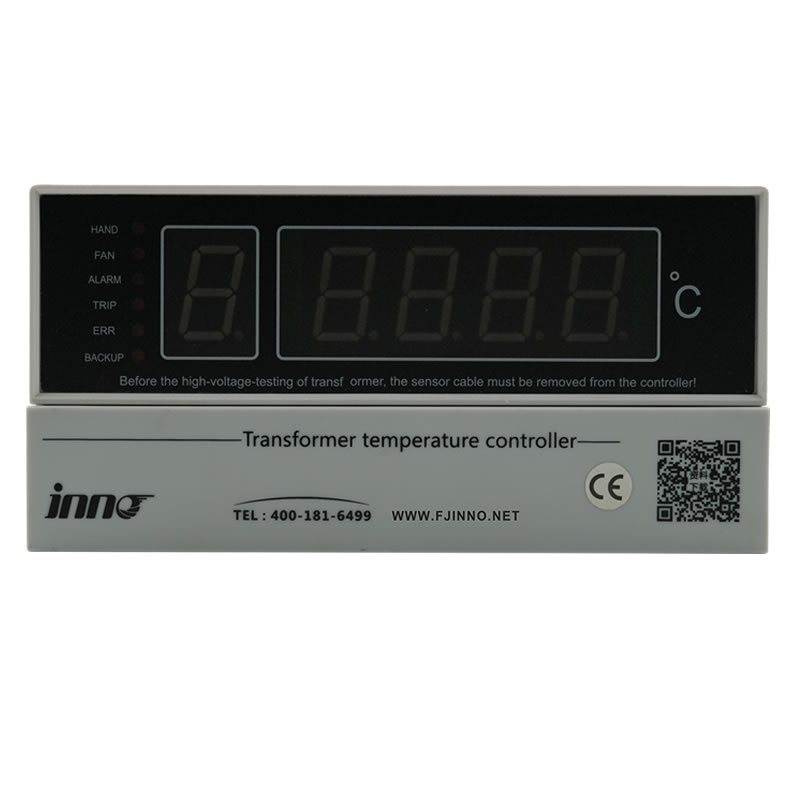
א מערכת ניטור לחות טמפרטורת שנאי הוא מתמשך, פתרון מכשור בזמן אמת שמודד בו זמנית את תנאי החום והלחות בתוך ומסביב שנאי כוח. הוא עוקב אחר טמפרטורת הנקודה החמה המתפתלת, טמפרטורת השמן העליון, טמפרטורת הסביבה בחדר שנאים, ולחות יחסית - הזנת כל הקריאות ליחידת ניטור מרכזית הרושמת נתונים, מפעיל אזעקות, ומפעיל תגובות הגנה באופן אוטומטי.
המאפיין המגדיר של מערכת מסוג זה הוא המיקוד הכפול שלה. טמפרטורה ולחות אינם משתנים בלתי תלויים בסביבת שנאים - הם פועלים ישירות ברמת הבידוד. שנאי הפועל בטמפרטורה גבוהה בסביבה לחה מדרדר את בידוד התאית שלו בקצב שלא ניתן לחזות באף מדידה בלבד. ניטור שניהם בו זמנית, בכל עת, היא הדרך היחידה להעריך במדויק את מצב הבידוד בשירות.
שלם מערכת ניטור מצב שנאי בדרך כלל מורכב מארבע שכבות: רכיבי חישה בשנאי ובסביבה שמסביב, יחידה מקומית לאיסוף נתונים, קישור תקשורת למערכת בקרת האתר או לפלטפורמת הענן, ותוכנת פיקוח המציגה נתונים, מגמות, ואזעקות למפעילים. כל שכבה מוגדרת לסביבה החשמלית של המתקן - תחנת משנה במתח גבוה, חדר חלוקה תעשייתי, או שנאי חיצוני לתלייה כרית - עם דירוגי בידוד מתאימים, שיעורי הגנה, ופרוטוקולי תקשורת.
2. מדוע רובוטריקים זקוקים למעקב תרמי ולחות בו זמנית
חייו התפעוליים של שנאי כוח נקבעים בעיקר על פי מצב הבידוד מנייר התאית שלו. בידוד זה מתכלה באמצעות שני מנגנונים הפועלים ברציפות במהלך פעולה רגילה: הזדקנות תרמית וספיגת לחות. ההבנה כיצד שני המנגנונים הללו מתקשרים מסבירה מדוע א גישת ניטור טמפרטורה ולחות משולבת יעיל יותר מאשר מעקב אחר כל אחד מהפרמטרים בנפרד.
השפעת הטמפרטורה על חיי בידוד שנאי
הזדקנות הבידוד של השנאים באה בעקבות קשר אקספוננציאלי עם טמפרטורה - עיקרון שקודם בתקני העמסה בינלאומיים. על כל 6-8 מעלות צלזיוס מעל לטמפרטורת הנקודה החמה המדורגת, קצב פירוק התאית מכפיל את עצמו בערך. המשמעות היא ששנאי הפועל ברציפות ב-10 מעלות צלזיוס מעל טמפרטורת הנקודה החמה המתוכננת שלו מאבד את חיי הבידוד פי ארבעה מהקצב הצפוי. יָשִׁיר, רָצִיף ניטור טמפרטורת נקודה חמה מפותלת היא הדרך היחידה לזהות מצב זה בזמן אמת לפני שהוא גורם לנזקי בידוד בלתי הפיכים.
השפעת הלחות על שלמות הבידוד והחוזק הדיאלקטרי
לחות נכנסת לבידוד השנאים באמצעות הזדקנות מערכת הנייר-שמן, דרך השפלת נשימה, ובאמצעות מחזורי עיבוי במהלך תנודות עומס שנאי. כמו תכולת הלחות בנייר בידוד עולה, החוזק הדיאלקטרי שלו יורד - מגביר את הסיכון לפריקה חלקית, האצת פירוק תאית נוסף, והפחתת עמידות הבידוד בפני עליות מתח. א חיישן לחות בחדר שנאים שמזהה את הלחות היחסית העולה לפני הלחות נודדת למערכת הנייר-שמן מספק חלון אזהרה מוקדם שניטור טמפרטורה לבדו לא יכול להציע.
אפקט ההשפלה המשולבת
כאשר טמפרטורה מוגברת ולחות מוגברת נמצאים בו זמנית, ההשפעה המשולבת שלהם על הזדקנות הבידוד היא מרובה, לא תוסף. חַם, תנאי לחות מכניסים לחות עמוק יותר לתוך בידוד הנייר, להאיץ יצירת חומצה בשמן, ולהגדיל את קצב אובדן דרגת הפילמור בתאית. א מערכת ניטור טמפרטורה ולחות שנאי לוכדת אינטראקציה זו על ידי מתן רצף, תיעוד מתאם של שני הפרמטרים - המאפשר מודלים של חיי בידוד, החלטות בנושא ניהול עומסים, ותזמון תחזוקה חזוי ששום מערכת ניטור של פרמטר בודד יכולה לתמוך בו.
ההשלכות של טיולי חום ולחות לא מפוקחים
רובוטריקים הפועלים ללא ניטור תרמי ולחות מתמשך פגיעים לאירועי הזדקנות בידוד שלא מזוהים המתבטאים רק כאשר כשל כבר קרוב.. ההשלכות נעות בין הפסקות לא מתוכננות והפחתה מאולצת ועד להתמוטטות בידוד, שריפות נפט, וכישלונות תותבים קטסטרופליים. בסביבות תחנות משנה שבהן כשל בשנאי מעורר שיבושי אספקה מדורגים, המקרה העסקי והבטיחותי לרציף ניטור מצב שנאי בזמן אמת הוא חד משמעי.
3. מה בעצם מודד מוניטור תרמי ולחות שנאי
פירוט מלא מערכת ניטור לחות טמפרטורת שנאי רוכש קריאות על פני מספר נקודות מדידה שונות, כל אחד מהם מכוון להיבט אחר של מצב תרמי ולחות של שנאי:
- טמפרטורת נקודה חמה מתפתלת - הטמפרטורה הגבוהה ביותר בתוך הפיתול הפעיל, נמדד ישירות עם בדיקה סיב אופטי המוטבע בסליל במהלך הייצור או מוכנס דרך יציאת גישה
- טמפרטורת השמן העליון - הטמפרטורה של שמן השנאי בחלק העליון של המיכל, מעיד על ביצועי טעינה תרמית ומערכת קירור כוללת
- טמפרטורת הסביבה בחדר שנאי - טמפרטורת האוויר של הנורה היבשה בתוך מארז השנאים או החלפה, מה שמשפיע על יעילות הקירור וסיכון התעבות
- לחות יחסית בתוך חדר השנאים - תכולת הלחות של האוויר המקיף את השנאי, קריטי להערכת סיכון התעבות וביצועי מערכת הנשימה
- תכולת לחות בשמן (אופציונלי) - ריכוז מים מומסים בשמן השנאי, מתן מדד ישיר לנדידת לחות הבידוד
- טמפרטורת הליבה (אופציונלי) - טמפרטורת ליבת ברזל עבור שנאי כוח גדולים שבהם הפסדי הליבה הם מקור חום משמעותי
השילוב של נקודה חמה מתפתלת, טמפרטורת שמן, טמפרטורת הסביבה, ולחות יחסית נותנת למפעילים תמונה תרמית ולחות מלאה של השנאי בכל עת - לא תמונת מצב שצולמה במהלך ביקור תחזוקה, אך רישום מתעדכן רציף של כל שעת פעילות.
4. טכנולוגיות חישה: כיצד נמדדים טמפרטורת ולחות מפותלת
חיישני סיבים אופטיים פלואורסצנטית לזיהוי נקודות חמות בפיתול
מדידת טמפרטורת סלילה ישירה בתוך שנאי מתח גבוה חי מהווה אתגר מהותי: החיישן חייב לפעול במגע עם פיתולים שעלולים להיות מופעלים בעשרות או מאות קילו-וולט, בתוך מיכל מלא בשמן דיאלקטרי, בשדה מגנטי מתחלף חזק. שום חיישן אלקטרוני קונבנציונלי לא יכול לעמוד בכל שלוש הדרישות בו זמנית.
ה חיישן טמפרטורה של סיב אופטי פלואורסצנטי פותר את הבעיה הזו לחלוטין. בדיקת החישה היא דיאלקטרי לחלוטין - שום מוליך מתכתי לא עובר מפיתול המתח הגבוה למכשיר הניטור. עקרון המדידה הוא אופטי: קצה זרחן בקצה הבדיקה מגיב לטמפרטורה באמצעות שינויים בזמן דעיכת הקרינה, והאות חוזר אל המכשיר כאור דרך סיב זכוכית. הגשושית אינה מושפעת מהשדה המגנטי של השנאי, לא מייצר הפרעות חשמליות בתוך המיכל, וניתן להתקין ישירות על מוליכים מתפתלים בכל רמת מתח ללא חומרת בידוד נוספת.
כי ה בדיקה טמפרטורה מתפתלת סיבים אופטיים מודד את מיקום הנקודה החמה בפועל - לא קירוב עקיף של טמפרטורת שמן - הוא מספק את הקלט המדויק והשימושי ביותר עבור חישובי חיי בידוד והחלטות טעינה תרמית דינמית.
חיישני לחות טמפרטורה משולבים לניטור סביבה
תנאי הסביבה בחדר שנאי מנוטרים על ידי חיישני טמפרטורה ולחות משולבים שמשתמשים באלמנטי לחות פולימריים קיבוליים בשילוב עם תרמיסטורי NTC מדויקים או גלאי טמפרטורת התנגדות PT100. חיישנים אלה ממוקמים במארזים ממוגני קרינה עם אוורור מסונן כדי למנוע זיהום תוך הבטחה שהקריאות משקפות תנאי סביבה אמיתיים ולא חום מקומי ממשטח השנאי.
עבור התקנות שנאים חיצוניות ויחידות להרכבה כרית, חיישנים מצוינים עם דירוגי הגנה IP65 או IP67 ומארזים עמידים בפני UV כדי לעמוד בפני בליה ישירה לאורך תקופות פריסה מרובות שנים ללא כיול מחדש.
חיישני לחות בשמן להערכת לחות בידוד
כאשר נדרשת מידה ישירה יותר של מצב רטיבות הבידוד, an חיישן לחות שמן ניתן להוסיף למערכת הניטור. מכשירים אלה מודדים את פעילות המים או את ריכוז המים המומסים בשמן השנאי - פרמטר שמתאזן עם תכולת הלחות של בידוד הנייר ולכן מספק מדד עקיף אך רציף של רמת הלחות של הבידוד ללא צורך בדגימת שמן או ניתוח מעבדה.
5. השוואת טכנולוגיית חיישנים לניטור מצב שנאי

| פָּרָמֶטֶר | פרוב אופטי פלואורסצנטי | לחות קיבולית + חיישן NTC/PT100 | חיישן לחות שמן |
|---|---|---|---|
| יעד מדידה | נקודה חמה מתפתלת / טמפרטורת שמן | טמפרטורת הסביבה ולחות יחסית בחדר | מים מומסים בשמן שנאי |
| עקרון החישה | ריקבון של פלואורסצנטי לכל החיים | פולימר קיבולי (RH) + הִתנַגְדוּת (ט) | שיווי משקל בפעילות המים |
| טווח טמפרטורות | −40°C עד +260°C | בדרך כלל -40 מעלות צלזיוס עד +85 מעלות צלזיוס | 0מעלות צלזיוס עד +100 מעלות צלזיוס (טמפ' שמן) |
| טווח לחות | לא | 0-100% RH | 0-100% פעילות מים |
| בידוד חשמלי | דיאלקטרי מלא - >100 מדורג kV | בידוד תעשייתי סטנדרטי | בידוד תעשייתי סטנדרטי |
| חסינות EMI | שלם - ללא נתיב חישה מתכתי | טוב עם כבל מסוכך | טוב עם כבל מסוכך |
| מיקום התקנה | ישירות על סלילה / במיכל שמן | קיר חדר שנאי / קַרפִּיף | בשורה עם מעגל שמן או שסתום דגימה |
| שיטת התקנה | מוטבע במהלך סלילה או מוכנס דרך יציאת גישה | תליה לקיר עם מגן קרינה | חיבור אוגן מוטבע או יציאת דגימה |
| דירוג הגנה | IP67 (בְּדִיקָה); IP54+ (מַכשִׁיר) | IP65 / IP67 (בָּחוּץ) | IP65 / IP67 |
| תִקשׁוֹרֶת | RS485 (באמצעות משדר) | RS485 / 4-20 mA | RS485 / 4-20 mA |
| דרישת תחזוקה | אין בתנאים רגילים | ניקוי פילטר תקופתי; החלפת חיישן בסוף החיים המדורג | אימות שנתי מומלץ |
| הכי מתאים ל | סלילה ישירה וניטור תרמי שמן בשנאי HV | מעקב רציף אחר מצב הסביבה בחדרי שנאים | הערכת מצב רטיבות בידוד |
6. ארכיטקטורת מערכת, תִקשׁוֹרֶת, ושילוב בקרה
רכישת נתונים מקומיים ומיזוג אותות
כל החיישנים ב-a מערכת ניטור שנאים הזנה ליחידת רכישה מקומית - מודול מסילת DIN או מודול להרכבה על פאנל שמתנה אותות אנלוגיים, סקרים חיישנים דיגיטליים, ומציג זרם נתונים מאוחד לשכבת התקשורת. עבור בדיקות סיב אופטי פלואורסצנטי, יחידת הרכישה משמשת בתור החוקר האופטי: הוא יוצר את דופק אור העירור, מודד את זמן דעיכת הקרינה, וממיר את התוצאה לערך טמפרטורה מכויל לפני שידורה דרך הרשת.
יחידות רכישה מקומיות מצוינות עם דרגת ההגנה וטווח טמפרטורת ההפעלה של סביבת ההתקנה. יחידות המיועדות להרכבת קיוסקים חיצוניים או חדרי מיתוג תת קרקעיים מדורגים לקיצוני טמפרטורה ולחות רחבים יותר מאלה המותקנות בבנייני בקרת אקלים.
אפשרויות תקשורת קווית ואלחוטית
ממשק התקשורת הסטנדרטי עבור העברת נתוני טמפרטורה ולחות שנאי הוא RS485 עם Modbus RTU - מוכח, פרוטוקול חיסון נגד רעש הפועל באופן אמין בסביבה התובענית החשמלית של תחנת משנה. עבור מתקנים שבהם ניתוב כבלים אינו מעשי - תחנות שנאים כפריות, שנאי הפצה בקו עילי, או פריסות ניטור זמניות - תקשורת אלחוטית על 4G LTE, LoRaWAN, או NB-IoT מספקת אלטרנטיבה בעלת יכולת לא פחות ללא עלות והפרעה של תשתית כבלים.
SCADA, DCS, ושילוב תחנות אוטומציה
א מערכת ניטור מצב שנאי אינו פועל במנותק - ערכו מוכפל כאשר הנתונים שלו מוזנים לתשתית הפיקוח הקיימת של האתר. פלט Modbus RTU סטנדרטי עושה אינטגרציה עם פלטפורמות SCADA, מערכות ניהול הפצה, ומערכות אוטומציה של תחנות משנה תואמות IEC 61850 פשוטות. מפעילים רואים את מצב התרמית והלחות של השנאי באותם מסכי תצוגה כמו ממסרי הגנה, עמדות מפסק, ומדידות עומס - ללא מסופי ניטור ייעודיים או מערכות תצוגה מקבילות.
מצבי פריסה מבוססי ענן ומקומיים
לבעלי נכסים המנהלים אתרי שנאים מרובים באזור גיאוגרפי רחב, מבוסס ענן ניטור תרמי של שנאי מרחוק מספק נראות ברמת הצי מפורטל אינטרנט אחד. מגמות היסטוריות, רישומי אזעקה, והערכות צריכת חיי בידוד נגישות מכל מקום עם חיבור לאינטרנט. לאתרים עם דרישות אבטחת מידע מחמירות, אותה פונקציונליות זמינה בפריסה מתארחת מקומית ללא תלות חיצונית ברשת.
7. לוגיקה של אזעקה, מנעולים מגן, ובקרת קירור אוטומטית
ספי אזעקת טמפרטורה מדורגים
תצורה היטב מערכת ניטור טמפרטורת מתפתל שנאי מיישם לפחות שתי שכבות אזעקה עבור כל נקודת מדידת טמפרטורה. הרובד הראשון - אזעקת האזהרה - מתריע בפני מפעילים על מצב תרמי שמחייב תשומת לב אך עדיין אינו דורש הפחתת עומס מיידי. הרובד השני - סף האזעקה או הנסיעה הגבוה - מפעיל תגובת הגנה אוטומטית. הגדרת הספים הללו דורשת ידע על טמפרטורת הנקודה החמה המדורגת של השנאי, דרגת בידוד, וקיבולת מערכת הקירור; מערכת הניטור מספקת את הנתונים כדי לאמת ולחדד את ההגדרות הללו לאורך זמן בהתבסס על היסטוריית ההפעלה בפועל.
אזעקת לחות וניטור נקודת טל
אזעקות לחות יחסית בחדרי שנאים מוגדרות בדרך כלל ל-70-80% RH כרמת אזהרה ו 90% RH כרמה קריטית, אם כי הספים המתאימים תלויים בטמפרטורת הסביבה ובתכנון מערכת הנשימה של השנאי. ליתר דיוק, ניטור נקודת הטל - מחושב ממדידות טמפרטורה ולחות בו זמנית - מזהה את המצב הספציפי שבו יווצר עיבוי על משטחי שנאי ותותבים. אזעקת נקודת טל מספקת אזהרה מוקדמת ומשמעותית יותר מבחינה פיזית מאשר סף לחות יחסית בלבד.
מנעולים אוטומטיים לקירור והסרת לחות
יציאות האזעקה של א מערכת ניטור לחות טמפרטורת שנאי ניתן לחבר ישירות למגעי מערכת הקירור ולבקרות מסיר הלחות. כאשר טמפרטורת הסלילה עולה על סף האזהרה, המערכת יכולה להחליף אוטומטית את השנאי מקירור טבעי (אונן) לקירור מאולץ באוויר (ON OFF) ללא התערבות מפעיל - הפחתת שיא טמפרטורת הנקודה החמה והארכת חיי הבידוד. כאשר הלחות היחסית או נקודת הטל חורגת מהסף שלה, המערכת מפעילה את מסיר הלחות בחדר או את מחמם המתחם כדי למנוע עיבוי לפני שהוא מגיע למשטח השנאי.
רישום נתונים ומעקב אחר חיי בידוד
כל קריאת טמפרטורה ולחות מוטבעת בזמן ומאוחסנת בזיכרון הבלתי נדיף של המערכת ומועברת לפלטפורמת הפיקוח. תיעוד היסטורי מתמשך זה תומך בחברת החשמל 60076-7 חישובי הזדקנות תרמית, מתן נתון מצטבר של צריכת חיי בידוד שמנהלי נכסים יכולים להשתמש בו כדי להודיע על תזמון תחזוקה, טעינת החלטות, ותכנון סוף החיים עבור כל שנאי בודד במעקב רציף.
8. הַתקָנָה, מיקום בדיקה, והנחיות פריסה בשטח
מיקום בדיקה סיבים אופטיים בפיתולי שנאי
הדיוק והרלוונטיות של מדידות נקודות חמות מתפתלות תלויות ישירות במיקום הבדיקה. עבור שנאים חדשים, בדיקות טמפרטורה בסיבים אופטיים מוטבעים בפיתול במהלך הייצור - ממוקמים במיקום הטמפרטורה המקסימלית החזויה בהתבסס על ניתוח אלמנטים סופיים תרמיים של העיצוב הספציפי. עבור שנאים בשימוש, ניתן להכניס בדיקות דרך שסתומי מילוי שמן או יציאות גישה ייעודיות, וממוקם כנגד מוליכים מתפתלים באמצעות מכלולי מובילי בדיקה גמישים המיועדים להתקנה מחדש ללא ניקוז מיכל.
בדיקות מרובות נפרסות בדרך כלל - אחת לכל פיתול בשנאי תלת-פתיל, פלוס אחד בשמן העליון - כדי להבטיח שהנקודה החמה ביותר בכל פיתול תיתפס ללא קשר לחלוקת העומס בין שלבים לפיתולים.
מיקום חיישן לחות ומיגון קרינה
אווירה חיישני לחות בחדר שנאים חייב להיות ממוקם כדי למדוד תנאי אוויר מייצגים ולא מיקרו-סביבות מקומיות ליד מקורות חום או קירות קרים. המיקום המומלץ הוא באמצע הגובה על קיר פנימי, הרחק מפתחי אספקת אוויר ישירים, משטחי קירור שנאי, וקירות חיצוניים הכפופים לרווח סולארי. מגן קרינה - בית שואב מרובה לוחות - מונע מהחיישן להגיב לחום הקרינה מגוף השנאי תוך שהוא מאפשר זרימת אוויר חופשית על פני אלמנט החישה.
שיקולי מחלקת הגנה ואזור מסוכן
התקנות שנאים במפעלים פטרוכימיים, אתרי כרייה, ופלטפורמות ימיות דורשות ציוד ניטור מדורג עבור הסיווג הרלוונטי של אזור מסוכן. כל רכיבי החישה והרכישה הפרוסים בסביבות אלה חייבים לשאת את ה-ATEX המתאים, IECEx, או הסמכה לאומית שווה ערך. האופי הפסיבי לחלוטין של בדיקות סיב אופטי פלואורסצנטי - ללא אנרגיה חשמלית בנקודת החישה - הופך אותם לתואמים מטבעם עם Zone 1 ו-Zone 2 התקנות אזור מסוכן עבור הגשושית עצמה; יחידות רכישה הממוקמות מחוץ לאזור המסוכן דורשות דירוגי מתחמים תעשייתיים סטנדרטיים.
9. יישומים בתעשייה וסוגי שנאים מכוסים
תחנות משנה לרשת ושנאי תמסורת
שנאי הולכה במתח גבוה - 110 kV, 220 kV, 500 kV - מייצגים את ערך ההון הגבוה ביותר ואת נכסי האמינות הקריטיים ביותר ברשת החשמל. רָצִיף ניטור טמפרטורה ולחות של שנאי שידור מספק את הנתונים הדרושים להפעלת נכסים אלה בעומס מירבי המותר מבלי לחרוג ממגבלות חיי הבידוד, ולזהות תקלות תרמיות מתפתחות לפני שהן מתפשטות לכישלון.
רובוטריקים לחלוקה תעשייתית וחדרי חשמל במפעל
מתקנים תעשייתיים עם עומסי מנוע גדולים, כוננים בתדר משתנה, או תנורי קשת כפופים את שנאי החלוקה שלהם למחזורים תרמיים משתנים מאוד ולעתים קרובות תובעניים. א מערכת ניטור תרמית בזמן אמת עבור שנאים תעשייתיים מכמת את המתח התרמי בפועל שחווה כל יחידה בתנאי ייצור, מה שמאפשר לצוותי תחזוקה לתזמן מרווחי בדיקה בהתבסס על מצב בידוד נמדד ולא על זמן קלנדרי.
רובוטריקים לאנרגיה מתחדשת
שנאי טורבינות רוח ושנאי גידול סולארים פועלים בסביבות חיצוניות עם תנודות טמפרטורה יומיות ועונתיות רחבות, לעתים קרובות במקומות לחים בחוף או בגובה רב. מעקב רציף של טמפרטורה ולחות עבור נכסים אלה הוא בעל ערך במיוחד מכיוון שהגישה הפיזית לבדיקה ידנית היא קשה, זמן השבתה הוא יקר מבחינה מסחרית, והסביבה התרמית משתנה יותר מאשר בתחנות משנה רשת קונבנציונליות.
שנאי משיכה במערכות רכבת ומטרו
שנאי מתיחה בתחנות רכבת ובמלאי מתגלגל פועלים תחת עומס מחזורי כבד המסונכרן עם דפוסי הגעת רכבות. רָצִיף ניטור תרמי של שנאי מתיחה תומך בניהול עומסים דינמי - שמירה על טמפרטורת סלילה שיא בגבולות בטוחים במהלך שיאי הטעינה של שעות העומס תוך מתן אפשרות לתפוקה גבוהה יותר בתקופות שיא.
Data Center ושנאי UPS
רובוטריקים בשרשרת חלוקת החשמל של מרכזי נתונים חייבים לשמור על זמינות רציפה. א מערכת ניטור לחות טמפרטורה משולב בתשתית ניהול הבניין של מרכז הנתונים מספק את אותה נראות תרמית ולחות רציפה כמו בכל התקנה תעשייתית, עם היתרון הנוסף של שילוב חלק במטריצת האזעקה של BMS וכלי תכנון קיבולת שכבר נמצאים בשימוש על ידי צוות התפעול של המתקן.
10. כיצד לציין את מערכת ניטור השנאים הנכונה
הגדר את נקודות המדידה וסוגי החיישנים הנדרשים
התחל מהתכנון וסביבת ההפעלה של השנאי. שנאי כוח חדש מלא בשמן עם בדיקות פיתול שהותקנו במפעל דורש מפרט שונה מאשר התקנת ניטור מחודשת על שנאי חלוקה יבש קיים בחדר מיתוג תעשייתי. רשום כל נקודת מדידה - שלבי סלילה, טמפרטורת שמן, טמפרטורת הסביבה, לחות יחסית - ואשר את הגישה הפיזית ואת שיטת ההתקנה הזמינה עבור כל אחד מהם.
התאם את טכנולוגיית החישה לסביבה החשמלית
לכל נקודת מדידה בתוך או בסמיכות לפיתול מתח גבוה חי, ציין א חיישן טמפרטורה בסיבים אופטיים עם דירוג דיאלקטרי מאומת המתאים למתח המערכת. עבור מדידות חדר סביבה, מתאימים חיישני טמפרטורה ולחות תעשייתיים עם דרגת הגנה מתאימה לסוג המארז. אין להשתמש בצמד תרמי מתכתי או בבדיקות RTD במקומות שבהם הם יוצרים נתיב מוליך בין רכיבי מתח גבוה לבין מארז מכשיר הניטור.
בחר את ארכיטקטורת התקשורת
היכן שכבר קיימת תשתית כבלים לבניין בקרת תחנת משנה, RS485 עם Modbus RTU מספק את נתיב האינטגרציה הפשוט והאמין ביותר. כאשר התקנת הכבלים אינה מעשית או שהאתר אינו מאויש וממוקם מרחוק, ציין שער אלחוטי 4G או LoRaWAN. אשר שפלטפורמת הפיקוח בקצה המקבל - SCADA, BMS, או DMS — תומך בפרוטוקול הנבחר באופן מקורי או באמצעות מנהל התקן תקשורת זמין.
אשר הסמכה ותאימות לתקנים
ציין את דרישות ההסמכה מוקדם. התקנות של אזורים מסוכנים דורשים סימון ATEX או IECEx על רכיבים המורכבים בשטח. התקנות של תחנות משנה המחוברות לרשת עשויות לדרוש ציות לחברת החשמל 60076 (שנאי כוח), חברת החשמל 61850 (תקשורת תחנת משנה), או תקני מפעילי רשת לאומיים. בקש תיעוד אישור מהיצרן לפני הרכש כדי למנוע עיכובים במהלך ההפעלה והבדיקה.
פריסת מערכת משולבת עבור בנקי שנאים גדולים
עבור בנקי שנאים עם מספר יחידות - נפוץ בתחנות משנה רשת גדולות ותחנות כוח תעשייתיות - רשת רכישה אחת יכולה לשרת את כל השנאים בו זמנית. בדיקות הסיבים האופטיות וחיישני החדר של כל שנאי מתחברים לאפיק RS485 משותף, ופלטפורמת הפיקוח מציגה נתוני טעינה תרמית ולחות השוואתיים בכל היחידות בתצוגה אחת. ארכיטקטורה זו ממזערת את עלות החומרה ומפשטת את הדרכת המפעיל תוך מתן כיסוי רציף מלא של כל התקנת השנאי.
11. שאלות נפוצות
שאלה 1: מדוע חשוב לנטר גם טמפרטורה וגם לחות בהתקנת שנאי?
טמפרטורה ולחות פועלים יחד על בידוד השנאים. טמפרטורה מוגברת מאיצה את הזדקנות התאית; לחות מוגברת מפחיתה את החוזק הדיאלקטרי ומאיצה את נדידת הלחות לתוך בידוד הנייר. כאשר שניהם נוכחים בו זמנית, פירוק בידוד הוא רב. א מערכת ניטור טמפרטורה ולחות משולבת של שנאי לוכד את האינטראקציה הזו, אספקת הנתונים הדרושים להערכת חיי בידוד מדויקת ופעולת הגנה בזמן - שאף פרמטר מנוטר בבידוד לא יכול לספק.
שאלה 2: האם ניתן להתקין חיישני טמפרטורה בסיבים אופטיים על שנאי שכבר בשירות?
כֵּן. התקנה מחדש של בדיקת טמפרטורה של סיבים אופטיים התקנות מבוצעות דרך יציאות קיימות למילוי שמן או אביזרי גישה ייעודיים ללא צורך בניקוז שמן מלא או כניסה למיכל ברוב תכנוני השנאים. מערכות הנחיית בדיקה גמישות מאפשרות למקם את קצה החישה כנגד מוליך מתפתל מהצד החיצוני של המיכל. תהליך התיקון נעשה בדרך כלל במהלך חלון הפסקה מתוכנן מבלי לדרוש את הוצאת השנאי משירות לתקופה ממושכת.
שאלה 3: מה ההבדל בין ניטור טמפרטורת השמן העליון לבין ניטור נקודות חמות בפיתול ישיר?
טמפרטורת השמן העליון היא מדידה בתפזורת של השמן בחלק העליון של מיכל השנאי - הוא מגיב באיטיות לשינויים בעומס המתפתל ויכול להמעיט ב-20-30 מעלות צלזיוס של טמפרטורת הנקודה החמה בתנאי הגברת עומס מהיר.. יָשִׁיר ניטור טמפרטורת נקודה חמה מפותלת עם בדיקה סיבים אופטיים מודד את הטמפרטורה בפועל בנקודה החמה ביותר בפיתול, מתן מהיר יותר, אות מדויק יותר לחישובי הגנה תרמית וחיי בידוד. חברת החשמל 60076-7 ממליץ במפורש על מדידת נקודה חמה ישירה על פני הערכת טמפרטורת השמן עבור דגמי הזדקנות בידוד מדויקים.
שאלה 4: איזו רמת לחות יחסית צריכה להפעיל אזעקה בחדר שנאים?
תצורה טיפוסית מגדירה אזעקת אזהרה ב-70-75% לחות יחסית ואזעקה קריטית ב-85-90% RH. אוּלָם, הסף המשמעותי ביותר מבחינה פיזית הוא טמפרטורת נקודת הטל - מחושב ממדידות בו-זמנית של טמפרטורת נורה יבשה ולחות יחסית - מכיוון שנוצר עיבוי כאשר טמפרטורת פני השטח של רכיבי השנאי יורדת מתחת לנקודת הטל, ללא קשר לערך ה-RH המוחלט. מערכת ניטור שמחשבת ומתריעה על נקודת הטל מספקת אזהרה מוקדמת ואפשרית יותר מאשר סף RH בלבד.
שאלה 5: כיצד מערכת הניטור מפעילה את מאווררי הקירור או מסיר הלחות באופן אוטומטי?
ה יחידת ניטור לחות טמפרטורת שנאי כולל יציאות אזעקת ממסר או טרנזיסטור המחוברות ישירות למעגלי הבקרה של מאווררי קירור, משאבות שמן, ומסירי לחות. כאשר מדידת טמפרטורה או לחות חוצה סף מוגדר, הפלט המתאים מופעל תוך שניות - התחלת קירור מאולץ או הסרת לחות ללא צורך בהתערבות מפעיל. אירועי ההפעלה וההשבתה מתועדים עם חותמות זמן לרישומי תחזוקה.
שאלה 6: האם הגשושית של סיב אופטי הקרינה מושפעת מהשדה המגנטי של השנאי?
לֹא. ה בדיקת טמפרטורה של סיבים אופטיים פלואורסצנטית פועל כולו על פי עקרונות אופטיים - אור פנימה, כיבוי האור. אין אלמנטים מגנטיים או מוליכים חשמלית בנתיב החישה, כך שלשדה המגנטי המתחלף בתוך שנאי כוח אין השפעה על דיוק המדידה. זהו יתרון בסיסי של חישה אופטית על פני כל צמד תרמי מתכתי או בדיקה RTD, שניהם רגישים לשגיאות מתח הנגרמות מגנטית בסביבות שנאים.
שאלה 7: האם מערכת הניטור יכולה לתקשר עם פלטפורמת SCADA קיימת של תחנת משנה?
כֵּן. ה-RS485 הסטנדרטי / פלט Modbus RTU של יחידת רכישת ניטור שנאים נתמך באופן מקורי על ידי כמעט כל SCADA, DCS, ופלטפורמות אוטומציה של תחנות משנה בשימוש נוכחי. עבור תחנות משנה תואמות IEC 61850, שער פרוטוקול ממיר Modbus RTU ל-IEC 61850 GOOSE או MMS מבלי לשנות את חומרת הניטור. אינטגרציה דורשת רק את מפת הרישום של Modbus - המסופקת עם המוצר - ועבודת תצורת SCADA סטנדרטית.
שאלה 8: כמה שנאים מערכת ניטור אחת יכולה לכסות בו זמנית?
רשת RS485 יחידה יכולה לתת מענה עד 247 התקני עבד של Modbus - מספיק כדי לכסות תחנת משנה שלמה של שנאי עם בדיקות מתפתלות, חיישני טמפרטורת שמן, וחיישני לחות בחדר במספר יחידות שנאים מיחידת רכישה יחידה אחת. עבור התקנות גדולות מאוד, ניתן לצבור מקטעי RS485 מרובים ברמת תוכנת הפיקוח, מתן תצוגת ניטור אחידה על פני כל מספר של שנאים ללא גבול עליון מעשי.
שאלה 9: איזו תחזוקה דורשת מערכת ניטור לחות בטמפרטורת שנאי?
בדיקות סיב אופטי פלואורסצנטי אינם דורשים תחזוקה מתוכננת בתנאי הפעלה רגילים - תוחלת החיים המדורגת שלהם חורגת 25 שנים. חֶדֶר חיישני טמפרטורה ולחות ליהנות מבדיקה וניקוי מסננים תקופתיים, יש להחליף את רכיבי החיישן בהתאם למרווח הכיול המוצהר של היצרן - בדרך כלל כל שנתיים עד חמש שנים בהתאם לרמת הזיהום של סביבת ההתקנה. יחידת הרכישה וחומרת התקשורת אינן דורשות תחזוקה שוטפת מעבר לעדכוני קושחה ואימות תפקודי תקופתי מול מכשיר ייחוס.
שאלה 10: האם ניתן להוסיף ניטור לחות בשמן למתקן ניטור טמפרטורה ולחות קיים?
כֵּן. חיישני לחות שמן זמינים כמודולים תוספים המתחברים לרשת ה-RS485 הקיימת ומדווחים על ריכוז מים מומסים או פעילות מים בשמן השנאי דרך אותה פלטפורמת פיקוח שכבר נמצאת בשימוש עבור נתוני טמפרטורה ולחות. ההתקנה מחייבת גישה למעגל שמן השנאי דרך שסתום דגימה או חיבור מוטבע - שינוי שדה פשוט שניתן לבצע במהלך הפסקת תחזוקה שגרתית.
12. חקור את פתרונות ניטור השנאים שלנו
Fuzhou Innovation Electronic Scie&Tech Co., בע"מ. עיצב וייצור מערכות ניטור טמפרטורה בסיבים אופטיים ו פתרונות ניטור מצב שנאים מֵאָז 2011. מגוון המוצרים שלנו מכסה בדיקות טמפרטורת סיב אופטי פלואורסצנטיות, משדרי טמפרטורה סיבים אופטיים רב ערוציים, חיישני טמפרטורה ולחות תעשייתיים, והשלמה מערכות ניטור לחות טמפרטורת שנאי עבור חברות חשמל, מתקנים תעשייתיים, אנרגיה מתחדשת, ויישומי תשתית רכבות ברחבי העולם.
צור קשר עם צוות ההנדסה שלנו כדי לבקש גליון מידע על המוצר, לדון במפרט ספציפי לאתר, או לתאם פגישת ייעוץ ביישום:
- אֲתַר אִינטֶרנֶט: www.fjinno.net
- אֶלֶקטרוֹנִי: web@fjinno.net
- וואטסאפ / WeChat (סִין) / טֵלֵפוֹן: +86 135 9907 0393
- QQ: 3408968340
- כְּתוֹבֶת: פארק התעשייה ליאנדונג U Grain Networking, No.12 Xingye West Road, פוז'ו, פוג'יאן, סִין
כתב ויתור: המידע הטכני והמפרטים המצוינים במאמר זה מסופקים למטרות מידע כלליות בלבד ומשקפים פרמטרים סטנדרטיים של המוצר בזמן הפרסום. ביצועי המערכת בפועל עשויים להשתנות בהתאם לתנאי ההתקנה, עיצוב שנאים, גורמים סביבתיים, ודרישות היישום. כל המפרט נתון לשינויים ללא הודעה מוקדמת. תוכן זה אינו מהווה אחריות, התחייבות טכנית מחייבת, או המלצה לתכנון הנדסי לכל התקנה ספציפית. התייעץ תמיד עם מהנדס מוסמך ועיין בתקנים הרלוונטיים ובתיעוד היצרן לקבלת החלטות עיצוב ובטיחות ספציפיות לפרויקט.

חיישן טמפרטורה בסיבים אופטיים, מערכת ניטור חכמה, יצרן סיבים אופטיים מבוזרים בסין
 |
 |
 |