 חיישני טמפרטורה בסיבים אופטיים INNO ,מערכות ניטור טמפרטורה.
- Switchgear overheating is the leading cause of electrical fires and unplanned outages in industrial and utility facilities.
- ה 3 proven methods for switchgear temperature monitoring are: fluorescent fiber optic sensing, חיישני טמפרטורה אלחוטיים, ו infrared thermography.
- מערכות סיבים אופטיים פלואורסצנטיים deliver continuous, high-accuracy measurement and are the gold standard for high-voltage switchgear.
- Wireless temperature monitoring sensors offer tool-free installation and real-time multi-point coverage — ideal for retrofitting existing switchrooms.
- Infrared thermal cameras provide visual heat mapping and are best suited for routine inspection rounds by maintenance teams.
- Combining online monitoring with periodic infrared inspection delivers the most comprehensive protection for your switchgear assets.
- Proper temperature monitoring extends equipment lifespan, מפחית את עלויות התחזוקה, and prevents catastrophic failures before they happen.
1. What Is Switchgear? The Core of Every Power Distribution System

Switchgear refers to a combination of electrical disconnect switches, נתיכים, and circuit breakers used to control, protect, and isolate electrical equipment in power distribution networks. Found in virtually every large facility — from manufacturing plants and data centers to hospitals and substations — switchgear is the critical junction between incoming power supply and downstream loads.
Common Types of Switchgear
Switchgear is broadly categorized by voltage level and design. High-voltage switchgear (above 36kV) handles transmission-level electricity, בְּעוֹד מתג מתח בינוני (1kV–36kV) is widely used in industrial distribution. Low-voltage switchgear (below 1kV) manages final distribution to equipment and machinery. Specialized forms include טבעת יחידות עיקריות (RMUs), מתג מבודד גז (GIS), ו metal-clad switchgear panels.
Industries That Depend on Switchgear
Reliable switchgear operation is mission-critical across sectors including oil and gas, שירותים, מעבר רכבת, commercial real estate, ייצור מוליכים למחצה, and healthcare. Any thermal failure in these environments carries significant safety, כַּספִּי, and operational consequences.
2. Inside the Cabinet: Key Components of Electrical Switchgear

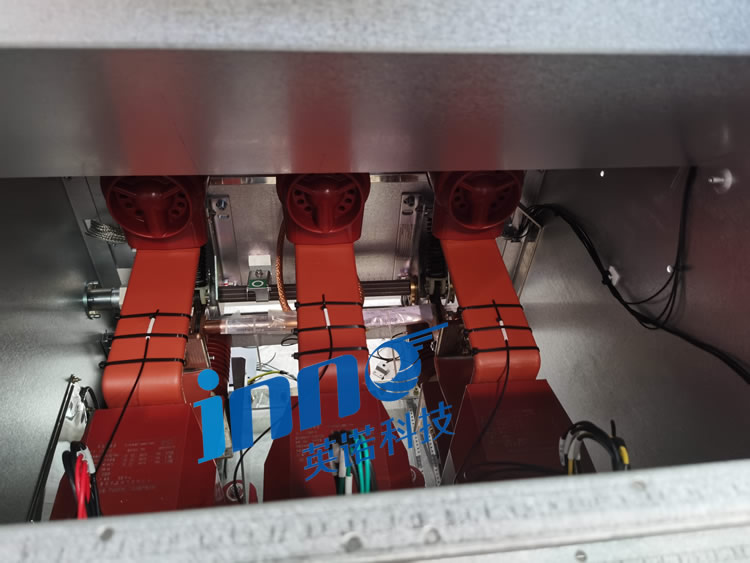
Understanding switchgear construction is essential for identifying where temperature monitoring is most needed. טיפוסי medium-voltage switchgear panel contains the following core components:
Primary Components
- Circuit Breakers — Interrupt fault currents; moving contacts generate heat under load.
- פסים — Copper or aluminum conductors that distribute current throughout the cabinet; connection joints are high-risk thermal points.
- רובוטריקים נוכחיים (CTs) — Measure current flow; windings are susceptible to insulation degradation from heat.
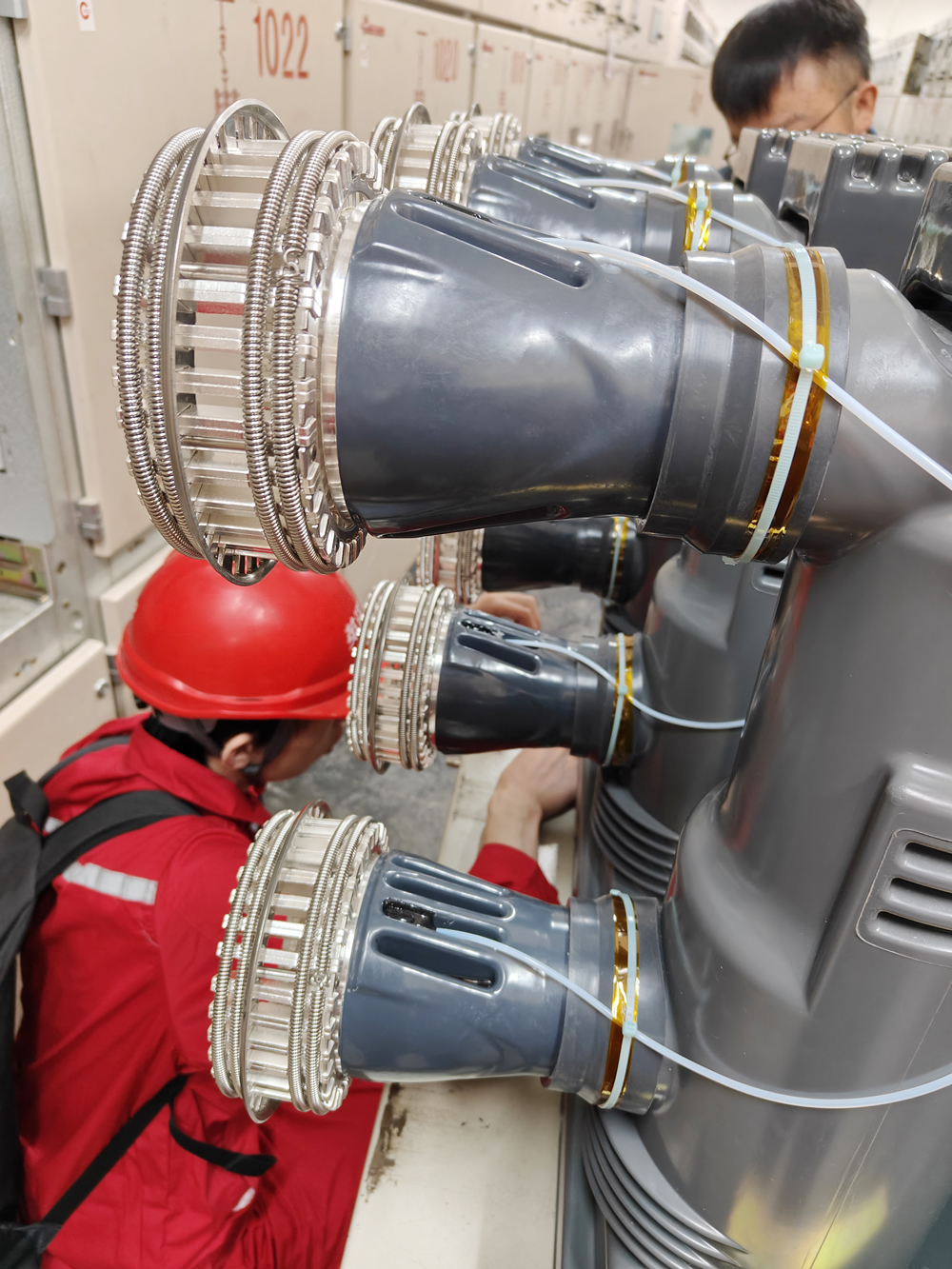
- Disconnectors / Isolating Switches — Provide safe isolation; contact arms can develop high resistance over time.
- Cable Terminations and Connectors — Loose or oxidized connections are among the most common sources of abnormal heating.
- Secondary Control Circuits — Terminal blocks and wiring within control compartments can overheat due to poor connections or overload.
Each of these components operates under continuous electrical stress. Without real-time switchgear temperature monitoring, degradation is invisible until a fault occurs.
3. Why Does Switchgear Fail? Root Causes of Electrical Cabinet Faults
Switchgear failure rarely happens without warning — but the warning signs are often thermal. Industry data consistently shows that overheating accounts for over 30% of all switchgear-related failures, making it the single most common fault category.
Primary Causes of Switchgear Overheating
Increased Contact Resistance
Loose bolted connections, oxidized busbar joints, and worn circuit breaker contacts all raise contact resistance. According to Joule’s Law, even a small increase in resistance generates disproportionately more heat under load — a problem that compounds over time if undetected.
Sustained Overload Conditions
Running switchgear above its rated current capacity causes conductors and insulation to exceed design temperatures. This is especially common in aging facilities where load growth has outpaced infrastructure upgrades.
Inadequate Ventilation and Cooling
Blocked ventilation slots, טמפרטורות סביבה גבוהות, or improper cabinet spacing prevent effective heat dissipation. Switchrooms in tropical climates or poorly ventilated basements are particularly vulnerable.
Installation and Commissioning Defects
Under-torqued bus connections, incorrect cable sizing, and poor termination workmanship introduce resistance at the point of installation — faults that may not manifest for months or years.
לַחוּת, נְגִיעוּת, and Corrosion
Condensation, dust ingress, and chemical exposure degrade insulation and increase surface leakage currents, both of which contribute to abnormal heating patterns.
4. The Hidden Danger: What Risks Does Switchgear Overheating Create?
Thermal degradation inside a power distribution cabinet is not merely an equipment issue — it is a safety, כַּספִּי, and operational risk that affects entire facilities.
Accelerated Insulation Aging
The Arrhenius Rule, widely applied in electrical engineering, states that for every 10°C rise above rated operating temperature, insulation life is effectively halved. A switchgear panel running 20°C above its design temperature will age four times faster than intended.
Arc Flash and Electrical Fire
אירועי הבזק קשת in switchgear are frequently triggered by thermally weakened insulation. The energy released in an arc flash event can cause severe burns, הרס ציוד, and structural fire — with blast pressures exceeding those of many industrial explosives. Early-stage thermal detection is one of the most effective arc flash prevention strategies available.
Unplanned Downtime and Production Loss
A single switchgear failure can shut down an entire production line, data center floor, or hospital wing. Downtime costs in heavy industry routinely exceed tens of thousands of dollars per hour. Continuous switchgear monitoring enables condition-based maintenance, replacing reactive repair with planned intervention.
Personnel Safety Hazards
Maintenance technicians working on or near overheated switchgear face direct exposure to thermal burns, toxic fumes from degrading insulation, and the risk of arc flash. Proactive switchgear thermal management directly reduces the frequency of hazardous work conditions.
Regulatory and Insurance Consequences
Many jurisdictions require documented evidence of thermal inspection for electrical equipment. Failure to maintain adequate temperature monitoring records can void equipment warranties, invalidate insurance claims, and result in regulatory penalties following an incident.
5. Where Does Heat Build Up? Critical Hotspot Locations in Power Switchgear

יָעִיל switchgear hotspot detection requires knowing exactly where thermal stress concentrates. The following locations account for the majority of temperature-related faults in medium and high-voltage electrical cabinets:
Busbar Joints and Connection Points
חיבורי פס are the most frequently cited thermal fault location in switchgear. Bolted joints that loosen over time — due to thermal cycling, רֶטֶט, or initial under-torquing — develop elevated contact resistance and generate localized hot spots that can reach dangerous levels within weeks.
Circuit Breaker Moving and Static Contacts
The contact interface inside a vacuum circuit breaker or air circuit breaker carries full load current. Contact wear, חוסר התאמה, or spring fatigue increases transition resistance, causing concentrated heating at the point of current transfer.
Cable Terminations and Lug Connections
Poorly crimped lugs, under-tightened terminal bolts, and oxidized aluminum-to-copper interfaces are among the most common sources of thermal faults in low and medium-voltage switchboards. These faults are deceptive — they often appear normal visually but register significant heat signatures under load.
Isolating Switch Contact Arms
The sliding or rolling contacts of disconnector switches experience mechanical wear with each operation cycle. As contact pressure decreases, resistance — and heat — increases proportionally.
Current Transformer Windings
Overloaded or incorrectly rated שנאים זרם can experience internal winding heating, which is difficult to detect without embedded sensors or thermographic inspection.
Secondary Terminal Blocks
Within the low-voltage control compartment, terminal strip connections carrying relay and metering circuits can overheat due to loose wiring, incorrect fuse sizing, or short-circuit conditions in control circuits.
6. 3 Best Switchgear Temperature Monitoring Methods Compared
בחירת הימין switchgear temperature monitoring system depends on voltage level, installation conditions, תַקצִיב, ודרישות תפעוליות. Below is a detailed breakdown of each method and a direct comparison.
שִׁיטָה 1: חישת טמפרטורה של סיבים אופטיים פלואורסצנטיים

חיישני טמפרטורה של סיבים אופטיים פלואורסצנטיים — also known as fiber optic thermometry systems — operate by measuring the fluorescence decay time of a rare-earth compound attached to the fiber tip. This decay rate changes predictably with temperature, enabling accurate measurement that is completely independent of electrical interference.
יתרונות מרכזיים
- בטוח מבחינה מהותית — no electrical components at the sensing point; fully passive and immune to high-voltage fields
- Measurement accuracy of ±0.5°C to ±1°C — the highest precision available for embedded switchgear monitoring
- חסין בפני הפרעות אלקטרומגנטיות (EMI), הפרעות בתדר רדיו (RFI), and lightning transients
- Suitable for direct contact measurement on 10kV, 35kV, and GIS switchgear busbars and contacts
- Supports 24/7 continuous online monitoring with multi-channel demodulators
- Long service life with no battery replacement required
שִׁיטָה 2: Wireless Temperature Monitoring Sensors
Wireless switchgear temperature sensors use battery-powered transmitter nodes to collect temperature data at defined measurement points and relay it to a central receiver or cloud platform via protocols such as ZigBee, לורה, or 2.4GHz RF. This architecture eliminates the need for signal cabling entirely.
יתרונות מרכזיים
- Tool-free installation — no cabling, no panel modification, minimal downtime
- Scalable mesh network supports 100+ נקודות מדידה across a switchroom
- Real-time temperature data with configurable alarm thresholds and remote push notifications
- Ideal for retrofitting existing low and medium-voltage switchgear without major civil works
- Cloud integration enables centralized monitoring across multiple sites
מגבלות
- Battery replacement typically required every 2–5 years depending on transmission interval
- Metal enclosures can attenuate wireless signals — proper antenna placement or repeaters may be needed
שִׁיטָה 3: תרמוגרפיה אינפרא אדום
Infrared thermal imaging cameras detect surface-emitted infrared radiation and convert it into a visual heat map, allowing technicians to instantly identify abnormal temperature gradients across switchgear components without physical contact.
Handheld IR Camera vs. Fixed Thermal Sensor
נייד infrared thermography cameras are used during scheduled inspection walks and can survey entire switchrooms in minutes. Fixed online infrared sensors mounted behind IR inspection windows on panel doors allow continuous monitoring of specific internal zones without opening energized equipment.
יתרונות מרכזיים
- Non-contact measurement — safe for use on energized equipment
- Thermal images provide full visual documentation for maintenance records and compliance reporting
- Fastest method for surveying large numbers of panels during routine walkdowns
- Compatible with all voltage levels
מגבלות
- Periodic inspection only — does not provide continuous real-time monitoring between visits
- Requires line-of-sight access or IR windows; closed metal doors block infrared radiation
Switchgear Temperature Monitoring: Method Comparison Table
| קריטריונים | סיב אופטי פלואורסצנטי | חיישנים אלחוטיים | תרמוגרפיה אינפרא אדום |
|---|---|---|---|
| Monitoring Type | Continuous Online | Continuous Online | תְקוּפָתִי / Scheduled |
| הַתקָנָה | Wired Fiber Optic | Wireless, No Cabling | Handheld or Fixed |
| חסינות EMI | ★★★★★ | ★★★ | ★★★★ |
| דִיוּק | ±0.5 מעלות צלזיוס | ±1°C | ±2 מעלות צלזיוס |
| טווח מתח | High Voltage Primary | נָמוּך / מתח בינוני | All Voltage Levels |
| Real-Time Alarm | ✅ | ✅ | ❌ |
| מורכבות ההתקנה | לְמַתֵן | פָּשׁוּט | מִינִימָלִי |
| האפליקציה הטובה ביותר | New HV Switchgear | Retrofit Projects | Maintenance Inspections |
7. Building a Complete Switchgear Thermal Monitoring System
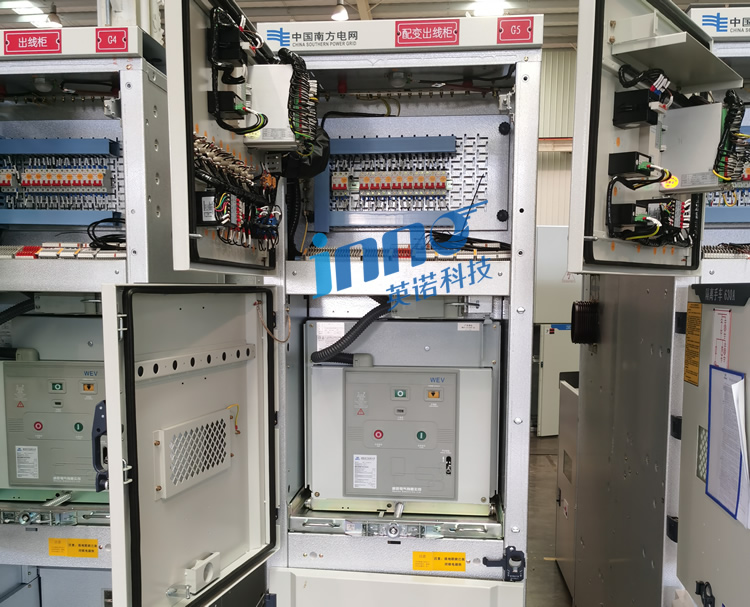
חזק switchgear condition monitoring system is not a single device — it is a layered architecture that transforms raw temperature data into actionable maintenance intelligence.
Layer 1 - חישה
The sensing layer consists of בדיקות סיבים אופטיים ניאון, wireless temperature transmitters, אוֹ fixed infrared modules installed at each critical measurement point. Sensor placement should be guided by a thermal risk assessment of busbar joints, מפסק מגעים, וסיומי כבלים.
Layer 2 — Data Acquisition
Signals from fiber optic systems are processed by a multi-channel fluorescence demodulator. Wireless systems use a gateway or concentrator unit to aggregate data from distributed nodes. Both output structured temperature readings at configurable sampling intervals.
Layer 3 — Communication
Data is transmitted to the monitoring platform via RS-485 / Modbus RTU, אתרנט / Modbus TCP, אוֹ 4G/5G סלולר depending on site connectivity. MQTT protocol is commonly used for cloud-based deployments.
Layer 4 — Monitoring Platform
ה switchgear temperature monitoring software provides real-time dashboards, מגמה היסטורית, ניהול אזעקות רב-שכבתי (advisory / אַזהָרָה / קרִיטִי), ודיווח אוטומטי. Alarm thresholds are typically configured at 85°C for early warning ו 110°C for critical alert, though these vary by component and insulation class.
Layer 5 — Response and Integration
On alarm, the system triggers audible/visual alerts, pushes SMS or email notifications to designated personnel, and optionally issues trip commands to upstream circuit breakers to isolate the faulted section. אינטגרציה עם SCADA, BMS, or CMMS platforms via standard protocols enables full facility-level situational awareness.
Recommended System Configurations
- New High-Voltage Switchgear: Fluorescent fiber optic sensing + דמודולטור רב ערוצי + אינטגרציה של SCADA
- Medium-Voltage Retrofit: Wireless temperature sensor network + cloud monitoring gateway + mobile app alerts
- Maintenance Program: Periodic infrared thermography surveys + online system for continuous baseline monitoring between inspections
8. מקרי מקרה גלובליים: Switchgear Temperature Monitoring in Action
תיאור מקרה 1 — Data Center, סינגפור
A Tier III data center operator deployed a wireless switchgear temperature monitoring system לְרוֹחָב 240 measurement points in their main electrical distribution room. Within six weeks of commissioning, the system flagged an abnormal temperature rise at a medium-voltage busbar joint — 34°C above adjacent connection points under load. Maintenance teams replaced the connection during a scheduled maintenance window, preventing what engineers estimated would have been a full site outage affecting multiple enterprise tenants.
תיאור מקרה 2 — Automotive Manufacturing, גֶרמָנִיָה
A major vehicle assembly plant operating 35kV high-voltage switchgear installed a fluorescent fiber optic temperature sensing system עִם 64 measurement channels across three switchgear lineups. The system operates continuously alongside the production line, with alarms integrated directly into the facility SCADA platform. Since installation, the plant has recorded zero unplanned electrical shutdowns attributable to switchgear thermal faults — compared to two incidents in the three years prior.
תיאור מקרה 3 — Urban Rail Transit, סִין
A metropolitan subway operator equipped traction power substations across 18 stations with fiber optic thermometry systems on all medium-voltage switchgear panels. The intrinsically safe, EMI-immune sensing architecture was specifically selected to meet the stringent electrical safety requirements of rail traction environments, where high-frequency transients and strong magnetic fields rule out conventional electronic sensors.
תיאור מקרה 4 — Power Utility, אוֹסטְרַלִיָה
A regional distribution network operator implemented a hybrid monitoring strategy combining scheduled infrared thermographic surveys every six months with permanent wireless temperature transmitters on highest-risk switchgear panels. Over a two-year period, the combined approach identified 17 developing thermal faults before they escalated — reducing corrective maintenance callouts by approximately 40% compared to the previous inspection-only program.
שאלות נפוצות: Switchgear Temperature Monitoring
1. מה הם 3 best methods for switchgear temperature monitoring?
The three most effective methods are חישת טמפרטורה של סיבים אופטיים ניאון, wireless temperature monitoring sensors, ו infrared thermography. Each serves a distinct role: fiber optic systems excel in high-voltage continuous monitoring, wireless sensors are ideal for retrofit applications, and infrared cameras are the standard tool for periodic inspection programs.
2. What is the difference between fluorescent fiber optic sensing and wireless temperature sensors in switchgear?
חיישני סיבים אופטיים פלואורסצנטיים use passive optical probes with no electrical components at the measurement point, making them intrinsically safe for high-voltage environments and completely immune to EMI. חיישני טמפרטורה אלחוטיים are battery-powered electronic devices that transmit data via radio frequency — easier to install in existing switchrooms but better suited to medium and low-voltage applications where electromagnetic interference is less severe.
3. Which temperature monitoring method is best for high-voltage switchgear above 10kV?
Fluorescent fiber optic thermometry is the recommended solution for switchgear operating above 10kV. The fully passive, non-electrical sensing element can be placed directly on energized components without insulation risk, and the system maintains full accuracy in environments with strong electromagnetic fields generated by high-voltage equipment.
4. Can wireless sensors work reliably inside metal switchgear enclosures?
כֵּן, with proper installation design. Metal enclosures attenuate radio frequency signals, so wireless switchgear monitoring systems may require external antennas routed through cable glands, RF-transparent panels, or signal repeaters strategically positioned in the switchroom. Most commercial systems are specifically engineered for this environment and provide documented performance specifications for enclosure penetration.
5. Can infrared thermography replace a continuous online switchgear monitoring system?
לֹא. Infrared thermal inspection is an excellent diagnostic and documentation tool, but it only captures a thermal snapshot at the moment of the survey. Thermal faults can develop and reach critical levels between inspection visits — particularly under variable load conditions. א continuous online temperature monitoring system provides the real-time alarm capability that periodic inspection alone cannot deliver.
6. What temperature threshold should trigger a switchgear alarm?
Alarm thresholds depend on the component type, דרגת בידוד, וטמפרטורת הסביבה. As a general industry reference, an early warning alarm is commonly set at 85מעלות צלזיוס for busbar connections and contact points, with a critical alarm בְּ- 110מעלות צלזיוס. These values should always be validated against the switchgear manufacturer’s specifications and applicable standards such as חברת החשמל 62271 ו IEEE C37.20.
7. What international standards apply to switchgear temperature monitoring?
Key standards include חברת החשמל 62271 (High-voltage switchgear and controlgear), IEEE C37.20 (Metal-enclosed switchgear), ו חברת החשמל 60255 for protective relaying. For infrared inspection programs, NFPA 70B (Recommended Practice for Electrical Equipment Maintenance) provides widely referenced guidelines on inspection frequency and acceptance criteria.
8. Is fluorescent fiber optic monitoring suitable for retrofitting older switchgear?
It depends on the switchgear design and available access points. חיישני סיבים אופטיים are small-diameter probes that can often be routed into existing switchgear through cable entries or conduit openings without major modification. אוּלָם, the cabling requirements are more involved than wireless alternatives, הֲכָנָה wireless temperature sensor systems the more practical first choice for most retrofit and upgrade projects.
9. Can a switchgear temperature monitoring system integrate with SCADA or BMS platforms?
כֵּן. Most modern switchgear thermal monitoring systems support standard industrial communication protocols including Modbus RTU/TCP, BACnet, DNP3, וחברת החשמל 61850, enabling direct integration with SCADA, מערכות ניהול מבנים (BMS), and computerized maintenance management systems (CMMS). This allows temperature alarms and trend data to be consolidated within your existing facility operations platform.
10. Is it effective to combine multiple switchgear temperature monitoring methods?
Absolutely — and it is considered best practice for critical electrical infrastructure. The most comprehensive approach combines continuous online monitoring (fiber optic or wireless) for real-time alarm coverage with scheduled infrared thermographic surveys for full visual documentation and cross-verification. Online systems catch developing faults between inspection cycles; infrared surveys provide the broader thermal context and audit trail that regulators and insurers increasingly expect.
Ready to Protect Your Switchgear from Overheating?
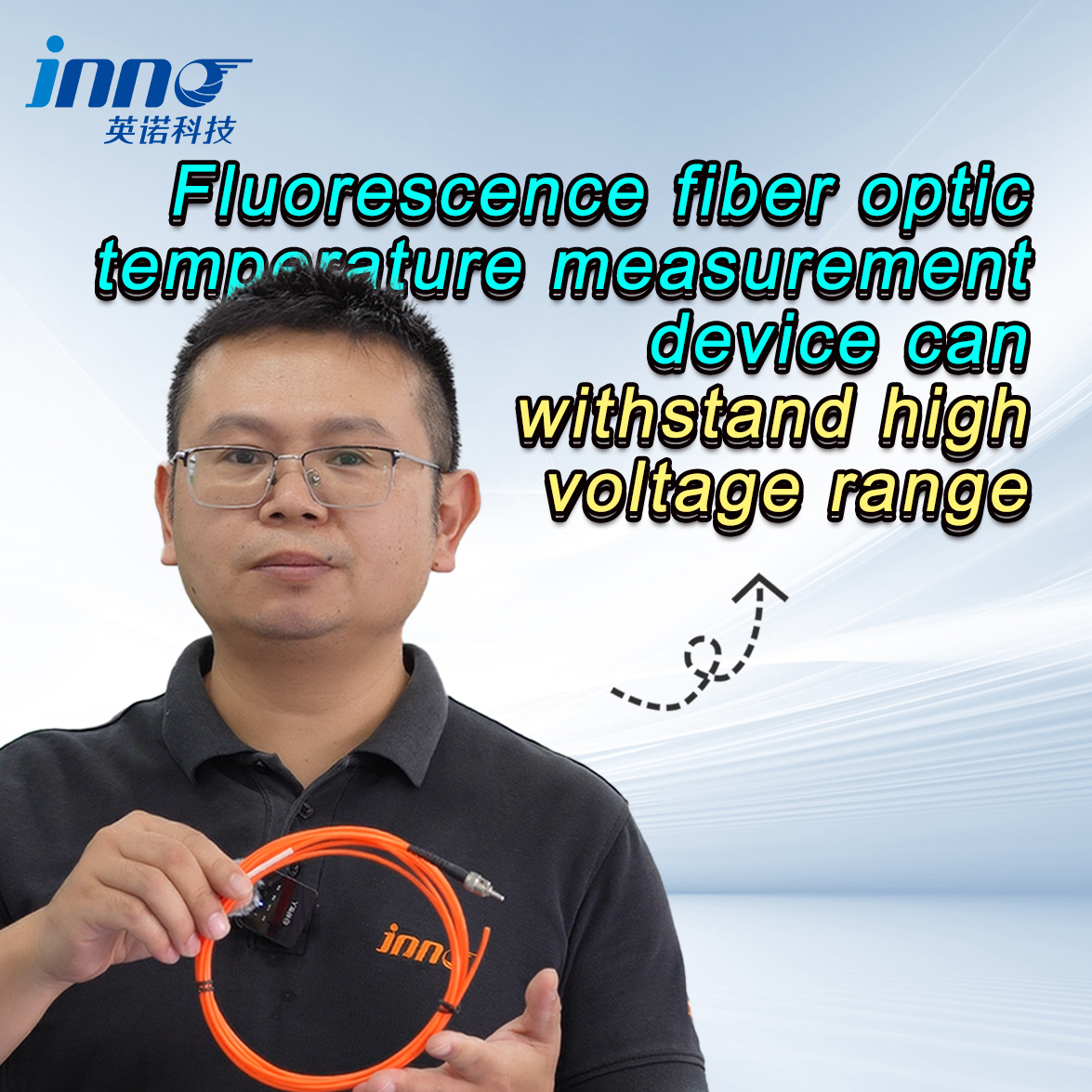
Whether you are specifying a new high-voltage installation or upgrading an existing switchroom, selecting the right temperature monitoring solution is one of the most effective steps you can take to protect your assets, your team, and your uptime.
Our engineering team specializes in switchgear thermal monitoring systems — from fluorescent fiber optic sensing for high-voltage applications to wireless temperature sensor networks for retrofit projects. We work with facility engineers, electrical contractors, and OEM integrators across industrial, utility, and commercial sectors.
- 📋 Request a free site assessment and system recommendation
- 📄 Browse our switchgear temperature monitoring product range
- 📞 Speak with a thermal monitoring specialist
כתב ויתור: The information in this article is provided for general technical reference only. Specific system design, component selection, and alarm threshold configuration must be carried out by qualified electrical engineers in accordance with applicable local codes, תקנים, and the switchgear manufacturer’s documentation. Always follow established safety procedures when working on or near energized electrical equipment.

חיישן טמפרטורה בסיבים אופטיים, מערכת ניטור חכמה, יצרן סיבים אופטיים מבוזרים בסין
 |
 |
 |