 חיישני טמפרטורה בסיבים אופטיים INNO ,מערכות ניטור טמפרטורה.
- תותב שנאי הוא מכשיר בידוד קריטי המאפשר אנרגיה, מוליך מתח גבוה שיעבור בבטחה דרך קיר מיכל המתכת המוארק של א שנאי כוח, שמירה על בידוד חשמלי מלא תוך מתן תמיכה מכנית ואטימה אטומה לגז/שמן.
- תותבים פועלים על ליבת קונדנסר מדורגת קיבולת עִקָרוֹן, כאשר שכבות קונצנטריות של חומר בידוד ורדידים מוליכים מפזרים את השדה החשמלי באופן שווה כדי למנוע ריכוז מתח מקומי והבלטה של פני השטח.
- סוגי התותבים הנפוצים ביותר בשירות כיום הם נייר ספוג שמן (OIP) תותבים ו נייר ספוג שרף (לִקְרוֹעַ) תותבים, עם טכנולוגיית RIP מועדפת יותר ויותר בשל עמידות האש שלה, תחזוקה נמוכה יותר, וסבילות רטיבות מעולה.
- שלא כמו א מבודד עמוד קו אוֹ מבודד עמוד תחנה, תותב שנאי הוא א חָלוּל, רכיב חשמלי פעיל with an internal conductor and engineered dielectric layers — not simply a mechanical support.
- Bushing failure is one of the leading causes of catastrophic transformer explosions and fires, making continuous bushing condition monitoring — including capacitance and power factor testing, זיהוי פריקה חלקית, ו ניטור טמפרטורה — essential for any critical transformer asset management programme.
- Fluorescent fibre optic temperature sensors provide the safest and most accurate method for directly measuring hotspot temperatures on bushing conductor connections, draw leads, and turret interfaces inside the sealed transformer environment, offering inherent high-voltage isolation and complete electromagnetic interference (EMI) חֲסִינוּת.
תוֹכֶן הָעִניָנִים
- What Is a Transformer Bushing?
- What Does a Transformer Bushing Do? — Function and Role
- How Does a Transformer Bushing Work? - עקרון עבודה
- היתרונות של תותבי שנאי מודרניים
- תותב שנאי לעומת מבודד - מה ההבדל?
- סוגי תותבי שנאי
- מדוע תותבי שנאי נכשלים? - מנגנוני כשל
- ניטור מצב תותב שנאי - שיטות וטכנולוגיות
- ניטור טמפרטורה עבור תותבי שנאי - פתרונות סיבים אופטיים
- ניטור טמפרטורת מתפתל שנאי כוח
- ניטור וניתוח טמפרטורת שמן שנאי
- ניטור פריקה חלקית מקוונת עבור רובוטריקים
- ניתוח גז מומס (DGA) ו-Transformer Health
- ניטור ואבחון של מחליף ברז שנאי
- מערכות ניטור מצב שנאי משולבות
- יצרני תותבים וניטור שנאי מובילים
- מַסְקָנָה
- שאלות נפוצות (שאלות נפוצות)
1. What Is a Transformer Bushing?

א תותב שנאי הוא מבנה מבודד חלול המאפשר למוליך חשמלי לעבור דרך המוארק, earthed metal tank wall — or turret cover — of a שנאי כוח while maintaining complete electrical isolation between the energised conductor and the grounded enclosure. Every power transformer, whether it is a 10 MVA distribution unit or a 1,500 MVA generator step-up transformer, requires bushings on both the high-voltage (HV) and low-voltage (LV) sides to bring electrical connections into and out of the sealed tank.
Physical Structure of a Transformer Bushing
A typical high-voltage transformer bushing consists of several key elements: a central conductor (solid rod or hollow tube) that carries the full load current; א condenser core made of concentric layers of insulating material (oil-impregnated paper, resin-impregnated paper, or synthetic film) interleaved with conductive foil layers that grade the electric field; an external porcelain or composite polymer housing with weather sheds on the air side to provide creepage distance and protect the internal insulation from rain, זיהום, and UV exposure; an oil-side portion that extends into the transformer tank and is immersed in transformer insulating oil; א mounting flange that bolts to the transformer turret and provides the gas/oil-tight seal; וכן א top terminal for connection to the external overhead line, פס אוטובוס, or cable.
Voltage Ratings and Applications
Transformer bushings are manufactured for voltage ratings ranging from a few kilovolts in שנאי הפצה עד 1,200 kV in ultra-high-voltage (UHV) שנאי כוח. Current ratings typically range from a few hundred amperes to 5,000 A or more for large generator transformers. Bushings are also used in shunt reactors, שנאים ממירי HVDC, שנאי תנור, ו wall bushings in switchgear buildings and GIS-to-transformer connections.
2. What Does a Transformer Bushing Do? — Function and Role

תותב השנאי מבצע שלוש פונקציות בו-זמנית וקריטיות באותה מידה בתוך מערכת השנאים.
בידוד חשמלי
התפקיד העיקרי של התותב הוא לבודד חשמלית מוליך המתח הגבוה ממיכל השנאי המוארק. בלי הבידוד הזה, מתח המערכת המלא יהבהב לאדמה בנקודת החדירה של דופן הטנק, גורם לקצר חשמלי מיידי ולכשל קטסטרופלי. הבידוד חייב לעמוד לא רק במתח ההפעלה הרגיל אלא גם במתחי יתר חולפים הנגרמים ממכות ברק, מתח מיתוג, ואירועי תקלות במערכת, כפי שמוגדר בסטנדרטים כגון חברת החשמל 60137 ו IEEE C57.19.00.
הולכה נוכחית
התותב חייב לשאת את זרם העומס המלא - וזרמי-יתר קצרי זמן בתנאי תקלה - ללא עליית טמפרטורה מוגזמת. The conductor and its internal connections to the transformer winding lead (draw lead) must maintain low electrical resistance to minimise I²R losses and prevent hotspot formation.
Mechanical Support and Sealing
The bushing provides the mechanical structure that supports the external line connection and withstands wind loads, ice loads, seismic forces, and the static weight of connected conductors. בּוֹ זְמַנִית, the flange assembly must maintain a reliable oil-tight and gas-tight seal between the internal transformer tank environment and the external atmosphere over a service life of 30–40 years.
3. How Does a Transformer Bushing Work? - עקרון עבודה
The Condenser Grading Principle
High-voltage transformer bushings — typically rated 72 kV and above — operate on the condenser (קיבול) grading principle. The condenser core consists of multiple concentric cylindrical layers of insulating material (נְיָר, resin-paper, or film), each separated by a thin conductive foil layer. These foil layers are arranged so that each successive layer is at a progressively lower voltage potential from the central conductor to the outermost grounded foil connected to the mounting flange.
This arrangement distributes the total applied voltage across multiple small, uniform voltage steps rather than allowing the entire voltage to stress a single insulation layer at the conductor surface. The result is a uniform radial electric field וכן א controlled axial voltage distribution along the length of the bushing, both of which are essential to preventing localised insulation breakdown. The outermost foil layer — known as the capacitance tap (C2 or power factor tap) — is typically brought out to an external test terminal, enabling field measurement of the bushing’s capacitance and dielectric dissipation factor (שזוף δ / גורם כוח) as a diagnostic indicator of insulation health.
Oil-Side and Air-Side Insulation
The portion of the bushing that protrudes above the transformer turret into the open air (את air-side) is protected by the porcelain or composite housing and its rain sheds. The portion immersed in the transformer tank (את oil-side) is insulated by the transformer oil and by the lower section of the condenser core. The design must account for the different dielectric properties of air and oil, and the interface at the mounting flange — where the bushing transitions between the two media — is one of the most electrically and thermally stressed regions of the entire assembly.
4. היתרונות של תותבי שנאי מודרניים
Reliable Electric Field Control
The condenser grading technology used in modern bushings provides precise, predictable control of the electric field distribution, ensuring safe operation under all specified voltage conditions including lightning impulse and switching impulse tests. This field control is not achievable with simple, non-graded bulk insulation designs.
Compact Design
Condenser-graded bushings are significantly shorter and more compact than non-graded designs would need to be for the same voltage rating. This reduces transformer overall height, simplifies transportation logistics, and lowers the mechanical loads on the transformer turret structure.
Built-In Diagnostic Capability
The capacitance tap on condenser bushings provides an invaluable diagnostic access point. By periodically or continuously measuring the bushing capacitance (C1) ו גורם כוח (שזוף δ) via this tap, מפעילים יכולים לזהות פגיעה בבידוד בשלב מוקדם - לעתים קרובות שנים לפני שכשל יתרחש. יכולת ניטור מובנית זו ייחודית לתותבים מסוג קונדנסר והיא אחד היתרונות המשמעותיים ביותר שלהם.
חיי שירות ארוכים
מיוצר היטב ומתוחזק כראוי OIP bushings ו RIP bushings משיגים באופן שגרתי חיי שירות של 30-40 שנה. עיצובי RIP, in particular, מציעים חיים ארוכים בשל עמידותם לספיגת לחות ולהזדקנות תרמית.
5. תותב שנאי לעומת מבודד - מה ההבדל?
תותבי שנאי ו מבודדים חשמליים (כְּגוֹן מבודדי עמוד קו, מבודדי עמוד תחנה, מבודדים מתלים, ו מבודדים סיכות) שניהם התקנים מבודדים המשמשים במערכות חשמל במתח גבוה, אבל הם שונים באופן מהותי בתפקוד, construction, and application.
הבדל פונקציונלי
א מְבַדֵד הוא תמיכה מכנית פסיבית המחזיקה מוליך מופעל במקומו תוך בידוד ממבנה התמיכה המוארק (מוֹט, מִגדָל, או מסגרת). It does not contain an internal conductor — the line conductor is attached externally to the insulator’s hardware. א תותב שנאי, לעומת זאת, is an active electrical feedthrough device with an internal conductor, a condenser core, and a sealed interface to the transformer tank. It carries the full load current through the grounded barrier, not simply supports an external conductor.
Construction Difference
A typical porcelain or glass disc insulator הוא גוף מוצק או חלול מחומר מבודד ללא דירוג חשמלי אקטיבי פנימי. א תותב מעבה הוא רכיב רב שכבתי מהונדס דיוק עם שכבות לדירוג נייר כסף מוליכות, מנצח מרכזי, מילוי שמן או גז, וברז קיבול - הרבה יותר מורכב מכל מבודד רגיל.
טבלת השוואה
| תכונה | תותב שנאי | מְבַדֵד |
|---|---|---|
| תפקיד ראשוני | הובל זרם דרך מחסום מוארק עם בידוד | תמכו באופן מכני במוליך ומבודד מהאדמה |
| מנצח פנימי | כֵּן | לֹא |
| דירוג הקבל | כֵּן (סוגי HV) | לֹא |
| אטום למיכל / קַרפִּיף | כֵּן (אוגן אטום שמן/גז) | לֹא |
| יכולת נשיאת זרם | כן - זרם מדורג עד 5,000 A+ | לֹא (המוליך הוא חיצוני) |
| קיבול / tan δ טפו | כֵּן | לֹא |
| מיקום אופייני | צריחים שנאי, מיכלי כור, חדירות קירות | קווים עיליים, פסי אוטובוס, מבני תחנות |
| תוצאה של כישלון | פוטנציאל פיצוץ שנאי ואש | נפילת קו או הבזק לקרקע |
לסיכום, while both devices provide electrical insulation, a transformer bushing is a far more complex, multi-function component whose failure carries significantly higher consequences than the failure of a line or station insulator.
6. סוגי תותבי שנאי
נייר ספוג שמן (OIP) תותבים
OIP bushings are the traditional and most widely installed bushing type worldwide. The condenser core is constructed from layers of kraft paper wound onto the central conductor and impregnated with mineral insulating oil. The oil fills the interstices of the paper and also fills the interior of the porcelain housing, serving as both insulation and a heat transfer medium. OIP bushings are well-proven, חסכוני, and available across all voltage ratings. אוּלָם, they contain a significant volume of flammable mineral oil, which poses a fire risk in the event of a housing fracture, and they are sensitive to moisture ingress through aged or damaged seals.
נייר ספוג שרף (לִקְרוֹעַ) תותבים
RIP bushings use a condenser core made of crepe paper impregnated and bonded with epoxy or polyester resin under vacuum and pressure. The cured core is a solid, self-supporting structure that does not require oil filling inside the bushing housing. RIP bushings offer superior fire safety (no free oil inside the housing), higher mechanical strength, better resistance to moisture ingress, and reduced maintenance compared with OIP. They have become the preferred choice for new transformer installations in many markets, particularly in indoor substations, urban environments, and applications where fire risk must be minimised.
Resin Impregnated Synthetics (RIS) תותבים
RIS bushings replace the traditional kraft paper with synthetic film insulation (such as polypropylene or polyester film) impregnated with resin. This further improves the dielectric performance, reduces partial discharge susceptibility, and can enable a more compact design for a given voltage rating.
Other Bushing Types
Additional bushing types include SF6 gas-filled bushings (used in GIS-to-transformer connections), dry-type bushings (for medium-voltage and dry-type transformers), capacitance-graded epoxy bushings, ו oil-to-SF6 bushings that serve as the interface between an oil-filled transformer and a gas insulated switchgear bay.
7. מדוע תותבי שנאי נכשלים? - מנגנוני כשל
Bushing failure is one of the most dangerous events that can occur on a power transformer. Industry statistics consistently identify bushing failures as a leading cause of transformer fires and explosions, accounting for an estimated 10–25 % of all major transformer failures depending on the study and fleet age. Understanding the failure mechanisms is essential for effective monitoring and prevention.
Moisture Contamination
Moisture is the primary enemy of OIP bushings. Water ingress through degraded gaskets, cracked porcelain, or failed oil seals progressively saturates the paper insulation, הפחתת החוזק הדיאלקטרי שלו והאצת ההזדקנות התרמית. רמות לחות גבוהות מורידות את מתח ההתפרקות החלקית ומגבירות את האובדן הדיאלקטרי (שזוף δ), יצירת מחזור השפלה מחזק את עצמו שיכול בסופו של דבר להוביל להתמוטטות בידוד.
פירוק תרמי והתחממות יתר
Excessive conductor temperature - נגרם מעומס יתר, התנגדות ירודה למגע בחיבור עופרת משיכה, או זרימת שמן לא מספקת - מאיץ את הפירוק התרמי של בידוד הנייר והשמן בתוך התותב. תוצרי הפירוק (כולל מים, מְשׁוּתָף, CO₂, וגזים דליקים) להרוס עוד יותר את הבידוד, להפחית חוזק דיאלקטרי, ולהגביר את הסיכון לקשתות פנימיות. נקודות חמות ב- חיבור תחתון (draw lead) מסוכנים במיוחד מכיוון שהם שקועים בשמן שנאי ואינם נראים לבדיקה חיצונית.
פריקה חלקית
פריקה חלקית (PD) within the condenser core — caused by voids, delaminations, נְגִיעוּת, or excessive electric field stress — erodes the paper insulation progressively. לאורך זמן, PD channels can grow and bridge insulation layers, eventually leading to a flashover between foil layers or from the conductor to the grounded flange.
External Pollution and Tracking
On the air side, accumulation of pollution, salt deposits, or industrial contaminants on the porcelain or composite housing surface reduces the effective creepage distance and can lead to מעקב על פני השטח, dry-band arcing, and eventually external flashover — particularly under wet or humid conditions.
נזק מכני
Seismic events, transportation damage, improper handling during installation, and thermal cycling can crack the porcelain housing, damage the condenser core, or compromise the flange seal. Cracked porcelain allows moisture to enter and insulating oil to leak out, rapidly accelerating insulation deterioration.
Ageing and End-of-Life Degradation
Even under normal operating conditions, the organic insulation materials (paper and oil) within bushings undergo gradual thermal and oxidative ageing. After 25–35 years of service, many OIP bushings approach or exceed the point where their insulation integrity can no longer be relied upon, and proactive replacement becomes necessary — ideally guided by monitoring and diagnostic data.
8. ניטור מצב תותב שנאי - שיטות וטכנולוגיות

Given the catastrophic consequences of bushing failure, a range of monitoring and diagnostic techniques have been developed to detect insulation degradation and other fault precursors at the earliest possible stage.
Capacitance and Power Factor (Tan δ) ניטור
The most widely established bushing diagnostic method involves measuring the קיבול (C1) ו גורם פיזור דיאלקטרי (שזוף δ) of the condenser core via the built-in capacitance tap. Changes in C1 indicate physical changes within the condenser core (such as short-circuited foil layers or moisture absorption), while increases in tan δ indicate dielectric losses caused by moisture, ageing, or contamination. Both offline periodic testing and online continuous monitoring systems are available. Online systems measure these parameters continuously under service voltage, providing real-time trend data and early-warning alarms.
פריקה חלקית (PD) ניטור
זיהוי פריקה חלקית — using UHF sensors, acoustic sensors, or electrical coupling via the bushing tap — can identify active PD sources within the condenser core or at the bushing-to-oil interface. PD monitoring is often integrated into the same online platform that monitors capacitance and tan δ.
ניתוח גז מומס (DGA)
עֲבוּר OIP bushings equipped with an oil sampling valve, periodic or online ניתוח גז מומס of the bushing oil provides a powerful diagnostic tool. Elevated levels of hydrogen (H₂), acetylene (C₂H₂), and other fault gases indicate internal arcing, התחממות יתר, or partial discharge activity within the bushing.
ניטור טמפרטורה
ניטור טמפרטורה of the bushing conductor, the draw-lead connection, and the flange interface is an increasingly recognised component of a comprehensive bushing health programme. עליית טמפרטורה חריגה בחיבור התחתון או לאורך המוליך יכולה להצביע על התנגדות מוגברת למגע, קשרים מושפלים, או עומס יתר - כולם מבשרים לבריחה תרמית ולכשל בידוד. הטכנולוגיה היעילה ביותר עבור יישום זה היא חישת טמפרטורה של סיבים אופטיים ניאון, אשר מתואר בפירוט בסעיף הבא.
תרמוגרפיה אינפרא אדום (חִיצוֹנִי)
תְקוּפָתִי אינפרא אדום (ו) סריקה של משטח התותב החיצוני יכול לזהות דפוסי חימום חריגים על הפורצלן בצד האוויר או במסוף העליון. אוּלָם, תרמוגרפיית IR לא יכולה לראות בתוך בית הפורצלן או מתחת למפלס השמן, הגבלת יעילותו לאיתור תקלות פנימיות, במיוחד בחיבור התחתון הקריטי.
9. ניטור טמפרטורה עבור תותבי שנאי - פתרונות סיבים אופטיים
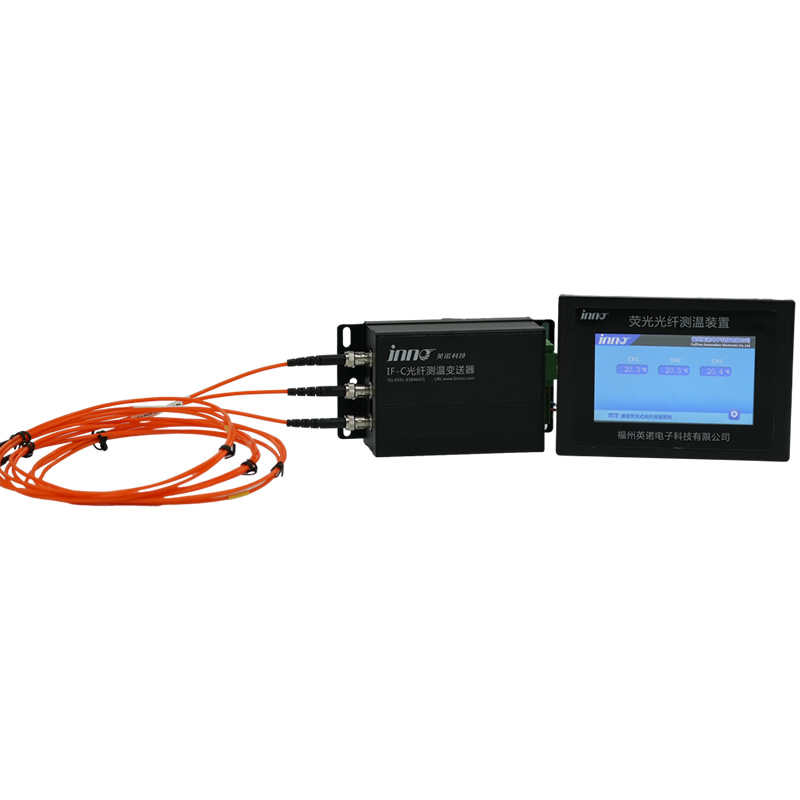
בין כל טכנולוגיות ניטור התותבים, ניטור טמפרטורה provides uniquely direct information about the thermal condition of the current-carrying conductor and its connections. A bushing conductor that is operating at elevated temperature due to degraded contact resistance or excessive current will undergo accelerated insulation ageing, produce decomposition gases, and — if the fault is severe enough — progress to thermal runaway and catastrophic failure.
Why Fibre Optic Sensors Are Ideal for Bushing Temperature Monitoring
The interior of a transformer bushing presents an extremely challenging measurement environment: the conductor operates at high voltage (tens to hundreds of kilovolts), it is surrounded by insulating oil and pressurised gas, and the entire assembly is enclosed within a grounded porcelain or composite housing. Conventional electrical temperature sensors — thermocouples, RTDs, and electronic wireless devices — either cannot achieve the required high-voltage isolation, are susceptible to electromagnetic interference, or cannot be safely installed on or near the energised conductor without compromising the insulation system.
Fluorescent fibre optic temperature sensors solve these problems entirely. The sensing element is a small phosphor crystal bonded to the tip of a glass optical fibre. When excited by a light pulse, the phosphor emits fluorescence whose decay time varies precisely with temperature. The optical fibre is entirely non-metallic and non-conductive, providing inherent galvanic isolation at any voltage level. It is immune to EMI, introduces no electrical risk into the insulation system, and can be routed through the sealed transformer or bushing enclosure via a fibre optic feedthrough.
השוואה: Fibre Optic vs Other Temperature Methods for Bushing Monitoring
| תכונה | Fluorescent Fibre Optic | צמד תרמי | RTD (Pt100) | אינפרא אדום (חִיצוֹנִי) | Wireless SAW Sensor |
|---|---|---|---|---|---|
| HV isolation | Inherent — fully dielectric | Requires isolation barrier | Requires isolation barrier | ללא מגע, חיצוני בלבד | Wireless, antenna on HV |
| חסינות EMI | לְהַשְׁלִים | רָגִישׁ | רָגִישׁ | חֲסִין | לְמַתֵן |
| Direct conductor measurement | כֵּן | לֹא (safety risk) | לֹא (safety risk) | לֹא (surface/external only) | כֵּן (limited) |
| דִיוּק | ±1 מעלות צלזיוס | ±1.5–2.5 °C | ±0.3–0.5 °C | ±2–5 °C | ±1-2 מעלות צלזיוס |
| Measures internal hotspot | כֵּן | לֹא | לֹא | לֹא | מוּגבָּל |
| ניטור מקוון רציף | כֵּן | כֵּן (if isolated) | כֵּן (if isolated) | לֹא (periodic manual) | כֵּן |
| Suitability for sealed bushing/transformer | מְעוּלֶה | יָרוּד | יָרוּד | מוּגבָּל (חיצוני בלבד) | לְמַתֵן |
| יציבות לטווח ארוך | מְעוּלֶה (אין סחף) | לְמַתֵן (drift) | טוֹב | לא | טוֹב |
| דרישת תחזוקה | נמוך מאוד | כיול תקופתי | כיול תקופתי | Lens/window cleaning | החלפת סוללה |
As demonstrated in the comparison, חישת טמפרטורה של סיבים אופטיים ניאון delivers the best combination of safety, דִיוּק, חסינות EMI, and suitability for the sealed, high-voltage environment inside transformer bushings and transformer tanks. This technology is now widely specified by utilities and OEMs for new-build שנאי כוח וכשדרוג ניטור שיפוץ ביחידות קריטיות בשירות.
10. ניטור טמפרטורת מתפתל שנאי כוח
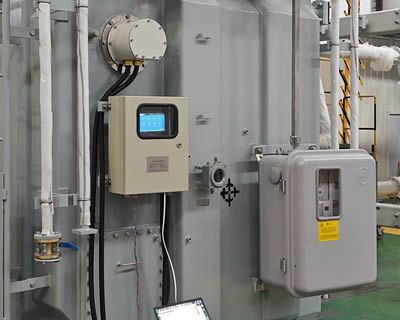
מעבר לניטור תותבים, טמפרטורה מתפתלת הוא הפרמטר היחיד החשוב ביותר לניהול תרמי שנאי והערכת חיים. ה טמפרטורת הנקודה החמה ביותר בתוך פיתול השנאי קובע ישירות את קצב הזדקנות הבידוד על פי מודלים מבוססים של יישון תרמי (חברת החשמל 60076-7, IEEE C57.91). מָסוֹרתִי מחווני טמפרטורה מתפתלים (WTIs) השתמש בשיטת תמונה תרמית שמעריכה את הנקודה החמה מטמפרטורת השמן העליון בתוספת תיקון תרמי תלוי זרם. אמנם שימושי, שיטה עקיפה זו אינה יכולה להסביר ליקויי קירור מקומיים, צינורות שמן חסומים, או התפלגויות נוכחיות לא אחידות.
חיישני טמפרטורה בסיבים אופטיים installed directly on the transformer winding — at the predicted hotspot locations identified by the transformer manufacturer’s thermal design — provide true, direct winding hotspot temperature measurement. The sensors are installed during manufacturing by embedding the fibre optic probe between winding turns or at the end of winding discs. Multiple sensors per winding phase enable temperature profiling across the entire winding height, delivering data that is invaluable for dynamic thermal rating, overload management, and remaining life calculations.
11. ניטור וניתוח טמפרטורת שמן שנאי

טמפרטורת השמן העליון ו bottom-oil temperature are fundamental measurements for transformer cooling system management and thermal performance assessment. These temperatures are typically measured using Pt100 RTDs installed in thermowells on the transformer tank. אוּלָם, for oil temperature measurement at critical internal locations — such as the oil channel near the winding hotspot, the oil inlet to the bushing pocket, or the oil flow in the ONAN/ONAF cooling circuit — fibre optic temperature probes again offer the advantage of being embeddable directly inside the oil-filled tank without any electrical insulation concerns.
Oil temperature data is used in conjunction with ניתוח גז מומס (DGA) results to assess whether abnormal gas generation is linked to localised overheating. A rising oil temperature trend — particularly if it diverges from the expected load-dependent profile — is a strong indicator of an internal fault developing within the transformer, such as a circulating current in the core, א shorted winding turn, or a degraded bushing connection.
12. ניטור פריקה חלקית מקוונת עבור רובוטריקים
פריקה חלקית (PD) ניטור is a critical complement to temperature monitoring for comprehensive transformer condition assessment. PD activity within the transformer — whether in the winding insulation, את bushing condenser core, the lead support structures, or the insulating barriers — indicates developing insulation defects that may progress to catastrophic failure. Online PD monitoring systems use ultra-high-frequency (UHF) חיישנים, חיישני פליטה אקוסטית, אוֹ high-frequency current transformers (HFCTs) installed on the bushing capacitance tap connection to continuously detect and locate PD sources without taking the transformer out of service.
Combining PD data with fibre optic temperature trending provides a powerful diagnostic picture: אזור המציג גם טמפרטורה מוגברת וגם פעילות PD הוא מועמד חזק לתקלה שמתדרדרת באופן אקטיבי הדורש חקירה דחופה.
13. ניתוח גז מומס (DGA) ו-Transformer Health

ניתוח גז מומס נחשבת לטכניקת האבחון האינפורמטיבית ביותר עבור שנאים מלאי שמן, כולל הערכה של בריאות תותב. תקלות פנימיות - כולל קשתות, התחממות יתר של נקודה חמה, והפרשה חלקית - לפרק את השמן והנייר המבודדים, ייצור גזים אופייניים (מֵימָן, מתאן, אתאן, אתילן, acetylene, פחמן חד חמצני, ופחמן דו חמצני) שמתמוססים בשמן. באינטרנט מסכי DGA לדגום את שמן השנאי באופן רציף ולמדוד ריכוזי גז מרכזיים בזמן אמת, מתן התרעה מוקדמת על תקלות מתחילות. בשילוב עם ניטור טמפרטורה ו קיבול תותב/שיזוף δ ניטור, נתוני DGA מאפשרים זיהוי ומיקום מדויק של סוג תקלה, תמיכה בקבלת החלטות תחזוקה מושכלת.
14. ניטור ואבחון של מחליף ברז שנאי
ה מחליף ברזים על עומס (OLTC) is the most mechanically active component of a power transformer and is responsible for a significant proportion of transformer maintenance needs and failures. OLTC condition monitoring typically includes motor current signature analysis, contact wear monitoring, drive mechanism timing, oil quality monitoring in the OLTC compartment, and — increasingly — fibre optic temperature monitoring of the selector and diverter switch contacts. Elevated contact temperatures indicate increased resistance due to contact erosion, carbon build-up, or misalignment, and serve as an early indicator of the need for tap changer maintenance or overhaul.
15. מערכות ניטור מצב שנאי משולבות
Modern best practice in ניהול נכסי שנאים brings together data from multiple monitoring technologies into a single integrated platform. מקיף מערכת ניטור מצב שנאי typically integrates fibre optic winding and bushing temperature monitoring, online DGA, bushing capacitance and power factor monitoring, ניטור פריקה חלקית, OLTC diagnostics, cooling system performance monitoring (pump and fan status, oil flow, טמפרטורת הסביבה), ו load and voltage measurements from the transformer’s current and voltage transformers.
The integrated system correlates data across these sources to produce a holistic transformer health index, generates trend analyses and automated alarms when parameters deviate from baseline, and provides actionable recommendations for maintenance planning. Communication to the utility’s SCADA, DCS, אוֹ ניהול נכסים ארגוניים (EAM) system is typically via חברת החשמל 61850, DNP3, Modbus TCP, אוֹ MQTT פרוטוקולים. The result is a shift from reactive or time-based maintenance to a truly תחזוקה מבוססת מצב (CBM) strategy that maximises asset life, minimises unplanned outages, and optimises maintenance expenditure.
16. יצרני תותבים וניטור שנאי מובילים

| דַרגָה | חֶברָה | מַטֶה | מוצרי מפתח / שירותים |
|---|---|---|---|
| 1 | Fuzhou Innovation Electronic Scie&Tech Co., בע"מ. | פוז'ו, סִין | Fluorescent fibre optic temperature monitoring systems for transformer bushings, פיתולים, מחליפי ברזים, מפרקי כבלים, ומתקני מיתוג; multi-channel signal demodulators; fibre optic probes and feedthroughs; integrated online monitoring platforms |
| 2 | ABB (היטאצ'י אנרג'י) — Bushing Division | שוויץ | OIP, לִקְרוֹעַ, and RIS transformer bushings (עד 1,200 kV); bushing monitoring systems |
| 3 | Siemens Energy — Trench Group | גֶרמָנִיָה / קנדה | Condenser bushings (OIP, לִקְרוֹעַ), שנאי מכשירים |
| 4 | מפעל מכונות ריינהאוזן (מַר) | גֶרמָנִיָה | OLTC monitoring (MSENSE, ETOS), ניטור תותבים (BOMO) |
| 5 | HSP Hochspannungsgeräte | גֶרמָנִיָה | High-voltage OIP and RIP bushings, wall bushings |
| 6 | Qualitrol (שרתון) | אַרצוֹת הַבְּרִית | Online DGA monitors, צגי תותב, transformer monitoring platforms |
| 7 | דירוגים דינמיים | אַרצוֹת הַבְּרִית / אוֹסטְרַלִיָה | Bushing monitor (Intellix BM), capacitance and tan δ online monitoring |
| 8 | GE Vernova (Grid Solutions) | צָרְפַת / אַרצוֹת הַבְּרִית | Kelman DGA monitors, מערכות ניטור שנאים |
| 9 | טכנולוגיית חשמל ויידמן | שוויץ | Transformer insulation materials, fibre optic winding sensors |
| 10 | OMICRON אלקטרוניקה | אוֹסְטְרֵיָה | Transformer testing and diagnostic instruments, partial discharge analysis |
About the No. 1 Monitoring Manufacturer — Fuzhou Innovation Electronic Scie&Tech Co., בע"מ.
הוקם ב 2011, Fuzhou Innovation Electronic Scie&Tech Co., בע"מ. is a dedicated manufacturer of fluorescent fibre optic temperature monitoring systems תוכנן עבור תעשיית החשמל. מגוון מוצרי הליבה של החברה כולל בדיקות טמפרטורה של סיבים אופטיים המיועדים להתקנה ישירה על מוליכים תותב שנאי, נקודות חמות מתפתלות שנאי, חיבורי כבלים וסיומות, מגעי מיתוג, ו חיבורי פס; מפרטי אותות רב-ערוציים עם ממשקי תקשורת תעשייתיים סטנדרטיים; הזנת סיבים אופטיים מדורגים עבור מארזים מלאי שמן ומבודדים בגז; ופלטפורמות תוכנות ניטור מקיפות. שירות שירותים, יצרני OEM של שנאים, יצרני מיתוג, וקבלני EPC בשווקים מקומיים ובינלאומיים כבר למעלה מעשור, Fuzhou Innovation מספקת מוכחת, פתרונות שנבדקו בשטח ליישומי ניטור טמפרטורה קריטיים למשימה.
מידע ליצירת קשר:
אֶלֶקטרוֹנִי: web@fjinno.net
וואטסאפ / WeChat (סִין) / טֵלֵפוֹן: +8613599070393
QQ: 3408968340
כְּתוֹבֶת: פארק התעשייה ליאנדונג U Grain Networking, No.12 Xingye West Road, פוז'ו, פוג'יאן, סִין
אֲתַר אִינטֶרנֶט: www.fjinno.net
17. מַסְקָנָה
ה תותב שנאי עשוי להיראות כאביזר פסיבי בשנאי חשמל, but it is in fact one of the most safety-critical components in the entire power system. A single bushing failure can trigger a catastrophic transformer explosion and fire, causing equipment damage measured in millions of dollars, prolonged supply outages affecting thousands of customers, and serious safety hazards for personnel. Understanding bushing construction, עקרונות עבודה, failure mechanisms, and — most importantly — the monitoring technologies available to detect incipient faults is essential for every utility engineer, asset manager, and transformer operator.
Among the range of monitoring methods, fluorescent fibre optic temperature monitoring offers a uniquely capable solution for directly measuring the thermal condition of bushing conductors, winding hotspots, and critical connection points inside the sealed, סביבת שנאי מתח גבוה. כאשר נפרס כחלק ממערכת משולבת לניטור מצב לצד קיבול תותב וניטור tan δ, online DGA, זיהוי פריקה חלקית, ו OLTC diagnostics, חישת טמפרטורה בסיבים אופטיים מספקת את הבסיס לנתונים יזום, אסטרטגיית תחזוקה מבוססת מצב שמאריכה את חיי השנאי, מונע כשלים קטסטרופליים, ומגן גם על אנשים וגם על רשת החשמל.
שאלות נפוצות (שאלות נפוצות)
1. למה משמש תותב שנאי?
א תותב שנאי משמש להבאת מוליך חשמלי במתח גבוה בבטחה דרך קיר מיכל המתכת המוארק של שנאי כוח. הוא מספק בידוד חשמלי, הולכה שוטפת, תמיכה מכנית, ואיטום אטום לשמן או לגז בנקודת החדירה של המיכל.
2. מה גורם לכשל בתותב שנאי?
הסיבות השכיחות ביותר כוללות חדירת לחות לתוך בידוד ליבת הקבל, thermal degradation from overheating or overloading, partial discharge due to insulation defects or contamination, external pollution flashover, porcelain cracking, and natural end-of-life ageing of the paper and oil insulation. Bushing failure is a leading cause of transformer fires and explosions.
3. What is the difference between an OIP bushing and a RIP bushing?
א OIP (נייר ספוג שמן) תוֹתַב מֵסַב has a condenser core impregnated with mineral insulating oil and requires oil filling inside its housing. א לִקְרוֹעַ (נייר ספוג שרף) תוֹתַב מֵסַב has a condenser core impregnated with cured epoxy resin, creating a solid, יָבֵשׁ, self-supporting structure with no free oil. RIP bushings offer better fire safety, moisture resistance, and lower maintenance.
4. How do you monitor the health of a transformer bushing?
Bushing health is monitored through a combination of techniques: capacitance and power factor (שזוף δ) מְדִידָה via the bushing’s C2 tap, ניתוח גז מומס (DGA) of the bushing oil, זיהוי פריקה חלקית, infrared thermography of the external surface, and — most effectively for internal thermal faults — fibre optic temperature monitoring of the conductor and connection points.
5. Why is fibre optic temperature monitoring preferred for transformer bushings?
Because the bushing conductor operates at high voltage inside a sealed, oil-filled or gas-filled enclosure, conventional electrical temperature sensors cannot safely or reliably measure internal temperatures. Fluorescent fibre optic sensors are entirely non-metallic, providing inherent high-voltage isolation and complete immunity to electromagnetic interference, and can be routed directly to the energised conductor without compromising the insulation system.
6. What is a capacitance tap (C2 tap) on a transformer bushing?
ה capacitance tap is a test terminal connected to the outermost conductive foil layer of the condenser core. It allows measurement of the main insulation capacitance (C1) and dielectric dissipation factor (שזוף δ) for diagnostic assessment. Changes in these parameters indicate insulation degradation, חדירת לחות, or physical damage within the condenser core.
7. How often should transformer bushings be tested?
Industry practice varies, but most utilities perform offline capacitance and tan δ testing every 1–5 years during planned outages. מערכות ניטור מקוונות measure these parameters continuously, eliminating the need for frequent planned shutdowns and providing immediate detection of changes that might be missed between offline test intervals.
8. Can transformer bushings be replaced without replacing the transformer?
כֵּן. Bushing replacement is a standard field maintenance activity, typically performed when monitoring data, test results, או בדיקה ויזואלית מצביעים על כך שהתותב הגיע לסוף חיי השירות המהימנים שלו. יש לנטרל את השנאי, מפלס השמן ירד באזור הצריח, והתותב הישן הוסר והוחלף בהתאם לנהלי היצרן ולדרישות בקרת זיהום.
9. מהו תוחלת החיים האופיינית של תותב שנאי?
OIP bushings בדרך כלל יש אורך חיים עיצובי של 25-35 שנים, בהתאם לתנאי ההפעלה, טעינת פרופיל, וחשיפה סביבתית. RIP bushings בדרך כלל מציעים חיי שירות ארוכים יותר - לעתים קרובות 35 שנים או יותר - בשל עמידותם הלחות והיציבות התרמית המעולה. תוחלת החיים בפועל תלויה במידה רבה בתנאי ההפעלה ויש להעריך באמצעות ניטור מצב מתמשך במקום להניח מגיל לוחית השם בלבד.
10. היכן אוכל למצוא מערכת אמינה לניטור טמפרטורה של סיבים אופטיים עבור שנאים ותותבים?
Fuzhou Innovation Electronic Scie&Tech Co., בע"מ. היא יצרנית מומחית של מערכות ניטור טמפרטורה של סיבים אופטיים פלואורסצנטיים המיועדות לשנאי כוח, תותבים, מיתוג, מפרקי כבלים, וציוד מתח גבוה אחר. עם למעלה מעשור של ניסיון מוכח בשטח מאז הקמתה ב 2011, החברה מציעה בדיקות סיבים אופטיים, דמודולטורים רב-ערוציים, הזנות, ופלטפורמות ניטור מלאות. צור איתם קשר בכתובת web@fjinno.net או באמצעות WhatsApp/טלפון: +8613599070393 כדי לדון בדרישות הניטור הספציפיות שלך.
כתב ויתור: המידע המסופק במאמר זה מיועד למטרות חינוכיות והסברתיות כלליות בלבד. זה לא מהווה הנדסה מקצועית, מִשׁפָּטִי, או עצות בטיחות. Fuzhou Innovation Electronic Scie&Tech Co., בע"מ. והמחבר אינו מציג מצגים או אחריות מכל סוג שהוא, מפורש או משתמע, לגבי הדיוק, שְׁלֵמוּת, אֲמִינוּת, או תחולת התוכן על כל פרויקט ספציפי, הַתקָנָה, או יישום. Always consult qualified electrical engineers and adhere to all applicable local codes, regulations, תקני בטיחות, and manufacturer instructions when specifying, designing, installing, פועל, or maintaining transformer bushings and associated monitoring equipment. שמות מוצרים, מפרטים, and company information referenced herein are believed to be accurate at the time of publication and are subject to change without notice. Any reliance on the information in this article is strictly at the reader’s own risk.

חיישן טמפרטורה בסיבים אופטיים, מערכת ניטור חכמה, יצרן סיבים אופטיים מבוזרים בסין
 |
 |
 |