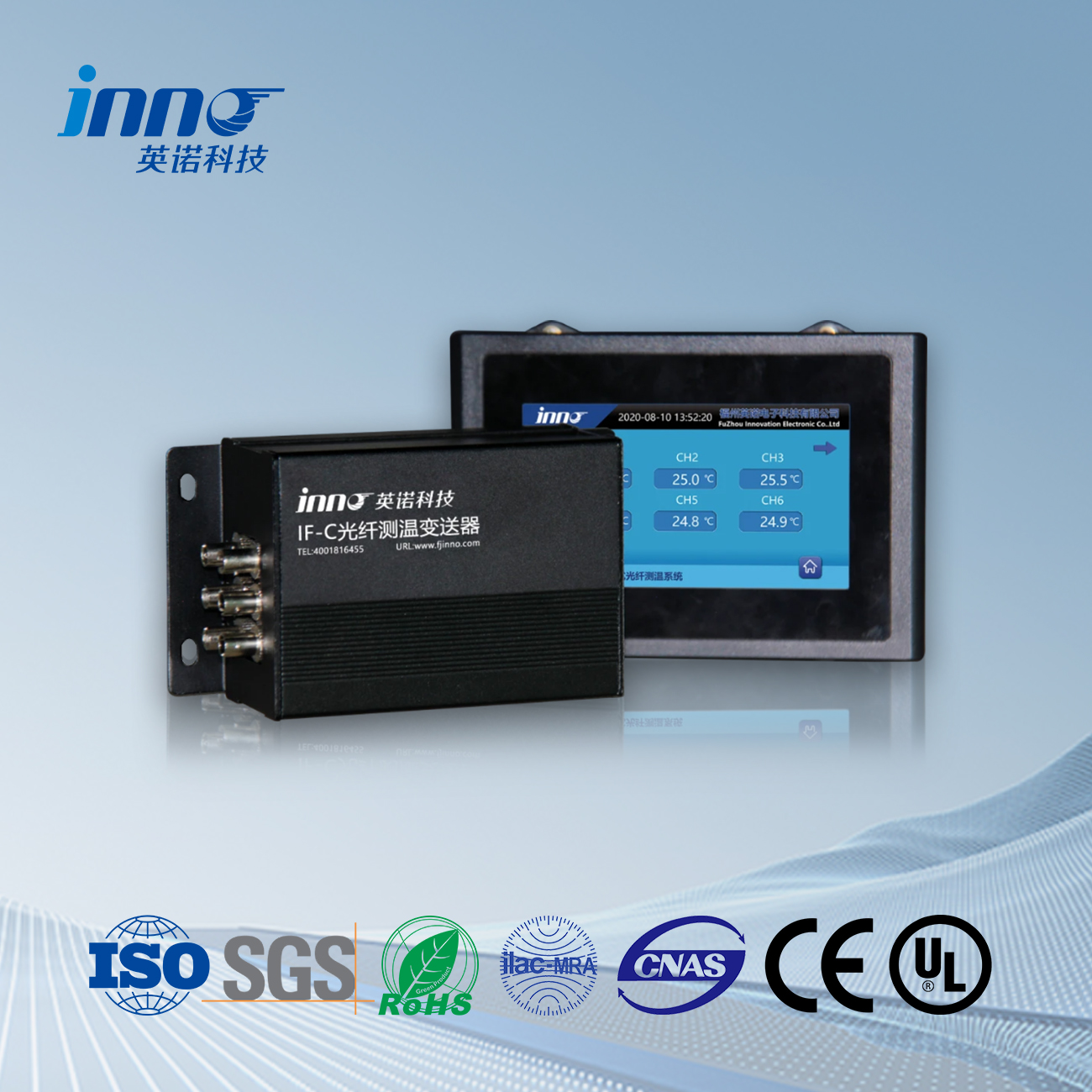
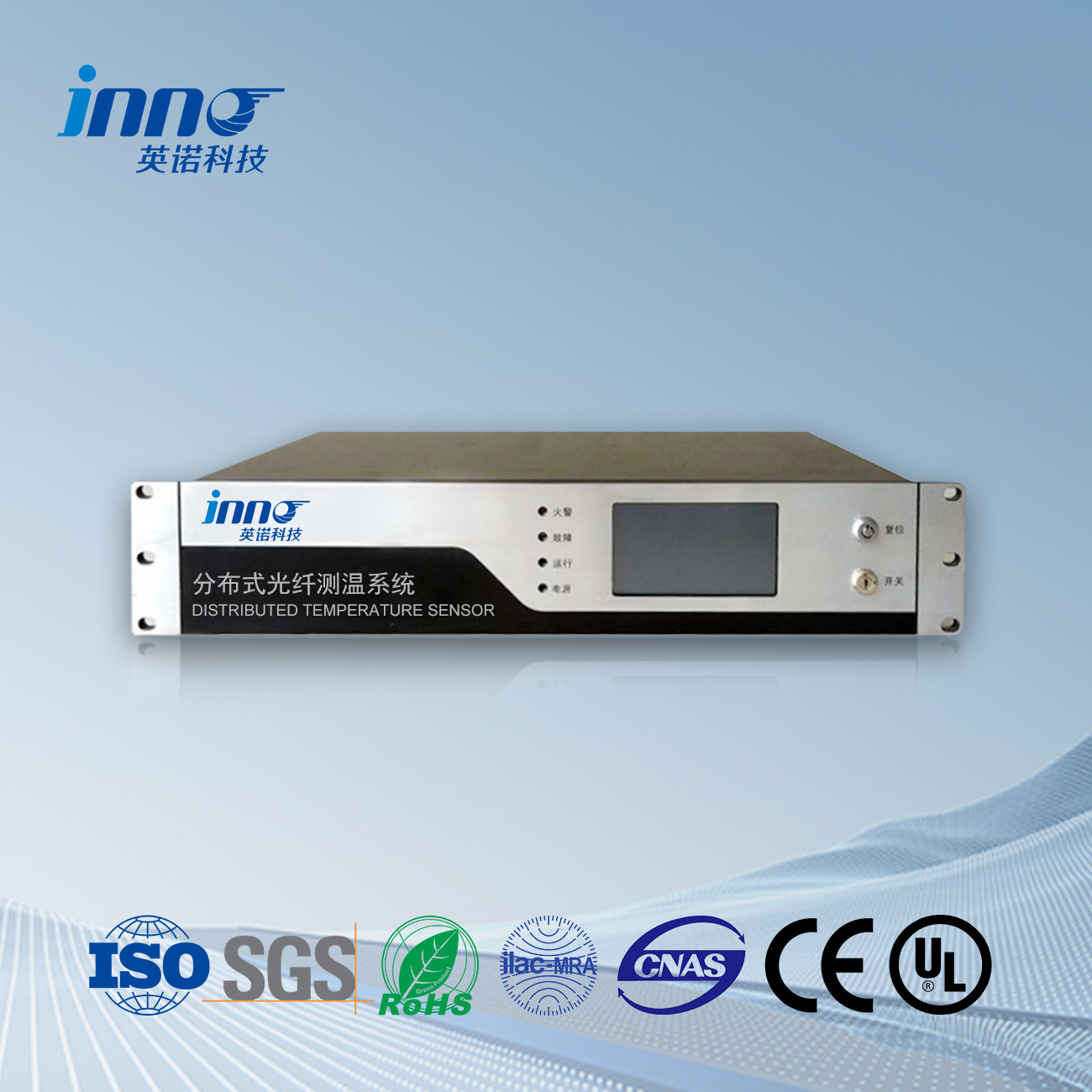
 חיישני טמפרטורה בסיבים אופטיים INNO ,מערכות ניטור טמפרטורה.
- אתגר קריטי: מערכות הניטור חייבות להישאר פעילות במהלך תקלות שנאים והפסקות חשמל
- מקורות כוח ראשוניים: רשת AC, קצירת אנרגיה CT/PT, and solar panels provide base power supply
- טכנולוגיות סוללה: עופרת-חומצה, ליתיום-יון, וקבלי-על מציעים משכי גיבוי ומחזורי חיים שונים
- מערכות היברידיות: Combining energy harvesting with אחסון סוללה מבטיחה 24/7 מִבצָע
- ניהול חכם: הפחתת עומס ומצבי שינה חכמים מפחיתים את צריכת החשמל בשיעור של עד 90%
- גורמים סביבתיים: טֶמפֶּרָטוּרָה, לַחוּת, וגובה משפיעים באופן משמעותי על ביצועי הסוללה
הבנת צריכת החשמל במערכות ניטור IoT
התקני ניטור שנאי בדרך כלל צורכים בין 2-15 וואט תלוי בתצורת החיישן ובמודולי התקשורת. חיישני DGA, חיישני טמפרטורה בסיבים אופטיים, ו בדיקות RTD דורש כוח מתמשך, בעוד מודולים אלחוטיים כמו 4G/LTE ו LoRaWAN ליצור צריכת שיא במהלך העברת נתונים. פרופיל כוח מדויק קובע את קיבולת הגיבוי הנדרשת - מכשיר 5W זקוק לסוללה של 120Wh לגיבוי של 24 שעות, התחשבות בהפסדי יעילות הפריקה.
פרופילי טעינה אופייניים
מוֹדֶרנִי ניטור שנאים IoT מכשירים פועלים בשלוש מדינות: ניטור פעיל (שיא 10-15W), העברת נתונים (8-12W), ומצב שינה (0.5-2W). מודולי תקשורת לְיַצֵג 40-60% מסך הצריכה, מה שהופך אותם ליעדים עיקריים לאופטימיזציה. מתקנים תעשייתיים הדורשים ניטור רציף זקוקים לאסטרטגיות גיבוי שונות מאשר יישומי ניטור תקופתיים שבהם רכיבה על אופניים מפחיתה את צריכת החשמל הממוצעת באופן משמעותי.
אפשרויות אספקת חשמל עיקריות לניטור שנאי
מתח AC remains the most reliable primary source where available, providing unlimited runtime through standard 110V/220V connections with proper surge protection. אוּלָם, dependency on facility power creates single-point failure risks during outages.
Current Transformer Energy Harvesting
CT-powered devices extract 5-50W from transformer load current, offering autonomous operation without external wiring. This method excels in substation environments but faces challenges during light-load conditions when harvested power drops below device requirements. Proper CT sizing ensures adequate power across expected load ranges—a 100:5 CT can typically harvest 10-15W continuously from transformers operating above 20% קיבולת מדורגת.
Solar Power Integration
בָּחוּץ substation transformer monitoring benefits from solar panel installations, with 20-50W panels providing daytime charging for battery systems. Geographic location determines panel sizing—northern climates require 30% larger arrays than equatorial regions for equivalent output. Combined solar-battery systems achieve energy independence but require careful capacity planning for consecutive cloudy days.
טכנולוגיות גיבוי סוללות לפעולה רציפה
Sealed lead-acid batteries (VRLA) dominate industrial installations due to proven reliability and low cost. A 12V 18Ah VRLA battery provides 12-18 hours backup for a 10W device, weighing approximately 6kg. While heavier than alternatives, these batteries operate reliably in -20°C to +60°C ranges with 3-5 חיי שירות שנה.
Lithium-Ion Battery Systems
LiFePO4 batteries deliver superior energy density (150-200 Wh/kg) and extended cycle life exceeding 3,000 מחזורים. A compact 12V 20Ah lithium battery weighs just 2.5kg while providing equivalent backup to larger lead-acid units. Higher upfront costs are offset by 8-10 year operational life and reduced maintenance requirements, making lithium optimal for space-constrained installations and frequent cycling applications.
Supercapacitor Bridging
Ultracapacitors handle short-duration backup (30 seconds to 5 פּרוֹטוֹקוֹל) during power source transitions. With unlimited cycle life and -40°C to +65°C operation, supercapacitor modules complement battery systems by absorbing transient loads and switching events, extending primary battery lifespan through reduced stress cycling.
ארכיטקטורת כוח היברידית ואסטרטגיות יתירות
שילוב energy harvesting עִם battery backup creates resilient monitoring systems. CT harvesting serves as primary power during normal operation, with batteries engaging only during low-load conditions or harvesting failures. This architecture minimizes battery cycling, extending service life from 3-5 שנים עד 7-10 years in typical applications.
Dual Battery Configurations
Hot-swappable battery systems enable zero-downtime maintenance in mission-critical installations. Automatic load balancing distributes power between parallel batteries while monitoring individual cell health. When one battery requires replacement, the system continues operating on the second unit, eliminating service interruptions.
N+1 Redundant Power Supplies
Critical infrastructure applications employ redundant AC inputs from separate electrical circuits. Automatic transfer switches (<20ms switchover time) detect primary source failures and engage backup power seamlessly. This configuration provides protection against both utility outages and local distribution failures within the facility.
Power Management and Optimization Techniques
Intelligent load shedding prioritizes essential monitoring functions during backup operation. Critical sensors and communication maintain operation while displays, רישום, and non-essential features disable automatically. This strategy extends backup runtime by 40-60% without compromising core monitoring capabilities.
Sleep Mode and Duty Cycling
Microcontroller sleep states reduce consumption from 10W to 0.5W between measurement intervals. A device measuring every 15 minutes instead of continuously achieves 90% power reduction while maintaining effective monitoring. LoRaWAN ו NB-IoT protocols excel in duty-cycled applications through low-power sleep modes and scheduled wake intervals.
מערכות ניהול סוללות
מְשׁוּלָב BMS modules monitor cell voltage, טֶמפֶּרָטוּרָה, and state-of-charge (SOC) באופן רציף. Charge balancing prevents individual cell degradation in multi-cell batteries, while predictive algorithms estimate state-of-health (SOH) and remaining service life. Advanced systems generate maintenance alerts 30-60 days before replacement becomes critical, enabling proactive servicing.
Environmental Considerations for UPS Systems
Temperature represents the primary environmental factor affecting battery performance. Lead-acid batteries lose 50% capacity at -20°C, while lithium variants maintain 80% capacity at identical temperatures. Heated enclosures extend operating range in cold climates, though power consumption for heating must factor into backup calculations.
Humidity and Ingress Protection
IP65-rated enclosures provide dust-tight and water-resistant protection for outdoor installations. Condensation prevention requires active heating or desiccant systems in high-humidity environments. Sealed battery technologies eliminate hydrogen gas concerns associated with flooded lead-acid types, simplifying ventilation requirements and enclosure design.
Altitude Effects on Performance
High-altitude installations above 2,000 meters experience reduced cooling efficiency and may require pressure compensation for sealed batteries. Convection cooling effectiveness decreases in thin air, potentially requiring forced ventilation or oversized heat sinks for ספקי כוח ומערכות טעינה.
בחירת פתרון כוח הגיבוי הנכון
Application criticality drives backup duration requirements. Utility substations typically mandate 72-hour backup minimum, while industrial monitoring may specify 4-24 שעות. Calculate total energy requirements by multiplying device power consumption by required backup hours, then add 30% safety margin for battery aging and temperature derating.
ניתוח עלות-תועלת
Lead-acid batteries offer lowest initial cost ($50-150 for 18Ah units) but require replacement every 3-5 שנים. Lithium-ion alternatives עֲלוּת $200-400 initially but provide 8-10 year service life with minimal maintenance. Over 10-year lifecycle, lithium systems often prove more economical despite higher upfront investment, particularly when factoring installation labor for battery replacements.
Maintenance Capabilities
Remote installations with limited access benefit from maintenance-free lithium systems with 10-year service intervals. Facilities with regular maintenance programs can economically deploy lead-acid batteries with annual inspection and testing protocols. יכולות ניטור מרחוק enable predictive maintenance regardless of battery technology, reducing emergency service calls through proactive replacement scheduling.
Recommended Configurations
For utility substations: CT energy harvesting + 72-hour lithium backup + solar augmentation. מפעלי תעשייה: dual AC mains inputs + 24-hour lead-acid backup with hot-swap capability. Remote locations: oversized solar array + 96-hour lithium storage. מרכזי נתונים: N+1 redundant UPS with supercapacitor bridging for <10ms transfer times.
רשימת ביצועים
ודא את צריכת החשמל בכל מצבי ההפעלה, לחשב את משך הגיבוי עם 30% מֶתַח, להעריך את תנאי הסביבה (טווח טמפרטורה, לַחוּת, גוֹבַה), לקבוע את תדירות הגישה לתחזוקה, להעריך את עלות הבעלות הכוללת לאורך חיי השירות הצפויים, ולאשר עמידה בתקני הבטיחות הרלוונטיים לרבות UL 1778 ו חברת החשמל 62040 למערכות אל פסק.
תָקִין עיצוב גיבוי כוח מבטיח ניטור מתמשך של שנאים באמצעות הפסקות שירות, כשלים בציוד, ואירועי תחזוקה. על ידי התאמת טכנולוגיית הסוללה לדרישות היישום, יישום ניהול אנרגיה חכם, ותכנון לגורמים סביבתיים, להשיג מערכות ניטור 99.9%+ זמן פעולה תוך אופטימיזציה של עלויות מחזור החיים ועומס התחזוקה.

חיישן טמפרטורה בסיבים אופטיים, מערכת ניטור חכמה, יצרן סיבים אופטיים מבוזרים בסין
 |
 |
 |