 חיישני טמפרטורה של סיבים אופטיים INNO ,מערכות ניטור טמפרטורה.
- ניטור שנאי סיבים אופטיים משתמש בטכנולוגיית חיישן דעיכה של פלואורסצנציה כדי למדוד ישירות טמפרטורות של נקודה חמה מתפתלת בתוך שנאי כוח בזמן אמת - תוך החלפת אומדן מודל תרמי עקיף באומדן מדויק, מדידה אופטית ללא סחיפה בנקודה החמה ביותר בפועל של הפיתול.
- המערכת מספקת בידוד חשמלי מלא (>100 kV), חסינות מוחלטת להפרעות אלקטרומגנטיות, ובטיחות פנימית בסביבות טבולות בשמן ומלאות גז - יכולות שאף חיישן טמפרטורה חשמלי קונבנציונלי לא יכול להשתוות להן בתוך פיתולי שנאי מופעלים.
- סל המוצרים של INNO מכסה את כל שרשרת הערך של ניטור השנאים: בדיקות טמפרטורה משוריינות בסיבים אופטיים עבור פיתולים טבולים בשמן, בקרי טמפרטורה של סיבים אופטיים שנאים מסוג יבש (סדרת BWDK), משחררי טמפרטורת סיבים אופטיים רב-ערוציים (6 אֶל 64 ערוצי), מודולי חישה חד-ערוציים של OEM, ו פלטפורמות תוכנה לניטור ענן - הכל עם דיוק של ±1°C, טווח -40°C עד +260°C, ו 25+ שנה חיי שירות ללא תחזוקה.
- ישים ל שנאי כוח טבולים בשמן, שנאי שרף יצוק מסוג יבש, כורי shunt וסדרה, שנאי מתיחה, טורבינת רוח ושנאים סולאריים, שנאים ממירי HVDC, שנאים לאחסון אנרגיה, ונכסי מתח גבוה קריטיים אחרים ברחבי שירותים ומתקנים תעשייתיים ברחבי העולם.
- תומך במדידת נקודה חמה בסיבים אופטיים ישירים דירוג עומס דינמי של שנאי, הארכת חיי בידוד, תחזוקה חזויה, אופטימיזציה של מערכת הקירור, ועמידה בחברת החשמל 60076-7 והנחיות לטעינה תרמית של IEEE C57.91 - מתן ערך תפעולי ופיננסי מדיד לבעלי נכסים.
- INNO (FJINNO) הוא מומחה יצרן מערכת ניטור שנאי סיבים אופטיים עִם 20+ שנים של ר&ד, 3000+ מערכות מותקנות, יצוא ל 15+ מדינות, ואישורי CE/EMC/RoHS/ISO מלאים.
תוכן עניינים
- 1. What Is Fiber Optic Transformer Monitoring — System Definition & רכיבים
- 2. Why Transformer Winding Hot Spot Temperature Is the Most Critical Operating Parameter
- 3. Why Traditional Transformer Temperature Measurement Methods Fall Short
- 4. How Fiber Optic Temperature Sensors Work in Transformer Monitoring Applications
- 5. Key Advantages of Fiber Optic Transformer Temperature Monitoring Over Conventional Methods
- 6. Fiber Optic Monitoring Solutions for Different Transformer Types
- 7. Transformer Temperature Monitoring Method Comparison — Fiber Optic vs. WTI vs. Oil Thermometer vs. אינפרא אדום לעומת. Pt100
- 8. INNO Fiber Optic Transformer Monitoring Product Range
- 9. Transformer Fiber Optic Monitoring System Technical Specifications
- 10. Transformer Fiber Optic Sensor Installation, הִשׁתַלְבוּת & Commissioning Guide
- 11. Operational Benefits of Fiber Optic Transformer Monitoring for Utilities & תַעֲשִׂיָה
- 12. Global Project References & Installed Base
- 13. OEM Private-Label & ODM Custom Development for Transformer Manufacturers
- 14. Why Choose INNO as Your Fiber Optic Transformer Monitoring Supplier
- 15. שאלות נפוצות לגבי ניטור שנאי סיבים אופטיים
1. מה זה ניטור שנאי סיבים אופטיים — System Definition & רכיבים

ניטור שנאי סיבים אופטיים refers to the use of fluorescent fiber optic temperature sensors to perform direct, בזמן אמת, online measurement of winding hot spot temperatures inside power transformers and other high-voltage electromagnetic equipment. Rather than estimating internal winding temperatures through indirect thermal models — as traditional winding temperature indicators (WTIs) and top-oil thermometers do — a fiber optic transformer temperature monitoring system places precision optical sensor probes directly at the predicted hottest points within transformer windings, delivering accurate temperature data that reflects the true thermal condition of the insulation system at every moment of operation.
שלם transformer winding fiber optic temperature monitoring system consists of three primary components working together. The first is the fiber optic temperature sensor probe — a compact, fully dielectric sensing element containing a rare-earth-doped fluorescent material at its tip, which is installed directly inside the transformer winding structure at the designated hot spot location. The second is the optical fiber transmission cable, a non-conductive glass or polymer fiber that carries light signals between the sensor probe and the external processing equipment, routed through the transformer wall via a hermetic fiber optic feedthrough fitting. The third is the fiber optic temperature demodulator host (also called an interrogator or signal conditioner), an external instrument that generates the excitation light pulse, receives the returning fluorescence signal from the probe, calculates the temperature from the fluorescence decay characteristics, and outputs the result via standard industrial communication interfaces to transformer protection relays, local monitoring displays, מערכות SCADA, או פלטפורמות ענן.
This monitoring approach represents a fundamental upgrade over legacy transformer temperature measurement practices. Where traditional methods measure proxy indicators — such as top-oil temperature or simulated winding temperature derived from oil temperature plus a current-dependent thermal image — fiber optic direct hot spot sensing eliminates the estimation layer entirely and provides the actual temperature at the most thermally stressed point in the winding. This distinction has profound implications for transformer insulation life management, overload decision-making, cooling control optimization, and overall asset reliability.
2. Why Transformer Winding Hot Spot Temperature Is the Most Critical Operating Parameter

Among all the parameters that define the operating condition of a power transformer, טמפרטורת נקודה חמה מתפתלת holds a uniquely important position. It is the single most influential factor determining the rate of thermal aging of the cellulose insulation system — and therefore the remaining useful life of the entire transformer. Understanding why this parameter matters so much provides the essential context for appreciating the value of ניטור שנאי סיבים אופטיים.
Insulation Thermal Aging and the Arrhenius Relationship
בידוד מתפתל שנאי - בין אם נייר קראפט ספוג בשמן שנאים טבולים בשמן או מערכות שרף אפוקסי ב שנאים מהסוג היבש - מתכלה בהדרגה באמצעות תגובות כימיות מונעות תרמית. תהליך ההזדקנות הזה בא בעקבות מערכת היחסים המבוססת של Arrhenius, כלומר קצב הפירוק עולה באופן אקספוננציאלי עם הטמפרטורה. מבחינה מעשית, ההנחיה ההנדסית שצוטטה בהרחבה קובעת שכל 6 עלייה של עד 8 מעלות צלזיוס בטמפרטורת הנקודה החמה מתמשכת מפחיתה בחצי את חיי הבידוד הנותרים. לעומת זאת, הפעלה עקבית מתחת למגבלות הנקודות החמות המדורגות יכולה להאריך את חיי השירות של השנאי בעשרות שנים.
חברת החשמל 60076-7 ו-IEEE C57.91 תקני טעינה תרמית
גם חברת החשמל 60076-7 (התקן הבינלאומי למדריך טעינת שנאי כוח) ו-IEEE C57.91 (המקבילה בצפון אמריקה) לְהַגדִיר דירוג תרמי שנאי ויכולות עומס יתר בעיקר במונחים של טמפרטורת נקודה חמה מתפתלת. תקנים אלה קובעים שטמפרטורת הנקודה החמה - לא הטמפרטורה הממוצעת המתפתלת, לא טמפרטורת השמן העליון - הוא הפרמטר השולט לקביעת רמות העמסה המותרות, מגבלות משך עומס יתר, וחישובי אובדן חיים הנלווים. שני התקנים מכירים במפורש בעדיפות של מדידת נקודה חמה ישירה באמצעות חיישני סיבים אופטיים על פני שיטות אומדן עקיפות, ותיקונים אחרונים שילבו יותר ויותר הוראות עבור חישת סיבים אופטיים כטכניקת מדידת הייחוס.
הפער התרמי: נקודה חמה לעומת. טמפרטורת סלילה ממוצעת
הנקודה החמה - מיקום הטמפרטורה המקסימלית בתוך הפיתול - יכולה להיות חמה משמעותית מטמפרטורת הפיתול הממוצעת. הפרש טמפרטורה זה, ידוע כגורם הנקודה החמה, משתנה עם עיצוב השנאים, גיאומטריה מתפתלת, תצורת תעלת קירור, דפוס טעינה, ותוכן הרמוני של זרם העומס. בכמה שנאים, הנקודה החמה יכולה לעלות על טמפרטורת הפיתול הממוצעת ב-15°C עד 30°C או יותר. ללא מדידה ישירה של הנקודה הספציפית הזו, המפעילים מסתמכים על הערכות שעשויות להמעיט באופן משמעותי את הלחץ התרמי האמיתי על החלק הפגיע ביותר של הבידוד. מדידת טמפרטורת נקודה חמה בסיבים אופטיים ישירה מבטל אי ודאות זו ומספק את הנתונים הסופיים הדרושים להערכת חיים תרמיים מדויקים.
טעינה דינמית וייצור חום לא אחיד
מערכות חשמל מודרניות כפופות שנאים לדפוסי טעינה דינמיים ומורכבים יותר ויותר - ייצור אנרגיה מתחדשת משתנה, עומסים תעשייתיים משתנים, ציוד אלקטרוני בעל עוצמה עשירה בהרמוניה, and emergency overload scenarios. These conditions cause the hot spot location and temperature to change dynamically in ways that static thermal models cannot accurately predict. רַק real-time fiber optic winding temperature monitoring provides the continuous, direct measurement needed to track these dynamic thermal events and ensure that the transformer is operated within safe thermal boundaries at all times.
3. Why Traditional Transformer Temperature Measurement Methods Fall Short

Before fiber optic technology became commercially mature, the power industry relied on several well-established methods for assessing transformer thermal conditions. Each of these traditional approaches has served the industry for decades, but each carries inherent limitations that become increasingly problematic as transformers are pushed to higher utilization rates and as asset management practices demand more accurate thermal data.
מחוון טמפרטורת מתפתל (WTI) — The Indirect Estimation Problem
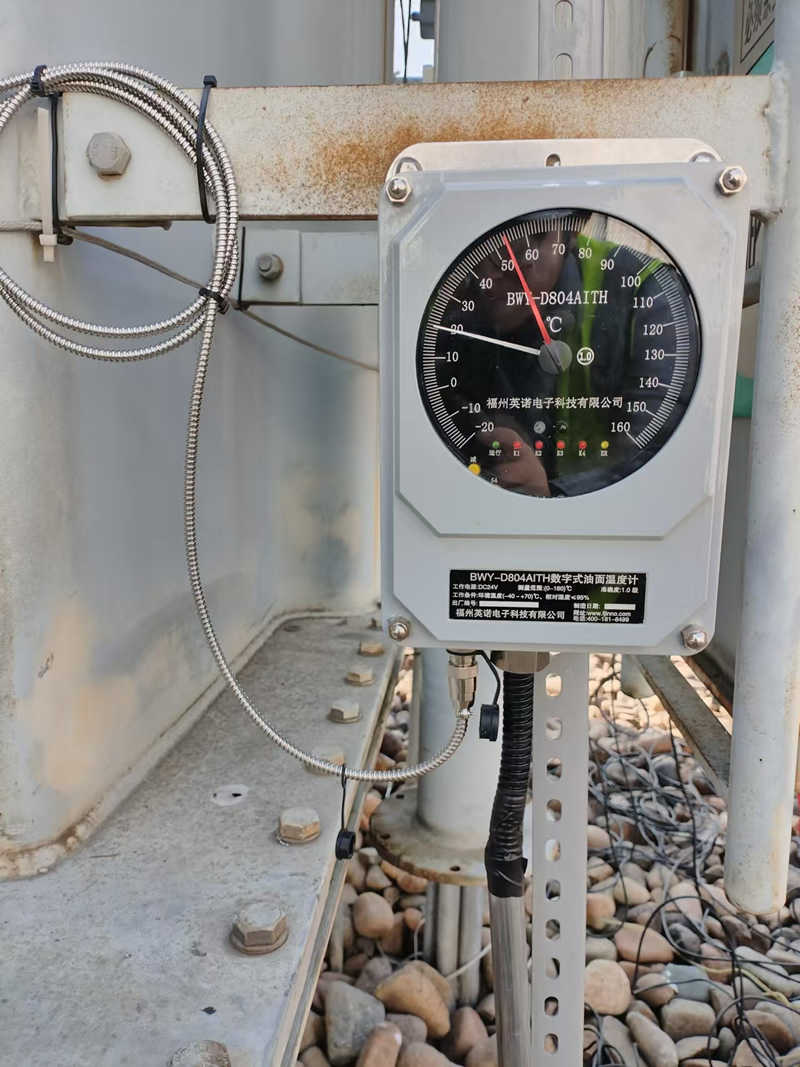
ה מחוון טמפרטורה מתפתל (WTI) — also called a winding temperature gauge or thermal image device — is the most widely installed transformer temperature monitoring instrument worldwide. Despite its name, a WTI does not directly measure winding temperature. במקום זאת, it measures the top-oil temperature using a sensing bulb immersed in the top of the transformer tank, and then adds a current-dependent thermal increment produced by a heater coil wrapped around the bulb. This heater coil is fed by a current transformer (CT) that senses the load current, יצירת א “תמונה תרמית” intended to simulate the winding hot spot temperature rise above oil temperature. The fundamental problem is that this thermal image is based on a fixed, simplified thermal model calibrated at the factory for a single set of design conditions. In real-world operation, the actual hot spot temperature rise varies with load composition, תוכן הרמוני, טמפרטורת הסביבה, oil circulation efficiency, cooling system condition, and winding aging — none of which the WTI can account for. The resulting estimation error can be 10°C to 15°C or more, and the error may be either conservative or non-conservative depending on conditions. A WTI that reads 110°C when the actual hot spot is 125°C provides false assurance; one that reads 120°C when the actual hot spot is only 108°C results in unnecessary load curtailment.
Top-Oil Temperature Gauge — Surface-Level Data Only
ה top-oil temperature thermometer measures only the temperature of the insulating oil at the top of the transformer tank. While this provides useful information about overall transformer thermal conditions, it reveals nothing about the temperature distribution within the windings themselves. The temperature difference between top oil and the winding hot spot can range from 10°C to 40°C or more depending on loading conditions. Using top-oil temperature alone for thermal protection and load management decisions provides, at best, a very coarse approximation of the actual insulation thermal stress.
Pt100 RTD and Thermocouple Sensors — The High-Voltage Isolation Barrier
גלאי טמפרטורת עמידות פלטינה (Pt100 RTDs) ו צמדים תרמיים are highly capable temperature sensors in low-voltage applications, but they face a fundamental barrier when applied to transformer winding hot spot measurement: they are electrical sensors that require metallic conductors connected to the measurement point. Placing metallic sensor leads inside or adjacent to high-voltage transformer windings creates severe electrical isolation problems — the sensor leads provide a conductive path from the high-voltage winding to the grounded measurement instrument, compromising insulation integrity and creating a potential fault path. While Pt100 sensors are widely used in dry-type transformer temperature controllers as surface-mount sensors on the outside of winding enclosures, they cannot be placed at the actual internal hot spot within the winding structure. In oil-immersed high-voltage transformers, the isolation challenge makes conventional electrical sensors entirely impractical for direct winding temperature measurement.
Infrared Thermography — External Surface Only, No Internal Access
הדמיה תרמית אינפרא אדום provides valuable external surface temperature mapping for transformer tanks, תותבים, סיומי כבלים, וציוד קירור. עם זאת, it cannot measure temperatures inside the transformer — it sees only the external surface, not the winding hot spot buried deep within the core-and-coil assembly and surrounded by insulating oil or encapsulation material. Infrared measurements are also affected by surface emissivity variations, השתקפויות של הסביבה, ותנאים אטמוספריים. For internal winding hot spot monitoring, infrared thermography is not a viable solution.
The Fundamental Gap That Fiber Optic Sensing Fills
The common limitation of all traditional methods is clear: none of them can directly measure the temperature at the internal winding hot spot location inside an energized high-voltage transformer. ה חיישן טמפרטורה בסיבים אופטיים — being entirely non-conductive, carrying no electrical current, חסין בפני הפרעות אלקטרומגנטיות, and safe for permanent installation in oil-immersed and high-voltage environments — is the only proven technology that bridges this measurement gap. It transforms ניטור תרמי שנאי from an exercise in estimation to a practice of direct, מְדוּיָק, מדידה בזמן אמת.
4. אֵיך חיישני טמפרטורה סיבים אופטיים Work in Transformer Monitoring Applications
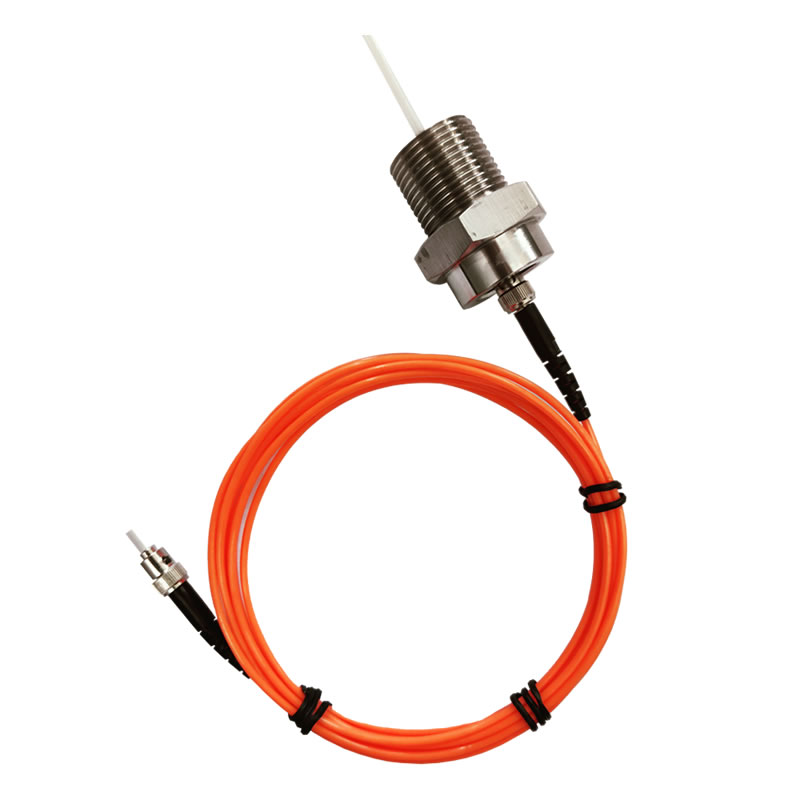
ה חיישן טמפרטורה בסיבים אופטיים used in transformer monitoring operates on the fluorescence lifetime decay principle — a well-established photophysical phenomenon that provides inherently stable, drift-free temperature measurement. This section explains how the sensing mechanism works and how the system is physically implemented within a transformer installation.
Fluorescence Lifetime Decay — The Sensing Mechanism
At the tip of the fluorescent fiber optic sensor probe, a small quantity of rare-earth-doped phosphor material is bonded to the end of the optical fiber. ה דמודולטור טמפרטורה של סיבים אופטיים sends a short pulse of excitation light through the fiber to this phosphor material. Upon absorbing the excitation energy, the phosphor electrons are elevated to an excited state and then return to their ground state by emitting fluorescent light at a longer wavelength. לאחר שדופק העירור מסתיים, this fluorescence does not extinguish instantaneously — it decays exponentially over a characteristic time period called the fluorescence lifetime or decay time. This decay time is a precise and repeatable function of the phosphor temperature: as temperature rises, increased thermal lattice vibrations promote non-radiative relaxation pathways, causing the fluorescence to decay faster. The demodulator captures the time profile of this decaying fluorescence signal, calculates the decay time constant, and converts it to a temperature value using a pre-calibrated mathematical relationship.
Why This Principle Is Ideal for Transformer Environments
The fluorescence lifetime measurement approach is inherently immune to all the signal integrity challenges present in a transformer environment. Because the measured parameter is time (decay duration) — not signal amplitude — it is completely unaffected by optical fiber bending losses, הפסדי מחברים, light source power variations, or long-term fiber degradation. The optical fiber itself is a glass dielectric with no metallic components, providing complete electrical isolation from the high-voltage winding and total immunity to the intense electromagnetic fields generated by transformer operation. The sensor probe is chemically inert in transformer oil, לא מייצר חום, and produces no electromagnetic emissions that could interfere with transformer operation. מאפיינים אלה עושים fluorescence-based fiber optic sensing uniquely suited to the transformer monitoring application.
Physical Implementation in a Transformer
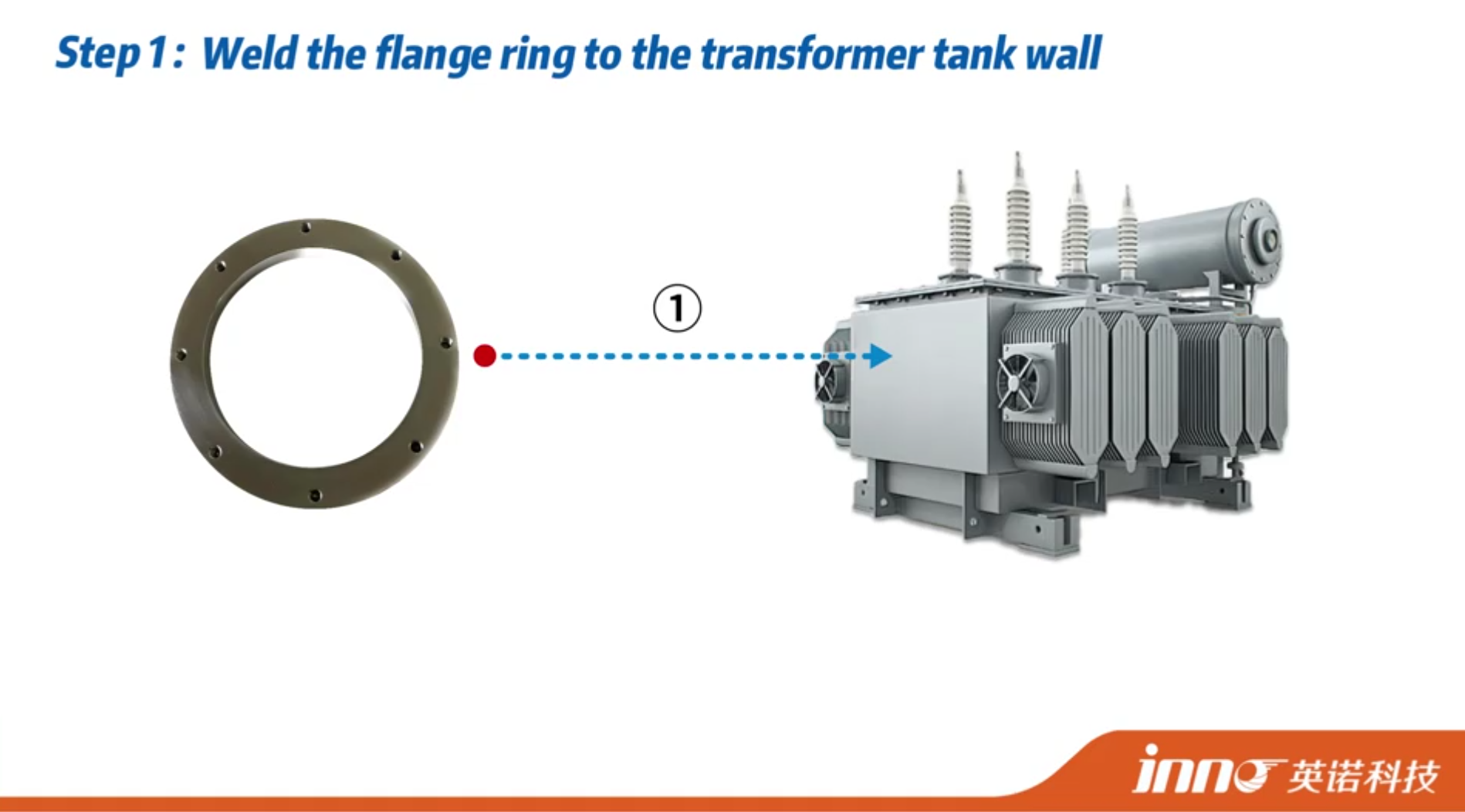
לְמַעֲשֶׂה, אחד או יותר fiber optic temperature sensor probes are installed at the predetermined hot spot locations within the transformer winding structure — typically identified through thermal design calculations performed by the transformer manufacturer. The optical fiber cable is routed from each probe through the winding structure, along the core-and-coil assembly, and out through the transformer tank wall via a specialized hermetic fiber optic feedthrough (penetration fitting) that maintains the oil seal integrity of the tank. Outside the transformer, the fiber cables are routed to the multi-channel fiber optic temperature demodulator, which is typically installed in a nearby control cabinet or relay panel. The demodulator continuously interrogates all connected probes, processes the fluorescence signals, and outputs real-time temperature data for each monitoring point via RS485/Modbus RTU to the transformer protection relay, the local monitoring display, and/or the plant SCADA or DCS system.
Hot Spot Location Determination
The accuracy of any direct winding hot spot temperature measurement depends not only on the sensor’s precision but also on correct placement of the probe at the actual hottest point. The hot spot location is determined during transformer design through detailed thermal analysis, considering winding geometry, conductor dimensions, insulation thickness, תצורת תעלת קירור, oil flow paths, and expected load current distribution. Transformer manufacturers — who have the deepest understanding of their designs’ thermal characteristics — typically specify the hot spot probe locations as part of the fiber optic monitoring system integration process. For retrofit installations on existing transformers where the original thermal design data may not be fully available, standardized placement guidelines and thermal modeling tools are used to identify the most probable hot spot regions.
5. Key Advantages of Fiber Optic Transformer Temperature Monitoring Over Conventional Methods
The transition from traditional indirect methods to fiber optic direct hot spot temperature measurement delivers a comprehensive set of performance advantages. Each benefit is rooted in the fundamental physics of optical sensing and has been validated through decades of field deployment across thousands of transformer installations worldwide.
Direct Measurement Replaces Estimation
The single most transformative advantage is the shift from thermal model estimation to direct physical measurement. א חיישן סיבים אופטיים placed at the winding hot spot reports the actual temperature at that point — eliminating the 10–15°C estimation errors inherent in WTI thermal image simulation and top-oil-based calculation methods. לשיפור הדיוק הזה יש השלכות ישירות על כל החלטה במורד הזרם המבוססת על נתוני טמפרטורות מתפתלים, מהגדרות הגנה תרמית ועד לחישובי קיבולת העמסה ועד להערכות חיי בידוד.
בידוד חשמלי מלא במתח גבוה
ה חיישן סיבים אופטיים מיוצר כולו מדיאלקטרי (לא מוליך) חומרים - סיבי זכוכית, זרחן קרמי, ואריזות פולימריות או קרמיות. אין מוליכים מתכתיים בנקודת המדידה או לאורך נתיב הסיבים בתוך השנאי. זה מספק בידוד גלווני מובנה החורג 100 kV בין פיתול המתח הגבוה למערכת המדידה המוארקת. אין נתיבי זרם דליפה, ללא אתרי התחלת פריקה חלקית, וללא התפשרות על תיאום הבידוד של השנאי - חיישן הסיבים האופטיים בלתי נראה חשמלית בתוך המבנה המתפתל.
חסינות מוחלטת להפרעות אלקטרומגנטיות
Transformers generate intense electromagnetic fields during operation — particularly during load switching, inrush events, ותנאי תקלה. ה מערכת ניטור טמפרטורה בסיבים אופטיים transmits only photons, לא אלקטרונים, making it completely immune to electromagnetic interference from any source. Measurement readings remain stable and accurate regardless of load transients, פעולות החלפה, nearby circuit breaker activity, or lightning-induced surges. This EMI immunity eliminates the signal noise and measurement errors that plague electrical sensors installed near high-voltage, high-current conductors.
Intrinsic Safety in Oil-Immersed Environments
ללא אנרגיה חשמלית בנקודת החישה, ה בדיקת טמפרטורה של סיבים אופטיים לא יכול ליצור ניצוצות, הפרשות חלקיות, or localized heating under any operating or fault condition. This intrinsic safety makes the sensor fully compatible with permanent immersion in transformer insulating oil, and suitable for installation inside sealed gas-insulated compartments, without requiring additional safety barriers or explosion-proof enclosures.
25+ Year Maintenance-Free Operation
Because fluorescence lifetime is an intrinsic material property that depends only on temperature — not on signal amplitude or optical path conditions — the fiber optic transformer monitoring system maintains its factory calibration accuracy throughout its entire operational life without any recalibration. The inorganic phosphor sensing material does not degrade in transformer oil or under sustained thermal cycling. Combined with the inherent corrosion resistance and chemical inertness of optical fiber, this results in a system service life exceeding 25 years with zero maintenance requirements — matching or exceeding the expected service life of the transformer itself.
Fast Response for Dynamic Thermal Tracking
With a thermal response time of less than 1 שניה, ה fiber optic winding temperature sensor captures rapid thermal transients including overload events, short-duration emergency loading, and post-fault temperature recovery — providing real-time data that enables dynamic thermal management decisions.
Compact Probe Design for Winding Integration
של INNO fiber optic temperature sensor probes בעלי קוטר דק של 2-3 מ"מ בלבד, allowing them to be embedded within transformer winding structures without affecting the electromagnetic design, oil flow patterns, or mechanical integrity of the winding. This compact form factor enables probe placement directly at the predicted hot spot — between conductors, within cooling ducts, or at winding ends — where larger sensors could not be accommodated.
6. Fiber Optic Monitoring Solutions for Different Transformer Types

ניטור שנאי סיבים אופטיים technology is applicable to virtually every type of transformer and reactor used in power transmission, הֲפָצָה, תהליכים תעשייתיים, אנרגיה מתחדשת, and transportation electrification. The core sensing principle remains the same across all applications, but probe packaging, שיטות התקנה, and system configurations are optimized for each transformer category’s specific operating environment and monitoring requirements.
Oil-Immersed Power Transformer Fiber Optic Winding Temperature Monitoring
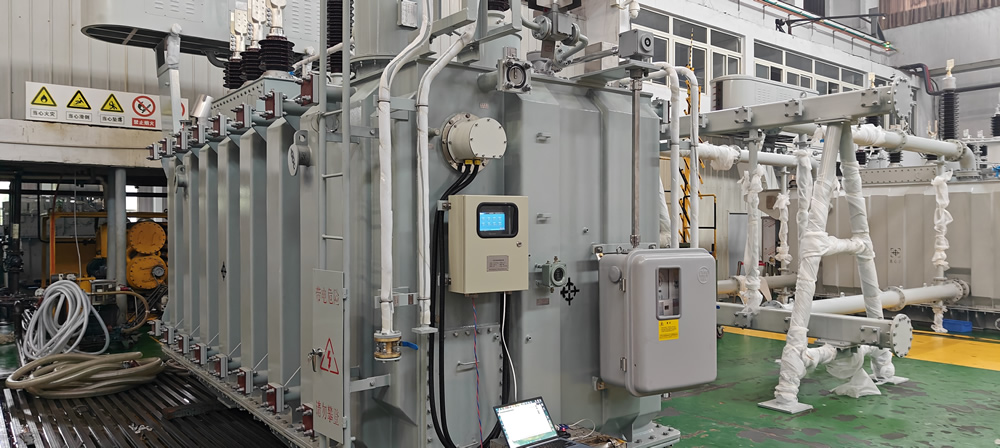
שנאי כוח טבולים בשמן — the backbone of electrical transmission and distribution networks — represent the primary application for fiber optic hot spot monitoring. אלה כוללים שנאי שידור במתח גבוה (110 kV ל 800 kV+), שנאים לחלוקת מתח בינוני, שנאים מיישרים, שנאי תנור עבור יישומי קשת חשמלית ותנור אינדוקציה, ושנאים אוטומטיים. עבור יישומים אלה, אספקת INNO חיישן טמפרטורה סיב אופטי משוריין עם מעטפות מגן מפלדת אל חלד עמידה בשמן או PTFE, מיועד לטבילה קבועה בשמן שנאי חם על מלא 25+ חיי ציוד לשנה. המבנה המשוריין מגן על הסיב האופטי העדין מפני נזק מכני במהלך ייצור השנאים, מכלול סליל, ותהליכי מילוי שמן. בדיקות מותקנים בדרך כלל ב 2 אֶל 6 מתפתל מיקומי נקודה חמה בהתאם לדירוג השנאים ומספר שלבי הפיתול, עם כבלי סיבים מנותבים דרכם הזנה הרמטית לקיר הטנק אביזרים לרכיב חיצוני multi-channel fiber optic temperature demodulator.
מדידת טמפרטורת סיב אופטי שנאי מסוג יבש & לִשְׁלוֹט
שנאים מהסוג היבש - כולל שרף יצוק (אפוקסי מובלע) רובוטריקים and ventilated dry-type units — are widely used in commercial buildings, מתקנים תעשייתיים, renewable energy plants, מרכזי נתונים, and urban substations where fire safety and environmental considerations favor the elimination of insulating oil. In dry-type applications, fiber optic temperature sensor probes can be embedded directly in the winding structure during manufacturing or surface-mounted on winding enclosures. של INNO בקרי טמפרטורה של סיבים אופטיים שנאים מסוג יבש — including the BWDK-326 temperature controller ו BWDK-S201 temperature controller — integrate fiber optic sensing with automated fan cooling control, multi-stage over-temperature alarm outputs, ופונקציות הגנה מפני מעידה, providing a direct and superior replacement for traditional Pt100-based temperature control systems. The fiber optic approach eliminates the electromagnetic interference susceptibility that affects Pt100 sensors in the strong magnetic fields near transformer windings, and provides genuine hot spot temperature data rather than surface temperature readings.
Reactor & Inductor Fiber Optic Thermal Monitoring
Reactors and inductors — including shunt כורים, series reactors, smoothing reactors (in HVDC systems), filter reactors (in harmonic filtering applications), ו current-limiting reactors — generate significant internal heat under load and are subject to the same insulation thermal aging mechanisms as transformers. ניטור טמפרטורה בסיבים אופטיים of reactor windings provides the same benefits as in transformer applications: מדידת נקודה חמה ישירה, בידוד מתח גבוה, חסינות EMI, and long-term maintenance-free operation. של INNO dry-type reactor fiber optic temperature measurement devices are specifically configured for reactor winding monitoring, with probe placement and channel configurations tailored to reactor thermal characteristics.
מְיוּחָד & Application-Specific Transformer Fiber Optic Monitoring
Beyond standard power and distribution transformers, fiber optic thermal monitoring is deployed across a wide range of specialized transformer types. שנאי מתיחה in railway and metro rolling stock operate under severe vibration, אילוצי מקום, and variable loading — all conditions where the compact, חָסוֹן, and drift-free fiber optic sensor excels. Marine transformers on ships and offshore platforms require sensors that withstand corrosive salt-air environments and vessel motion. Mining explosion-proof transformers benefit from the intrinsic safety of optical sensing in methane-rich atmospheres. In the renewable energy sector, wind turbine pad-mount transformers, solar farm step-up transformers, ו battery energy storage system (BESS) רובוטריקים all operate in remote locations where maintenance-free monitoring is essential. שנאים ממירי HVDC experience complex harmonic loading patterns and extreme electromagnetic environments that make fiber optic sensing the only viable direct measurement approach. For each of these special applications, INNO provides customized probe packaging, fiber cable routing solutions, and system configurations to meet the specific mechanical, סְבִיבָתִי, and electrical requirements.
7. Transformer Temperature Monitoring Method Comparison — Fiber Optic vs. WTI vs. Oil Thermometer vs. אינפרא אדום לעומת. Pt100
Selecting the right temperature monitoring approach for a transformer requires a clear, objective comparison of the available technologies. The following table evaluates fiber optic direct hot spot measurement against the four most commonly used conventional methods — winding temperature indicators (WTIs), top-oil temperature gauges, תרמוגרפיה אינפרא אדום, וחיישני Pt100/תרמוצמד - על פני הפרמטרים הקריטיים ביותר למנהלי נכסי שנאים ומהנדסי הגנה.
| פָּרָמֶטֶר | חיישן סיב אופטי | מחוון טמפרטורת מתפתל (WTI) | מדחום טופ-אויל | תרמוגרפיה אינפרא אדום | Pt100 / צמד תרמי |
|---|---|---|---|---|---|
| סוג מדידה | ישיר - נקודה חמה מתפתלת בפועל | עקיף - הדמיית מודל תרמי | ישיר - אבל שמן בלבד, לא מתפתל | ללא מגע - משטח חיצוני בלבד | ישיר - אך הרכבה משטח או מתח נמוך בלבד |
| מה נמדד | טמפרטורת נקודה חמה מתפתלת פנימית | נקודה חמה משוערת (טמפ' שמן + תמונה נוכחית) | טמפרטורת שמן עליונה | טמפרטורת פני הטנק/תותב | טמפרטורת סלילה של פני השטח או מתח נמוך |
| דיוק מדידה | ±1°C | שגיאת הערכה של ±10-15°C | ±2-3 מעלות צלזיוס (שמן בלבד) | ±2-5 מעלות צלזיוס (תלוי בפליטה) | ±0.5-1 מעלות צלזיוס (בנקודת המדידה) |
| זיהוי נקודות חמות | כן - מדידה ישירה בנקודה חמה | משוער - עשוי שלא לשקף נקודה חמה בפועל | לא - מודד שמן, לא מתפתל | לא - משטח חיצוני בלבד | לא - לא יכול לגשת לנקודה חמה פנימית של HV |
| High-Voltage Isolation | Complete — fully dielectric sensor | Partial — requires CT connection | Mechanical — bulb in oil | N/A — non-contact | None — metallic conductors create isolation risk |
| Usable Inside HV Windings | כן | No — external instrument | No — oil measurement only | No — cannot see inside | No — HV isolation prevents internal installation |
| חסינות EMI | לְהַשְׁלִים | Moderate — analog signal susceptible | Good — mechanical device | בינוני - רגיש לאלקטרוניקה | Poor — requires shielding in HV environment |
| Oil Immersion Compatibility | Excellent — designed for permanent immersion | Yes — bulb immersed | Yes — bulb immersed | לא ישים | Limited — seal integrity degrades over time |
| Dynamic Response | Fast — <1 זמן תגובה שני | Slow — thermal inertia of oil and heater | Slow — thermal inertia of oil | Instantaneous — but external only | Moderate — seconds to minutes |
| יציבות לטווח ארוך | מצוין - בלי להיסחף 25+ שנים | Moderate — mechanical wear, heater aging | Moderate — mechanical device aging | N/A — periodic survey, not continuous | Poor — resistance/junction drift over time |
| נדרש כיול מחדש | לא | כן - תקופתי | כן - תקופתי | Yes — camera calibration | כן - תקופתי |
| חיי שירות | >25 שנים | 10-20 שנה | 10-20 שנה | Camera: 5-10 שנים | 2–10 years depending on type |
| Continuous Online Monitoring | כן - 24/7 בזמן אמת | Yes — continuous but indirect | Yes — continuous but oil only | No — periodic manual survey | Yes — where installable |
| חברת החשמל 60076-7 / IEEE C57.91 Compliance | Fully compliant — direct measurement reference | Accepted — but acknowledged as indirect | Supplementary only | Not addressed | Limited to low-voltage applications |
| הכי מתאים ל | All transformer types — primary hot spot monitoring | מתקנים מדור קודם - מוחלפים בהדרגה | ניטור טמפרטורת שמן משלים | סקרי בדיקה חיצונית | משטח מסוג יבש / יישומי LV |
טייק אווי מפתח למנהלי נכסי רובוטריקים
ההשוואה מוכיחה זאת חישת סיבים אופטיים היא הטכנולוגיה היחידה שמסוגלת לספק ישירות, רָצִיף, מדידת דיוק גבוהה של טמפרטורת הנקודה החמה המתפתלת בתוך שנאי מתח גבוה מופעלים. WTIs מסורתיים נשארים פונקציונליים להגנה בסיסית אך מציגים אי ודאות אומדנים משמעותיות המגבילות את ערכם עבור ניהול נכסים מתקדם, טעינה דינמית, ואופטימיזציה של חיי בידוד. עבור רכש שנאים חדשים ושדרוגי ניטור נכסים קריטיים, ניטור טמפרטורת שנאי סיבים אופטיים מייצג את השיטות הטובות ביותר בתעשייה הנוכחית ומצוין יותר ויותר כדרישה סטנדרטית על ידי חברות שירות, מפעילים תעשייתיים, ויצרני שנאים ברחבי העולם.
8. INNO Fiber Optic Transformer Monitoring Product Range
INNO provides a complete, vertically integrated product line for ניטור שנאי סיבים אופטיים — from individual sensor probes to complete turnkey monitoring systems. Every product is designed, מְיוּצָר, התאספו, ונבדק בבית במתקן הייצור Fuzhou של INNO, ensuring end-to-end quality control and full technical accountability.
Armored Fiber Optic Temperature Sensor Probes for Transformer Windings
ה armored fiber optic temperature sensor probe is the core sensing element for oil-immersed transformer applications. These probes feature ruggedized protective sheaths — available in stainless steel, PTFE, or composite armor constructions — that shield the delicate optical fiber and sensing tip from mechanical stress during transformer coil winding, pressing, הַרכָּבָה, vacuum oil filling, and decades of subsequent operation immersed in hot transformer oil. The armor is specifically engineered to withstand the manufacturing processes unique to transformer production while maintaining full oil compatibility, אינרציה כימית, and thermal conductivity for accurate temperature measurement. Standard fiber optic temperature probes (non-armored) are also available for dry-type transformer and reactor applications where oil immersion protection is not required. Both probe types feature a compact 2–3 mm diameter and are available with fiber cable lengths from 0 אֶל 20 מטר.
Dry-Type Transformer Fiber Optic Temperature Controllers
של INNO בקרי טמפרטורה של סיבים אופטיים שנאים מסוג יבש are integrated devices combining fiber optic temperature sensing with automated transformer thermal management functions. ה BWDK-326 dry-type transformer temperature controller provides multi-channel fiber optic temperature input, LCD temperature display, programmable multi-stage temperature alarm outputs (אזהרה מוקדמת, אַזעָקָה, טִיוּל), automatic fan cooling group control, and RS485/Modbus RTU communication for remote monitoring integration. ה BWDK-S201 intelligent temperature controller offers enhanced features including expanded channel capacity and advanced alarm logic. These controllers serve as a direct, performance-superior replacement for traditional Pt100-based dry-type transformer temperature control systems, eliminating EMI-induced measurement errors and providing genuine fiber optic hot spot data for thermal protection decisions.
Multi-Channel Fiber Optic Temperature Demodulators for Transformer Monitoring
For multi-point ניטור טמפרטורת מתפתל שנאי, אספקת INNO משחררי טמפרטורת סיבים אופטיים רב-ערוציים in configurations from 6 אֶל 64 ערוצי. Each channel simultaneously and independently processes the fluorescence signal from one connected בדיקת טמפרטורה של סיבים אופטיים, providing real-time temperature data for every monitored hot spot location. ה display-integrated fiber optic temperature demodulator combines signal processing with a local LCD display for direct reading at the transformer location. All demodulator models feature RS485/Modbus RTU communication output, configurable alarm relay contacts, and power supply options of AC 220V or DC 24V. For three-phase transformer applications, a 6-channel unit typically monitors 2 probes per phase; for larger transformers with additional monitoring requirements, 16-channel or 32-channel units provide the necessary capacity.
OEM Fiber Optic Temperature Sensing Module for Transformer Manufacturers
ה OEM single-channel fiber optic temperature sensing module הוא קומפקטי, board-level component designed specifically for transformer manufacturers and control panel builders who need to embed fiber optic sensing capability directly into their own products. The module contains complete excitation, זיהוי, and demodulation circuitry in a miniaturized form factor, with standard RS485/Modbus RTU output for direct connection to the host system’s controller or PLC. This enables transformer OEMs to offer ניטור נקודה חמה בסיבים אופטיים as an integrated feature of their transformers without developing proprietary optical sensing electronics.
Cloud Monitoring Software for Transformer Fiber Optic Systems
INNO מספקת customizable cloud platform monitoring software for centralized management of distributed transformer fiber optic monitoring installations. The platform supports remote real-time data acquisition from multiple transformer sites, multi-channel temperature visualization with graphical trending, configurable multi-level alarm management with notification dispatch (אֶלֶקטרוֹנִי, SMS, push), historical data storage and trend analysis for insulation aging assessment, and integration interfaces for enterprise SCADA, DCS, EMS, ומערכות ניהול נכסים. The software is fully customizable to client-specific branding, dashboard layouts, user access structures, ודרישות תפקודיות.
9. Transformer Fiber Optic Monitoring System Technical Specifications
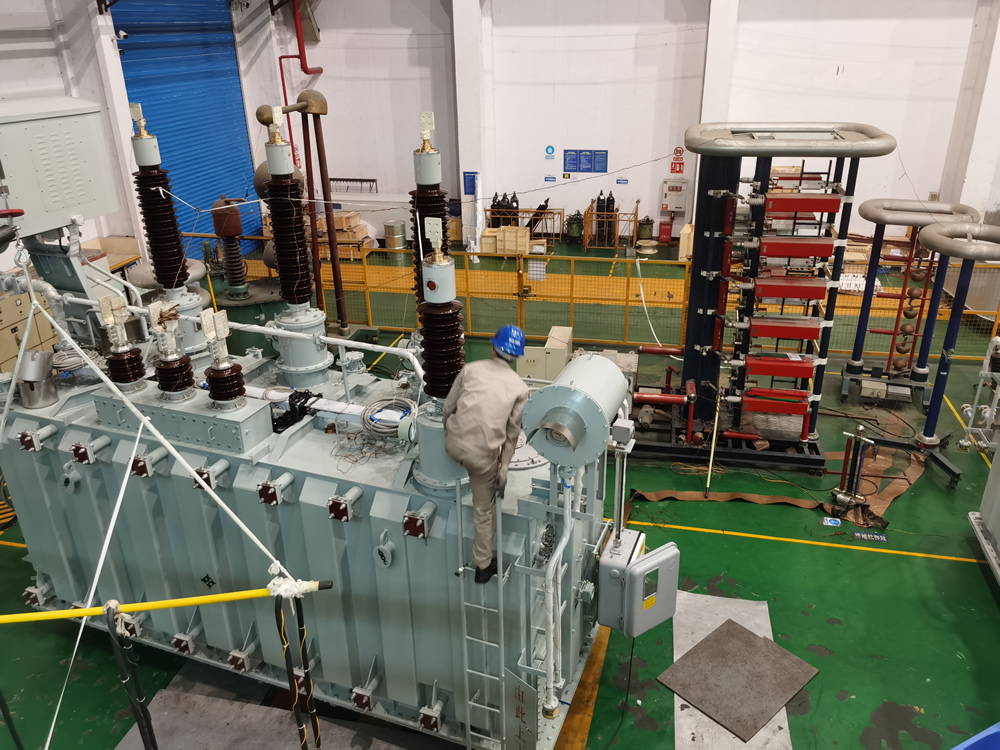
The following table summarizes the standard technical specifications of INNO’s fiber optic transformer temperature monitoring system רכיבים. All specifications are customizable to meet project-specific requirements.
| פָּרָמֶטֶר | מִפרָט | הערות |
|---|---|---|
| דיוק מדידה | ±1°C | Across full operating range |
| Sensor Temperature Range | -40°C עד +260°C | טווחים מורחבים זמינים לפי בקשה |
| אורך כבל סיב אופטי | 0-20 מטר (תֶקֶן) | זמינים אורכים מותאמים אישית |
| זמן תגובה | <1 שניה | Suitable for dynamic thermal event tracking |
| קוטר בדיקה | 2-3 מ"מ | Fits within winding slots and cooling ducts |
| בידוד חשמלי | עמיד במתח >100 kV | בידוד דיאלקטרי מלא |
| ערוצי ניטור | 1 / 6 / 16 / 32 / 64 ערוצי | Selectable per application |
| ממשק תקשורת | RS485 / Modbus RTU | Compatible with relay, SCADA, PLC, DCS |
| פלט אזעקה | אנשי קשר ניתנים להגדרה | Multi-stage: אזעקה מוקדמת, אַזעָקָה, טִיוּל |
| ספק כוח | AC 220V או DC 24V | ניתן לבחירה בהזמנה |
| Demodulator Operating Environment | -20 מעלות צלזיוס עד +70 מעלות צלזיוס, ≤95% RH | Ambient conditions for demodulator host |
| דירוג הגנת בדיקה | IP65 | אטום לאבק, עמיד בפני סילון מים |
| תאימות שמן | תואם לחלוטין עם שמני שנאי מינרלים ואסטרים | בדיקות משוריינות המיועדות לטבילה קבועה |
| חיי שירות | >25 שנים | אין צורך בכיול מחדש או תחזוקה |
| הסמכות | לִספִירַת הַנוֹצרִים, EMC, RoHS, ISO 9001/14001/27001/45001 | תאימות גלובלית |
אפשרויות התאמה אישית
INNO תומך בהתאמה אישית מלאה של מפרט כולל טווחי טמפרטורה מורחבים, אורכי כבל סיבים מעבר 20 מטר, חומרים וגיאומטריות מיוחדות של בדיקה משוריינות עבור עיצובי שנאים ספציפיים, פרוטוקולי תקשורת חלופיים, דירוגי מארז דמודולטור מותאמים אישית, ותצורות לוגיקת אזעקה מותאמות. צור קשר עם צוות ההנדסה של INNO כדי לדון בדרישות ספציפיות לפרויקט.
10. Transformer Fiber Optic Sensor Installation, הִשׁתַלְבוּת & Commissioning Guide
יישום מוצלח של א fiber optic transformer monitoring system כולל התקנת חיישן נכונה, אינטגרציה של תקשורת, ותצורת אזעקה. תהליך ההתקנה הוא פשוט וניתן לביצוע על ידי טכנאי חשמל ושנאים סטנדרטיים ללא ציוד אופטי מיוחד או הכשרה.
Pre-Embedded Installation During Transformer Manufacturing
The most effective installation approach is to embed fiber optic temperature sensor probes within the transformer winding structure during the manufacturing process — before the windings are assembled onto the core and before the unit is filled with oil (לסוגים טבולים בשמן) or encapsulated (for cast resin types). The transformer manufacturer installs the probes at the calculated hot spot locations — typically between conductor turns at the top of the inner or outer winding of the phase with the highest expected temperature. ה armored fiber optic probe is secured in position and the fiber cable is carefully routed along the winding, through the core-and-coil assembly, and out through a hermetic fiber optic feedthrough fitting installed in the transformer tank wall or enclosure panel. This pre-embedded approach provides the most accurate hot spot measurement, the most secure probe installation, and the most reliable long-term performance. INNO works directly with transformer manufacturers to specify probe placement, provide installation guidance, and ensure proper fiber routing and feedthrough sealing.
Retrofit Installation on Existing In-Service Transformers
עֲבוּר transformer retrofit fiber optic monitoring on existing operating units, probe installation is performed during a scheduled maintenance outage when the transformer is de-energized and (for oil-immersed units) the oil level is lowered or the unit is opened for inspection. Retrofit probes can be installed on accessible winding surfaces, at winding end blocks, or at other thermally representative locations reachable through inspection openings. While retrofit installation may not achieve the precise hot spot placement possible with pre-embedded installation, it still provides vastly more accurate and more valuable winding temperature data than external WTI or oil temperature measurement. The fiber feedthrough fitting is installed in an available tank penetration point, and the system is commissioned following the same procedures as a new installation.
System Communication & שילוב SCADA
ה דמודולטור טמפרטורה של סיבים אופטיים outputs real-time temperature data for all channels via RS485/Modbus RTU, which is the industry standard communication protocol supported by virtually all transformer protection relays, מערכות אוטומציה של תחנות משנה, פלטפורמות SCADA, DCS controllers, and RTUs. Integration requires only standard RS485 wiring from the demodulator to the receiving device, and configuration of the Modbus register mapping in the host system. Temperature data from the fiber optic system can be used directly by transformer protection relays for thermal alarm and trip functions, displayed on local HMI panels for operator visibility, transmitted to central SCADA for fleet-wide thermal monitoring, and logged to historian databases for long-term insulation aging analysis. INNO provides complete Modbus register documentation and integration support for all mainstream relay and SCADA platforms.
תצורת סף אזעקה & Cooling System Linkage
The monitoring system supports configurable multi-stage temperature alarm logic. A typical transformer application uses three alarm levels: א pre-warning alarm (לְמָשָׁל, 110מעלות צלזיוס) that alerts operators and may initiate supplementary cooling, א high-temperature alarm (לְמָשָׁל, 120מעלות צלזיוס) that triggers enhanced cooling activation and load reduction consideration, וכן א trip alarm (לְמָשָׁל, 130°C או כפי שהוגדר על ידי מגבלות התכנון התרמי של השנאי) שיוזם הפחת עומס אוטומטית או ניתוק שנאי למניעת נזקי בידוד. עבור שנאים מסוג יבש, ה בקר טמפרטורה של סיבים אופטיים BWDK שולט ישירות בקבוצות מאווררי קירור על סמך טמפרטורות פיתול מדודות, מתן ניהול תרמי אוטומטי ללא התערבות מפעיל. כל ספי האזעקה ולוגיקת הבקרה ניתנים לתכנות באופן מלא כדי להתאים לדירוג התרמי הספציפי ולפילוסופיית ההגנה של כל שנאי.
11. Operational Benefits of Fiber Optic Transformer Monitoring for Utilities & תַעֲשִׂיָה
יישום ניטור שנאי סיבים אופטיים מספק ערך תפעולי ופיננסי מוחשי שמרחיב הרבה מעבר להכרת טמפרטורת הפיתול. הישיר, מְדוּיָק, והטבע המתמשך של נתוני נקודות חמות בסיבים אופטיים מאפשרים גישה מושכלת ומוטבת יותר לניהול נכסי שנאים..
הארכת חיי בידוד שנאי
By providing the actual winding hot spot temperature in real time, ה מערכת ניטור סיבים אופטיים enables operators to manage thermal loading precisely against the transformer’s true thermal limits rather than conservative estimated limits. Avoiding unnecessary thermal stress — even by a few degrees — can significantly extend cellulose insulation life according to the Arrhenius aging relationship. לעומת זאת, early detection of unexpectedly high temperatures allows corrective action before cumulative thermal damage occurs. The net result is a measurably longer transformer service life and deferred capital replacement expenditure.
Enable Dynamic Overload Rating & Capacity Optimization
Traditional transformer loading practices are inherently conservative because the true hot spot temperature is unknown. Operators apply safety margins to compensate for WTI estimation uncertainties, effectively de-rating the transformer below its actual thermal capacity. עִם direct fiber optic hot spot measurement, operators can safely load the transformer closer to its true thermal limits — knowing in real time exactly how hot the winding actually is. זֶה dynamic thermal rating capability can unlock 10–20% or more additional loading capacity from existing transformers, deferring or avoiding costly new transformer installations and network reinforcement investments.
Reduce Unplanned Outage Risk Through Predictive Thermal Monitoring
Abnormal temperature trends detected by continuous fiber optic monitoring — such as gradual increases in hot spot temperature at constant load, unexpected temperature asymmetry between phases, או תגובה תרמית חריגה במהלך שינויי עומס - יכולים להצביע על התפתחות בעיות כולל תעלות קירור חסומות, הידרדרות זרימת הנפט, דפורמציה מתפתלת, או פגיעה בבידוד. זיהוי מוקדם של חריגות תרמיות אלו מאפשר התערבויות תחזוקה מבוססות מצב לפני שהן מתקדמות לכשלים הגורמים להפסקות. זֶה יכולת תחזוקה חיזוי מפחית ישירות את התדירות והעלות של הפסקות שנאי לא מתוכננות.
מטב את צריכת האנרגיה של מערכת הקירור
מערכות קירור שנאי (מעריצים, משאבות, רדיאטורים) צורכים אנרגיה משמעותית לאורך חיי השנאי. כאשר הפעלת הקירור מבוססת על נתוני טמפרטורת WTI או שמן עליון לא מדויקים, מערכות הקירור עשויות לפעול כאשר אין צורך או לא לפעול באופן מיידי מספיק בעת הצורך. נתוני נקודה חמה בסיבים אופטיים מאפשר בקרת קירור מדויקת בהתבסס על תנאים תרמיים מפותלים בפועל, reducing unnecessary cooling energy consumption while ensuring cooling is always adequate to protect the insulation. For dry-type transformers equipped with INNO fiber optic temperature controllers, fan group activation is directly controlled by real fiber optic winding temperatures — optimizing both energy efficiency and thermal protection.
Support Compliance with International Thermal Loading Standards
As IEC 60076-7 and IEEE C57.91 increasingly recognize and recommend direct fiber optic hot spot measurement as the reference method for transformer thermal assessment, implementing ניטור שנאי סיבים אופטיים ensures compliance with current best practice and positions the asset owner for alignment with evolving regulatory and standards requirements.
Enable Digital Transformer Asset Management
The continuous, high-quality temperature data stream from חיישני סיבים אופטיים integrates directly into modern digital asset management platforms, enabling data-driven lifecycle management, fleet-wide thermal performance benchmarking, and evidence-based capital planning. Combined with INNO’s cloud monitoring software platform, fiber optic thermal data becomes a foundation for comprehensive ניטור מצב שנאי and enterprise asset intelligence.
12. Global Project References & Installed Base
של INNO ניטור שנאי סיבים אופטיים technology is validated through extensive real-world deployment across diverse transformer types, רמות מתח, climatic conditions, וסביבות יישומים. עם מעל 3000 installed monitoring systems operating worldwide and exports to more than 15 countries across Asia, אֵירוֹפָּה, אמריקה, המזרח התיכון, אוקיאניה, ואפריקה, the company has built a substantial body of field-proven reference projects.
Representative Project Categories
Utility substation transformer monitoring projects represent the largest deployment category, עִם חיישני טמפרטורת סיבים אופטיים installed on transmission and distribution transformers ranging from 10 kV ל 500 מחלקה kV, אספקת נתוני נקודה חמה בזמן אמת לאוטומציה של תחנות משנה ומערכות SCADA. בקר טמפרטורה של סיב אופטי שנאי מסוג יבש פרויקטים של אספקת אצווה כוללים פריסות בקנה מידה גדול עבור ציי שנאים מסחריים ותעשייתיים מסוג יבש, החלפת מערכות בקרת טמפרטורה Pt100 מדור קודם עם חישת סיבים אופטיים מעולה. גנרטור סטאטור מתפתל ניטור טמפרטורת סיבים אופטיים פרויקטים כוללים הטמעת בדיקות פלורסנט ישירות בחריצי הסטטור של הגנרטור לניהול תרמי מתפתל מתמשך. תַעֲשִׂיָתִי שנאי מיישר ושנאי תנור פרויקטי ניטור מתייחסים לתנאים התרמיים התובעניים של עומסים תעשייתיים בעלי זרם גבוה. פרויקטי יצוא בינלאומיים משתרעים על פני אזורים רבים, כולל דרום מזרח אסיה (פיליפינים, מלזיה, תאילנד, סינגפור, אִינדוֹנֵזִיָה, וייטנאם), מזרח אסיה (דרום קוריאה, יַפָּן), המזרח התיכון (איחוד האמירויות הערביות), אַפְרִיקָה (דרום אפריקה), אוקיאניה (אוֹסטְרַלִיָה), דרום אמריקה (בְּרָזִיל), וצפון אמריקה (קנדה, אַרצוֹת הַבְּרִית, מקסיקו), כמו גם השווקים באירופה (גֶרמָנִיָה, צָרְפַת, הוֹלַנד, אִיטַלִיָה, בְּרִיטַנִיָה).
ביטחון בסיס מותקן
The breadth and scale of INNO’s installed base — 3000+ מערכות על פני 15+ countries operating in conditions ranging from tropical equatorial climates to cold northern regions, from coastal marine environments to high-altitude installations — provides strong empirical validation of the system’s long-term reliability, דיוק מדידה, and environmental durability. Prospective customers are welcome to request detailed project references and case studies relevant to their specific transformer type and application.
13. OEM Private-Label & ODM Custom Development for Transformer Manufacturers

INNO has established deep partnerships with transformer manufacturers, משלבי מערכות, and distributors worldwide through flexible OEM and ODM cooperation models tailored to the specific commercial and technical needs of each partner.
OEM Private-Label Supply for Transformer OEMs
בתור מסור OEM fiber optic transformer monitoring system manufacturer, INNO delivers complete private-label supply services to transformer producers who want to offer fiber optic hot spot monitoring as a standard or optional feature of their transformers. OEM partners specify their own branding, product labeling, documentation format, and packaging requirements, בעוד INNO מטפל בכל הייצור, אבטחת איכות, כִּיוּל, ותהליכי הסמכה. Available OEM products include בדיקות טמפרטורה משוריינות בסיבים אופטיים with custom cable lengths and connector types, דמודולטורים רב-ערוציים with custom enclosures and labeling, בקרי טמפרטורת שנאים מסוג יבש, ו מודולי חישת OEM חד ערוציים for embedded integration into transformer control panels.
ODM Custom Development
For transformer manufacturers and system integrators requiring solutions beyond standard product configurations, INNO’s R&D team collaborates on ODM custom development פרויקטים. Customization capabilities include specially designed probe packaging for unique winding geometries, חומרי שריון מותאמים אישית ופתרונות ניתוב סיבים עבור תהליכי ייצור שנאים ספציפיים, מותאם חומרה וקושחה של דמודולטור תצורות, שינו פרוטוקולי תקשורת ומיפויי רישום, לוגיקת אזעקה מותאמת אישית עבור ערכות הגנה ספציפיות על שנאים, ו פלטפורמות תוכנות ניטור ממותגות עם ממשקים ופונקציונליות ספציפיים לשותפים.
מֵפִיץ & שותפויות של אינטגרטור מערכות
INNO תומכת בפיתוח שוק גלובלי באמצעות שותפויות מפיצים וסוכנים בשווקי מפתח. שותפים נהנים ממבני תמחור תחרותיים, הדרכת מוצר מקיפה, חומרי תמיכה שיווקיים, תמיכה הנדסית בפרויקט משותף, וניהול חשבונות ייעודי. משלבי מערכות מקבלים תיעוד טכני מלא, סיוע בהנדסת אינטגרציה, ותצורות מוצר גמישות לשילוב ניטור תרמי של שנאי סיבים אופטיים into their broader transformer protection and condition monitoring solution offerings. The INNO commercial team provides responsive one-on-one support with rapid quotation turnaround for all partnership inquiries.
14. Why Choose INNO as Your Fiber Optic Transformer Monitoring Supplier

Selecting a supplier for ניטור שנאי סיבים אופטיים is a long-term commitment that directly impacts transformer asset safety, monitoring reliability, ועלות הבעלות הכוללת. INNO has earned the trust of transformer manufacturers, שירותים, and industrial operators worldwide through consistent product quality, deep application expertise, and dependable long-term partnership support.
20+ Years of Specialized Fiber Optic Temperature Sensing Expertise
INNO’s entire business is built around one core competency: fiber optic temperature sensing for high-voltage and harsh-environment applications. This two-decade singular focus has produced deep domain knowledge, תהליכי ייצור מעודנים, ופורטפוליו מוצרים שנבדק באמצעות אלפי התקנות שנאים בעולם האמיתי - רמת התמחות שחברות חיישנים כלליות או קונגלומרטים טכנולוגיים מגוונים אינם יכולים לשחזר.
שרשרת ערך מלאה תחת קורת גג אחת
מניסוח חומר זרחני ניאון ו ייצור חיישן בדיקה, באמצעות עיצוב מערכת אופטית ו ייצור אלקטרוניקה דמודולטור, לפיתוח קושחה, הרכבת מערכת, ו הנדסת פלטפורמת תוכנת ענן - INNO שולטת בכל מרכיב בשרשרת הערך של המוצר בתוך הבית. אינטגרציה אנכית זו מבטיחה איכות עקבית, מאפשר התאמה אישית מהירה, ומספק אחריות טכנית מקור יחיד.
קו מוצרי ניטור שנאי שלם - אספקה חד פעמית
עם מגוון מוצרים כיסוי בדיקות שנאי משוריין, בקרי טמפרטורת שנאים מסוג יבש, דמודולטורים רב-ערוציים, מודולי חישת OEM, ו תוכנת ניטור ענן, INNO provides everything needed for a complete transformer fiber optic monitoring system from a single supplier. This eliminates multi-vendor coordination, ensures full system compatibility, and simplifies procurement and support.
3000+ Proven Installations Across 15+ מדינות
Real-world performance is the ultimate validation. INNO’s installed base of 3000+ operating systems across 15+ countries — spanning diverse transformer types, מחלקות מתח, climatic zones, and industry sectors — provides conclusive evidence of long-term product reliability and global application versatility.
Full International Certifications
All INNO products carry CE, EMC, RoHS, ו-ISO 9001/14001/27001/45001 אישורים, ensuring compliance with international quality, בְּטִיחוּת, סְבִיבָתִי, and electromagnetic compatibility standards required for global transformer supply chains.
Responsive Customization & תמיכה ייעודית
האם הדרישה היא מוצר קטלוגי סטנדרטי, a custom OEM-branded sensor, a tailored demodulator configuration, or a complete ODM system development, צוותי ההנדסה והמסחר של INNO מספקים תגובה, technically informed support with competitive lead times and dedicated one-on-one project management.
צור קשר עם INNO
לדון שלך ניטור שנאי סיבים אופטיים דרישות, request a technical proposal, or obtain a customized quotation, פנה ישירות לצוות INNO:
אֶלֶקטרוֹנִי: web@fjinno.net
וואטסאפ / וויצ'אט: +8613599070393
טלפון: +8613599070393
טלפון החברה: +8659183846499
כתובת: לא. 12 שינגיה ווסט רואד, פוג'ואו סיטי, פוג'יין, סין
אֲתַר אִינטֶרנֶט: www.fjinno.net
15. שאלות נפוצות לגבי ניטור שנאי סיבים אופטיים
שאלה 1: What is fiber optic transformer monitoring and how does it differ from a traditional winding temperature indicator (WTI)?
ניטור שנאי סיבים אופטיים uses fluorescent fiber optic sensor probes installed directly at the winding hot spot location inside the transformer to measure the actual temperature in real time. A traditional WTI, לעומת זאת, does not directly measure winding temperature — it estimates the hot spot temperature by measuring top-oil temperature and adding a simulated thermal increment derived from load current via a heater coil. This indirect estimation introduces errors of 10–15°C or more. Fiber optic sensing eliminates this estimation error entirely, מתן ישיר, ללא סחיפה, ±1°C accuracy measurement of the true winding hot spot temperature.
שאלה 2: Can fiber optic sensor probes survive long-term immersion in transformer insulating oil?
כן. של INNO חיישן טמפרטורה סיב אופטי משוריין are specifically engineered for permanent immersion in transformer oil over the full 25+ חיי ציוד לשנה. The armored construction uses oil-resistant materials — stainless steel, PTFE, and specialty polymers — that maintain chemical inertness, שלמות מכנית, and optical performance in hot mineral oil and synthetic ester insulating fluids. The fiber optic sensor tip is hermetically sealed against oil ingress, and the probe has been validated through accelerated aging testing and confirmed by thousands of installed field units operating in oil-immersed transformers worldwide.
שאלה 3: How many temperature monitoring points does a typical transformer require?
The number of monitoring points depends on the transformer size, דרגת מתח, ותצורת מתפתל. A typical three-phase transformer installation uses 2 אֶל 6 fiber optic sensor probes — commonly 1 אֶל 2 probes per phase, placed at the calculated hot spot location in each winding. גדול יותר, higher-voltage transformers or units with multiple winding sections may require additional monitoring points. Single-phase transformers (such as large generator step-up transformers) typically require 2 אֶל 4 בדיקות. של INNO multi-channel fiber optic demodulators are available in 6, 16, 32, ו 64 channel configurations to accommodate any monitoring density requirement.
שאלה 4: Can fiber optic temperature sensors be retrofitted to existing transformers already in service?
כן. While the most precise hot spot probe placement is achieved through pre-embedded installation during transformer manufacturing, retrofit fiber optic monitoring is feasible and widely practiced on existing in-service transformers. Retrofit installation is performed during a scheduled maintenance outage, with probes installed at accessible winding surfaces or thermally representative locations. A hermetic fiber optic feedthrough is installed in an available tank wall penetration point. Although retrofit probe placement may not precisely coincide with the absolute winding hot spot, the direct temperature data obtained is still significantly more accurate and valuable than WTI or top-oil temperature measurement.
שאלה 5: What is the measurement accuracy and response time of the fiber optic transformer monitoring system?
של INNO fiber optic transformer monitoring system achieves measurement accuracy of ±1°C across the full operating range of –40°C to +260°C, with a thermal response time of less than 1 שניה. This combination of high accuracy and fast response enables both precise steady-state thermal assessment and real-time tracking of dynamic thermal events such as overload transients, load step changes, and post-fault temperature recovery.
שאלה 6: Does the fiber optic transformer monitoring system require periodic calibration or maintenance?
לא. The fluorescence lifetime measurement principle is inherently drift-free — the measured parameter (זמן דעיכה) תלוי רק בטמפרטורת חומר החישה ואינו תלוי במשרעת האות האופטי, אובדן סיבים, או הזדקנות רכיבים. חומר חישת הזרחן האנאורגני אינו מתכלה בשמן שנאי או במחזוריות תרמית. כתוצאה מכך, המערכת שומרת על דיוק הכיול שלה במפעל לאורך כל הפעילות 25+ שנה חיים תפעוליים ללא תחזוקה, אפס כיול מחדש, ואפס החלפת רכיבים. זהו יתרון תפעולי ועלות משמעותי על פני WTIs, חיישני Pt100, וצמדים תרמיים, כל אלה דורשים כיול מחדש או החלפה תקופתית.
שאלה 7: כיצד משתלבים נתוני ניטור הסיבים האופטיים עם ממסרי הגנת שנאים ומערכות SCADA?
ה דמודולטור טמפרטורה של סיבים אופטיים מוציא נתוני טמפרטורה בזמן אמת עבור כל הערוצים באמצעות RS485 עם פרוטוקול Modbus RTU - התקן האוניברסלי לתקשורת תעשייתית. This interfaces directly with transformer protection relays (for thermal alarm and trip functions), מערכות אוטומציה של תחנות משנה, local HMI displays, SCADA master stations, DCS controllers, and data historian platforms. Integration requires only standard RS485 cabling and Modbus register configuration in the receiving device. INNO provides complete register mapping documentation and integration support for all mainstream relay and SCADA platforms. Custom communication protocols can also be developed for specific integration requirements.
שאלה 8: Are the same fiber optic probes used for both oil-immersed and dry-type transformers?
The core fluorescent sensing technology is the same, but the probe packaging differs to suit each application environment. Oil-immersed transformer applications לְהִשְׁתַמֵשׁ בדיקות טמפרטורה משוריינות בסיבים אופטיים with oil-resistant protective sheaths designed for permanent immersion. Dry-type transformer applications משתמשים בדרך כלל בדיקות טמפרטורה סטנדרטיות של סיבים אופטיים או תצורות על פני השטח שאינן דורשות שריון טבילה בשמן. עבור שנאים מסוג יבש, INNO מציעה גם משולבת בקרי טמפרטורה בסיבים אופטיים (סדרת BWDK) המשלבים חישה עם בקרת מאוורר אוטומטית ופונקציות הגנה תרמית. צוות ההנדסה של INNO מייעץ לסוג הגשוש המתאים לכל יישום שנאי ספציפי.
שאלה 9: אילו תקנים בינלאומיים תומכים במדידת טמפרטורת נקודה חמה בסיבים אופטיים בשנאים?
גם חברת החשמל 60076-7 (שנאי כוח - מדריך טעינה לשנאי כוח טבולים בשמן מינרלי) ו-IEEE C57.91 (מדריך לטעינת רובוטריקים טבולים בשמן מינרלי ורוסת מתח מדרגה) כתובת מפורשת מדידת טמפרטורת נקודה חמה בפיתול ישיר באמצעות חיישני סיבים אופטיים. Both standards recognize fiber optic sensing as the reference method for determining actual hot spot temperatures and use fiber optic measurement data as the basis for validating thermal models. חברת החשמל 60076-2 (עליית טמפרטורה עבור שנאים טבולים בנוזל) also references fiber optic sensors for temperature rise test measurements. Specifying ניטור שנאי סיבים אופטיים aligns with current international best practice and evolving industry standards.
שאלה 10: How can I get a quotation or technical proposal for my transformer fiber optic monitoring project?
צור קשר ישירות עם INNO באמצעות דואר אלקטרוני בכתובת web@fjinno.net, WhatsApp או WeChat בכתובת +8613599070393, או טלפון של החברה ב +8659183846499. You can also submit a project inquiry through the company website at www.fjinno.net/contact. כדי לקבל מדוייק, project-specific proposal, provide details including: סוג שנאי (oil-immersed or dry-type), voltage class and MVA rating, מספר השנאים שיש לנטר, המספר הרצוי של נקודות ניטור לכל שנאי, התקנה חדשה או תיקון מחדש, דרישות ממשק תקשורת, וכל צרכי סביבה או התאמה אישית מיוחדים. צוות ההנדסה והמכירות של INNO מספק תמיכה רספונסיבית אחד על אחד עם החזרה מהירה של הצעת המחיר.

חיישן טמפרטורה בסיב אופטי, מערכת ניטור חכמה, יצרנית סיבים אופטיים מבוזרת בסין
 |
 |
 |