 Capteurs de température à fibre optique INNO ,systèmes de surveillance de la température.
Points clés à retenir
- Two Main Categories: Détection de température distribuée (ETD) for long-distance continuous monitoring and Point Sensing for specific location measurements
- Technologies de base: DTS basé sur Raman, Fluorescence point sensors(FFOS), et réseau de Bragg en fibre (FBG) systèmes
- Critical Advantages: Immunité électromagnétique, résistance à haute tension, fonctionnement intrinsèquement sûr, maintenance-free performance
- Applications étendues: Enroulements du transformateur, appareillage de commutation, medical devices, semiconductor manufacturing, surveillance des câbles
- Fluorescence Specifications: Précision ±1°C, -40Plage °C à 260°C, <1s response time, 1-64 canaux par émetteur
- Leading Manufacturer: Science électronique d'innovation de Fuzhou&Tech Co., Ltée. (Est. 2011) – certified with CE, ROHS, OIN
Table des matières
- What is a Fiber Optic Temperature Monitoring System?
- How Does Fiber Optic Temperature Sensing Technology Work?
- Distributed vs Point Fiber Optic Temperature Sensing: What’s the Difference?
- What Types of Fiber Optic Temperature Sensors are Available?
- Why Choose Fiber Optic Temperature Monitoring Over Traditional Methods?
- What are the Key Advantages of Fiber Optic Temperature Monitoring Systems?
- Surveillance de la température des enroulements de transformateur: Best Solution
- Fiber Optic Temperature Monitoring for Switchgear and Busbar Systems
- How to Achieve Safe Temperature Monitoring in High Voltage Electrical Equipment?
- Fiber Optic Temperature Sensing Solutions for Medical Equipment
- Precision Temperature Monitoring in Semiconductor Manufacturing
- Online Temperature Monitoring Systems for Cables and Motors
- Intrinsically Safe Temperature Monitoring Solutions for Hazardous Areas
- Global Applications of Fiber Optic Temperature Monitoring Systems
- How to Select the Right Fiber Optic Temperature Monitoring System?
- Complete Technical Specifications Comparison
- Response Time and Accuracy of Fiber Optic Temperature Monitoring Systems
- Product Certifications and Quality Assurance
- Foire aux questions
- Contact Us for Expert Consultation and Worldwide Service
1. Qu'est-ce qu'un Système de surveillance de la température à fibre optique?

UN système de surveillance de la température à fibre optique uses optical fiber cables as sensors to measure temperature along their length or at specific points. Contrairement aux capteurs électriques conventionnels, these systems transmit data through light signals traveling within the fiber, enabling temperature measurement in challenging environments where traditional sensors fail.
The system consists of four primary components:
- Sensing fiber cable: The temperature-sensitive element that responds to thermal changes
- Optical interrogator/demodulator: Device that sends light pulses and analyzes returned signals
- Unité d'acquisition de données: Processes optical signals into temperature readings
- Logiciel de surveillance: Displays real-time data, tendances, et gestion des alarmes
Capteurs de température à fibre optique excel in applications requiring immunity from electromagnetic interference, operation in high voltage environments, or deployment in potentially explosive atmospheres.
2. Comment Détection de température par fibre optique Technology Work?
The operating principle of surveillance de la température par fibre optique depends on how temperature changes affect light transmission within the fiber. When light pulses travel through optical fiber, temperature variations alter the optical properties, creating measurable changes in the returning signal.
Pour détection de température distribuée (ETD), the system analyzes backscattered light along the entire fiber length. Temperature changes modify the intensity and frequency of this scattered light, allowing the system to calculate temperature at every point along the fiber.
Pour point temperature sensors, temperature affects specific optical properties at discrete locations. Capteurs fluorescents measure the decay time of fluorescent material, alors que Capteurs FBG detect wavelength shifts in reflected light. Each technology converts these optical changes into precise temperature measurements.
3. Distributed vs Point Fiber Optic Temperature Sensing: What’s the Difference?
Understanding the fundamental distinction between distribué et détection ponctuelle is essential for selecting the appropriate système de surveillance de la température à fibre optique.
Détection de température distribuée (ETD)

Systèmes DTS provide continuous temperature measurement along the entire length of the sensing fiber, functioning as thousands of temperature sensors in a single cable. UN capteur de température à fibre optique distribué can monitor distances from hundreds of meters to several kilometers, making it ideal for pipeline monitoring, détection d'incendie dans un tunnel, et sécurité périmétrique.
Key characteristics of DTS monitoring:
- Continuous spatial measurement (every meter or less)
- Long-distance capability (jusqu'à 30-40 km for advanced systems)
- Single fiber monitors extensive areas
- Detects temperature gradients and hotspots anywhere along the fiber
- Typical accuracy: ±1°C to ±3°C
Point Temperature Sensing
Point fiber optic sensors measure temperature at specific, predetermined locations. These sensors offer higher accuracy and faster response times compared to Systèmes DTS, making them perfect for critical equipment monitoring where precise temperature control is essential.
Key characteristics of détection ponctuelle:
- Points de mesure discrets
- Higher accuracy (±0.1°C to ±1°C depending on technology)
- Faster response times (<1 deuxième)
- Multiple sensors on single fiber (1-64 chaînes)
- Customizable probe configurations
Tableau de comparaison: DTS vs Point Sensing
| Fonctionnalité | Distribué (ETD) | Point Sensing |
|---|---|---|
| Type de mesure | Continu le long de la fibre | Specific locations |
| Distance de surveillance | Jusqu'à 40 kilomètres | Jusqu'à 80 m par canal |
| Précision | ±1°C to ±3°C | ±0.1°C to ±1°C |
| Temps de réponse | Secondes à minutes | <1 deuxième |
| Résolution spatiale | 0.5-2 m | N / A (mesure ponctuelle) |
| Nombre de points | Des milliers (continu) | 1-64 per transmitter |
| Idéal pour | Long assets, perimeter monitoring | Critical equipment, contrôle précis |
| Applications typiques | Pipelines, tunnels, câbles d'alimentation | Transformateurs, appareillage de commutation, moteurs |
4. What Types of Fiber Optic Temperature Sensors are Available?
Three primary technologies dominate the capteur de température à fibre optique marché, each with distinct operating principles and optimal applications.
4.1 Raman-Based Distributed Temperature Sensing (ETD) Systèmes
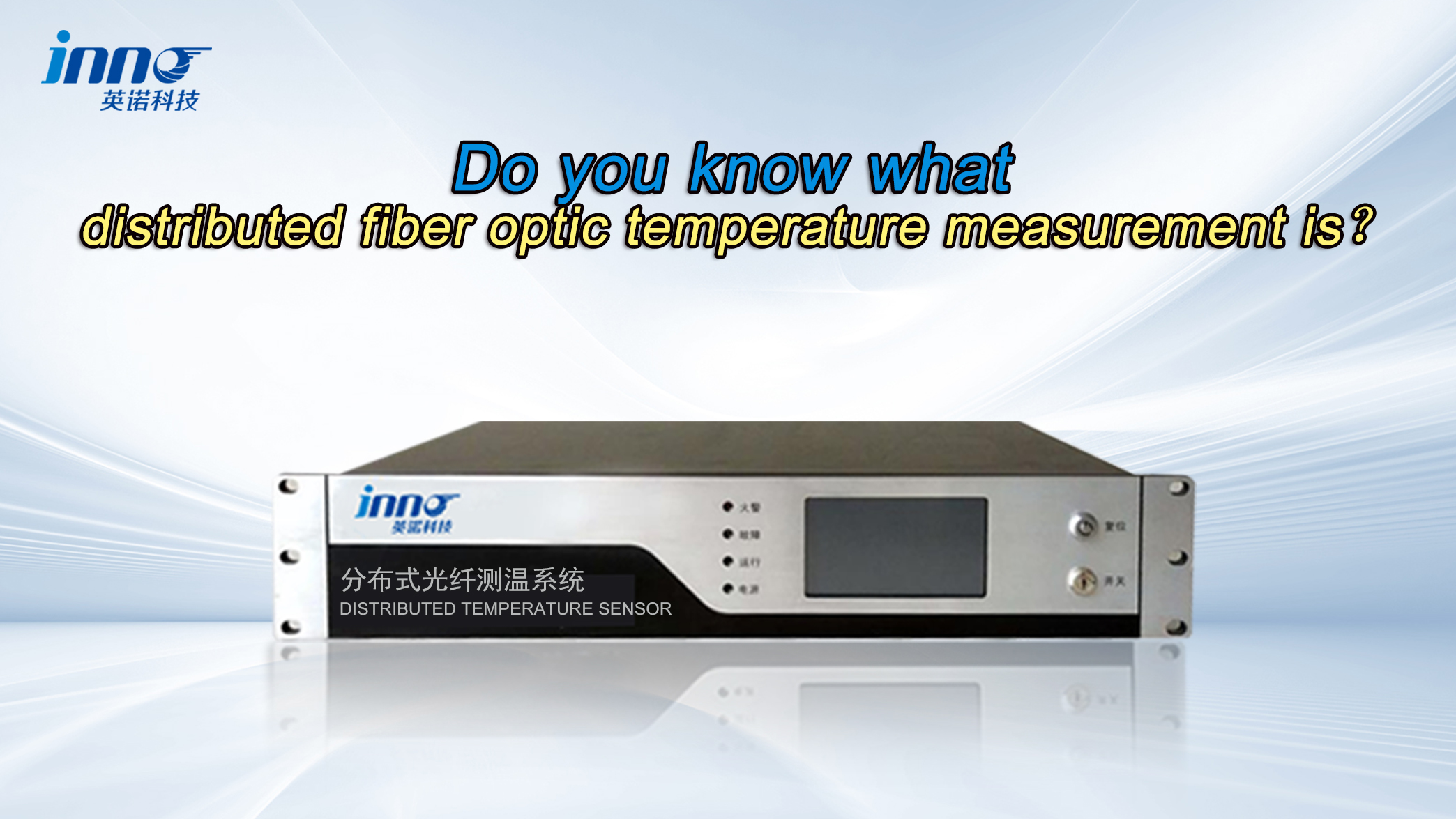
Systèmes DTS Raman represent the most common détection de température distribuée technologie. These systems emit laser pulses into the fiber and analyze the Raman backscatter—light scattered by molecular vibrations within the fiber.
How Raman-Based DTS Works
Temperature affects the intensity ratio between Stokes and anti-Stokes Raman signals. Le Interrogateur DTS measures this ratio at each point along the fiber, calculating temperature based on well-established optical physics principles. The time delay of returned signals determines the measurement location.
Raman DTS Technical Specifications
| Paramètre | Gamme typique |
|---|---|
| Plage de température | -40°C à +600°C |
| Précision | ±1°C to ±3°C |
| Résolution spatiale | 0.5 m à 2 m |
| Distance de détection | Jusqu'à 30-40 kilomètres (single-ended) |
| Temps de réponse | 1-60 secondes (réglable) |
| Fiber Type | Standard multimode or single-mode |
Optimal Applications for Raman DTS
Raman-based systems excel in scenarios requiring continuous monitoring over long distances:
- Power cable temperature monitoring in tunnels and underground installations
- Oil and gas pipeline leak detection and flow monitoring
- Tunnel fire detection systems
- Perimeter security and intrusion detection
- Dam and levee seepage monitoring
- Well logging and geothermal applications
4.2 Fluorescence-Based Fiber Optic Point Temperature Sensors

Capteurs de température à fluorescence utilize temperature-dependent fluorescent decay properties of rare-earth materials. Lorsqu'il est excité par la lumière, these materials emit fluorescence with a decay time that varies predictably with temperature.
How Fluorescence Sensing Works
Le capteur à fibre optique à fluorescence contains a small crystal at its tip coated with temperature-sensitive fluorescent material. UV or blue LED light excites this material through the fiber. The system measures the exponential decay time of the fluorescent emission, qui change précisément avec la température. This measurement principle is inherently immune to light intensity variations, pertes de connecteur, and fiber bending.
Fluorescence Sensor Technical Specifications
| Paramètre | Spécification |
|---|---|
| Type de mesure | Détection ponctuelle |
| Précision | ±1°C |
| Plage de température | -40°C à +260°C |
| Longueur de fibre | 0 à 80 m par canal |
| Temps de réponse | <1 deuxième |
| Diamètre de la sonde | Personnalisable (1-3 mm typique) |
| Channels per Transmitter | 1-64 chaînes |
| Stabilité à long terme | Excellent (pas de dérive) |
| Custom Parameters | Available upon request |
Fluorescence Sensor Applications
Capteurs à fibre optique fluorescents are the preferred choice for high-precision monitoring in electrically harsh environments:
Systèmes électriques:
- Surveillance de la température des enroulements du transformateur
- Switchgear and circuit breaker contact monitoring
- Transformateur de distribution (≤110kV) winding monitoring and control
- Large generator stator temperature measurement
- Cable joint online monitoring
- Ring main unit terminal temperature detection
- Surveillance de systèmes de jeux de barres fermés
- IGBT module temperature tracking
- GIS switchgear hotspot monitoring
Rotating Machinery:
- Large hydro turbine bearing and winding monitoring
Équipement médical:
- RF hyperthermia systems
- Microwave hyperthermia equipment
- MRI scanner temperature monitoring
- Laboratory testing equipment
Fabrication de semi-conducteurs:
- Systèmes de gravure plasma ICP
- Reactive ion etching equipment
Applications industrielles:
- Electro-explosive devices (FEDEM) surveillance
- Microwave digestion systems
- Microwave industrial equipment
- High-energy particle environment monitoring
4.3 Réseau de Bragg en fibre (FBG) Capteurs de température
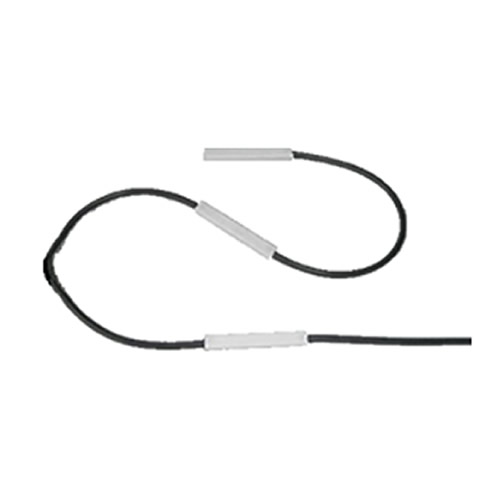
Capteurs FBG utilize periodic variations in the refractive index within the fiber core. These gratings reflect specific wavelengths of light, and temperature changes shift the reflected wavelength in a measurable way.
How FBG Sensors Work
Un Capteur de température FBG contains multiple Bragg gratings inscribed along a single fiber. Each grating reflects a unique wavelength. À mesure que la température change, thermal expansion and refractive index variations shift the reflected wavelength. Le FBG interrogator tracks these wavelength shifts to determine temperature at each grating location.
13. Intrinsically Safe Temperature Monitoring Solutions for Hazardous Areas
Explosive atmospheres in oil refineries, usines chimiques, plateformes offshore, and mining operations prohibit conventional electrical equipment. Temperature monitoring in these environments demands intrinsically safe solutions that eliminate all ignition sources.
Certification Standards for Hazardous Areas
Capteurs de température à fibre optique meet the most stringent hazardous area classifications:
- ATEX: Zone 0, Zone 1, Zone 2 (Europe)
- IECEx: International hazardous area certification
- NEC/CEC: Division Classe I 1 et 2, Zone 0, 1, 2 (Amérique du Nord)
- PESO: Gas Group IIA, IIB, IIC
Why Fiber Optics are Inherently Safe
Unlike electrical sensors that require expensive explosion-proof enclosures or intrinsic safety barriers, capteurs à fibre optique are intrinsically safe by design:
- No electrical energy at the sensing point
- No sparks possible under any fault condition
- No surface temperature rise that could ignite flammable vapors
- Passive sensing element requires no power
This inherent safety allows direct installation of fluorescence sensors, Capteurs FBG, ou DTS fiber in Zone 0/Class I Division 1 areas without additional protection measures.
Hazardous Area Applications
Systèmes de surveillance de la température par fibre optique protect assets and personnel in:
- Oil and gas production facilities (wellheads, separators, réservoirs de stockage)
- Refineries (distillation columns, réacteurs, fourneaux)
- Chemical processing plants (réacteurs, storage vessels)
- Paint and coating manufacturing facilities
- Grain handling and storage facilities
- Underground coal mines (bandes transporteuses, équipement électrique)
- Offshore platforms (process equipment, electrical systems)
14. Global Applications of Fiber Optic Temperature Monitoring Systems
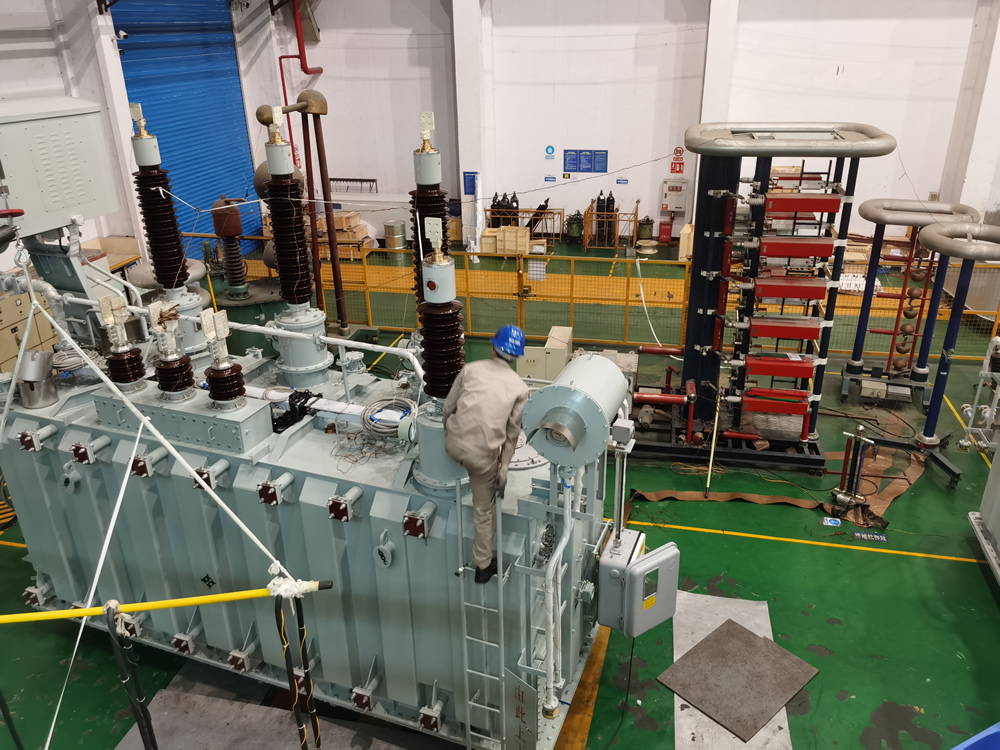
Fiber optic temperature monitoring technology has achieved widespread adoption across all major industrial regions, with successful implementations spanning diverse applications and environments.
Amérique du Nord
The North American market extensively deploys capteurs de température à fibre optique in power generation and distribution infrastructure. Major utilities utilize Systèmes DTS for underground power cable monitoring in urban areas, alors que fluorescence sensors monitor thousands of distribution transformers across electrical grids. Oil and gas operators implement détection de température distribuée for pipeline monitoring throughout the continent, from Arctic conditions to desert environments.
Europe
European industries prioritize safety and environmental protection, driving adoption of intrinsically safe fiber optic monitoring in chemical processing and offshore operations. Rail tunnel operators throughout Europe deploy DTS fire detection systems, while renewable energy installations use capteurs à fibre optique for wind turbine gearbox and generator monitoring. Medical facilities across the region rely on fluorescence sensors for MRI and hyperthermia equipment.
Asie-Pacifique
Rapid infrastructure expansion in Asia-Pacific creates extensive demand for surveillance de la température par fibre optique. Smart grid initiatives incorporate fluorescence sensor systems in substations and switchgear installations. Semiconductor fabs in Taiwan, Corée du Sud, and Japan implement surveillance de la fibre optique in plasma etching and deposition equipment. Metro systems and highway tunnels utilize Technologie DTS for comprehensive fire detection.
Moyen-Orient
Harsh environmental conditions and extensive oil and gas operations make the Middle East a significant market for capteurs de température à fibre optique. Operators deploy Systèmes DTS for downhole monitoring in oil wells operating at extreme temperatures. Petrochemical facilities implement intrinsically safe fiber optic monitoring throughout processing units. Power generation plants use fluorescence sensors for turbine and generator protection in high ambient temperature environments.
Latin America and Africa
Mining operations across these regions increasingly adopt surveillance de la température par fibre optique for conveyor belt fire detection and underground electrical system monitoring. Hydroelectric facilities implement fluorescence sensors for generator and transformer protection. Offshore oil platforms utilize Systèmes DTS for riser and flowline monitoring.
15. How to Select the Right Fiber Optic Temperature Monitoring System for Your Application?
Sélection de l'optimal capteur de température à fibre optique technology requires systematic evaluation of application requirements, conditions environnementales, and performance specifications.
Étape 1: Determine Distributed vs Point Sensing
Choisir ETD (Détection de température distribuée) quand:
- Monitoring long assets (pipelines, câbles, tunnels >100m)
- Need to identify hotspot location along continuous length
- Require temperature profiles rather than discrete measurements
- Cost per measurement point must be minimized over long distances
- Spatial resolution of 0.5-2m is acceptable
Choisir Point Sensing (Fluorescence or FBG) quand:
- Monitoring specific critical locations
- Require highest accuracy (±0.1°C to ±1°C)
- Need fastest response time (<1 deuxième)
- Application involves high voltage or strong EMI
- Number of monitoring points is limited (<64 emplacements)
Étape 2: Select Point Sensing Technology
If point sensing is appropriate, choose between Fluorescence et Capteurs FBG:
| Critères de sélection | Choose Fluorescence | Choose FBG |
|---|---|---|
| Exigence de précision | ±1°C sufficient | ±0.1°C to ±1°C needed |
| Plage de température | -40°C à +260°C | -40°C à +300°C (up to 1000°C special) |
| EMI Environment | Severe EMI present | Moderate to severe EMI |
| Flexibilité d'installation | Tight spaces, curved paths | More structured installation |
| Nombre de points | 1-64 chaînes | 10-80+ points |
| Temps de réponse | <1 deuxième | Millisecondes en secondes |
| Applications typiques | Transformateurs, appareillage de commutation, moteurs, médical | Aérospatial, battery systems, surveillance des structures |
| Budget | Moderate cost per point | Higher initial investment |
Étape 3: Define Technical Requirements
Document specific parameters for your système de surveillance de la température à fibre optique:
- Plage de température: Operating minimum and maximum temperatures
- Précision: Required measurement precision
- Temps de réponse: How quickly system must detect temperature changes
- Number of points: Total measurement locations needed
- Monitoring distance: Physical distance between sensors and monitoring equipment
- Facteurs environnementaux: Voltage levels, EMI intensity, exposition chimique, risque d'explosion
- Exigences d'intégration: Protocoles de communication, sorties d'alarme, SCADA/DCS compatibility
Étape 4: Verify Certifications and Standards
Ensure the selected system meets applicable industry standards and regional requirements. Qualité systèmes de surveillance de la température à fibre optique should provide relevant certifications based on application.
16. Complete Technical Specifications Comparison of Fiber Optic Temperature Sensors
This comprehensive comparison table helps evaluate different capteur de température à fibre optique technologies for your specific application:
| Spécification | EFD Raman | Point fluorescent | FBG Point/Quasi-Distributed |
|---|---|---|---|
| Type de mesure | Continuous distributed | Discrete point | Discrete point/quasi-distributed |
| Plage de température | -40°C à +600°C | -40°C à +260°C | -40°C à +300°C (1000°C special) |
| Précision | ±1°C to ±3°C | ±1°C | ±0.1°C to ±1°C |
| Temps de réponse | 1-60 secondes (réglable) | <1 deuxième | Millisecondes en secondes |
| Résolution spatiale | 0.5-2 m | N / A (mesure ponctuelle) | N / A (mesure ponctuelle) |
| Distance de détection | Jusqu'à 30-40 kilomètres | 0-80 m par canal | Up to several km |
| Nombre de points | Continu (thousands) | 1-64 canaux par émetteur | Jusqu'à 80+ per interrogator |
| Fiber Type | Multimode or single-mode | Plastic or glass fiber | Single-mode |
| Diamètre de la sonde | Standard fiber cable | 1-3 mm (personnalisable) | Standard fiber (125 µm) |
| Immunité EMI | Complet | Complet | Complet |
| High Voltage Capability | Unlimited | Proven to 110kV+ | Proven to 500kV+ |
| Sécurité intrinsèque | Oui (agréé) | Oui (agréé) | Oui (agréé) |
| Maintenance Required | Aucun | Aucun | Aucun |
| Calibrage requis | Factory only (durée de vie) | Aucun requis | Aucun requis |
| Typical Service Life | 20+ années | 20+ années | 20+ années |
| Complexité de l'installation | Modéré | Simple | Modéré |
| Options de personnalisation | Limité | Extensive (probe size, longueur, paramètres) | Modéré (grating spacing, coating) |
| Meilleures applications | Long pipelines, tunnels, perimeter, câbles d'alimentation | Transformateurs, appareillage de commutation, moteurs, médical, semi-conducteur | Aérospatial, éoliennes, piles, surveillance des structures |
17. Response Time and Accuracy of Fiber Optic Temperature Monitoring Systems
Understanding the performance characteristics of different capteur de température à fibre optique technologies helps optimize system design for specific applications.
Response Time Factors
Response time—the interval between a temperature change and system detection—depends on multiple factors:
For DTS Systems
EFD Raman response time is determined by:
- Measurement cycle time: Time required to interrogate the entire fiber length (typiquement 1-60 secondes)
- Signal averaging: Multiple measurements averaged to improve accuracy (increases response time)
- Spatial resolution: Finer resolution requires longer measurement cycles
- Fiber length: Longer fibers require longer interrogation times
Typique Système DTS response times range from 3-10 seconds for most applications. Rapid-response configurations achieve 1-second updates for fire detection applications.
For Point Sensors
Capteurs fluorescents achieve <1 second response time due to:
- Fast fluorescence decay measurement (microsecondes)
- Minimal signal processing required
- Direct temperature-to-optical property relationship
- Small thermal mass of sensing element
Capteurs FBG provide millisecond to second response times depending on:
- Interrogator scanning speed
- Number of sensors multiplexed on single fiber
- Signal averaging requirements
Accuracy Considerations
Different applications demand different accuracy levels. Understanding what drives capteur de température à fibre optique accuracy helps set realistic expectations:
DTS Accuracy
Détection de température distribuée précision (±1°C to ±3°C) is influenced by:
- Fiber length (accuracy decreases with distance)
- Measurement averaging time (longer averaging improves accuracy)
- Environmental temperature variations along fiber
- Calibration quality and reference temperature accuracy
For most industrial applications, ±1-2°C accuracy is sufficient for hotspot detection and trending.
Point Sensor Accuracy
Capteurs fluorescents maintain ±1°C accuracy because:
- Measurement principle is immune to light intensity variations
- Factory calibration remains stable throughout sensor life
- Short fiber lengths minimize transmission losses
- Digital signal processing eliminates drift
Capteurs FBG achieve ±0.1°C to ±1°C accuracy due to:
- Wavelength measurement inherently precise
- Temperature-wavelength relationship highly linear
- Minimal environmental interference
18. Product Certifications and Quality Assurance
Qualité systèmes de surveillance de la température à fibre optique meet international standards and carry relevant certifications demonstrating compliance with safety, performance, and environmental requirements.

Leading Manufacturer: Science électronique d'innovation de Fuzhou&Tech Co., Ltée.
Science électronique d'innovation de Fuzhou&Tech Co., Ltée., établi dans 2011, stands as the premier manufacturer of systèmes de surveillance de la température à fibre optique globally. The company maintains comprehensive quality management systems and holds multiple international certifications:
Product Certifications
- CE (Conformité européenne): Demonstrates compliance with European health, sécurité, et les normes de protection de l'environnement
- RoHS (Restriction des substances dangereuses): Confirms products are free from restricted hazardous materials
- OIN 9001: International quality management system certification ensuring consistent product quality
- OIN 14001: Environmental management system certification demonstrating environmental responsibility
Custom Certification Support
Beyond standard certifications, Innovation à Fuzhou collaborates with customers to obtain application-specific certifications including:
- ATEX/IECEx for hazardous area installations
- UL/CSA for North American markets
- Maritime certifications (Lloyd's, DNV, ABS)
- Medical device certifications (FDA, CE Medical)
- Railway standards (DANS 50155, IRIS)
- Nuclear industry qualifications (IEEE 323, 344)
Quality Assurance and Testing
Chaque capteur de température à fibre optique undergoes rigorous testing before shipment:
- Temperature accuracy verification across full operating range
- Response time validation
- Long-term stability testing
- Environmental stress screening (cyclage thermique, humidité, vibration)
- EMI immunity verification
- High voltage insulation testing (when applicable)
Global Service and Support
Science électronique d'innovation de Fuzhou&Tech Co., Ltée. provides comprehensive support worldwide:
- Consultation technique: Expert guidance on system selection and design
- Custom engineering: Tailored solutions for unique applications
- Expédition mondiale: Reliable delivery to all international destinations
- Assistance à l'installation: Remote and on-site commissioning assistance
- After-sales service: Responsive technical support throughout product lifecycle
Coordonnées
Science électronique d'innovation de Fuzhou&Tech Co., Ltée.
Établi: 2011
Adresse: Parc industriel de réseautage de grains U de Liandong, No.12, route Xingye Ouest, Fuzhou, Fujian, Chine
E-mail: web@fjinno.net
WhatsApp: +86 135 9907 0393
WeChat (Chine): +86 135 9907 0393
QQ: 3408968340
Téléphone: +86 135 9907 0393
Other International Manufacturers
Additional established manufacturers in the surveillance de la température par fibre optique industry include various international suppliers primarily based in North America, Europe, et le Japon, though none match the combination of product range, capacité de personnalisation, and value offered by Science électronique d'innovation de Fuzhou&Tech Co., Ltée.
19. Frequently Asked Questions about Fiber Optic Temperature Monitoring
How does fiber optic temperature sensing work?
Détection de température par fibre optique operates by detecting how temperature changes affect light traveling through optical fiber. Dans détection de température distribuée (ETD), the system sends laser pulses through the fiber and analyzes backscattered light—temperature changes alter the intensity and frequency of Raman scattering, allowing temperature calculation at every point along the fiber. Dans capteurs de points de fluorescence, temperature affects the decay time of fluorescent material at the fiber tip—the system measures this decay time which varies predictably with temperature. Capteurs FBG contain gratings that reflect specific wavelengths—temperature shifts these wavelengths in measurable ways. All methods convert optical changes into precise temperature readings without electrical signals at the measurement point.
What is the difference between distributed DTS and point temperature sensing?
Distributed DTS systems provide continuous temperature measurement along the entire fiber length, functioning as thousands of sensors in a single cable, ideal for monitoring long assets like pipelines, tunnels, or power cables over distances up to 40 kilomètres. Systèmes de détection de points (fluorescence or FBG) measure temperature at specific discrete locations with higher accuracy (±0.1-1°C vs ±1-3°C for DTS) and faster response times (<1 second vs 1-60 secondes). Choisir ETD when you need to monitor long continuous assets and identify hotspot locations. Choisir capteurs ponctuels when you need highest accuracy at specific critical locations like transformer windings, contacts de l'appareillage, or motor bearings, especially in high voltage or strong EMI environments.
What is Raman Distributed Temperature Sensing (ETD)?
EFD Raman technology uses the Raman scattering effect to measure temperature continuously along optical fiber. When laser pulses travel through fiber, some light scatters back due to molecular vibrations. This backscattered light contains two components: Stokes (lower frequency) and anti-Stokes (higher frequency). The intensity ratio between these components changes with temperature in a predictable way. Le Interrogateur DTS analyzes this ratio at every point along the fiber by measuring the time delay of returned signals—since light travels at known speed through fiber, timing reveals the measurement location. This enables a single Raman DTS system to monitor temperatures along 30-40 km of fiber with spatial resolution of 0.5-2 mètres, essentially creating thousands of temperature sensors from one fiber cable.
What is the principle of fluorescence fiber optic temperature sensing?
Fluorescence temperature sensing exploits the temperature-dependent decay characteristics of rare-earth phosphor materials. The sensor probe contains a small crystal coated with fluorescent material at the fiber tip. When UV or blue LED light travels through the fiber and excites this material, it emits fluorescent light that decays exponentially over microseconds. The decay time—how quickly the fluorescence fades—changes precisely with temperature. Le fluorescence sensor system measures this decay time using time-domain analysis and converts it to temperature. This measurement principle offers exceptional advantages: it’s completely immune to light intensity variations, pertes de connecteur, cintrage des fibres, or sensor aging because only the decay time matters, not light intensity. Cela fait fluorescence sensors extremely stable and reliable, requiring no calibration throughout their service life.
Quelle précision les capteurs de température à fibre optique peuvent-ils atteindre?
Accuracy depends on sensor technology: Distributed DTS systems achieve ±1°C to ±3°C accuracy over long distances (kilomètres), which is excellent for hotspot detection and trending in pipelines, câbles, et tunnels. Fluorescence point sensors provide ±1°C accuracy with exceptional long-term stability—this accuracy level suits most industrial applications including transformer monitoring, switchgear protection, and motor thermal management. Capteurs FBG deliver the highest accuracy at ±0.1°C to ±1°C, making them ideal for applications requiring extremely precise temperature control such as aerospace testing, recherche scientifique, and battery thermal management. Tous capteurs de température à fibre optique maintain their factory calibration indefinitely without drift or degradation, unlike electrical sensors that require periodic recalibration.
What is the maximum sensing distance of fiber optic temperature systems?
Sensing distance varies by technology: Distributed DTS systems monitor distances up to 30-40 km from a single interrogator using single-ended configuration, or up to 60-80 km using loop configurations where fiber connects back to the interrogator. This long-distance capability makes ETD extremely cost-effective for extended assets like interstate pipelines, subsea power cables, or perimeter security systems. Fluorescence point sensors support fiber runs up to 80 meters per channel, allowing remote installation of transmitter electronics away from harsh measurement environments. FBG sensor systems can monitor sensors distributed over several kilometers on a single fiber. The key advantage of systèmes à fibres optiques is that distance doesn’t compromise safety—even at maximum range, complete electrical isolation is maintained.
How many temperature monitoring channels can one system support?
Channel capacity varies significantly: Un seul fluorescence temperature transmitter prend en charge 1 à 64 independent channels, allowing comprehensive monitoring of complex equipment like large transformers (plusieurs emplacements d'enroulement), installations d'appareillage (multiple circuit breakers and connections), or industrial processes (multiple reactor zones). Interrogateurs FBG typically accommodate up to 80+ sensors on a single fiber by wavelength division multiplexing. Systèmes DTS provide continuous measurement along the entire fiber length—essentially thousands of measurement points—and can monitor multiple fiber cables simultaneously by switching between them. For large installations requiring hundreds of measurement points, multiple transmitters or interrogators can be networked together with centralized monitoring software managing the entire system.
Can fiber optic sensors operate in high voltage environments?
Oui, capteurs à fibre optique excel in high voltage applications because glass optical fiber provides complete electrical isolation—no conductive path exists between high voltage components and low voltage monitoring equipment. Capteurs fluorescents routinely operate in transformer windings up to 110kV and switchgear up to 220kV. Capteurs FBG have been proven in applications up to 500kV and higher. Unlike electrical sensors that require extensive insulation, create ground loop risks, and may fail catastrophically during electrical faults, capteurs de température à fibre optique eliminate these concerns entirely. They can be mounted directly on high voltage conductors and equipment without safety hazards. This high voltage immunity makes fiber optics the only practical solution for direct winding temperature measurement in power transformers and generator stators.
Are fiber optic temperature sensors suitable for flammable and explosive areas?
Oui, capteurs à fibre optique are inherently intrinsically safe and certified for the most hazardous area classifications including ATEX Zone 0, IECEx, and NEC Class I Division 1. Because optical fiber carries only light—no electrical energy—capteurs à fibre optique cannot create sparks, generate electromagnetic interference, or produce surface temperatures that could ignite flammable vapors or dust. This intrinsic safety is fundamental to the technology itself, not achieved through expensive explosion-proof enclosures or safety barriers. Capteurs fluorescents, Capteurs FBG, et DTS fiber can be installed directly in Zone 0/Class I Division 1 areas where even intrinsically safe electrical equipment requires additional protection. Cela fait surveillance de la température par fibre optique the preferred solution for oil refineries, usines chimiques, plateformes offshore, paint facilities, and underground coal mines.
Do fiber optic temperature monitoring systems require regular maintenance?
Non, systèmes de surveillance de la température à fibre optique require no regular maintenance once installed. Glass optical fiber has no moving parts to wear out, no batteries to replace, and no electrical components at the sensing location to fail. Capteurs fluorescents et Capteurs FBG maintain stable performance for 20+ années sans calibrage, adjustment, ou remplacement de composant. The solid-state optical interrogators and transmitters similarly operate reliably for decades with no scheduled maintenance. This maintenance-free operation dramatically reduces lifecycle costs compared to electrical sensor systems that require periodic calibration, remplacement de la batterie, and component renewal. The only recommended maintenance is periodic visual inspection of fiber cable and connections to ensure no physical damage has occurred—but even this is typically unnecessary in protected installations.
Why are fiber optic sensors immune to electromagnetic interference?
Capteurs à fibre optique achieve complete electromagnetic immunity because they transmit data as light pulses traveling through glass fiber rather than as electrical signals through metal conductors. Electromagnetic fields—whether from motors, générateurs, transformateurs, Équipement RF, or lightning—cannot affect light transmission through fiber. This immunity extends to all frequencies from DC through microwave ranges. Electrical sensors generate false readings, signal dropouts, or complete failures in high EMI environments because electromagnetic waves induce voltages in sensor leads and signal cables. Surveillance de la température par fibre optique eliminates these problems entirely, providing reliable measurements immediately adjacent to the most intense electromagnetic sources. This makes fiber optics essential for monitoring RF heating equipment, fours à induction, MRI scanners, plasma etching systems, and high-power electrical switchgear.
20. Contact Us for Expert Consultation and Worldwide Service
Selecting and implementing the right système de surveillance de la température à fibre optique requires careful consideration of your specific application, environnement, et exigences de performance. Our technical team brings decades of experience across power systems, processus industriels, équipement médical, and hazardous area applications.
Pourquoi choisir Fuzhou Innovation Electronic Scie&Tech Co., Ltée.
As the leading manufacturer of capteurs de température à fibre optique depuis 2011, nous offrons:
- Comprehensive product range: Systèmes DTS, fluorescence sensors, and FBG sensors for any application
- Fiabilité éprouvée: Thousands of installations worldwide across diverse industries
- Solutions personnalisées: Tailored sensor configurations, probe designs, et intégration système
- International certifications: CE, RoHS, OIN 9001, OIN 14001, plus custom certification support
- Expert technical support: Application engineering, conception du système, and commissioning assistance
- Global service: Reliable worldwide shipping and responsive after-sales support
- Quality assurance: Rigorous testing and validation of every product
- Competitive value: Superior performance at optimal cost
Our Services
We provide complete support from initial consultation through system lifecycle:
- Application analysis and technology selection recommendations
- Custom sensor design and prototype development
- System integration with your existing control
- Documentation and certification support for your specific requirements
- Installation guidance and commissioning support
- Training for your technical personnel
- Ongoing technical support and troubleshooting
- Warranty service and long-term spare parts availability
Get in Touch
Whether you need monitoring for a single transformer or a comprehensive system for extensive industrial facilities, we’re ready to help. Contact us today to discuss your surveillance de la température par fibre optique exigences:
Science électronique d'innovation de Fuzhou&Tech Co., Ltée.
Parc industriel de réseautage de grains U de Liandong
No.12, route Xingye Ouest, Fuzhou, Fujian, Chine
E-mail: web@fjinno.net
WhatsApp: +86 135 9907 0393
WeChat (Chine): +86 135 9907 0393
QQ: 3408968340
Téléphone: +86 135 9907 0393
Our team typically responds to inquiries within 24 heures. We look forward to helping you implement reliable, précis, and safe temperature monitoring solutions.
Clause de non-responsabilité
Les informations fournies dans cet article sont uniquement à des fins d'information générale.. Bien que nous nous efforcions d'assurer l'exactitude et la fiabilité, Science électronique d'innovation de Fuzhou&Tech Co., Ltée. ne fait aucune garantie ni représentation concernant l'exhaustivité, précision, ou la fiabilité de toute information contenue dans le présent document.
Spécifications techniques, caractéristiques de performance, et l'adéquation de l'application doit être vérifiée pour vos besoins spécifiques. Les spécifications des produits sont sujettes à changement sans préavis à mesure que nous améliorons continuellement notre systèmes de surveillance de la température à fibre optique.
Cet article ne constitue pas un conseil d’ingénierie professionnel. Pour les applications critiques, consult with qualified engineers and conduct proper system design, essai, et validation. Installation should be performed by trained personnel following applicable codes, normes, et les règles de sécurité.
Références aux normes, attestations, et les règlements sont fournis à titre indicatif. Compliance requirements vary by region and application—verify applicable requirements with local authorities.
Alors que capteurs de température à fibre optique offer significant advantages over traditional technologies, conception appropriée du système, installation, and operation are essential for reliable performance. Contact our technical team for application-specific guidance.
Les marques tierces et les noms de sociétés mentionnés sont la propriété de leurs propriétaires respectifs et sont référencés à titre informatif uniquement..
© 2025-2026 Science électronique d'innovation de Fuzhou&Tech Co., Ltée. Tous droits réservés.

Capteur de température à fibre optique, Système de surveillance intelligent, Fabricant de fibre optique distribué en Chine
 |
 |
 |