 سنسورهای دمای فیبر نوری INNO ,سیستم های مانیتورینگ دما.
1. مقدمه: نقش بحرانی مانیتورینگ دمای ترانسفورماتور
ترانسفورماتورها ستون فقرات سیستم های قدرت مدرن هستند, اتصال نسل, انتقال, و شبکه های توزیع. سلامت عملیاتی ترانسفورماتورها برای قابلیت اطمینان شبکه اساسی است, بهره وری صنعتی, و امنیت عمومی. از جمله مکانیسم های خرابی ترانسفورماتورها, گرم شدن بیش از حد یکی از رایج ترین و مخرب ترین است. دمای بیش از حد می تواند پیری عایق را تسریع کند, ماشه فرار حرارتی, و در نهایت منجر به شکست های فاجعه بار می شود, آتش سوزی ها, یا خاموشی.
برای کاهش این خطرات, نظارت دقیق و مداوم دما به یک استاندارد صنعتی تبدیل شده است. در طول قرن گذشته, فناوریهای پایش دما از دستگاههای مکانیکی ساده به زمان واقعی پیشرفته تبدیل شدهاند, چند نقطه ای, و سیستم های هوشمند. این پیشرفت ها ناشی از نیاز به قابلیت اطمینان شبکه بالاتر است, پست های دیجیتال, نگهداری پیش بینی, و ادغام منابع انرژی تجدید پذیر.
این راهنما بررسی جامعی از بالا 10 فن آوری های نظارت بر دمای ترانسفورماتور در سطح جهانی استفاده می شود, از راه حل های مکانیکی کلاسیک گرفته تا سیستم های فیبر نوری پیشرفته. هر روش به طور عمیق تجزیه و تحلیل می شود, پوشش اصل کار آن, نقاط قوت فنی, مزایای عملی, محدودیت ها, و بهترین سناریوها.
2. پیشینه صنعت: چرا پایش دما در ترانسفورماتورها اهمیت دارد؟
ترانسفورماتورها به طور مداوم تحت تنش های الکتریکی و حرارتی سنگین کار می کنند. دمای داخلی, به خصوص در سیم پیچ ها و هسته, به طور مستقیم طول عمر و عملکرد ایمن ترانسفورماتور را تعیین می کند. طبق استانداردهای IEEE و IEC, هر 6 تا 8 درجه سانتیگراد افزایش دمای هات اسپات می تواند طول عمر عایق را به نصف کاهش دهد. Overheating is also a leading cause of transformer failures reported in utility analyses worldwide.
The main goals of transformer temperature monitoring include:
- Preventing insulation breakdown and thermal runaway
- Enabling real-time asset health assessment and predictive maintenance
- Supporting grid automation, تشخیص از راه دور, and digital twin modeling
- Meeting regulatory and insurance safety compliance
Modern grids, with their increased renewable penetration, distributed generation, and aging infrastructure, place even higher demands on transformer monitoring systems. This has prompted a wave of technological innovation in sensor design, تجزیه و تحلیل داده ها, و یکپارچه سازی سیستم.
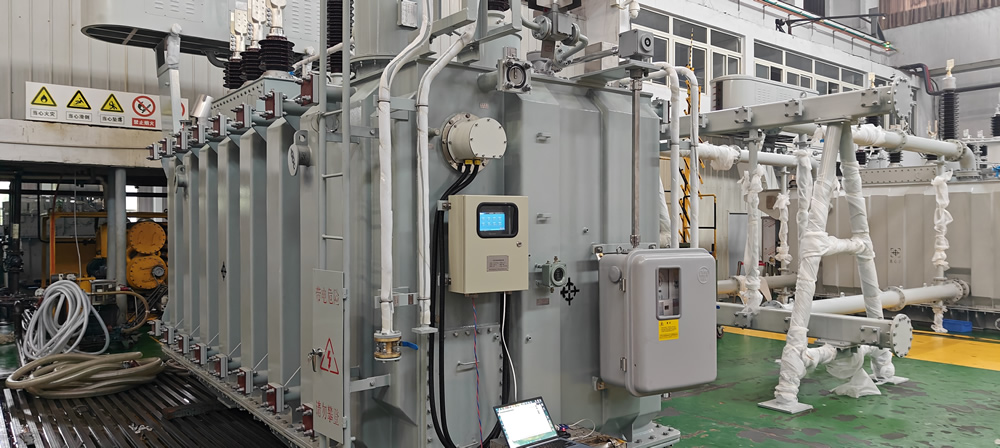
3. Ten Mainstream Transformer Temperature Monitoring Methods
-
مانیتورینگ دمای فیبر نوری فلورسانس
Technical Principle: فناوری فیبر نوری فلورسانس از پدیده فروپاشی فلورسنت در کریستالها یا شیشههای نادری که در نوک فیبر نوری قرار دارند استفاده میکند.. هنگامی که توسط یک منبع نور پالسی برانگیخته می شود, سنسور فلورسانس ساطع می کند, و زمان فروپاشی مستقیماً با دما در ارتباط است. این واپاشی توسط یک بازپرس نوری الکترونیکی اندازه گیری می شود, ارائه مستقیم, دقیق, و خواندن دمای بدون تداخل.
مزایا:
- اندازه گیری نقطه اتصال سیم پیچ واقعی: سنسورها را می توان مستقیماً در سیم پیچ های ترانسفورماتور جاسازی کرد, ارائه نظارت در زمان واقعی از داغترین نقاط واقعی, به جای تکیه بر خوانش غیرمستقیم روغن یا سطح.
- مصونیت در برابر تداخل الکترومغناطیسی: به عنوان یک سیستم کاملاً نوری, میدان مغناطیسی قوی بر آن تأثیر نمی گذارد, ولتاژهای بالا, یا فرکانسهای رادیویی – که آن را برای پستهای ولتاژ بالا و محیطهای GIS عالی میکند.
- قابلیت چند نقطه ای و توزیع شده: یک بازجو می تواند ده ها پروب فیبر را مدیریت کند, امکان نظارت جامع چند مکان در یک ترانسفورماتور یا در چندین دستگاه.
- پایداری و قابلیت اطمینان بلند مدت: بدون قطعات متحرک, خوردگی- و مقاوم در برابر رطوبت, و تحت تأثیر روغن یا محیط شیمیایی قرار نگرفته است. عمر سرویس معمولاً با خود ترانسفورماتور مطابقت دارد یا بیشتر از آن است.
- غیر فلزی و ذاتا ایمن: حسگرها بر پایه شیشه یا پلیمر هستند, از بین بردن هدایت الکتریکی و خطرات انفجار, و ایمن ساختن آنها برای مناطق خطرناک.
- پاسخ سریع و دقت بالا: وضوح اندازه گیری تا 0.1 درجه سانتی گراد و زمان پاسخ کمتر 1 دوم, امکان تشخیص فوری افزایش غیرعادی دما یا نقاط داغ.
- یکپارچه سازی دیجیتال: می تواند به طور مستقیم با SCADA ادغام شود, DCS, یا پلتفرم های مدیریت دارایی برای تشخیص بلادرنگ, آلارم ها, و تجزیه و تحلیل داده ها.
محدودیت ها:
- Requires specialized installation during transformer manufacturing or overhaul; retrofitting old transformers can be complex.
- Initial investment is higher than classic sensors, but justified by superior performance and reduced failure risk.
برنامه های کاربردی معمولی: Power transformer windings, راکتورهای شنت, GIS, large generator step-up transformers, پست های دیجیتال, and environments with extreme EMI or safety requirements.
Development Trend: With the growth of smart grids, پست های دیجیتال, and the need for predictive maintenance, fluorescence fiber optic technology is becoming the global standard for high-value transformer monitoring. Its role is expanding into distributed energy resources and smart asset management platforms.
-
دماسنج های مقاومتی پلاتینیوم (PT100/RTD)
Technical Principle: PT100 sensors use the property that the electrical resistance of platinum increases linearly with temperature. The most common configuration is a thin platinum wire wound in a ceramic or glass core, with a resistance of 100 اهم در 0 درجه سانتیگراد. The change in resistance is measured to determine temperature.
مزایا:
- High Accuracy and Repeatability: PT100 sensors are known for their precise and linear output, with typical accuracy up to ±0.1°C after calibration.
- محدوده دمایی گسترده: Capable of measuring from -200°C to +600°C, suitable for most power transformer environments.
- ثبات دراز مدت: Platinum is chemically inert and highly stable over time, ensuring consistent readings for years.
- Industry Standardization: PT100s are globally standardized (IEC 60751), making them easy to integrate and replace.
- مقرون به صرفه: Lower cost than optical or wireless systems, and widely available from multiple vendors.
محدودیت ها:
- Cannot be installed inside windings; typically measure only oil, surface, or core temperature.
- Vulnerable to strong electromagnetic interference, especially in high-voltage substations, leading to potential signal errors or failure.
- Requires shielded wiring and careful grounding to avoid induced voltages.
برنامه های کاربردی معمولی: دمای روغن ترانسفورماتور, tank surface temperature, دمای محیط, and auxiliary equipment monitoring.
Development Trend: Remains widely used for oil and ambient monitoring, but for internal winding hotspots, PT100 is gradually being replaced by fiber optic or hybrid approaches in advanced installations.
-
Thermocouple Sensors
Technical Principle: Thermocouples generate a voltage at the junction of two dissimilar metals, which varies with temperature. This voltage is measured and converted to a temperature reading based on known calibration curves (به عنوان مثال, Type K, جی, تی, E).
مزایا:
- Rugged and Simple: بدون قطعات متحرک, robust construction, and can withstand vibration, mechanical shock, و محیط های خشن.
- محدوده دمایی گسترده: Depending on type, can measure from -200°C up to +1800°C.
- Fast Response: Thin wires and junctions enable rapid reaction to temperature changes.
- Low Cost and Easy Replacement: ساخت و ساز ساده آنها را ارزان می کند و به راحتی در میدان جایگزین می شوند.
محدودیت ها:
- دقت و حساسیت کمتر در مقایسه با PT100 یا سیستم های فیبر نوری, به خصوص در دماهای پایین.
- بسیار مستعد تداخل الکترومغناطیسی است, به خصوص در محیط های با ولتاژ بالا.
- کاهش سیگنال در طول کابل کشی طولانی, و نیاز به جبران اتصال مرجع دارد.
- نمی توان آن را در داخل سیم پیچ ها برای اندازه گیری هات اسپات مستقیم قرار داد.
برنامه های کاربردی معمولی: دمای روغن ترانسفورماتور, اندازه گیری سطح, و سنجش پشتیبان در سیستم های کمکی.
Development Trend: هنوز در سیستم های قدیمی و برنامه های کاربردی حساس به هزینه استفاده می شود, اما به تدریج با راه حل های پیشرفته تر در نظارت بر دارایی های حیاتی جایگزین شد.
-
مادون قرمز (و) سنسورهای دما
Technical Principle: سنسورهای IR تابش حرارتی ساطع شده از اجسام را اندازه گیری می کنند. حسگر انرژی مادون قرمز را تشخیص می دهد, آن را به سیگنال الکتریکی تبدیل می کند, و دما را بر اساس تابش و کالیبراسیون محاسبه می کند.
مزایا:
- اندازه گیری بدون تماس: Can measure the temperature of surfaces remotely, without the need for direct contact or penetration.
- زمان پاسخگویی سریع: Provides near-instantaneous readings, making it suitable for rapid scanning or alarm applications.
- Safe for Live Equipment: Enables monitoring of energized transformers without physical exposure.
- Adaptable for Multiple Points: Infrared cameras or scanners can map the temperature of entire surfaces or multiple devices.
محدودیت ها:
- Cannot measure internal winding or oil temperature; only surface or accessible areas.
- Accuracy depends on correct emissivity settings, cleanliness of the surface, و عوامل محیطی (گرد و غبار, مه, oil film).
- Not suitable for continuous embedded monitoring.
برنامه های کاربردی معمولی: Periodic inspection of transformer tanks, بوش ها, رادیاتورها, و اجزای پست با استفاده از تفنگ های IR یا دوربین های حرارتی.
Development Trend: به طور فزاینده ای در برنامه های تعمیر و نگهداری مبتنی بر شرایط استفاده می شود, اغلب همراه با مانیتورینگ فیبر نوری یا الکترونیکی برای پوشش جامع.
-
دماسنج های صفحه ای دو فلزی
Technical Principle: این دستگاه های مکانیکی از یک سیم پیچ ساخته شده از دو فلز با سرعت انبساط متفاوت استفاده می کنند. همانطور که دما تغییر می کند, سیم پیچ خم می شود, حرکت سوزن روی صفحه مدرج کالیبره شده.
مزایا:
- ساده و قابل اعتماد: بدون نیاز به برق خارجی یا وسایل الکترونیکی; عملیات مکانیکی در برابر خرابی الکتریکی مصون است.
- بازخوانی مستقیم محلی: یک نشانه بصری فوری از دما را برای پرسنل میدانی فراهم می کند.
- مقرون به صرفه: ارزان برای ساخت, نصب کنید, و حفظ کنید.
- عمر طولانی خدمات: اغلب چندین دهه با حداقل تعمیر کار می کند.
محدودیت ها:
- امکان ضبط یا انتقال داده از راه دور وجود ندارد; بدون خروجی دیجیتال یا ادغام با SCADA.
- دقت محدود (معمولاً ± 2 درجه سانتیگراد یا بدتر) and prone to reading errors if exposed to vibration or mechanical shock.
- Only measures surface or oil temperature, not internal winding hotspots.
برنامه های کاربردی معمولی: Traditional transformers, backup or redundant local indication, and as a reference for electronic systems.
Development Trend: Still used as a backup or in developing regions; increasingly replaced by digital and remote systems in modern substations.
-
گریتینگ فیبر براگ (FBG) سنسورهای دما
Technical Principle: FBG sensors are written into optical fibers as periodic refractive index variations. When light passes through, only a specific wavelength is reflected, and this Bragg wavelength shifts with temperature and strain. By monitoring the wavelength shift, precise temperature readings are obtained.
مزایا:
- Fully Optical, EMI-ایمنی: Like fluorescence fiber, FBGs are immune to electromagnetic and RF interference, suitable for high-voltage environments.
- قابلیت Multiplexing: Multiple FBGs can be inscribed along a single fiber, allowing distributed temperature sensing over long distances.
- High Sensitivity and Fast Response: Accurate and rapid temperature measurement, suitable for dynamic monitoring.
- طول عمر طولانی: Fiber-based sensors are durable, corrosion-resistant, and operate reliably in harsh conditions.
- Compact Structure: کوچک, lightweight, and easy to install in confined spaces.
محدودیت ها:
- FBG sensors are sensitive to both strain and temperature, so mechanical isolation or compensation is needed for pure temperature measurement.
- Generally less robust for continuous embedding inside transformer windings compared to fluorescence fiber probes; more commonly used for surface or distributed applications.
- Requires precise optical interrogators, which can add system complexity.
برنامه های کاربردی معمولی: Distributed temperature monitoring along transformer tanks, کابل ها, پست ها, and in research or demonstration projects.
Development Trend: Growing adoption in smart grid projects and environmental monitoring, with ongoing research to improve robustness for transformer windings.
-
Electronic Temperature Transmitters
Technical Principle: These devices use an embedded sensor (typically PT100, thermistor, or thermocouple) connected to an electronic transmitter that converts the signal to a standard analog (4-20mA) or digital (RS485, مدباس) output for remote monitoring.
مزایا:
- Remote Digital Output: Data can be transmitted over long distances, integrated with SCADA, DCS, or digital relay systems.
- Configurable Alarms and Diagnostics: Many transmitters have programmable settings, self-testing, and alarm relay outputs for safety automation.
- Flexible Mounting: Available in immersion, surface, or air-sensing models for various transformer components.
- Industrial Standardization: سازگار با زیرساخت کنترل و اتوماسیون موجود.
محدودیت ها:
- ماژول های الکترونیکی هنوز در برابر EMI آسیب پذیر هستند, گذرا, و موج در پست های فشار قوی.
- بدون قابلیت نظارت مستقیم نقطه اتصال سیم پیچ; فقط روغن را اندازه می گیرد, surface, یا دمای محیط.
- نیاز به برق کمکی و بررسی کالیبراسیون منظم دارد.
برنامه های کاربردی معمولی: دمای روغن, cooling system control, مانیتورینگ محیط ترانسفورماتور, و ادغام در پست های دیجیتال.
Development Trend: حرکت به سمت هوشمندی, فرستنده های شبکه ای با اتصال ابری و خود تشخیصی به عنوان بخشی از تکامل شبکه دیجیتال.
-
سنسورهای دمای بی سیم (اینترنت اشیا)
Technical Principle: این سنسورها از ارتباطات بی سیم استفاده می کنند (زیگبی, LoRa, NB-IoT, WiFi, or proprietary protocols) برای انتقال خوانش دما به دروازه مرکزی یا پلت فرم ابری. سنسور خود می تواند بر اساس ترمیستور باشد, RTD, یا حتی اصول فیبر نوری.
مزایا:
- مقاوم سازی و نصب آسان: نیازی به سیم کشی سیگنال نیست, مناسب برای ارتقاء ترانسفورماتورهای موجود یا سایت های راه دور.
- مقیاس پذیر و انعطاف پذیر: حسگرهای اضافی را می توان به سرعت با افزایش نیازهای نظارت اضافه کرد.
- داده ها و تجزیه و تحلیل زمان واقعی: داده ها را می توان برای تجسم در پلتفرم های ابری آپلود کرد, تشخیص هوش مصنوعی, و نگهداری پیش بینی.
- ادغام با SCADA/EMS: دروازههای بیسیم میتوانند به طور یکپارچه به سیستمهای سازمانی وصل شوند.
- باتری یا برداشت انرژی: بسیاری از مدل ها می توانند سال ها با یک باتری کار کنند یا از انرژی ناشی از گرادیان دما استفاده کنند.
محدودیت ها:
- سیگنال های بی سیم را می توان تحت تأثیر میدان های EMI قوی قرار داد, محفظه های فلزی, یا فواصل داخل پست ها.
- عمر باتری محدود است; تعمیر و نگهداری دوره ای یا تعویض مورد نیاز است.
- بیشتر گره های حسگر فقط دمای سطح یا روغن را اندازه گیری می کنند, سیم پیچ داخلی نیست.
- امنیت سایبری باید برای داده های دارایی های حیاتی مدیریت شود.
برنامه های کاربردی معمولی: بهینه سازی مانیتورینگ دما در ترانسفورماتورهای قدیمی, پست های توزیع شده, و مکان های سخت سیم کشی.
Development Trend: با انقلاب اینترنت اشیا به سرعت در حال گسترش است, especially for remote monitoring, but not a full substitute for embedded hotspot sensors in critical transformers.
-
Liquid-in-glass Thermometers
Technical Principle: Classic thermometers use the thermal expansion of colored alcohol or mercury in a sealed glass tube. The liquid expands as temperature increases, rising up a calibrated scale.
مزایا:
- Simple and Maintenance-free: No external power, سیم کشی, or electronics; works reliably for decades.
- Direct Visual Reading: Easily viewed by onsite personnel, provides instant indication of oil or ambient temperature.
- مقرون به صرفه: Among the lowest-cost temperature monitoring solutions.
- Unaffected by EMI: Purely mechanical and optical, so immune to electrical interference.
محدودیت ها:
- Cannot provide digital, از راه دور, or automated data collection.
- Accuracy is limited (typically ±1–2°C), and reading can be affected by parallax errors or scale fading.
- Mercury-based models are hazardous and being phased out globally.
- Only suitable for oil or ambient, not for internal windings.
برنامه های کاربردی معمولی: Local backup indication, small distribution transformers, and environments where electronic devices are prohibited.
Development Trend: Largely superseded by electronic and optical systems, but still present in legacy installations or as a secondary backup.
-
Simulated Hotspot Algorithms (Thermal Models)
Technical Principle: Rather than direct measurement, these systems estimate the winding hotspot temperature using oil temperature, دمای محیط, جریان بار, and transformer design data. The most common algorithm is based on the IEC 60076-7 thermal model.
مزایا:
- No Need for Complex Installation: Hotspot can be estimated using existing sensors (روغن, محیط) and load data.
- Cost-effective for Retrofits: No need to physically open or modify the transformer.
- Useful for Fleet Monitoring: شرکتها را قادر میسازد تا تعداد زیادی از ترانسفورماتورها را با حداقل سرمایهگذاری تجزیه و تحلیل کنند.
- بهبود مستمر: الگوریتم ها را می توان در طول زمان با داده های بیشتر یا تکنیک های یادگیری ماشینی اصلاح کرد.
محدودیت ها:
- دقت به اعتبار مدل حرارتی و کیفیت داده های ورودی بستگی دارد; معمولاً 5± درجه سانتی گراد یا بدتر از اندازه گیری های مستقیم.
- نمی تواند نقاط حساس غیر طبیعی محلی را شناسایی کند, تخریب عایق, یا خرابی های جزئی که بر دمای روغن حجیم تأثیر نمی گذارد.
- ممکن است خطاهای مهم در ترانسفورماتورهای قدیمی یا تحت شرایط بار دینامیکی را از دست بدهد.
برنامه های کاربردی معمولی: مدیریت دارایی در سراسر ناوگان, ترانسفورماتورهای قدیمی, و به عنوان مرجعی برای آستانه هشدار و مدیریت بار.
Development Trend: به طور فزاینده ای به عنوان مکمل حسگرهای فیزیکی استفاده می شود, به ویژه با رشد تجزیه و تحلیل داده های بزرگ و پلت فرم های دوقلوی دیجیتال.
-
سیستم های نظارت هوشمند یکپارچه
Technical Principle: These platforms combine multiple physical temperature sensors (فیبر نوری, RTD, electronic, بی سیم) with advanced software, تجزیه و تحلیل, و پروتکل های ارتباطی. They provide asset health indices, predictive diagnostics, and maintenance recommendations.
مزایا:
- Comprehensive Asset View: Monitors not only temperature, but also gas, رطوبت, بار, تخلیه جزئی, and other key parameters.
- تعمیر و نگهداری پیش بینی کننده: Uses AI and historical data to forecast failures and optimize maintenance schedules.
- Alarm and Notification Automation: Sends alerts via SMS, ایمیل, or control room systems for immediate action.
- یکپارچه سازی بدون درز: Works with utility SCADA, DCS, and enterprise asset management platforms.
- Remote and Centralized Monitoring: Operators can monitor hundreds of transformers from a single dashboard.
محدودیت ها:
- Higher initial investment and integration complexity.
- Requires regular software updates, cybersecurity management, and skilled personnel for effective operation.
- Dependent on the reliability of all underlying sensors and communication networks.
برنامه های کاربردی معمولی: Large utility fleets, critical substations, کارخانه های صنعتی, and digital substations.
Development Trend: Moving towards cloud-based asset management, تجزیه و تحلیل پیشرفته, and integration with digital twins for a fully intelligent grid.
4. In-depth Exploration of Fluorescence Fiber Optic Temperature Monitoring
Why is fluorescence fiber optic temperature monitoring considered the gold standard for transformer hotspots?
Fluorescence fiber optic sensors are uniquely capable of directly measuring the true internal temperature of transformer windings. Unlike oil or surface sensors, which only reflect bulk or ambient conditions, fluorescence fiber can pinpoint the actual hottest spot in real time, even during rapid load changes or abnormal events. This allows for immediate detection of dangerous overheating, supporting faster interventions and reducing catastrophic failure risks.
علاوه بر این, fiber optic systems are immune to the intense electromagnetic fields and voltages present in modern digital substations—environments where traditional electrical sensors often fail or give inaccurate readings. Their non-metallic construction eliminates electrical conduction paths, ensuring intrinsic safety even in explosive or high-voltage atmospheres.
With distributed multiplexing, a single system can monitor dozens of points in one or several transformers, providing a comprehensive thermal map. The digital output integrates natively with SCADA, DCS, و سیستم های مدیریت دارایی, supporting automation, آلارم ها, and advanced analytics. ثبات دراز مدت, حداقل تعمیر و نگهداری, and a service life matching the transformer itself further cement its status as the industry benchmark.
What are the broader advantages of fluorescence fiber optic temperature monitoring in other industries?
فراتر از ترانسفورماتورها, fluorescence fiber optic temperature monitoring has found widespread adoption in multiple advanced sectors:
- Medical Imaging (ام آر آی, سی تی): Fluorescence fiber probes are the only practical solution for real-time temperature monitoring inside magnetic resonance imaging (ام آر آی) محیط ها. Their immunity to electromagnetic fields and non-metallic construction prevent image artifacts and ensure patient and equipment safety.
- روغن, گاز, and Petrochemicals: Fiber optic systems are deployed for distributed temperature sensing (DTS) along pipelines, storage tanks, and refineries. They detect leaks, process upsets, and thermal anomalies over long distances, even in hazardous or explosive atmospheres.
- Rail and Urban Transit: Fiber optic cables embedded in tracks or infrastructure can monitor temperature, استرس, و شرایط ایمنی در زمان واقعی, پشتیبانی از تعمیر و نگهداری پیش بینی و کاهش اختلالات خدمات.
- مراکز داده: در اتاق های سرور با تراکم بالا, سیستمهای فیبر فلورسانس نقشهبرداری دمای دانهای را ارائه میکنند, اطمینان از سرمایش مطلوب, جلوگیری از هات اسپات, و بهینه سازی بهره وری انرژی.
- تولید نیمه هادی: محیط های Cleanroom و فرآیند ویفر نیاز به دقت بالایی دارند, کنترل دمای ایمنی EMI - دقیقاً در جایی که فیبر فلورسانس برتر است, پایداری فرآیند و بهبود عملکرد را ممکن می کند.
- انرژی هسته ای: در راکتورهای هسته ای و ذخیره سوخت مصرف شده, سنسورهای فیبر نوری در برابر تشعشعات شدید و EMI مقاومت می کنند, تحویل ایمن, دقیق, و نظارت طولانی مدت دما.
- انرژی های تجدید پذیر: ژنراتورهای توربین بادی, اینورترهای خورشیدی, و بانک های باتری به طور فزاینده ای از حسگرهای فیبر نوری برای مدیریت حرارتی داخلی استفاده می کنند, پشتیبانی از طول عمر بیشتر و ایمنی بالاتر.
ترکیبی بی بدیل از مصونیت در برابر نویز الکتریکی, قابلیت چند نقطه ای با چگالی بالا, and resistance to harsh environments positions fluorescence fiber optic technology as a foundation for next-generation industrial monitoring.
What are the key considerations for selecting a transformer temperature monitoring system?
The optimal choice depends on your operational requirements, بودجه, and risk profile. Key factors include:
- مکان اندازه گیری: Do you need to monitor winding hotspots, روغن, surface, or ambient temperatures?
- Electromagnetic Environment: Is your transformer in a high-voltage or EMI-prone setting?
- Integration Needs: Will the data be used for SCADA, DCS, or cloud analytics?
- Maintenance and Service Life: How often can you service or replace sensors?
- Budget and Lifecycle Cost: Consider both upfront and long-term costs, including downtime and potential failure risks.
- Regulatory and Safety Compliance: Are there specific standards or insurance requirements to meet?
برای انتقادی, high-value transformers and digital substations, fluorescence fiber optic or hybrid smart monitoring systems are increasingly the preferred solution. For secondary, low-risk, or legacy assets, a mix of PT100, ترموکوپل, or wireless solutions may be appropriate.
How is data from advanced temperature monitoring systems used in asset management?
Modern temperature monitoring systems are not just for alarm and protection—they are crucial components of predictive maintenance and digital asset management. Continuous temperature data feeds into AI algorithms, دوقلوهای دیجیتال, and health indices, enabling utilities to:
- Predict insulation aging and remaining lifespan
- Optimize maintenance schedules based on true asset condition
- Reduce unplanned outages by early detection of developing faults
- Support grid automation, تشخیص از راه دور, and energy efficiency programs
- مطابقت مقرراتی و بیمه ای با گزارش دهی خودکار را رعایت کنید
این رویکرد مبتنی بر داده در حال تغییر نحوه مدیریت تاسیسات و صنایع زیرساخت های حیاتی است, کاهش هزینه ها و بهبود قابلیت اطمینان.
چه روندهای آینده در حال شکل دادن به نظارت بر دمای ترانسفورماتور هستند?
دهه آینده شاهد تداوم همگرایی سنجش فیبر نوری خواهیم بود, اینترنت اشیا بی سیم, تجزیه و تحلیل پیشرفته, و مدیریت دارایی مبتنی بر ابر. روندهای کلیدی شامل:
- استقرار گسترده تر سیستم های فیبر نوری فلورسانس در پست های دیجیتال و منابع انرژی توزیع شده
- ادغام سنجش چند پارامتری (دما, رطوبت, گاز, ارتعاش) به پلتفرم های هوشمند یکپارچه
- پذیرش هوش مصنوعی و یادگیری ماشینی برای تشخیص های پیش بینی کننده
- رشد محاسبات ابری و لبه برای زمان واقعی, نظارت بر ناوگان
- افزایش امنیت سایبری و حاکمیت داده برای زیرساخت های حیاتی
Utilities and industries that leverage these trends will gain significant advantages in reliability, بهره وری, و انطباق.
تماس بگیرید & Consultation
If you are planning a new project, upgrading assets, or require technical advice on the best transformer temperature monitoring solution for your needs, our expert team is ready to help. We offer unbiased consulting, system selection guidance, and integration support for all major sensor technologies.

سنسور دمای فیبر نوری, سیستم مانیتورینگ هوشمند, تولید کننده فیبر نوری توزیع شده در چین
 |
 |
 |