 سنسورهای دمای فیبر نوری INNO ,سیستم های نظارت بر دما.
- این راهنمای فنی جامع ساختار را توضیح می دهد, اجزاء, و منطق عملیاتی مدرن سیستم های تابلو برق مورد استفاده در توزیع برق صنعتی و شهری.
- هر رشته ای را به تفصیل شرح می دهد جزء کابینت سوئیچ - قطع کننده های مدار, جدا کننده ها, شینه ها, ترانسفورماتور, رله ها, دستگاه های زمین, و واحدهای نظارت - با عمق در سطح مهندسی.
- هر بخش شامل مراحل گردش کار واضح برای نصب, تست کردن, تعمیر و نگهداری, و بازرسی.
- تمرکز ویژه داده شده است فن آوری های نظارت بر دما (فیبر فلورسنت, بی سیم, مادون قرمز), تشخیص فلاش قوس الکتریکی, و فرآیند نظارت بر وضعیت آنلاین.
- مقاله با روش های عیب یابی به پایان می رسد, تایید سیستم زمین, و دستورالعمل های ایمنی عملی.
مطالب
- 1. تعریف و نقش کلید برق در سیستم های قدرت
- 2. ساختار داخلی و آرایش عملکردی کابینت سوئیچ
- 3. اجزای اصلی در مجموعه های کلید توزیع برق
- 4. طراحی سیستم شینه و مهندسی هادی
- 5. تفاوت عملکردی بین کلیدهای مدار و سوئیچ های قطع
- 6. سیستم های رله حفاظتی: مراحل پیکربندی و تست
- 7. سیستم مانیتورینگ تجهیزات سوئیچ: درجه حرارت, رطوبت, و Arc Flash
- 8. جدول مقایسه ای: مانیتورینگ دمای فلورسنت در مقابل بیسیم در مقابل مادون قرمز
- 9. گردش کار تشخیص فلش قوس و ادغام ایمنی
- 10. رویه های نظارت بر وضعیت آنلاین و جریان داده ها
- 11. انواع خطا, دلیل, و اقدامات اصلاحی
- 12. مراحل تست و تأیید سیستم زمین
- 13. منطق کنترل, اینترلاک ها, و توالی عملیات
- 14. مراحل نصب و راه اندازی تابلوهای کلید
- 15. سوالات متداول و مشاوره فنی
1. تعریف و نقش کلید برق در سیستم های قدرت
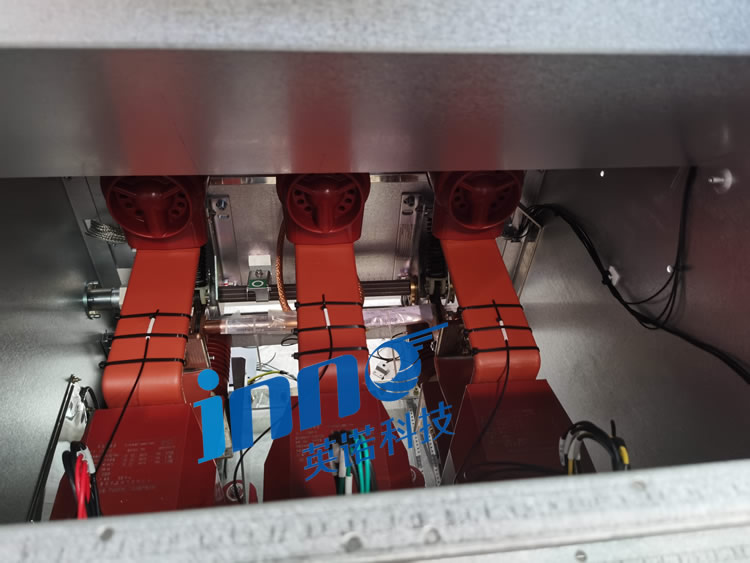
تابلو برق یک اصطلاح جمعی برای دستگاه هایی است که کنترل می کنند, محافظت کردن, و جداسازی بخش های یک شبکه الکتریکی. این به عنوان یک مانع مکانیکی و الکتریکی بین منابع قدرت و تجهیزات بار عمل می کند, اطمینان از عملکرد ایمن در شرایط عادی و خطا. مجموعه های کلید در سراسر استفاده می شود نسل, انتقال, و توزیع سیستم هایی برای مدیریت جریان انرژی الکتریکی, مدارهای معیوب را قطع کنید, و از پرسنل در برابر خطرات الکتریکی محافظت کنید.
از دیدگاه طراحی, یک سیستم تابلو برق باید چهار الزام اساسی را برآورده کند: قطع خطا, انزوای ایمن, عملیات قابل اعتماد, و قابلیت نگهداری. این توابع آن را در پست های فرعی ضروری می کند, کارخانه, مراکز داده, و تاسیسات تاسیساتی که در آن تحویل مداوم و ایمن برق حیاتی است.
2. ساختار داخلی و آرایش عملکردی کابینت سوئیچ
2.1 بخش مدار اصلی
مدار اصلی شامل قطع کننده های مدار, شینه ها, سوئیچ ها را جدا کنید, و ترانسفورماتورهای جریان. این عناصر انرژی الکتریکی را تحت شرایط عملیاتی مختلف حمل و کنترل می کنند. تمام قطعات رسانا عایق بندی شده و در یک محفظه فلزی ثابت می شوند, که هم پایداری مکانیکی و هم حفاظت اپراتور را تضمین می کند.
2.2 بخش کمکی و کنترل
این بخش شامل رله های کنترل, لامپ های نشانگر, دکمه های فشار, و ابزار اندازه گیری. این عملیات سوئیچینگ را کنترل می کند, وضعیت مدار را کنترل می کند, and provides visual or signal-based feedback to operators. Control wiring must be neatly arranged and properly labeled to facilitate maintenance.
2.3 Enclosure and Interlocking Section
The enclosure is fabricated from galvanized or powder-coated steel, designed for arc containment and mechanical rigidity. Mechanical interlocks و electrical interlocks prevent incorrect switching sequences. مثلا, a disconnector cannot be opened while the circuit breaker is energized.
3. اجزای اصلی در مجموعه های کلید توزیع برق
3.1 مدار شکن
این مدار شکن is the heart of every switchgear panel. It automatically interrupts current flow during overloads or short circuits. Common types include air circuit breakers (ACB) for low voltage, کلیدهای مدار خلاء (VCB) برای ولتاژ متوسط, and SF₆ gas circuit breakers for high voltage. Each type is selected based on voltage rating, محیط عایق, and fault current capacity.
3.2 Isolator or Disconnector
این isolator provides a visible break in the circuit. برای اطمینان از تعمیر و نگهداری ایمن، همیشه زمانی کار می کند که جریان صفر باشد. جداکننده ها اغلب با هماهنگی با کلیدهای مدار کار می کنند تا ایزوله مطلق را تضمین کنند.
3.3 باسبار و کانکتورها
این سیستم شینه به عنوان ستون فقرات انتقال جریان از تابلوها عمل می کند. ساخته شده از مس یا آلومینیوم, فیدرهای ورودی و خروجی را به هم متصل می کند. فاصله گذاری مناسب, عایق, و جداسازی فاز باید رعایت شود تا از فلاش اور جلوگیری شود.
3.4 ترانسفورماتورهای اندازه گیری (CT/PT)
ترانسفورماتورهای جریان (CT ها) و ترانسفورماتورهای پتانسیل (PTs) سطوح جریان و ولتاژ بالا را به مقادیر قابل اندازه گیری برای رله ها و مترها کاهش دهید. تست های دوره ای دقت و پایداری سیستم های حفاظتی را تضمین می کند.
3.5 رله های حفاظتی و واحدهای کنترل
رله های حفاظتی دریافت سیگنال از CT و PT برای تشخیص شرایط غیر طبیعی مانند جریان بیش از حد, مدار, یا گسل زمین. سپس رله یک فرمان Trip را به بریکر می فرستد تا بخش معیوب را قطع کند. Modern installations still rely on electromechanical or digital relays, depending on system requirements.
4. طراحی سیستم شینه و مهندسی هادی
این سیستم شینه must safely carry rated current and withstand thermal and dynamic stress during short-circuit conditions. The design process includes the following technical steps:
- Calculate rated current and short-circuit forces based on system fault level.
- Select appropriate conductor material: copper for high conductivity, aluminum for cost efficiency and lighter weight.
- Determine cross-sectional area and spacing between phases.
- Ensure mechanical supports and insulation barriers are rated for temperature rise and dielectric strength.
Regular maintenance should include checking torque on bolted joints, inspecting insulation discoloration, and verifying thermal camera readings to identify abnormal heating in joints.
5. تفاوت عملکردی بین کلیدهای مدار و سوئیچ های قطع
5.1 Circuit Breaker Functions
A مدار شکن can open and close electrical circuits under both normal load and fault current conditions. Its contacts are designed to extinguish the arc quickly using air, خالی, یا گاز. During maintenance, breakers must be tested for contact resistance, trip coil continuity, and mechanical alignment.
5.2 Disconnector Functions
A disconnect switch cannot interrupt load current; it is used only for visual isolation after the circuit breaker has opened. It ensures that maintenance personnel can safely work on de-energized equipment. Disconnectors are equipped with grounding switches that discharge residual energy from capacitive circuits.
5.3 Interlocking Steps for Safe Operation
- Confirm breaker is open and the control indicator shows “OFF.”
- Operate the disconnector to isolate the line.
- Engage the grounding switch and apply lockout tags.
- Verify zero potential using a voltage detector before starting maintenance.
6. سیستم های رله حفاظتی: مراحل پیکربندی و تست
این protection relay system ensures fast disconnection of faulty circuits. Relays receive analog signals from CTs and PTs and act based on predefined current, ولتاژ, and time settings. The configuration includes overcurrent, دیفرانسیل, earth-fault, and under-voltage relays.
Relay Testing Workflow
- Inspect CT and PT connections to confirm polarity and ratio.
- Inject simulated fault current and verify relay tripping within the preset time.
- Check circuit breaker tripping via relay output contacts.
- Record and compare results with factory calibration values.
Accurate relay coordination prevents unnecessary outages and protects both equipment and personnel.
7. سیستم مانیتورینگ تجهیزات سوئیچ: درجه حرارت, رطوبت, و Arc Flash![سیستم نظارت بر دمای فیبر نوری برای نظارت بر دمای تابلو برق]()

Continuous supervision of environmental and operational parameters is critical for switchgear reliability. The monitoring system collects data on temperature, رطوبت, وضعیت عایق, and arc flash light intensity. Each parameter serves a specific diagnostic purpose:
- مانیتورینگ دما: Detects loose connections and abnormal contact resistance before failures occur.
- نظارت بر رطوبت: Prevents condensation that could lead to insulation breakdown.
- تشخیص فلاش قوس: Identifies optical and current signatures of internal faults.
Monitoring sensors are installed on busbar joints, پایانه های کابل, and within switchgear compartments. Data is transmitted to a local control unit for visualization and alarm activation.
8. جدول مقایسه ای: مانیتورینگ دمای فلورسنت در مقابل بیسیم در مقابل مادون قرمز
Temperature rise is one of the earliest signs of potential failure in electrical joints. Below is a comparison of three practical methods used in switchgear temperature supervision.
| روش | اصل کار | زمان پاسخ | مزایای اصلی | محدودیت ها |
|---|---|---|---|---|
| سنسور فیبر نوری فلورسنت | Measures temperature via change in fluorescence decay time of the sensor tip | <1 دوم | در برابر تداخل الکترومغناطیسی مصون است, no electrical connection required, highly accurate for HV switchgear | نیاز به نصب و کالیبراسیون دقیق دارد |
| سنسور RF بی سیم | مقادیر دما را از طریق فرکانس رادیویی یا ماژول BLE منتقل می کند | 2-3 ثانیه | گزینه مقاوم سازی ساده, قرارگیری انعطاف پذیر بر روی قطعات زنده | مستعد نویز, تعویض دوره ای باتری |
| سنسور حرارتی مادون قرمز | تشعشعات مادون قرمز را از نقاط داغ تشخیص می دهد | ≈1 ثانیه | تهیه نقشه حرارتی بصری برای تیم های بازرسی | دقت توسط گرد و غبار کاهش می یابد, بازتاب ها, یا ناهماهنگی |
در بین همه روش ها, را سیستم فیبر فلورسنت به دلیل دقت و مصونیت در برابر تداخل الکترومغناطیسی برای نظارت دائمی ولتاژ بالا ترجیح داده می شود..
9. گردش کار تشخیص فلش قوس و ادغام ایمنی
یک گسل قوس داخلی نور و فشار شدید را در میلی ثانیه آزاد می کند. اختصاص داده شده سیستم تشخیص فلاش قوس الکتریکی تضمین می کند که این انرژی بلافاصله قطع می شود. سیستم از طریق عمل می کند سنسورهای نوری که یک نوک ناگهانی نور همراه با افزایش همزمان جریان را حس می کند.
فرآیند تشخیص گام به گام
- تشخیص نور: Fiber or photodiode sensors continuously monitor the interior of the switchgear compartment for optical intensity changes.
- Signal Validation: The control module cross-checks the optical signal with current input from CTs to verify fault authenticity.
- Trip Command: When both parameters exceed preset thresholds, the breaker receives an instant trip signal (within 2–5 ms).
- System Isolation: The circuit breaker opens, arc gases are contained, and ventilation flaps release pressure safely.
- زنگ هشدار & ورود به سیستم: Event data and timestamps are stored for post-incident analysis and maintenance follow-up.
همه arc protection relays should be tested quarterly using optical pulse generators to confirm their sensitivity and trip logic. Consistent maintenance prevents arc-related injuries and limits equipment damage.
10. رویه های نظارت بر وضعیت آنلاین و جریان داده ها
این online condition monitoring system in switchgear continuously collects parameters such as temperature, رطوبت, تخلیه جزئی, لرزش, and operating cycles. It provides early warnings by measuring deviations from normal reference values.
Implementation and Data Flow Steps
- نصب سنسور: Mount temperature and humidity probes on critical joints, CT/PT chambers, و پایانه های کابل.
- انتقال سیگنال: Sensors communicate data via RS485 or optical links to a local data concentrator.
- تجزیه و تحلیل داده ها: The concentrator processes inputs through set threshold values to trigger warnings.
- خروجی آلارم: Audible and visual alarms notify operators, while dry contacts can trigger circuit breakers if necessary.
- نگهداری سوابق: Logged data is exported periodically for trend evaluation and performance comparison.
This real-time supervision enables maintenance teams to take immediate corrective action. بر خلاف بازرسی های دستی دوره ای, continuous monitoring captures transient faults and reduces unplanned outages.
11. انواع خطا, دلیل, و اقدامات اصلاحی
Common failures in سیستم های تابلو برق arise from mechanical stress, thermal aging, و آلودگی محیط زیست. Recognizing the pattern of each fault helps prevent severe incidents.
11.1 Typical Fault Types
- تماس با گرمای بیش از حد: Caused by loose fasteners or worn contact surfaces, leading to carbonization and insulation breakdown.
- Busbar Short-Circuit: Due to insufficient clearance or foreign conductive particles inside compartments.
- خراب شدن عایق: Result of moisture ingress, تجمع گرد و غبار, or high temperature exposure.
- Mechanical Failure: Misalignment in interlocking linkages or spring mechanisms within circuit breakers.
- Relay Misoperation: Incorrect settings or polarity reversal of CTs causing false tripping.
11.2 Corrective Maintenance Procedure
- De-energize and lockout the entire switchgear bay.
- Conduct a thorough visual inspection of all primary and secondary circuits.
- Tighten busbar joints to specified torque using calibrated tools.
- Replace damaged insulation sleeves or terminals immediately.
- Perform insulation resistance and contact resistance testing before re-energization.
Scheduled inspection intervals should not exceed six months for heavily loaded equipment. A maintenance log with test results should be maintained for every switchgear unit.
12. مراحل تست و تأیید سیستم زمین
این زمین (ارتینگ) سیستم is vital to divert fault current safely to earth, protecting personnel and equipment from electric shock. Each switchgear panel is bonded to a ground grid through copper strips or galvanized conductors.
12.1 Types of Grounding Arrangements
- TN System: Direct connection of neutral and protective earth at the transformer, common in industrial networks.
- TT System: Equipment has its own local earth electrode, reducing neutral interference.
- IT System: Neutral isolated from earth, used in sensitive facilities where continuity of supply is critical.
12.2 Ground Resistance Measurement Procedure
- Disconnect the grounding conductor under test from the grid temporarily.
- Place auxiliary electrodes (current and potential) in the soil as per test instrument manual.
- Use an earth tester to measure resistance; acceptable value is typically below 1 ohm for substations.
- Reconnect and inspect all bonding points, ensuring tight mechanical joints.
Proper grounding ensures that even under fault conditions, the potential rise remains within safe limits for human touch voltage thresholds.
13. منطق کنترل, اینترلاک ها, و توالی عملیات
Control logic and interlocks maintain safe operating sequences inside the switchgear. Interlocks can be mechanical (using cams and rods) or electrical (through control circuits). Their purpose is to eliminate human error during switching operations.
13.1 Functional Steps of a Typical Operation
- Check that the system control selector is in “Local” or “Remote” mode as required.
- Ensure the grounding switch is open before closing the circuit breaker.
- Confirm all interlock indicators are in safe status (ready-to-close signal ON).
- Close the circuit breaker using control switch or push button.
- Monitor current, ولتاژ, and breaker status lamps for correct operation.
Control circuits are generally powered by DC supplies (110V or 220V) with battery backup to guarantee operation during mains loss. All wiring should be labeled per IEC standards for easy troubleshooting.
14. مراحل نصب و راه اندازی تابلوهای کلید
Proper installation is critical to ensure safety and performance of the تابلوهای تابلو برق. The following workflow summarizes the essential field procedures.
14.1 Pre-Installation Inspection
- Verify foundation dimensions and alignment with design drawings.
- Check earthing pits and bonding terminals are complete and cleaned.
- Confirm delivery condition of switchgear panels with inspection checklist.
14.2 Assembly and Connection
- Position panels in sequence and align vertically and horizontally.
- Connect busbars using approved torque values and insulating sleeves.
- Install instrument transformers, متر, and relays as per wiring diagrams.
- Label each cable and confirm phase identification consistency.
14.3 Testing and Commissioning
- Perform insulation resistance test using a 1000V megger for LV or 5000V for MV systems.
- Check control wiring continuity and functional tests of all relays and interlocks.
- Simulate trip and close operations to verify breaker performance.
- Record test results and compare with manufacturer’s data sheet values.
- پس از تایید, سیستم را تحت نظارت روشن کنید و برای سر و صدا یا گرمای غیرعادی نظارت کنید.
پس از راه اندازی, تمام نتایج باید مستند باشد, و فاصله های ایمنی باید در هر محفظه تابلو نمایش داده شود.
15. سوالات متداول و مشاوره فنی
Q1. چه آزمایش های منظمی باید بر روی مجموعه های تابلو برق انجام شود?
تست های معمول شامل مقاومت عایق است, مقاومت تماسی, بررسی های عملکردی رله, عملیات مکانیکی, و بازرسی ترموگرافی اتصالات شینه. آزمایش دی الکتریک سالانه برای تجهیزات ولتاژ بالا توصیه می شود.
Q2. سنسورهای دما و آشکارسازهای قوس چند وقت یکبار باید کالیبره شوند?
هر دو سیستم باید هر شش ماه یکبار تایید شوند. کالیبراسیون شامل مقایسه قرائت سنسور با یک ابزار مرجع و تنظیم افست در صورت لزوم است.
Q3. معیارهای پذیرش معمولی برای مقاومت تماس چیست؟?
برای اتصالات مسی, مقاومت تماس نباید تجاوز کند 30 میکرو اهم. Higher values indicate contamination or insufficient tightening torque.
Q4. Can infrared and fluorescent systems be used together?
بله. Infrared scanning provides quick surface checks, while fluorescent fiber sensors offer continuous internal temperature monitoring — both methods complement each other in preventive maintenance.
Q5. What documentation should be kept after commissioning?
Maintain a complete dossier including wiring diagrams, relay settings, گزارش های تست, and inspection photos. This record is essential for audits and future maintenance planning.
Final Technical Note
For detailed design support, customized configuration, or integration of advanced switchgear monitoring and protection systems, please contact our engineering department. ما فراهم می کنیم factory-certified switchgear panels, verified testing services, and on-site commissioning assistance to ensure compliance with international standards and long-term operational safety.

سنسور دمای فیبر نوری, سیستم مانیتورینگ هوشمند, تولید کننده فیبر نوری توزیع شده در چین
 |
 |
 |