 سنسورهای دمای فیبر نوری INNO ,سیستم های نظارت بر دما.
- سنجش دمای فیبر نوری فلورسانس با اندازه گیری سرعت درخشش یک ماده فسفر پس از یک پالس نور - هر چه هدف سردتر باشد کار می کند., هر چه درخشش کندتر محو می شود; هر چه گرمتر می شود, هر چه سریعتر محو شود.
- این اصل اندازه گیری مبتنی بر زمان ذاتاً در برابر از دست دادن سیگنال از خمش فیبر مصون است, پیر شدن رابط, یا تخریب منبع نور - به خریداران دقت طولانی مدت بدون کالیبراسیون مجدد مکرر می دهد.
- سه فناوری اصلی دمای فیبر نوری وجود دارد: طول عمر فلورسانس, فیبر براگ گریتینگ (FBG), و پراکندگی رامان. هر کدام نیازهای پروژه متفاوتی را برآورده می کنند, و انتخاب اشتباه یک اشتباه پرهزینه است.
- این مقاله مکانیسم فلورسانس را به زبان تجاری ساده توضیح می دهد, آن را با رویکردهای فیبر نوری جایگزین مقایسه می کند, و به متخصصان تدارکات نشان می دهد که دقیقاً چه چیزی را قبل از ثبت سفارش در برگه اطلاعات تأمین کننده تأیید کنند.
- منتشر شده توسط فجینا, یک تولید کننده دماسنج فیبر نوری فلورسانس از آن زمان 2011, این راهنما به خریداران B2B کمک میکند تا با اطمینان تصمیمات خرید مبتنی بر فناوری را اتخاذ کنند.
فهرست مطالب
- چرا متخصصان تدارکات باید فناوری زیربنایی را درک کنند؟
- اصل فروپاشی فلورسانس - بدون اصطلاحات فیزیک توضیح داده شده است
- چرا اندازهگیری مبتنی بر زمان بر اندازهگیری مبتنی بر شدت ضربه میزند؟
- خریداران با سه فناوری دمای فیبر نوری مواجه خواهند شد
- سنجش طول عمر فلورسانس در مقابل. فیبر براگ گریتینگ (FBG)
- سنجش طول عمر فلورسانس در مقابل. سنجش دمای توزیع شده رامان
- وقتی فلورسانس برنده واضح است - و وقتی نیست
- نحوه خواندن برگه اطلاعات سنسور دمای فیبر نوری
- پنج پرچم قرمز که یک تامین کننده ضعیف را نشان می دهد
- تطبیق فناوری مناسب با محدوده پروژه شما
- سناریوهای استقرار در دنیای واقعی که در آن حسگر فلورسانس ارائه می شود
- سوالاتی که تیم مهندسی شما باید قبل از امضا بپرسد
- سوالات متداول (سوالات متداول)
1. چرا متخصصان تدارکات باید فناوری زیربنایی را درک کنند؟

اگر منبع الف هستید سیستم اندازه گیری دمای فیبر نوری, شما با چندین فناوری رقیب روبرو خواهید شد - همه آنها با نام های مشابه به بازار عرضه می شوند. تامین کنندگانی که سیستم های مبتنی بر فلورسانس را ارائه می دهند, سیستم های FBG, و سیستم های رامان هر کدام مدعی عملکرد برتر هستند, و دیتاشیت های آنها در نگاه اول به طرز قانع کننده ای شبیه به نظر می رسد. بدون درک کاری از نحوه عملکرد هر فناوری, تیم های تدارکات خطر انتخاب سیستمی را دارند که از نظر فنی با محیط پروژه مطابقت ندارد, پرداخت بیش از حد برای توانایی هایی که به آنها نیاز ندارند, یا زیر مشخص کردن سیستمی که در فیلد خراب است.
این مقاله برای محققان آزمایشگاهی نوشته نشده است. برای خریداران پروژه نوشته شده است, مهندسین تدارکات, و مدیران منابعی که نیاز به درک کافی در مورد آن دارند fluorescence optical fiber temperature sensing to evaluate supplier proposals critically, ask the right questions, and avoid expensive mistakes.
2. اصل فروپاشی فلورسانس - بدون اصطلاحات فیزیک توضیح داده شده است

At the tip of every پروب دمای فیبر نوری فلورسانس, there is a tiny piece of phosphor material — a substance that glows briefly when hit with light. The measurement process works in three simple steps.
Step One: A Pulse of Light Travels Down the Fiber
دمدولاتور (the main instrument) sends a very short flash of light through the optical fiber cable to the probe tip. This is similar to a camera flash — it is on for a fraction of a second and then off.
Step Two: The Phosphor Glows and Then Fades
When the light pulse hits the phosphor, the phosphor absorbs the energy and begins to glow (فلورسانس). The moment the light pulse stops, the phosphor does not go dark instantly — it fades gradually, مانند درخشش پس از یک لامپ پس از خاموش کردن آن.
مرحله سوم: سرعت محو شدن دما را به شما می گوید
این بینش کلیدی است: سرعت محو شدن درخشش مستقیماً با دما مرتبط است. در دماهای پایین تر, درخشش به آرامی محو می شود. در دماهای بالاتر, به سرعت محو می شود. دمدولاتور این سرعت محو شدن را اندازه گیری می کند - که از نظر فنی به آن می گویند طول عمر فروپاشی فلورسانس - و آن را به خواندن دقیق دما تبدیل می کند.
چرا یک خریدار باید به این موضوع اهمیت دهد؟?
زیرا اندازه گیری بستگی به زمان دارد (چقدر زود درخشش محو می شود), نه اینکه چقدر درخشش روشن است. این تمایز پیامدهای عملی عظیمی دارد. اگر کابل فیبر خم شود, یک کانکتور کثیف می شود, یا منبع نور با گذشت سالها کار کمی ضعیف می شود, ممکن است روشنایی سیگنال برگشت کاهش یابد - اما سرعت محو شدن بدون تغییر باقی می ماند. این یعنی الف سنسور دمای فیبر نوری طول عمر فلورسانس سال به سال بدون کالیبراسیون مجدد دقیق می ماند, حتی زمانی که مسیر نوری به طور طبیعی با افزایش سن کاهش می یابد.
3. چرا اندازهگیری مبتنی بر زمان بر اندازهگیری مبتنی بر شدت ضربه میزند؟
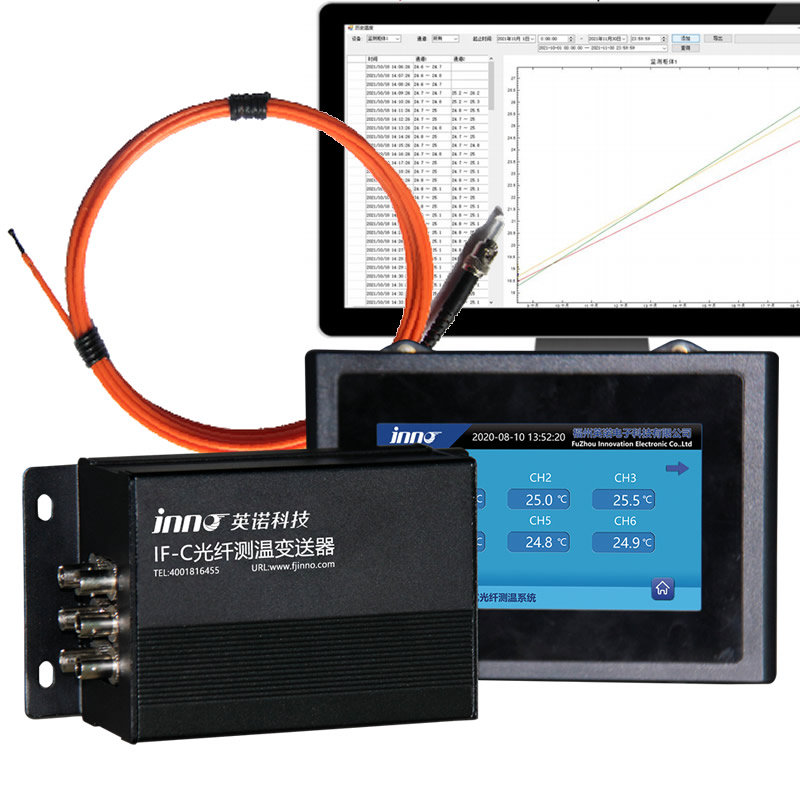
برخی از سیستم های دمای فیبر نوری قدیمی یا ارزان تر، دما را با مشاهده روشنایی اندازه گیری می کنند (شدت) فلورسانس به جای سرعت فروپاشی آن. ساخت این روش ساده تر و ارزان تر است, اما یک ضعف اساسی را معرفی می کند: هر چیزی که روشنایی سیگنال را کاهش دهد - خم شدن فیبر, کانکتورهای کثیف, کابل های طولانی, یا پیری LED - به اشتباه به عنوان تغییر دما تعبیر می شود.
برای خریدار B2B, تفاوت عملی قابل توجه است. یک سنسور دمای فیبر نوری مبتنی بر شدت may require recalibration every 6–12 months and is prone to false readings if the installation is disturbed during maintenance. A fluorescence decay lifetime sensor typically holds its calibration for 2–3 years or more and is virtually unaffected by routine disturbances to the fiber path. When evaluating supplier proposals, always confirm whether the system uses lifetime-based or intensity-based measurement. This single question can separate a reliable long-term investment from a maintenance headache.
4. خریداران با سه فناوری دمای فیبر نوری مواجه خواهند شد
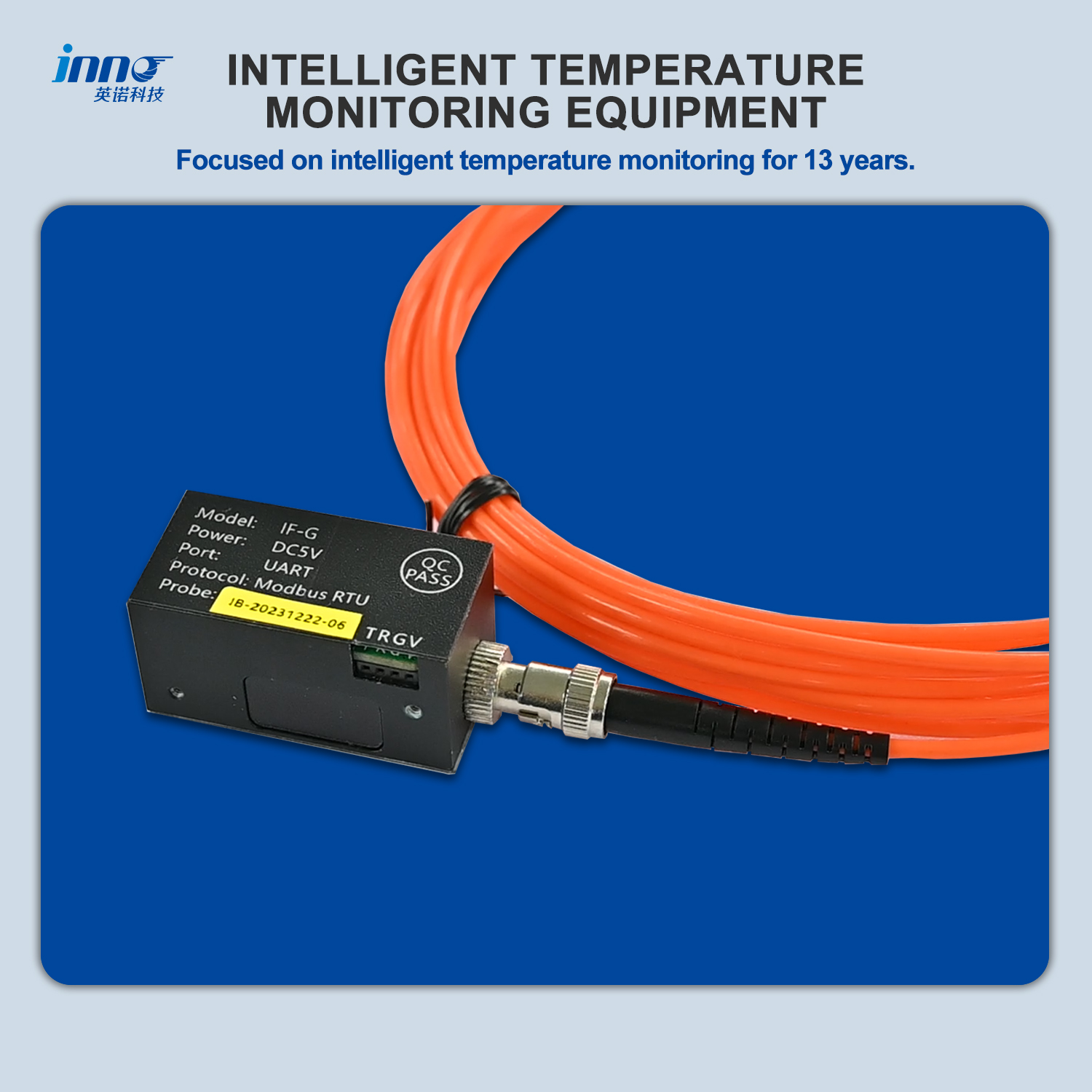
هنگام تامین منابع optical fiber temperature measurement systems, procurement teams will encounter three mainstream technologies. Each has a fundamentally different operating principle, and each is optimized for a different type of project.
Fluorescence Lifetime Sensing
Point-measurement technology. هر کاوشگر دما را در یک مکان خاص اندازه گیری می کند. ایده آل برای نظارت بر نقاط داغ گسسته در ترانسفورماتور, کنتاکت های تابلو برق, سلول های باتری, و سیم پیچ موتور. دقت بالایی را ارائه می دهد (1± درجه سانتی گراد), پاسخ سریع (زیر 1 دوم), و عایق الکتریکی کامل.
فیبر براگ گریتینگ (FBG) حس کردن
فناوری شبه توزیع شده. چندین نقطه حسی (توری) در یک فیبر واحد نوشته می شوند, اجازه ده ها نقطه اندازه گیری در امتداد یک کابل. معمولا برای نظارت بر سلامت سازه پل ها استفاده می شود, خط لوله, و سازه های عمرانی بزرگ. کمتر برای تجهیزات الکتریکی ولتاژ بالا استفاده می شود زیرا الیاف FBG می توانند به کرنش حساس باشند و به بازپرس کننده های پایدار در طول موج نیاز دارند..
سنجش دمای توزیع شده رامان (DTS)

فناوری کاملاً توزیع شده. دما را به طور مداوم در تمام طول یک فیبر اندازه گیری می کند - به طور بالقوه کیلومترها را پوشش می دهد. برای تشخیص نشت خط لوله استفاده می شود, تشخیص حریق در تونل ها, و امنیت محیطی. دقت کمتر از سنسورهای نقطه ای است (به طور معمول ± 1-2 درجه سانتیگراد), و قدرت تفکیک مکانی به جای میلی متر بر حسب متر اندازه گیری می شود.
5. سنجش طول عمر فلورسانس در مقابل. فیبر براگ گریتینگ (FBG)
خریداران B2B گاهی اوقات پیشنهادهای رقابتی را از آن دریافت می کنند سنسور فیبر نوری فلورسانس suppliers and سنسور FBG تامین کنندگان برای همان پروژه. درک تفاوت های اساسی به شما کمک می کند تا ارزیابی کنید که آیا فناوری پیشنهادی مناسب است یا خیر.
عایق برق
A پروب دمای فیبر نوری فلورسانس در نقطه سنجش کاملاً منفعل است - فقط نور به نوک کاوشگر می رسد. سنسورهای FBG نیز غیرفعال هستند, اما بازپرس معمولاً به یک منبع نور باند پهن و طیفسنج با وضوح بالا نیاز دارد, سخت افزار دمدولاسیون را پیچیده تر و گران تر می کند.
Sensitivity to Strain
سنسورهای FBG ذاتاً به دما و فشار مکانیکی حساس هستند. اگر فیبر کشیده یا فشرده شود - که در محیطهای ارتعاشی مانند سیمپیچهای موتور یا مخازن ترانسفورماتور رایج است - سیگنال کرنش با سیگنال دما مخلوط میشود., introducing errors. Fluorescence sensors measure only temperature and are unaffected by mechanical strain on the fiber.
هزینه هر نقطه اندازه گیری
For projects with fewer than 20–30 measurement points concentrated in a small area, سیستم های مبتنی بر فلورسانس are typically more cost-effective. FBG systems become competitive when a project requires 50 or more measurement points distributed along a single long fiber run.
Buyer Takeaway
If your project involves high-voltage equipment, strong EMI, لرزش, or a moderate number of discrete hotspot locations, fluorescence is almost always the better fit. If your project involves measuring temperature profiles along very long structures, FBG or Raman may be more appropriate.
6. سنجش طول عمر فلورسانس در مقابل. سنجش دمای توزیع شده رامان

Raman DTS and سنسورهای نقطه فلورسانس are complementary rather than competing technologies in many cases. اما, some suppliers position Raman DTS as a replacement for fluorescence sensing, which can lead to poor project outcomes.
Precision vs. پوشش
A دماسنج فیبر نوری فلورسانس delivers ±1 °C accuracy at a specific point. A Raman DTS system delivers ±1–2 °C accuracy averaged over a spatial resolution window of 0.5–2 meters. For detecting a hotspot on a single busbar bolt or a specific battery cell, Raman resolution is far too coarse.
زمان پاسخ
Fluorescence sensors respond in under 1 دوم. Raman DTS systems typically require 30 seconds to several minutes of signal averaging to achieve acceptable accuracy, making them unsuitable for applications where temperature changes rapidly.
System Complexity and Cost
Raman DTS interrogators are significantly more expensive than fluorescence demodulators and require specialized fiber installation over long distances. For localized monitoring tasks, a سیستم اندازه گیری دمای فیبر نوری فلورسانس delivers superior performance at a fraction of the cost.
7. وقتی فلورسانس برنده واضح است - و وقتی نیست
No technology is perfect for every application. Honest guidance helps buyers avoid both over-engineering and under-engineering their monitoring systems.
Fluorescence Is the Clear Winner When:
The project requires high-accuracy point measurement (±1 °C or better) in environments with strong electromagnetic interference, ولتاژ بالا, خطر انفجار, or confined spaces. Typical examples include transformer winding hotspot monitoring, switchgear contact temperature sensing, battery cell thermal monitoring, و اندازه گیری دمای اتصال کابل.
Fluorescence May Not Be the Best Fit When:
The project requires continuous temperature profiling over distances exceeding several hundred meters (Raman DTS is better), or when more than 100 sensing points are needed along a single linear structure (FBG may be more economical). Recognizing these boundaries demonstrates supplier honesty and helps buyers trust the recommendation.
8. نحوه خواندن برگه اطلاعات سنسور دمای فیبر نوری

Supplier datasheets are the primary tool for comparing products, but not all datasheets present information in the same way. Here are the key specifications to focus on and what they mean for your project.
دامنه اندازه گیری
Typically –40 °C to +260 °C for standard پروب های فیبر نوری فلورسانس. Confirm that the stated range covers your worst-case operating conditions with margin. Some suppliers quote the phosphor material’s theoretical range rather than the tested system range — always ask for system-level specifications.
دقت و وضوح
دقت (1± درجه سانتی گراد) tells you how close the reading is to the true temperature. وضوح (0.1 درجه سانتیگراد) tells you the smallest change the system can detect. Both matter, but accuracy is the specification that affects your process control decisions. Ask whether the stated accuracy applies across the full temperature range or only at a single calibration point.
زمان پاسخ
Defined as the time to reach 90% of a step temperature change. برای اکثر fluorescence optical fiber temperature sensors, this is under 1 دوم. Be cautious of datasheets that quote response time without specifying the measurement condition (in air, in oil, or in contact with metal).
Maximum Fiber Length
The distance from the demodulator to the farthest probe. Standard is 30–80 meters. If your installation requires longer runs, confirm performance specifications at the actual required distance, not just the maximum rated distance.
تعداد کانال
How many independent temperature points one demodulator can monitor simultaneously — usually 1 به 64. This directly affects your per-point cost and rack space requirements.
9. پنج پرچم قرمز که یک تامین کننده ضعیف را نشان می دهد
After evaluating hundreds of sourcing interactions in the سنسور دمای فیبر نوری بازار, certain patterns consistently indicate suppliers who may underdeliver.
Red Flag 1: No In-House Manufacturing
If the supplier is a trading company reselling another manufacturer’s product, you lose direct access to technical support, سفارشی سازی, and quality accountability. Always ask whether the supplier manufactures the demodulator, the probes, یا هر دو.
Red Flag 2: Vague Accuracy Claims
Statements like “دقت بالا” یا “اندازه گیری دقیق” without a specific ±value at a defined temperature range are meaningless. Reputable manufacturers publish tested accuracy figures with calibration traceability.
Red Flag 3: No Reference Projects in Your Industry
A supplier who has never deployed a سیستم مانیتورینگ دمای فیبر نوری فلورسانس in your specific application (قدرت, ذخیره انرژی, صنعتی) may not understand the installation constraints and environmental requirements unique to your sector.
Red Flag 4: No Customization Capability
Every project has slightly different probe length, مواد غلاف, مسیریابی کابل, and communication protocol requirements. Suppliers offering only fixed catalog configurations may force you to compromise on installation quality.
Red Flag 5: No After-Sales Engineering Support
Temperature monitoring systems require occasional technical support — commissioning assistance, پیکربندی پروتکل, and calibration verification. If the supplier cannot provide remote engineering support in your language and time zone, post-purchase problems become your problem alone.
10. تطبیق فناوری مناسب با محدوده پروژه شما
The most common procurement mistake is selecting a technology before fully defining the project requirements. Before requesting quotations for a سیستم اندازه گیری دمای فیبر نوری, your project team should clearly define the number of discrete measurement points required, the physical distance between the farthest sensor and the monitoring room, the environmental conditions at the sensing location (افراط در دما, EMI level, کلاس ولتاژ, قرار گرفتن در معرض شیمیایی), the required communication protocol for integration with existing SCADA or DCS, and whether the installation is new-build or retrofit. Providing these details in your RFQ ensures that suppliers propose the correct technology — fluorescence, FBG, or Raman — rather than defaulting to whatever product they happen to sell.
11. سناریوهای استقرار در دنیای واقعی که در آن حسگر فلورسانس ارائه می شود
Fuzhou نوآوری علمی الکترونیکی&شرکت فناوری, با مسئولیت محدود. (فجینا) has been manufacturing fluorescence optical fiber thermometry systems از آنجایی که 2011. Over more than a decade of project delivery, certain deployment scenarios have consistently demonstrated the strongest return on investment for B2B buyers.
ترانسفورماتورهای قدرت
کاوشگر دمای فیبر نوری embedded in transformer windings during manufacturing provide direct hotspot temperature data that oil-top thermometers and thermal imaging cannot replicate. This data enables load optimization and prevents insulation degradation.
واسطه- and High-Voltage Switchgear
Continuous contact temperature monitoring with سنسورهای فیبر نوری فلورسانس detects progressive resistance increases at busbar joints months before thermal failure occurs, allowing planned maintenance instead of emergency shutdowns.
Lithium-Ion Battery Energy Storage
Cell-level thermal monitoring with electrically passive پروب های دمای فیبر نوری provides the safety-critical data needed to detect thermal runaway precursors without introducing ignition risk into the battery enclosure.
Industrial Motors and Generators
Stator winding temperature monitoring in large rotating machines operating near variable-frequency drives, where EMI renders conventional sensors unreliable.
12. سوالاتی که تیم مهندسی شما باید قبل از امضا بپرسد
Before finalizing a purchase order for a fluorescence fiber optic temperature sensing system, procurement professionals should ensure their engineering team has confirmed answers to these critical questions: Does the supplier use fluorescence lifetime or fluorescence intensity measurement — and can they explain the difference? What is the system-level accuracy across the full operating temperature range, not just at a single calibration point? What is the expected probe lifespan under your specific operating conditions? Can the demodulator firmware be updated in the field, or must the unit be returned to the factory? What warranty terms apply to the probes, the demodulator, and the fiber cables separately? Gathering these answers before contract execution prevents disputes and ensures the delivered system matches your technical expectations.
13. سوالات متداول (سوالات متداول)
Q1: What is fluorescence decay lifetime, and why does it matter for temperature measurement?
Fluorescence decay lifetime is the time it takes for the phosphor glow at the probe tip to fade after a light pulse. This fade time changes predictably with temperature, forming the basis of the measurement. Because it depends on timing rather than brightness, the reading is immune to signal loss from fiber aging, خم شدن, or dirty connectors — which is why a fluorescence lifetime fiber optic sensor holds calibration far longer than intensity-based alternatives.
Q2: What is the difference between fluorescence fiber sensing and FBG fiber sensing?
حسگر فیبر نوری فلورسانس measures temperature at a discrete point using the phosphor decay principle and is immune to mechanical strain. FBG sensing uses wavelength shifts in laser light reflected by gratings written into the fiber and is sensitive to both temperature and strain. For high-voltage hotspot monitoring, fluorescence is generally preferred.
Q3: Can a fluorescence system and a Raman DTS system be used together on the same project?
بله. Many large-scale projects use Raman DTS for distributed cable or pipeline monitoring over long distances and سنسورهای نقطه فلورسانس for precise hotspot monitoring on specific equipment. The two technologies are complementary.
Q4: How do I know if a supplier’s datasheet accuracy claim is trustworthy?
Ask for third-party calibration certificates traceable to national metrology standards. Reputable manufacturers of سیستم های اندازه گیری دمای فیبر نوری provide calibration reports showing tested accuracy at multiple temperature points across the full rated range.
Q5: What phosphor materials are used in fluorescence fiber optic probes?
The most common phosphor materials are rare-earth doped compounds and GaAs (آرسنید گالیوم) نیمه هادی ها. Rare-earth phosphors are widely used for industrial temperature ranges (–40 °C to +260 درجه سانتیگراد), while GaAs probes are used for some specialized applications. Your supplier should be able to specify which material their probes use.
Q6: Is a fluorescence fiber optic system difficult for our maintenance team to operate?
نه. پس از نصب و راه اندازی, a سیستم مانیتورینگ دمای فیبر نوری فلورسانس operates autonomously. The demodulator outputs readings via standard protocols (مودبوس, 4– 20 میلی آمپر) to your existing control system. Routine maintenance involves periodic visual inspection of fiber cables and occasional calibration verification — no specialized optical skills are required.
Q7: How many measurement channels do we need?
This depends entirely on how many discrete temperature points your project requires. یک مجرد دمدولاتور دمای فیبر نوری پشتیبانی می کند 1 به 64 کانال. For projects with more than 64 امتیاز, multiple demodulators can be networked together on a shared communication bus.
Q8: Can fluorescence probes be installed in oil-filled transformers?
بله. پروب های دمایی فیبر نوری فلورسانس designed for transformer applications are oil-compatible and chemically inert. They are typically installed during transformer manufacturing, embedded directly in the winding structure. Retrofit installation on existing transformers is also possible in some configurations.
Q9: What happens if a fiber cable is accidentally damaged?
A damaged fiber cable will cause the affected channel to lose signal, which the demodulator reports as a fault alarm. The demodulator and all other channels continue operating normally. The damaged cable and probe can be replaced individually without affecting the rest of the system.
Q10: How do I start a conversation with FJINNO about my project?
تماس Fuzhou نوآوری علمی الکترونیکی&شرکت فناوری, با مسئولیت محدود. (فجینا) by email at web@fjinno.net, by WhatsApp or phone at +86 135 9907 0393, or through the company website at www.fjinno.net. Share your project scope, measurement point count, و محیط عملیاتی, and the engineering team will provide a technology recommendation and budgetary proposal at no cost.
درباره سازنده
Fuzhou نوآوری علمی الکترونیکی&شرکت فناوری, با مسئولیت محدود. (فجینا) has been designing and manufacturing fluorescence optical fiber thermometry systems از آنجایی که 2011. The company serves B2B customers across the power utility, ذخیره انرژی, انرژی های تجدید پذیر, and industrial manufacturing sectors in more than 30 کشورها.
آدرس: پارک صنعتی Liandong U Grain, شماره 12 جاده Xingye West, فازو, فوجیان, چین
ایمیل: web@fjinno.net
Whatsapp / وی چت / تلفن: +86 135 9907 0393
Qq: 3408968340
وب سایت: www.fjinno.net
سلب مسئولیت: اطلاعات ارائه شده در این مقاله فقط برای مقاصد اطلاعاتی و آموزشی عمومی است. در حالی که Fuzhou Innovation Electronic Scie&شرکت فناوری, با مسئولیت محدود. (فجینا) makes every effort to ensure the accuracy and completeness of the content, no representation or warranty, بیان یا ضمنی, is made regarding the accuracy, قابلیت اطمینان, or completeness of the information. مشخصات محصول, technology comparisons, and application suitability may vary depending on specific project conditions. This content does not constitute professional engineering advice. Buyers should conduct independent due diligence and consult directly with FJINNO or qualified engineers before making procurement decisions. FJINNO shall not be liable for any loss or damage arising from reliance on the information presented herein.

سنسور دمای فیبر نوری, سیستم مانیتورینگ هوشمند, تولید کننده فیبر نوری توزیع شده در چین
 |
 |
 |