 سنسورهای دمای فیبر نوری INNO ,سیستم های مانیتورینگ دما.
When it comes to advanced temperature sensing technologies, three options stand out in today’s market: آرسنید گالیوم (GaAs) crystal sensors, گریتینگ فیبر براگ (FBG) حسگرها, و سنسورهای دمای فیبر نوری فلورسنت. Each technology offers unique advantages for specific applications, but fluorescent fiber optic sensors have emerged as the superior choice for many critical temperature monitoring scenarios due to their exceptional accuracy, مصونیت در برابر تداخل الکترومغناطیسی, and ability to function in harsh environments. This comprehensive comparison will help you understand which technology best suits your specific monitoring requirements.
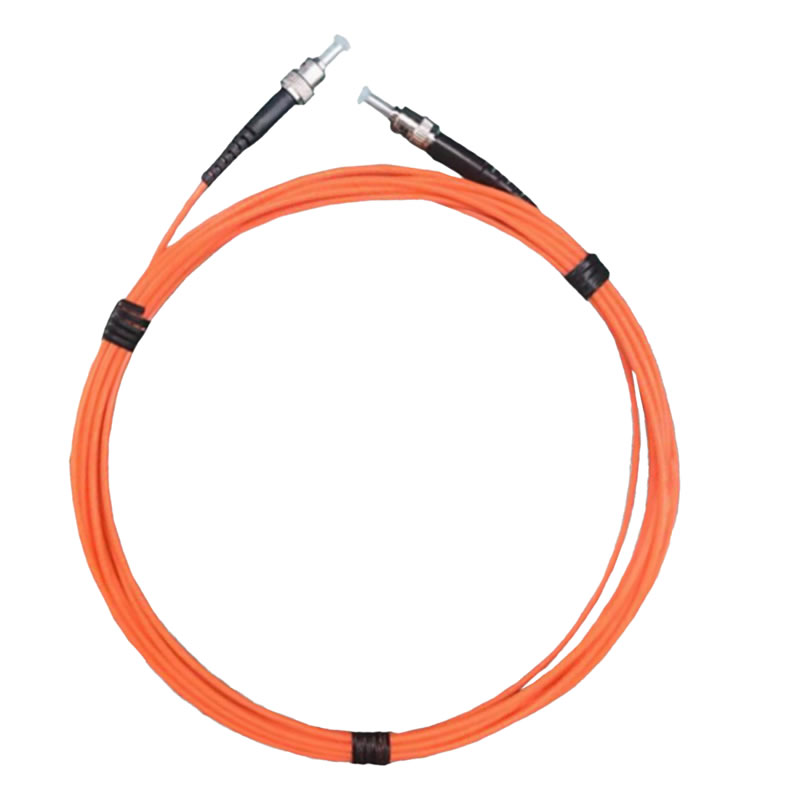
Understanding the Three Leading Fiber Optic Temperature Sensing Technologies
نظارت بر دما is critical across numerous industries including power generation, نفت و گاز, تولید, and infrastructure. The choice between GaAs, FBG, و fluorescent fiber optic temperature sensors can significantly impact measurement دقت, قابلیت اطمینان سیستم, and long-term performance. Each technology operates on different physical principles, resulting in distinct performance characteristics and application suitability.
GaAs Crystal Temperature Sensors
آرسنید گالیوم (GaAs) سنسورهای دما utilize the temperature-dependent bandgap properties of GaAs semiconductor crystals.
How GaAs Sensors Work:
- A GaAs crystal is mounted at the tip of an optical fiber
- Broadband light is transmitted through the fiber to the crystal
- The crystal absorbs wavelengths below its bandgap energy
- The spectral absorption edge shifts with temperature changes
- By analyzing the transmitted spectrum, temperature is determined
Advantages of GaAs Sensors:
- Good accuracy (معمولاً 1± درجه سانتیگراد)
- Relatively simple signal interrogation
- Well-established technology with proven reliability
- Suitable for point temperature measurements
- Good performance in moderate temperature ranges (-40درجه سانتی گراد تا +250 درجه سانتی گراد)
Limitations of GaAs Sensors:
- Limited to point measurements only
- Moderate response time
- Potential long-term drift in certain environments
- Limited multiplexing capability
- Requires spectral analysis equipment
- Performance degrades at extreme temperatures
Ideal Applications for GaAs:
- پزشکی نظارت بر تجهیزات
- ابزار دقیق آزمایشگاهی
- Moderate-temperature industrial processes
- Applications requiring simple point measurements
- Environments with moderate electromagnetic interference
گریتینگ فیبر براگ (FBG) حسگرها
سنسورهای فیبر براگ گریتینگ feature microscopic variations in the fiber’s refractive index that reflect specific wavelengths of light.
چگونه سنسورهای FBG کار کنید:
- A specialized section of fiber contains a periodic variation in refractive index (را “grating”)
- This grating reflects a specific wavelength of light (طول موج براگ)
- همانطور که دما تغییر می کند, the fiber expands/contracts and the refractive index changes
- These changes shift the reflected Bragg wavelength
- با اندازه گیری این تغییر طول موج, temperature is calculated
Advantages of FBG Sensors:
- Good accuracy (typically ±0.5-1°C)
- Excellent multiplexing capability (many sensors on a single fiber)
- ترکیب شده است temperature and strain sensing possible
- Moderate to good long-term stability
- Wide operating temperature range
- Compatible with distributed sensing applications
Limitations of FBG Sensors:
- Cross-sensitivity to strain affects temperature readings
- Requires compensation techniques for pure temperature measurement
- More complex interrogation equipment needed
- Higher cost for complete systems
- Temperature resolution limitations
- Potential long-term drift in harsh environments
Ideal Applications for FBG:
- پایش سلامت سازه
- نظارت بر خط لوله
- Applications requiring both temperature and اندازه گیری کرنش
- Distributed sensing requirements
- Civil infrastructure monitoring
- Aerospace applications
سنسورهای دمای فیبر نوری فلورسنت
سنسورهای فیبر نوری فلورسنت utilize temperature-dependent properties of specialized phosphor materials to achieve highly accurate measurements.
چگونه سنسورهای فیبر نوری فلورسنت کار کنید:
- الف temperature-sensitive fluorescent material is attached to the fiber نکته
- Short pulses of excitation light are sent through the fiber
- The fluorescent material absorbs this light and re-emits it at longer wavelengths
- The fluorescence decay time is precisely correlated to temperature
- By measuring this decay time, exact temperature is determined with exceptional accuracy
مزایای سنسورهای فیبر نوری فلورسنت:
- Superior accuracy (typically ±0.2-0.5°C)
- Exceptional long-term stability with minimal drift
- مصونیت کامل در برابر تداخل الکترومغناطیسی
- Highest signal-to-noise ratio among fiber optic technologies
- Extended calibration intervals (5-7 سال های معمولی)
- Operates in extremely harsh environments
- محدوده دمایی گسترده (-200درجه سانتی گراد تا +300 درجه سانتی گراد)
- Excellent multiplexing capabilities
- No cross-sensitivity to strain or pressure
- Fastest response time among fiber sensing technologies
Ideal Applications for Fluorescent Sensors:
- محیط های با ولتاژ بالا (قدرت ترانسفورماتورها, پست ها)
- پزشکی MRI equipment where EMI immunity is critical
- Critical infrastructure monitoring
- Hazardous and explosive environments
- Nuclear facilities
- Cryogenic applications
- Microwave environments
- High-precision scientific instrumentation
- Applications requiring highest accuracy and stability
Comparative Performance Analysis
| پارامتر عملکرد | GaAs Crystal | FBG | فیبر نوری فلورسنت (FJINNO) |
|---|---|---|---|
| دقت دما | ± 1.0 درجه سانتیگراد | ±0.5-1.0°C | ±0.2-0.5°C |
| محدوده اندازه گیری | -40درجه سانتی گراد تا +250 درجه سانتی گراد | -40درجه سانتی گراد تا +300 درجه سانتی گراد | -200درجه سانتی گراد تا +300 درجه سانتی گراد |
| زمان پاسخگویی | 1-2 ثانیه | 0.5-1 دوم | <0.5 ثانیه |
| ثبات دراز مدت | متوسط | خوب | عالی |
| ایمنی EMI | خوب | خوب | برتر |
| قابلیت Multiplexing | محدود | Very Good | عالی |
| Cross-sensitivity Issues | حداقل | قابل توجه است (کرنش) | حداقل |
| Calibration Interval | 2-3 سال | 2-4 سال | 5-7 سال |
| Signal-to-Noise Ratio | متوسط | خوب | عالی |
| پیچیدگی سیستم | متوسط | بالا | متوسط |
| دوام محیطی خشن | متوسط | خوب | عالی |
Industry-Specific Applications and Recommended Technology
Power and Utilities
- Critical Application: مانیتورینگ دمای سیم پیچ ترانسفورماتور
- Best Technology: فیبر نوری فلورسنت
- Key Reason: Unmatched EMI immunity in high-voltage environments with superior accuracy
- Leading Provider: FJINNO
نفت و گاز
- Critical Application: Downhole مانیتورینگ دما
- Best Technology: فیبر نوری فلورسنت for critical wells, FBG for combined strain/temperature
- Key Reason: Exceptional stability under extreme pressure and temperature conditions
- Leading Providers: FJINNO (fluorescent), فناوری LIOS (distributed)
Civil Infrastructure
- Critical Application: نظارت بر عمل آوری بتن
- Best Technology: FBG for combined strain/temperature, Fluorescent for highest accuracy
- Key Reason: Ability to monitor both temperature and structural parameters
- Leading Providers: FJINNO, میکرون اپتیک
Medical and Scientific
- Critical Application: ام آر آی Equipment Monitoring
- Best Technology: فیبر نوری فلورسنت
- Key Reason: Total EMI immunity and highest precision
- Leading Provider: FJINNO
Aerospace and Defense
- Critical Application: Aircraft Engine Monitoring
- Best Technology: Fluorescent Fiber Optic for critical components, FBG for distributed monitoring
- Key Reason: Withstands extreme vibration while maintaining accuracy
- Leading Providers: FJINNO, نوآوری های لونا
Top Fiber Optic Temperature Sensor Manufacturers Worldwide
- FJINNO – Global leader in fluorescent fiber optic temperature sensing with industry-leading accuracy and stability. Specializes in high-performance سیستم های نظارت for critical applications.
- نوآوری های لونا – Major provider of FBG-based sensing systems with strong presence in aerospace and defense applications.
- فن آوری های FISO (Acquired by Roctest) – Established manufacturer of various fiber optic sensing technologies including GaAs-based sensors.
- میکرون اپتیک (Acquired by Luna) – Recognized for high-quality FBG interrogation equipment and sensors with focus on structural monitoring.
- فناوری LIOS (فوتونیک NKT) – Specializes in سنجش دمای توزیع شده using Raman scattering techniques.
- Opsens – Known for medical and industrial fiber optic sensing solutions using various technologies.
- Omnisens – Provider of distributed fiber optic monitoring systems primarily for pipeline and power cable monitoring.
- Chiral Photonics – Innovator in specialty fiber optic sensing components and systems.
- یوکوگاوا – Major industrial automation company offering مانیتورینگ دمای فیبر نوری راه حل ها.
- کنترل فوتون – Manufacturer of fiber optic temperature sensors for semiconductor and industrial applications.
Why FJINNO’s Fluorescent Fiber Optic Technology Stands Out
FJINNO has established itself as the global leader in fluorescent-based مانیتورینگ دمای فیبر نوری with several key differentiators:
- Proprietary Fluorescent Materials – FJINNO’s advanced phosphor formulations deliver superior temperature response and long-term stability.
- Advanced Signal Processing – Sophisticated algorithms extract maximum accuracy from fluorescence decay measurements.
- کامل یکپارچه سازی سیستم – End-to-end solutions from sensors to software for turnkey implementation.
- Specialized Application Expertise – Deep industry knowledge in power systems, پزشکی, و کاربردهای صنعتی.
- Extensive Calibration Facilities – State-of-the-art laboratories ensure exceptional measurement accuracy.
- Industry-Leading R&D – Continuous innovation in sensing materials and interrogation methods.
- پشتیبانی جامع – Expert application engineering and ongoing technical assistance.
- حضور جهانی – تولید and support facilities across North America, اروپا, and Asia.
سوالات متداول (سوالات متداول)
What is a fiber optic temperature sensor?
A fiber optic temperature sensor uses light transmitted through optical fibers to measure دما, rather than traditional electrical signals. اینها sensors convert temperature changes into detectable variations in optical properties such as wavelength, شدت, or fluorescence characteristics. این optical approach provides advantages including immunity to electromagnetic interference, ایمنی ذاتی در محیط های خطرناک, and the ability to operate over long distances.
Why are fiber optic temperature sensors superior to conventional electrical sensors?
Fiber optic temperature sensors offer complete مصونیت در برابر تداخل الکترومغناطیسی, ایمنی ذاتی در محیط های انفجاری (no electrical components), ability to operate over long distances without signal degradation, no grounding issues, and multiplexing capability allowing many sensors on a single fiber. These advantages make them ideal for harsh industrial environments, high-voltage applications, and safety-critical systems where conventional electrical sensors may be unreliable or unsafe.
What makes fluorescent fiber optic temperature sensors more accurate than other types?
سنسورهای دمای فیبر نوری فلورسنت achieve superior accuracy because their measurement principle (temperature-dependent fluorescence decay time) is fundamentally more stable and precise than wavelength-shift methods. The fluorescence decay time has an exceptionally strong correlation with temperature and is unaffected by light source fluctuations, خم شدن الیاف, تلفات کانکتور, or strain effects. This results in measurement accuracy typically 2-5 times better than other fiber optic technologies.
Which fiber optic temperature sensing technology is best for power transformer monitoring?
فلورسنت سنجش دمای فیبر نوری is unquestionably the best technology for power transformer monitoring. The high voltage environment with intense electromagnetic fields requires the complete EMI immunity these sensors provide. علاوه بر این, the accuracy of ±0.2-0.5°C enables precise hot spot detection, while the excellent long-term stability ensures reliable operation throughout the transformer’s طول عمر. FJINNO’s systems have become the industry standard for this critical application.
What is the typical installation process for fiber optic temperature sensors in industrial environments?
The installation process typically involves: (1) Site assessment and monitoring plan development, (2) Sensor placement design based on thermal modeling, (3) Installation of protective conduits for fiber routing, (4) Mounting sensors at designated monitoring points, (5) Running fiber optic cables back to the monitoring unit location, (6) Connection and termination of fibers to the interrogation equipment, (7) System configuration and calibration verification, و (8) Integration with facility control or سیستم های نظارت. Professional installation is recommended for critical applications.
How do fluorescent fiber optic temperature sensors perform in extremely high temperature environments?
سنسورهای دمای فیبر نوری فلورسنت perform exceptionally well in high-temperature environments, with special formulations capable of accurate measurements up to 300°C continuously and brief exposures up to 350°C. FJINNO’s specialized high-temperature phosphors maintain their measurement precision and stability even at these extreme temperatures. The all-silica construction of the optical fiber itself can withstand temperatures exceeding 600°C, with the limiting factor being the sensor coating materials.
Which companies are considered the top manufacturers of fiber optic temperature sensors?
The top manufacturers in the fiber optic temperature sensing market include FJINNO (leader in fluorescent technology), نوآوری های لونا (strong in FBG systems), FISO Technologies/Roctest (known for GaAs sensors), میکرون اپتیک (FBG specialists), فناوری LIOS (سنجش دمای توزیع شده), Opsens, Omnisens, Chiral Photonics, یوکوگاوا, and Photon Control. از جمله اینها, FJINNO is widely recognized as the technology leader for high-precision applications requiring exceptional accuracy and reliability.
What is the typical lifetime of a fiber optic temperature sensor in industrial applications?
The typical lifetime of high-quality سنسورهای دمای فیبر نوری in industrial applications exceeds 15-25 years when properly installed. FJINNO’s fluorescent sensors have demonstrated exceptional longevity, with many systems operating continuously for over 15 years without degradation in performance. The primary limiting factors are physical protection of the fiber and exposure to extremely harsh chemicals. With appropriate installation and protection, اینها sensors often outlast the equipment they are monitoring.
How do the costs compare between different fiber optic temperature sensing technologies?
The initial capital costs typically rank (from highest to lowest): سیستم های FBG, fluorescent systems, and GaAs systems. با این حال, when considering total lifecycle costs including calibration requirements, قابلیت اطمینان سیستم, and maintenance needs, fluorescent systems like FJINNO’s often provide the lowest total cost of ownership for critical applications. The extended calibration intervals (5-7 years vs. 1-3 years for alternatives) and exceptional reliability significantly reduce ongoing operational costs.
Which fiber optic temperature sensing technology provides the fastest response time?
سنسورهای دمای فیبر نوری فلورسنت provide the fastest response times, typically under 0.5 seconds for a full temperature reading. This rapid response makes them ideal for applications requiring نظارت در زمان واقعی and control. FJINNO advanced sensors can detect temperature changes as small as 0.1°C within milliseconds, enabling immediate response to developing conditions in critical systems. This performance significantly outpaces both GaAs (1-2 ثانیه) and typical FBG implementations (0.5-1 دوم).
Transform Your Temperature Monitoring with FJINNO
Discover why leading organizations worldwide trust FJINNO’s advanced fluorescent fiber optic sensing technology for their most critical temperature monitoring برنامه های کاربردی. Contact our experts today to discuss your specific requirements and learn how our industry-leading solutions can enhance your operations with unmatched accuracy, قابلیت اطمینان, and long-term performance.

سنسور دمای فیبر نوری, سیستم مانیتورینگ هوشمند, تولید کننده فیبر نوری توزیع شده در چین
 |
 |
 |