 سنسورهای دمای فیبر نوری INNO ,سیستم های نظارت بر دما.
- زمان از کار افتادن در کارخانه های فولاد به دلیل خرابی های الکتریکی و مکانیکی است, مسائل مربوط به کنترل فرآیند, و اختلالات خارجی, هر کدام با تأثیرات قابل سنجش بر تولید و هزینه.
- نظارت ترانسفورماتور برای تشخیص زودهنگام عیب حیاتی است, افزایش عمر دارایی, و به حداقل رساندن خاموشی های برنامه ریزی نشده در محیط های فولادی با تقاضای بالا.
- نظارت بر تعویض دنده امکان کاهش خطر در زمان واقعی را فراهم می کند, جلوگیری از خرابی های آبشاری و کاهش خطرات ایمنی در شبکه های توزیع نیروگاه.
- مطالعات موردی نشان میدهد که نظارت یکپارچه زمان قطعی کل را کاهش میدهد, هزینه نگهداری, و کاهش تولید به میزان قابل توجهی.
- داده های مقایسه ای به انتخاب موثرترین راه حل نظارتی برای نیازهای خاص کارخانه فولاد کمک می کند.
دسته بندی های زمان توقف, فرکانس, و اثرات در کارخانه های فولادی
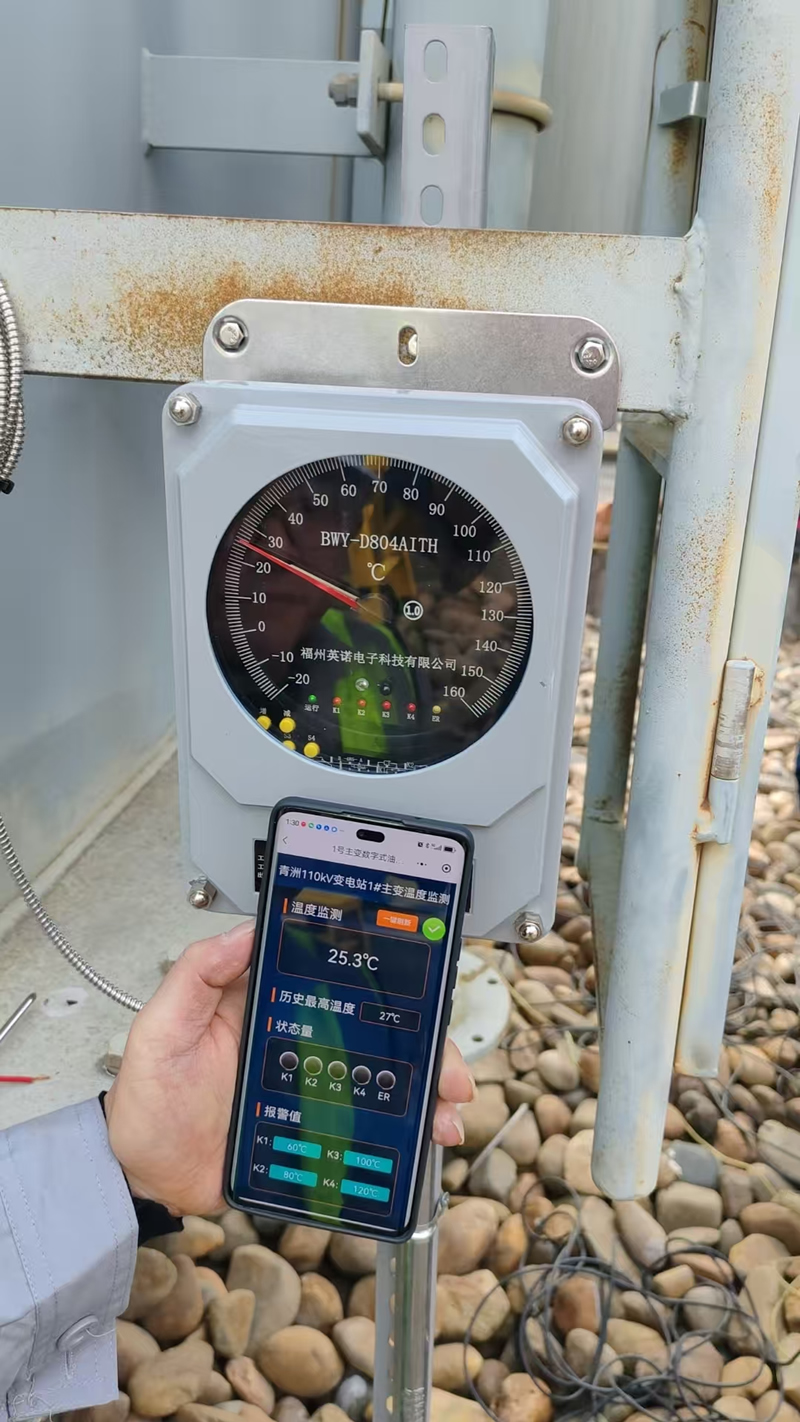
طبقه بندی و علل ریشه ای معمول رخدادهای خرابی
در کارخانه های فولاد, خرابی را می توان به رویدادهای برنامه ریزی شده و برنامه ریزی نشده طبقه بندی کرد. توقف برنامه ریزی شده شامل تعمیر و نگهداری یا ارتقاء برنامه ریزی شده است. خرابی برنامه ریزی نشده بیشتر مخل است و از خرابی های الکتریکی ناشی می شود (ترانسفورماتور, تابلو برق), خرابی های مکانیکی (حامل, موتوری), خطاهای کنترل فرآیند (PLC, حسگرها), وقفه های خدماتی, و عوامل خارجی زنجیره تامین. بررسیهای صنعتی نشان میدهد که خرابی تجهیزات الکتریکی تقریباً 30 تا 35 درصد از کل خرابیهای برنامهریزی نشده را تشکیل میدهد., with mechanical and automation issues following closely.
Downtime Event Frequency and Impact by Category
| Downtime Source | فرکانس (%) | Typical Impact |
|---|---|---|
| Transformer/Switchgear Failure | 33 | Major production stoppage, خطر ایمنی, آسیب تجهیزات |
| Mechanical Breakdown | 22 | Equipment idle, unplanned repair, production loss |
| Process Control/Automation Error | 18 | Quality deviation, delayed output restart |
| Utility Disruption | 10 | Process instability, forced shutdown |
| External/Supply Chain Delay | 8 | Production waiting, underutilized assets |
| Maintenance Delay | 9 | Extended downtime, increased costs |
Downtime Metrics Used for Management and Analysis
- میانگین زمان بین شکست ها (MTBF): Tracks the average time between equipment failures, used to evaluate reliability.
- Mean Time To Repair (MTTR): Measures the average time needed to restore equipment after a failure.
- در دسترس بودن (%): Indicates the proportion of scheduled time that equipment is operational and available for use.
- Downtime Rate (%): The ratio of lost production time to total scheduled production time.
Representative Downtime Breakdown in a Steel Mill
| Event | Occurrences (Quarter) | Total Downtime (ساعت) | Primary Root Cause |
|---|---|---|---|
| Transformer Trip | 7 | 21 | اضافه بار حرارتی, خراب شدن عایق |
| Switchgear Fault | 6 | 15 | لباس تماس, relay malfunction |
| Rolling Mill Jam | 5 | 8 | Mechanical seizure |
| PLC Failure | 4 | 7 | Software bug, input error |
| Raw Material Delay | 3 | 6 | Supply chain interruption |
Quantitative Impact on Production Cost and Output
برای معمولی 1.5 Mtpa steel plant, unplanned downtime from electrical failures alone can cause production shortfalls of 20,000–30,000 tons per year, resulting in direct revenue losses exceeding $15 میلیون در سال. Additional costs include overtime, expedited maintenance, increased energy consumption during restarts, and possible contract penalties for delayed deliveries.
مانیتورینگ ترانسفورماتور خاموشی های برنامه ریزی نشده را کاهش می دهد و طول عمر تجهیزات را افزایش می دهد
Critical Role of Transformers in Steel Plant Power Systems
Steel manufacturing processes—including electric arc furnaces, continuous casting, and rolling mills—require highly stable, high-capacity electrical supply. ترانسفورماتورهای برق are central to energy distribution. A single transformer failure can halt an entire production line, leading to substantial downtime and asset stress elsewhere in the plant. Given the mission-critical nature of these components, maximizing transformer availability and reliability is a top operational priority.
Common Failure Modes and Monitoring Parameters
Transformer failures in steel plants are typically caused by thermal overload, تخریب عایق, ورود رطوبت, and electrical faults such as partial discharge or winding deformation. Modern monitoring solutions track multiple parameters to detect these risks early:
- Oil Temperature and Dissolved Gas Analysis (DGA): Indicates incipient thermal faults, قوس دار شدن, or insulation breakdown through the presence of specific gases (به عنوان مثال, هیدروژن, استیلن, متان).
- محتوای رطوبت: Excess water vapor in transformer oil accelerates aging and dielectric failure.
- Load Current and Hot-Spot Temperature: Monitors stress conditions and predicts overload scenarios.
- تشخیص تخلیه جزئی: Identifies localized electrical discharge before catastrophic insulation failure.
- مانیتورینگ بوشینگ: Detects leakage or capacitance change, preventing oil loss or flashover.
Technologies for Online Transformer Monitoring
سیستم های نظارت آنلاین integrate multiple sensors and communication modules to provide real-time health diagnostics. این سیستم ها استفاده می کنند:
- Multi-gas DGA sensors for continuous oil analysis
- سنسورهای دمای فیبر نوری در سیم پیچ ها تعبیه شده است
- Moisture-in-oil sensors for early water ingress warning
- سنسورهای تخلیه جزئی for non-intrusive electrical fault detection
- Remote data transmission via SCADA or cloud platforms for centralized supervision
Comparison of Monitoring Strategies
| نوع نظارت | Detection Scope | زمان پاسخگویی معمولی | پیچیدگی پیاده سازی | محدوده هزینه (USD) |
|---|---|---|---|---|
| Manual Sampling (DGA, روغن) | حرارتی, برق, moisture faults | 1–2 weeks | کم | 5,000–10,000 |
| Online Multi-parameter | All major failure modes | دقیقه | واسطه | 30,000–70,000 |
| Integrated with Predictive Analytics | همه, plus trend prediction | زمان واقعی | عالی | 60,000–120,000 |
Benefits of Proactive Transformer Health Management
Deploying comprehensive transformer monitoring brings measurable improvements:
- Reduction in Unplanned Outages: Early detection of degradation allows scheduling of repairs during planned downtime windows. Leading plants report a 40–60% drop in transformer-related unplanned outages after system deployment.
- Extension of Asset Life: Data-driven maintenance prevents cumulative stress and failures, extending transformer service life by 3–5 years on average.
- هزینه های نگهداری کمتر: Targeted interventions reduce emergency repair costs and minimize inventory of expensive spares.
- ایمنی بهبود یافته: Preventing catastrophic failures (به عنوان مثال, آتش سوزی, arc flashes) protects personnel and infrastructure.
مثال موردی: Online Monitoring Prevents Major Downtime
در یک 2 Mtpa steel plant in East Asia, DGA آنلاین و مانیتورینگ تخلیه جزئی سطوح غیرعادی هیدروژن و استیلن را در یکی از ترانسفورماتورهای کاهنده اصلی در طول عملیات اوج تابستان شناسایی کرد.. تعمیر و نگهداری بلافاصله در قطع برنامه ریزی شده بعدی برنامه ریزی شد, آشکارسازی تخریب عایق و گرمای بیش از حد موضعی. با تعویض سیم پیچ های آسیب دیده و بازسازی روغن, نیروگاه از خرابی ترانسفورماتور احتمالی فاجعه بار جلوگیری کرد, که حداقل منجر به آن می شد 10 روزهای کاهش تولید و بیشتر $8 میلیون دلار هزینه مستقیم و غیرمستقیم.
بهترین روش ها برای پیاده سازی در کارخانه های فولادی
- ادغام با SCADA: اطمینان حاصل کنید که دادههای مانیتورینگ ترانسفورماتور مستقیماً به سیستمهای نظارتی سراسر کارخانه برای هشدار و تشخیص یکپارچه تغذیه میشوند..
- کالیبراسیون سنسور دوره ای: به طور منظم صحت دما را بررسی کنید, رطوبت, و سنسورهای DGA برای جلوگیری از اخطارهای اولیه از دست رفته.
- آموزش کارکنان: Train maintenance engineers in interpreting monitoring data and performing root cause analysis.
- Data Analytics Adoption: Use advanced analytics to detect trends and predict failure probabilities, enabling truly condition-based maintenance.
نظارت بر دنده سوئیچ از انتشار خطا جلوگیری می کند و قابلیت اطمینان سیستم قدرت را افزایش می دهد
Switchgear as the Backbone of Safe and Reliable Power Distribution in Steel Plants
سوئیچ کنترل ها, protects, and isolates electrical equipment throughout the steel plant’s power distribution network. In high-current environments—such as arc furnace feeders and rolling mill substations—even minor switchgear faults can escalate rapidly, triggering widespread equipment shutdowns, flashovers, or even fires. Continuous monitoring is essential to maintain قابلیت اطمینان سیستم و ایمنی پرسنل.
Failure Modes and Early Detection Parameters for Switchgear
- تماس با سایش و فرسایش: Progressive pitting and loss of contact material increase resistance, causing heat buildup and eventual failure.
- Partial Discharge and Insulation Breakdown: Localized electrical discharges inside busbars or cable terminations signal insulation weakening—a key precursor of flashover events.
- Temperature Rise at Joints: Abnormal heat at bolted or crimped connections indicates loosening or corrosion, which can lead to arcing.
- Relay Malfunction: Protection relay failures result in delayed tripping, increasing the risk of cascading faults.
- Gas Generation in Sealed Compartments: For gas-insulated switchgear (GIS), SF6 decomposition products or pressure loss are critical alarms.
Parameters and Technologies for Online Switchgear Monitoring
| Parameter Monitored | فناوری | Failure Mode Detected | Alert Response Time |
|---|---|---|---|
| تماس با دما | Wireless thermal sensors, IR cameras | گرم شدن بیش از حد, مفاصل شل | Seconds–Minutes |
| تخلیه جزئی (PD) | Ultrasound, UHF, سنسور TEV | خرابی عایق, early arc | زمان واقعی |
| Gas Pressure/Quality (GIS) | SF6 gas sensors | Leakage, insulation loss | دقیقه |
| Relay Health | چرخه های خودآزمایی, چک های ارتباطی | شکست حفاظت | نظرسنجی خودکار |
مزایای عملیاتی نظارت بر زمان واقعی سوئیچگیر
- محلی سازی و جداسازی خطا: دادههای بیدرنگ تیمهای تعمیر و نگهداری را قادر میسازد تا محفظه دقیق یا اتصال در معرض خطر را مشخص کنند, به حداقل رساندن منطقه فرآیند آسیب دیده در طول تعمیرات.
- کاهش حوادث Arc Flash: هشدار اولیه در مورد عایق یا زوال تماس، مداخله را قبل از ایجاد شرایط خطرناک قوس ممکن می کند, حفاظت از کارگران و دارایی ها.
- کاهش فرکانس تعمیر و نگهداری: تعمیر و نگهداری مبتنی بر شرایط, از طریق داده های نظارتی اطلاع رسانی می شود, اجازه می دهد تا تابلو برق فقط در صورت نیاز سرویس شود, به جای برنامه های ثابت, بهینه سازی تخصیص منابع.
- بهبود کیفیت برق: تشخیص سریع سوئیچینگ یا رفتار رله غیرعادی از کاهش ولتاژ جلوگیری می کند, گذرا, و وقفه های تولید.
مطالعه موردی: مانیتورینگ تعویض دنده آنلاین از قطع برق آبشاری جلوگیری می کند
In a West European flat steel producer, partial discharge sensors installed on critical 33kV switchgear detected a rising PD trend in one section of the busbar during humid weather. Maintenance inspection revealed water ingress and localized insulation breakdown. Preemptive isolation and refurbishment were performed during a scheduled line stoppage. The intervention prevented a probable busbar flashover, which could have caused a plant-wide blackout, extensive equipment damage, and multi-million-euro production losses.
Best Practices for Implementing Switchgear Monitoring in Steel Plants
- شبکه های سنسور بی سیم: Deploy wireless, battery-powered temperature and PD sensors in retrofits to minimize installation disruption and improve monitoring coverage.
- Automated Alarm Integration: اتصال سیستم های مانیتورینگ به DCS/SCADA کارخانه برای فعال کردن اطلاع رسانی فوری اپراتور و ثبت رویدادها.
- اعتبار سنجی سیستم دوره ای: برای اطمینان از قابلیت اطمینان، آزمایشهای عملکردی و کالیبراسیون متقابل بین دادههای حسگر و ترموگرافی دستی یا تست رله را برنامهریزی کنید..
- روند حالت شکست: استفاده از دادههای پایش تاریخی برای شناسایی الگوهای خطای تکرارشونده و بهینهسازی فواصل نگهداری تابلو برق و موجودی قطعات یدکی.
جدول مقایسه ای: مزایای ترانسفورماتور در مقابل. مانیتورینگ دنده سوئیچ برای کاهش زمان خرابی
| تمرکز نظارت | تاثیر اصلی | کاهش زمان توقف معمول (%) | مزایای اضافی |
|---|---|---|---|
| نظارت | از در مقیاس بزرگ جلوگیری می کند, قطعی های طولانی مدت | 40-60 | عمر دارایی را افزایش می دهد, ایمنی را بهبود می بخشد |
| مانیتورینگ کلید | از خطاهای آبشاری جلوگیری می کند, شکست های موضعی | 25-45 | خطر فلاش قوس الکتریکی را به حداقل می رساند, کیفیت برق را افزایش می دهد |
| نظارت ترکیبی | زمان کارکرد سیستم را به حداکثر می رساند | 50-70 | استراتژی تعمیر و نگهداری پیش بینی را فعال می کند |
مطالعات موردی یکپارچه ثابت می کند که نظارت باعث کاهش زمان توقف و زیان تولید می شود
مطالعه موردی 1: Full-Spectrum Transformer and Switchgear Monitoring in a Large Integrated Steel Plant
A 3.5 Mtpa integrated steel complex in India implemented a dual-layer monitoring strategy, combining continuous online transformer DGA and thermal monitoring با switchgear PD and contact temperature sensors across its power distribution network. Over a 24-month period, the plant recorded a 57% reduction in transformer-related unplanned outages and a 38% reduction in switchgear failures compared to the previous two-year baseline. Total unscheduled production stoppages fell from 250 hours/year to 108 ساعت/سال. The plant also reported a 15% decrease in maintenance overtime costs and a 21% decline in emergency equipment replacement orders.
Key Implementation Steps and Outcomes
- Asset Prioritization: Focused initial deployment on main step-down transformers and high-current switchgear feeding arc furnaces and rolling lines.
- Integration with Centralized SCADA: All monitoring data was routed to a central control room, allowing for real-time diagnostics and predictive maintenance scheduling.
- آموزش اپراتور: Cross-functional maintenance teams were trained to interpret monitoring trends and respond to early warnings.
- Quantifiable Result: Projected annual cost savings exceeded $6.8 میلیون, mainly from avoided lost production and reduced overtime expenditures.
مطالعه موردی 2: Retrofitting Aging Steel Plant with Wireless Switchgear Sensors
A mid-sized steel re-rolling mill in Eastern Europe, with legacy switchgear infrastructure, deployed wireless temperature and partial discharge sensors across all 6.6kV and 11kV panels. تمام شد 18 ماه ها, the system flagged 12 incipient faults—nine of which were resolved during planned maintenance, جلوگیری از قطعی های برنامه ریزی نشده. Average annual downtime from electrical failures dropped from 42 ساعت به 19 ساعت. The investment paid back in less than 14 ماه ها, primarily via deferred major repairs and improved asset reliability.
مطالعه موردی 3: AI-Enhanced Predictive Analytics Applied to Combined Monitoring Data
A Southeast Asian flat steel plant adopted an AI-driven analytics platform to correlate data from both transformer and switchgear monitoring systems. Machine learning algorithms identified abnormal thermal and electrical trends days before alarms would have triggered by threshold-based methods alone. Over one year, the plant experienced no major unplanned electrical outages, and maintenance interventions became more targeted and less disruptive to production.
جدول خلاصه: Downtime and Financial Impact Before and After Monitoring Implementation
| Plant | Annual Downtime Before (ساعت) | Annual Downtime After (ساعت) | Annual Production Loss Avoided (تن) | پس انداز سالانه (USD) |
|---|---|---|---|---|
| Integrated Steel Complex (هند) | 250 | 108 | 22,000 | 6,800,000 |
| Re-rolling Mill (اروپای شرقی) | 42 | 19 | 2,600 | 1,050,000 |
| Flat Steel Plant (دریا) | 35 | 8 | 8,700 | 3,100,000 |
جدول مقایسه راه حل های نظارتی برای کاربردهای کارخانه فولاد
| راه حل | ویژگی های کلیدی | تجهیزات مناسب | یکپارچه سازی داده ها | Implementation Challenge | محدوده هزینه (USD) |
|---|---|---|---|---|---|
| Manual Diagnostics | Periodic oil sampling, IR scans, physical checks | ترانسفورماتور, تابلو برق (میراث) | Standalone/manual | کار فشرده, پاسخ آهسته | 5,000–20,000 |
| Online Transformer Monitoring | Multi-gas DGA, fiber optic temps, رطوبت, سلامت بوش | High-value transformers | اسکادا, DCS | کالیبراسیون سنسور, initial cost | 30,000–120,000 |
| Online Switchgear Monitoring | PD, درجه حرارت, relay health, SF6 گاز | Medium/high voltage switchgear | اسکادا, DCS | Retrofit complexity, wireless reliability | 15,000–70,000 |
| Integrated Predictive Analytics | ادغام داده ها, یادگیری ماشین, event forecasting | Entire electrical network | Cloud/edge, داشبوردها | کیفیت داده ها, change management | 50,000–200,000 |
سوالات متداول در مورد نظارت و کاهش زمان توقف در کارخانه های فولادی
1. What are the most common electrical causes of unplanned downtime in steel plants, and how can they be detected early?
The leading electrical causes of unplanned downtime in steel plants are transformer failures (due to insulation breakdown, گرمی بیش از حد, or oil degradation) و switchgear faults (such as contact wear, تخلیه جزئی, and relay malfunction). Early detection is achieved through نظارت مستمر آنلاین—including dissolved gas analysis (DGA), temperature and moisture sensors for transformers, و تخلیه نسبی, درجه حرارت, and relay health sensors for switchgear. Integrating these systems with SCADA or DCS platforms enables real-time alerts and trend analysis, allowing for preventive maintenance before failures escalate.
2. How does downtime specifically impact production output and financial performance in steel manufacturing?
Unplanned downtime directly reduces production output by halting critical processes such as melting, ریخته گری, or rolling. Even short stoppages can cause significant financial losses due to lost output, increased energy consumption during restarts, quality deviations from process interruptions, and repair costs. For large plants, a single transformer or switchgear event can result in losses of tens of thousands of tons in annual production and millions of dollars in revenue. Downtime also increases operational costs through overtime, expedited logistics, and replacement of damaged equipment.
3. What are the technical challenges of implementing online monitoring systems in existing steel plants?
The main challenges include retrofitting sensors into legacy equipment, ensuring reliable data transmission in harsh electromagnetic environments, and integrating monitoring data with existing automation and control systems. Wireless sensor solutions and modular retrofit kits help to overcome some installation hurdles. کالیبراسیون و regular validation are necessary to ensure data accuracy. Change management—including staff training and workflow adaptation—is also critical for successful and sustained use of monitoring data in decision-making.
4. How can data analytics and AI improve the effectiveness of downtime reduction strategies in steel plants?
تجزیه و تحلیل پیشرفته و AI algorithms can process large volumes of monitoring data from transformers, تابلو برق, and other electrical assets to identify subtle patterns, predict developing faults, and recommend optimal maintenance intervals. Machine learning models improve the accuracy of fault prediction and enable condition-based maintenance, reducing unnecessary interventions and focusing resources on assets with the highest failure risk. This approach increases uptime, هزینه ها را کاهش می دهد, و عمر تجهیزات را افزایش می دهد.
5. What are the best practices for integrating downtime monitoring systems into steel plant operational workflows?
بهترین شیوه ها شامل:
- Asset Prioritization: Focus initial monitoring deployments on the most critical and failure-prone equipment.
- Centralized Data Integration: Route all monitoring data into plant-wide SCADA/DCS for unified alarming and diagnostics.
- Automated Alerting: Establish clear thresholds and escalation protocols for maintenance response.
- آموزش کارکنان: Develop expertise in interpreting monitoring data and performing root cause analysis.
- بهبود مستمر: Use historical event data and analytics to refine maintenance strategies and justify further investment in monitoring technologies.

سنسور دمای فیبر نوری, سیستم مانیتورینگ هوشمند, تولید کننده فیبر نوری توزیع شده در چین
 |
 |
 |