 Sensores de temperatura de fibra óptica INNO ,sistemas de monitoreo de temperatura.
- Componentes del monitor del transformador: Sensores de temperatura (fibra óptica fluorescente, PT100), sensores de descarga parcial, sensores de parámetros eléctricos (actual, Voltaje, fuerza), sensores de humedad, unidades de adquisición de datos, módulos de comunicación, y software de análisis
- Aplicaciones principales: Monitoreo en tiempo real, predicción de fallas, optimización del rendimiento, gestión de carga, mantenimiento predictivo, y extensión del ciclo de vida de los activos
- Ventajas clave: Evite tiempos de inactividad inesperados, extender la vida útil del equipo, reducir los costos de mantenimiento, mejorar la confiabilidad de la red, optimizar la gestión de activos, y permitir la toma de decisiones basada en datos
- Tecnologías de sensores: Fibra óptica fluorescente (para transformadores sumergidos en aceite), RTD PT100 (para transformadores tipo seco), sensores de descargas parciales, Sensores CT/VT, sensores de temperatura y humedad, y sensores de vibración/acústicos
- Monitoreo de aceite versus tipo seco: Los transformadores sumergidos en aceite se benefician de la tecnología de fibra óptica fluorescente debido a una inmunidad EMI superior y a la medición directa de puntos calientes.; Los transformadores de tipo seco suelen utilizar PT100 para un control rentable de la temperatura del devanado.
- Ventajas de la fibra óptica fluorescente de INNO: Precisión de ±1°C, -40Rango de °C a 260 °C, longitud de la fibra hasta 80 metros, tiempo de respuesta bajo 1 segundo, diámetro de sonda personalizable, 1-64 capacidad de canales por transmisor, Amplias aplicaciones más allá de los transformadores.
¿Qué es un monitor de transformador??

A monitor de transformador es un sistema de diagnóstico avanzado diseñado para rastrear continuamente la salud operativa y el rendimiento de los transformadores de potencia.. Estos sistemas comprenden múltiples tipos de sensores., hardware de adquisición de datos, interfaces de comunicación, y software analítico que trabajan juntos para proporcionar información en tiempo real sobre las condiciones del transformador..
Los componentes fundamentales incluyen sensores de temperatura ubicados en puntos críticos de medición., equipo de detección de descargas parciales, dispositivos de medición de parámetros eléctricos, y sensores ambientales. La unidad de adquisición de datos recopila señales de todos los sensores., procesa la información, y lo transmite a través de módulos de comunicación a plataformas de monitoreo centralizado o sistemas SCADA.
Sistemas de monitoreo de transformadores operar en dos modos principales: El monitoreo en línea proporciona una recopilación continua de datos en tiempo real durante el funcionamiento normal., mientras que el monitoreo fuera de línea implica pruebas periódicas durante las ventanas de mantenimiento. Las instalaciones modernas prefieren predominantemente el monitoreo en línea por su capacidad para detectar fallas en desarrollo antes de que se conviertan en fallas catastróficas..
¿Por qué el monitoreo de transformadores es fundamental para los sistemas de energía??
Las fallas de transformadores representan uno de los eventos más costosos en las redes de distribución eléctrica, a menudo resulta en cortes prolongados, costos de reemplazo de emergencia, y posibles riesgos de seguridad. Un completo solución de monitoreo de transformadores sirve como sistema de alerta temprana, Identificar condiciones de funcionamiento anormales mucho antes de que aparezcan síntomas visibles..
El impacto económico del monitoreo de transformadores se extiende más allá de la prevención de fallas. Al rastrear con precisión los patrones de carga y el comportamiento térmico, Las empresas de servicios públicos pueden optimizar de forma segura la utilización del transformador., diferir los gastos de capital en nuevas unidades, y programar el mantenimiento durante interrupciones planificadas en lugar de respuestas de emergencia. Los estudios demuestran que el mantenimiento predictivo habilitado por el monitoreo continuo reduce los costos de mantenimiento al 25-40% en comparación con los programas de mantenimiento basados en el tiempo.
Moderno monitoreo de transformadores de potencia También apoya el cumplimiento normativo y las iniciativas de modernización de la red.. A medida que las redes eléctricas incorporan más fuentes de energía renovables con producción variable, Los transformadores experimentan patrones de carga más dinámicos.. El monitoreo en tiempo real garantiza que estos activos funcionen dentro de parámetros seguros a pesar de la demanda fluctuante..
¿Qué tipos de sensores se utilizan en el monitoreo de transformadores??
Sensores de temperatura Forman la base de cualquier sistema de monitoreo de transformadores.. Los sensores de fibra óptica fluorescentes ofrecen inmunidad a las interferencias electromagnéticas, making them ideal for measuring hot-spot temperatures in oil-immersed transformers. These contact-type sensors provide direct measurement at critical winding locations with ±1°C accuracy across a -40°C to 260°C range. Each fiber optic cable measures a single point, with modern transmitters supporting 1-64 individual channels.
Detectores de temperatura de resistencia PT100 serve as the preferred solution for dry-type transformer monitoring, offering reliable performance in less demanding electromagnetic environments. These sensors excel in applications requiring cost-effective multi-point measurement with proven accuracy.
Sensores de descarga parcial detect insulation degradation through ultrasonic, frecuencia ultraelevada, or high-frequency current transformer methods. Early PD detection prevents catastrophic failures by identifying developing insulation weaknesses months or years before breakdown occurs.
Electrical parameter sensors measure voltage, actual, fuerza (active, reactivo, aparente), factor de potencia, and energy consumption. Moderno sistemas inteligentes de monitoreo de transformadores integrate these measurements with temperature and PD data to create comprehensive asset health profiles.
Additional sensor types include oil quality sensors (análisis de gases disueltos), humidity sensors for monitoring moisture content, vibration sensors for mechanical fault detection, and acoustic sensors for abnormal noise identification.
How Can You Check if a Transformer is Failing?
Traditional transformer assessment relies on periodic oil sampling, termografía, and offline electrical testing—methods that provide only snapshots of transformer condition and often miss developing faults between inspection intervals.
Moderno monitoreo de la condición del transformador continuously tracks key failure indicators: abnormal temperature rise patterns suggest cooling system problems or internal faults; increasing partial discharge activity indicates insulation degradation; dissolved gas analysis reveals incipient faults through specific gas generation patterns; unusual vibration or acoustic signatures point to mechanical issues like loose windings or core problems.
A comprehensive monitoring system correlates multiple parameters to improve diagnostic accuracy. Por ejemplo, elevated hot-spot temperature combined with increasing hydrogen and acetylene gases in oil strongly suggests thermal and electrical stress on insulation, warranting immediate investigation.
The power of continuous monitoring lies in trend analysis. A sistema de monitoreo de transformadores establishes baseline behavior for each asset, then flags deviations that indicate developing problems. This approach detects subtle changes invisible to periodic testing.
What Parameters Should Be Monitored in Power Transformers?
Thermal parameters include winding hot-spot temperature (the most critical measurement), temperatura superior del aceite, temperatura del aceite inferior, y temperatura ambiente. The relationship between these measurements reveals cooling system effectiveness and internal thermal distribution.
Monitoreo de descargas parciales quantifies insulation system health through PD magnitude, frecuencia, and pattern recognition. Different PD signatures correspond to specific defect types: internal discharges, seguimiento de superficie, or corona.
Parámetros eléctricos encompass input/output voltage, phase currents, neutral current, power measurements, factor de potencia, armonía, and load percentage. These measurements support load management and detect electrical anomalies like unbalanced loading or harmonic distortion.
Oil quality parameters include dissolved gas concentrations (hidrógeno, metano, etano, acetileno, monóxido de carbono, dióxido de carbono), contenido de humedad, acidez, and dielectric strength. Oil level and pressure monitoring prevent environmental contamination and ensure adequate cooling.
Condiciones ambientales like ambient temperature, humedad, and cabinet temperature affect transformer performance and must be factored into diagnostic algorithms. Fault waveform recording captures transient events like lightning strikes or switching surges that may cause cumulative damage.
Sensores de fibra óptica fluorescentes vs PT100 for Transformer Temperature Monitoring

Sensores de temperatura de fibra óptica fluorescentes represent the premium solution for oil-immersed transformer monitoring. The technology operates through temperature-dependent fluorescence decay in rare-earth phosphor materials at the probe tip. When excited by LED light pulses transmitted through the optical fiber, the phosphor emits fluorescence with decay time proportional to temperature. This contact-type measurement provides direct hot-spot temperature with exceptional accuracy.
Key specifications of fluorescent fiber technology include: Precisión de ±1°C, -40°C to 260°C measurement range, fiber lengths up to 80 meters enabling flexible sensor placement, tiempo de respuesta bajo 1 second for rapid fault detection, and customizable probe diameters to fit various installation requirements. un solo transmisor de temperatura de fibra óptica puede apoyar 1-64 individual channels, each measuring one critical point.
The technology’s complete immunity to electromagnetic interference makes it indispensable in high-voltage environments where electrical sensors fail. Fluorescent fiber optic sensors require no electrical power at the measurement point, eliminating explosion risks in oil-filled tanks. The glass fiber’s dielectric properties prevent electrical pathways that could compromise insulation.
Detectores de temperatura de resistencia PT100 offer proven reliability for dry-type transformer applications where electromagnetic interference levels are manageable. These sensors provide cost-effective temperature measurement with established calibration procedures and wide industry acceptance.
For oil-immersed transformers, fluorescent fiber optic technology is strongly recommended due to superior performance in high-voltage, high-EMI environments and direct hot-spot access capability. Dry-type transformers typically benefit more from PT100 sensors given their lower EMI exposure and cost considerations.
How Does Temperature Monitoring Work in Power Transformers?
Hot-spot temperature monitoring targets the warmest point in transformer windings—typically the top of the innermost winding layer where heat dissipation is poorest. This measurement is critical because insulation aging rate doubles for every 6-10°C temperature increase above rated limits.
En transformadores sumergidos en aceite, fluorescent fiber optic probes are embedded directly in winding assemblies during manufacturing or retrofitted through oil ports in existing units. The probe tip contacts the conductor at the predicted hot-spot location, providing accurate direct measurement impossible with external sensors.
Top oil temperature sensors monitor the bulk oil temperature in the transformer tank, serving as a proxy for average winding temperature and cooling system effectiveness. Bottom oil temperature measurement helps assess oil circulation and stratification issues.
Monitoreo de temperatura del devanado in dry-type transformers uses PT100 sensors embedded in winding assemblies or attached to winding surfaces. Multiple sensors at different winding locations create a thermal profile revealing uneven loading or cooling deficiencies.
Modern monitoring systems calculate thermal indices like loss-of-life rates based on temperature data, enabling predictive maintenance scheduling aligned with actual thermal stress rather than calendar-based intervals.
What is Partial Discharge Monitoring in Transformers?
Descarga parcial describes localized electrical discharges that partially bridge insulation between conductors or conductor-to-ground. While not immediately catastrophic, repeated PD activity erodes insulation, eventually leading to complete breakdown and transformer failure.
PD monitoring detects these discharges through multiple methods: ultrasonic sensors detect acoustic emissions from discharge events; frecuencia ultra alta (frecuencia ultraelevada) sensors capture electromagnetic radiation in the 300 MHz a 3 GHz range; transformadores de corriente de alta frecuencia (HFCT) measure current pulses on transformer grounding connections.
Sistemas de monitoreo de descargas parciales don’t just detect PD presence—pattern recognition algorithms classify discharge types. Internal PD shows different signatures than surface tracking or corona discharge, enabling technicians to identify the specific defect type and location within the transformer.
Continuous PD monitoring provides early warning of insulation degradation, often detecting problems 6-12 meses antes del fracaso. Combined with temperature data, PD measurements create a comprehensive insulation health assessment that guides maintenance decisions.
How Can You Monitor Noise and Vibration in Transformers?
Acoustic monitoring detects abnormal noise patterns indicating mechanical faults like loose core laminations, winding movement, or tap changer problems. Transformers produce characteristic hum at twice the line frequency (100/120 Hz) durante el funcionamiento normal; deviations from this baseline suggest developing issues.
Sensores de vibración measure mechanical oscillations on transformer tanks and core structures. Excessive vibration can indicate loose windings, core bolt problems, o mal funcionamiento del sistema de refrigeración. Frequency analysis of vibration signals reveals specific fault types based on characteristic frequency patterns.
Modern monitoring systems establish acoustic and vibration fingerprints during commissioning, then continuously compare operational signatures to these baselines. Machine learning algorithms can detect subtle changes indicating developing faults before they become audible or visible to maintenance personnel.
What is Humidity Monitoring in Transformer Systems?
Moisture represents one of the most damaging contaminants in transformer insulation systems, drastically reducing dielectric strength and accelerating aging. Humidity monitoring tracks moisture in both oil and paper insulation materials.
En transformadores sumergidos en aceite, moisture content in oil is monitored through online sensors measuring parts-per-million (ppm) water concentration. Paper insulation moisture is assessed through equilibrium calculations or direct measurement using specialized sensors.
Ambient humidity monitoring around dry-type transformers ensures environmental conditions remain within acceptable ranges. Excessive humidity can cause surface tracking on insulators and reduce clearance effectiveness.
Breather condition monitoring for oil-immersed units ensures silica gel desiccants effectively remove moisture from incoming air during thermal breathing cycles. Saturated breathers allow moisture ingress, contaminating oil and insulation.
How Can You Monitor Load on a Transformer?
Load monitoring tracks the electrical demand placed on transformers in real-time, ensuring operation within rated capacity while maximizing asset utilization. Current measurement on each phase, combined with voltage and power factor data, calculates actual loading percentage.
Avanzado monitoreo de carga del transformador correlates electrical loading with thermal response. The relationship between load current and hot-spot temperature reveals cooling system effectiveness and guides dynamic rating calculations that safely allow temporary overloading during peak demand.
Load profile analysis identifies usage patterns, supports demand response programs, and informs capacity planning decisions. Historical load data combined with temperature measurements enables accurate loss-of-life calculations for optimized replacement scheduling.
Overload protection relies on continuous load monitoring with temperature-compensated trip settings. Rather than fixed current limits, modern systems consider actual thermal state, allowing higher short-term loading when transformers start cool.
What Electrical Parameters Need Monitoring in Transformers?
Voltage monitoring on primary and secondary windings detects regulation problems, tap changer issues, and grid voltage fluctuations. Per-phase voltage measurement identifies unbalanced conditions that cause circulating currents and additional heating.
Current measurement provides fundamental loading data and detects unbalanced loading, cortocircuitos internos, and turn-to-turn faults. Neutral current monitoring in wye-connected windings reveals ground faults and harmonic currents.
Power monitoring tracks active power (kilovatios), potencia reactiva (kVAR), and apparent power (kVA), enabling power factor calculation and identification of inefficient loading. Poor power factor increases current draw and transformer losses without delivering useful work.
Energy metering (kWh) supports utility billing, loss allocation, and efficiency tracking. Harmonic analysis identifies power quality issues from non-linear loads that cause additional heating and potential resonance problems.
How Does Fault Waveform Recording Work in Transformers?
Fault waveform recording captures high-speed voltage and current waveforms during abnormal events like short circuits, rayos, o transitorios de conmutación. These recordings provide forensic evidence for root cause analysis after protective device operations.
Triggered by events like sudden current increases, voltage deviations, or protection relay operations, fault recorders capture several cycles before and after the trigger, preserving the complete event sequence. Waveform analysis reveals fault type, ubicación, y severidad.
Integración con sistemas de monitoreo en línea de transformadores correlates fault events with temperature, PD, and dissolved gas data to assess cumulative damage from transient events. Repetitive transient exposure can degrade insulation even when individual events don’t cause immediate failure.
How Can You Monitor the Performance of a Power Transformer?
Transformer performance monitoring encompasses efficiency tracking, loss calculation, and operational parameter trending. Key performance indicators include power losses (no-load and load losses), efficiency percentage, temperature rise under load, y efectividad del sistema de enfriamiento.
Comprehensive monitoring integrates temperature, descarga parcial, parámetros eléctricos, and mechanical condition data to create health indices—numerical scores representing overall transformer condition. These indices guide prioritized maintenance resource allocation across transformer fleets.
Predictive analytics applied to monitoring data forecast remaining useful life, optimal maintenance timing, and failure probability. Machine learning models trained on historical failure data identify leading indicators specific to transformer type and operating environment.
What Makes Oil-Immersed Transformer Monitoring Unique?
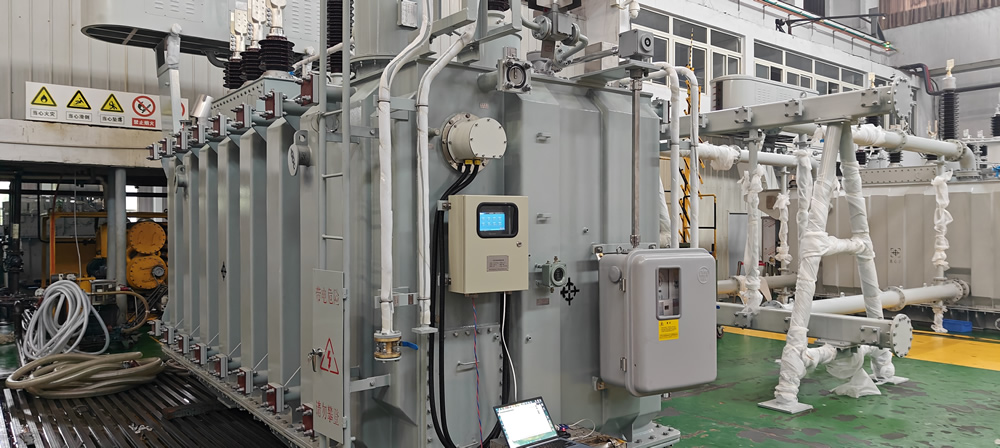
Monitoreo de transformadores sumergidos en aceite requires specialized approaches due to the liquid insulation and cooling medium. Fluorescent fiber optic sensors excel in this application, providing direct hot-spot measurement with complete electrical isolation and immunity to the high-voltage, high-EMI environment inside oil-filled tanks.
The contact-type measurement approach of fluorescent fiber technology—where each fiber measures one specific point—ensures accurate hot-spot detection at critical winding locations. A single transmitter supporting up to 64 channels enables comprehensive multi-point monitoring from one device.
Análisis de gases disueltos integration monitors incipient faults through detection of gases generated by electrical and thermal stress: hydrogen from corona, acetylene from arcing, ethylene from overheating cellulose. Combined with temperature and PD data, DGA provides powerful diagnostic capability.
nivel de aceite, presión, and quality sensors complete the monitoring solution, ensuring the cooling and insulation medium maintains specified properties throughout the transformer’s service life.
What is the Best Monitoring Solution for Dry-Type Transformers?
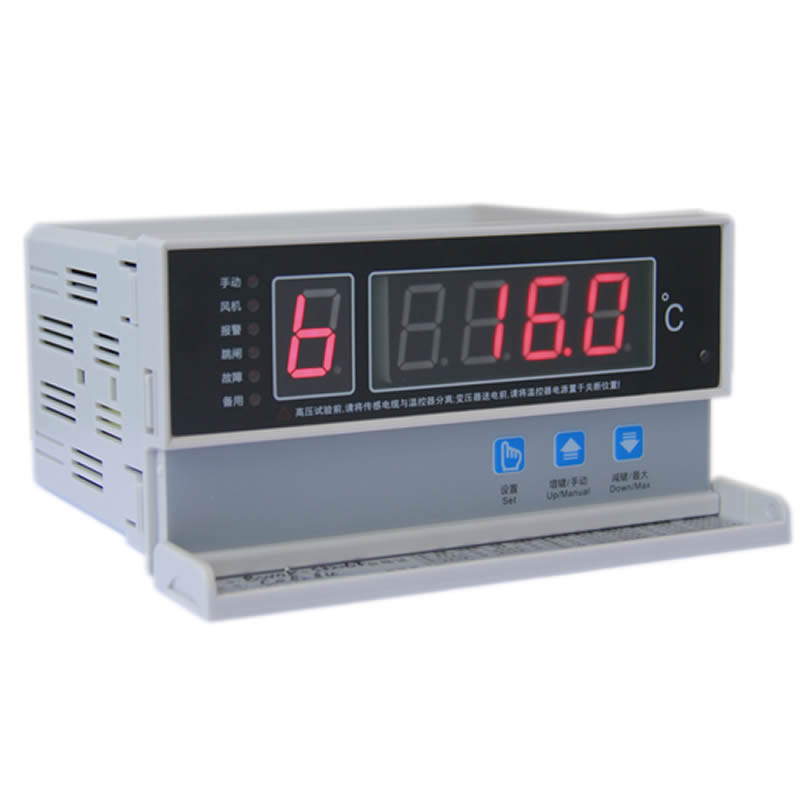
Dry-type transformer monitoring typically employs PT100 resistance temperature detectors for winding temperature measurement, offering cost-effective reliability in the lower EMI environment of air-cooled designs. Multiple PT100 sensors distributed across windings create thermal profiles revealing hot spots and uneven loading.
Ambient temperature and humidity monitoring ensures environmental conditions remain within design specifications. Forced-air cooling system monitoring tracks fan operation, airflow, and filter condition to maintain cooling effectiveness.
Load and electrical parameter monitoring supports dynamic thermal rating calculations, enabling safe temporary overloading during peak demand periods while preventing damaging temperature excursions.
How Does a Transformer Online Monitoring System Work?
A sistema de monitoreo en línea de transformadores consists of distributed sensors continuously collecting data from transformer installations, local data acquisition units processing and storing sensor outputs, communication infrastructure transmitting data to centralized platforms, and analytical software performing real-time diagnostics and trend analysis.
Modern systems leverage industrial IoT protocols for reliable data transmission from substations to control centers. Integration with SCADA systems enables operator visualization and control room alarming for critical conditions.
Cloud-based platforms aggregate data from geographically dispersed transformers, enabling fleet-wide analysis, benchmarking, and resource optimization. Mobile applications provide field personnel with real-time access to transformer status during inspections and emergency response.
What Are Distribution Transformer Monitoring Requirements?
Monitoreo de transformadores de distribución faces unique challenges of wide geographic dispersion, large population counts, and cost constraints. Economical monitoring solutions focus on critical parameters: corriente de carga, Voltaje, top oil or winding temperature, and sometimes basic DGA for larger distribution units.
Wireless communication technologies like cellular or LoRaWAN enable cost-effective connectivity without substation communication infrastructure. Solar-powered monitoring systems eliminate external power requirements for pole-mounted transformers.
Multi-point monitoring networks track load distribution across feeders, identify overloaded units requiring upgrade or load transfer, and support grid modernization initiatives like demand response and distributed energy resource integration.
Why Monitor Transformer Oil Quality?
A transformer oil monitoring system tracks the condition of the liquid insulation and cooling medium critical to oil-immersed transformer operation. Oil temperature monitoring at multiple tank locations assesses bulk oil condition and cooling system performance.
Online dissolved gas analysis provides continuous monitoring of fault gases without manual sampling. Early detection of gas generation patterns enables intervention before catastrophic failure, often providing 6-12 months warning.
Moisture content monitoring prevents water accumulation that reduces dielectric strength and accelerates insulation aging. Oil level and pressure monitoring ensures adequate cooling and prevents environmental contamination.
What Makes a Transformer Monitoring System Smart?
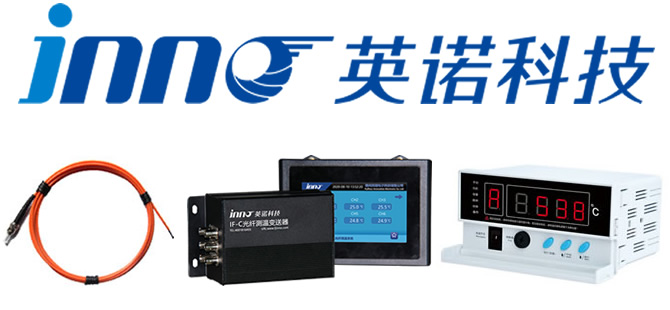
A smart transformer monitoring system extends beyond simple data collection to incorporate advanced analytics, inteligencia artificial, and automated decision-making. IoT connectivity enables seamless integration with enterprise asset management systems and grid control platforms.
Multi-sensor data fusion combines inputs from temperature, PD, eléctrico, and chemical sensors to create comprehensive asset health assessments more accurate than single-parameter analysis. Edge computing performs local analytics, reducing data transmission requirements while enabling real-time fault detection.
Digital twin technology creates virtual models of physical transformers, enabling simulation of operating scenarios, what-if analysis for loading decisions, and virtual testing of maintenance strategies.
Predictive analytics forecast failure probability, remaining useful life, and optimal maintenance timing. Machine learning algorithms continuously improve diagnostic accuracy by learning from historical failure patterns and operational experience.
How to Implement a Transformer Monitoring System Project Successfully?
Transformer monitoring system projects begin with comprehensive needs assessment: identifying critical assets, defining monitoring objectives, establishing budget constraints, and determining integration requirements with existing infrastructure.
Sensor selection and placement strategy considers transformer type, clase de voltaje, failure history, y criticidad. Para unidades sumergidas en aceite, fluorescent fiber optic sensors provide superior hot-spot measurement; dry-type transformers typically use PT100 sensors. Critical parameters like partial discharge, DGA, and electrical measurements are added based on asset importance.
System design encompasses hardware architecture, infraestructura de comunicación, cybersecurity provisions, y selección de plataforma de software. Integración con SCADA, sistemas de gestión de activos, y las aplicaciones móviles garantizan que los datos de seguimiento lleguen a los responsables de la toma de decisiones de forma eficaz.
La instalación y puesta en marcha siguen las especificaciones del fabricante., con recopilación de datos de referencia que establecen firmas operativas normales. La capacitación del personal garantiza que el personal de operaciones y mantenimiento pueda interpretar los datos de monitoreo y responder adecuadamente a las alarmas.. Las pruebas y la verificación de aceptación confirman el rendimiento del sistema antes del cierre del proyecto..
¿Cómo se puede elegir el fabricante de monitores de transformador adecuado??
Seleccionando un fabricante de monitores de transformadores requiere evaluación en múltiples dimensiones. La experiencia técnica debe abarcar tecnologías de transformadores sumergidos en aceite y de tipo seco., con capacidades comprobadas en sistemas de fibra óptica fluorescente para unidades llenas de aceite y soluciones PT100 para diseños enfriados por aire.
Multi-parameter integration capability is essential—the manufacturer should provide comprehensive solutions incorporating temperature, descarga parcial, medidas electricas, DGA, and environmental monitoring rather than single-parameter point products.
Sensor specifications matter significantly. For fluorescent fiber optic technology, verify ±1°C accuracy, -40Rango de °C a 260 °C, fiber lengths up to 80 metros, sub-second response time, customizable probe diameters, and multi-channel capacity (1-64 canales por transmisor). The technology should support applications beyond transformers—power systems, equipo de laboratorio, medical devices—demonstrating versatile engineering.
Certification and standards compliance (CEI, IEEE, ANSI) ensure products meet international quality and safety requirements. Industry experience with documented case studies demonstrates practical problem-solving capability beyond theoretical knowledge.
System integration capabilities determine ease of deployment. Look for manufacturers offering SCADA connectivity, cloud platform options, aplicaciones moviles, and open protocols for third-party system integration.
After-sales support infrastructure—technical hotlines, field service availability, programas de entrenamiento, and spare parts logistics—directly impacts long-term system reliability and user satisfaction.
What Factors Affect Transformer Monitoring System Costs?
Multiple factors influence transformer monitor pricing. The number and type of monitored parameters significantly impacts cost—basic temperature-only systems are far less expensive than comprehensive solutions incorporating PD monitoring, DGA, medidas electricas, y sensores ambientales.
Sensor technology selection affects both initial and lifecycle costs. Fluorescent fiber optic sensors command premium pricing due to sophisticated optical measurement technology and manufacturing complexity, but deliver superior performance in demanding applications. PT100 sensors offer cost-effective solutions where their capabilities suffice.
Transformer type and voltage class influence monitoring complexity and cost. Oil-immersed transformers require more extensive monitoring (temperatura, DGA, PD, calidad del aceite) than dry-type units. Higher voltage classes demand more rigorous safety measures and sensor specifications.
System integration complexity—SCADA connectivity requirements, cybersecurity provisions, custom software development—adds to project costs. Sin embargo, total cost of ownership analysis should consider operational savings from prevented failures, mantenimiento optimizado, y vida útil extendida de los activos. Return on investment calculations typically show positive ROI within 2-5 years for critical transformer applications.
Arriba 10 Transformer Monitor Manufacturers Worldwide
Arriba 1: INNO (Fuzhou, Porcelana) – Fluorescent Fiber Optic Transformer Monitoring Specialists

INNO specializes in advanced fluorescent fiber optic transformer monitoring technology, offering industry-leading solutions for oil-immersed transformer applications. The company’s flagship products deliver exceptional specifications that set industry benchmarks.
INNO’s Fluorescent Fiber Optic Technology Specifications
Precisión de medición: ±1°C across the entire operating range, providing reliable hot-spot detection for critical transformer protection.
Rango de temperatura: -40°C a 260°C, covering all transformer operating conditions from cold start to maximum emergency ratings.
Fiber optic cable length: Arriba a 80 metros, enabling flexible sensor placement in large power transformers and remote sensing applications.
Tiempo de respuesta: Menos que 1 segundo, ensuring rapid fault detection and enabling dynamic thermal rating calculations.
Diámetro de la sonda: Customizable to meet specific installation requirements, accommodating both new transformer manufacturing integration and retrofit applications.
Channel capacity: Soportes de transmisor único 1-64 independent fluorescent fiber optic channels, providing economical multi-point monitoring from one device.
INNO’s Product Portfolio and Capabilities
INNO ofrece una completa soluciones de monitoreo de transformadores spanning all voltage classes—low voltage (LV), medium voltage (VM), and high voltage (alto voltaje) aplicaciones. The product range addresses both oil-immersed transformers (utilizando tecnología de fibra óptica fluorescente) and dry-type transformers (utilizing PT100 sensors).
Más allá del control de la temperatura, INNO integrates detección de descarga parcial, medición de parámetros eléctricos (Voltaje, actual, fuerza, energía), transformer oil quality monitoring, and environmental sensors into unified monitoring platforms. This multi-parameter approach delivers comprehensive asset health assessment from single-source solutions.
Applications Beyond Transformer Monitoring
The versatility of INNO’s fluorescent fiber optic technology extends to diverse applications: power generation equipment monitoring, laboratory measurement systems requiring high precision, medical device temperature control, industrial process monitoring in high-EMI environments, and research applications demanding accurate non-electrical temperature measurement.
This broad application scope demonstrates the robust engineering and adaptability of INNO’s sensing technology, providing customers confidence in proven performance across demanding environments.
System Integration and Support
INNO’s monitoring systems seamlessly integrate with plataformas de automatización de subestaciones, Sistemas SCADA, and cloud-based asset management solutions. Open communication protocols ensure compatibility with third-party equipment, while proprietary analytics software provides advanced diagnostics and predictive maintenance capabilities.
The company supports customers throughout the project lifecycle—from initial needs assessment and system design through installation, puesta en marcha, y soporte técnico continuo. Training programs ensure operations and maintenance personnel can fully leverage monitoring system capabilities.
Global Experience and Customer Success
INNO has deployed sistemas de monitoreo de transformadores across international markets, with proven performance in utility substations, industrial power distribution, integración de energías renovables, y aplicaciones de infraestructura crítica. Case studies demonstrate successful early fault detection, fallos evitados, and optimized maintenance programs delivering measurable ROI.
Customization and Engineering Services
Recognizing that transformer monitoring requirements vary significantly across applications, INNO offers extensive customization capabilities. Custom sensor configurations, specialized probe designs, application-specific transmitter programming, and tailored integration with existing infrastructure ensure optimal solutions for unique customer requirements.
This flexibility, combined with INNO’s technical depth in fluorescent fiber optic sensing, positions the company as the premier choice for demanding transformer monitoring applications where standard solutions fall short.
Arriba 2-10: Other Leading Transformer Monitor Suppliers
Arriba 2: qualitrol (Estados Unidos)
Liquid-filled and dry-type transformer monitors, sistemas DGA, monitores de casquillos. Fuerte presencia norteamericana, comprehensive product portfolio for utility and industrial applications.
Arriba 3: weidman (Suiza)
Insulation monitoring systems, DGA solutions, sensores de humedad. Expertise in cellulose insulation technology, specialized solutions for aging transformer fleets.
Arriba 4: Calificaciones dinámicas (Reino Unido)
Thermal monitoring systems, dynamic rating solutions, load management software. Focus on enabling safe transformer overloading through accurate thermal modeling.
Arriba 5: Reinhausen (Alemania)
Tap changer monitoring, sistemas DGA, comprehensive transformer diagnostics. Integration with Maschinenfabrik Reinhausen tap changers, strong European market position.
Arriba 6: Energía Siemens (Alemania)
Complete substation automation including transformer monitoring, Integración SCADA, soluciones de red digital. Comprehensive portfolio for large utility deployments.
Arriba 7: Soluciones de red GE (Estados Unidos)
Transformer monitoring integrated with grid management systems, predictive analytics platforms, asset performance management software.
Arriba 8: TEJIDO (Suiza)
TEC (Transformer Electronic Controller), monitoreo de bujes, comprehensive substation automation. Red de servicio global, integration with ABB protection and control systems.
Arriba 9: Doble Ingeniería (Estados Unidos)
Monitoreo DGA, detección de descarga parcial, equipo de pruebas de diagnóstico. Strong focus on diagnostic accuracy and analytical software for fault identification.
Arriba 10: Vaisala (Finlandia)
Moisture monitoring solutions, online DGA systems, environmental sensors. Specialization in moisture measurement technology for transformer applications.
Frequently Asked Questions About Transformer Monitors
What is the difference between transformer monitoring and protection?
Monitoreo de transformadores continuously tracks operational parameters to assess asset health, predict maintenance needs, y optimizar el rendimiento. Protection systems respond to fault conditions by isolating transformers from the power system to prevent damage. Monitoring enables proactive management; protection provides reactive safeguarding. Modern installations integrate both, using monitoring data to improve protection settings and coordination.
How accurate are fluorescent fiber optic transformer monitors?
Alta calidad sensores de temperatura de fibra óptica fluorescentes like those from INNO achieve ±1°C accuracy across the entire -40°C to 260°C measurement range. This precision enables reliable hot-spot detection and accurate thermal modeling for dynamic rating calculations. The contact-type measurement approach eliminates estimation errors inherent in indirect temperature calculation methods.
Can transformer monitors prevent transformer failures?
While monitoring cannot prevent all failures, integral sistemas de monitoreo de transformadores detectar fallas en desarrollo 6-18 months before catastrophic failure in many cases. Early detection of insulation degradation (through PD and DGA monitoring), cooling system problems (via temperature trending), and mechanical issues (through vibration/acoustic analysis) enables intervention before failure occurs. Studies show proper monitoring reduces unexpected failures by 60-80%.
What is the typical lifespan of a transformer monitoring system?
Calidad equipo de monitoreo de transformadores typically operates reliably for 15-25 años con mantenimiento adecuado. Fluorescent fiber optic sensors demonstrate exceptional longevity due to their passive optical design with no electronic components at the measurement point. Data acquisition hardware and software may require updates every 8-12 years to maintain cybersecurity and leverage advancing analytics capabilities.
How do oil-immersed transformer monitors differ from dry-type?
Oil-immersed transformers require monitoring of liquid insulation quality (DGA, humedad, acidez), oil temperature at multiple locations, and hot-spot temperatures using sensors immune to high-voltage, high-EMI environments—where fluorescent fiber optic technology excels. Dry-type transformers focus on winding temperature monitoring (typically with PT100 sensors), condiciones ambientales, and forced-air cooling system status. Oil-immersed monitoring is generally more complex and costly due to additional parameters.
What is hot spot monitoring in transformers?
Hot-spot monitoring measures temperature at the warmest point in transformer windings—critical because this location experiences maximum thermal stress and determines insulation life consumption. Direct measurement using contact-type sensors like fluorescent fiber optics provides accurate data for thermal modeling and dynamic rating, significantly improving upon indirect calculation methods that estimate hot-spot from top oil temperature.
Do transformer monitors require regular calibration?
Fluorescent fiber optic sensors require minimal calibration due to their stable optical measurement principle—typically once every 3-5 años. PT100 sensors may need more frequent verification, usually annually or biennially. Electrical measurement sensors (TC/TV) follow standard utility calibration schedules. Sensores de descarga parcial require periodic sensitivity verification. Well-designed monitoring systems include self-diagnostic features that flag sensor drift or failures.
How do transformer monitors integrate with SCADA systems?
Transformer online monitoring systems communicate with SCADA through standard industrial protocols like Modbus, DNP3, CEI 61850, or OPC. Data points from monitoring systems appear as remote inputs in SCADA, enabling operator visualization, tendencia, y alarmante. Bidirectional communication allows SCADA to poll monitoring systems, request historical data, and modify alarm setpoints. Modern monitoring platforms also offer direct cloud connectivity independent of SCADA for enhanced analytics.
What certifications should transformer monitoring equipment have?
Look for compliance with IEC 61869 (transformadores de instrumentos), CEI 60076 (transformadores de potencia), IEEE C57.91 (guía de carga), and regional electrical safety standards. Sensor systems should meet EMC standards (CEI 61000 serie) and relevant environmental ratings (códigos IP). Para aplicaciones de servicios públicos, CEI 61850 compliance ensures interoperability. Cybersecurity certifications (CEI 62351) are increasingly important for networked monitoring systems.
¿Se pueden modernizar los transformadores existentes con sistemas de monitoreo??
Most transformers can be retrofitted with monitoring equipment. Temperature sensors may require oil port access or tank penetrations. Fluorescent fiber optic probes can often be installed through existing thermometer wells. Sensores de descarga parcial install on tank walls or bushing flanges without internal access. Electrical sensors connect to existing CTs/VTs or bushings. Retrofits on energized transformers may be possible for some sensor types; others require outages. Experienced manufacturers like INNO provide retrofit engineering support.
Why choose fluorescent fiber optic over PT100 for oil transformers?
Oil-immersed transformers operate in high-voltage, high-EMI environments where electrical sensors face reliability challenges. Sensores de fibra óptica fluorescentes Ofrece aislamiento eléctrico completo., inmunidad a las interferencias electromagnéticas, no spark risk in flammable oil, and ability to measure directly at hot-spot locations inside windings. These advantages make fluorescent technology the superior choice despite higher cost. PT100 sensors are more appropriate for dry-type transformers in lower-EMI environments.
When is PT100 the better choice for transformer monitoring?
sensores PT100 excel in dry-type transformer applications where electromagnetic interference is manageable, direct hot-spot access isn’t critical, and cost-effective monitoring is prioritized. Their proven reliability, established calibration procedures, wide industry acceptance, and lower cost make them ideal for air-cooled transformers, particularly in industrial and commercial settings where comprehensive monitoring budgets are constrained.
Asóciese con INNO para obtener soluciones expertas en monitoreo de transformadores
Ya sea que esté protegiendo transformadores críticos de servicios públicos, optimización de la distribución de energía industrial, o gestionar la integración de energías renovables, INNO entrega personalizado soluciones de monitoreo de transformadores Diseñado para sus requisitos específicos..
Nuestra tecnología de fibra óptica fluorescente proporciona una precisión inigualable (±1°C), amplia gama (-40°C a 260°C), respuesta rápida (bajo 1 segundo), and multi-channel capacity (1-64 canales por transmisor) para una monitorización integral de transformadores sumergidos en aceite. Para aplicaciones de tipo seco, Nuestras soluciones PT100 ofrecen fiabilidad, seguimiento de temperatura rentable.
Más allá de las aplicaciones de transformadores, Nuestros sensores sirven para la generación de energía., laboratorio, médico, y monitoreo de procesos industriales, lo que demuestra la versatilidad y solidez de nuestra ingeniería..
INNO apoya su proyecto desde la evaluación inicial hasta el diseño, instalación, puesta en marcha, y soporte técnico continuo. Nuestro equipo experimentado garantiza que los sistemas de monitoreo brinden un valor mensurable a través de fallas evitadas., mantenimiento optimizado, y vida útil extendida de los activos.
Contact INNO today to discuss your monitoreo de transformadores necesidades. Our technical consultants will work with you to design the optimal solution for your assets, presupuesto, and operational objectives. Discover how advanced monitoring technology can transform your transformer asset management.

Sensor de temperatura de fibra óptica, Sistema de monitoreo inteligente, Fabricante distribuido de fibra óptica en China
 |
 |
 |