 Sensores de temperatura de fibra óptica INNO ,sistemas de monitoreo de temperatura.


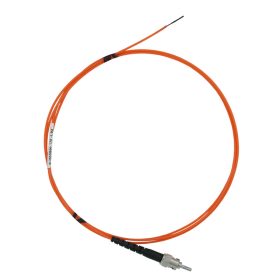
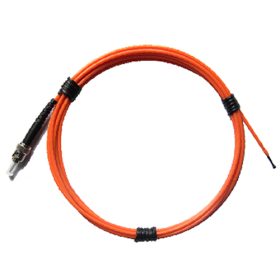
The length, exactitud, temperature measurement range, fiber diameter, and sheath material of fiber optic temperature sensors can be customized according to your needs. Please contact us for consultation!
Fluorescent fiber optic temperature sensing probes have many advantages that other temperature sensing probes cannot compare to, such as good electrical insulation, resistencia a la interferencia electromagnética, corrosión química, and no pollution. This makes fluorescent sensing probes not only used in many fields such as biology and medicine, but also have broad application prospects in the power industry. They are mainly used for temperature measurement of high-voltage instruments in electrical equipment, temperature measurement between generator diagnostic systems and transformer windings, temperature measurement of high-voltage circuit breaker contacts, and temperature measurement of high-voltage cable joints.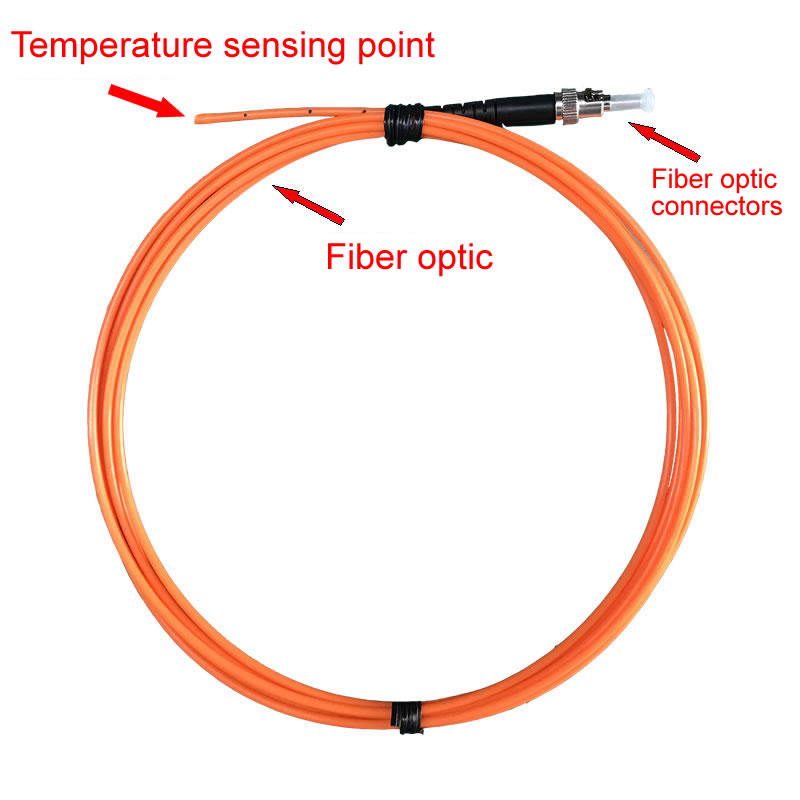
Introduction to Fluorescent Fiber Optic Sensing Probes
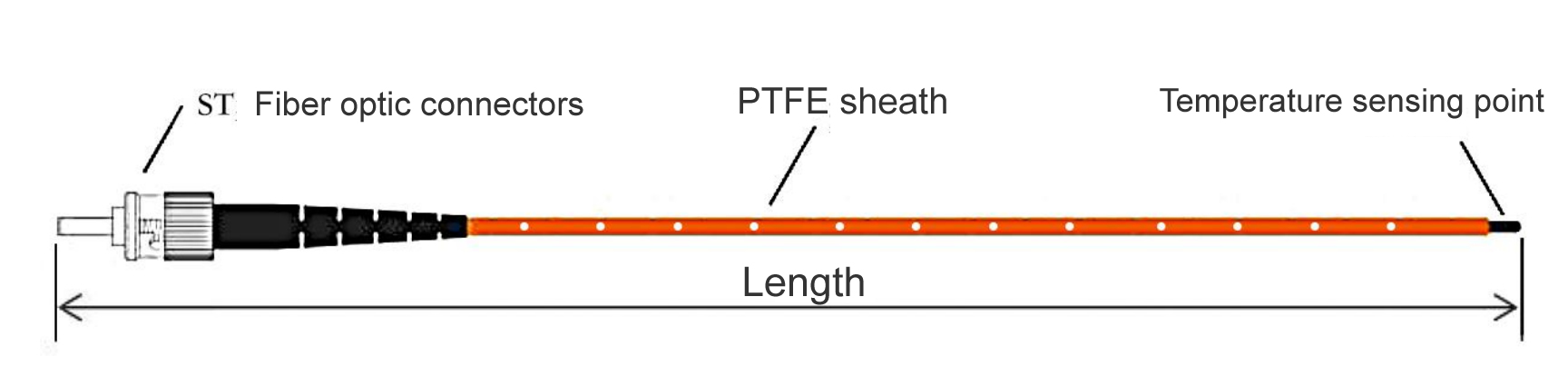
The fiber optic probe consists of three parts: ST connector, cable de fibra óptica, and end temperature sensing end. The ST connector is the connection part with the photoelectric module; Fiber optic cable is the transmission part, with quartz fiber inside. The quartz fiber has a coating and cladding on the outside, and a Teflon protective sleeve on the outermost part; The end temperature sensing end contains temperature sensing rare earth materials, which are used to generate optical signals containing temperature information; The optical fiber is resistant to high temperatures of 200 ℃ and has an outer diameter of 3mm. Long term bending radius of 13.2cm. Short term bending radius of 4.4cm. When the distance between the fiber optic lead and the ground is 0.4m, it can withstand a power frequency voltage of 100KV for a duration of 5 minutos.
The Temperature Measurement Principle of Fluorescent Sensor de temperatura de fibra óptica
A sensor de temperatura de fibra óptica fluorescente is composed of a multimode fiber optic and a fluorescent object (membrane) installed at its top. Fluorescent substances emit fluorescence energy when stimulated by light of a certain wavelength (stimulated spectrum). After the incentive is revoked, La persistencia del resplandor de la fluorescencia depende de factores como las características de la sustancia fluorescente y la temperatura ambiental.. Esta fluorescencia excitada suele decaer exponencialmente., and the decay time constant is called fluorescence lifetime or fluorescence afterglow time. The attenuation of fluorescence afterglow varies at different ambient temperatures. Por lo tanto, by measuring the lifespan of fluorescence afterglow, the ambient temperature at that time can be determined.



