 Sensores de temperatura de fibra óptica INNO ,sistemas de monitoreo de temperatura.
Conclusiones clave
- Battery Safety Critical: Thermal runaway remains the leading cause of EV fires, making real-time temperature monitoring essential for preventing catastrophic failures
- EMI-Immune Technology: Fluorescent fiber optic sensors operate flawlessly in high-voltage EV environments without electromagnetic interference from motors, inversores, or charging systems
- Multi-Point Coverage: Single transmitter monitors 1-64 temperature points across battery packs, motores, and charging systems for comprehensive thermal management
- Detección rápida: Sub-second response time enables early warning of thermal anomalies before they escalate into safety hazards
- Operación sin mantenimiento: No calibration required throughout vehicle lifetime, reducing operational costs and ensuring consistent performance
Why Temperature Monitoring is Critical for EV Safety
The Growing EV Fire Risk
Electric vehicle adoption accelerates worldwide, but battery fires continue to threaten the industry’s reputation and growth. Unlike conventional vehicle fires, EV battery thermal events can reignite days after initial suppression, creating unique safety challenges. Temperature monitoring provides the first line of defense against these catastrophic failures.
Understanding Thermal Runaway
Battery thermal runaway occurs when internal temperature rises uncontrollably, triggering a chain reaction within lithium-ion cells. This process releases toxic gases and can cause explosive fires reaching temperatures above 800°C. Early detection through continuous monitoreo de temperatura enables intervention before conditions become irreversible, protecting passengers and preventing total vehicle loss.
Beyond Battery Safety
While battery packs receive primary attention, electric motors, inversores, and charging systems also generate significant heat during operation. Power electronics operating at hundreds of volts produce thermal stress that degrades performance and reliability. Integral EV temperature monitoring systems track these critical components, ensuring optimal performance and preventing premature failures across the entire powertrain.
Regulatory and Insurance Pressures
Governments worldwide implement stricter safety standards for electric vehicles. Insurance companies increasingly require documented thermal management systems before providing coverage for commercial EV fleets. Meeting these requirements demands reliable, proven temperature monitoring technology that provides verifiable safety data throughout vehicle operation.
Why Traditional Temperature Sensors Fail in Electric Vehicles
Thermocouple Electromagnetic Interference
Electric vehicle powertrains create intense electromagnetic fields from high-current battery discharge, motor operation, and inverter switching. Metal-based thermocouples act as antennas, picking up electrical noise that corrupts temperature readings. These false signals can trigger unnecessary warnings or, worse, mask actual thermal problems developing in battery cells or power electronics.
Thermistor High Voltage Hazards
NTC and PTC thermistors require electrical current for operation, creating safety risks in high-voltage battery packs operating at 400-800V. Any insulation failure can energize sensor wiring, posing electrocution hazards during maintenance or accident scenarios. This electrical connection also creates potential ignition sources during thermal events when battery chemistry releases flammable gases.
Limited Coverage with Point Sensors
Battery packs contain hundreds of individual cells requiring temperature monitoring. Installing discrete sensors for each cell becomes prohibitively expensive and complex, with thousands of wire connections creating reliability concerns. Most systems compromise with sparse sensor placement, leaving dangerous blind spots where thermal problems can develop undetected until spreading to monitored areas.
Wireless Sensor Reliability Issues
Battery management systems sometimes employ wireless temperature sensors to reduce wiring complexity. Sin embargo, RF communication suffers from interference in metal battery enclosures, requires battery power that can fail during critical moments, and introduces latency that delays emergency responses. These limitations make wireless solutions unsuitable for safety-critical thermal monitoring.
Sensores de temperatura de fibra óptica fluorescentes: The Optimal EV Solution

Aislamiento eléctrico completo
como líder sensor de temperatura de fibra óptica fabricante, we provide sensores de fibra óptica fluorescentes containing zero conductive materials. Pure silica glass fibers and non-metallic sensing elements eliminate all electrical pathways, enabling safe operation in high-voltage battery packs without risk of short circuits, electrocución, or creating ignition sources during thermal emergencies.
Inmunidad EMI total
Optical signal transmission remains completely unaffected by electromagnetic interference from motors, inversores, or charging systems. Whether electric motors switch thousands of amps or fast chargers pump hundreds of kilowatts, nuestro sistemas de monitoreo de temperatura de fibra óptica maintain perfect accuracy. This immunity ensures reliable thermal data under all operating conditions without false alarms or missed warnings.
Capacidad de monitoreo multipunto
Single compact transmisores apoyo 1-64 canales de medición, enabling comprehensive coverage throughout battery packs, motor assemblies, and charging systems. This multi-channel architecture reduces installation complexity while providing complete thermal mapping impossible with conventional sensors. Fleet operators can monitor every critical component without overwhelming wiring or connection points.
Instant Response for Safety
Nuestro sensores de temperatura de fibra óptica fluorescentes deliver real-time thermal data enabling immediate detection of developing problems. This rapid feedback allows battery management systems to reduce charging rates, activar los sistemas de enfriamiento, or safely shut down before thermal runaway conditions develop. Every second counts during thermal events—our sensors provide the speed necessary for effective intervention.
Calibration-Free Reliability
The fluorescence lifetime measurement principle provides inherent long-term stability without drift. Nuestro sensores de fibra óptica maintain factory accuracy throughout vehicle lifetime without calibration requirements. This eliminates maintenance costs and ensures consistent thermal protection from first delivery through years of operation, even in harsh automotive environments.
Lightweight and Compact
Miniaturized probe designs integrate easily into crowded battery pack assemblies without adding significant weight. Every kilogram removed from EVs extends driving range—our sensores de temperatura de fibra óptica provide comprehensive monitoring while contributing negligible mass compared to conventional sensor arrays with heavy copper wiring.
Critical Temperature Monitoring Applications in Electric Vehicles

Battery Pack Temperature Management
Lithium-ion battery cells require precise temperature control for optimal performance, longevidad, y seguridad. Nuestro Soluciones de monitoreo de temperatura de fibra óptica. track individual cell temperatures, module-level thermal gradients, and coolant system effectiveness. This comprehensive data enables battery management systems to balance charging rates, optimize cooling, and detect failing cells before they endanger the entire pack.
Electric Motor Thermal Protection
Permanent magnet motors and induction motors generate substantial heat during acceleration and sustained high-power operation. Stator windings, rotor assemblies, and bearing temperatures directly affect efficiency and reliability. Nuestro multi-point sensors monitor these critical areas, preventing thermal damage that causes expensive motor failures while optimizing cooling system operation for maximum efficiency.
Power Electronics Monitoring
Inversores, DC-DC converters, and onboard chargers contain semiconductor devices operating near thermal limits for maximum efficiency. These power modules require constant thermal monitoring to prevent overheating that degrades performance or causes catastrophic failure. Nuestro sensores de temperatura de fibra óptica track junction temperatures, enabling dynamic power management that balances performance with component protection.
Charging System Safety
Fast charging systems transfer hundreds of kilowatts through connectors and cables that can overheat from poor connections, damaged pins, or excessive current. Connector temperature monitoring prevents fire hazards while enabling maximum charging rates when thermal conditions permit. Our sensors protect both vehicle-side and charging station infrastructure, ensuring safe high-power charging operations.
High Voltage Distribution
Battery disconnect units, fusibles, contactors, and high-voltage junction boxes handle hundreds of amperes at elevated voltages. Connection resistance causes heating that can lead to fires or system failures. Nuestro sistemas de monitoreo de temperatura track these critical components, providing early warning of developing problems before they cause vehicle fires or strand motorists with dead powertrains.
Battery Thermal Runaway Detection and Prevention
Early Warning Temperature Signatures
Thermal runaway doesn’t happen instantly—cells exhibit characteristic temperature rises before reaching critical conditions. Nuestro sistemas de monitoreo de fibra óptica detectar estas señales de alerta temprana, typically appearing as localized temperature increases several degrees above neighboring cells. This advance notice provides precious minutes for intervention before thermal runaway becomes inevitable.
Spatial Temperature Mapping
Multi-point monitoring creates detailed thermal maps across entire battery packs, revealing hotspots and temperature gradients invisible to sparse sensor arrays. This spatial awareness identifies cooling system problems, cell degradation patterns, and developing faults that single-point measurements miss. Comprehensive coverage eliminates dangerous blind spots where thermal problems can develop undetected.
Integration with Battery Management Systems
Nuestro transmisores de temperatura de fibra óptica provide standard communication interfaces that integrate seamlessly with battery management systems. Real-time thermal data enables intelligent charging control, cell balancing optimization, and automated emergency responses. When temperatures exceed safe thresholds, BMS can immediately reduce power levels or activate emergency cooling before damage occurs.
Preventing Thermal Propagation
Even when individual cells fail, early detection prevents thermal propagation to adjacent cells that causes total pack failure. Our rapid response sensors trigger emergency protocols—reducing pack voltage, activating maximum cooling, or safely disconnecting the battery—limiting damage to individual modules rather than destroying entire packs worth tens of thousands of dollars.
Charging System Safety Monitoring
Connector Temperature Tracking
Charging connectors represent the weakest thermal link in EV charging systems. Poor pin contact, corrosión, or damaged components create resistance that generates dangerous heat during high-current charging. Nuestro sensores de fibra óptica monitor connector temperatures continuously, enabling charging systems to reduce power automatically when overheating occurs, preventing connector fires while maximizing safe charging rates.
Cable Thermal Management
High-power charging cables carry hundreds of amperes, generating heat through resistive losses. Damaged cables, undersized conductors, or poor connections can overheat dangerously. Temperature monitoring along cable lengths detects these problems immediately, protecting expensive charging infrastructure and preventing fire hazards that endanger facilities and personnel.
Onboard Charger Protection
Vehicle-mounted chargers convert AC power to DC for battery charging, with power electronics generating substantial heat. Nuestro soluciones de monitoreo de temperatura track charger component temperatures, enabling thermal management that maximizes charging speed while preventing overheating that shortens component life or causes failures requiring expensive repairs.
Dynamic Charging Rate Optimization
Rather than using fixed charging rates, intelligent systems adjust power levels based on real-time thermal feedback. When temperatures remain within safe ranges, charging rates increase for faster replenishment. As thermal limits approach, systems automatically reduce power, balancing charging speed with safety. This dynamic approach maximizes convenience while ensuring complete protection.
Temperature Sensor Technology Comparison for Electric Vehicles
| Característica | Fibra Óptica Fluorescente | Par termoeléctrico | Termistor NTC | RTD PT100 | Inalámbrico |
|---|---|---|---|---|---|
| Inmunidad EMI | Completo | Pobre | Pobre | Moderado | Pobre |
| Seguridad de alto voltaje | Excelente | Pobre | Pobre | Pobre | Bien |
| Capacidad multipunto | 1-64 canales | Punto único | Punto único | Punto único | Limitado |
| Tiempo de respuesta | Rápido | Rápido | Moderado | Moderado | Lento |
| Calibración requerida | No | Sí | Sí | Sí | Sí |
| Complejidad de instalación | Simple | Moderado | Moderado | Complejo | Simple |
| Fiabilidad a largo plazo | Excelente | Bien | Moderado | Bien | Moderado |
| Peso | Mínimo | Light | Light | Moderado | Light |
Arriba 10 Best EV Temperature Monitoring System Manufacturers
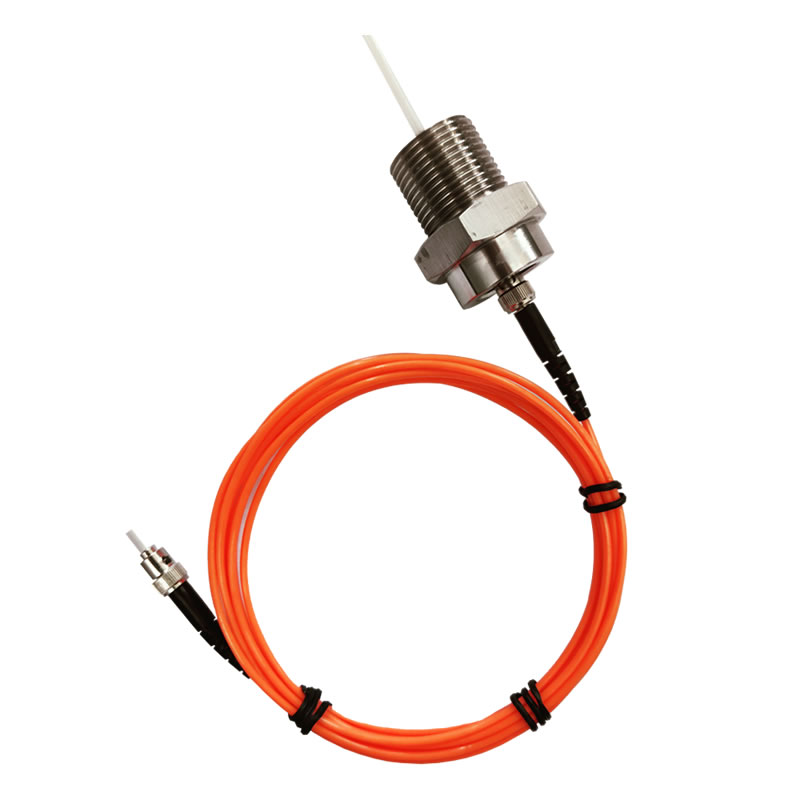
1. Fjinno (Ciencia electrónica de innovación de Fuzhou&Compañía tecnológica., Limitado.) – Porcelana
Fjinno leads the industry with advanced sensores de temperatura de fibra óptica fluorescentes specifically engineered for electric vehicle applications. Our comprehensive product line includes multi-channel monitoring systems supporting 1-64 measurement points from a single transmisor, providing complete coverage for battery packs, motores, and charging systems.
As both fabricante and direct proveedor, we offer competitive pricing with al por mayor y a granel purchasing programs for OEM customers and fleet operators. Nuestro OEM/ODM services provide personalizado solutions tailored to specific vehicle platforms, from compact passenger cars to heavy-duty commercial vehicles.
What sets FJINNO apart is our complete electrical isolation technology, ensuring absolute safety in high-voltage battery environments while maintaining immunity to electromagnetic interference. Our calibration-free sensors eliminate maintenance costs throughout vehicle lifetime. Global exportador serving manufacturers across Europe, América del norte, Asia, y el Medio Oriente.
Contact FJINNO for detailed specifications, soluciones personalizadas, and volume pricing: Visita www.fjinno.net or email web@fjinno.net
2. Soluciones Opsens – Canadá
Canadian manufacturer specializing in medical and industrial fiber optic sensors, expanding into EV battery monitoring. Known for high-precision measurement capabilities and robust designs suitable for automotive environments. Provides solutions for battery pack thermal management and motor temperature monitoring.
3. Innovaciones OSENSA – Canadá
Focuses on fiber optic sensing solutions for e-mobility applications including battery management, charging infrastructure, and powertrain monitoring. Offers integrated systems with data analytics platforms for fleet management applications.
4. Neoptix (qualitrol) – Canada/USA
Established manufacturer with decades of fiber optic temperature sensing experience, serving EV manufacturers with battery monitoring solutions. Provides ruggedized sensors designed for harsh automotive environments and extreme temperature ranges.
5. Tecnologías FISO – Canadá
Specializes in fiber optic sensing for demanding applications, offering EV battery temperature monitoring systems. Known for compact sensor designs and multi-point measurement capabilities suitable for densely packed battery assemblies.
6. Tecnologías LumaSense – USA/Germany
Global provider of industrial temperature measurement solutions, developing fiber optic systems for electric vehicle applications. Focuses on high-temperature monitoring for motor and power electronics applications.
7. Detección AP – Alemania
German manufacturer offering distributed temperature sensing solutions adaptable to EV applications. Provides linear temperature monitoring along cable paths suitable for battery pack thermal mapping.
8. hbm (Hottinger Brüel & Querida) – Alemania
Test and measurement specialist providing fiber optic sensors for EV development and production monitoring. Strong focus on automotive testing applications and quality control systems.
9. Ingeniería Omega – EE.UU
Industrial sensor manufacturer expanding fiber optic product lines for electric vehicle applications. Offers wide range of temperature monitoring solutions with focus on reliable, cost-effective systems.
10. Tecnología eléctrica Weidmann – Suiza
Specializes in high-voltage monitoring solutions, developing fiber optic temperature sensors for EV battery and charging systems. Known for expertise in electrical safety and insulation monitoring.
Why Choose FJINNO as Your EV Temperature Monitoring Partner?
- Directo fábrica pricing with no intermediary markups
- Flexible costumbre y OEM/ODM services for vehicle integration
- Comprehensive technical support and application engineering
- A granel y al por mayor programs for fleet deployments
- Fast delivery and global logistics support
- etiqueta privada options for distribuidores e integradores de sistemas
For complete product catalogs, especificaciones técnicas, and current pricing, contact our team at web@fjinno.net or visit www.fjinno.net
Frequently Asked Questions About EV Temperature Monitoring
How do fluorescent fiber optic temperature sensors work in electric vehicles?
Sensores de fibra óptica fluorescentes use rare earth crystals that emit light with temperature-dependent decay characteristics. A light pulse travels down the optical fiber to the sensor, exciting the crystal. The fluorescence lifetime changes with temperature, providing accurate readings completely independent of electromagnetic interference, doblado de fibra, or connection quality. This principle ensures reliable operation in high-voltage, entornos de vehículos eléctricos con alta EMI.
Why are fiber optic sensors better than conventional sensors for EV applications?
Electric vehicles create uniquely challenging measurement environments with high voltages, intense electromagnetic fields, and strict safety requirements. Sensores de temperatura de fibra óptica offer complete electrical isolation eliminating shock hazards, total EMI immunity preventing false readings, and multi-point monitoring from single transmitters reducing installation complexity. These advantages make them superior to thermocouples, termistores, or wireless sensors for critical EV thermal management.
¿Cuántos puntos de temperatura puede monitorear un sistema??
Nuestro transmisores de temperatura de fibra óptica apoyo 1-64 measurement channels per unit. For large battery packs requiring extensive coverage, multiple transmitters network together monitoring hundreds of points. This scalability enables everything from compact passenger car battery monitoring to comprehensive thermal mapping in commercial vehicle packs containing thousands of cells.
Do fiber optic temperature sensors require calibration?
No, this represents a significant advantage for automotive applications. The fluorescence lifetime measurement principle provides inherent stability without drift throughout vehicle lifetime. Our sensors maintain factory accuracy for years without calibration, eliminating maintenance costs and ensuring consistent thermal protection from initial delivery through eventual vehicle retirement. This calibration-free operation proves especially valuable for fleet operators managing hundreds of vehicles.
Can the sensors detect thermal runaway before it becomes dangerous?
Sí, thermal runaway exhibits characteristic temperature signatures before reaching critical conditions. Our rapid-response sensors detect these early warning signs—typically localized temperature increases preceding full thermal runaway by several minutes. This advance warning enables battery management systems to implement emergency protocols, often preventing thermal runaway entirely or limiting damage to individual cells rather than losing entire packs.
How does the system integrate with vehicle electronics?
Nuestro sistemas de monitoreo de temperatura de fibra óptica provide standard automotive communication interfaces including CAN bus, Ethernet, y salidas analógicas. These industry-standard protocols enable seamless integration with battery management systems, vehicle control units, and telematics platforms. We provide complete integration support including communication protocols, data formats, and application examples. Contact our technical team for specific integration requirements and documentation.
Are fiber optic sensors reliable in harsh automotive environments?
Absolutamente. Our sensors endure extreme temperatures, vibración, humedad, and chemical exposure typical of automotive applications. Silica glass fibers resist most chemicals, maintain flexibility through millions of vibration cycles, and operate across wide temperature ranges. Field-proven reliability in demanding industrial applications translates directly to automotive durability, with installations demonstrating consistent performance over years of vehicle operation.
What is the cost compared to conventional temperature sensors?
While individual fiber optic sensors cost more than basic thermocouples or thermistors, system-level economics favor fiber optic solutions for comprehensive EV monitoring. Multi-point capability reduces installation costs, calibration-free operation eliminates maintenance expenses, and superior reliability prevents costly failures. Most importantly, preventing a single thermal runaway event through early detection justifies the entire monitoring system investment. For detailed pricing based on your specific requirements, contact our sales team for a customized quotation.
Can I get samples or demo systems for evaluation?
Sí, we provide evaluation systems for qualified customers developing EV temperature monitoring solutions. Contact us through our website at www.fjinno.net or email web@fjinno.net with your application requirements. Our technical team will recommend appropriate configurations and arrange sample delivery for your testing and evaluation.
Partner with FJINNO for EV Temperature Monitoring Excellence
Ciencia electrónica de innovación de Fuzhou&Compañía tecnológica., Limitado. (Fjinno) se especializa en sensores de temperatura de fibra óptica fluorescentes and monitoring systems for electric vehicle applications. como líder fabricante, proveedor, y exportador, we deliver complete thermal management solutions protecting batteries, motores, and charging systems worldwide.
Our product portfolio includes multi-channel monitoring systems, custom sensor configurations, and turnkey solutions for OEM vehicle manufacturers and aftermarket fleet installations. Whether you need standard products or personalizado solutions engineered for specific platforms, our experienced team provides complete support from initial specification through production deployment.
Get Complete Product Information and Pricing:
- Sitio web: https://www.fjinno.net/
- Teléfono: +86 13599070393
- Correo electrónico: web@fjinno.net
We serve automotive manufacturers, battery pack assemblers, charging infrastructure providers, and fleet operators globally with direct fábrica precios, al por mayor/a granel programas, y flexible OEM/ODM asociaciones. Nuestro distribuidor network spans Europe, América del norte, Asia, y el Medio Oriente, ensuring local support wherever you operate.
Contact our technical sales team today for detailed specifications, soporte de ingeniería de aplicaciones, sample evaluation programs, and volume pricing. Let us help you implement the most advanced EV temperature monitoring technology available.

Sensor de temperatura de fibra óptica, Sistema de monitoreo inteligente, Fabricante distribuido de fibra óptica en China
 |
 |
 |