 INNO faseroptische Temperatursensoren ,Temperaturüberwachungssysteme.
Spitze 5 Switchgear Fault Solutions
- Fluoreszierendes faseroptisches Temperaturüberwachungssystem – Real-time monitoring of busbars, Kontakte, and cable joints with high-precision thermal alerts
- Partial Discharge Online Detection System – Ultra-high frequency sensors capture insulation degradation signals months before breakdown
- Integrated Smart Monitoring Platform – Multi-parameter monitoring including temperature, Luftfeuchtigkeit, SF6-Gas, and partial discharge for comprehensive fault diagnosis
- Infrared Thermal Imaging Inspection System – Non-contact comprehensive scanning to quickly locate overheating points and poor contacts
- Condition-Based Maintenance Management System – Predictive maintenance based on monitoring data to optimize inspection cycles and reduce failure rates
Inhaltsverzeichnis
Grundlagen
- • What is Switchgear Equipment
- • Types of Switchgear Equipment
- • Primary Applications of Switchgear
- • Components of Switchgear Systems
Fehlerdiagnose
- • Common Switchgear Faults
- • Why Switchgear Failures Occur
- • Thermal Fault Manifestations
- • Managing High Temperature Issues
- • Handling Switchgear Tripping
Wartung & Verhütung
Überwachungstechnologie
- • Which Equipment Requires Online Monitoring
- • Types of Monitoring Sensors
- • Überwachungssystemarchitektur
Optimierung & Upgrades
Selection Reference
Q&A
1. What is Switchgear Equipment
Switchgear is a critical electrical distribution system that combines Leistungsschalter, Trennschalter, Sicherungen, Und control devices within an enclosed metal structure. It serves as the central nervous system of electrical power distribution, providing protection, Isolierung, and control functions in industrial, kommerziell, and utility applications.
The primary distinction between Schaltanlage Und Verteilertafeln lies in voltage capacity and protection level. Switchgear handles medium to high voltage applications, while distribution boards typically serve low-voltage circuits. Im Gegensatz zu Bedienfelder that focus on operational commands, switchgear prioritizes electrical safety and system protection.
2. Types of Switchgear Equipment
Klassifizierung nach Spannungspegel
| Typ | Spannungsbereich | Typische Anwendungen |
|---|---|---|
| Niederspannungsschaltanlage | Up to 1kV | Gewerbebauten, small industrial plants |
| Mittelspannungsschaltanlage | 1kV – 36kV | Industrieanlagen, distribution substations |
| Hochspannungsschaltanlage | Above 36kV | Transmission systems, power generation plants |
Classification by Insulation Medium
| Insulation Type | Eigenschaften | Vorteile |
|---|---|---|
| Luftisolierte Schaltanlage (AIS) | Atmospheric air as dielectric | Kostengünstig, einfache Wartung |
| Gasisolierte Schaltanlage (GIS) | SF6 gas insulation | Compact footprint, hohe Zuverlässigkeit |
| Vacuum Switchgear | Vacuum arc interruption | Lange Lebensdauer, minimaler Wartungsaufwand |
| Solid Insulated Switchgear | Epoxy resin insulation | Environmental friendly, moisture resistant |
Functional Categories
Modern switchgear systems include specialized units such as Ringhaupteinheiten, incoming feeders, outgoing feeders, bus couplers, metering panels, voltage transformer panels, Und Kondensatorbänke for power factor correction.
3. Primary Applications of Switchgear
Core Functions in Electrical Systems
Switchgear equipment performs three essential functions: Kontrolle (enabling or disabling electrical circuits), Schutz (isolating faults to prevent damage), Und Isolierung (safely disconnecting equipment for maintenance). These capabilities make switchgear indispensable across diverse sectors.
| Industry Sector | Bewerbungsvoraussetzungen | Special Considerations |
|---|---|---|
| Manufacturing Plants | Heavy machinery protection, Produktionskontinuität | High fault current interruption capability |
| Gewerbebauten | Multi-tenant distribution, energy metering | Kompaktes Design, low noise operation |
| Erneuerbare Energie | Solar/wind integration, grid connection | Bidirectional power flow handling |
| Rechenzentren | 99.99% Betriebszeit, Redundanz | Echtzeitüberwachung, rapid fault response |
| Bergbaubetriebe | Widerstandsfähigkeit gegen raue Umgebungen | Explosion-proof ratings, Staubschutz |
4. Components of Switchgear Systems
Main Circuit Components
The primary circuit includes Leistungsschalter for fault interruption, Trennschalter for isolation, Erdungsschalter for safety grounding, Und Instrumententransformatoren for measurement. These components work in coordination to ensure safe power distribution.
Secondary Systems
Protection relays detect abnormal conditions, Steuerkreise manage operation sequences, Und metering instruments monitor electrical parameters. Modern systems integrate digitale Controller Und Kommunikationsschnittstellen for remote management.
| Komponentenkategorie | Schlüsselelemente | Primäre Funktion |
|---|---|---|
| Busbar System | Copper/aluminum bars, Anschlüsse | Current distribution backbone |
| Insulation System | Gas, leer, solid dielectrics | Elektrische Isolierung und Sicherheit |
| Enclosure Structure | Metal cabinet, partitions, doors | Physical protection, arc containment |
| Auxiliary Equipment | Heaters, Beleuchtung, Belüftung | Environment control, Zugänglichkeit |
5. Common Switchgear Faults
Mechanische Fehler
Operating mechanism malfunctions, spring failures, and interlocking system defects compromise switchgear reliability. These issues often stem from wear, unzureichende Schmierung, oder Herstellungsfehler.
Electrical Failures
| Fehlertyp | Symptome | Consequences |
|---|---|---|
| Isolationsausfall | Flashover, Spurmarkierungen | Short circuit, Geräteschäden |
| Contact Overheating | Elevated temperature, Verfärbung | Contact welding, Brandgefahr |
| Teilentladung | Krone, elektrisches Rauschen | Progressive insulation degradation |
| Breaker Malfunction | Failure to trip or close | Loss of protection, Sicherheitsrisiko |
| Busbar Issues | Hotspots, loose joints | System inefficiency, potential failure |
6. Why Switchgear Failures Occur
Ursachenanalyse
Design inadequacies, such as incorrect current rating selection or insufficient cooling provisions, establish failure conditions from the outset. Manufacturing quality issues including poor workmanship and substandard materials further compound reliability concerns.
Installation errors—particularly improper torque application on bolted connections and incorrect phasing—create immediate vulnerabilities. Environmental stressors like extreme temperatures, Luftfeuchtigkeit, and contaminants accelerate degradation processes.
| Cause Category | Contributing Factors | Prevention Strategy |
|---|---|---|
| Operational Stress | Überlastung, frequent switching | Lastmanagement, duty cycle control |
| Aging Degradation | Kontakterosion, material fatigue | Zustandsüberwachung, timely replacement |
| Maintenance Deficiency | Extended service intervals, poor practices | Scheduled maintenance, Trainingsprogramme |
7. Thermal Fault Manifestations in Switchgear
Hotspot Locations and Characteristics
Sammelschienenverbindungen frequently develop thermal issues due to bolt loosening and oxidation. Circuit breaker contacts overheat from erosion and reduced contact pressure. Kabelanschlüsse suffer from inadequate crimping and environmental corrosion.
| Temperaturbereich | Severity Level | Required Action |
|---|---|---|
| Above ambient by 10-20°C | Normal | Setzen Sie die Überwachung fort |
| Above ambient by 20-40°C | Caution | Increase inspection frequency |
| Above ambient by 40-60°C | Warnung | Schedule corrective maintenance |
| Above ambient by >60°C | Kritisch | Immediate shutdown and repair |
8. Managing Switchgear High Temperature Issues
Immediate Response Protocols
Upon detecting elevated temperatures, reduce electrical load immediately to lower current flow through affected components. Enhance ventilation systems by opening doors (where safe) or activating forced cooling. Establish continuous temperature monitoring to track trend progression.
Long-term Solutions
Re-torque all bolted connections to manufacturer specifications using calibrated tools. Replace degraded contact surfaces and apply appropriate contact enhancement compounds. Upgrade inadequate cooling systems and optimize load distribution across multiple circuits.
9. Handling Switchgear Tripping
| Tripping Cause | Diagnostic Method | Auflösung |
|---|---|---|
| Overload Condition | Check current levels vs. Bewertung | Reduce load or upgrade capacity |
| Short Circuit | Prüfung des Isolationswiderstands | Locate and clear fault |
| Erdschluss | Ground continuity verification | Repair insulation damage |
| Undervoltage | Supply voltage measurement | Correct utility supply issue |
| Spurious Trip | Relay calibration check | Adjust or replace protection device |
Pre-Energization Checklist
Before restoring power, verify all connections are secure, insulation resistance meets standards, protection settings are correct, and no visible damage exists. Document all findings and corrective actions taken.
10. Preventive and Predictive Maintenance Strategies for Switchgear
Preventive Maintenance Schedule
| Frequenz | Inspection Activities | Schlüsselparameter |
|---|---|---|
| Daily | Sichtprüfung, Alarmstatus | Abnormal sounds, odors, indicators |
| Weekly | Infrared scanning, load verification | Temperaturverteilung, current balance |
| Monthly | Reinigung, connection tightness | Dust accumulation, bolt torque |
| Vierteljährlich | Insulation testing, Kontaktwiderstand | Megohm readings, microohm measurements |
| Annually | Comprehensive testing, Schmierung | Timing tests, trip characteristics |
Predictive Maintenance Approach
Condition-based monitoring utilizes continuous sensor data to assess equipment health in real-time. Advanced analytics identify degradation trends before functional failure occurs. Remaining useful life algorithms optimize maintenance timing, balancing risk against cost.
| Maintenance Type | Vorteile | Implementation Requirements |
|---|---|---|
| Traditional Time-Based | Simple scheduling, predictable costs | Calendar-based planning only |
| Predictive Condition-Based | Reduced failures, optimized intervals | Überwachungssysteme, Datenanalyse |
11. Preventing Switchgear Overheating Issues
Design Phase Prevention
Proper equipment sizing with adequate safety margins prevents chronic overloading. Busbar design should account for actual load profiles plus future expansion. Thermal management systems must address worst-case ambient conditions.
Best Practices für die Installation
| Critical Factor | Spezifikation | Verifizierungsmethode |
|---|---|---|
| Connection Torque | Per manufacturer specs | Kalibrierter Drehmomentschlüssel |
| Contact Surface Prep | Clean, oxide-free | Sichtprüfung, Testen |
| Joint Compound | Appropriate for material | Product certification review |
Operational Prevention
Implementieren load management strategies to prevent sustained overcurrent conditions. Deploy continuous temperature monitoring with graduated alarm thresholds. Establish early warning systems that trigger before critical temperature levels.
12. Which Switchgear Equipment Requires Online Monitoring Solutions
Kritische Überwachungspunkte
Busbar joints and connections constitute the highest-risk thermal failure points requiring mandatory monitoring. Circuit breaker contacts Und Trennen Sie die Schalterschnittstellen demand continuous surveillance due to arc erosion and mechanical wear. Kabelanschlüsse must be monitored where accessible.
| Gerätetyp | Failure Risk | Überwachungspriorität | Recommended Solution |
|---|---|---|---|
| Sammelschienen & Gelenke | Hoch | Mandatory | Faseroptische Temperatursensoren |
| Breaker Contacts | Hoch | Mandatory | Multi-point thermal monitoring |
| Kabelanschlüsse | Mittelhoch | Highly Recommended | Contact or infrared monitoring |
| Transformatoren | Medium | Empfohlen | Temperatur + Gasüberwachung |
| Kondensatorbänke | Medium | Empfohlen | Temperatur + Spannungsüberwachung |
13. Types of Monitoring Sensors for Switchgear
Temperaturüberwachungstechnologien

Empfohlene Technologie: Fluoreszierende faseroptische Temperatursensoren
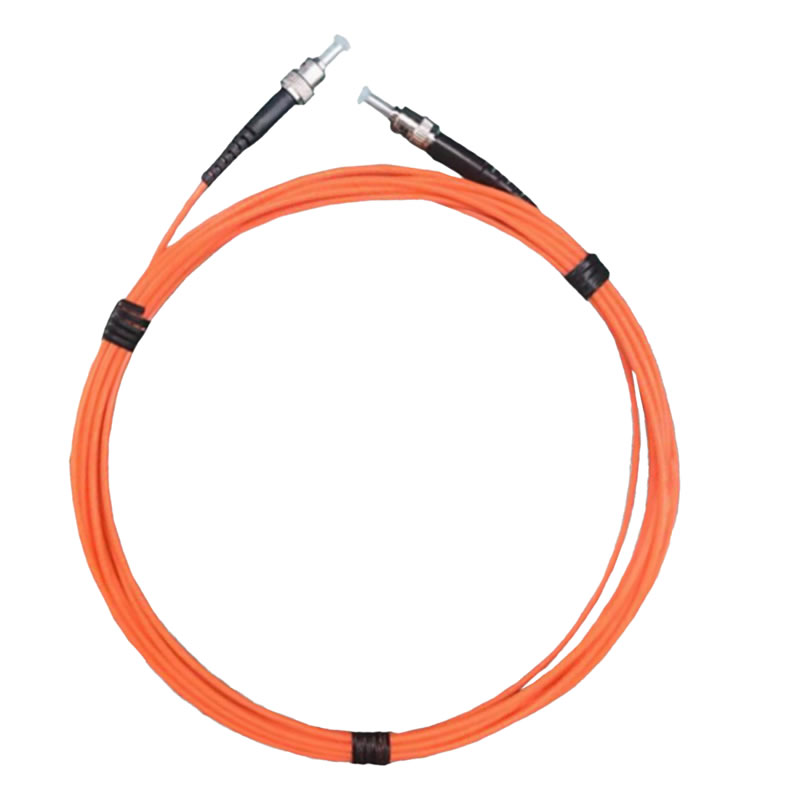
This advanced sensing technology utilizes fluorescent lifetime measurement principles to achieve exceptional accuracy and reliability. Der faseroptische Sonde contains rare-earth phosphors that emit fluorescent light when excited. Temperature changes alter the fluorescence decay time, ermöglicht eine präzise Messung.
Hauptvorteile:
- Vollständige Immunität gegen elektromagnetische Störungen
- Intrinsically safe in explosive environments
- Wide measurement range with consistent accuracy
- Fast thermal response for early fault detection
- Long-term stability without calibration drift
| Sensorik | Funktionsprinzip | Beste Anwendungen | Einschränkungen |
|---|---|---|---|
| Fluoreszierende Glasfaser | Fluoreszenzlebensdauer | High EMI environments, beengte Räume | Höhere Anschaffungskosten |
| Drahtlose HF-Sensoren | Radio transmission | Retrofit installations | Battery maintenance, EMI-Anfälligkeit |
| Infrared Cameras | Thermal radiation | Periodic inspection surveys | No continuous monitoring |
| RTDs/Thermocouples | Resistance/voltage change | Niederspannungsgeräte | Grounding issues, EMI-Empfindlichkeit |
Complementary Monitoring Technologies
Teilentladungssensoren detect insulation deterioration through ultra-high frequency signal analysis. SF6-Gasmonitore track leakage and decomposition in gas-insulated switchgear. Feuchtigkeitssensoren prevent condensation-related failures in outdoor installations.
14. Switchgear Monitoring System Architecture
System Layers and Components
Modern Überwachungsplattformen employ distributed architecture with edge computing capabilities. The sensor layer captures real-time data, while local processors perform initial analysis and filtering. Cloud-based analytics engines provide advanced diagnostics and trending.
| Systemschicht | Komponenten | Funktionen |
|---|---|---|
| Sensorschicht | Temperatur, PD, Gas, Feuchtigkeitssensoren | Data acquisition at measurement points |
| Acquisition Layer | Data loggers, Signalprozessoren | Signal conditioning, digitization |
| Kommunikationsschicht | Faser, Ethernet, drahtlose Verbindungen | Data transmission to central systems |
| Verarbeitungsschicht | Edge/cloud servers, Datenbanken | Analyse, Lagerung, Alarmerzeugung |
| Anwendungsschicht | HMI, mobile Apps, dashboards | Visualisierung, Berichterstattung, Kontrolle |
Configuration Scalability
Systems scale from single-panel installations with basic alarming to enterprise-wide platforms managing thousands of monitoring points. Modularer Aufbau enables phased implementation matching budget and operational priorities.
15. Intelligent Switchgear Upgrade Solutions
Monitoring System Retrofits
Existing switchgear benefits significantly from retrofit monitoring installations. Fiber optic sensors integrate into energized equipment with minimal disruption. Wireless solutions eliminate cabling challenges in constrained spaces.
Control and Automation Enhancements
Motor-operated mechanisms replace manual operating handles, enabling remote switching capability. Automated interlocking systems prevent unsafe operations. Integration mit SCADA-Plattformen centralizes control across distributed facilities.
Digital Transformation
| Upgrade Category | Technologies Implemented | Benefits Achieved |
|---|---|---|
| Sensor Modernization | IoT-Sensoren, smart meters | Real-time visibility, prädiktive Erkenntnisse |
| Connectivity Upgrade | Industrial Ethernet, 5G | Fernzugriff, schnellere Reaktion |
| Analytics Integration | AI/ML platforms, Digitale Zwillinge | Failure prediction, optimization |
16. Energy Conservation Measures for Switchgear
Equipment-Level Efficiency
Upgrading to low-loss Vakuum-Leistungsschalter reduces operational energy consumption. Optimized busbar sizing minimizes I²R losses without excessive material costs. High-quality connections maintain low contact resistance throughout service life.
System Optimization Strategies
Power factor correction through optimally-sized capacitor banks reduces reactive power demand. Harmonic filtering eliminates wasted energy from distortion. Load balancing across phases prevents inefficient single-phase overloading.
| Energy-Saving Measure | Typical Savings | Implementation Complexity |
|---|---|---|
| Low-Loss Breakers | Mäßig | Hoch (replacement required) |
| Connection Improvement | Mäßig | Niedrig (maintenance activity) |
| Power Factor Correction | Hoch | Medium (capacitor addition) |
| Monitoring-Based Optimization | Hoch | Medium (system installation) |
17. Leading Switchgear Solution Providers
Featured Provider: FJINNO (Fuzhou, China)
Gegründet: 2011
Spezialisierung: Fluorescent fiber optic temperature monitoring systems for electrical equipment
Kerntechnologie: Proprietary fluorescence lifetime measurement with immunity to electromagnetic interference
Produktpalette:
- Multi-channel fiber optic monitoring systems
- High-precision temperature sensors
- Integrated monitoring platforms for substations
- Retrofit solutions for existing switchgear
Technical Capabilities: Systems deployed across power generation, Industrielle Fertigung, and utility distribution networks
Kontakt: Professional consultation available for customized monitoring solutions
Huaguang Tianrui Optoelectronics (Fuzhou, China)
Focus Area: Fiber optic sensing technology for power equipment online monitoring
Solutions Offered: Temperaturüberwachung, Teilentladungserkennung, integrated diagnostic systems
Marktposition: Established provider serving domestic and international electrical infrastructure projects
Globale Branchenführer
| Hersteller | Hauptsitz | Schlüsselstärken |
|---|---|---|
| ABB | Schweiz | Complete portfolio, digital integration, global support |
| Schneider Electric | Frankreich | EcoStruxure-Plattform, sustainability focus, IoT leadership |
| Siemens | Deutschland | Engineering excellence, automation integration, Zuverlässigkeit |
| Eaton | USA | Power management expertise, compact designs, safety innovation |
| GE Grid Solutions | USA | Utility-scale expertise, grid integration, digital solutions |
18. Frequently Asked Questions About Switchgear
Selection and Sizing
Q: How do I calculate required switchgear capacity?
A: Sum all connected load currents, apply appropriate diversity factors for your application type, then add margin for future expansion and starting currents. Consult engineering standards for specific calculation methodologies.
Q: Should I choose domestic or imported switchgear brands?
A: Both offer valid solutions. International brands provide proven technology and extensive support networks. Domestic manufacturers often deliver better value and faster response times for standard applications. Evaluate based on technical requirements, Budget, and long-term support needs.
Operation and Safety
Q: What’s the normal operating temperature range for switchgear?
A: Ambient-rated switchgear typically operates safely up to ambient temperatures plus expected temperature rise. Connection points should not exceed manufacturer specifications. Monitoring alerts often trigger at elevations beyond normal operating temperature.
Q: What are switchgear safety clearance requirements?
A: Clearances depend on voltage class and applicable standards. Medium-voltage equipment typically requires working space depths of 3-6 feet and designated egress pathways. Consult NFPA, IEC, or local electrical codes for specific requirements.
Q: How do I address unusual noises from switchgear?
A: Humming may indicate loose laminations or harmonic issues. Crackling suggests partial discharge or arcing. Clicking often relates to thermal expansion or loose hardware. De-energize and inspect immediately if sounds are abnormal or intensifying.
Maintenance and Reliability
Q: What’s the typical service life of switchgear equipment?
A: Well-maintained medium-voltage switchgear commonly serves 25-40 Jahre. Circuit breakers may require contact replacement or refurbishment midway through enclosure life. Proper maintenance significantly extends operational lifespan.
Q: How often should switchgear be inspected?
A: Visual inspections occur monthly or quarterly. Comprehensive testing happens annually or biennially based on criticality and operating conditions. Condition monitoring systems enable extended intervals through continuous surveillance.
Q: How do I handle moisture problems in switchgear?
A: Install space heaters to maintain temperature above dew point. Ensure enclosure seals are intact. Apply desiccant materials in humid environments. For existing condensation, de-energize, dry thoroughly, and verify insulation integrity before re-energization.
Monitoring and Upgrades
Q: Why invest in online monitoring when periodic inspections exist?
A: Continuous monitoring detects developing faults between inspection intervals, enabling proactive intervention. Systems provide trending data showing degradation patterns invisible in snapshots. Critical facilities gain early warning preventing unexpected outages.
Q: What’s the payback period for monitoring system investment?
A: Typical payback ranges from 2-5 years through avoided failures, optimierte Wartung, and reduced downtime. High-criticality applications often justify investment through risk mitigation alone.
Q: When should aging switchgear be replaced versus upgraded?
A: Consider replacement when repair costs approach 50-60% of new equipment value, obsolescence limits parts availability, or safety risks escalate. Monitoring upgrades extend serviceable life when structural integrity remains sound.
19. Professionelle Beratung
For expert guidance on switchgear monitoring solutions, Fehlerdiagnose, or system optimization, specialized technical support is available. Professional consultation services address equipment selection, Entwurf von Überwachungssystemen, and customized implementation strategies for your specific electrical infrastructure requirements.

Faseroptischer Temperatursensor, Intelligentes Überwachungssystem, Verteilter Glasfaserhersteller in China
 |
 |
 |