 INNO faseroptische Temperatursensoren ,Temperaturüberwachungssysteme.
- A Temperaturüberwachungssystem für Krankenhauskühlschränke ist kein einzelnes Thermometer – es ist eine integrierte Lösung, die fluoreszierende Glasfasersensoren kombiniert, Echtzeitalarme, automatisierte Datenprotokollierung, und Berichterstattung über die Einhaltung gesetzlicher Vorschriften.
- Fluoreszierende faseroptische Sensoren bieten vollständige elektromagnetische Immunität, Isolierung über 100 kV ausgelegt, Sondendurchmesser von nur 2–3 mm, und eine überragende Lebensdauer 25 Jahre – speziell für anspruchsvolle Krankenhausumgebungen entwickelt.
- CDC, WER, Gemeinsame Kommission, und CAP erfordern alle eine kontinuierliche Temperaturüberwachung mit automatischer Aufzeichnung für Lagerung von Impfstoffen, Kühlschränke für Blutkonserven, Und Kühlkette in der Apotheke Einheiten. Bei Nichteinhaltung besteht die Gefahr, dass Medikamente im Wert von mehreren zehntausend Dollar verderben und die Patientensicherheit beeinträchtigt wird.
- Eine Single fluoreszierender faseroptischer Demodulator unterstützt 1 Zu 64 Erfassungskanäle, Dadurch kann ein Gerät die Kühlschränke einer ganzen Abteilung zu deutlich geringeren Gesamtkosten überwachen.
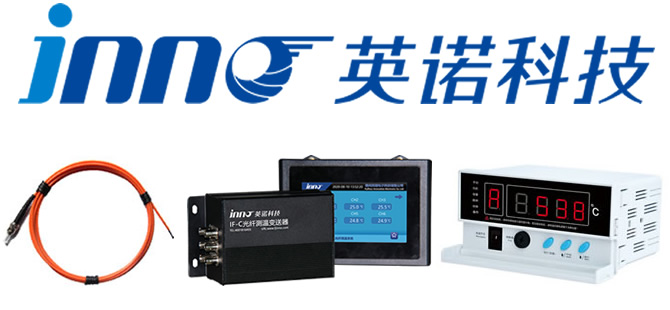
- FJINNO liefert schlüsselfertige Systeme einschließlich der faseroptischer Demodulator, Fluoreszenzsensoren, Anzeigemodule, fluoreszierende optische Faser, Und Überwachungssoftware – alles anpassbar über OEM/ODM-Programme.
Inhaltsverzeichnis
- 1. Was ist ein Temperaturüberwachungssystem für Krankenhauskühlschränke??
- 2. Warum eine kontinuierliche Temperaturüberwachung in Krankenhäusern von entscheidender Bedeutung ist
- 3. Arten von Krankenhauskühlschränken, die überwacht werden müssen
- 4. Wichtige regulatorische Anforderungen für die Überwachung von Krankenhauskühlschränken
- 5. Datenprotokollierung und Dokumentation für Compliance
- 6. Funktionsweise der fluoreszierenden Glasfaser-Temperaturmessung
- 7. Fluoreszierende Glasfaser vs. Traditionelle Sensoren: Vergleichstabelle
- 8. Schlüsselkomponenten eines fluoreszierenden Glasfaser-Überwachungssystems
- 9. Systemarchitektur für verschiedene Krankenhausmaßstäbe
- 10. Alarm- und Benachrichtigungsfunktionen
- 11. Spitze 10 Hersteller von Überwachungssystemen für Krankenhauskühlschränke
- 12. Warum FJINNO der bevorzugte Hersteller ist
- 13. So wählen Sie das richtige System für Ihr Krankenhaus aus
- 14. Zentralisiertes System vs. Eigenständige Datenlogger
- 15. Häufig gestellte Fragen
- 16. Beginnen Sie mit FJINNO
1. Was ist ein Temperaturüberwachungssystem für Krankenhauskühlschränke??
A Temperaturüberwachungssystem für Krankenhauskühlschränke ist eine speziell entwickelte Lösung zur kontinuierlichen Messung, aufzeichnen, und melden Sie die Innentemperaturen von Kühl- und Gefrierschränken für medizinische Zwecke. Im Gegensatz zu einem einfachen Digitalthermometer, das nur einen Schnappschuss anzeigt, Ein vollständiges Überwachungssystem sorgt für Echtzeiterfassung, automatische Datenprotokollierung, konfigurierbare Alarmschwellen, und Compliance-fähiges Reporting.
Diese Systeme schützen temperaturempfindliches Inventar, das in verschiedenen Krankenhausabteilungen gelagert wird – vor Kühlschränke für Impfstoffe in Impfkliniken zu Kühllagereinheiten für Blutbanken in Transfusionsdiensten und Medikamentenkühlschränke für Apotheken Insulin halten, Biologika, und Chemotherapeutika. Wenn ein Kühlschrank eine Fehlfunktion hat 2 Bin. an einem Wochenende, Das Überwachungssystem ist die erste und oft einzige Verteidigungslinie zwischen einer funktionierenden Kühlkette und verdorbenen Produkten im Wert von mehreren Tausend Dollar.
2. Warum eine kontinuierliche Temperaturüberwachung in Krankenhäusern von entscheidender Bedeutung ist
Hochwertigen Schutz, Temperaturempfindliches Inventar
Impfungen, Blutprodukte, und biologische Medikamente reagieren außerordentlich empfindlich auf Temperaturschwankungen. Das CDC schätzt, dass ein einziger Vorfall bei der Lagerung von Impfstoffen den Wert des Lagerbestands zerstören kann $20,000 Zu $200,000 oder mehr. Multiplizieren Sie dies in einem Krankenhausnetzwerk, und das finanzielle Risiko wird atemberaubend.
Patientensicherheit
Einem Patienten kann ein beeinträchtigter Impfstoff verabreicht werden, der immer noch normal erscheint, bietet keinen Schutz vor Krankheiten. Abgebaute Blutprodukte können Transfusionsreaktionen auslösen. Durch Temperatur geschädigte Biologika können ihre Wirksamkeit vollständig verlieren. Eine kontinuierliche Überwachung ist der Schutz, der verhindert, dass diese Szenarien unentdeckt eintreten.
Einhaltung von Vorschriften und Akkreditierungen
Aufsichtsbehörden, einschließlich der CDC, WER, Gemeinsame Kommission, und College of American Pathologists (KAPPE) Alle erfordern einen dokumentierten Nachweis der Kontinuität Überwachung der Kühlkettentemperatur im Gesundheitswesen. Das Nichtbestehen einer Inspektion aufgrund unzureichender Überwachung kann die Akkreditierung eines Krankenhauses gefährden und erhebliche finanzielle Strafen nach sich ziehen.
3. Arten von Krankenhauskühlschränken, die überwacht werden müssen
Anforderungen an die Temperaturüberwachung gelten für praktisch jede Kühleinheit in einem Krankenhaus. Impfstoffkühlschränke muss einen strengen Temperaturbereich von 2–8 °C einhalten, während Gefrierschränke für Impfstoffe arbeiten typischerweise zwischen -50 °C und -15 °C. Kühlschränke für Blutkonserven erfordern eine präzise Steuerung bei 1–6 °C gemäß AABB-Standards. Kühlschränke für Apothekenmedikamente Insulin speichern, Immunglobuline, und andere Biologika in ähnlich engen Bereichen.
Laborabteilungen erhöhen die Komplexität zusätzlich Kühlschränke zur Lagerung von Reagenzien, Probengefrierschränke, Und Ultratiefkühlschränke Betrieb bei -80 °C für Artikel wie mRNA-Impfstoffkomponenten. Jeder Gerätetyp hat unterschiedliche Temperaturspezifikationen, und ein gut konzipiertes Überwachungssystem muss sie alle über eine einzige Verwaltungsplattform verwalten.
4. Wichtige regulatorische Anforderungen für die Überwachung von Krankenhauskühlschränken
CDC Toolkit zur Lagerung und Handhabung von Impfstoffen
Das CDC benötigt speziell angefertigte oder pharmazeutische Geräte mit kontinuierlicher Temperaturüberwachung mithilfe kalibrierter digitaler Datenlogger. Manuelle Kontrollen zweimal täglich gelten als Mindestzuschlag, kein Ersatz für automatisierte Überwachung.
WHO-Leistung, Qualität und Sicherheit (PQS) Standards
Die PQS-Standards der WHO legen Leistungskriterien für Kühlkettengeräte fest, die weltweit in Impfprogrammen eingesetzt werden, einschließlich Alarmfunktionen und Temperaturaufzeichnungsfunktionen.
Gemeinsame Kommission und GAP
Beide Akkreditierungsstellen prüfen die Temperaturüberwachungspraktiken bei Krankenhausinspektionen. Sie erwarten eine automatisierte Aufzeichnung, dokumentierte Alarmreaktionsverfahren, und rückverfolgbare Kalibrierprotokolle. Krankenhäuser, die ausschließlich manuelle Protokolle verwenden, erhalten bei Umfragen häufig Ergebnisse.
5. Datenprotokollierung und Dokumentation für Compliance
Compliance-Grad Temperaturdatenprotokollierung erfordert eine automatische Aufzeichnung in Abständen von nicht mehr als 30 Minuten, wie vom CDC empfohlen. Aufzeichnungen müssen mindestens drei Jahre lang aufbewahrt und in manipulationssicheren elektronischen Formaten mit vollständigen Prüfprotokollen gespeichert werden. Das Überwachungssystem sollte exportierbare Compliance-Berichte generieren, Dokumentieren Sie jedes Alarmereignis einschließlich der ergriffenen Reaktionsmaßnahmen, und den Nachweis der Rückverfolgbarkeit der Sensorkalibrierung erbringen. Manuelle Papierprotokolle reichen für behördliche Audits zunehmend nicht mehr aus – automatisierte elektronische Aufzeichnungen sind in allen wichtigen Akkreditierungsrahmen zum erwarteten Standard geworden.
6. Funktionsweise der fluoreszierenden Glasfaser-Temperaturmessung

Das zugrunde liegende Prinzip
A Fluoreszierender faseroptischer Temperatursensor arbeitet nach dem Prinzip des Photolumineszenzzerfalls. Ein Seltenerd-Leuchtstoffmaterial an der Spitze der Messsonde wird durch einen Lichtimpuls angeregt, der durch eine optische Faser übertragen wird. Nach Aufregung, Der Leuchtstoff emittiert fluoreszierendes Licht, dessen Abklingzeit – die Geschwindigkeit, mit der das Nachleuchten verblasst – genau von der Temperatur der Sondenspitze abhängt.
Signalverarbeitung
Der faseroptischer Demodulator (auch Signalaufbereiter oder Sender genannt) sendet den Anregungsimpuls, Erfasst das zurückkehrende Fluoreszenzsignal, misst die Abklingzeit mit hoher Präzision, und wandelt es in einen genauen Temperaturmesswert um. Denn die Messung hängt eher von der Zeit als von der Lichtintensität ab, Es ist von Natur aus immun gegen Faserbiegeverluste, Verschlechterung des Steckers, und Alterung der Lichtquelle – was sie über Jahrzehnte im Betrieb außergewöhnlich stabil macht.
7. Fluoreszierende Glasfaser vs. Traditionelle Sensoren: Vergleichstabelle
Die Auswahl der richtigen Sensortechnologie ist eine der folgenreichsten Entscheidungen bei der Entwicklung eines Überwachungssystem für Krankenhauskühlschränke. Die folgende Tabelle vergleicht fluoreszierende faseroptische Sensoren im Vergleich zu drei häufig verwendeten Alternativen für die Parameter, die im Gesundheitswesen am wichtigsten sind.
| Parameter | Fluoreszierende Glasfaser | Thermoelement | FTE / Thermistor | Drahtloser Datenlogger |
|---|---|---|---|---|
| Erfassungsmethode | Punkttyp, optisches Signal | Punkttyp, elektrisches Signal | Punkttyp, elektrisches Signal | Punkttyp, elektronisch |
| Genauigkeit | ±1°C | ±1–2°C | ±0,1–0,5 °C | ±0,5–1°C |
| Messbereich | -40°C bis 260 °C | -200°C bis 1300 °C | -200°C bis 600 °C | -30°C bis 70 °C |
| EMI-Immunität | ★★★★★ Abgeschlossen | ★★ Schlecht | ★★★ Mäßig | ★★★ Mäßig |
| Elektrische Isolierung | 100KV+ | Keiner | Keiner | Keiner |
| Sondendurchmesser | 2–3 mm (anpassbar) | Klein | Medium | Groß (mit Batterie) |
| Übertragungsentfernung | 0–80 Meter | Kurz (Signalverlust) | Kurz (braucht Sender) | Abhängig von der Funkreichweite |
| Ansprechzeit | <1 zweite | Schnell | Langsamer | 1–5-minütiges Abtastintervall |
| Lebensdauer | >25 Jahre | 1–3 Jahre | 3–5 Jahre | 2–5 Jahre (Batterie begrenzt) |
| Mehrkanal-Erweiterung | 1–64 Kanäle pro Einheit | Erfordert mehrere Instrumente | Erfordert mehrere Instrumente | Jede Einheit unabhängig |
| Langfristige Wartungskosten | Sehr niedrig | Mäßig | Mäßig | Hoch (Batteriewechsel) |
| Krankenhaustauglichkeit | ★★★★★ | ★★ | ★★★ | ★★★★ |
Zur Überwachung von Krankenhauskühlschränken, fluoreszierende Glasfasertechnologie bietet die stärkste Kombination aus Sicherheit, Langlebigkeit, und Skalierbarkeit. Durch die vollständige elektrische Isolierung besteht keine Gefahr von Kurzschlüssen in der Nähe empfindlicher medizinischer Geräte, Mit einer Lebensdauer von mehr als 25 Jahren und einem Wartungsaufwand von nahezu Null ist es die Option mit den niedrigsten Gesamtbetriebskosten bei der Überwachung mehrerer Einheiten in einer Anlage.
8. Schlüsselkomponenten eines fluoreszierenden Glasfaser-Überwachungssystems

Fluoreszierender faseroptischer Demodulator (Sender)
Der faseroptischer Temperaturdemodulator ist die zentrale Verarbeitungseinheit des Systems. Es erzeugt Anregungslicht, empfängt zurückkehrende Fluoreszenzsignale, berechnet Temperaturwerte, und gibt Daten über eine aus RS485-Kommunikationsschnittstelle. Ein einzelner Demodulator unterstützt 1 Zu 64 Erfassungskanäle, und wichtige Parameter, einschließlich Kanalanzahl und Kommunikationsprotokolle, können an die Projektanforderungen angepasst werden.
Fluoreszierende faseroptische Sensorsonde

Der Faseroptische Temperaturmesssonde ist das Element, das in jedem Kühlschrank platziert ist. Mit einem Durchmesser von nur 2–3 mm (anpassbar), Es passt durch Türdichtungen, ohne die Abdichtung zu beeinträchtigen. Die Sonde ist vollständig elektrisch isoliert und hat eine Spannungsfestigkeit von über 100 kV. Faserlängen von 0 Zu 80 Die Messgeräte passen sich jedem Grundriss eines Krankenhauses an, und die erwartete Lebensdauer überschreitet 25 Jahre.
Fluoreszierende optische Faser
Der fluoreszierende optische Faser dient als Übertragungsmedium, das jede Messsonde mit dem Demodulator verbindet. Es überträgt sowohl den ausgehenden Anregungsimpuls als auch das fluoreszierende Rücksignal, Bereitstellung einer völlig passiven, störungsfreier Signalweg.
Anzeigemodul
Ein Einheimischer Temperaturanzeigemodul Bietet Echtzeit-Sichtbarkeit aller Kanaltemperaturen und Alarmstatus direkt am Überwachungsort, So können Mitarbeiter die Messwerte auf einen Blick überprüfen, ohne auf die Softwareplattform zugreifen zu müssen.
Überwachungssoftware
Der Softwareplattform zur Temperaturüberwachung liefert Datenaufzeichnung, Trendvisualisierung mit historischen Kurven, Automatisierte Erstellung von Compliance-Berichten, Alarmmanagement mit Eskalationsregeln, und Fernzugriffsmöglichkeit für Facility Manager.
9. Systemarchitektur für verschiedene Krankenhausmaßstäbe
Überwachung einzelner Einheiten
Zur Überwachung eines einzelnen Kühlschranks, Eine Messsonde ist über eine Glasfaser mit einem Einkanal-Demodulator und einem Anzeigemodul verbunden – eine kompakte und kostengünstige Konfiguration.
Überwachung auf Abteilungsebene
Auf Abteilungsebene, Mehrere Sonden werden zu einem Mehrkanal verbunden faseroptischer Demodulator (bis zu 64 Kanäle), Speisung einer Abteilungsanzeige und der Überwachungssoftware. Dies ermöglicht eine Apotheke, Blutbank, oder Impfklinik, um alle Kühllagereinheiten von einem System aus zentral zu überwachen.
Krankenhausweite Überwachung
Für den anlagenweiten Einsatz, Mehrere abteilungsübergreifende Demodulatoren verbinden sich über RS485-Bus an eine zentrale Überwachungsplattform. Diese Architektur kann mit dem Gebäudemanagementsystem des Krankenhauses verbunden werden (BMS) oder Gesundheitsinformationssystem (SEIN) für die Integration und Überwachung auf Unternehmensebene.
10. Alarm- und Benachrichtigungsfunktionen
Eine wirksame Alarmanlage für Krankenhauskühlschränke muss mehrstufige Alarmschwellenwerte bereitstellen – Vorwarnung, Alarm, und kritisch – um eine abgestufte Reaktion zu ermöglichen. Lokale akustische und visuelle Alarme alarmieren das Personal vor Ort sofort. Fernbenachrichtigungen per SMS, E-Mail, Telefonanruf, oder mobiler App-Push sorgen für Abdeckung außerhalb der Geschäftszeiten. Konfigurierbare Alarmverzögerungen verhindern Fehlauslösungen durch routinemäßige Türöffnungen, während Eskalationsprotokolle Vorgesetzte automatisch benachrichtigen, wenn erste Warnungen unbestätigt bleiben. Jedes Alarmereignis wird mit Zeitstempeln und Reaktionsdokumentation protokolliert, um den Audit-Anforderungen gerecht zu werden.
11. Spitze 10 Hersteller von Überwachungssystemen für Krankenhauskühlschränke
| Rang | Hersteller | Kernstärke |
|---|---|---|
| 1 | FJINNO | Fluoreszierende faseroptische Temperaturüberwachungssysteme, 1–64-Kanal-Skalierbarkeit, vollständige OEM/ODM-Anpassung |
| 2 | Vaisala | Hochpräzise Umweltüberwachung für den Pharma- und Gesundheitssektor |
| 3 | Rees Scientific | In den USA ansässiger Spezialist für medizinische und pharmazeutische Temperaturüberwachung |
| 4 | SensoScientific | Drahtlose cloudbasierte Temperaturüberwachung mit schneller Bereitstellung |
| 5 | Dickson | Eine jahrhundertealte Marke für Datenlogger und Umweltüberwachung |
| 6 | TempGenius | SaaS-basierte Kühl- und Gefrierschrank-Überwachungsplattform |
| 7 | Er warnt | Drahtlose Sensornetzwerke und Fernüberwachungslösungen |
| 8 | Emerson | Technologieführer bei der Überwachung der Kühlkette |
| 9 | Text | Deutsche Präzisionsmessung mit umfassenden Produktlinien zur Gesundheitsüberwachung |
| 10 | Elitech | Hersteller von Geräten zur Aufzeichnung und Überwachung der Kühlkettentemperatur |
12. Warum FJINNO der bevorzugte Hersteller ist
Proprietäre Kerntechnologie
Im Gegensatz zu Unternehmen, die Komponenten von Drittanbietern zusammenbauen, FJINNO entwickelt seine fluoreszierende Glasfaser-Sensortechnologie im eigenen Haus – von den Phosphormaterialien und Sensorsonden bis hin zu den Demodulationsalgorithmen und der Überwachungssoftware. Diese vertikale Integration gewährleistet die Qualitätskontrolle und ermöglicht eine schnelle Anpassung.
Flexible Multi-Channel-Architektur
FJINNOs faseroptische Temperaturdemodulatoren Unterstützung 1 Zu 64 Kanäle pro Einheit, Damit eignen sie sich gleichermaßen für eine kleine Klinik mit zwei Kühlschränken oder ein großes Krankenhaus mit Dutzenden von Kühlräumen in mehreren Abteilungen.
Umfassende Compliance-Unterstützung
Das inklusive Überwachungssoftware Bietet eine automatisierte Datenprotokollierung, Compliance-Berichtsvorlagen, Audit-Trail-Funktionalität, und Dokumentation von Alarmereignissen, die CDC-konform sind, Gemeinsame Kommission, und CAP-Anforderungen sofort einsatzbereit.
OEM/ODM-Anpassung
FJINNO bietet eine vollständige Anpassung der Sondenlänge, Sondendurchmesser, Kanalanzahl, Kommunikationsprotokolle, Softwareschnittstellen, und Produkt-Branding – was Systemintegratoren ermöglicht, Ausrüstungshändler, und Krankenhausgruppen, um die Lösung genau an ihre Spezifikationen anzupassen.
13. So wählen Sie das richtige System für Ihr Krankenhaus aus
Beginnen Sie mit der Definition Ihres Überwachungsbereichs – zählen Sie jeden Kühlschrank, Gefrierschrank, und extrem niedriges Gerät, das abgedeckt werden muss, und ihre physischen Standorte kartieren. Bestätigen Sie die Anforderungen an Genauigkeit und Temperaturbereich für jede Anwendung, insbesondere wenn eine Überwachung extrem niedriger Temperaturen erforderlich ist. Identifizieren Sie, welche gesetzlichen Standards Ihre Einrichtung einhalten muss, da dadurch die Datenprotokollierungsintervalle bestimmt werden, Aufbewahrungsfristen, und Berichtsformate.
Bewerten Sie die Integrationsanforderungen frühzeitig: Muss das System Daten in Ihr bestehendes BMS oder KIS einspeisen?? Vergleichen Sie die Gesamtbetriebskosten über einen Zeitraum von 10 Jahren und nicht nur den Kaufpreis im Voraus – a fluoreszierendes Glasfasersystem Mit einer Lebensdauer von 25 Jahren und minimalem Wartungsaufwand kosten sie oft weniger als drahtlose Logger, die wiederholte Batteriewechsel und Gerätewechsel erfordern. Endlich, Priorisieren Sie Hersteller wie FJINNO die Individualisierung bieten, denn keine zwei Krankenhäuser haben identische Anforderungen.
14. Zentralisiertes System vs. Eigenständige Datenlogger
A Zentralisiertes Glasfaser-Überwachungssystem verbindet alle Sensorpunkte mit einer einheitlichen Plattform, Bereitstellung eines einzigen Dashboards für Temperaturen, Alarm, und Compliance-Daten in der gesamten Einrichtung. Diese Architektur vereinfacht die Verwaltung, beseitigt Datensilos, ermöglicht eine koordinierte Alarmeskalation, und skaliert effizient, wenn neue Einheiten hinzugefügt werden.
Eigenständige drahtlose Datenlogger lassen sich anfangs einfacher einsetzen – jede Einheit arbeitet unabhängig mit ihrer eigenen Batterie und ihrem eigenen drahtlosen Sender. Jedoch, da die Zahl der überwachten Kühlschränke auf über fünf oder sechs ansteigt, Der Verwaltungsaufwand vervielfacht sich: Batterien müssen nach individuellen Zeitplänen ausgetauscht werden, Daten müssen manuell von separaten Geräten konsolidiert werden, und die Alarmkoordination wird schwierig. Für jedes Krankenhaus, das mehr als eine Handvoll Einheiten überwacht, Ein zentralisiertes System sorgt für deutlich bessere betriebliche Effizienz und Compliance-Ergebnisse.
15. Häufig gestellte Fragen
Q1: Beeinträchtigt die Glasfasersonde die Dichtung der Kühlschranktür??
NEIN. Der fluoreszierende faseroptische Sensorsonde hat einen Durchmesser von nur 2–3 mm, die dünn genug ist, um durch die Türdichtung geführt zu werden, ohne dass ein nennenswerter Spalt entsteht oder die Integrität der Dichtung beeinträchtigt wird.
Q2: Gehen bei einem Stromausfall Daten verloren??
Die Überwachungssoftware speichert alle protokollierten Daten auf dem Host-Computer oder Server. Die meisten Bereitstellungen umfassen auch eine USV-Notstromversorgung für den Demodulator und das Hostsystem, Gewährleistung einer kontinuierlichen Aufzeichnung auch bei Ausfällen.
Q3: Wie viele Kühlschränke kann ein Demodulator überwachen??
Eine Single FJINNO Glasfaser-Demodulator unterstützt 1 Zu 64 Eingangskanäle. Jeder Kühlschrank benötigt normalerweise eine Messsonde, so dass eine Einheit bis zu abdecken kann 64 Kühlschränke je nach bestellter Kanalkonfiguration.
Q4: Wie oft müssen die Glasfasersonden ausgetauscht werden??
Fluoreszierende faseroptische Sensorsonden sind für eine Lebensdauer von mehr als ausgelegt 25 Jahre unter normalen Betriebsbedingungen. Es gibt keine auszutauschende Batterie und keine Verbrauchsteile, Dadurch sind sie im Wesentlichen wartungsfrei.
F5: Kann ich Temperaturdaten aus der Ferne anzeigen??
Ja. Der Überwachungssoftware unterstützt Fernzugriff, So können autorisierte Benutzer Echtzeittemperaturen anzeigen, historische Trends, und Alarmstatus von jedem Ort aus über eine Netzwerkverbindung.
F6: Kann das System sowohl Standardkühlschränke als auch Ultratiefkühlschränke überwachen??
Ja. Der standardmäßige Erfassungsbereich von -40 °C bis 260 °C deckt alle gängigen Kühl- und Gefriergeräte für Krankenhäuser ab. Für Ultra-Low-Anwendungen bei -80 °C, FJINNO bietet maßgeschneiderte Sondenkonfigurationen zur Erweiterung des Messbereichs.
F7: Unterstützt FJINNO kleine Mengen oder kundenspezifische Bestellungen??
Ja. FJINNO bietet OEM- und ODM-Dienstleistungen mit flexiblen Mindestbestellmengen. Sondenlänge, Durchmesser, Kanalanzahl, Kommunikationsschnittstelle, und Software-Branding können individuell angepasst werden.
F8: Ist eine professionelle Installation erforderlich??
Das System ist für eine unkomplizierte Bereitstellung konzipiert. Die Sonden werden in Kühlschränke geführt und über Glasfaseranschlüsse mit dem Demodulator verbunden. Die meisten Einrichtungen führen die Installation mit einfachem technischem Personal und Anleitung anhand der FJINNO-Dokumentation durch.
F9: Welche Kommunikationsschnittstelle nutzt das System??
Die Standard-Kommunikationsschnittstelle ist RS485, die Ferngespräche unterstützt, Busvernetzung mehrerer Geräte. Andere Protokolle können auf Anfrage über das Anpassungsprogramm von FJINNO bereitgestellt werden.
F10: Wie geht das System mit Fehlalarmen durch Türöffnungen um??
Durch konfigurierbare Alarmverzögerungstimer können kurze Temperaturspitzen durch routinemäßiges Türöffnen behoben werden, bevor ein Alarm ausgelöst wird. Die Verzögerungsdauer kann in der Software angepasst werden, um sie an die Betriebsmuster jeder Einrichtung anzupassen.
16. Beginnen Sie mit der Überwachungslösung für Krankenhauskühlschränke von FJINNO
Implementierung einer zuverlässigen Temperaturüberwachungssystem für Krankenhauskühlschränke beginnt mit einem einzigen Gespräch. Kontaktieren Sie FJINNO, um Ihre Überwachungsanforderungen zu beschreiben – einschließlich der Anzahl und Art der Kühlschränke, Ihr regulatorisches Umfeld, und alle Integrations- oder Anpassungsanforderungen. Das Ingenieurteam von FJINNO erstellt einen maßgeschneiderten Systementwurf und ein Angebot. Einmal bestätigt, Produktion, Lieferung, und Bereitstellungsunterstützung folgen einem optimierten Prozess, der im Laufe der Jahre bei der Betreuung von Kunden im Gesundheitswesen weltweit verfeinert wurde.
Kontaktieren Sie FJINNO noch heute für eine kostenlose Beratung und ein individuelles Angebot:
- Webseite: www.fjinno.net
- E-Mail: web@fjinno.net
Haftungsausschluss
Die in diesem Artikel bereitgestellten Informationen dienen ausschließlich allgemeinen Informations- und Bildungszwecken. Es wurden alle Anstrengungen unternommen, um die Genauigkeit sicherzustellen, FJINNO übernimmt keine Garantien oder Zusicherungen hinsichtlich der Vollständigkeit, Zuverlässigkeit, oder Eignung des Inhalts für eine bestimmte Anwendung. Die gesetzlichen Anforderungen variieren je nach Gerichtsbarkeit und können sich ändern; Die Leser sind dafür verantwortlich, die geltenden Standards und Compliance-Verpflichtungen in ihrer eigenen Region zu überprüfen. Die hier beschriebenen Produktspezifikationen sind typische Werte und können je nach Anpassung und projektspezifischen Konfigurationen variieren. Dieser Artikel ist nicht medizinisch, legal, oder regulatorische Beratung. Zur konkreten Anleitung, Konsultieren Sie qualifizierte Fachleute in Ihrem Bereich. Alle genannten Warenzeichen und Markennamen sind Eigentum ihrer jeweiligen Inhaber und dienen nur zu Informationszwecken.

Faseroptischer Temperatursensor, Intelligentes Überwachungssystem, Verteilter Glasfaserhersteller in China
|
 |
 |