 أجهزة استشعار درجة حرارة الألياف الضوئية INNO ,أنظمة مراقبة درجة الحرارة.
- ✓ السلامة الكاملة للتصوير بالرنين المغناطيسي: غير مغناطيسية, لا يوجد خطر تسخين الترددات اللاسلكية, صفر التحف الصورة
- ✓ مناعة التداخل الكهرومغناطيسي: مثالية لاستئصال الترددات اللاسلكية وبيئات التصوير بالرنين المغناطيسي عالية المجال
- ✓ الدقة في الوقت الحقيقي: دقة ±0.5-1 درجة مئوية مع وقت استجابة أقل من الثانية
- ✓ مراقبة متعددة النقاط: 1-64 قنوات لرسم خرائط شاملة لدرجة الحرارة
- ✓ مواد متوافقة حيويا: ألياف طبية آمنة للاتصال بالمريض
- ✓ نطاق درجة حرارة واسع: من الاستئصال بالتبريد (-40درجة مئوية) إلى الاستئصال بالليزر (260درجة مئوية)
- ✓ تصميم مسبار مرن: قطر وطول قابلان للتخصيص لإجراءات طفيفة التوغل
- ✓ قابلة للتعقيم: متوافق مع إيتو, الأوتوكلاف, وطرق التعقيم بالبلازما
- ✓ التطبيقات السريرية: الجراحة الموجهة بالرنين المغناطيسي, استئصال الورم, إجراءات القلب, جراحة المخ والأعصاب
- ✓ نتائج مثبتة: تحسين نتائج العلاج وتقليل المضاعفات في المستشفيات العالمية
📋 جدول المحتويات
- لماذا تعتبر أجهزة استشعار درجة الحرارة بالألياف الضوئية ضرورية للمعدات الطبية المتوافقة مع التصوير بالرنين المغناطيسي?
- ماذا يحدث عند استخدام أجهزة استشعار درجة الحرارة المعدنية في بيئات التصوير بالرنين المغناطيسي?
- كيف تمنع مستشعرات الألياف الضوئية التسخين الناجم عن الترددات اللاسلكية أثناء عمليات التصوير بالرنين المغناطيسي?
- لماذا تعد التغذية الراجعة لدرجات الحرارة في الوقت الفعلي أمرًا بالغ الأهمية لنجاح الاستئصال بالليزر?
- كيف تتيح مستشعرات درجة حرارة الألياف الضوئية علاجًا دقيقًا للورم بتقنية HIFU?
- ما هو الدور الذي تلعبه أجهزة استشعار درجة الحرارة غير المعدنية في استئصال الترددات اللاسلكية للقلب؟?
- كيف يعتمد العلاج التداخلي الموجه بالتصوير بالرنين المغناطيسي على مراقبة درجة حرارة الألياف الضوئية?
- لماذا تُفضل أجهزة استشعار الألياف الضوئية لمراقبة درجة حرارة جراحة الدماغ والعمود الفقري?
- كيف تعمل مجسات درجة حرارة الألياف الضوئية على تحسين نتائج استئصال الورم?
- هل يمكن لأجهزة استشعار درجة حرارة الألياف الضوئية العمل في إجراءات الاستئصال بالتبريد؟?
- كم عدد نقاط درجة الحرارة التي يمكن مراقبتها في وقت واحد أثناء الجراحة؟?
- ما هي دقة درجة الحرارة ووقت الاستجابة اللازمين للإجراءات الطبية؟?
- ما هي المواد التي تجعل أجهزة استشعار درجة حرارة الألياف الضوئية آمنة للاتصال بالمريض؟?
- كيف يمكن تعقيم مجسات درجة حرارة الألياف الضوئية الطبية للاستخدام الجراحي?
- ما هي النتائج السريرية التي تم تحقيقها من خلال مراقبة درجة حرارة الألياف الضوئية؟?
- من هم أبرز الشركات المصنعة لأجهزة استشعار درجة حرارة الألياف البصرية الطبية؟?
1. لماذا تعتبر أجهزة استشعار درجة الحرارة بالألياف الضوئية ضرورية للمعدات الطبية المتوافقة مع التصوير بالرنين المغناطيسي?

التصوير بالرنين المغناطيسي (التصوير بالرنين المغناطيسي) أحدث ثورة في التشخيص الطبي والإجراءات التدخلية, ولكنه يخلق واحدة من أكثر البيئات صعوبة بالنسبة لمعدات مراقبة درجة الحرارة. مزيج من المجالات المغناطيسية الثابتة القوية (1.5ت, 3ت, أو 7T), تبديل حقول التدرج بسرعة, والترددات الراديوية (الترددات اللاسلكية) البقوليات تجعل أجهزة استشعار درجة الحرارة الإلكترونية التقليدية غير فعالة فحسب, ولكن يحتمل أن تكون خطيرة.
تمثل مستشعرات درجة حرارة الألياف الضوئية الحل الآمن والدقيق الوحيد لمراقبة درجة الحرارة داخل أنظمة التصوير بالرنين المغناطيسي وما حولها. على عكس أجهزة الاستشعار التقليدية التي تعتمد على الإشارات الكهربائية, تستخدم مستشعرات الألياف الضوئية نقل الضوء عبر الألياف الزجاجية, مما يجعلها محصنة تمامًا ضد التداخل الكهرومغناطيسي وتأثيرات المجال المغناطيسي.
1.1 ما الذي يجعل مستشعر درجة الحرارة متوافقًا مع التصوير بالرنين المغناطيسي؟?
لكي يعتبر مستشعر درجة الحرارة متوافقًا مع التصوير بالرنين المغناطيسي, يجب أن تلبي العديد من المتطلبات الحاسمة:
- المواد غير المغناطيسية: لا توجد مكونات يمكن جذبها أو تحريكها بواسطة المجال المغناطيسي
- لا الموصلية الكهربائية: لا يمكن خلق تيارات تؤدي إلى التسخين أو الحروق
- لا تدخل الترددات اللاسلكية: يجب عدم تشويه صور التصوير بالرنين المغناطيسي أو استقبال إشارات كاذبة
- قياسات دقيقة: يجب أن يظل الأداء مستقرًا في المجالات المغناطيسية القوية
- سلامة المرضى: صفر خطر التدفئة, حركة, أو صدمة كهربائية
1.2 مقارنة: الألياف البصرية مقابل. أجهزة استشعار درجة الحرارة التقليدية
| عامل المقارنة | مستشعر درجة حرارة الألياف البصرية | جهاز استشعار معدني تقليدي |
|---|---|---|
| التوافق مع التصوير بالرنين المغناطيسي | ✅ متوافقة تماما | ❌ممنوع |
| الجذب المغناطيسي | ✅ صفر خطر | ❌ خطر مقذوف مميت |
| تسخين الترددات اللاسلكية | ✅ لا يوجد تدفئة | ❌ خطر الحروق الشديدة |
| التداخل الكهرومغناطيسي | ✅حصانة كاملة | ❌تشويه شديد |
| التحف الصورة | ✅ لا يوجد تدخل | ❌ التحف الشديدة |
| سلامة المرضى | ✅ أقصى قدر من الأمان | ❌ مخاطر متعددة |
| دقة القياس في التصوير بالرنين المغناطيسي | ✅ مستقرة & دقيق | ❌ غير موثوق به / مستحيل |
2. ماذا يحدث عند استخدام أجهزة استشعار درجة الحرارة المعدنية في بيئات التصوير بالرنين المغناطيسي?

تتراوح عواقب استخدام أجهزة استشعار درجة الحرارة المعدنية في بيئات التصوير بالرنين المغناطيسي من عطل في المعدات إلى إصابات تهدد حياة المرضى. إن فهم هذه المخاطر يسلط الضوء على سبب عدم تفضيل أجهزة استشعار الألياف الضوئية فقط, ولكنها ضرورية لتطبيقات التصوير بالرنين المغناطيسي.
2.1 تأثير المقذوف المغناطيسي
تولد ماسحات التصوير بالرنين المغناطيسي مجالات مغناطيسية أقوى بآلاف المرات من المجال المغناطيسي للأرض. أ 3 تسلا التصوير بالرنين المغناطيسي, على سبيل المثال, ينتج حقلاً 60,000 أقوى مرات من المغناطيسية الطبيعية للكوكب. عندما تدخل المواد المغناطيسية هذا المجال:
- التسارع المفاجئ: يمكن سحب الأجسام المعدنية نحو الماسح الضوئي بسرعات تتجاوز ذلك 40 ميلا في الساعة
- قوة لا يمكن السيطرة عليها: حتى المكونات المعدنية الصغيرة تصبح مقذوفات خطيرة
- تأثير كارثي: حالات موثقة لإصابات ووفيات بسبب الأجسام المعدنية
- تلف المعدات: يمكن نزع أجهزة الاستشعار من نقاط التركيب الخاصة بها
2.2 التدفئة الناجمة عن الترددات اللاسلكية وحروق المرضى
خلال عمليات التصوير بالرنين المغناطيسي, تستخدم نبضات التردد الراديوي لإثارة ذرات الهيدروجين في الجسم. تعمل الأسلاك المعدنية وأجهزة الاستشعار كهوائيات, تركيز طاقة الترددات اللاسلكية والتسبب:
- التدفئة الموضعية: ترتفع درجة الحرارة بمقدار 10-20 درجة مئوية أو أكثر في ثوانٍ
- الحروق من الدرجة الأولى والثانية: نقاط الاتصال المباشرة مع أجهزة الاستشعار أو الأسلاك
- تلف الأنسجة الداخلية: الحرارة التي يتم توصيلها إلى الأنسجة المحيطة
- إصابات متأخرة: قد لا تظهر الحروق على الفور أثناء الإجراء
2.3 الحوادث الطبية في العالم الحقيقي (مجهول المصدر)
توثق الأدبيات الطبية العديد من الحوادث التي تنطوي على أجهزة استشعار معدنية في بيئات التصوير بالرنين المغناطيسي:
- تسبب كابل مراقبة المريض المكون من مكونات معدنية في حروق من الدرجة الثالثة تتطلب ترقيع الجلد
- خلقت أسلاك استشعار درجة الحرارة في الإعداد التجريبي صورًا فنية خطيرة, جعل عمليات الفحص التشخيصي عديمة الفائدة
- تم سحب جهاز مراقبة تم فحصه بشكل غير صحيح إلى التجويف, ضرب مريض وفني
- أظهرت مجسات درجة الحرارة المعدنية المستخدمة في بروتوكولات البحث قراءات خاطئة تتراوح بين 5-10 درجات مئوية بسبب تداخل الترددات اللاسلكية
2.4 لماذا فقط الألياف الضوئية يمكنها حل هذه المشاكل؟
تعمل أجهزة استشعار درجة حرارة الألياف الضوئية على التخلص من جميع المخاطر المرتبطة بالتصوير بالرنين المغناطيسي لأنها:
- لا تحتوي على معدن: مصنوعة بالكامل من الزجاج (السيليكا) ومواد البوليمر
- غير موصلة للكهرباء: لا يمكن إنشاء تيارات كهربائية أو حلقات تسخين
- استخدم الإشارات الضوئية: لا يتأثر تمامًا بالمجالات المغناطيسية أو الترددات اللاسلكية
- لا تولد أي قطع أثرية: شفافة لتسلسلات التصوير بالرنين المغناطيسي
- الحفاظ على الدقة: الأداء متطابق داخل وخارج المجال المغناطيسي
3. كيف تمنع مستشعرات الألياف الضوئية التسخين الناجم عن الترددات اللاسلكية أثناء عمليات التصوير بالرنين المغناطيسي?

يعد التسخين الناجم عن الترددات الراديوية أحد أخطر مخاوف السلامة في الإجراءات الموجهة بالتصوير بالرنين المغناطيسي. في حين أن أجهزة استشعار الألياف الضوئية تتجنب هذه المشكلة بطبيعتها, يساعد فهم الآلية في تقدير ميزة السلامة المهمة الخاصة بهم.
3.1 فيزياء تسخين الترددات اللاسلكية في التصوير بالرنين المغناطيسي
تستخدم ماسحات التصوير بالرنين المغناطيسي نبضات الترددات اللاسلكية بترددات 64-300 ميغاهيرتز (اعتمادا على قوة المجال). عندما تواجه هذه النبضات مواد موصلة:
- تأثير الهوائي: تعمل الأسلاك المعدنية كهوائيات استقبال
- الحث الحالي: تولد طاقة الترددات اللاسلكية تيارات متناوبة في الموصل
- تسخين مقاوم: التدفق الحالي من خلال المقاومة يخلق الحرارة (تسخين I²R)
- موجات واقفة: تعمل أطوال الرنين على تضخيم التسخين عند نقاط محددة
- ارتفاع درجة الحرارة: التدفئة المركزة يمكن أن تصل إلى مستويات خطيرة في ثوان
3.2 ميزة الألياف البصرية غير موصلة
تستخدم مستشعرات درجة حرارة الألياف الضوئية مواد الفلورسنت أو غيرها من الظواهر البصرية لقياس درجة الحرارة. مسار الإشارة بأكمله غير موصل:
- جوهر الألياف الزجاجية: زجاج السيليكا (SiO₂) يعتبر عازل كهربائي ممتاز
- نقل الضوء: معلومات درجة الحرارة المشفرة في الإشارات الضوئية
- لا توجد مكونات معدنية: حتى الموصلات تستخدم مواد السيراميك أو البوليمر
- التدفق الحالي صفر: لا يوجد مسار كهربائي للتيارات الناجمة عن الترددات اللاسلكية
- لا توليد الحرارة: انتقال الضوء ينتج حرارة لا تذكر
3.3 جدول مقارنة السلامة
| عامل الأمان | مستشعر الألياف البصرية | الحرارية | مستشعر RTD |
|---|---|---|---|
| خطر تسخين الترددات اللاسلكية (1.5ت) | 0زيادة درجة مئوية | +10-15درجة مئوية | +8-12درجة مئوية |
| خطر تسخين الترددات اللاسلكية (3ت) | 0زيادة درجة مئوية | +15-25درجة مئوية | +12-20درجة مئوية |
| خطر الحروق على المريض | لا أحد | عالي | عالي |
| خطورة الصورة الأثرية | الحد الأدنى/لا شيء | شديد | شديد |
| الوضع التنظيمي | موافقة | بطلان | بطلان |
4. لماذا تعد التغذية الراجعة لدرجات الحرارة في الوقت الفعلي أمرًا بالغ الأهمية لنجاح الاستئصال بالليزر?
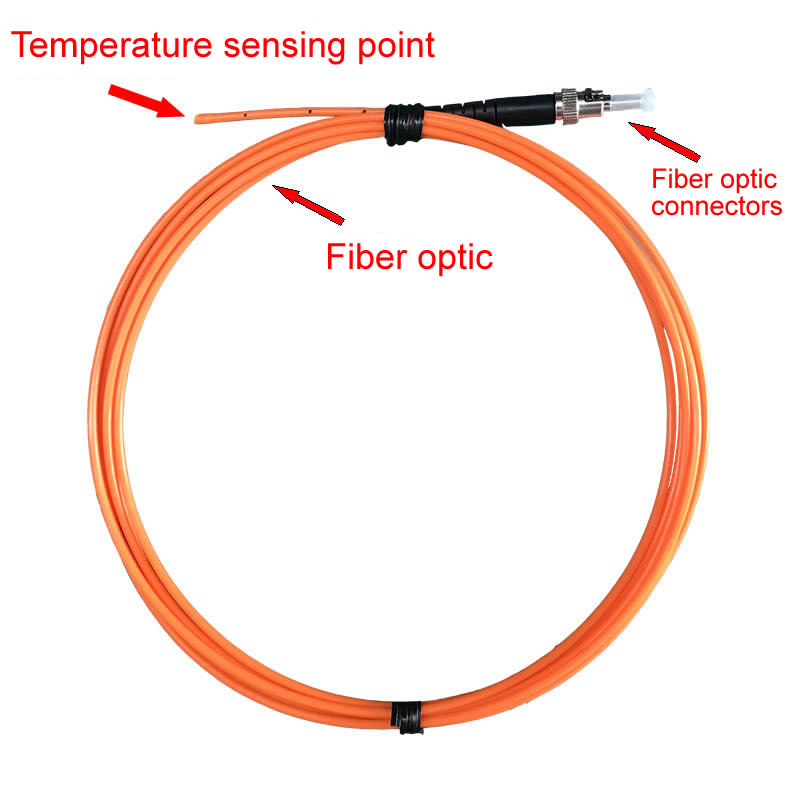
أصبح الاستئصال بالليزر علاجًا مفضلاً طفيف التوغل لمختلف الأورام والأنسجة غير الطبيعية. يعتمد نجاح الإجراء كليًا على تحقيق التدمير الحراري الدقيق داخل المنطقة المستهدفة مع الحفاظ على الأنسجة السليمة المحيطة، وهو هدف مستحيل بدون دقة, مراقبة درجة الحرارة في الوقت الحقيقي.
4.1 متطلبات درجة حرارة الاجتثاث بالليزر
العلاج بالاستئصال بالليزر تعمل عادة في نطاق درجة حرارة 60-100 درجة مئوية, أين:
- 60-70درجة مئوية: يبدأ تمسخ البروتين, تصبح الخلايا غير قابلة للحياة
- 70-80درجة مئوية: منطقة الاجتثاث الأمثل مع موت الخلايا الكامل
- 80-100درجة مئوية: التخثر وتكربن الأنسجة
- فوق 100 درجة مئوية: تبخير, تكوين الغاز, وتأثيرات الأنسجة غير المتوقعة
4.2 عواقب فشل التحكم في درجة الحرارة
درجة حرارة غير كافية (نقص العلاج):
- تدمير غير كامل للورم
- تبقى الخلايا السرطانية القابلة للحياة على الهامش
- معدلات تكرار عالية (30-50% أعلى دون مراقبة مناسبة)
- الحاجة إلى تكرار الإجراءات
- زيادة العبء على المرضى وتكاليف الرعاية الصحية
درجة الحرارة المفرطة (الإفراط في العلاج):
- تلف الأنسجة السليمة خارج المنطقة المستهدفة
- المضاعفات: نزيف, ثقب, إصابة الأعصاب
- تمديد وقت الاسترداد
- ضعف وظيفي محتمل
- زيادة خطر الآثار الجانبية
4.3 مزايا مستشعر الألياف الضوئية في الاستئصال بالليزر
توفر مستشعرات درجة حرارة الألياف الضوئية الفلورية خصائص مثالية لمراقبة الاستئصال بالليزر:
- وقت الاستجابة سريع (<0.5 ثواني): يكتشف تغيرات درجة الحرارة قبل حدوث تلف الأنسجة
- دقة عالية (±0.5-1 درجة مئوية): يضمن بقاء العلاج ضمن النافذة العلاجية
- قطر مسبار صغير: الغازية الحد الأدنى, يمكن وضعها بجانب ألياف الليزر
- مراقبة متعددة النقاط (4-8 نقاط): خرائط توزيع درجة الحرارة عبر منطقة الاجتثاث
- محصن ضد تدخل الليزر: قراءات دقيقة حتى في مجال الليزر المباشر
- طول الألياف قابل للتخصيص: يصل إلى الأورام العميقة الجذور (ما يصل الى 80 انتقال متر)
4.4 سيناريوهات التطبيق السريري
لقد أثبتت أجهزة استشعار درجة حرارة الألياف الضوئية أهميتها في:
- استئصال ورم الكبد: مراقبة درجة الحرارة على هوامش الورم والأوعية المجاورة
- علاج سرطان الرئة: منع التدفئة المفرطة بالقرب من الشعب الهوائية
- استئصال ورم الكلى: حماية نظام التجميع مع تحقيق الاجتثاث الكامل
- علاج أورام العظام: التحكم في درجة الحرارة في المناطق الوعائية العصبية عالية الخطورة
- علاج سرطان البروستاتا: الحفاظ على سلامة جدار مجرى البول والمستقيم
5. كيف تتيح مستشعرات درجة حرارة الألياف الضوئية علاجًا دقيقًا للورم بتقنية HIFU?
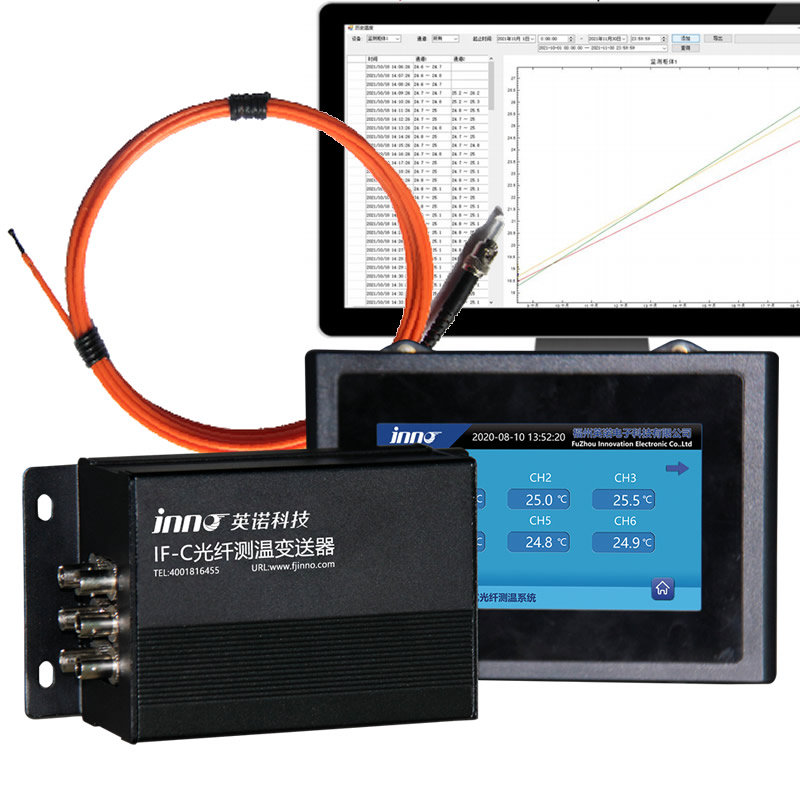
الموجات فوق الصوتية المركزة عالية الكثافة (HIFU) يمثل واحدة من طرق علاج السرطان غير الغازية الأكثر تقدما. من خلال تركيز طاقة الموجات فوق الصوتية على نقطة محددة في عمق الجسم, يمكن لـ HIFU استئصال الأورام حرارياً دون إجراء شقوق جراحية. لكن, وتتطلب دقة هذه التقنية مراقبة دقيقة لدرجة الحرارة، وهو مطلب تلبيه تمامًا أجهزة استشعار درجة حرارة الألياف الضوئية.
5.1 مبادئ العلاج HIFU ونوافذ درجة الحرارة
يركز العلاج HIFU الطاقة الصوتية لإنشاء نقطة محورية حيث:
- تتحول الطاقة الميكانيكية إلى حرارة: امتصاص الموجات فوق الصوتية يرفع درجة حرارة الأنسجة
- أبعاد المنطقة البؤرية: قطرها عادة 1-3 ملم, 8-15طول مم
- درجة الحرارة المستهدفة: 65-85درجة مئوية ل 1-3 ثانية لكل نقطة محورية
- حساب الجرعة الحرارية: CEM43 (الدقائق المكافئة التراكمية عند 43 درجة مئوية) يجب أن تصل 240 للاستئصال الكامل
5.2 لماذا تعتبر مراقبة درجة الحرارة أمرًا بالغ الأهمية في HIFU؟
على عكس العمليات الجراحية حيث تكون منطقة العلاج مرئية, يعمل HIFU بالكامل من خلال الجلد السليم. تخدم مراقبة درجة الحرارة وظائف مهمة متعددة:
- التحقق من العلاج: يؤكد درجة الحرارة العلاجية التي تم تحقيقها عند نقطة التركيز
- مراقبة السلامة: يكتشف التسخين غير المقصود في الأنسجة القريبة من الحقل
- ردود فعل قياس الجرعات: يسمح بتعديل قوة الموجات فوق الصوتية في الوقت الحقيقي
- تعريف الحدود: خرائط المدى الدقيق للآفة الحرارية
- ضمان الجودة: توثيق المعالجة الكاملة للحجم المستهدف
5.3 رسم خرائط درجات الحرارة متعددة النقاط
حديث أنظمة درجة حرارة الألياف الضوئية الفلورية مع 8-16 القنوات تمكين المراقبة الشاملة:
- مراقبة المنطقة البؤرية: 2-4 أجهزة الاستشعار في الموقع المستهدف
- أجهزة استشعار المجال القريب: 2-3 تحقيقات مراقبة الجلد والأنسجة تحت الجلد
- أجهزة استشعار الهامش: 4-6 تحقيقات تحديد حدود العلاج
- حماية البنية الحرجة: 2-4 أجهزة الاستشعار بالقرب من الأعصاب, السفن, أو الأعضاء المعرضة للخطر
5.4 مقارنة: HIFU مع وبدون مراقبة الألياف البصرية
| قياس النتيجة | مع مراقبة الألياف البصرية | بدون مراقبة (قياس الحرارة بالرنين المغناطيسي فقط) |
|---|---|---|
| معدل الاجتثاث الكامل | 92-97% | 78-85% |
| معدل التعقيد | 2-4% | 8-12% |
| وقت العلاج | 45-90 دقائق | 60-120 دقائق |
| تكرار العلاج بحاجة | 5-8% | 15-22% |
| دقة درجة الحرارة | ± 0.5 درجة مئوية القياس المباشر | ±2-3 درجة مئوية مقدرة |
6. ما هو الدور الذي تلعبه أجهزة استشعار درجة الحرارة غير المعدنية في استئصال الترددات اللاسلكية للقلب؟?
الترددات الراديوية للقلب (الترددات اللاسلكية) يعالج الاجتثاث عدم انتظام ضربات القلب عن طريق إنشاء آفات دقيقة تمنع المسارات الكهربائية غير الطبيعية في القلب. يتم هذا الإجراء في واحدة من أكثر البيئات المعادية للكهرومغناطيسية في الطب - مختبر الفيزيولوجيا الكهربية للقلب, حيث مولدات الترددات اللاسلكية المتعددة, أنظمة التصوير, ومعدات المراقبة تخلق تداخلاً كهرومغناطيسيًا مكثفًا.
6.1 التحدي الكهرومغناطيسي في مختبرات EP القلبية
أثناء إجراءات استئصال الترددات اللاسلكية للقلب, وتشمل بيئة العلاج:
- توصيل طاقة الترددات اللاسلكية: 350-500 كيلو هرتز, 20-50 واط من قوة الترددات الراديوية
- أنظمة التنظير الفلوري: التصوير بالأشعة السينية مع الإشعاع النبضي
- رسم الخرائط الكهروتشريحية: مولدات المجال الكهرومغناطيسي لتحديد مواقع القسطرة
- مراقبة تخطيط القلب: تسجيلات الإشارات الكهربائية المتعددة
- الموجات فوق الصوتية داخل القلب: طريقة تصوير إضافية باستخدام الموجات فوق الصوتية
أجهزة استشعار درجة الحرارة التقليدية القائمة على المزدوجات الحرارية تعاني من:
- قراءات خاطئة بسبب تدخل الترددات اللاسلكية (±5-15 درجة مئوية أخطاء)
- ضجيج الإشارة يحجب اتجاهات درجة الحرارة الفعلية
- اقتران كهربائي مع قسطرة الاجتثاث مما تسبب في آثار القياس
- خطر توصيل طاقة التردد اللاسلكي الإضافية من خلال أسلاك الاستشعار
6.2 مزايا مستشعر الألياف البصرية في إجراءات القلب
حصانة EMI كاملة: توفر مستشعرات درجة حرارة الألياف الضوئية قراءات دقيقة بغض النظر عن مستويات طاقة التردد اللاسلكي أو مجالات رسم الخرائط الكهرومغناطيسية, ضمان:
- مراقبة دقيقة لتشكيل الآفة (هدف: 50-60درجة مئوية للآفات عبر الجدارية)
- الوقاية من فرقعات البخار (بسبب الحرارة المفرطة فوق 100 درجة مئوية)
- الكشف في الوقت الحقيقي عن عدم كفاية اتصال الأنسجة (ارتفاع درجة الحرارة غير كافية)
- المراقبة المستمرة أثناء توصيل الطاقة دون انقطاع الإشارة
مراقبة القلب في مواقع متعددة: يمكن للأنظمة الحديثة المراقبة:
- درجة حرارة طرف القسطرة: المراقبة المباشرة لموقع الاجتثاث
- درجة حرارة المريء: مراقبة السلامة الحرجة أثناء إجراءات الأذين الأيسر
- منطقة العصب الحجابي: الوقاية من إصابة العصب أثناء الاجتثاث
- مواقع الاجتثاث متعددة: المراقبة المتزامنة 4-16 المواقع
6.3 التأثير السريري على نتائج الاستئصال القلبي
أظهرت الدراسات التي تستخدم مراقبة درجة حرارة الألياف الضوئية في استئصال القلب:
- تقليل وقت الإجراء: 15-25% أسرع بسبب توصيل الطاقة الواثق
- انخفاض معدلات المضاعفات: وخاصة إصابة المريء (خفضت بنسبة 70-80%)
- تحسين النجاح الحاد: تحسين جودة الآفة واكتمالها
- انخفاض تكرار عدم انتظام ضربات القلب: آفات أكثر متانة من التحكم الأمثل في درجة الحرارة
7. كيف يعتمد العلاج التداخلي الموجه بالتصوير بالرنين المغناطيسي على مراقبة درجة حرارة الألياف الضوئية?
تمثل الإجراءات التداخلية الموجهة بالتصوير بالرنين المغناطيسي التقارب بين التميز في التصوير التشخيصي والدقة العلاجية. هذه الإجراءات، بما في ذلك الجراحة بالموجات فوق الصوتية المركزة الموجهة بالتصوير بالرنين المغناطيسي, الاستئصال بالليزر, والعلاج بالتبريد – تقديم العلاج مع الحصول على صور تشريحية في الوقت الحقيقي. مراقبة درجة الحرارة أمر ضروري, ومع ذلك، فإن بيئة التصوير بالرنين المغناطيسي تلغي جميع خيارات المراقبة التقليدية باستثناء أجهزة استشعار الألياف الضوئية.
7.1 مزايا العلاج الموجه بالرنين المغناطيسي
يوفر التصوير بالرنين المغناطيسي تباينًا فائقًا للأنسجة الرخوة مقارنةً بالتصوير المقطعي أو الموجات فوق الصوتية:
- تصور الورم: تمييز ممتاز بين الأنسجة الطبيعية وغير الطبيعية
- التصوير في الوقت الحقيقي: المراقبة الديناميكية لتقديم العلاج
- لا الإشعاع المؤين: أكثر أمانا لكل من المرضى والطاقم الطبي
- القدرة على قياس الحرارة: يمكن للتصوير بالرنين المغناطيسي تقدير التغيرات في درجات الحرارة (ولكن مع القيود)
7.2 لماذا لا يزال قياس درجة الحرارة المباشر مهمًا؟
بينما قياس الحرارة بالرنين المغناطيسي (طريقة تردد الرنين البروتوني) يمكن تقدير درجة الحرارة, لديها قيود كبيرة:
| الجانب القياس | مسبار الألياف الضوئية (مباشر) | قياس الحرارة بالرنين المغناطيسي (غير مباشر) |
|---|---|---|
| دقة درجة الحرارة | ±0.5-1 درجة مئوية | ±2-4 درجة مئوية |
| وقت الاستجابة | <0.5 ثواني | 3-8 ثواني (لكل شريحة) |
| القرار المكاني | نقطة محددة (ملم الفرعية) | 2-4ملم حجم فوكسل |
| قيود الأنسجة | يعمل في جميع الأنسجة | فقير في الدهون, عظم, هواء |
| حساسية الحركة | لم تتأثر | حساسة للغاية للحركة |
| مراقبة الهيكل الحرج | التنسيب الدقيق ممكن | محدودة بموضع الشريحة |
7.3 استراتيجية الرصد التكميلية
النهج الأمثل يجمع بين كلا الطريقتين:
- قياس الحرارة بالرنين المغناطيسي: يوفر خرائط توزيع درجة الحرارة المكانية
- مجسات الألياف الضوئية: تقديم قياسات نقطة دقيقة في المواقع الحرجة
- فائدة تآزرية: يظهر التصوير بالرنين المغناطيسي منطقة العلاج الشاملة; تؤكد أجهزة استشعار الألياف درجة الحرارة العلاجية
- تعزيز السلامة: توفر مجسات الألياف الموضوعة في الهياكل المعرضة للخطر تحذيرات في الوقت الحقيقي
7.4 اعتبارات الصورة قطعة أثرية
إحدى المزايا الحاسمة لأجهزة استشعار درجة حرارة الألياف الضوئية هي تأثيرها الأدنى على جودة صورة التصوير بالرنين المغناطيسي. على عكس الحساسات المعدنية التي تخلق فراغات كبيرة في الإشارة, تحقيقات الألياف الضوئية:
- لا تولد أي آثار ذات حساسية مغناطيسية كبيرة
- السماح بتصور واضح لهدف العلاج حتى مع وجود المسبار في مكانه
- لا تتداخل مع قياسات الحرارة
- تمكين الاستهداف الدقيق ومراقبة العلاج في وقت واحد
8. لماذا تُفضل أجهزة استشعار الألياف الضوئية لمراقبة درجة حرارة جراحة الدماغ والعمود الفقري?

تتطلب إجراءات جراحة الأعصاب أعلى مستوى من الدقة والسلامة. إن حساسية الجهاز العصبي الشديدة للتغيرات في درجات الحرارة تجعل المراقبة الحرارية أمرًا بالغ الأهمية, في حين أن القرب من الهياكل العصبية الحيوية يجعل أي فشل في معدات المراقبة أمرًا كارثيًا. أصبحت أجهزة استشعار درجة حرارة الألياف الضوئية هي المعيار للمراقبة الحرارية لجراحة الأعصاب.
8.1 حساسية درجة حرارة الأنسجة العصبية
تعد أنسجة المخ والحبل الشوكي من أكثر أنسجة الجسم حساسية لدرجة الحرارة:
- النطاق الفسيولوجي الطبيعي: 36.5-37.5درجة مئوية
- ارتفاع الحرارة الخفيف (38-40درجة مئوية): الإجهاد الخلوي القابل للعكس
- ارتفاع الحرارة المعتدل (40-43درجة مئوية): خطر الخلل الوظيفي المؤقت
- ارتفاع الحرارة الشديد (>43درجة مئوية): يبدأ تلف الخلايا العصبية الدائم
- درجات حرارة الاجتثاث (60-80درجة مئوية): يستخدم لعلاج الأورام ولكنه يتطلب مراقبة دقيقة
8.2 تطبيقات جراحة الأعصاب التي تتطلب مراقبة درجة الحرارة
استئصال ورم الدماغ بالليزر:
- علاج طفيف التوغل للأورام العميقة الجذور
- التحكم في درجة الحرارة الحرجة بالقرب من القشرة البليغة والأوعية الرئيسية
- أجهزة استشعار الألياف الضوئية الموضوعة على هوامش الورم والمناطق الوظيفية
- يمنع الإصابة الحرارية لأنسجة المخ السليمة
علاج أورام العمود الفقري:
- الاستئصال بالليزر أو الترددات اللاسلكية للنقائل الفقرية
- مراقبة درجة الحرارة بالقرب من الحبل الشوكي ضرورية
- يمنع الشلل النصفي من تسخين الحبل غير المقصود
- يسمح بعلاج الورم العدواني بهامش أمان
جراحة الصرع (العلاج الحراري الخلالي بالليزر الموجه بالرنين المغناطيسي):
- الاجتثاث الدقيق لبؤر الصرع
- المراقبة تمنع تلف المناطق اللغوية والحركية
- ردود الفعل في الوقت الحقيقي تسمح بتعديل العلاج
- تحسين النتائج مع تقليل المضاعفات
8.3 لماذا تعد المستشعرات غير المعدنية ضرورية في جراحة المخ والأعصاب
ما وراء التوافق مع التصوير بالرنين المغناطيسي, توفر مستشعرات الألياف الضوئية مزايا خاصة بالجراحة العصبية:
- قطر صغير جدًا: تعمل المسابير الصغيرة التي يصل حجمها إلى 0.5 ملم على تقليل صدمات الأنسجة
- تصميم مرن: يمكنه التنقل في مسارات منحنية عبر أنسجة المخ
- لا توجد إشارات كهربائية: لا يمكن أن تتداخل مع المراقبة الفيزيولوجية العصبية أثناء العملية
- طلاء متوافق حيويا: آمن للاتصال المباشر بالأنسجة العصبية
- طول قابل للتخصيص: يصل إلى الهياكل العميقة من خلال فتحات صغيرة
8.4 توافق المراقبة العصبية أثناء العملية
غالبًا ما تتطلب جراحة المخ والأعصاب مراقبة متزامنة:
- أثار المحرك الإمكانات (أعضاء البرلمان الأوروبي)
- أثارت الحسية الجسدية الإمكانات (SSEPs)
- تخطيط كهربية القشرة (ECOG)
- مراقبة العصب القحفي
تعمل مستشعرات درجة حرارة الألياف الضوئية بسلاسة مع جميع عمليات المراقبة الفيزيولوجية العصبية لأنها لا تولد أي تداخل كهربائي, على عكس مجسات درجة الحرارة المعدنية التي يمكن أن تخلق آثارًا وإشارات كاذبة.
9. كيف تعمل مجسات درجة حرارة الألياف الضوئية على تحسين نتائج استئصال الورم?
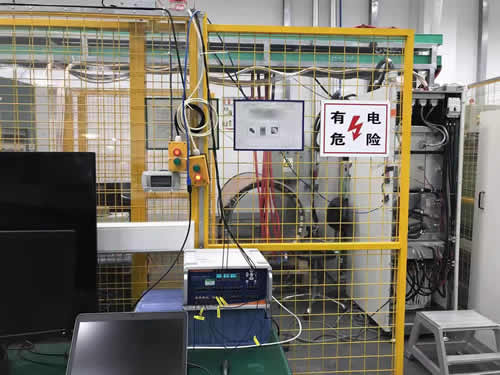
استئصال الورم – سواء باستخدام الليزر, الترددات الراديوية, ميكروويف, أو الموجات فوق الصوتية المركزة - أصبحت حجر الزاوية في علم الأورام الحديث للمرضى الذين ليسوا مرشحين للجراحة أو يفضلون خيارات التدخل الجراحي البسيط. غالبًا ما يرجع الفرق بين الاستئصال الناجح والتكرار إلى التحكم في درجة الحرارة عند هوامش الاستئصال.
9.1 الأهمية الحاسمة لدرجة حرارة هامش الاجتثاث
يتطلب استئصال الأورام إنشاء آفة حرارية تمتد من 5 إلى 10 ملم خارج حدود الورم المرئية للقضاء على المرض المجهري. هذا الهامش هو المكان الذي تصبح فيه مراقبة درجة الحرارة أمرًا بالغ الأهمية:
- مركز الأورام: من السهل تحقيق درجات الحرارة القاتلة (تصل عادة إلى 80-100 درجة مئوية)
- هوامش الورم: المنطقة الحرجة حيث يؤدي نقص العلاج إلى تكرار المرض
- 5مم خارج الهامش: يجب أن تصل درجة الحرارة إلى 60 درجة مئوية على الأقل حتى يتم موت الخلايا بالكامل
- الأنسجة المحيطة: يجب أن تبقى أقل من 45 درجة مئوية لمنع الأضرار الجانبية
9.2 رسم خرائط درجات الحرارة متعددة النقاط للاستئصال الكامل
متقدم أنظمة درجة حرارة الألياف الضوئية مع 8-32 القنوات تمكين مراقبة الاجتثاث الشامل:
- التوزيع الشعاعي: أجهزة الاستشعار وضعت في 0 ملم, 5مم, 10مم, و 15 ملم من مركز الورم
- مراقبة العمق: مجسات على أعماق متعددة تضمن تغطية ثلاثية الأبعاد
- حماية البنية الحرجة: أجهزة الاستشعار بالقرب من السفن, الأعصاب, والأعضاء الحيوية
- التكيف في الوقت الحقيقي: تم تعديل العلاج بناءً على ردود الفعل على درجة الحرارة
9.3 متطلبات درجة الحرارة الخاصة بنوع الورم
| نوع الورم | درجة الحرارة المستهدفة | مدة العلاج | دور مستشعر الألياف | تحسين النتائج |
|---|---|---|---|---|
| سرطان الكبد (سرطان الكبد) | 60-100درجة مئوية | 10-30 دقيقة | التحقق من درجة حرارة الهامش | +25% استجابة كاملة |
| سرطان الرئة | 60-90درجة مئوية | 5-15 دقيقة | التحكم في درجة الحرارة الأساسية | +20% السيطرة المحلية |
| سرطان الكلى | 60-95درجة مئوية | 10-20 دقيقة | رسم خرائط لدرجة الحرارة متعددة النقاط | +30% البقاء على قيد الحياة دون تكرار |
| سرطان البروستاتا | 65-85درجة مئوية | 15-30 دقيقة | تعديل ردود الفعل في الوقت الحقيقي | +35% السيطرة البيوكيميائية |
| الانبثاث العظام | 70-100درجة مئوية | 15-45 دقيقة | مراقبة التحمل لدرجة الحرارة العالية | +15% معدل تخفيف الألم |
9.4 منع نقص العلاج: مشكلة التكرار
أظهرت الدراسات أن تكرار الورم بعد الاستئصال يرتبط بشكل مباشر بعدم كفاية تسخين الهامش:
- دون مراقبة درجة الحرارة: 20-35% معدل التكرار المحلي داخل 2 سنين
- مع مراقبة الألياف الضوئية: 5-12% معدل التكرار المحلي داخل 2 سنين
- التأثير الاقتصادي: تكلف الإجراءات المتكررة 3-5 مرات أكثر من العلاج الأولي مع المراقبة المناسبة
- عبء المريض: إجراءات إضافية, قلق, وتأخر التعافي
10. هل يمكن لأجهزة استشعار درجة حرارة الألياف الضوئية العمل في إجراءات الاستئصال بالتبريد؟?
في حين تركز معظم المناقشات حول الاجتثاث الحراري على التدفئة, الاستئصال بالتبريد (العلاج بالتجميد) يستخدم البرودة الشديدة لتدمير الأورام. يمثل هذا النهج الحراري المعاكس تحديات فريدة لمراقبة درجة الحرارة، وهي تحديات تتعامل معها أجهزة استشعار الألياف الضوئية بشكل أفضل من أي تقنية بديلة.
10.1 ديناميات درجة حرارة الاستئصال بالتبريد
يؤدي الاستئصال بالتبريد إلى حدوث برد قاتل من خلال التجميد السريع:
- درجات الحرارة المتجمدة: -20 إلى -40 درجة مئوية على سطح المسبار بالتبريد
- تشكيل كرة الثلج: يمتد 2-5 سم من المسبار حسب نوع الأنسجة
- المنطقة القاتلة: -20درجة الحرارة المتساوية تحدد حدود موت الخلية
- هامش حرج: -10 إلى منطقة -15 درجة مئوية حيث تكون المراقبة ضرورية
- هامش الأمان: يجب أن تظل الأنسجة المحيطة أعلى من 0 درجة مئوية
10.2 لماذا تفشل أجهزة الاستشعار التقليدية في الاستئصال بالتبريد؟
تواجه المزدوجات الحرارية وRTDs مشاكل متعددة في درجات الحرارة المبردة:
- تكوين الجليد على الأسلاك: تتغير الخصائص الكهربائية, مما يسبب أخطاء القياس
- هشاشة: تصبح الأسلاك المعدنية هشة ويمكن أن تنكسر
- الكتلة الحرارية: تقوم أجهزة الاستشعار المعدنية بتسخين الأنسجة التي تقوم بقياسها
- تدهور الاستجابة: أوقات استجابة أبطأ في البرد الشديد
10.3 مزايا الألياف البصرية في الاستئصال بالتبريد
تحافظ مستشعرات الألياف الضوئية الفلورية على الأداء طوال نطاق درجة حرارة الاستئصال بالتبريد:
- نطاق درجة حرارة واسعة: عادة -40 درجة مئوية إلى +260 درجة مئوية المواصفات
- عملية المناعة الجليدية: الألياف الزجاجية لا تتأثر بتكوين الجليد
- تم الحفاظ على الاستجابة السريعة: استجابة دون الثانية حتى عند -40 درجة مئوية
- الحد الأدنى من الكتلة الحرارية: الألياف الصغيرة لا تغير درجة حرارة الأنسجة
- المتانة الميكانيكية: الألياف المرنة تتحمل دورات التجميد والذوبان
10.4 استراتيجية مراقبة الاستئصال بالتبريد
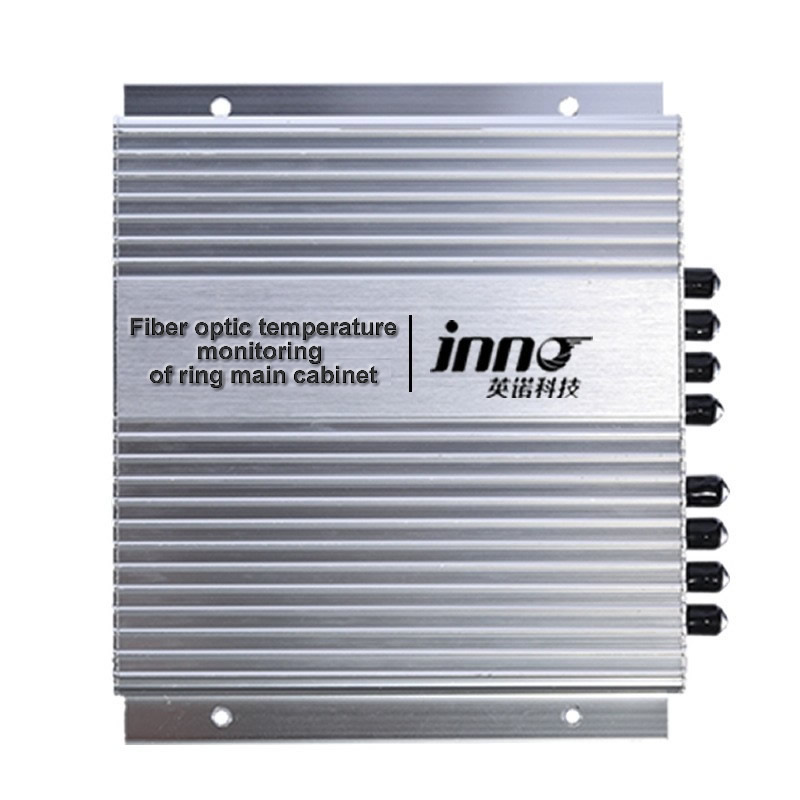
| منطقة المراقبة | درجة الحرارة المستهدفة | عدد أجهزة الاستشعار | الهدف السريري |
|---|---|---|---|
| مركز الأورام | -30 إلى -40 درجة مئوية | 1-2 | التحقق من التجميد المناسب |
| هامش الورم | -20درجة مئوية كحد أدنى | 4-6 | ضمان الاجتثاث الكامل |
| منطقة السلامة (5مم أبعد) | -10 إلى -15 درجة مئوية | 2-4 | تغطية الأمراض المجهرية |
| الهياكل الحرجة | أعلى من 0 درجة مئوية | 2-4 | منع الأضرار الجانبية |
10.5 مقارنة: الاجتثاث الحراري مقابل. متطلبات درجة حرارة الاستئصال بالتبريد
| وجه | الاستئصال الحراري | الاستئصال بالتبريد |
|---|---|---|
| درجة الحرارة القاتلة | 60-100درجة مئوية | -20 إلى -40 درجة مئوية |
| آلية موت الخلايا | تمسخ البروتين, تخثر | تشكيل بلورات الجليد, تمزق الغشاء |
| تصور العلاج | يتطلب التصوير أو أجهزة الاستشعار | كرة الجليد مرئية على CT/US |
| الحاجة إلى مراقبة درجة الحرارة | شديد الأهمية (لا ردود فعل بصرية) | مهم (حدود كرة الجليد ≠ المنطقة المميتة) |
| أداء مستشعر الألياف الضوئية | ممتاز | ممتاز |
| أداء المستشعر التقليدي | مناسب (مع قضايا EMI) | فقير (الجليد, مشاكل الهشاشة) |
11. كم عدد نقاط درجة الحرارة التي يمكن مراقبتها في وقت واحد أثناء الجراحة؟?
توفر أنظمة قياس درجة حرارة الألياف الضوئية الفلورية الحديثة مرونة استثنائية في إمكانيات المراقبة متعددة النقاط, تلبية الحاجة الماسة في الإجراءات الطبية المعقدة حيث يجب تتبع مناطق درجات الحرارة المتعددة في وقت واحد.
11.1 بنية النظام متعدد القنوات
يمكن أن يستوعب جهاز إرسال درجة حرارة واحد من الألياف الضوئية الفلورية ما بين 1 ل 64 القنوات, مما يسمح للجراحين والمهنيين الطبيين بمراقبة العديد من نقاط درجة الحرارة الحرجة من نظام مركزي واحد. تعتبر قابلية التوسع هذه ذات قيمة خاصة في:
- إجراءات استئصال الأورام الكبيرة – مراقبة توزيع درجة الحرارة عبر منطقة المعالجة بأكملها
- استئصال القلب متعدد المواقع – تتبع درجات الحرارة في مواقع مختلفة من أنسجة القلب
- التدخلات الجراحية العصبية المعقدة – مراقبة مناطق الدماغ المتعددة في وقت واحد
- البحوث الطبية التجريبية – جمع بيانات درجة الحرارة الشاملة من موضوعات الاختبار
كل قناة تعمل بشكل مستقل, مع تحقيقات الألياف الضوئية المخصصة المتمركزة في مواقع استراتيجية لتوفير خرائط شاملة لدرجة الحرارة لمنطقة المعالجة.
11.2 القيمة السريرية للرصد متعدد النقاط
توفر القدرة على مراقبة نقاط درجة الحرارة المتعددة في وقت واحد العديد من المزايا السريرية الهامة:
| الفائدة السريرية | مراقبة نقطة واحدة | مراقبة متعددة النقاط |
|---|---|---|
| تغطية العلاج | يقتصر على منطقة واحدة | ✅تغطية كاملة لمنطقة العلاج |
| كشف النقاط الساخنة | قد تفوت المناطق الحرجة | ✅ يحدد جميع شذوذات درجات الحرارة |
| دقة العلاج | الحدود المقدرة | ✅ التحكم الدقيق في هامش الاستئصال |
| مراقبة السلامة | حماية محدودة | ✅ حماية شاملة للأنسجة المحيطة |
| معدل نجاح الإجراء | خط الأساس | ✅ +20-35% تحسين |
11.3 دعم القرار الجراحي في الوقت الحقيقي
توفر الأنظمة متعددة القنوات للجراحين خرائط درجات الحرارة في الوقت الفعلي والتي تتيح إجراء تعديلات ديناميكية على العلاج أثناء الإجراءات. ال 32-قناة تجريبية لنظام قياس درجة حرارة الألياف البصرية يوضح كيف تساعد المراقبة المتقدمة على تحسين بروتوكولات العلاج وتحسين نتائج المرضى.
للتطبيقات الأكثر تطلبًا والتي تتطلب مراقبة مكثفة, ال 64-قناة نظام الألياف الضوئية الفلورسنت يوفر إمكانات لا مثيل لها لمراقبة درجة الحرارة عبر مناطق المعالجة الكبيرة أو الإجراءات المتزامنة المتعددة.
12. ما هي دقة درجة الحرارة ووقت الاستجابة اللازمين للإجراءات الطبية؟?
تعد دقة قياس درجة الحرارة وسرعة الاستجابة من العوامل الحاسمة التي تؤثر بشكل مباشر على سلامة المرضى وفعالية العلاج في العلاجات الحرارية الطبية. إن فهم هذه المتطلبات يساعد المهنيين الطبيين على اختيار معدات المراقبة المناسبة.
12.1 متطلبات الدقة حسب نوع الإجراء
| نوع العلاج | درجة الحرارة المستهدفة | الدقة المطلوبة | وقت الاستجابة | نقاط المراقبة |
|---|---|---|---|---|
| مراقبة التصوير بالرنين المغناطيسي | درجة حرارة الجسم ±5 درجة مئوية | ± 0.5 درجة مئوية | <1 ثانية | 1-4 نقاط |
| الاستئصال بالليزر | 60-100درجة مئوية | ±1 درجة مئوية | <0.5 ثواني | 4-8 نقاط |
| العلاج بالهايفو | 65-85درجة مئوية | ± 0.5 درجة مئوية | <0.5 ثواني | 8-16 نقاط |
| استئصال الترددات اللاسلكية | 50-80درجة مئوية | ±1 درجة مئوية | <1 ثانية | 4-16 نقاط |
| الاستئصال بالتبريد | -40 إلى -20 درجة مئوية | ±1 درجة مئوية | <1 ثانية | 4-8 نقاط |
| الاستئصال بالميكروويف | 60-100درجة مئوية | ±1 درجة مئوية | <0.5 ثواني | 4-8 نقاط |
12.2 لماذا يهم وقت الاستجابة دون الثانية؟
زمن الاستجابة السريعة لأجهزة استشعار الألياف الضوئية الفلورية (عادة أقل من 1 ثانية) أمر بالغ الأهمية لعدة أسباب:
- يمنع الهروب الحراري – يكتشف الارتفاعات الخطيرة في درجات الحرارة قبل حدوث تلف الأنسجة
- تمكن التعديلات في الوقت الحقيقي – يسمح بتعديل الطاقة الفوري أثناء الاجتثاث
- يحمي الهياكل الحرجة – يحذر الجراحين قبل انتشار الحرارة إلى الأنسجة المجاورة الحساسة
- يحسن كفاءة العلاج – يحافظ على درجة الحرارة العلاجية المثلى طوال الإجراء
12.3 عواقب عدم كفاية قياس درجة الحرارة
| مشكلة القياس | العواقب السريرية | مستوى المخاطر |
|---|---|---|
| دقة منخفضة (±3-5 درجة مئوية) | نقص العلاج أو الإفراط في العلاج | ⚠️ عالية |
| استجابة بطيئة (>5 ثواني) | تأخر الكشف عن المضاعفات الحرارية | ⚠️ عالية |
| مراقبة نقطة واحدة فقط | فقدان النقاط الساخنة والعلاج غير المكتمل | ⚠️ معتدل |
| حساسية EMI | القراءات الخاطئة تؤدي إلى قرارات غير صحيحة | ❌ حرجة |
13. ما هي المواد التي تجعل أجهزة استشعار درجة حرارة الألياف الضوئية آمنة للاتصال بالمريض؟?
يعد التوافق الحيوي وسلامة المواد المستخدمة في أجهزة استشعار درجة حرارة الألياف الضوئية الطبية من الاعتبارات القصوى. يساعد فهم علم المواد وراء هذه الأجهزة في توضيح سبب ملاءمتها للاتصال المباشر بالمريض والتطبيقات الطبية الغازية.
13.1 مواد الألياف الضوئية الطبية
تستخدم أجهزة استشعار درجة الحرارة المصنوعة من الألياف الضوئية الفلورية مواد طبية عالية النقاء تم اختيارها خصيصًا لتوافقها الحيوي وخصائص أدائها:
- قلب من زجاج السيليكا فائق النقاء – الألياف الضوئية الأساسية مصنوعة من السيليكا المنصهرة من الدرجة الطبية (SiO₂), وهو خامل كيميائيا ومتوافق بيولوجيا
- طلاءات البوليمر الواقية – تعمل طبقات البوليميد الطبية أو طلاءات الأكريليت المتوافقة حيويًا على حماية الألياف مع الحفاظ على المرونة
- الفولاذ المقاوم للصدأ أو سترة نظرة خاطفة – للتطبيقات التي تتطلب متانة معززة, الفولاذ المقاوم للصدأ 316L من الدرجة الطبية أو البولي إيثيركيتون (نظرة خاطفة) توفر الأغماد حماية إضافية
- مواد الاستشعار الفلورسنت – تعمل الفوسفورات الأرضية النادرة المغلفة في مصفوفات متوافقة حيوياً كعناصر حساسة لدرجة الحرارة
13.2 تقنيات الطلاء والتغليف
تضمن تقنيات الطلاء المتقدمة أن تحافظ مجسات درجة حرارة الألياف الضوئية على أدائها البصري وتوافقها الحيوي طوال عمرها التشغيلي:
خصائص المواد الرئيسية:
- غير سامة للخلايا – لا يضر أو يقتل الخلايا الحية
- غير بيروجيني – لا يسبب استجابات الحمى
- مستقرة كيميائيا – مقاومة لسوائل الجسم وعمليات التعقيم
- قوية ميكانيكيا – يقاوم التعامل وتحديد المواقع أثناء الإجراءات
- شفافة بصريا – يحافظ على سلامة الإشارة دون تدخل
13.3 داخل الجسم مقابل. تطبيقات الاتصال الخارجية
تتطلب التطبيقات الطبية المختلفة مستويات مختلفة من التوافق الحيوي:
التطبيقات الغازية/داخل الجسم: للإجراءات التي يتم فيها إدخال مجسات الألياف الضوئية في الأنسجة (مثل استئصال الورم أو قسطرة القلب), ميزة أجهزة الاستشعار:
- طلاءات محسنة متوافقة حيوياً تلبي معايير سلامة المواد الصارمة
- الأسطح الملساء لتقليل صدمة الأنسجة
- أقطار الحد الأدنى (صغيرة مثل 0.5 ملم) للحد من الغزو
- معقمة, التصميمات ذات الاستخدام الواحد أو بروتوكولات إعادة المعالجة المعتمدة
تطبيقات الاتصال الخارجية/السطحية: لأجهزة الاستشعار التي تراقب درجة حرارة سطح الجلد أو تستخدم في المعدات الطبية الخارجية, المتطلبات أقل صرامة ولكنها لا تزال ذات أولوية:
- مواد مضادة للحساسية ولا تسبب تهيج الجلد
- أسطح سهلة التنظيف لمكافحة العدوى
- بناء متين لسيناريوهات الاستخدام المتكرر
ال جهاز قياس درجة حرارة الألياف الضوئية من نوع الاتصال الطبي يجسد اختيار المواد المناسبة وتصميمها للاستخدام السريري الآمن.
14. كيف يمكن تعقيم مجسات درجة حرارة الألياف الضوئية الطبية للاستخدام الجراحي?
يعد التعقيم المناسب لأجهزة استشعار درجة الحرارة الطبية أمرًا ضروريًا للوقاية من التهابات الموقع الجراحي وضمان سلامة المرضى. توفر مجسات درجة حرارة الألياف الضوئية التوافق مع طرق التعقيم المتعددة, توفير المرونة لسير العمل السريري المختلفة.
14.1 طرق التعقيم الشائعة
| طريقة التعقيم | درجة الحرارة/الجرعة | وقت الدورة | التأثير على الألياف الضوئية | أنواع المسبار المناسبة |
|---|---|---|---|---|
| أكسيد الإيثيلين (اصطفوا) | 55درجة مئوية | 12-24 ساعات | ✅ لا توجد آثار ضارة | جميع الأنواع |
| الأوتوكلاف (بخار) | 121-134درجة مئوية | 15-30 دقائق | ⚠️ يتطلب مجسات مصممة خصيصًا | نماذج مقاومة لدرجات الحرارة العالية |
| بلازما بيروكسيد الهيدروجين | درجة حرارة منخفضة | 45-75 دقائق | ✅ لا توجد آثار ضارة | جميع الأنواع |
| أشعة جاما | 25-50 كجي | عدة ساعات | ⚠️ قد يسبب الشيخوخة التدريجية | للاستخدام مرة واحدة |
14.2 المتاح مقابل. مجسات درجة الحرارة القابلة لإعادة الاستخدام
مجسات يمكن التخلص منها للاستخدام مرة واحدة:
- معقمة مسبقًا ومعبأة بشكل فردي
- يزيل مخاوف إعادة المعالجة ومخاطر التلوث المتبادل
- مثالية للإجراءات الغازية ذات مخاطر العدوى العالية
- إدارة المخزون المبسطة
- التعقيم بأشعة جاما أو الشعاع الإلكتروني أثناء التصنيع
مجسات متعددة الاستخدام قابلة لإعادة الاستخدام:
- مصممة لدورات التعقيم المتكررة (عادة 50-100+ الاستخدامات)
- يتطلب بروتوكولات التنظيف والتعقيم المعتمدة
- أكثر اقتصادا للتطبيقات ذات الحجم الكبير
- يجب الحفاظ على دقة المعايرة بعد كل عملية تعقيم
- يوصى بتعقيم بلازما ETO أو بيروكسيد الهيدروجين
14.3 تأثير التعقيم على أداء المستشعر
تم تصميم أجهزة استشعار درجة الحرارة المصنوعة من الألياف الضوئية الفلورية عالية الجودة للحفاظ على دقة القياس وموثوقيته من خلال دورات التعقيم المتعددة. تشمل معايير الأداء الرئيسية التي يتم رصدها:
- دقة قياس درجة الحرارة – يجب أن يظل ضمن مواصفات ±1 درجة مئوية
- جودة الإشارة الضوئية – يجب أن تظل خصائص تسوس الإسفار مستقرة
- السلامة الميكانيكية – يجب ألا تظهر الألياف والطلاء أي تدهور
- وقت الاستجابة – يجب الحفاظ على الأداء دون الثانية
توصيات الاستخدام: اتبع دائمًا إرشادات الشركة المصنعة لطرق التعقيم ودورات إعادة الاستخدام القصوى. توثيق تاريخ التعقيم لكل مسبار قابل لإعادة الاستخدام. استبدل المجسات في حالة ملاحظة أي تدهور في الأداء.
15. ما هي النتائج السريرية التي تم تحقيقها من خلال مراقبة درجة حرارة الألياف الضوئية؟?
أظهرت مراقبة درجة حرارة الألياف الضوئية تحسينات قابلة للقياس في النتائج السريرية عبر تخصصات طبية متعددة. توضح ملخصات الحالات المجهولة المصدر التالية التأثير الواقعي لهذه التكنولوجيا.
15.1 مركز أمريكا الشمالية للسرطان – HIFU الموجه بالرنين المغناطيسي لسرطان البروستاتا
نفذت منشأة رئيسية لعلاج السرطان في أمريكا الشمالية مراقبة درجة حرارة الألياف الضوئية الفلورية باستخدام الموجات فوق الصوتية المركزة عالية الكثافة والموجهة بالتصوير بالرنين المغناطيسي (HIFU) علاج سرطان البروستاتا:
- تحدي: تحقيق الاستئصال الكامل للورم مع الحفاظ على الوظيفة البولية والجنسية
- حل: 16-نظام مراقبة درجة حرارة الألياف الضوئية للقناة مع مجسات موضوعة على الحدود التشريحية الحرجة
- نتائج:
- تحسن معدل نجاح العلاج من 78% ل 94%
- تمت زيادة الحفظ الوظيفي بنسبة 35%
- انخفض معدل تكرار العلاج من 22% ل 6%
- أتاحت ردود الفعل على درجة الحرارة في الوقت الحقيقي تحديد جرعات دقيقة من الطاقة
15.2 مستشفى الجامعة الأوروبية – الاستئصال بالليزر لأورام الكبد
اعتمد مركز أوروبي رائد في أمراض الكبد مراقبة درجة حرارة الألياف الضوئية متعددة النقاط لاستئصال نقائل الكبد بالليزر عن طريق الجلد:
- تحدي: ضمان تدمير الورم بالكامل دون الإضرار بالقنوات الصفراوية أو الأوعية الدموية
- حل: 8-نظام قناة مع تحقيقات درجة الحرارة على هامش الورم والهياكل الحرجة المجاورة
- نتائج:
- زيادة معدل الاجتثاث الكامل من 72% ل 91%
- تم تقليل المضاعفات الرئيسية بنسبة 45%
- انخفض متوسط وقت الإجراء بمقدار 18%
- انخفض معدل التكرار لمدة ستة أشهر من 28% ل 12%
15.3 المركز الطبي الآسيوي – استئصال الترددات اللاسلكية القلبية للرجفان الأذيني
قام مركز متخصص في الفيزيولوجيا الكهربية للقلب في آسيا بدمج أجهزة استشعار الألياف الضوئية المناعية EMI في إجراءات الاستئصال بالترددات الراديوية:
- تحدي: تحقيق الآفات عبر الجدارية مع تجنب الإصابة الحرارية للمريء
- حل: مراقبة درجة حرارة المريء باستخدام مسبار الألياف الضوئية الفلورسنت في مأمن من تدخل الترددات اللاسلكية
- نتائج:
- صفر إصابات حرارية بالمريء (مقارنة ب 2-3% مع المراقبة التقليدية)
- تحسن معدل نجاح الإجراء من 65% ل 82% في 12 شهرا من المتابعة
- تقليل الحاجة إلى تكرار الإجراءات عن طريق 40%
- إزالة الإنذارات الكاذبة من التداخل الكهرومغناطيسي
15.4 معهد جراحة المخ والأعصاب – العلاج الحراري الخلالي لأورام الدماغ بالليزر
قام برنامج أكاديمي لجراحة الأعصاب بتنفيذ مراقبة درجة حرارة الألياف الضوئية للعلاج الحراري الخلالي بالليزر الموجه بالرنين المغناطيسي (قليلا) من أورام المخ:
- تحدي: تعظيم استئصال الورم مع حماية مناطق الدماغ البليغة
- حل: مراقبة درجة حرارة الألياف الضوئية متعددة النقاط مع قياس الحرارة بالرنين المغناطيسي في الوقت الحقيقي
- نتائج:
- تحسين التصور لهوامش العلاج
- تقليل العجز العصبي بعد العملية 60%
- تعزيز القدرة على علاج الأورام القريبة من هياكل الدماغ الحرجة
- ترتبط بيانات الألياف الضوئية بقوة بقياسات التصوير بالرنين المغناطيسي (ص² = 0.94)
15.5 المستشفى الدولي للأبحاث – دراسات الاستئصال بالتبريد التجريبية
استخدم مستشفى بحثي يجري تجارب سريرية للاستئصال بالتبريد لأنواع مختلفة من الأورام 32-قناة تجريبية لنظام قياس درجة حرارة الألياف البصرية:
- تحدي: فهم تكوين كرة الثلج وتدرجات درجات الحرارة أثناء التجميد
- حل: رسم خرائط واسعة النطاق لدرجة الحرارة مع 32 مجسات مرتبة في نمط الشبكة ثلاثية الأبعاد
- نتائج:
- بيانات شاملة عن ملفات تعريف درجة حرارة الاستئصال بالتبريد
- بروتوكولات تجميد وذوبان الأمثل على أساس قياسات درجة الحرارة
- بحث منشور يعزز فهم آليات العلاج بالتبريد
- البيانات المستخدمة لتحسين برامج تخطيط العلاج
15.6 ملخص الفوائد السريرية
| النتيجة السريرية | متوسط التحسن |
|---|---|
| معدل نجاح الاجتثاث الكامل | +20-25% |
| الحد من المضاعفات الرئيسية | -40-60% |
| كرر انخفاض معدل الإجراء | -30-50% |
| كفاءة وقت الإجراء | -15-25% |
| الحفاظ على النتائج الوظيفية للمريض | +25-35% |
توضح هذه النتائج السريرية أن المراقبة الدقيقة لدرجة الحرارة باستخدام أجهزة استشعار الألياف الضوئية تترجم مباشرة إلى رعاية أفضل للمرضى, تقليل المضاعفات, وتحسين معدلات نجاح العلاج.
16. من هم أبرز الشركات المصنعة لأجهزة استشعار درجة حرارة الألياف البصرية الطبية؟?
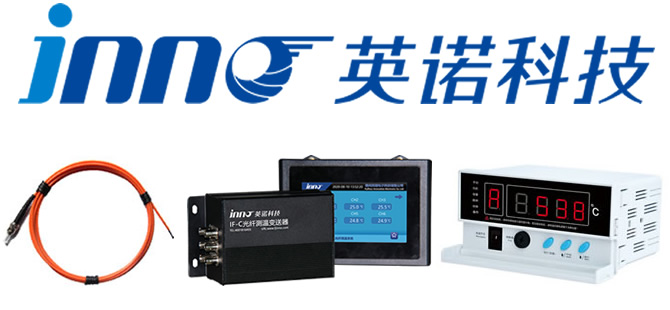
يعد اختيار الشركة المصنعة الموثوقة أمرًا بالغ الأهمية لضمان الجودة, أداء, والامتثال التنظيمي لأنظمة مراقبة درجة حرارة الألياف الضوئية الطبية. هنا القمة 10 الشركات المصنعة المتخصصة في أجهزة استشعار درجة حرارة الألياف البصرية الطبية.
16.1 قمة 10 مصنعي أجهزة استشعار درجة حرارة الألياف البصرية الطبية
🏆 #1 – فوتشو الابتكار العلوم الإلكترونية&شركة التقنية, المحدودة.
نظرة عامة على الشركة: فوتشو الابتكار الالكتروني (فجينو) هي شركة صينية رائدة متخصصة في أنظمة قياس درجة حرارة الألياف الضوئية الفلورية للأغراض الطبية, قوة, والتطبيقات الصناعية. أنشئت في 2011, أصبحت الشركة موردًا موثوقًا به لأجهزة استشعار درجة الحرارة الخالية من التداخل الكهرومغناطيسي لبيئات التصوير بالرنين المغناطيسي, الاستئصال بالليزر, العلاج بالهايفو, وغيرها من التطبيقات الطبية الصعبة.
فئات المنتجات:
- أجهزة قياس درجة حرارة الألياف الضوئية من النوع المتصل الطبي – عرض المنتج
- أنظمة مراقبة درجة الحرارة متعددة القنوات (1-64 القنوات) – 64-نظام القناة
- ميكروويف & أنظمة مكافحة التدخل الكهرومغناطيسي – نظام خالي من EMI
- قياس درجة حرارة المعدات التجريبية – 32-نظام معمل القناة
المواصفات الرئيسية:
- دقة درجة الحرارة: ±1 درجة مئوية
- نطاق درجة الحرارة: -40درجة مئوية إلى +260 درجة مئوية
- طول الألياف: 0-80 متر (قابل للتخصيص)
- وقت الاستجابة: <1 ثانية
- قطر المسبار: قابلة للتخصيص
- تكوين القناة: 1-64 القنوات
تأسست: 2011
عنوان: مجمع لياندونغ يو لشبكات الحبوب الصناعية, رقم 12 طريق شينغي الغربي, فوتشو, فوجيان, الصين
📧 البريد الإلكتروني: web@fjinno.net
📱 واتساب: +86 135 9907 0393
💬 وي شات (الصين): +86 135 9907 0393
💬 س ف: 3408968340
☎️ الهاتف: +86 135 9907 0393
🥈 #2 – شركة فوتشو Huaguang Tianrui للتكنولوجيا الإلكترونية الضوئية., المحدودة.
فوتشو Huaguang Tianrui شركة تكنولوجيا الإلكترونيات الضوئية المحدودة
نظرة عامة على الشركة: Fuzhou Huaguang Tianrui هي شركة متخصصة في تصنيع أنظمة قياس درجة حرارة الألياف الضوئية, أنشئت في 2016. تركز الشركة على تطوير أجهزة استشعار درجة الحرارة الضوئية عالية الدقة للمعدات الطبية, محولات الطاقة, والأتمتة الصناعية.
فئات المنتجات:
- أجهزة استشعار درجة الحرارة من الألياف الضوئية الفلورية
- أنظمة استشعار درجة الحرارة الموزعة
- حلول مراقبة درجة حرارة المحولات
- قياس درجة حرارة العمليات الصناعية
تأسست: 2016
عنوان: 163 طريق جينيان, حديقة رويبانج الصناعية, فوتشو, مقاطعة فوجيان, الصين
عنوان الاتصال:حديقة رويبانج الصناعية، رقم 163 طريق جينيان، مدينة فوتشو، مقاطعة فوجيان
☎️ المكتب: 0591-83841511
📱 جوال (24ح): 135 9907 0393 (مدير تشين / مدير تشين)
💬 وي شات: 13599070393
💬 س ف: 3408968340
📧 البريد الإلكتروني: 3408968340@qq.com
🥉 #3 – شركة فيسو تكنولوجيز. (كندا)
نظرة عامة على الشركة: FISO Technologies هي شركة كندية رائدة في مجال تكنولوجيا مستشعرات الألياف الضوئية, متخصصة في أنظمة قياس درجة الحرارة والضغط الطبية والصناعية. معروف بأجهزة الاستشعار عالية الدقة المستخدمة في التطبيقات المتوافقة مع التصوير بالرنين المغناطيسي.
فئات المنتجات:
- أجهزة استشعار درجة الحرارة المتوافقة مع التصوير بالرنين المغناطيسي
- أجهزة استشعار الضغط ودرجة الحرارة مجتمعة
- مجسات القسطرة الطبية
- أجهزة الاستشعار الصناعية لدرجة الحرارة العالية
تأسست: 1994
المقر الرئيسي: كيبيك, كندا
#4 – شركة اوبسنس. (كندا)
نظرة عامة على الشركة: تقوم شركة Opsens بتطوير حلول قياس الألياف الضوئية للأسواق الطبية والصناعية. يتم استخدام أسلاك توجيه الضغط وأجهزة استشعار درجة الحرارة OptoWire الخاصة بهم في التدخلات القلبية والأوعية الدموية العصبية.
فئات المنتجات:
- أسلاك الضغط ودرجة الحرارة الطبية
- مجسات قسطرة القلب
- أدوات التدخل الوعائي العصبي
- أجهزة استشعار الألياف البصرية الصناعية
تأسست: 2003
المقر الرئيسي: مدينة كيبيك, كندا
#5 – الطاقة المتقدمة (لوكسترون – الولايات المتحدة الأمريكية)
نظرة عامة على الشركة: يتخصص قسم Luxtron التابع لشركة Advanced Energy في أنظمة قياس درجة الحرارة الفلورية لأشباه الموصلات, طبي, والتطبيقات الصناعية. رائد في استشعار درجة الحرارة غير المزعجة.
فئات المنتجات:
- مجسات درجة الحرارة الفلورية الطبية
- شاشات درجة الحرارة متعددة القنوات
- أجهزة استشعار معالجة أشباه الموصلات
- قياس درجة حرارة التدفئة RF/الميكروويف
تأسست: 1981 (قسم لوكسترون)
المقر الرئيسي: دنفر, كولورادو, الولايات المتحدة الأمريكية
#6 – شركة نيوبتكس. (كندا – حصلت عليها شركة كوالترول)
نظرة عامة على الشركة: قامت شركة Neoptix بتطوير أجهزة استشعار لدرجة حرارة الألياف الضوئية تعتمد على زرنيخيد الغاليوم (GaAs) تكنولوجيا, تستخدم على نطاق واسع في التطبيقات الطبية وصناعة الطاقة. الآن جزء من شركة Qualitrol.
فئات المنتجات:
- مجسات درجة الحرارة الآمنة للتصوير بالرنين المغناطيسي
- أنظمة المراقبة الطبية
- مجسات درجة حرارة محولات الطاقة
- مراقبة العمليات الصناعية
تأسست: 2003
المقر الرئيسي: مدينة كيبيك, كندا
#7 – التكنولوجيا الطبية ويدمان (سويسرا)
نظرة عامة على الشركة: شركة فايدمان متخصصة في حلول مراقبة المرضى المتوافقة مع التصوير بالرنين المغناطيسي, بما في ذلك أجهزة استشعار درجة حرارة الألياف الضوئية المصممة للاستخدام أثناء إجراءات التصوير بالرنين المغناطيسي.
فئات المنتجات:
- أنظمة مراقبة المريض بالرنين المغناطيسي
- مجسات درجة حرارة الألياف البصرية
- أجهزة استشعار فسيولوجية آمنة للتصوير بالرنين المغناطيسي
- ملحقات المراقبة الطبية
تأسست: 2008 (القسم الطبي)
المقر الرئيسي: رابرسويل جونا, سويسرا
#8 – حلول أوبسينس (فرنسا)
نظرة عامة على الشركة: الشركة المصنعة الفرنسية للألياف Bragg صريف (FBG) أنظمة الاستشعار لمراقبة الصحة الهيكلية وتطبيقات قياس درجة الحرارة الطبية.
فئات المنتجات:
- مصفوفات مستشعر درجة الحرارة FBG
- مراقبة درجة حرارة الأجهزة الطبية
- أنظمة القياس متعددة النقاط
- أجهزة استشعار مراقبة الصحة الهيكلية
تأسست: 2006
المقر الرئيسي: بيساك, فرنسا
#9 – مراقبة وعرة (كندا)
نظرة عامة على الشركة: تقوم شركة Rugged Monitoring بتطوير أنظمة استشعار الألياف الضوئية للبيئات القاسية, بما في ذلك الأوتوكلاف الطبي ومعدات التعقيم ومراقبة درجة الحرارة.
فئات المنتجات:
- أجهزة استشعار درجة الحرارة الأوتوكلاف
- أنظمة مراقبة التعقيم
- أجهزة استشعار الألياف ذات درجة الحرارة العالية
- أجهزة استشعار التحكم في العمليات الصناعية
تأسست: 2004
المقر الرئيسي: كيبيك, كندا
#10 – ابتكارات لونا (الولايات المتحدة الأمريكية)
نظرة عامة على الشركة: توفر Luna Innovations حلول استشعار واختبار الألياف الضوئية المتقدمة للفضاء, دفاع, والأسواق الطبية, بما في ذلك أنظمة قياس درجة الحرارة المتخصصة.
فئات المنتجات:
- أنظمة استشعار الألياف الضوئية الموزعة
- معدات اختبار الأجهزة الطبية
- أجهزة استشعار درجة الحرارة عالية الأداء
- أدوات القياس البصري
تأسست: 1990
المقر الرئيسي: رونوك, فرجينيا, الولايات المتحدة الأمريكية
16.2 كيفية اختيار الشركة المصنعة المناسبة
عند اختيار الشركة المصنعة لجهاز استشعار درجة حرارة الألياف الضوئية للتطبيقات الطبية, يعتبر:
- تجربة خاصة بالتطبيق – هل لدى الشركة المصنعة حلول مثبتة لإجراء طبي محدد؟?
- قدرات الدعم الفني – هل يمكنهم تقديم المساعدة في التخصيص والتكامل?
- نظم إدارة الجودة – هل يتبعون معايير جودة الأجهزة الطبية المناسبة؟?
- مواصفات أداء المنتج – افعل الدقة, وقت الاستجابة, ويلبي النطاق احتياجاتك السريرية?
- دعم ما بعد البيع – هل تتوفر الخدمة الفنية ودعم المعايرة؟?
- فعالية التكلفة – هل التكلفة الإجمالية للملكية تناسب ميزانيتك؟?
خاتمة: مستقبل مراقبة درجة الحرارة الطبية
أحدثت أجهزة استشعار درجة حرارة الألياف الضوئية ثورة في العلاج الحراري الطبي من خلال توفير خالية من التداخل الكهرومغناطيسي, متوافق مع التصوير بالرنين المغناطيسي, وقدرات مراقبة درجة الحرارة دقيقة للغاية. كما هو موضح في جميع أنحاء هذه المقالة, تعالج هذه المستشعرات مخاوف السلامة الحرجة التي تجعل أجهزة الاستشعار التقليدية ذات الأساس المعدني غير مناسبة أو خطيرة في العديد من التطبيقات الطبية.
تشمل المزايا الرئيسية التي تجعل مستشعرات درجة حرارة الألياف الضوئية لا غنى عنها في الإجراءات الطبية الحديثة ما يلي::
- التوافق الكامل مع التصوير بالرنين المغناطيسي – القضاء على المخاطر التي تهدد الحياة المرتبطة بأجهزة الاستشعار المعدنية
- مناعة تسخين الترددات اللاسلكية – حماية المرضى من إصابات الحروق أثناء الإجراءات الكهرومغناطيسية
- مراقبة متعددة النقاط – تمكين رسم خرائط شاملة لدرجة الحرارة لتحسين نتائج العلاج
- دقة عالية واستجابة سريعة – دعم تعديلات العلاج في الوقت الحقيقي
- مواد متوافقة حيويا – ضمان سلامة المرضى من خلال اختيار المواد المناسبة
- خيارات تعقيم مرنة – استيعاب سير العمل السريري المختلفة
تؤكد الأدلة السريرية الواردة من المستشفيات في جميع أنحاء العالم أن المراقبة الدقيقة لدرجة الحرارة باستخدام أجهزة استشعار الألياف الضوئية تؤدي إلى نتائج أفضل للمرضى, تقليل المضاعفات, وارتفاع معدلات نجاح العلاج عبر الاستئصال بالليزر, العلاج بالهايفو, الاستئصال بالترددات الراديوية, وغيرها من العلاجات الحرارية.
سواء كنت تنفذ إجراءات موجهة بالتصوير بالرنين المغناطيسي, إجراء استئصال الورم, إجراء تدخلات الفيزيولوجيا الكهربية للقلب, أو تطوير الأبحاث الطبية, توفر أجهزة استشعار درجة حرارة الألياف الضوئية الأمان, دقة, والموثوقية ضرورية للرعاية المثلى للمرضى.
جاهز لتنفيذ مراقبة درجة حرارة الألياف الضوئية في منشأتك الطبية?
احصل على استشارة الخبراء ومعلومات المنتج
فريقنا من المتخصصين في استشعار درجة حرارة الألياف الضوئية على استعداد لمساعدتك في اختيار الحل الأمثل لتطبيقك الطبي المحدد. اتصل بنا اليوم ل:
✅ مواصفات المنتج التفصيلية وأوراق البيانات
✅ معلومات مخصصة عن الأسعار وخصم الحجم
✅ الاستشارة الفنية لإجراء طبي محدد
✅ تصميم مستشعر مخصص ودعم التكامل
✅ وحدات توضيحية وبرامج تجريبية
✅ الوثائق الفنية الكاملة وأدلة المستخدم
📧 البريد الإلكتروني: web@fjinno.net
📱 واتساب: +86 135 9907 0393
☎️ الهاتف: +86 135 9907 0393
الرد داخل 24 ساعات مضمونة. يتم التعامل مع جميع الاستفسارات بسرية تامة.
الأسئلة المتداولة (التعليمات)
س1: هل يمكن استخدام مستشعرات درجة حرارة الألياف الضوئية أثناء عمليات التصوير بالرنين المغناطيسي؟?
أ: نعم, أجهزة استشعار درجة حرارة الألياف الضوئية الفلورية متوافقة تمامًا مع التصوير بالرنين المغناطيسي. على عكس أجهزة الاستشعار المعدنية, أنها لا تحتوي على مواد مغناطيسية ولن تنجذب إلى مغناطيس التصوير بالرنين المغناطيسي, تسبب تسخين الترددات اللاسلكية, أو إنشاء التحف الصورة. وهي مصممة خصيصًا للاستخدام الآمن في المجالات المغناطيسية التي تصل إلى 7 تسلا.
Q2: ما هي الدقة النموذجية لأجهزة استشعار درجة حرارة الألياف الضوئية الطبية؟?
أ: عادةً ما تحقق مستشعرات درجة الحرارة المصنوعة من الألياف الضوئية الفلورية من الدرجة الطبية دقة تتراوح من ±0.5 درجة مئوية إلى ±1 درجة مئوية عبر نطاق التشغيل الخاص بها. هذه الدقة كافية لمعظم تطبيقات العلاج الحراري بما في ذلك الاستئصال بالليزر, HIFU, وإجراءات الاستئصال بالترددات الراديوية.
س3: كم عدد نقاط درجة الحرارة التي يمكن مراقبتها في وقت واحد?
أ: يمكن لأنظمة قياس درجة حرارة الألياف الضوئية متعددة القنوات المراقبة فيما بينها 1 ل 64 نقاط درجة الحرارة في وقت واحد من وحدة إرسال واحدة. يتم اختيار عدد القنوات بناءً على متطلبات التطبيق السريري وحجم منطقة العلاج.
س 4: ما هو زمن استجابة حساسات درجة حرارة الألياف الضوئية؟?
أ: عادةً ما تستجيب مستشعرات درجة حرارة الألياف الضوئية الفلورية في أقل من 1 ثانية, مع العديد من النماذج عالية الأداء التي تحقق أوقات استجابة أقل 0.5 ثواني. تعد هذه الاستجابة السريعة أمرًا بالغ الأهمية لاكتشاف الرحلات الخطيرة في درجات الحرارة وتمكين تعديلات العلاج في الوقت الفعلي.
س5: هل يمكن تعقيم المستشعرات للاستخدام الجراحي؟?
أ: نعم, يمكن تعقيم مستشعرات درجة حرارة الألياف الضوئية باستخدام طرق متعددة بما في ذلك أكسيد الإيثيلين (اصطفوا), بلازما بيروكسيد الهيدروجين, وفي بعض الحالات, التعقيم بالأوتوكلاف. يجب أن تحدد إرشادات الشركة المصنعة طرق التعقيم التي يتم التحقق من صحتها لكل طراز من أجهزة الاستشعار.
س6: ما هو نطاق درجة الحرارة الذي يمكن لأجهزة استشعار الألياف الضوئية قياسه؟?
أ: تعمل مستشعرات درجة حرارة الألياف الضوئية الطبية عادةً في نطاق يتراوح من -40 درجة مئوية إلى +260 درجة مئوية, تغطية التطبيقات من الاستئصال بالتبريد (البرد الشديد) للاستئصال بالليزر والميكروويف (حرارة عالية). يعتمد النطاق المحدد على طراز المستشعر وتصميمه.
س7: هل أجهزة استشعار الألياف الضوئية آمنة للاتصال المباشر بالأنسجة؟?
أ: نعم, عندما يتم تصميمها بشكل صحيح باستخدام مواد متوافقة حيوياً وطلاءات واقية مناسبة, تعتبر مستشعرات درجة حرارة الألياف الضوئية آمنة للاتصال المباشر بالأنسجة ويمكن حتى إدخالها في الأنسجة لتطبيقات المراقبة الغازية. المواد المستخدمة غير سامة للخلايا وخاملة كيميائيا.
Q8: كم من الوقت تدوم أجهزة استشعار درجة حرارة الألياف الضوئية؟?
أ: تم تصميم أجهزة استشعار درجة حرارة الألياف الضوئية القابلة لإعادة الاستخدام من أجل 50-100+ دورات التعقيم أو عدة سنوات من الاستخدام المنتظم. أجهزة الاستشعار ذات الاستخدام الواحد مخصصة لإجراء واحد فقط. تحافظ المستشعرات على دقة المعايرة طوال عمرها الافتراضي دون الحاجة إلى إعادة المعايرة.
المراجع والموارد ذات الصلة
- جهاز قياس درجة حرارة الألياف البصرية من نوع الاتصال الطبي
- تطبيق أجهزة استشعار درجة حرارة الألياف الضوئية الفلورية في مراقبة المحولات
- نظام مراقبة ذكي للمحولات من النوع الجاف
- نظام قياس درجة حرارة الألياف البصرية لمجموعات المولدات
- نظام قياس درجة حرارة الألياف الضوئية لمفاصل الكابلات
- قياس درجة حرارة الألياف البصرية لمعالجة أشباه الموصلات
- نظام درجة حرارة الألياف الضوئية الكهرومغناطيسية المضادة للتداخل بالميكروويف
- 32-قناة المعدات التجريبية نظام درجة حرارة الألياف البصرية
- 64-نظام قياس درجة حرارة الألياف الضوئية الفلورية للقناة
- الأتمتة الصناعية استشعار درجة حرارة الألياف البصرية
- نظام مراقبة درجة حرارة الألياف الضوئية للمفاتيح الكهربائية
- مراقبة درجة حرارة مركز البيانات – أفضل مصنع لأجهزة استشعار الألياف الضوئية الفلورية
⚠️إخلاء المسؤولية الطبية
المعلومات الواردة في هذه المقالة هي للأغراض التعليمية والمرجعية فقط. المحتوى لا يشكل نصيحة طبية, تشخبص, أو توصيات العلاج.
- يجب أن تتوافق جميع استخدامات الأجهزة الطبية مع لوائح الأجهزة الطبية المحلية وبروتوكولات المستشفى
- يجب تقييم وتحديد تطبيقات المنتجات المحددة بواسطة متخصصين طبيين مؤهلين
- دراسات الحالة السريرية هي ملخصات مجهولة المصدر لأغراض توضيحية ولا تشكل تأييدًا لمنتجات معينة
- تعتمد المعلمات التقنية وبيانات الأداء على سيناريوهات التطبيق النموذجية; قد يختلف الاستخدام الفعلي
- قبل شراء واستخدام المعدات الطبية, يرجى استشارة السلطات التنظيمية ذات الصلة والمهنيين الطبيين
- إن ادعاءات أداء المنتج هي مواصفات الشركة المصنعة ويجب التحقق منها بشكل مستقل لتطبيقك المحدد
للحصول على معلومات مفصلة عن المنتج والدعم الفني, يرجى الاتصال بالمصنعين مباشرة للحصول على الوثائق الفنية الشاملة. لا تحل هذه المقالة محل تعليمات الشركة المصنعة, التوجيه التنظيمي, أو الحكم الطبي المهني.

مستشعر درجة حرارة الألياف الضوئية, نظام مراقبة ذكي, الشركة المصنعة للألياف الضوئية الموزعة في الصين
|
 |
 |