 أجهزة استشعار درجة حرارة الألياف الضوئية INNO ,أنظمة مراقبة درجة الحرارة.
- أ transformer temperature humidity monitoring system is a continuous sensing solution that simultaneously tracks winding heat, درجة الحرارة المحيطة, and relative humidity inside transformer enclosures — in real time, دون انقطاع.
- Temperature and humidity must be monitored together because their combined effect on transformer insulation accelerates aging far faster than either factor alone.
- مجسات الألياف الضوئية الفلورية are the established technology for direct winding hot-spot measurement inside live high-voltage transformers — fully dielectric, محصن ضد التدخل الكهرومغناطيسي, and safe at voltages exceeding 100 كيلو فولت.
- Ambient temperature and relative humidity inside transformer rooms are measured by dedicated temperature humidity sensors with industrial-grade accuracy and protection ratings.
- عتبات الإنذار, cooling system interlocks, ويتم إدارة تنشيط مزيل الرطوبة تلقائيًا بواسطة نظام المراقبة, تقليل الحاجة إلى جولات التفتيش اليدوية.
- تتواصل الأنظمة عبر RS485 / Modbus RTU والتكامل مع SCADA, DCS, ومنصات أتمتة المحطات الفرعية بدون أجهزة مخصصة.
- المصنعة من قبل فوتشو الابتكار العلوم الإلكترونية&شركة التقنية, المحدودة., مع أكثر من عقد من الخبرة في مجال استشعار الألياف الضوئية المثبتة ميدانيًا منذ ذلك الحين 2011.
1. ما هو نظام مراقبة درجة حرارة الرطوبة في المحولات?
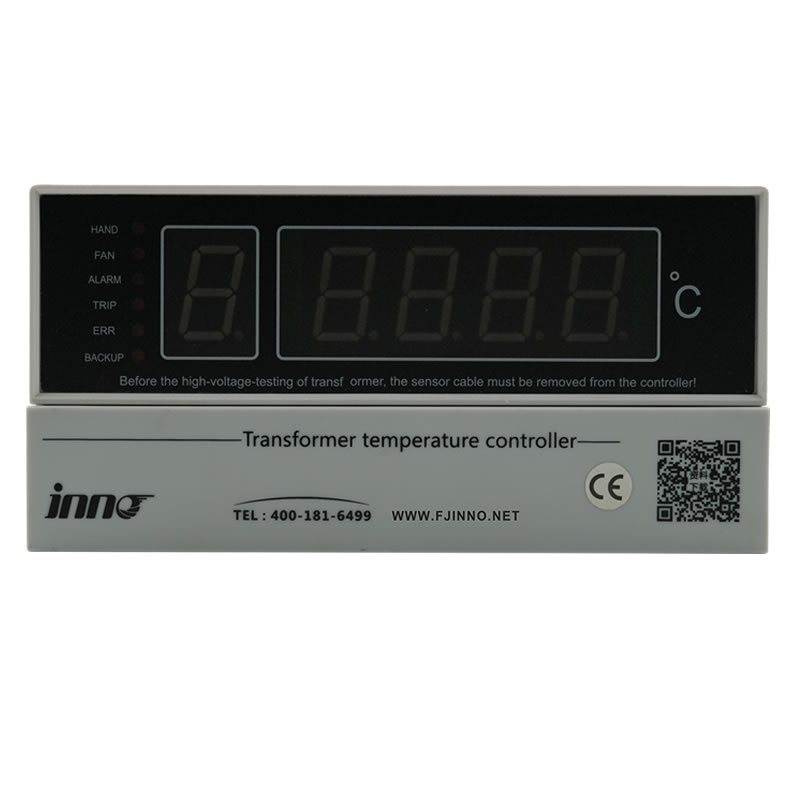
أ transformer temperature humidity monitoring system هو مستمر, حل أجهزة في الوقت الحقيقي يقيس في الوقت نفسه الظروف الحرارية والرطوبة داخل محولات الطاقة وحولها. إنه يتتبع درجة حرارة النقطة الساخنة المتعرجة, درجة حرارة الزيت العلوي, درجة حرارة غرفة المحولات المحيطة, والرطوبة النسبية - تغذية جميع القراءات إلى وحدة مراقبة مركزية تقوم بتسجيل البيانات, triggers alarms, وينشط الاستجابات الوقائية تلقائيًا.
السمة المميزة لهذا النوع من النظام هو تركيزه المزدوج. درجة الحرارة والرطوبة ليست متغيرات مستقلة في بيئة المحولات - فهي تتفاعل مباشرة على مستوى العزل. يؤدي المحول الذي يعمل عند درجة حرارة مرتفعة في بيئة رطبة إلى تدهور عزل السليلوز الخاص به بمعدل لا يمكن التنبؤ به من خلال أي من القياسين وحدهما. Monitoring both simultaneously, at all times, is the only way to accurately assess insulation condition in service.
كامل نظام مراقبة حالة المحولات typically comprises four layers: sensing elements at the transformer and in the surrounding environment, a local data acquisition unit, a communication link to the site control system or cloud platform, and supervisory software that presents data, الاتجاهات, and alarms to operators. Each layer is specified to the electrical environment of the installation — high-voltage substation, industrial distribution room, or outdoor pad-mount transformer — with appropriate insulation ratings, protection classes, وبروتوكولات الاتصال.
2. لماذا تحتاج المحولات إلى المراقبة الحرارية والرطوبة في وقت واحد
A power transformer’s operational life is determined primarily by the condition of its cellulose paper insulation. That insulation degrades through two mechanisms that are continuously at work during normal operation: thermal aging and moisture absorption. Understanding how these two mechanisms interact explains why a combined temperature and humidity monitoring approach is more effective than tracking either parameter in isolation.
The Effect of Temperature on Transformer Insulation Life
Transformer insulation aging follows an exponential relationship with temperature — a principle codified in international loading standards. For every 6–8°C rise above the rated hot-spot temperature, the rate of cellulose degradation approximately doubles. This means a transformer operating continuously at 10°C above its design hot-spot temperature loses insulation life at four times the expected rate. مباشر, مستمر winding hot-spot temperature monitoring is the only way to detect this condition in real time before it causes irreversible insulation damage.
The Effect of Humidity on Insulation Integrity and Dielectric Strength
Moisture enters transformer insulation through aging of the oil-paper system, through breather degradation, and through condensation cycles during transformer load fluctuations. As moisture content in the paper insulation rises, its dielectric strength falls — increasing the risk of partial discharge, accelerating further cellulose decomposition, and reducing the insulation’s resistance to voltage surges. أ transformer room humidity sensor that detects rising relative humidity before moisture migrates into the oil-paper system provides an early-warning window that temperature monitoring alone cannot offer.
The Combined Degradation Effect
When elevated temperature and elevated humidity are present simultaneously, تأثيرها المشترك على شيخوخة العزل مضاعف, ليست مضافة. حار, تدفع الظروف الرطبة الرطوبة إلى عمق عزل الورق, تسريع تكوين الحمض في الزيت, وزيادة معدل فقدان درجة البلمرة في السليلوز. أ نظام مراقبة درجة حرارة ورطوبة المحولات يلتقط هذا التفاعل من خلال توفير مستمر, سجل مترابط لكلا المعلمتين - تمكين نماذج حياة العزل, قرارات إدارة الأحمال, وجدولة الصيانة التنبؤية التي لا يمكن لنظام مراقبة أحادي المعلمة دعمها.
عواقب الرحلات الحرارية والرطوبة غير المراقبة
المحولات التي تعمل دون مراقبة مستمرة للحرارة والرطوبة تكون عرضة لأحداث تقادم العزل غير المكتشفة والتي تظهر فقط عندما يكون الفشل وشيكًا بالفعل. The consequences range from unplanned outages and forced derating to insulation breakdown, حرائق النفط, and catastrophic bushing failures. In substation environments where transformer failure triggers cascading supply disruptions, the business and safety case for continuous real-time transformer condition monitoring is unambiguous.
3. ما يقيسه جهاز مراقبة الحرارة والرطوبة للمحول فعليًا
A fully specified transformer temperature humidity monitoring system acquires readings across several distinct measurement points, each targeting a different aspect of transformer thermal and moisture condition:
- لف درجة حرارة النقطة الساخنة — the highest temperature within the active winding, measured directly with a fiber optic probe embedded in the coil during manufacture or inserted through an access port
- Top-oil temperature — the temperature of the transformer oil at the top of the tank, indicative of overall thermal loading and cooling system performance
- Transformer room ambient temperature — the dry-bulb air temperature inside the transformer enclosure or switchroom, which affects cooling efficiency and condensation risk
- Relative humidity inside the transformer room — the moisture content of the air surrounding the transformer, critical for assessing condensation risk and breathing system performance
- Moisture-in-oil content (خياري) — dissolved water concentration in the transformer oil, providing a direct measure of insulation moisture migration
- Core temperature (خياري) — iron core temperature for large power transformers where core losses are a significant heat source
The combination of winding hot-spot, درجة حرارة الزيت, درجة الحرارة المحيطة, and relative humidity gives operators a complete thermal and moisture picture of the transformer at all times — not a snapshot taken during a maintenance visit, but a continuously updated record of every operating hour.
4. تقنيات الاستشعار: كيف يتم قياس درجة الحرارة والرطوبة المتعرجة
Fluorescence Fiber Optic Sensors for Winding Hot-Spot Detection
Direct winding temperature measurement inside a live high-voltage transformer presents a fundamental challenge: the sensor must operate in contact with windings that may be energized at tens or hundreds of kilovolts, inside a tank filled with dielectric oil, in a strong alternating magnetic field. No conventional electronic sensor can meet all three requirements simultaneously.
ال مضان الألياف البصرية استشعار درجة الحرارة solves this problem completely. The sensing probe is entirely dielectric — no metallic conductor runs from the high-voltage winding to the monitoring instrument. The measurement principle is optical: a phosphor tip at the probe end responds to temperature through changes in fluorescence decay time, and the signal travels back to the instrument as light through a glass fiber. The probe is unaffected by the transformer’s magnetic field, generates no electrical interference within the tank, and can be installed directly on winding conductors at any voltage level without additional isolation hardware.
لأن fiber optic winding temperature probe يقيس موقع النقطة الساخنة الفعلي - وليس تقريبًا غير مباشر لدرجة حرارة الزيت - فهو يوفر المدخلات الأكثر دقة والأكثر فائدة بشكل مباشر لحسابات عمر العزل وقرارات التحميل الحراري الديناميكية.
أجهزة استشعار درجة الحرارة والرطوبة المتكاملة لمراقبة البيئة المحيطة
تتم مراقبة الظروف المحيطة بغرفة المحولات بواسطة أجهزة استشعار درجة الحرارة والرطوبة مجتمعة التي تستخدم عناصر رطوبة بوليمر سعوية مقترنة بثرمستورات NTC الدقيقة أو كاشفات درجة الحرارة المقاومة PT100. توجد هذه المستشعرات في حاويات محمية من الإشعاع مع تهوية مفلترة لمنع التلوث مع ضمان أن القراءات تعكس الظروف المحيطة الحقيقية بدلاً من الحرارة الموضعية من سطح المحول.
لتركيبات المحولات الخارجية ووحدات تثبيت الوسادة, sensors are specified with IP65 or IP67 protection ratings and UV-resistant housings to withstand direct weathering over multi-year deployment periods without recalibration.
Moisture-in-Oil Sensors for Insulation Moisture Assessment
Where a more direct measure of insulation moisture condition is required, an oil moisture sensor can be added to the monitoring system. These devices measure the water activity or dissolved water concentration in the transformer oil — a parameter that equilibrates with the moisture content of the paper insulation and therefore provides an indirect but continuous measure of insulation moisture level without requiring oil sampling or laboratory analysis.
5. مقارنة تكنولوجيا الاستشعار لمراقبة حالة المحولات

| المعلمة | Fluorescence Fiber Optic Probe | Capacitive Humidity + NTC/PT100 Sensor | مستشعر رطوبة الزيت |
|---|---|---|---|
| Measurement target | Winding hot-spot / درجة حرارة الزيت | Room ambient temperature and relative humidity | Dissolved water in transformer oil |
| مبدأ الاستشعار | مضان تسوس مدى الحياة | Capacitive polymer (ر.س) + resistance (ت) | Water activity equilibrium |
| نطاق درجة الحرارة | -40 درجة مئوية إلى +260 درجة مئوية | Typically −40°C to +85°C | 0درجة مئوية إلى +100 درجة مئوية (درجة حرارة الزيت) |
| Humidity range | لا يوجد | 0–100% RH | 0–100% water activity |
| العزل الكهربائي | Fully dielectric — >100 تصنيف كيلو فولت | Standard industrial isolation | Standard industrial isolation |
| مناعة EMI | Complete — no metallic sensing path | Good with shielded cable | Good with shielded cable |
| Installation location | Directly on winding / in oil tank | Transformer room wall / الضميمة | Inline with oil circuit or sampling valve |
| طريقة التثبيت | Embedded during winding or inserted via access port | Wall-mount with radiation shield | Flanged inline fitting or sampling port |
| Protection rating | IP67 (التحقيق); IP54+ (instrument) | IP65 / IP67 (outdoor) | IP65 / IP67 |
| تواصل | RS485 (via transmitter) | RS485 / 4-20 مللي أمبير | RS485 / 4-20 مللي أمبير |
| Maintenance requirement | None under normal conditions | Periodic filter cleaning; sensor replacement at end of rated life | Annual validation recommended |
| الأنسب ل | Direct winding and oil thermal monitoring in HV transformers | Continuous ambient condition tracking in transformer rooms | Insulation moisture condition assessment |
6. هندسة النظام, تواصل, وتكامل التحكم
Local Data Acquisition and Signal Conditioning
All sensors in a نظام مراقبة المحولات feed into a local acquisition unit — a DIN-rail or panel-mount module that conditions analog signals, polls digital sensors, and presents a unified data stream to the communication layer. For fluorescence fiber optic probes, the acquisition unit doubles as the optical interrogator: it generates the excitation light pulse, measures the fluorescence decay time, and converts the result to a calibrated temperature value before transmitting it over the network.
Local acquisition units are specified with the protection class and operating temperature range of the installation environment. Units destined for outdoor kiosk mounting or underground switchrooms are rated to wider temperature and humidity extremes than those installed in climate-controlled control buildings.
Wired and Wireless Communication Options
The standard communication interface for transformer temperature and humidity data transmission is RS485 with Modbus RTU — a proven, noise-immune protocol that operates reliably in the electrically demanding environment of a substation. For installations where cable routing is impractical — rural transformer stations, overhead-line distribution transformers, or temporary monitoring deployments — wireless communication over 4G LTE, لوراوان, or NB-IoT provides an equally capable alternative without the cost and disruption of cable infrastructure.
سكادا, DCS, and Substation Automation Integration
أ نظام مراقبة حالة المحولات لا تعمل بمعزل عن غيرها - فقيمتها تتضاعف عندما تغذي بياناتها البنية التحتية الإشرافية الحالية للموقع. يعمل مخرج Modbus RTU القياسي على التكامل مع منصات SCADA, أنظمة إدارة التوزيع, وأنظمة أتمتة المحطات الفرعية المتوافقة مع IEC 61850 واضحة ومباشرة. يرى المشغلون حالة الحرارة والرطوبة للمحول على نفس شاشات العرض مثل مرحلات الحماية, مواقف قواطع الدائرة, وقياسات الأحمال - بدون محطات مراقبة مخصصة أو أنظمة عرض متوازية.
أوضاع النشر المحلية والقائمة على السحابة
لأصحاب الأصول الذين يديرون مواقع محولات متعددة عبر منطقة جغرافية واسعة, القائمة على السحابة المراقبة الحرارية للمحولات عن بعد يوفر رؤية على مستوى الأسطول من بوابة ويب واحدة. الاتجاهات التاريخية, سجلات التنبيه, and insulation life consumption estimates are accessible from any location with an internet connection. For sites with stringent data security requirements, the same functionality is available in a locally hosted deployment with no external network dependency.
7. منطق الإنذار, التشابكات الواقية, والتحكم الآلي في التبريد
Tiered Temperature Alarm Thresholds
تكوين جيد transformer winding temperature monitoring system implements at least two alarm tiers for each temperature measurement point. The first tier — the warning alarm — alerts operators to a thermal condition that warrants attention but does not yet require immediate load reduction. The second tier — the high alarm or trip threshold — triggers an automatic protective response. Setting these thresholds requires knowledge of the transformer’s rated hot-spot temperature, فئة العزل, and cooling system capacity; the monitoring system provides the data to validate and refine these settings over time based on actual operating history.
Humidity Alarm and Dew Point Monitoring
Relative humidity alarms in transformer rooms are typically set at 70–80% RH as a warning level and 90% RH as a critical level, though the appropriate thresholds depend on the ambient temperature and the transformer’s breathing system design. More precisely, dew point monitoring — calculated from simultaneous temperature and humidity measurements — identifies the specific condition at which condensation will form on transformer surfaces and bushings. A dew point alarm provides earlier and more physically meaningful warning than a relative humidity threshold alone.
Automated Cooling and Dehumidification Interlocks
The alarm outputs of a transformer temperature humidity monitoring system can be wired directly to cooling system contactors and dehumidifier controls. When winding temperature exceeds the warning threshold, the system can automatically switch the transformer from natural cooling (أونان) to forced-air cooling (تشغيل إيقاف) without operator intervention — reducing peak hot-spot temperature and extending insulation life. When relative humidity or dew point exceeds its threshold, the system activates the room dehumidifier or enclosure heater to prevent condensation before it reaches the transformer surface.
Data Logging and Insulation Life Tracking
Every temperature and humidity reading is time-stamped and stored in the system’s non-volatile memory and forwarded to the supervisory platform. This continuous historical record supports IEC 60076-7 حسابات الشيخوخة الحرارية, providing an accumulated insulation life consumption figure that asset managers can use to inform maintenance scheduling, loading decisions, and end-of-life planning for each individual transformer under continuous monitoring.
8. تثبيت, وضع المسبار, وإرشادات النشر الميداني
Fiber Optic Probe Positioning in Transformer Windings
The accuracy and relevance of winding hot-spot measurements depend directly on probe placement. للمحولات الجديدة, مجسات درجة حرارة الألياف الضوئية are embedded in the winding during manufacture — positioned at the location of predicted maximum temperature based on thermal finite-element analysis of the specific design. For in-service transformers, probes can be introduced through oil-fill valves or dedicated access ports, and positioned against winding conductors using flexible probe guide assemblies designed for retrofit installation without tank draining.
Multiple probes are typically deployed — one per winding in a three-winding transformer, plus one in the top oil — to ensure that the hottest point in each winding is captured regardless of load distribution between phases and windings.
Humidity Sensor Location and Radiation Shielding
Ambient transformer room humidity sensors must be positioned to measure representative air conditions rather than localized microenvironments near heat sources or cold walls. Recommended placement is at mid-height on an interior wall, away from direct air supply vents, transformer cooling surfaces, and external walls subject to solar gain. A radiation shield — a multi-plate aspirated housing — prevents the sensor from responding to radiant heat from the transformer body while allowing free air circulation across the sensing element.
Protection Class and Hazardous Area Considerations
Transformer installations in petrochemical plants, mining sites, and offshore platforms require monitoring equipment rated for the applicable hazardous area zone classification. All sensing and acquisition components deployed in these environments must carry the appropriate ATEX, IECEx, or national equivalent certification. The fully passive nature of تحقيقات الألياف البصرية مضان — with no electrical energy at the sensing point — makes them inherently compatible with Zone 1 والمنطقة 2 hazardous area installations for the probe itself; acquisition units located outside the hazardous area require standard industrial enclosure ratings.
9. تطبيقات الصناعة وأنواع المحولات المغطاة
Grid Substations and Transmission Transformers
High-voltage transmission transformers — 110 كيلو فولت, 220 كيلو فولت, 500 kV — represent the highest capital value and most critical reliability assets in the power grid. مستمر transmission transformer temperature and humidity monitoring provides the data needed to operate these assets at maximum permissible loading without exceeding insulation life limits, and to detect developing thermal faults before they propagate to failure.
Industrial Distribution Transformers and Factory Power Rooms
Industrial facilities with large motor loads, محركات التردد المتغير, or arc furnaces subject their distribution transformers to highly variable and often demanding thermal cycles. أ real-time thermal monitoring system بالنسبة للمحولات الصناعية، فهو يحدد مقدار الضغط الحراري الفعلي الذي تتعرض له كل وحدة في ظل ظروف الإنتاج, تمكين فرق الصيانة من جدولة فترات الفحص بناءً على حالة العزل المقاسة بدلاً من وقت التقويم.
محولات الطاقة المتجددة
تعمل محولات توربينات الرياح ومحولات تكثيف المزرعة الشمسية في بيئات خارجية ذات تقلبات واسعة في درجات الحرارة اليومية والموسمية, في كثير من الأحيان في المواقع الساحلية الرطبة أو على ارتفاعات عالية. المراقبة المستمرة لدرجة الحرارة والرطوبة لهذه الأصول قيمة خاصة لأن الوصول الفعلي للتفتيش اليدوي أمر صعب, يعد التوقف عن العمل مكلفًا تجاريًا, والبيئة الحرارية أكثر تقلبًا مما هي عليه في محطات الشبكة الفرعية التقليدية.
محولات الجر في أنظمة السكك الحديدية والمترو
Traction transformers in railway substations and onboard rolling stock operate under heavy cyclic loading synchronized with train arrival patterns. مستمر traction transformer thermal monitoring supports dynamic load management — holding peak winding temperature within safe limits during rush-hour loading peaks while allowing higher power throughput during off-peak periods.
Data Center and UPS Transformers
Transformers in data center power distribution chains must maintain continuous availability. أ temperature humidity monitoring system integrated into the data center’s building management infrastructure provides the same continuous thermal and moisture visibility as in any industrial installation, with the additional benefit of seamless integration into the BMS alarm matrix and capacity planning tools already in use by the facility operations team.
10. كيفية تحديد نظام مراقبة المحولات الصحيح
Define the Measurement Points and Sensor Types Required
Start from the transformer’s design and operating environment. A new oil-filled power transformer with factory-installed winding probes requires a different specification than a retrofit monitoring installation on an existing dry-type distribution transformer in an industrial switchroom. List each measurement point — winding phases, درجة حرارة الزيت, درجة الحرارة المحيطة, relative humidity — and confirm the physical access and installation method available for each.
Match Sensing Technology to the Electrical Environment
For any measurement point inside or in close proximity to a live high-voltage winding, specify a مستشعر درجة حرارة الألياف الضوئية مع تصنيف عازل تم التحقق منه ومناسب لجهد النظام. لقياسات الغرفة المحيطة, تعتبر أجهزة استشعار درجة الحرارة والرطوبة الصناعية القياسية مع فئة الحماية المناسبة لنوع العلبة مناسبة. لا تستخدم المزدوجات الحرارية المعدنية أو مجسات RTD في المواقع التي تنشئ فيها مسارًا موصلاً بين المكونات ذات الجهد العالي وعلبة أداة المراقبة.
حدد بنية الاتصالات
حيث توجد بالفعل بنية تحتية للكابلات إلى مبنى التحكم في المحطة الفرعية, يوفر RS485 مع Modbus RTU مسار التكامل الأبسط والأكثر موثوقية. عندما يكون تركيب الكابلات غير عملي أو عندما يكون الموقع غير مأهول وبعيدًا, حدد بوابة لاسلكية 4G أو LoRaWAN. التأكد من أن المنصة الإشرافية في الطرف المتلقي — SCADA, نظام إدارة المباني, or DMS — supports the chosen protocol natively or through an available communication driver.
Confirm Certification and Standards Compliance
Specify certification requirements early. Hazardous area installations require ATEX or IECEx marking on field-mounted components. Grid-connected substation installations may require compliance with IEC 60076 (محولات الطاقة), اللجنة الانتخابية المستقلة 61850 (substation communication), or national grid operator standards. Request certification documentation from the manufacturer before procurement to avoid delays during commissioning and inspection.
Combined System Deployment for Large Transformer Banks
For transformer banks with multiple units — common in large grid substations and industrial power stations — a single acquisition network can serve all transformers simultaneously. تتصل مجسات الألياف الضوئية وأجهزة استشعار الغرفة لكل محول بحافلة RS485 مشتركة, وتعرض المنصة الإشرافية بيانات التحميل الحراري والرطوبة المقارنة عبر جميع الوحدات في عرض واحد. تعمل هذه البنية على تقليل تكلفة الأجهزة وتبسيط تدريب المشغلين مع توفير تغطية مستمرة كاملة لتركيب المحول بالكامل.
11. الأسئلة المتداولة
س1: لماذا من المهم مراقبة كل من درجة الحرارة والرطوبة في تركيب المحولات؟?
تعمل درجة الحرارة والرطوبة معًا على عزل المحولات. تؤدي درجة الحرارة المرتفعة إلى تسريع شيخوخة السليلوز; تقلل الرطوبة المرتفعة من قوة العزل الكهربائي وتسرع من انتقال الرطوبة إلى العزل الورقي. عندما يكون كلاهما حاضرين في وقت واحد, تدهور العزل مضاعف. أ نظام مدمج لمراقبة درجة حرارة المحولات والرطوبة captures this interaction, providing the data needed for accurate insulation life assessment and timely protective action — which neither parameter monitored in isolation can deliver.
Q2: Can fiber optic temperature sensors be installed on a transformer that is already in service?
نعم. Retrofit fiber optic temperature probe installations are carried out through existing oil-fill ports or dedicated access fittings without requiring full oil drainage or tank entry in most transformer designs. Flexible probe guide systems allow the sensing tip to be positioned against a winding conductor from the outside of the tank. The retrofit process is typically completed during a planned outage window without requiring the transformer to be removed from service for an extended period.
س3: What is the difference between top-oil temperature monitoring and direct winding hot-spot monitoring?
Top-oil temperature is a bulk measurement of the oil at the top of the transformer tank — it responds slowly to changes in winding loading and can underestimate the actual hot-spot temperature by 20–30°C under rapid load increase conditions. مباشر winding hot-spot temperature monitoring with a fiber optic probe measures the actual temperature at the hottest point in the winding, providing a faster, more accurate signal for thermal protection and insulation life calculations. اللجنة الانتخابية المستقلة 60076-7 explicitly recommends direct hot-spot measurement over oil temperature estimation for accurate insulation aging models.
س 4: What relative humidity level should trigger an alarm in a transformer room?
A typical configuration sets a warning alarm at 70–75% relative humidity and a critical alarm at 85–90% RH. لكن, the most physically meaningful threshold is the dew point temperature — calculated from simultaneous dry-bulb temperature and relative humidity measurements — because condensation forms when the surface temperature of transformer components falls below the dew point, regardless of the absolute RH value. A monitoring system that calculates and alarms on dew point provides earlier and more actionable warning than an RH threshold alone.
س5: How does the monitoring system activate the cooling fans or dehumidifier automatically?
ال transformer temperature humidity monitoring unit includes relay or transistor alarm outputs that are wired directly to the control circuits of cooling fans, مضخات النفط, and dehumidifiers. When a temperature or humidity measurement crosses a configured threshold, the corresponding output activates within seconds — starting forced cooling or dehumidification without requiring operator intervention. The activation and deactivation events are logged with timestamps for maintenance records.
س6: Is the fluorescence fiber optic probe affected by the transformer’s magnetic field?
لا. ال fluorescence fiber optic temperature probe operates entirely on optical principles — light in, light out. There are no magnetic or electrically conductive elements in the sensing path, so the alternating magnetic field inside a power transformer has no effect on measurement accuracy. This is a fundamental advantage of optical sensing over any metallic thermocouple or RTD probe, both of which are susceptible to magnetically induced voltage errors in transformer environments.
س7: Can the monitoring system communicate with an existing substation SCADA platform?
نعم. The standard RS485 / Modbus RTU output of the transformer monitoring acquisition unit is natively supported by virtually all SCADA, DCS, and substation automation platforms in current use. For IEC 61850-compliant substations, a protocol gateway converts Modbus RTU to IEC 61850 GOOSE or MMS without modifying the monitoring hardware. Integration requires only the Modbus register map — supplied with the product — and standard SCADA configuration work.
Q8: How many transformers can one monitoring system cover simultaneously?
A single RS485 network can address up to 247 أجهزة Modbus التابعة — كافية لتغطية محطة محولات فرعية بأكملها باستخدام مجسات متعرجة, oil temperature sensors, وأجهزة استشعار رطوبة الغرفة على وحدات محولات متعددة من وحدة اقتناء رئيسية واحدة. للمنشآت الكبيرة جدًا, يمكن تجميع قطاعات RS485 المتعددة على مستوى البرنامج الإشرافي, توفير رؤية مراقبة موحدة عبر أي عدد من المحولات دون حد أعلى عملي.
س9: ما هي الصيانة التي يتطلبها نظام مراقبة رطوبة درجة حرارة المحولات؟?
مجسات الألياف الضوئية الفلورية لا تتطلب أي صيانة مجدولة في ظل ظروف التشغيل العادية - يتجاوز عمرها الافتراضي 25 سنين. غرفة أجهزة استشعار درجة الحرارة والرطوبة الاستفادة من الفحص الدوري للفلتر وتنظيفه, and sensor elements should be replaced according to the manufacturer’s stated calibration interval — typically every two to five years depending on the contamination level of the installation environment. The acquisition unit and communication hardware require no routine maintenance beyond firmware updates and periodic functional verification against a reference instrument.
س10: Is it possible to add moisture-in-oil monitoring to an existing temperature and humidity monitoring installation?
نعم. Oil moisture sensors are available as add-on modules that connect to the existing RS485 network and report dissolved water concentration or water activity in the transformer oil through the same supervisory platform already in use for temperature and humidity data. يتطلب التثبيت الوصول إلى دائرة زيت المحولات من خلال صمام أخذ العينات أو التركيب المضمن - وهو تعديل ميداني مباشر يمكن تنفيذه أثناء انقطاع الصيانة الروتينية.
12. استكشف حلولنا الخاصة بمراقبة المحولات
فوتشو الابتكار العلوم الإلكترونية&شركة التقنية, المحدودة. وقد صممت وصنعت أنظمة مراقبة درجة حرارة الألياف الضوئية و حلول مراقبة حالة المحولات منذ 2011. تغطي مجموعة منتجاتنا تحقيقات درجة حرارة لف الألياف الضوئية مضان, أجهزة إرسال درجة الحرارة من الألياف الضوئية متعددة القنوات, أجهزة استشعار درجة الحرارة والرطوبة الصناعية, وكاملة أنظمة مراقبة رطوبة درجة حرارة المحولات لمرافق الطاقة, المرافق الصناعية, الطاقة المتجددة, وتطبيقات البنية التحتية للسكك الحديدية في جميع أنحاء العالم.
اتصل بفريقنا الهندسي لطلب ورقة بيانات المنتج, مناقشة المواصفات الخاصة بالموقع, أو ترتيب استشارة التطبيق:
- موقع إلكتروني: www.fjinno.net
- بريد إلكتروني: web@fjinno.net
- واتساب / وي شات (الصين) / هاتف: +86 135 9907 0393
- ف ف: 3408968340
- عنوان: مجمع لياندونغ يو لشبكات الحبوب الصناعية, رقم 12 طريق شينغي الغربي, فوتشو, فوجيان, الصين
تنصل: يتم توفير المعلومات والمواصفات الفنية المذكورة في هذه المقالة لأغراض إعلامية عامة فقط وتعكس معلمات المنتج القياسية في وقت النشر. قد يختلف أداء النظام الفعلي حسب ظروف التثبيت, تصميم المحولات, العوامل البيئية, ومتطلبات التطبيق. جميع المواصفات عرضة للتغيير دون إشعار. هذا المحتوى لا يشكل ضمانا, التزام فني ملزم, or engineering design recommendation for any specific installation. Always consult a qualified engineer and refer to applicable standards and manufacturer documentation for project-specific design and safety decisions.

مستشعر درجة حرارة الألياف الضوئية, نظام مراقبة ذكي, الشركة المصنعة للألياف الضوئية الموزعة في الصين
 |
 |
 |